![Hey Decor Girl [Latest Trending Decor Design Ideas]](https://heydecorgirl.com/wordpress/wp-content/uploads/2024/08/Heygirldecor-Logo.png)
Built-in Wall Cubbies – In the current design of the home, space maximization without interfering with the style has become a factor of concern to the homeowners. The built-in wall cubby is one of the innovative solutions that can be used without any trouble and at the same time fit perfectly in terms of functionality and aesthetics. Compared to the conventional shelving units that can take up the floor space, built-in wall cubbies are mounted into the wall recessively with a sleek and modern appearance, and maintain order in your house. The versatile storage units can be adjusted in size, shape, and material, and fit any room, including both the living section and kitchen areas and bedrooms, and corridors.
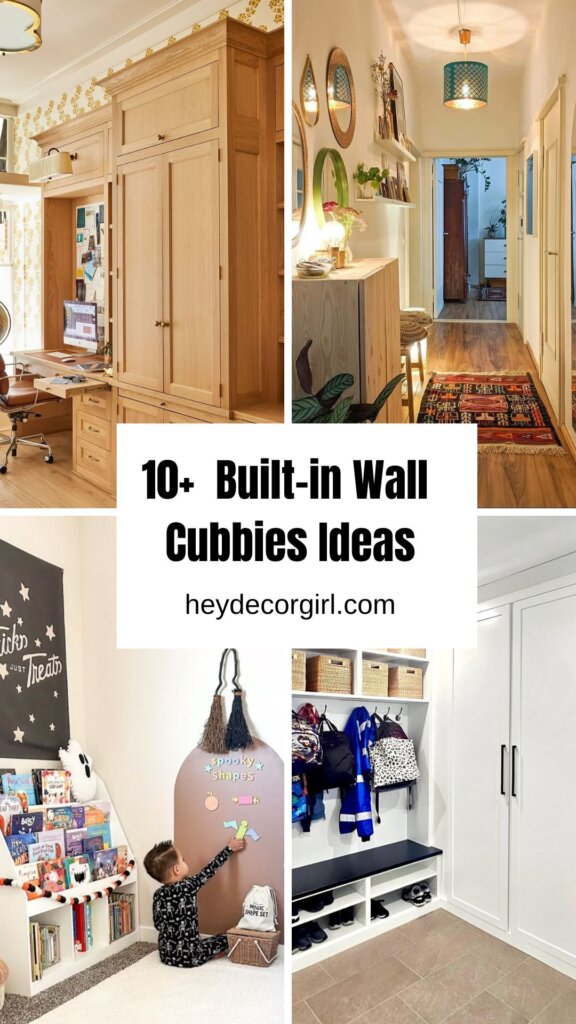
The built-in wall cubbies are not only used to declutter your place but also as a unique style of displaying your books, decorations, or even personal memorabilia. They are ideally suited to small apartments or small rooms where space is at a premium, but can also be used to decorate larger homes by providing an architectural flair to blank walls. Other than being practical, wall cubbies enable homeowners to indulge in their design preferences, be it the minimalist floating designs, geometric designs, or backlit compartments.
With the transformation of the home where strict functionality is being merged with graceful features, the introduction built-in wall cubbies is becoming an essential element of the home. They have a sophisticated yet stylish finish to them, constituting a usable and appealing product to the modern living environment.
Top 10 Stunning Built-in Wall Cubbies Ideas
Living Room Display Cubbies
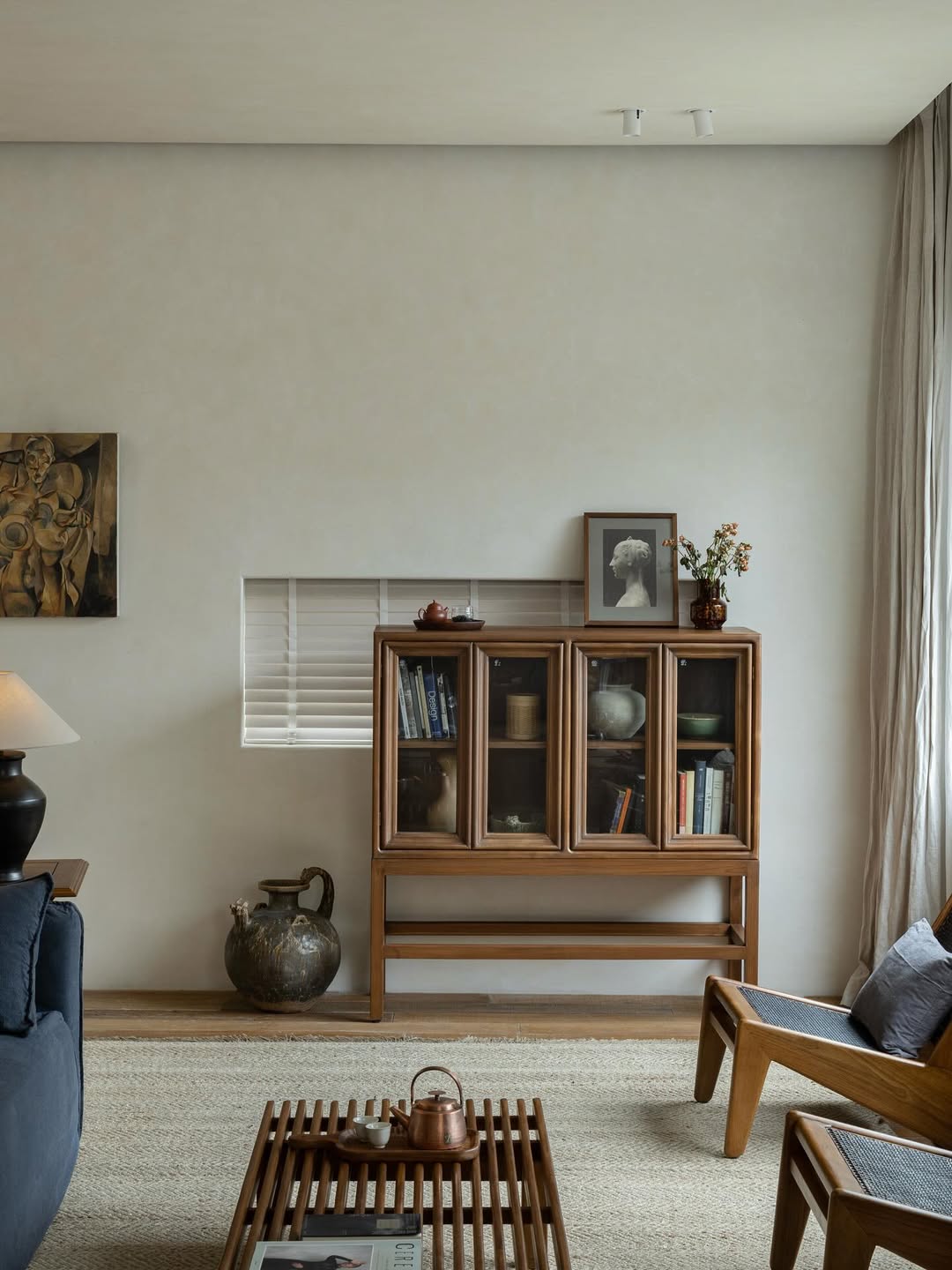
Credit@zhuomu_collection
Turn your living room walls into a classy feature with cubbies installed in them. Hang them to hang or to show decorations, framed pictures, plants, or collectibles. When you have cubbies set in symmetrical or staggered patterns, you make it interesting to the eye and at the same time keep the items in order. It is also possible to use small LED lights within each cubby, which will illuminate the decor and play a significant role in establishing a cozy environment. It is the best way to utilize maximum space on the wall and avoid the use of huge shelving units, so that your living room would have a clean, modern, and practical appearance.
Kitchen Spice and Cookware Cubbies
Credit@dusty.eva
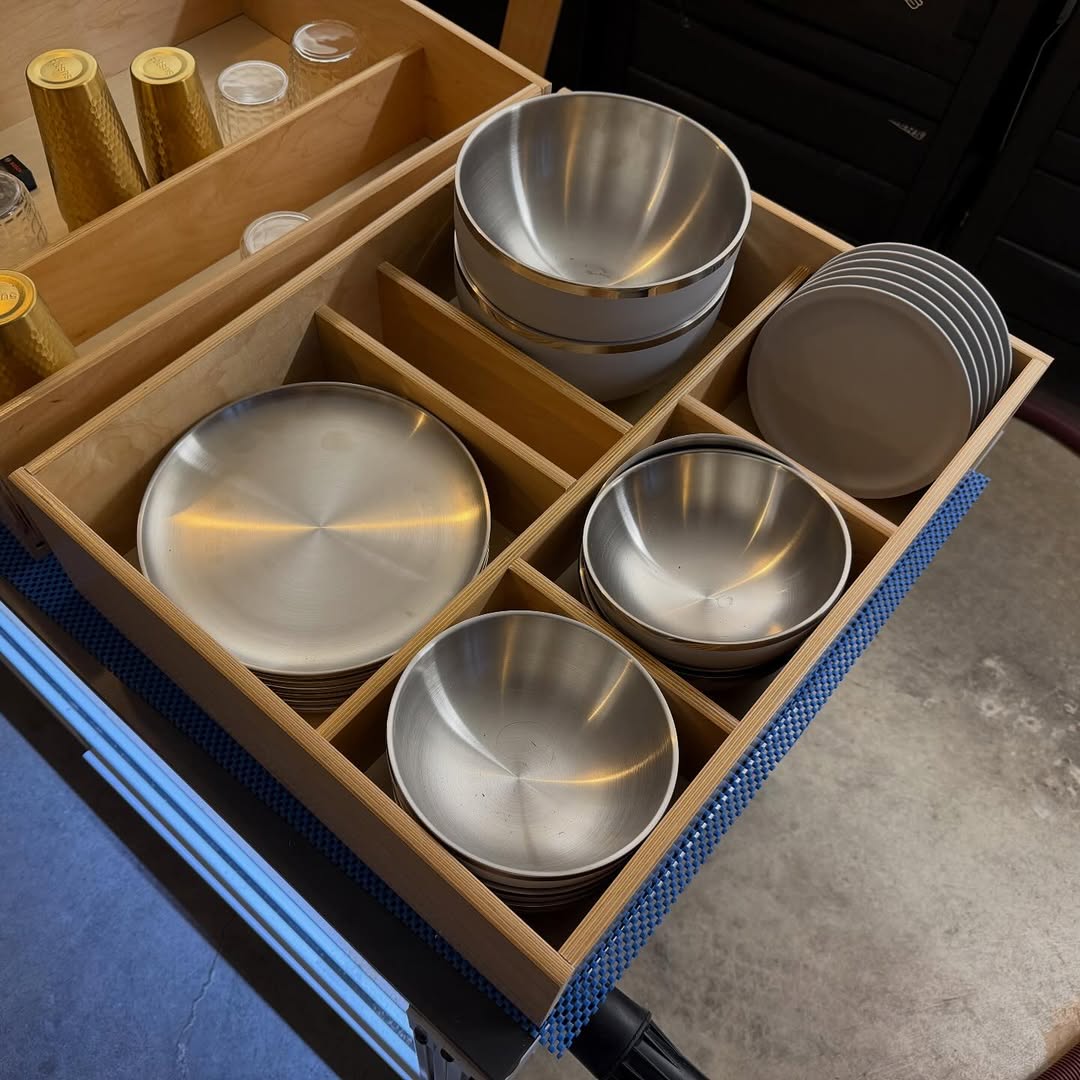
The kitchen has built-in cubbies that have easy access to spices, jars, and small appliances. They assist in clearing up countertops and having necessities within their reach. Cubby sizes can be designed to accommodate tall bottles or cooking utensils, or even cutting boards. Open cubbies are suitable for placing frequently used items, and those that have doors can contain clutter. Cubbies can be painted or finished with wood that can be integrated with the cabinetry. This is a handy storage tool that enhances kitchen effectiveness and orderliness of the cooking area.
Bathroom Storage Cubbies
Credit@xbathrooms
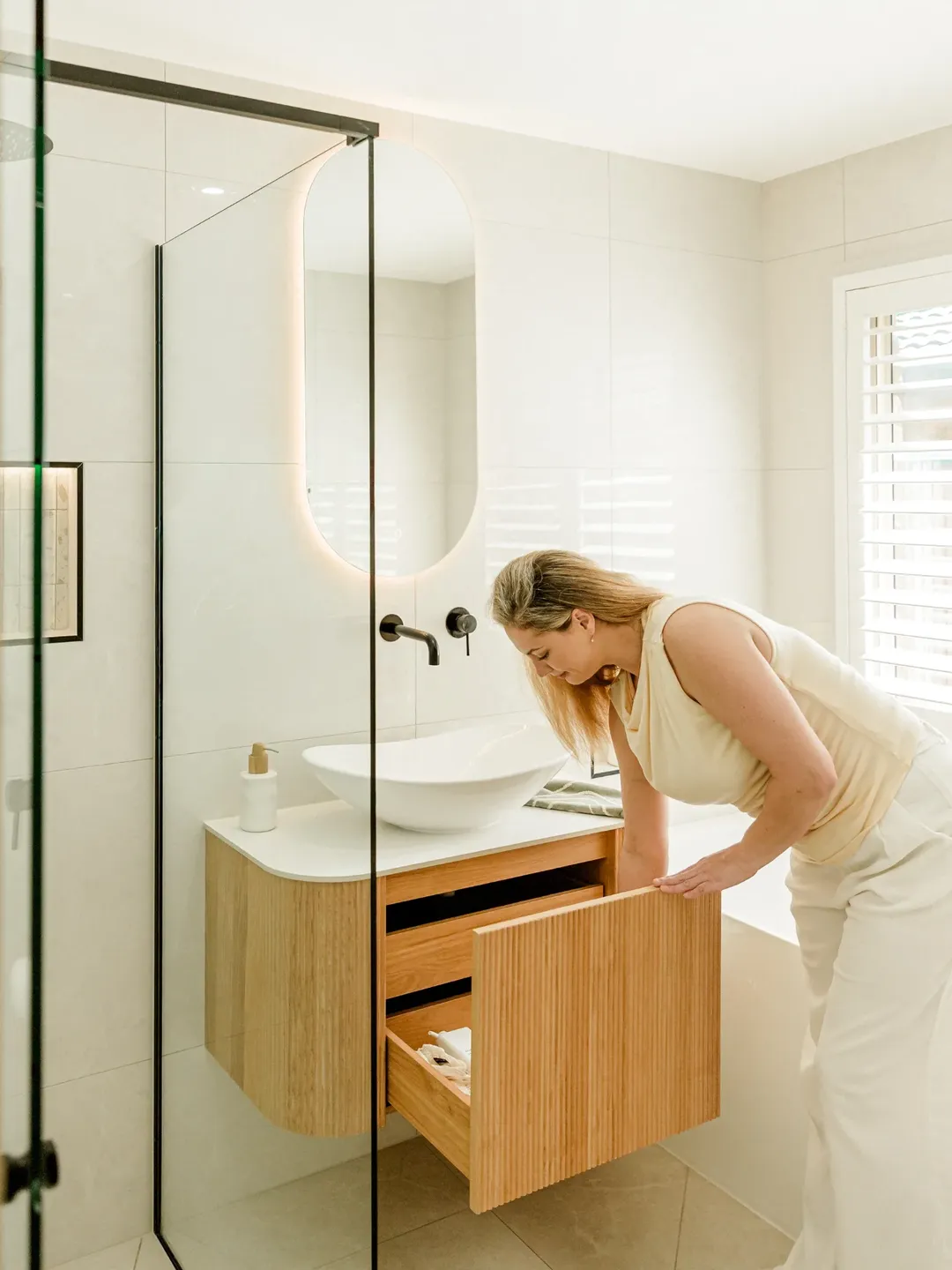
In the bathrooms, large shelves or cabinets may be substituted with built-in cubbies. Store towels, toiletries, and decorative items such as candles or plants in them. Shampoos and soaps may be stored in recessed cubbies within the shower to keep the surface of the shower dry and andwell-structuredd. A durable material like tile or waterproof wood is used to guarantee that the covering can resist moisture. Backlighting can also be used to add a sense of ambience when the sun goes down. Bathroom cubbies are a way to save space, minimize clutter, along with bringing a spa-like ambiance to storage and transforming it into a design feature.
Bedroom Reading and Display Cubbies
Credit@lulumoondreams
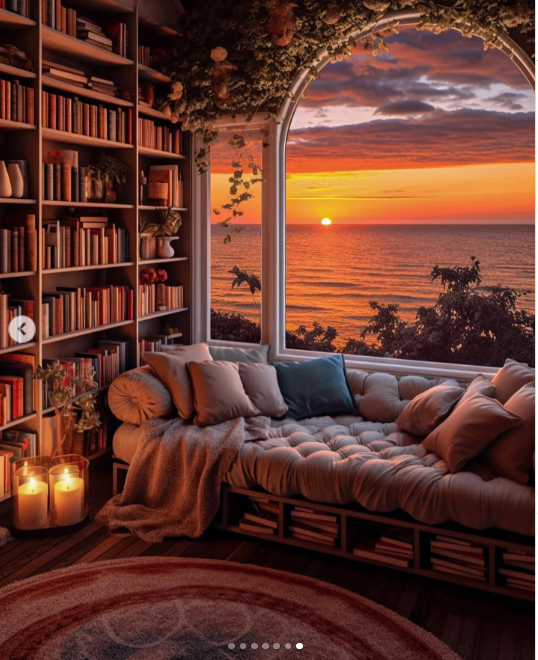
Wall cubbies are used in the bedrooms to store books, bedside items, and ornaments. They can be placed next to the bed or a feature wall to make them look like a modern and minimalist library. The open cubbies are used to display the items that are visible and reachable, whereas the cubbies with sliding doors or drawers conceal clutter. Taking cubbies in various sizes is a way of making it more interesting and customized. This design not only limits the size to the greatest extent, but it also promotes order and a good reading atmosphere, and is a blend of usefulness and beauty.
Entryway Organization Cubbies
Credit@houzz
Home Office Storage Cubbies
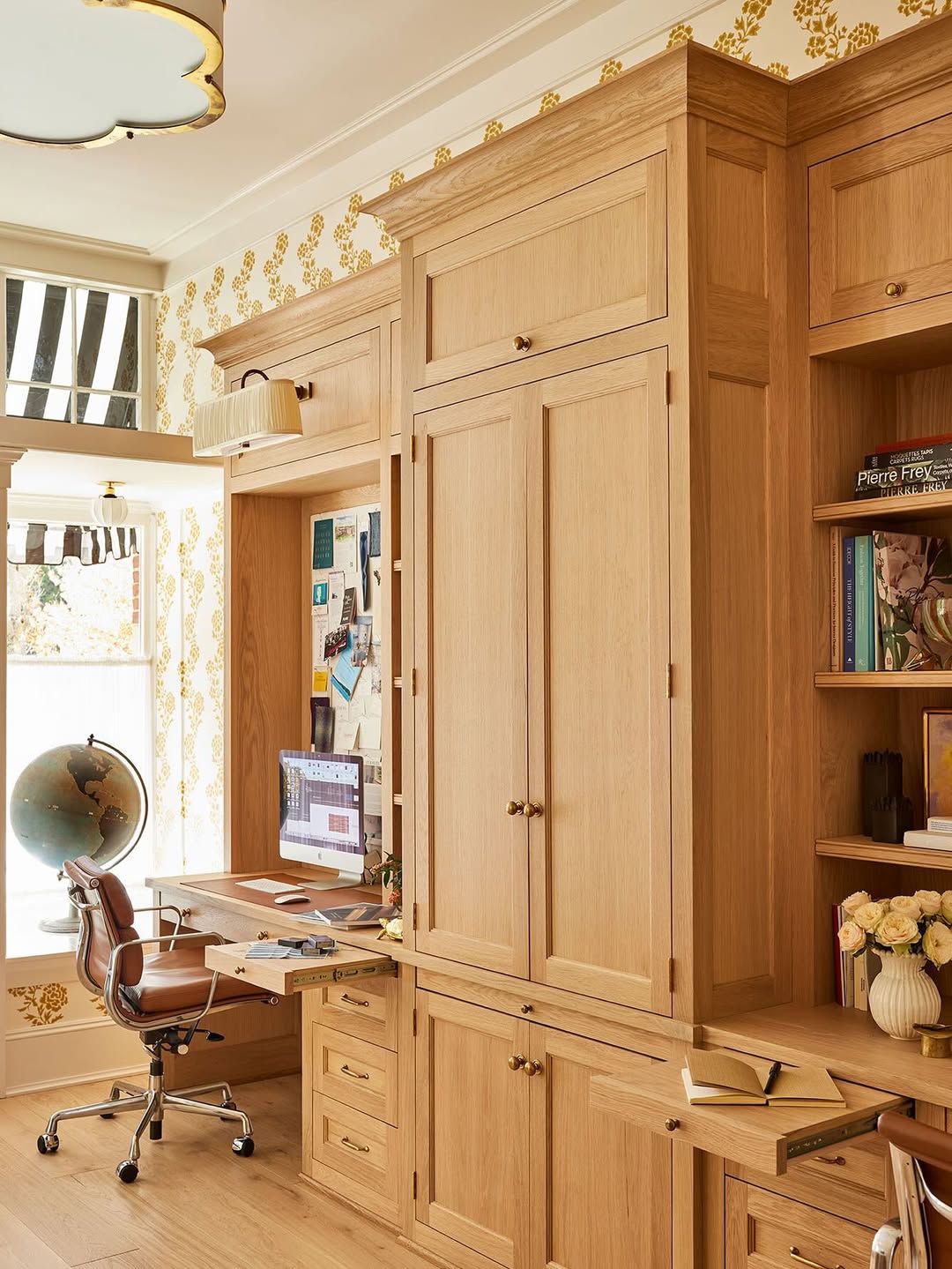
Credit@lizcaan
Wall Cubbies: Media and Entertainment
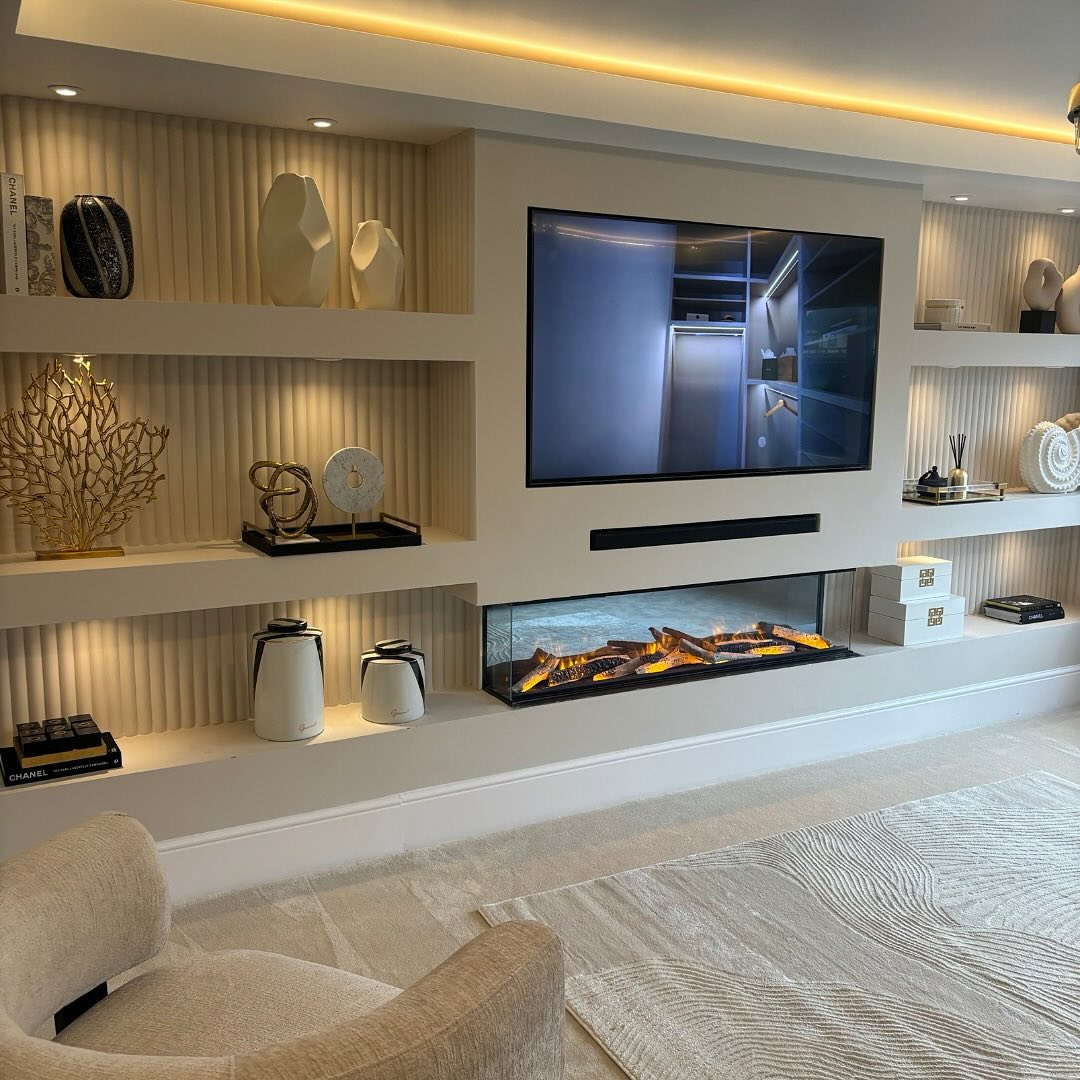
Credit@panelsbysofia
Install built-in cubbies to arrange your television, sound system, and gaming consoles. DVDs, remote controls, and decorations may be placed in cubbies, ensuring that the entertainment area is always clean and tidy. The use of flexible shelves or cable management programs in the cubbies will make them functional without reducing their decorativeness. The introduction of LED backlighting behind cubbies will be beneficial to the atmosphere and decoration. The solution eliminates the clutter associated with the old media units and provides a clean, modern, rn and useful entertainment room in your living or family room.
Kids’ Room Toys and Book Cubbies
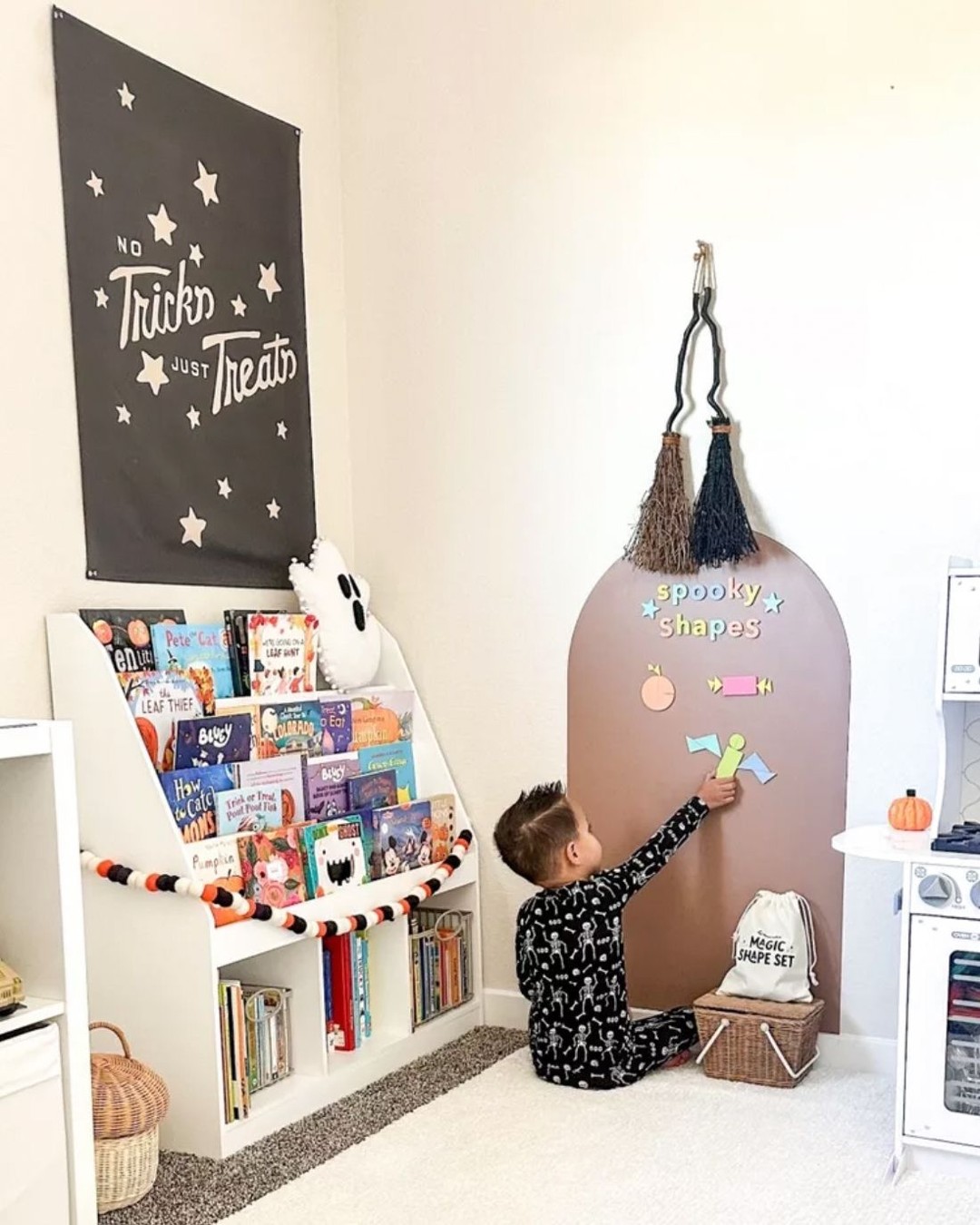
Credit@riverridgehome
The wall cubbies should be built into the walls in children’s rooms where toys, books, and craft materials should be stored in an organized way. Small cubbies give access to things at a low height, and hence, the kids learn how to organize things. The room is made fascinating with colored cubbies or pattern designs. You may use open cubbies and put baskets or bins in cubbies to conceal clutter. This convenient storage item helps make the room neat and organized, as well as help children find and replace their items without difficulty, thus making the process of playing and cleaning up more pleasant.
Hallway Decorative Cubbies
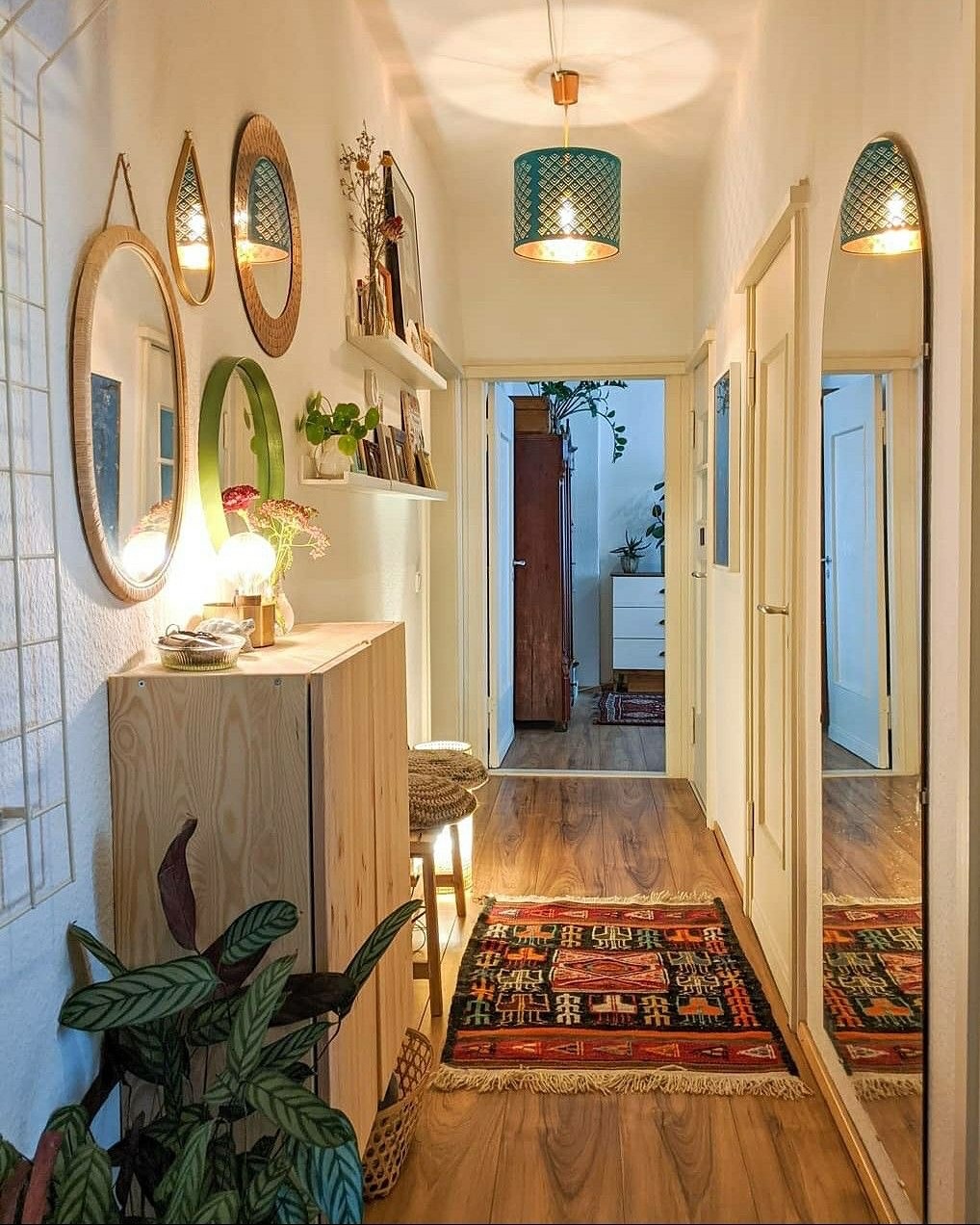
Credit@flowbylara
The wall space can be utilized by creating built-in cubbies in hallways where there is free space. They can be used to show art, plans, ts, or decorative items and make a simple passage a fancy gallery. Staggered or geometric designs allow a visual appeal, whereas uniform finishes allow a unified appearance. Hidden storage places for small stuff like keys or mail can also be provided on cubbies. Hallway cubbies help improve the design of the home without taking away walking space and providing character to the neglected spaces.
Closet and Wardrobe Cubbies
Credit@closetsbydesign
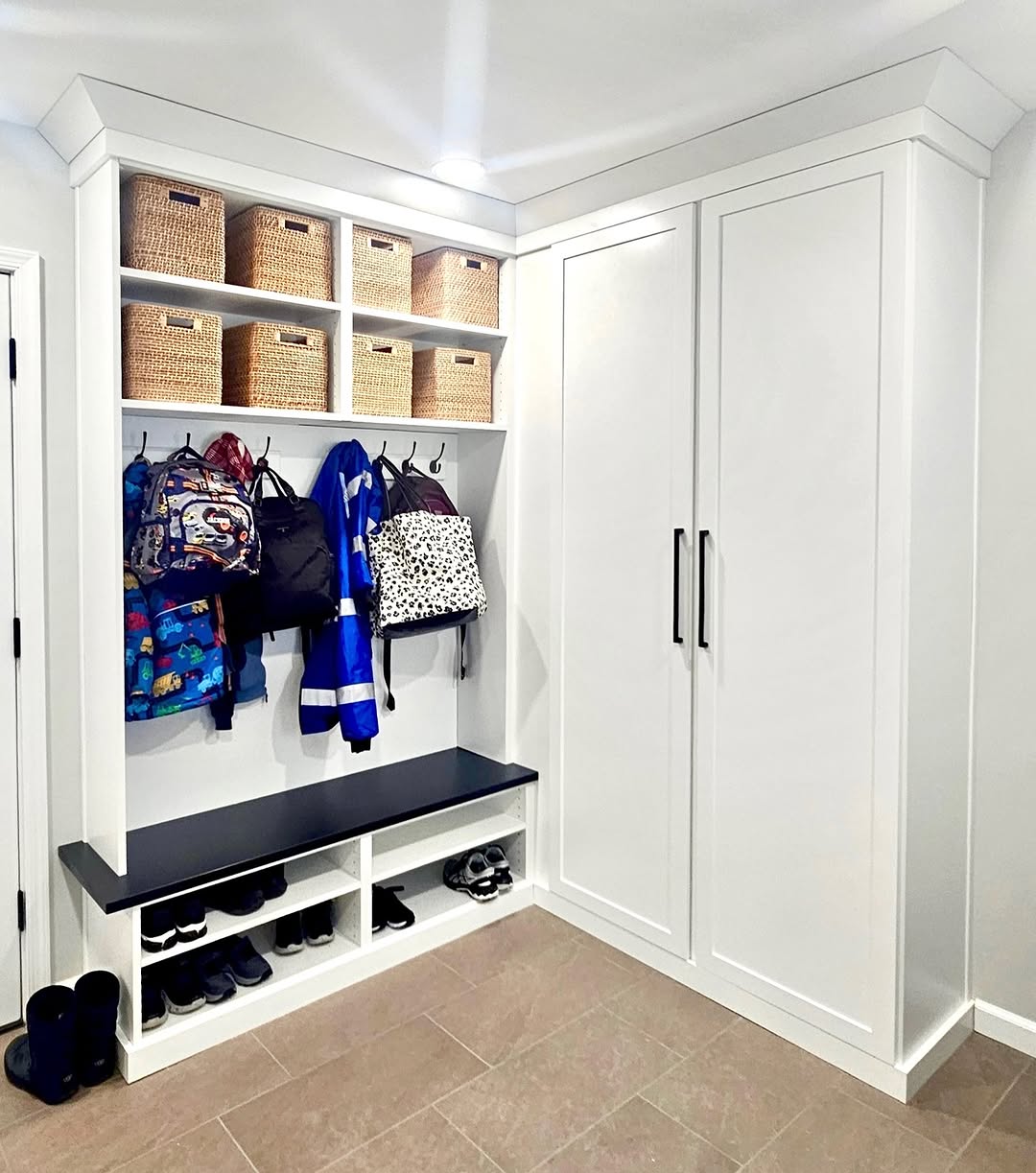
Wall cubbies are used to offer a systematized storage of shoes, handbags, and folded clothes inside the closets. The size of cubbies varies depending on their uses, e.,g. Boots to accessories. Open cubbies can be accessed easily,ily and closed cubbies conceal disorder. The built-in cubbies in the closets are the best to create vertical storage and minimize overcrowding, and ensure everything is visible and available when needed. Use of lighting in cubbies enhances visibility, and one can always find something easily in a short time. Such efficiency and style make even a common wardrobe a very versatile and eye-pleasing location.
Installation Tips for Built-in Wall Cubbies
- Select plan cubby size based on wall thickness and space available.
- Select the position, without selecting plumbing or electrical lines.
- Framing and support must be durable, with the use of strong framing.
- Use waterproof material in the bathrooms or kitchen.
- Bear in mind the built-in lighting as a way of improving visibility and beauty.
- Adjust the depth and height of a cubby to suit the desired objects.
- Wall surfaces should be smoothed before installation to achieve a smooth finish.
- Contract an expert in case the design requires structural changes.
Maintenance Tips for Built-in Wall Cubbies
- Vacuum the cubbies regularly to avoid dust buildup.
- Shelves should not be overloaded, as this will cause the shelves to sag or be damaged.
- Wipe with a wet rag on wooden or painted surfaces; cleaners generally are soft.
- Look into any loose joints or cracks occasionally.
- Clean or repair faded paint or finishes to keep on looking good.
- Maintain cleanliness and cleanups to ensure there is no clutter.
- To replace the bulbs or LED strips in backlit cubbies, open the bulbs and put in new ones.
Final Thoughts
Wall cubbies are an excellent combination of form and functionality, and the built-in wall cubby would provide a homeowner with an effective means of making the most of the existing space and at the same time bringing a certain aesthetic value to the interior. Wall cubbies may offer a solution to nearly every room, whether it is the place to display or store decor, arrange necessities, or create some hidden storage. They can be tailored with regard to size, material, and design, hence making it flexible to either modern, traditional, or eclectic styles of home design. When installed and taken care of, inbuilt cubbies not only can clear your space balso contributeute an aesthetic, architectural aspect to your entire look and feel of your home. These intelligent storage units have an opportunity to make the seemingly mundane walls a useful, ornamental feature.
FAQs
Q: What rooms are the most appropriate for built-in wall cubbies?
A: In-built cubbies are good in living rooms, kitchen rooms, bathrooms, bedrooms, and even office rooms of a home. Depending on the room their design can be made to be either a storage or a display.
Q: Are wall cubbies that are built into the walls possible?
A: They could and probably should be framed in most already existing walls, though it might mean some plumbing or electrical circuitry line checking to avoid any unintentional interference.
Q: Which materials are best used on wall cubbies?
A: Commonly used materials are wood, MDF, plywood, or moisture-resistant material. They can also incorporate glass, metal, and tile to give them a decorative or contemporary appearance.
Q: What about built-in wall cubbies?
A: Frequent dusting, wiping off with a damp cloth, not overloading shelves, and loose joints are some of the tips that can be used to ensure longevity and looks.
Q: Does it have inbuilt cubbies with lights?
A: Yes, one can install LED strips or small recessed lights inside cubbies to emphasize the objects on display and provide a cozy and decorative effect.