![Hey Decor Girl [Latest Trending Decor Design Ideas]](https://heydecorgirl.com/wordpress/wp-content/uploads/2024/08/Heygirldecor-Logo.png)
Playroom Bookshelf Ideas – A playroom is not merely a place where children play, but a place where they are able to be creative, imaginative, learn, and organize. Bookshelves have a transformative effect on a playroom, which is one of the key elements that can improve its functionality and design. Regardless of the size of your playroom, smart bookshelf spaces can be used to ensure that your space is tidy and kids will develop p interest in reading and self-organization. An effectively designed bookshelf may transform chaos into beauty, encourage self-education, and provide and showcase books, toys, art materials, games, and collectibles.
Playroom bookshelf concepts have changed to be more modern than using wooden racks. They adopt interactive layouts like wall-mounted shelves, cube-organized, floating shelves, reading nooks with inbuilt storage, Montessori-style low shelves, and themed display racks. Having the appropriate bookshelf layout can influence the behavior of a child because in case the shelves are accessible and shelves are easy to find, the child is likely to become a responsible individual capable of creative play. Also, shelves enable parents to turn the toys and books around and make the surroundings interesting without having to purchase them frequently.
No matter what the theme in the playroom is, a woodland adventure, a superhero zone, or a pastel fairy garden, the bookshelves can be designed in the minimal and modern style, or a variety of colors and whimsical constructions. This blog offers the best ideas of innovative playroom bookshelves that unite the stylish appearance with the safety and usefulness, and that will help you to create an organized space that your child will enjoy.
Top 10 Creative Playroom Bookshelf Ideas
Montessori Low Bookshelves for Easy Access
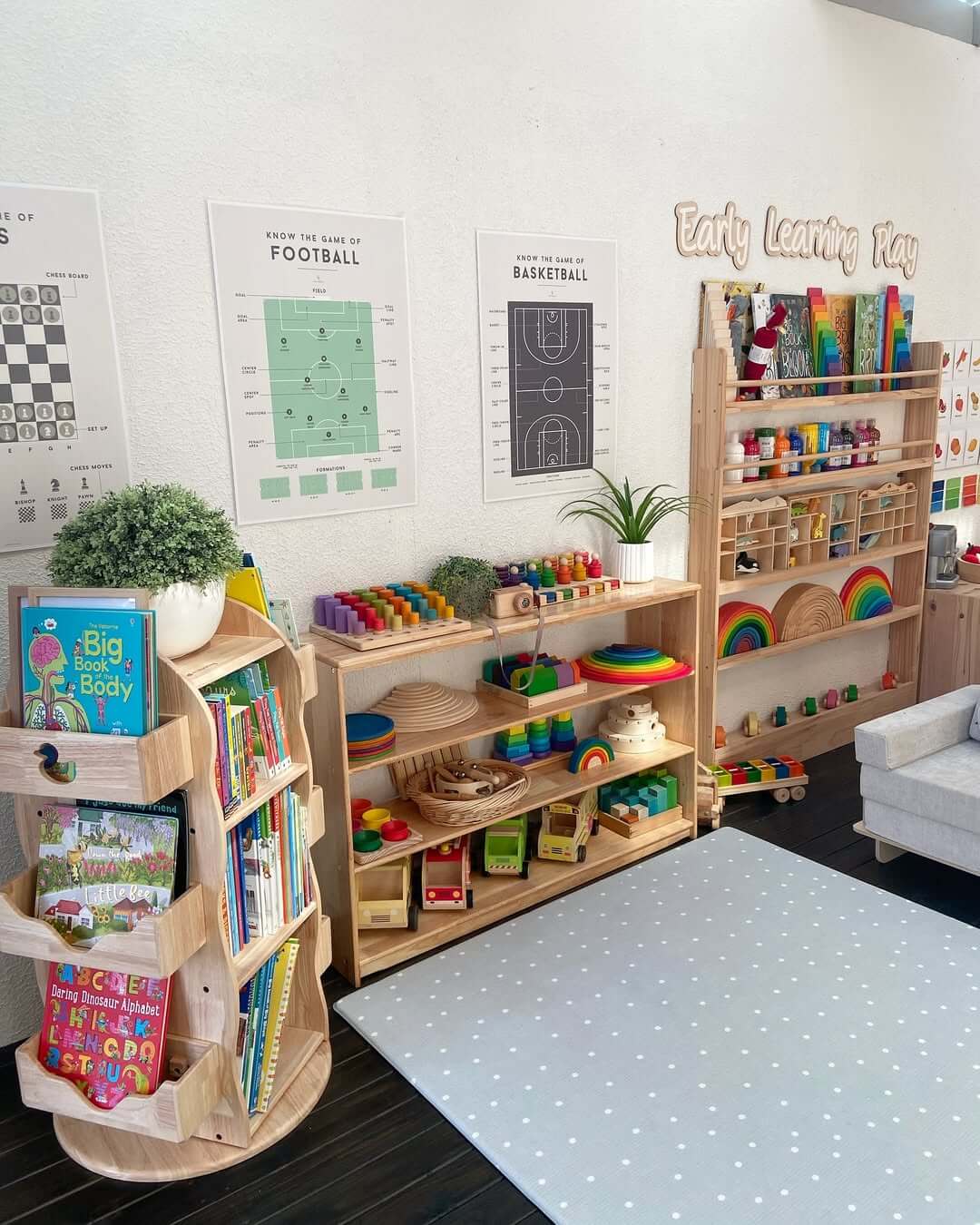
Credit@early.learning.play
Montessori style of low bookshelves is utilized in such a way that they are at the level of the child, and books and goods are easily accessible. This arrangement promotes independence and makes children responsible as they can handle and put back things without any adult assistance. The open arrangement facilitates easy classification of books, puzzles, and toys and prevents any kind of covering up. Make the wood in the learning environment natural and use it along with baskets or trays to sort. Around this place, ring in a soft rug and cushions to make it a comfortable reading corner. This type of shelf is suitable with kids who are toddlers and preschoolers who are learning how to organize their behavior
Colorful Floating Wall Shelves
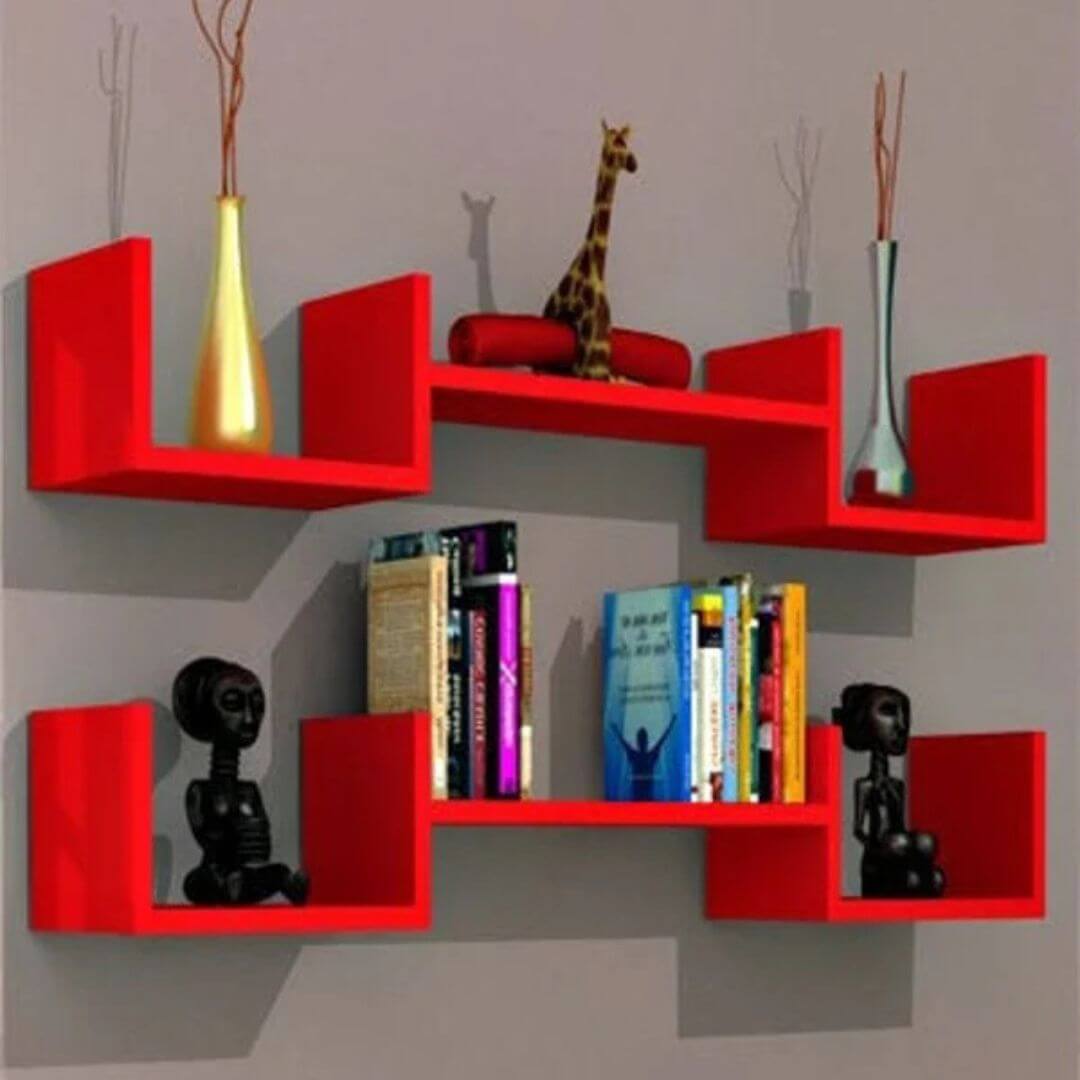
Credit@etsy
Wall shelves should be floating because they should not occupy much of the floor space, in case the playroom is small. The shelves make use of the available space in the vertical and make books appear face-out, as this is most attractive to the kids and gets them to read more. It is possible to install shelves of different sizes and shapes, like clouds, rainbows, swans, or stars. They also create beautiful presentation spaces of art and decorations. Checking on good wall anchors and rounded edges to be safe. Decorate the shelves with a mural or bright wallpaper behind them. Ideal with contemporary, minimalistic, orthemede playroom designs.
Cube Organizer Shelves with Storage Bins
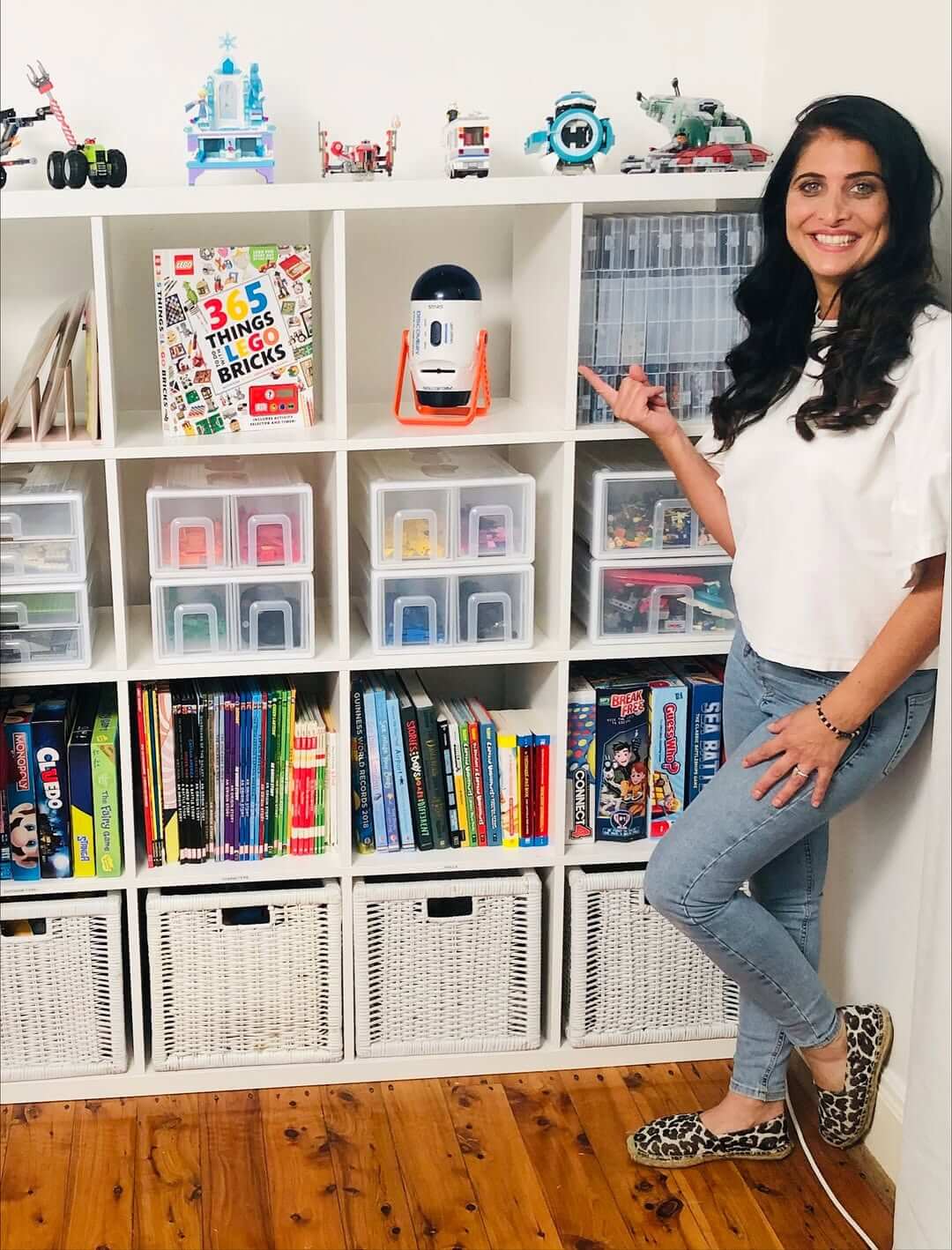
Credit@mise_en_place_aus
Bins on the cube storage shelves are also some of the most useful and popular storage objects that can be applied in the playrooms. Every cube compartment can be assigned to specific areas like books, craft materials, building blocks, or pretend play items. Use fabric or wicker bins with open cubes to store things without being seen, so as not to create visual clutter. Baskets can be labeled or colored to aid children in learning how to sort. Cube shelves are also good seating with a cushion on the top to maximize space. Fit in a multi-age playroom, separate storage cubes may be used by siblings to put personal objects away, so that shared space remains in order.
Built-In Wall Bookshelf System
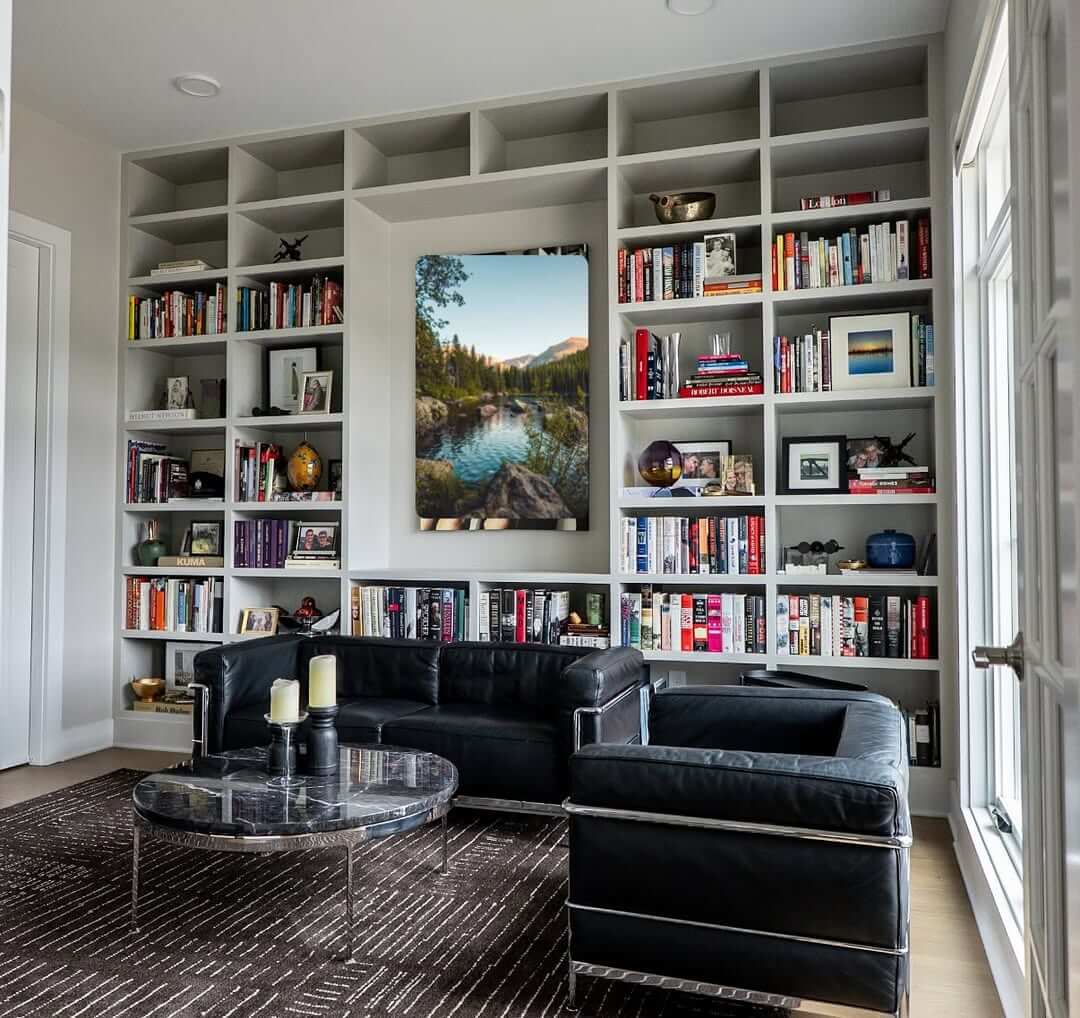
Credit@a_carpenters_son
The playroom is also converted into a mini home library via a built-in bookshelf wall that would also give them massive and organized storage. Built to cover the entire wall or to enclose a window or a door, built-ins provide a lot of space to store books, toys, and other decorations. The comfort is increased with a reading bench or cushioned nook underneath. Built-ins achieve a smooth, combined appearance and serve to keep order even in the busiest locations. The shelves can be adjusted, hence storage can change with the change of interest and growth of the children. Select bold colors of paint or a two-tone finish to suit any theme of the room and ensure that the room is appealing to the eyes.
Rolling Cart Bookshelf
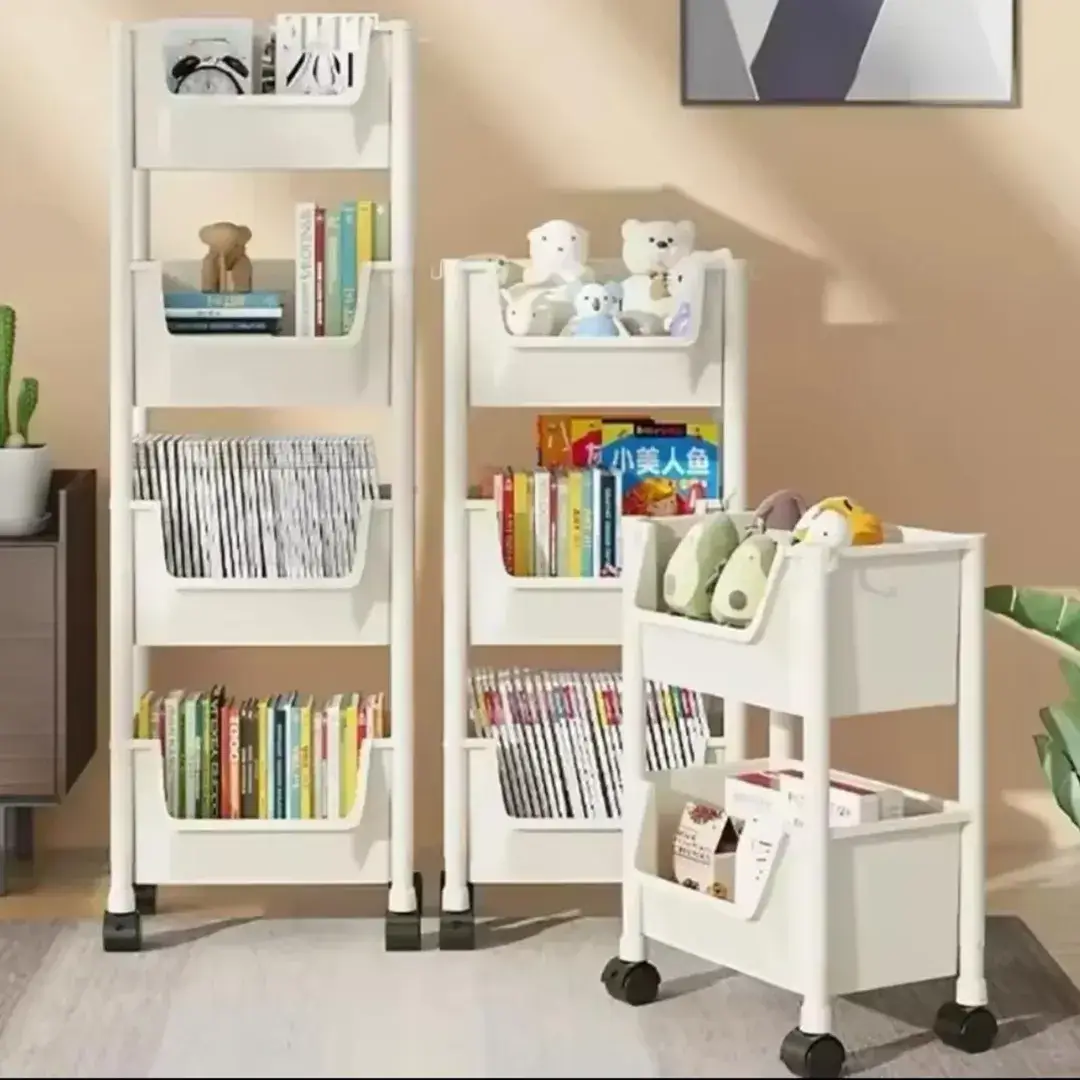
Credit@household_planet_kenya
A cart library on wheels provides both versatility and convenience, especially in multi-purpose or shared rooms. The cart is easily transportable to other locations, depending on the activities to be carried out, such as storytime, art projects, or quiet play. Multi-tier carts enable books, coloring supplies, learning games, and craft tools to be stored. When not in use, just roll it up in a corner or in a closet so as to create more room to play. Select a locking metal or wood frame that has locking wheels. Mark all shelves to enable children to organize them. This choice is excellent in small apartments or a versatile learning setting.
Tree-Shaped or Themed Bookshelves
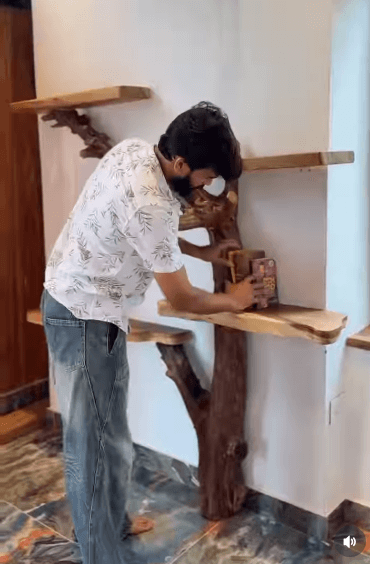
Credit@woodsman_decor
Storage can be decorative and fun, though themed bookshelves that are tree-shaped and dollhouse-shaped and castle-shaped shaped and car-shaped. These designs make the playroom personality-filled and give enthusiasm to reading. Shelves that are in the shape of trees, say, enable the arrangement of books on the so-called branches and enable the display to look playful and interesting. Use pairing shelves and wall decals, and fairy lights according to the theme of the shelves to make a magical reading corner. Make sure that the units are durable and that they are well fastened to avoid tipping. They have been created to suit those kids who prefer the world of imagination and tales, and/or make the bookshelf the location instead of storage equipment.
Corner Bookshelves for Compact Storage
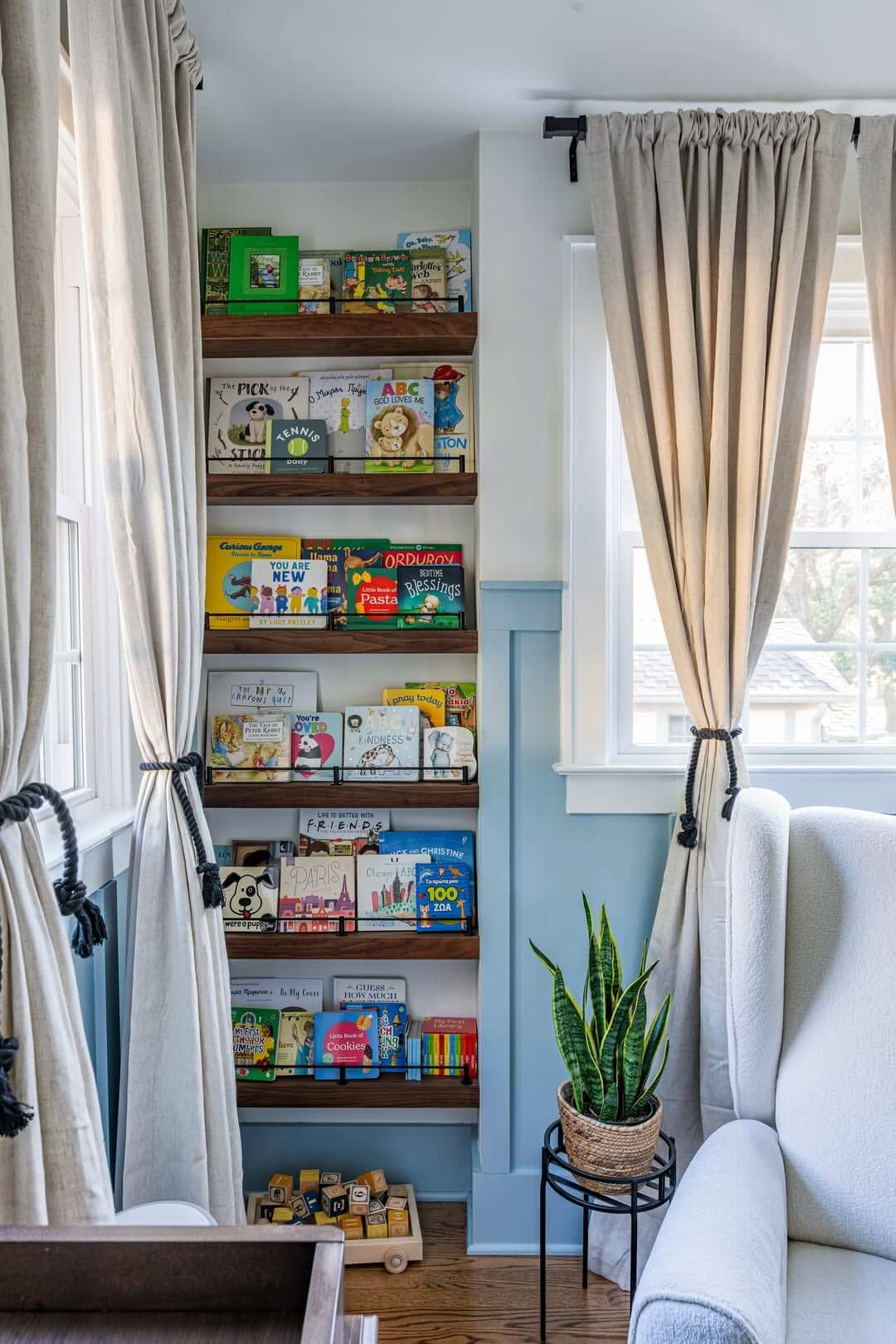
Credit@57thstreetbookcase
Corner bookshelves will be an excellent use of the unused space in corners. High corner towers or floating triangular shelves are also used as additional storage without occupying the center where children play. This arrangement is ideal for storing little books, activity cards, and decorative toys. Place bean bags or floor cushions to make the corner a small reading nook. Cornel shelves are also used to complement the other big pieces of furniture and do not disrupt the flow of movement. It is always good to use stable material and use wall brackets to be safe since children can go onto et shelves when they reach for books. It should be used in small playrooms or shared rooms.
Window Seat Bookshelf Bench
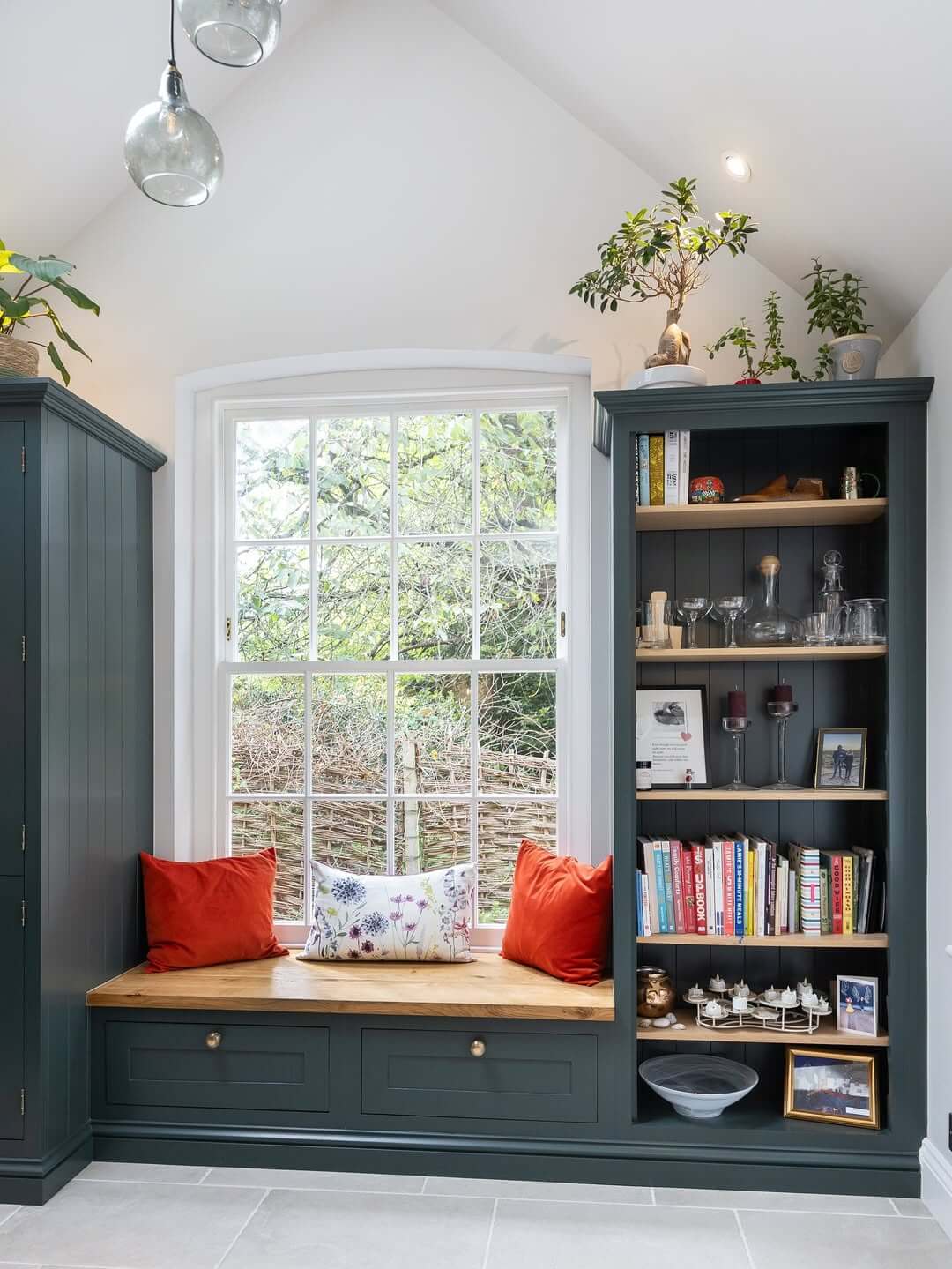
Credit@theshakerworkshop
With a bench window and shelves below, one is able to create a pleasant, light atmosphere in the room where they can read and use the shelves effectively. Natural light promotes relaxation and helps children to read more. Books, puzzles, and toy baskets can be kept in the shelves below, and everything has to be kept tidy and accessible. There should be soft cushions, throws, and a reading lamp. Such a bookshelf concept is very effective in both contemporary and traditional playrooms and is particularly effective in creating the multi-use bedroom-playroom hybrids. Select tough materials and curved edges to ensure that the children are safe.
Leaning Ladder Bookshelf
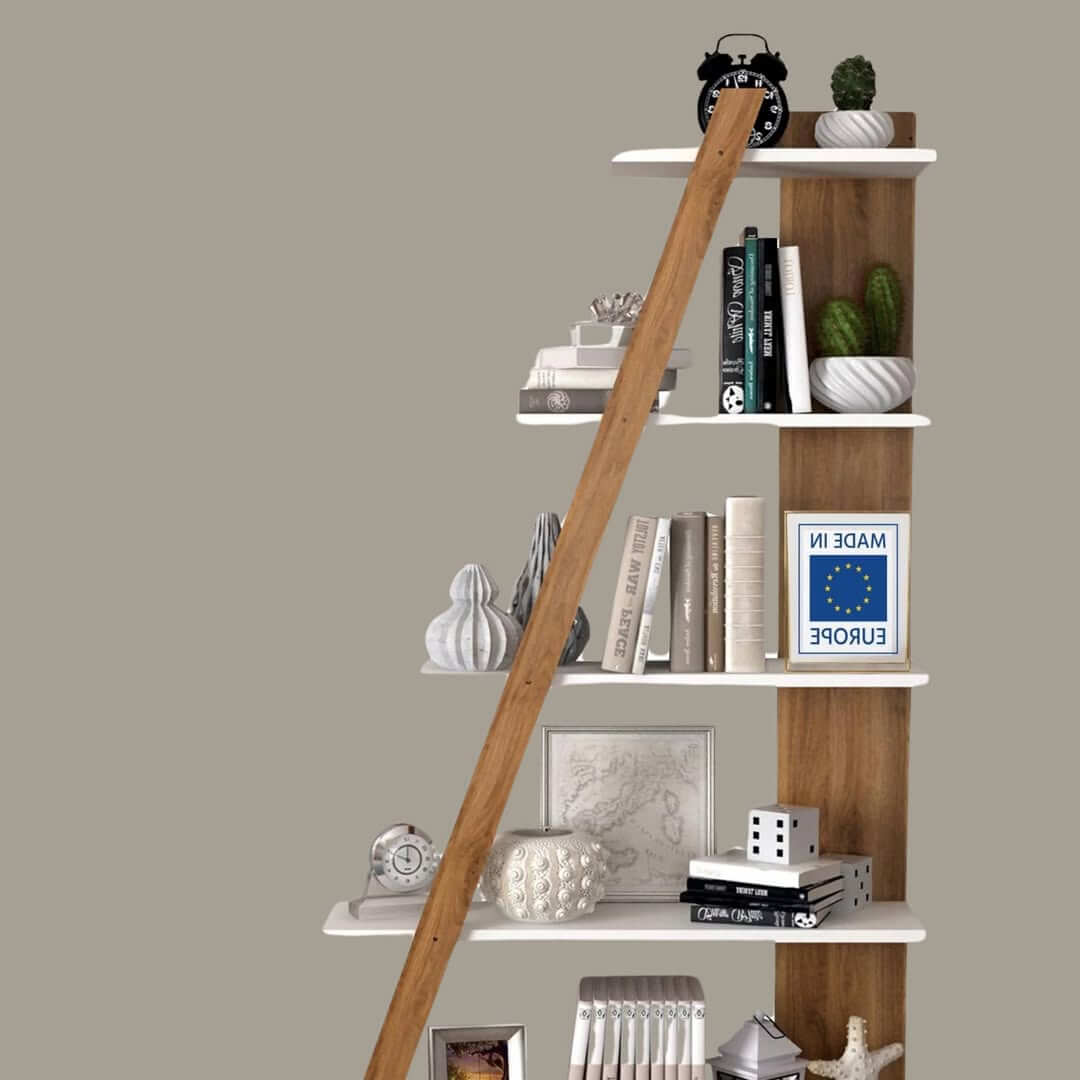
Credit@furniturecitylahore
The playroom has a leaning ladder-style bookshelf that adds a modern, stylish look to the playroom. It has wide shelves on the bottom and narrow shelves on the top, which helps in accommodating different sizes of books and items on display. Such shelves are not heavy and can be easily relocated as the room displays are altered. In order to ensure the safety of children, the top was to be secured to the wall with a safety bracket. Ladder shelves are very useful in terms of decorative exhibits, rotating playthings, and a thematic arrangement. In order to fit the playroom feel, either use colorful finishes or another option is to paint the shelf in a pastel color. Perfect for children of an older age who like to make their own space.
Bookshelves with Built-In Drawers
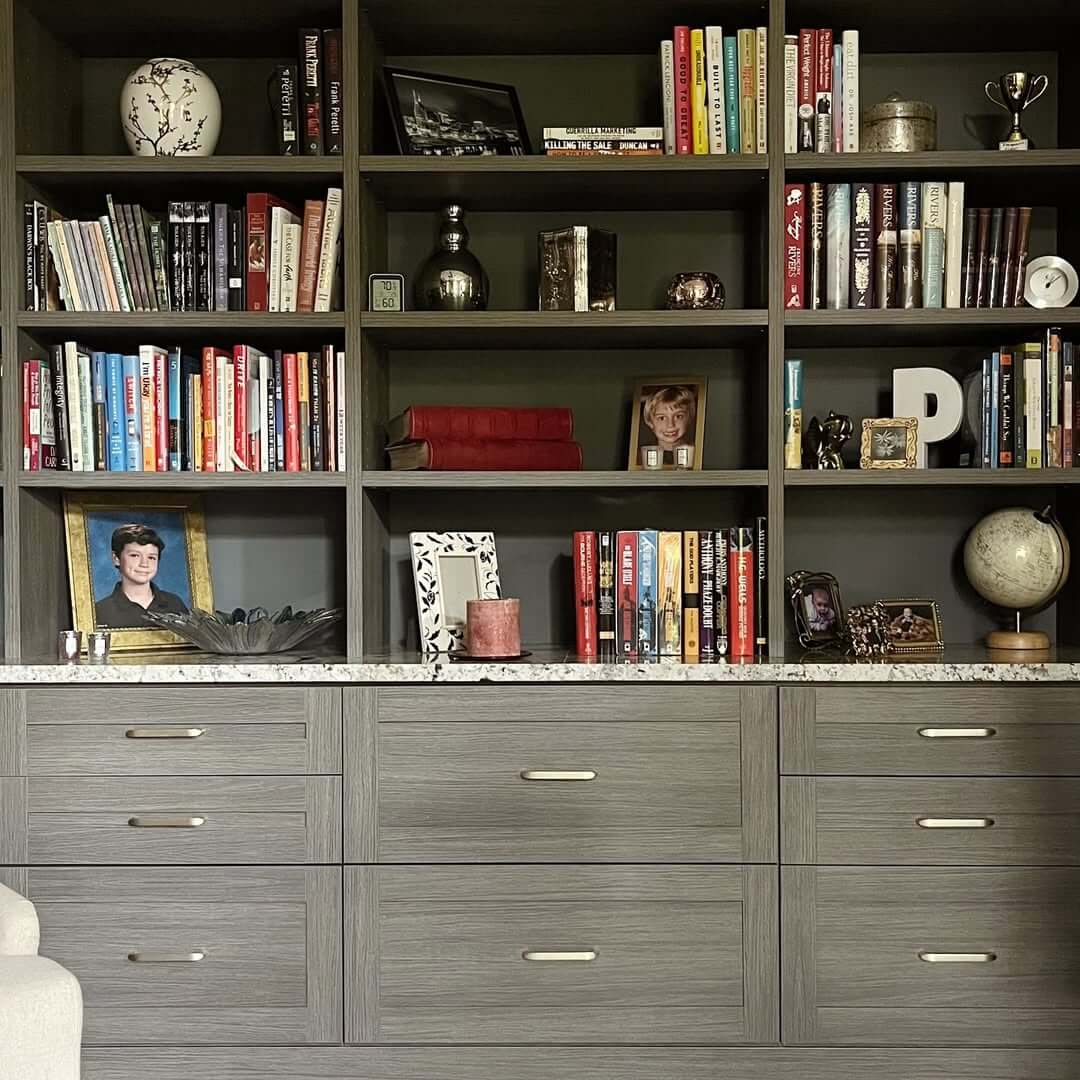
Credit@calclosetsnashville
An empty bookshelf with some drawers or cabinets that can be pulled out at the bottom side is best suited to keep clutter under control. Books and favorite objects may be displayed on the open shelves above, and loose toys, craft supplies, or items of sensory play may be stored in the drawers beneath. This twofold design stimulates children to divide apparent and non-apparent storage groups and instill organization. Label the drawers or pictures to identify them easily. This kind of shelving is also applicable in neutral, modern, or themed rooms. Add warm light or strips of LED that will illuminate visible books and make a reading nook.
Maintenance & Installation Tips for Playroom Bookshelves
- Anchor shelves have been attached to the wall to avoid the risk of tipping over, particularly with high, sloping, or themed bookshelves. Brackets and studs should be heavy-duty and as safe as possible.
- Use child-safe materials that have rounded or smooth edges to avoid bumps or falls and result in an injury. Do not use glass, metal, or coarse wood finishes.
- Attach wall straps or anti-tip kits to free-standing units to stabilize them, especially in houses with toddlers who can climb the furniture.
- Install shelves that are not too high or too low so that children can be independent and minimize the chances of climbing accidents.
- Make sure the shelf nooks are well spaced so that the books of various sizes, tall folders, baskets, or learning toys do not stack up.
- Open shelves should have soft fabric or wicker bins to minimize the chances of injuring oneself due to the use of hard plastic or heavy wooden boxes.
- Have label bins and shelves marked with pictures or text so the kids are able to know where things belong and learn to organize at a young age.
- Change books and toys regularly to keep up interest and keep the playroom environment fresh and interesting.
- Secure rubber or silicone grips beneath the relocable shelves to ensure that they do not slide when children push or lean against the shelves.
- Shelves are often cleaned with the use of non-toxic cleaning products, particularly shelves at the lower levels that young children come into contact with frequently.
- Check wall mount brackets and screws after every few months to determine their tightness and stability, and watch for signs of wear.
- Do not overload shelves – evenly distribute the weight to avoid sagging or breaking down, particularly on floating shelves.
- Think about using lighting, like LED strips or clip-on reading lights, and wires should be hidden and should not be accessible to kids.
- Create some free playing space in areas around shelves, enough that children can move freely and not bump into corners.
- Educate children on how to play with books and toys without damaging them, and encourage responsible usage and increase their shelf life.
Final Thought
Bookshelves in playrooms are not ordinary shelves of storage furniture e they are the key to fostering creativity, autonomy, and learning enthusiasm. The selection of the appropriate bookshelf design can turn the mess into a tidy and inspirational atmosphere in which children will feel motivated to read, browse, and look after their items. Montessori-style low shelves can be seen as well as themed wall displays and built-in units, and the opportunities are inexhaustible and can be adjusted to the available space and financial resources. A carefully considered, done-safely-installed, and cleverly-organized bookshelf setup can assist in building a happy, useful, and attractive playroom that expands with your child and adds fun to their daily life.
FAQs
Q1. What is the appropriate size of a bookshelf in a playroom?
A: Find a bookshelf depending on the space available and the height of your child. In the case of little children, lower shelves can be used with easy accessibility, whereas in older children, higher-rise units with more storage can be useful.
Q2. Which bookshelves in the iiplayroom are safest?
A: It must be made of solid wood, high-quality MDF, or solid plastic with smooth edges. Sharp corners, glass shelves, or metal frames that are not padded should be avoided.
Q3. What can I do to organize bookshelves in a playroom with a lot of activity?
A: Use baskets, labeled bins, and category-based arrangement. Turn things around freely and make the kids clean up with accessible stores.
Q4. Are floating shelves safe or not safe with children?
A: Yes, provided that they are well fixed on the wall with robust brackets and at the right heights. They should never be left to hang around.
Q5. But how can I be creative with style without making the shelves crowded?
A: Combine books with some items on display, such as small toys, framed artwork, or low-key lighting. Select the matching colors and leave gaps between objects to ensure that the shelves are balanced.