![Hey Decor Girl [Latest Trending Decor Design Ideas]](https://heydecorgirl.com/wordpress/wp-content/uploads/2024/08/Heygirldecor-Logo.png)
Terrace Plants Ideas – Terrace is not a mere open space on the roof of your house, but a chance to make your own green oasis in the city’s complexity. The terrace is a place that can be turned into a colorful and renewing oasis that, in addition to making your house more beautiful, will help you feel relaxed and at peace. Terrace gardening has increasingly become a trend in the quest by individuals to introduce nature to constrained areas with the aim of introducing greenery, open air, and some form of serenity to the routine.
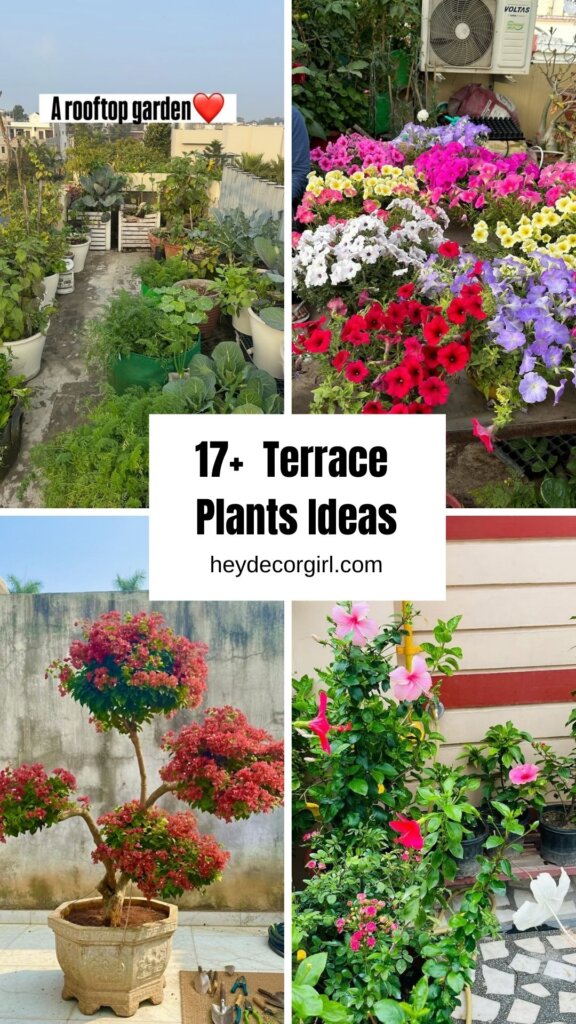
Among flowering plants adding their colorful touches to aromatic herbs that can serve as the fresh ingredient of your kitchen, the variety of terrace plants is great and diverse. Indoor plants, succulents, climbers, and even vegetables can also be planted in pots and planters, and this has allowed people to design their terrace as per their space, sunlight, and taste. In addition to aesthetic values, terrace gardens also have environmental benefits in that they enhance the quality of air, lessen heat, and provide natural privacy. In case you have a little balcony-like terrace or a large rooftop, ca areful choice of plants and their maintenance can make your terrace a prosperous green oasis that calls to peace, imagination, and happiness.
Top 10 Creative Terrace Plants Ideas
Herbs Garden
Credit: @haryali_by_cherie
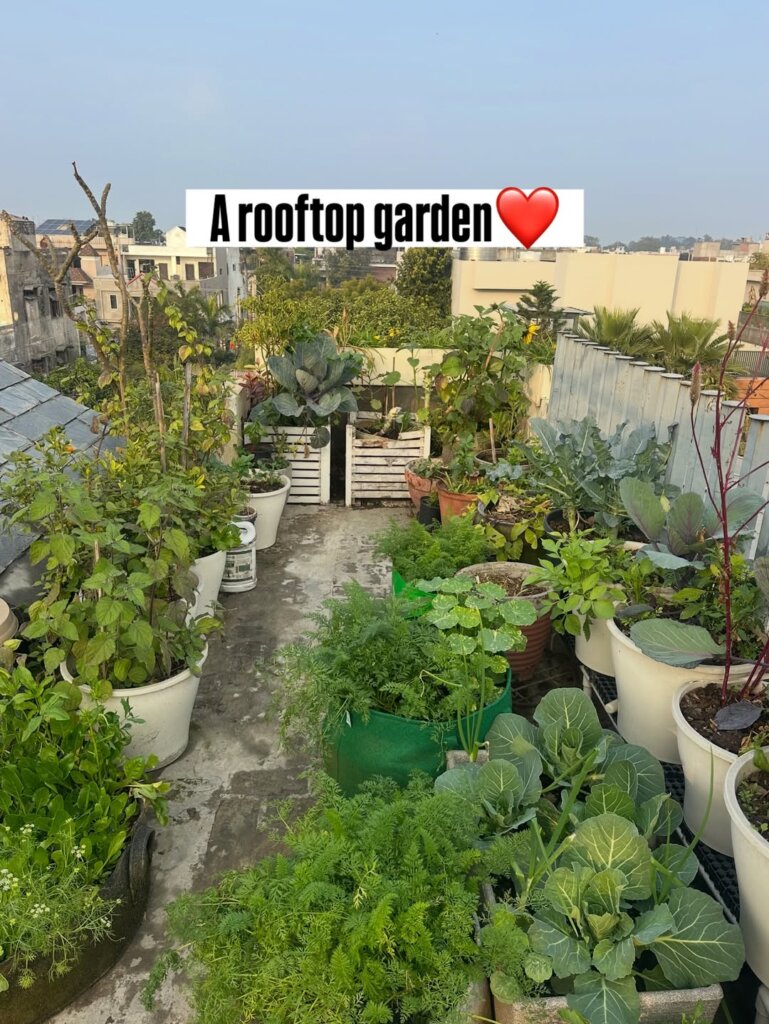
Planting a herb garden in your terrace is very convenient and satisfying. Basil, mint, coriander, rosemary, and thyme are herbs that do well in pots and small containers and thus are suitable in limited areas. Their requirements are moderate sunlight and frequent watering, and their aromatic leaves may be used to make the daily meal. Putting them in tiered planters or hanging pots would save more space and provide more greenery to the terrace. Herbs also attract some of the helpful insects and butterflies, and this makes the terrace very natural. An adequately taken care of herb garden promises you fresh all-year-long flavors as well asachievese a green, natural feel on your rooftop.
Hibiscus Plants
Credit: @gardenup.rv
Snake Plant (Sansevieria)
Credit: @bestbudsja
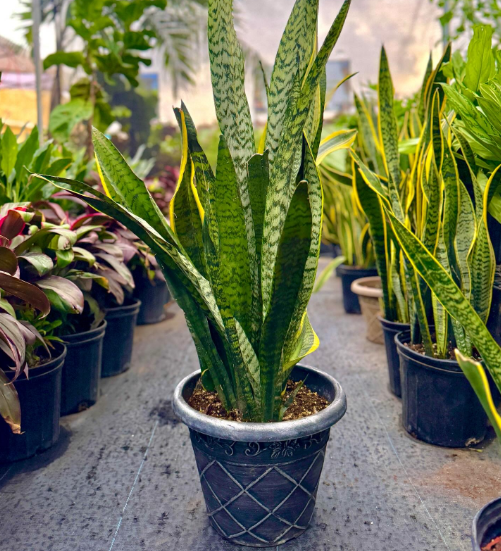
Snake plants provide an ideal choice for a terrace gardener who wants greenery that is low-maintenance. These have a good reputation for growing in partial shade and sun, as well as in the shade,e with their upright and sword-like leaves, and are, therefore, adaptable to various terrace locations. Snake plants are very tough and do not need a lot of watering and attention. They are good air purifiers as they absorb the toxins and enhance the quality of external air. They provide structure and greenery to the terrace and are planted in decorative pots or combined with other plants that are friendly to the indoors. The snake plants are ideal to start with since they are stylish and also serve a purpose; they have the ability to offer beauty to your rooftop, and at the same time, they can survive with very little care and attention.
Bougainvillea
Credit: @vriksha_nursery
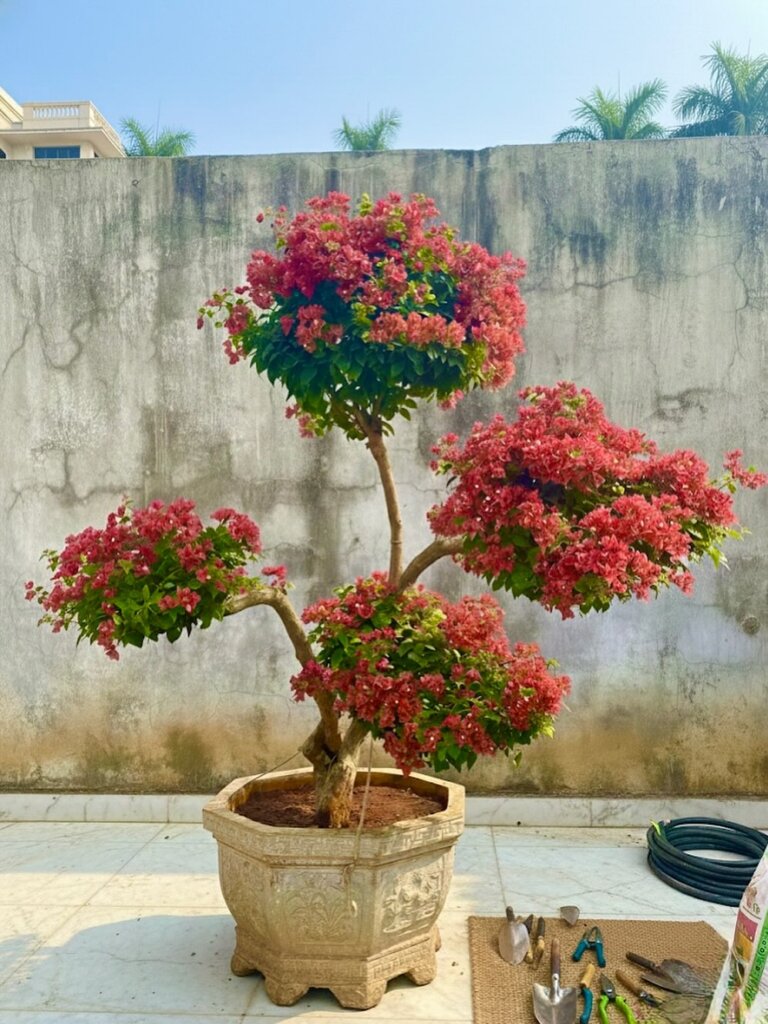
Bougainvillea is a climbing plantthath is sun-loving, and it immediately gives life and color to terraces. Its hot pink, purple, red, or orange blooms are very profuse in warm climates and may be trained along railings or trellises, or walls. When this plant is in place, it needs little watering,g and it is tough to he, at therefore, it fits perfectly in sunny terraces. Another use of bougainvillea is to provide a natural privacy screen so that your rooftop is not seen by your neighbors. Its cascading flowers may also be used in hanging pots or climbing structures, es and this is a dramatic sight to behold. Bougainvillea can also make your terrace bright and colorful with appropriate pruning and care.
Aloe Vera
Credit: @vishaltrees
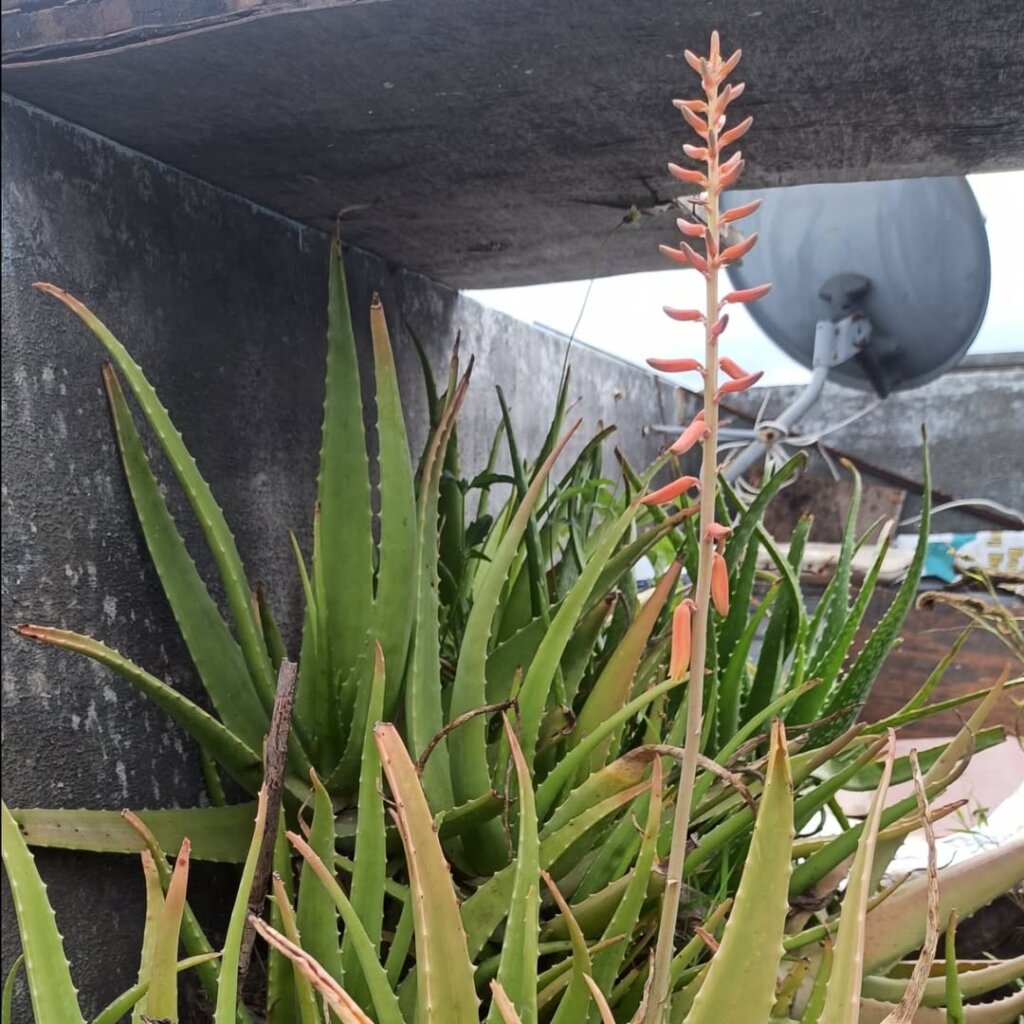
Aloe vera is a succulent plant that has good medicinal properties and low maintenance requirements. It also grows well in the open sun and does not need much watering, hence it fits well in terraces which are under intense sun. Aloe vera can be planted in pots, raised beds,s and even wall-mounted planters. On top of the medical advantages, such as healing the skin and natural remedies, it gives terrace gardens a contemporary touch. It has thick and fleshy leaves that do not need much care and can withstand the worst weather conditions. Aloe vera is a very suitable option to have greenery that does not require frequent care, yet does contribute to the modernist touch at the rooftop.
Petunias
Credit: @easy.terracegardening
Money Plant (Pothos or Epipremnum)
Credit: @thamara_garden888
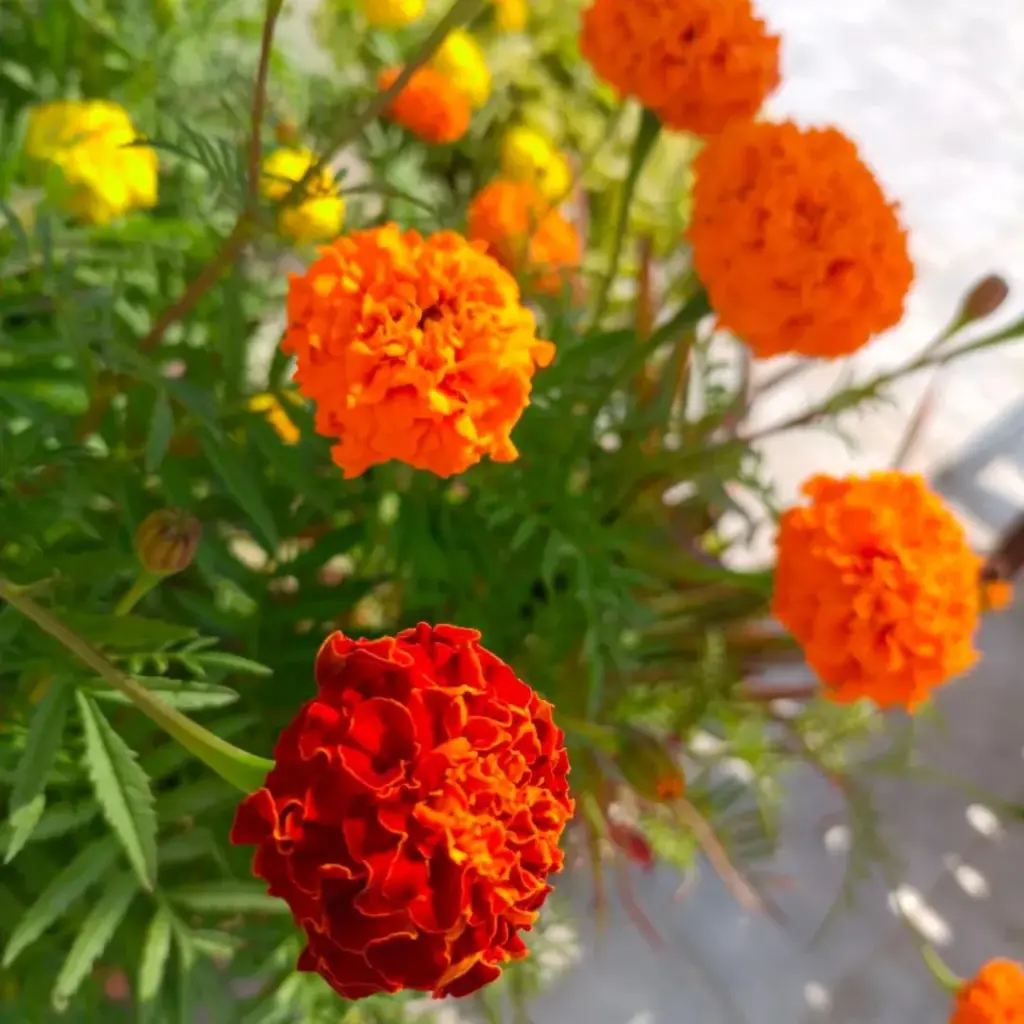
Marigolds
Credit: @_gardening_soul_
Marigolds are cheerful, tough plants that grow well in sunny terrace gardens. They come in yellow, orange, and gold and are simple to cultivate in either pots or raised beds. Marigolds need frequent watering and properly drained soil to produce. The plants are also good at keeping pests away because they give off a smell that insects do not like and thus are good companions to other plants. During the season, marigolds thrive in abundance, giving us a nice burst of color. They are suitable in terraces of any size since they grow relatively small and are easy to take care of. Planting marigolds would also provide a welcoming, colorful environment as well as a natural beauty to your rooftop.
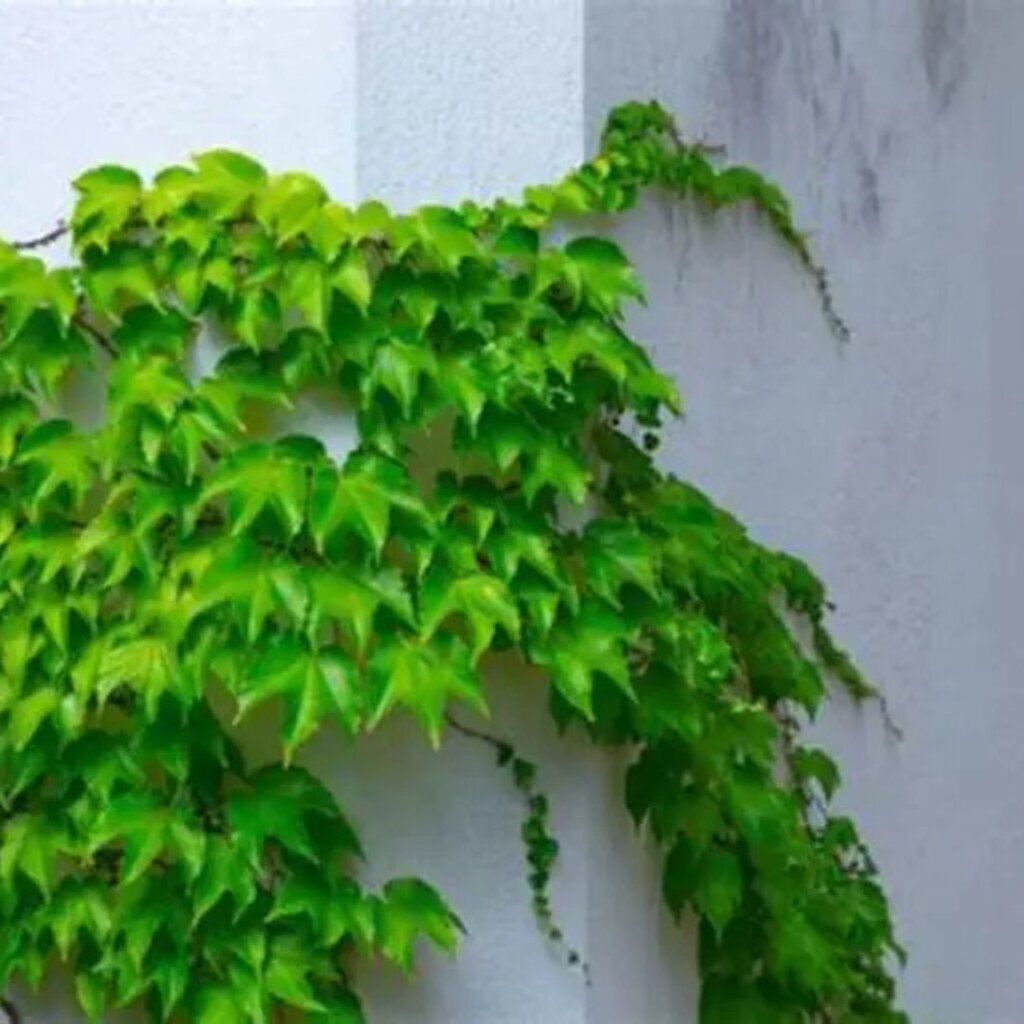
Ivy (Climbing Creepers)
Credit: @ultimatebackyard.com.au
Ivy is an all-purpose climbing plant that can be used in vertical gardening in terraces. It thrives most effectively against walls, railings, and trellises, forming natural green screens and bringing privacy. Ivy is a part-sunlight plant and needs moderate watering, so it is not that tough to maintain. The thick foliage it has offers a cooling effect and suppression of heat on terraces in summer. Flowering climbers can also be used with ivy to form a layered and full appearance. This is a plant that suits the purpose of establishing a tranquil green space on your rooftop. Its hanging vines bring a depth and texture to terraces, making them look fuller and more welcoming.
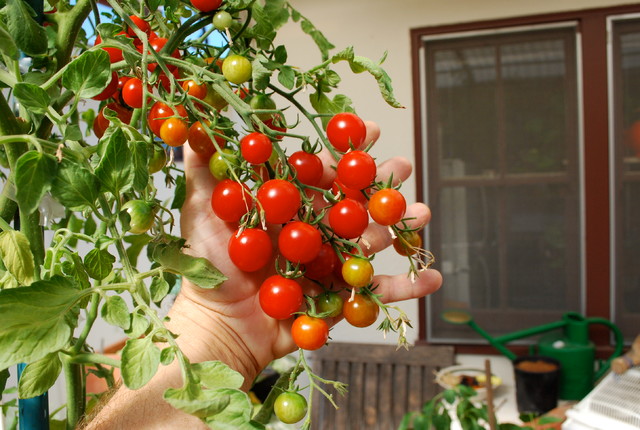
Tomatoes (Terrace Kitchen Garden)
Credit: @houzz.in
It is gratifying and useful to cultivate vegetables such as tomatoes on a terrace. Tomatoes can be planted in containers, raised beds, or in huge pots, and as long as they receive an average of 68 hours of sunlight per day, they thrive. A healthy yield requires constant watering and fertile soil. In your garden, terrace-grown tomatoes are not only a source of fresh and organic vegetables, but they will also add greenery and give your garden a bright red tint through red tomatoes. Accompanied plants, such as basil or marigolds, may stimulate growth and keep pests away. A small tomato garden will bring to your terrace a beautiful ffunctional and productive green area with the right care.
Installing Tips for Terrace Plants
- Select the Right Containers: Select lightweight pots, planters, or hanging baskets that are appropriate to the terrace structure to avoid the additional weight on the roof.
- Ensure Proper Drainage: It is always important to choose pots that have holes and put some gravel at the bottom to prevent waterlogging and root rot.
- Sunlight Assessment: Plant the vegetation based on their sunlight requirements- plants that prefer sun are placed in sunny spots andshade-tolerantt plants in shaded spots.
- Soil Choice: Select nutrient-rich and high-quality soil that has compost or an organic form of fertilizers so that the plants may grow well.
- Watering System: Drip irrigation or watering pots are also worth considering to keep the soil moist, particularly on hectic timetables.
- Climbers: Have trellises, railings, or nettings to support the climbing of ivy, bougainvillea, and morning glory.
- Wind Protection: Plant delicate plants in windy terrace gardens with windbreaks or nettings.
- Spacing and Arrangement: Spacing should be done appropriately to prevent crowding of plants and allow air to move between the plants.
- Layered Planting: Tall, medium, and small plants can be used together to maximize the visual appeal and also to utilize the vertical space effectively.
- Seasonal Rotation: Have a change of seasonal flowers and vegetables so as to make the terrace garden fresh and lively.
Final Thought
However, it is not that difficult to turn your terrace into a green oasis. With the right choice of plants, your home can be a vibrant and refreshing oasis, by making sure to choose a plant that fits your preferences of sunlight, space,e and use. With colorful flowering organisms and fragrant herbs on the terraces, as well as tough succulents and fruitful vegetables, the terraces present unlimited opportunitieforto creativity athe nd ecosystem. Even a small roof can be transformed into a vibrant, environmentally friendly garden with proper maintenance, installation, and careful planning. Having a terrace garden beautifies your home, encourages relaxing, breathing in, and sustainable living, which is why it is an ideal fit for urban living.
FAQs
Q: What are the best plantforin small terraces?
A: In the case of small terraces, small plants such as herbs (basil, mint), succulents (aloe vera, jade plant), snake plants, and pothos can be used. Space is also saved with hanging planters or vertical gardens.
Q: What is the frequency of terrace plant watering?
A: Irrigation is based on the type of plant and the weather. The majority of plants in terraces requiwatering re 2-3 times a week, whereas succulents and cacti do not need so much. Watering should occur only after checking the soil moisture.
Q: Is it possible to grow vegetables in a terrace?
A: Indeed, veggies such as tomatoes, spinach, lettuce, and bell peppers can be cultivated in pots or raised beds with proper sunlight exposure and good nutrient-enriched soil.
Q: What can be done to shield terrace plants against the force of strong winds?
A: Install windbreaks, netting, or put delicate plants close to walls or railings. Wind does not affect heavy pots and low-growing plants.
Q: What are terrace low-maintenance plants?
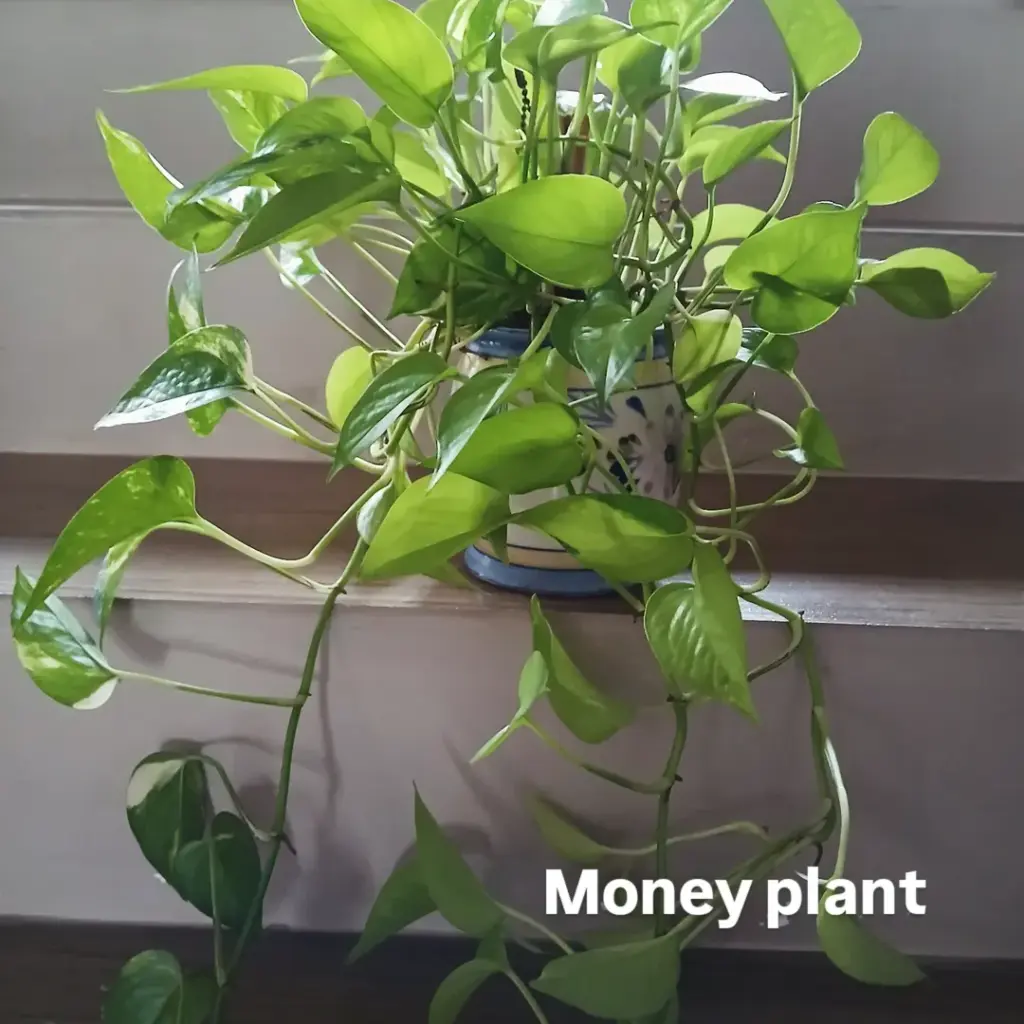
A: Snake plants, pothos, money plant, aloe vera, cacti, and succulents are low-maintenance plants. They do not need a lot of watering and have the ability to grow in different sunlight.