![Hey Decor Girl [Latest Trending Decor Design Ideas]](https://heydecorgirl.com/wordpress/wp-content/uploads/2024/08/Heygirldecor-Logo.png)
Planter Ideas for Patio – Planter Ideas for Patio can turn any average outdoorspace into a sophisticated, cozy escape with plants and character. You may have a small patio in an apartment or a small corner in your backyard, or you may have a large deck, but the appropriate selection of planters will help create the impression and complement the design. Planters are not merely a home to plants, but they also provide height, texture, color, and shape to your patio layout. Modern ceramic pots and rustic wooden boxes,s as well as hanging baskets and vertical garden walls, are only a few of the creative possibilities that can be tried.
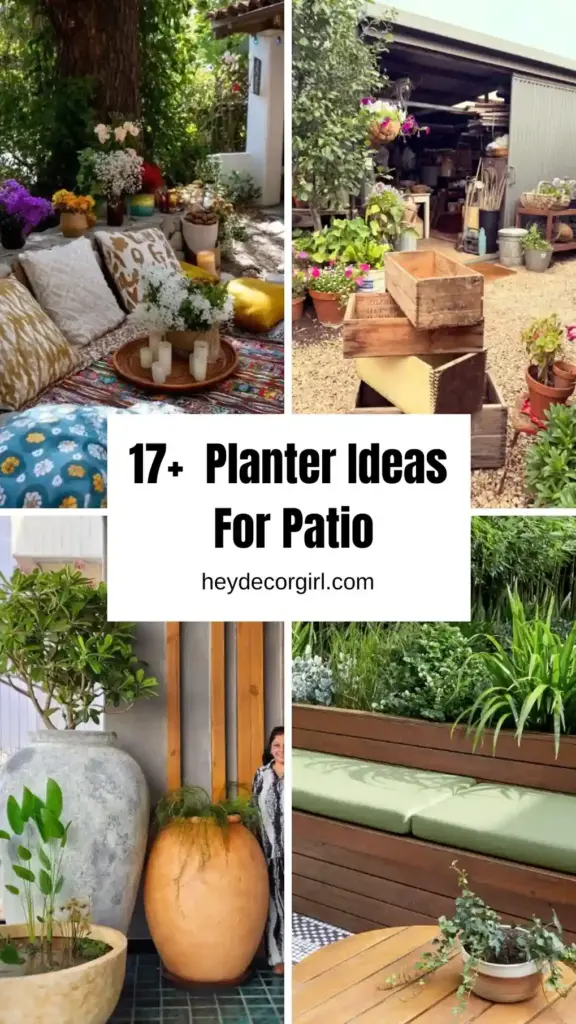
A good patio that has well-laid-out planters produces an ambient atmosphere of welcoming guests, drinking morning coffee, or just relaxing after a hard day. Combining various kinds of plants — flowering plants, ornamental grasses, herbs, small bushes, and others — you will be able to create layers of visualization and use the maximum amount of space. Moreover, it is recommended to use weatherproof materials and remember about the exposure to sunlight to guarantee the permanent beauty and the healthy development. Planter ideas for patio spaces. With intelligent design and a bit of imagination, even the simplest of outdoor spaces can be transformed into a lush and vibrant living room.
Top 10 Creative Planter Ideas for Patio
Vertical Wall Planters
Credit: @wandlenews.com
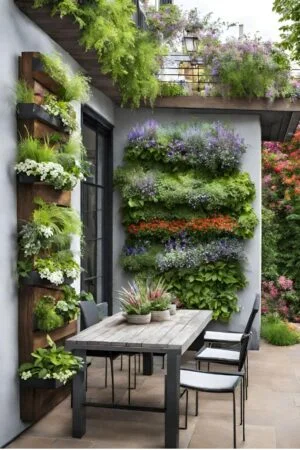
Small patios with limited floor space are the ideal setting for the vertical wall planters. Put wall-mounted pots, wooden pallet garden,s or metal grids with hanging containers in place to establish a living green wall. This design saves space as well as provides a dramatic view of your sitting space. Select cascading plants, such as ivy or pothos, or use herbs to be useful. Vertical planters help to transform your patio into a green and colorful space without crowding the ground, which is why they are the best choice to be used on apartment balconies or in other small outdoor spaces.
Oversized Statement Pots
Credit: @terrapotta.in
Tiered Planter Stands
Credit: @safinaonlineshop
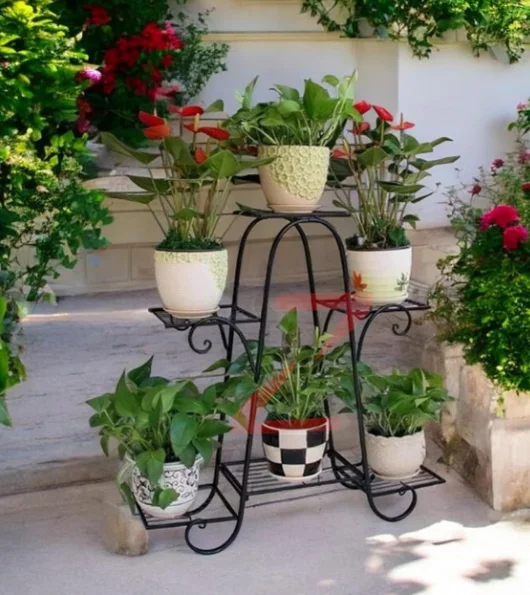
Planter stands are available in tiers,, rs which make your patio design more vivid and deep. Plants of various heights can also provide visual interest, and will not allow the space to appear flat. Place different pots on wooden ladders, metal racks, or multi-tier shelves of plants. Combine greenery and mix flowering plants to provide contrast and color. The concept is particularly effective in corners or around the walls. The tiers also ensure that it is easy to take care of plants and present each of them in a beautiful way without congesting the area.
Hanging Basket Planters
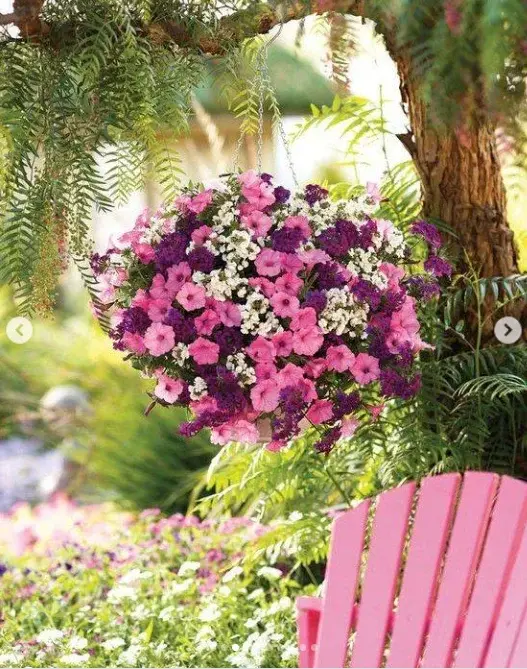
Credit: @capegarden
The hanging baskets are soft and charming for any patio. Hang them off pergolas, ceiling hooks,s or wall brackets in order to have an effect of a floating garden. The trailing flowers, such as petunias or cascading greenery, provide a sense of motion and texture. Hanging planters do not occupy any floor space and help the eye to be drawn upwards, which makes the patio open. You have an opportunity to combine various sizes of baskets, creating a dynamic effect,t or leave them the same to create a well-balanced matching design. They are ideafor eye-levelel color addition.
Built-In Bench Planters
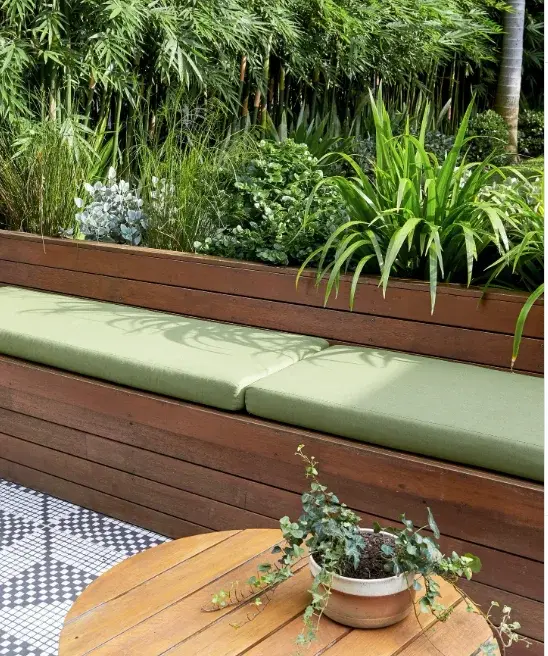
Credit: @adamrobinsondesign
Built-in bench planters are the ones to look at when you are designing your patio or renovating it. These integrate furniture and plants in a single building. They are placed at edges or behind benches and offer a smooth and space-saving appearance. Plants that should be planted in built-in planters include shrubs, ornamental grasses, or flowering plants. They are modern and structured and retain the patio in order. This design suits best in the modern or minimalist outdoor environment where clean lines are valued.
Aged Wooden Crate Planters
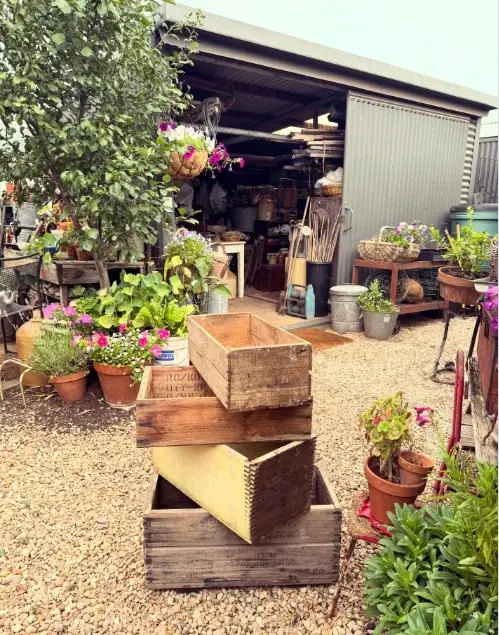
Credit: @shoptherusticgardenshed
Old wooden crates will provide you with a warm and stylish patio. They can be piled up to give you an up and down look,k or they can be placed along the wall to give you a farmhouse appearance. Spray paint or stain the wood to fit into your patio. Such crates suit flowers and herbs in the season, or small shrubs. Their rough finish is a good contrast in the form of metal or stone furniture. Wooden planters in crates are affordable, can be customized, ed and add a lovely DIY feel to your backyard.
Herb Garden Planter Boxes
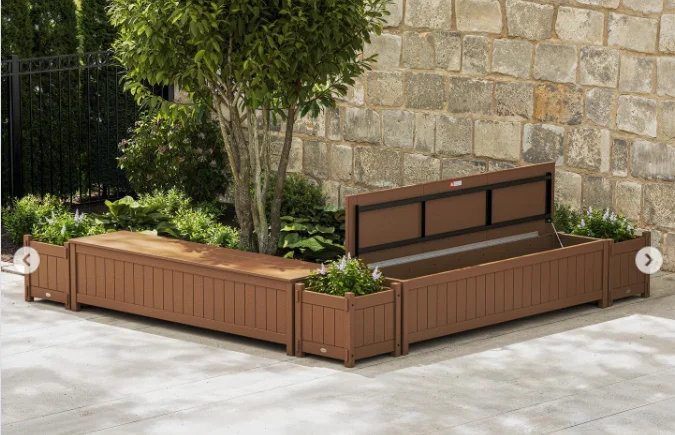
Credit: @polywood
You can transform your patio into a working garden by developing a specific planter box of herbs. Railing planters or long rectangular containers are good with such herbs as basil, mint, rosemary, and thyme. Keep them close to your door in the kitchen. Herbs can also be used not only as fresh ingredients in cooking, but also produce pleasant smells. Herb planter is a greenery that serves a functiopurpose use. Each of the sections can be labeled to put up a well-organized and stylish display.
Color-Coordinated Planters
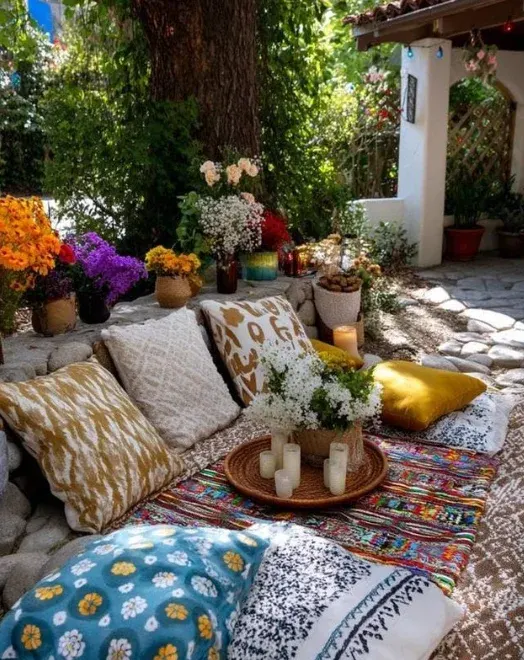
Credit: @lovely.harbor
Grouping by Mixed Texture Planters
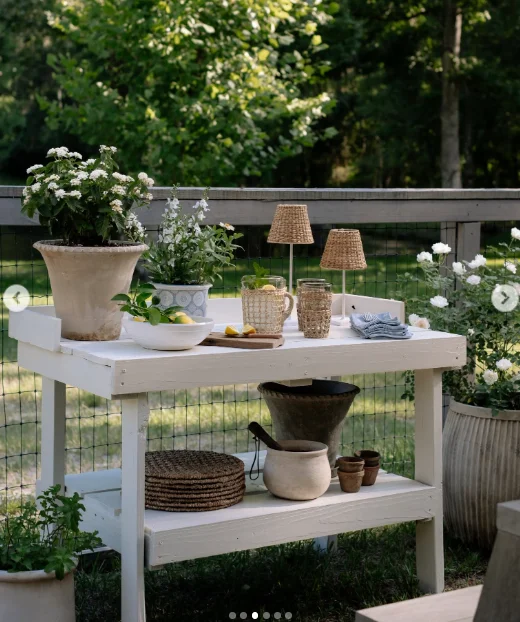
Credit: @potterybarn
Mix the various materials , including ceramic, metal, wood, and concrete, in order to create a dynamic composition. Odd group planters vary in size and change to enhance better visual balance. The combination of textures is a feature that gives life and prevents the patio designfrom lookingk homogeneous. E.g., matcha black pot of smooth finish with a woven basket and a rough wooden planter. This stylish design makes a designer-influenced outdoor experience.
Seasonal Rotating Planters
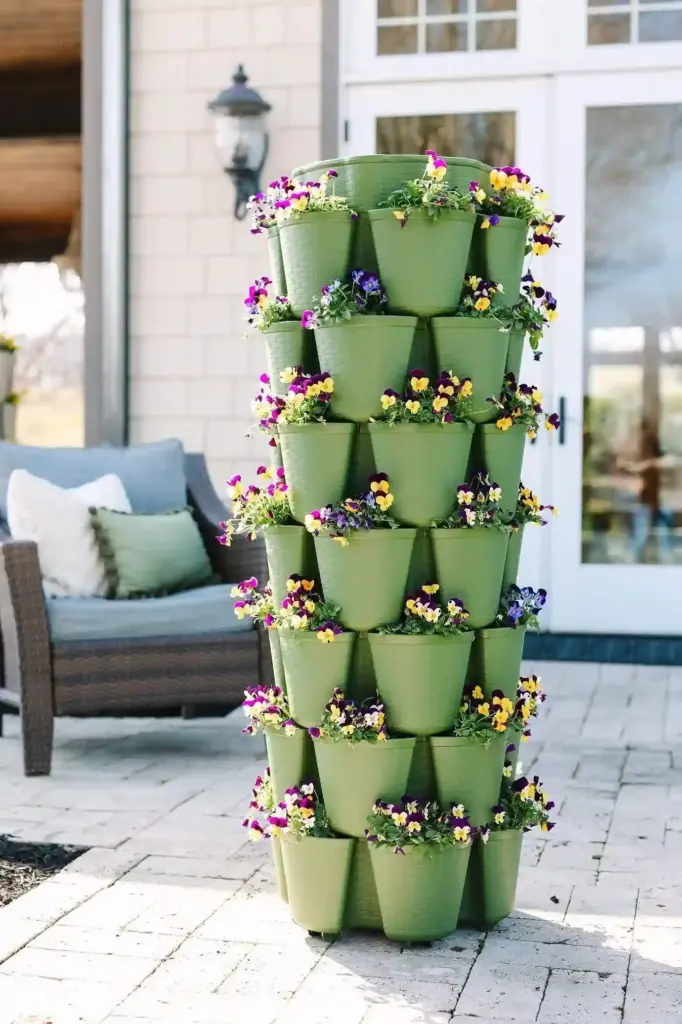
Credit: @greenstalkgarden.com
Make your patio look good all through the yearby changing out plants with the seasons. During spring and summer, use bright blooms, during fall, use warm-toned plants,s and during winter,er use evergreens or decorative branches. The outdoor space is made exciting and vibrant by seasonal planters. You can change flowers, decorations, and evplanterers covers regardless of the holidays or themes. This concept will enable you to update the appearance of yourpattern regularlys without a significant design overhaul.
Installing tips for planter ideas for patio
- The sunlight pattern on your patio should be assessed and then taken into consideration before planting.
- Select planters that have adequate holes to avoid root rot.
- Provide a layer of gravel or smashed pieces of pottery as the base to allow better drainage.
- High-quality outdoor potting mix should be used rather than ordinary garden soil.
- During the placement of planters, the bigger and heavier ones should be planted in their final positions before the soil is added.
- Keep the floors of patios safe with sauce pans or planter feet under the pots.
- The planters should be slightly spaced near walls to prevent damage from moisture.
- Install wall planters in studs or have heavy-duty wall anchors.
- Use powerful hooks with hanging baskets that are rated for the weight of the planter.
- Balances weight in balconies or decks to ensure structural integrity.
- Plants of different lengths should be placed at the back and front, respectivel,y to balance the design.
- Separate planters with enough space to permithe t movement of air and the growth of plants.
- Coat wooden planters with waterproof gels in order to last longer.
- Use windy places to anchor lightweight pots in order to avoid toppling.
- Install da rip irrigation system so that watering can be easily done and regularly.
- Shake pots regularly so that sunlight has equal exposure.
- Periodically inspect brackets, hooks, and stands to determine their stability.
- Do not overcrowd; make sure that watering and maintenance are easily accessible.
Final Thoughts
Patio space plans present you with unlimited opportunities of beautifying your outdoor living space with plants, greener,y and character. Vegetation wallsgiant-sizeze statement pots, hanging baskets, rustic wooden crates: whichever planters you pick, you will be able to entirely change the mood of your patio. Considered siting, proper planting, and use of plants that fit in your climate and sunlight environment will help you succeed in the long term. The combination of heights, texture,s and colors develops an aesthetically elegant and welcoming environment that is like a continuation of your house. A patio with a bit of creativity and planning can be turned into a peaceful oasis where you can entertain, garde,n or simply breathe the air in a classy landscape.
FAQs
Q: Which are the most appropriate plantforin patio planters?
A: Plants are the best according to the sunlight level. In blazing patios, petunias, geraniums, laven,der or ornamental grasses work well. Ferns, ho,stas and begonias are also good in shaded areas. Spices such as mint and basil are also very good.
Q: How can I make sure that I drain patio planters properly?
A: drainage holes always.a Add bottom layer of gravel and high-quality potting mix. Sauces are emptied frequently to avoid the accumulation of water.
Q: What is the frequency of watering patio planters?
A: The watering will be determined by the weather and the type of plant. In summer, the majority of patio plants can be required to be watered daily or every otherday. Measuring soil moisture, it should be done before watering.
Q: So what material should planters for the outdoors be made of?
A: Ceramic, fiberglass, concrete, metal, treated wood, and so on are weather-resistant materials that are recommended to be used in thoutdooratios because they can withstand the effects of rain and sun.
Q: What do I need to do to create an illusion of a larger patio with planters?
A: Put up vertical planters, hang baskets, and layer the plants with tall ones at the bottom. A disordered color scheme also contributes to the spacious feeling.