![Hey Decor Girl [Latest Trending Decor Design Ideas]](https://heydecorgirl.com/wordpress/wp-content/uploads/2024/08/Heygirldecor-Logo.png)
Backyard Pathway Ideas – A backyard is not merely a continuation of your house; it is a place where you can unwind, play, and even have fun with nature. Designing a beautiful pathway that ties various areas of the garden is one of the best methods of enhancing your outdoor space by providing beauty and character to it. Backyard pathways are not only a practical means of walking to the yard, but they can also determine the style of your landscape, improve the look of the curb, and provide a sense of movement. You can have an infinite choice of rustic, modern, or whimsical options based on what you like and can afford. Pathways are aesthetic as well as functional, whether made of natural stone to gravel, bricks, wood, or even stepping stones amidst beautiful green plantations.
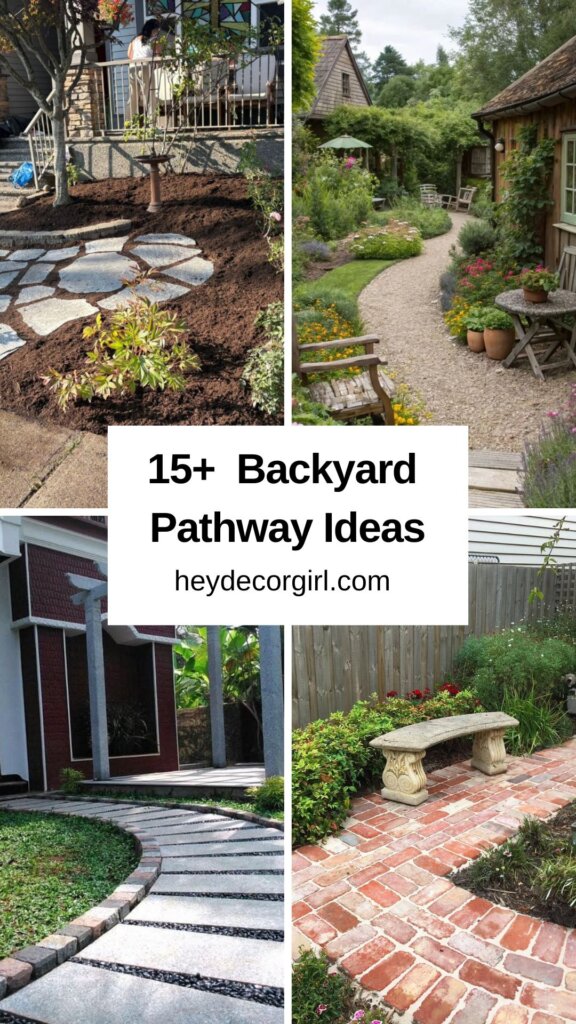
As you consider your backyard pathway, consider the purpose–do you want to walk directly to the patio, or a winding garden path, or a small walkway to a secret spot? Also, take into account the style of your home and garden in order to make a harmonious appearance. The light, borders, or plants placed on the sides of the pathways can be added to the visual effect further. Whether it is the design of your backyard pathway, it can be the center stage of your backyard landscape, incorporating both beauty and functionality.
Top 10 Stunning Backyard Pathway Ideas
Here are some stunning ideas to inspire your backyard pathway:
Natural Stone Pathway
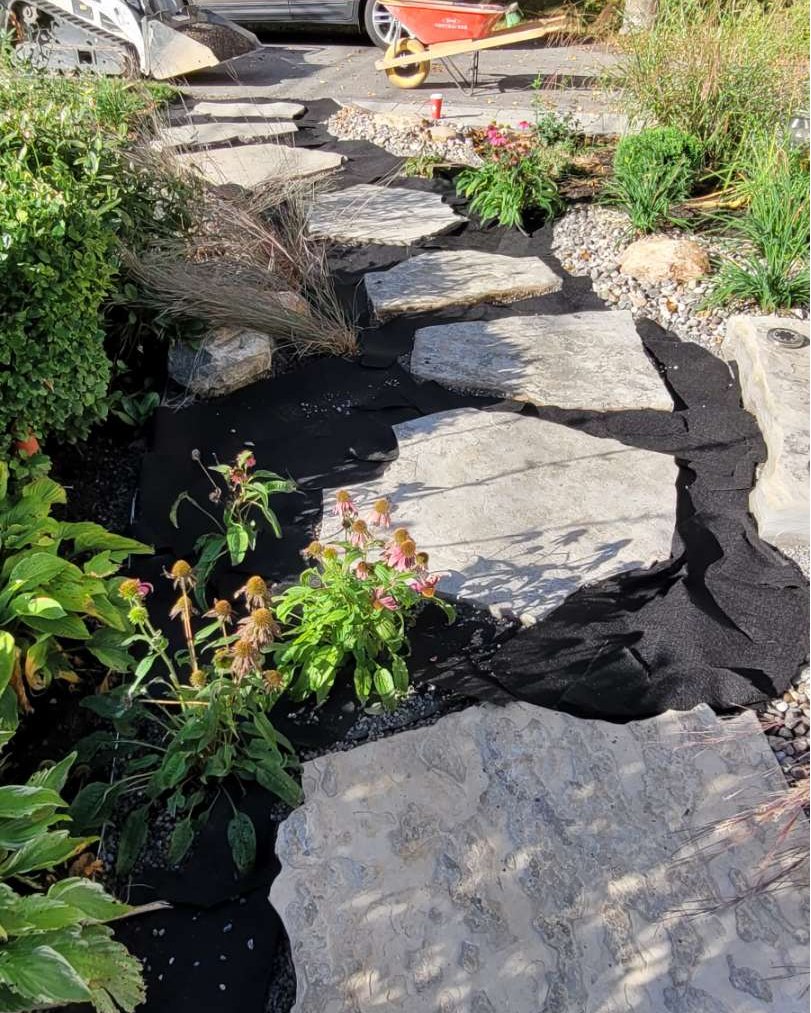
Credit@birkslandscaping
One of the most classic and exquisite options for the backyard is a natural stone path. Pieces of stone, such as flagstone, slate, or sandstone, are also very durable and blend well into the landscape. Their irregularity produces a natural roughness and organic appearance that is natural and welcoming. It is a special kind of pathway that looks good, especially in gardens that have lots of greenery, ponds, or shady spots, because the stones give a forest-like appearance. Moss, thyme, or creeping ground covers can be planted in between the stones to make the design less severe, as well as make it look like a storybook magic. Natural stone pathways are easy to take care of and weatherproof; thus, they improve the style as well as functionality.
Gravel Pathway
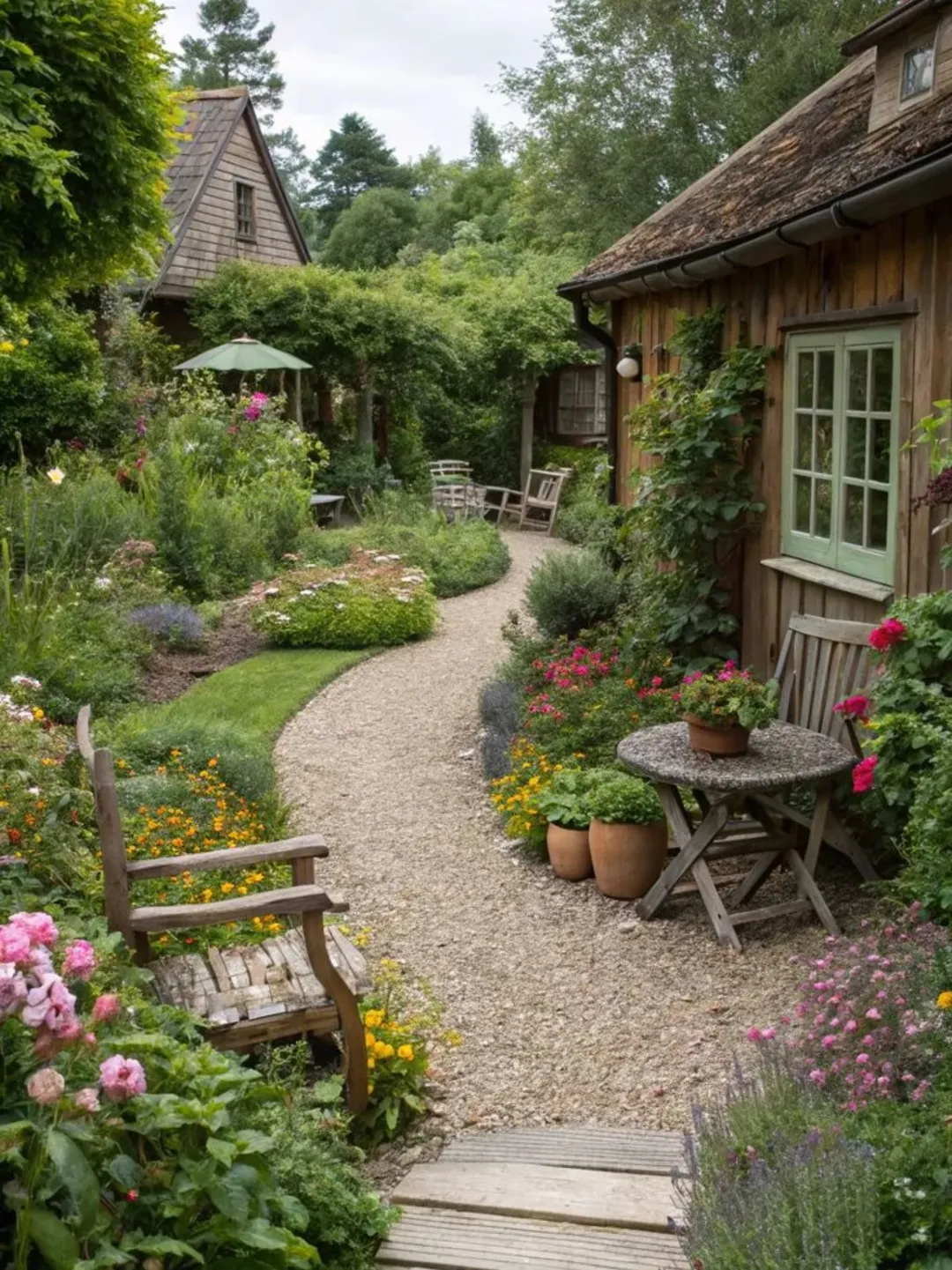
Credit@unique_garden_ideas
Gravel walks are an inexpensive and flexible alternative, and can be used in informal or formal settings in the backyard. Gravel comes in a variety of colors and textures, and it can be easily used to match any landscape theme. Its free crunchy texture makes walking on the path very fun, and also it gives excellent drainage. Gravel driveways may be defined by wooden, stoor, and metal boundaries to ensure that the material does not fly outside. The lights or lanterns with the sun will increase the security level and provide a friendly atmosphere during the evenings. Most importantly, gravel can be installed and maintained easily, which is why it is the best option when doing a DIY landscaping project with a small budget.
Brick Pathway
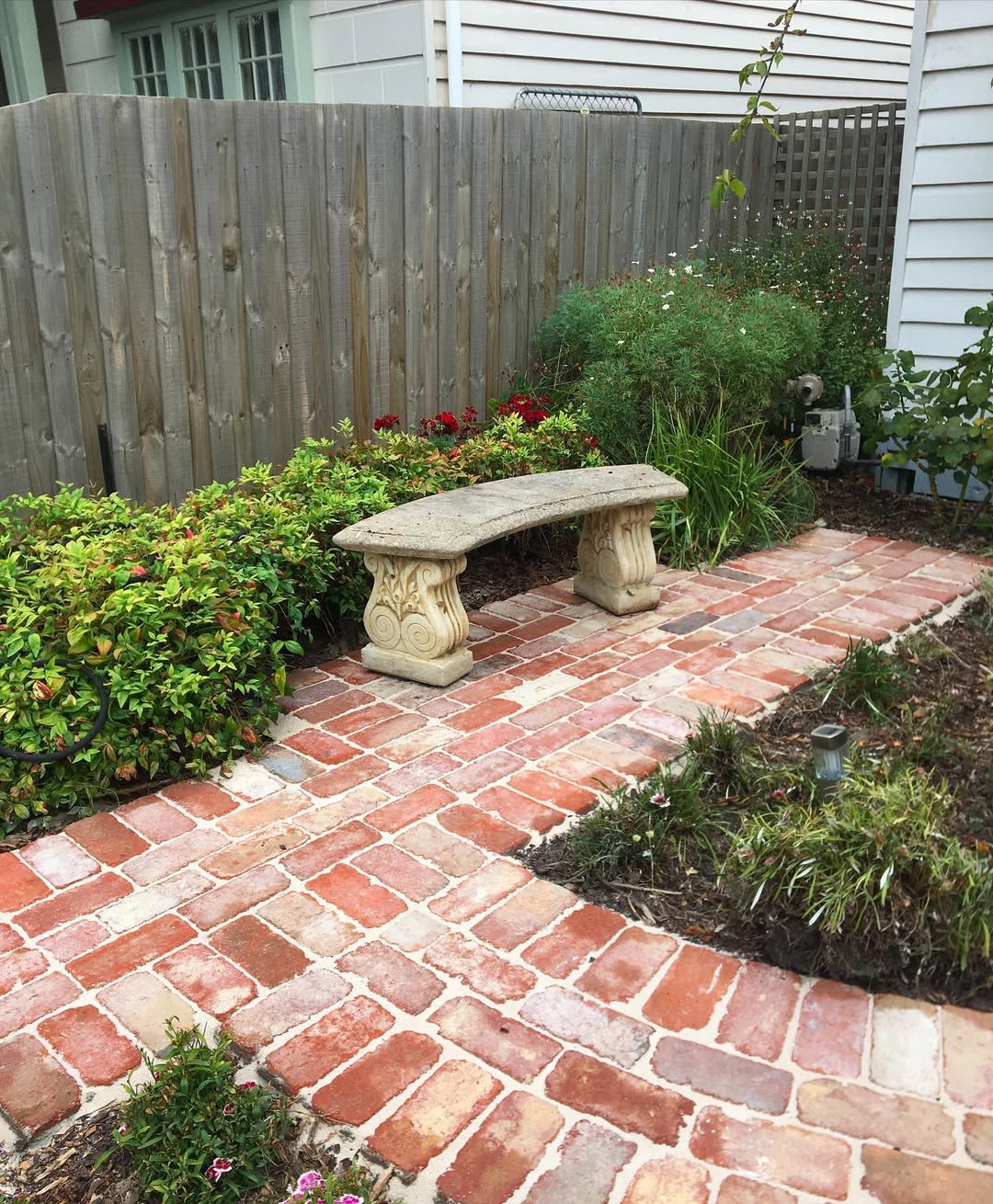
Credit@ateklandscapes
Brick walkways are traditional, attractive, and durable, which is why they are a favorite among homeowners who need style and permanence. To create visual interest, bricks may be laid in various patterns of herringbone, basket weave, and running bond. Their warm and rich colors provide the atmosphere of a very welcoming one that best suits the traditional or cottage-style homes. Brick walkways are particularly resistant to heavy pedestrian traffic and need little upkeep in the long run. They may also be used together with edging plants, gravel, or wood borders to look elegant. Brick paths are a classic design that works best in patios or garden entryways, or down the middle of a walkway.
Also Read: Backyard Lights Ideas to Brighten Up Your Outdoor Space
Stepping Stone Pathway
Credit@outdoor__society
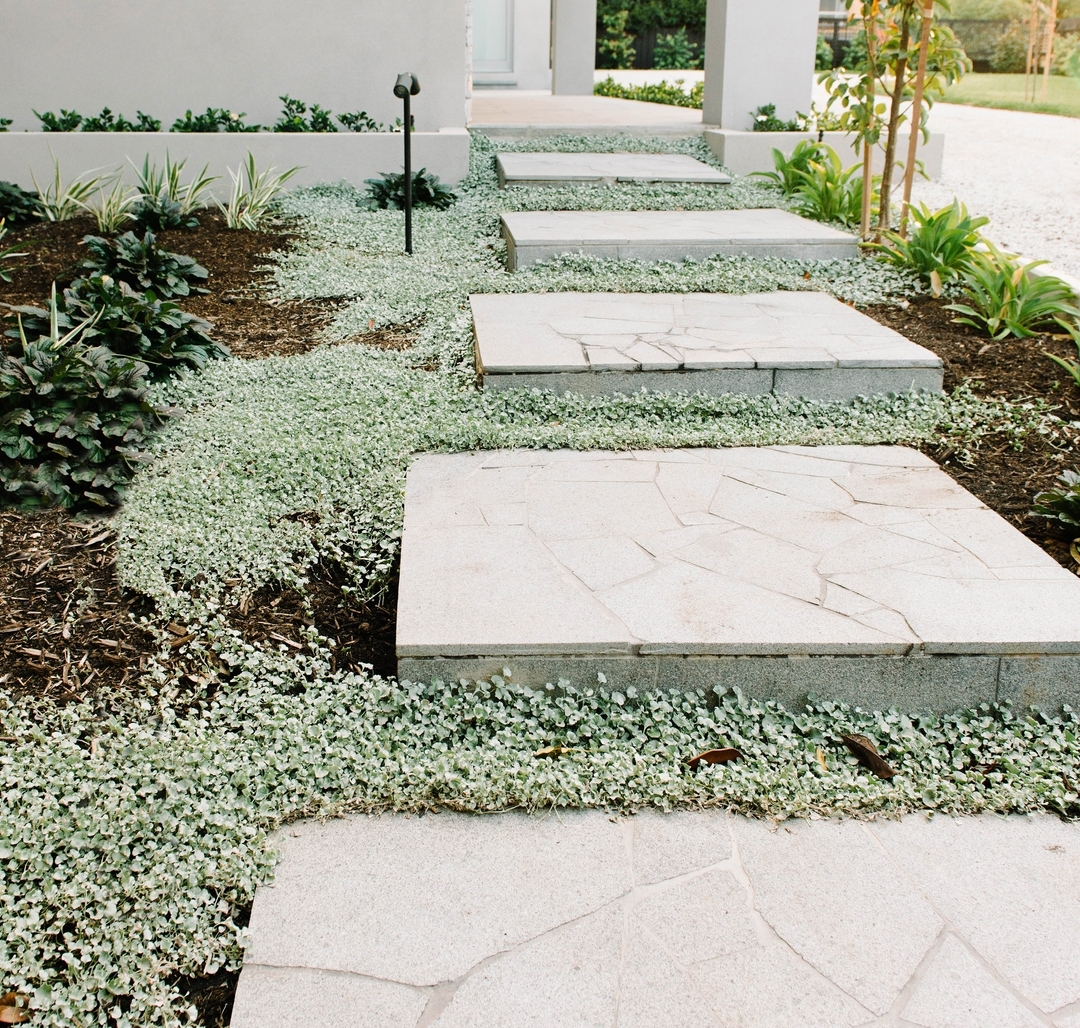
Creating a whimsical, modern, or casual atmosphere in your backyard is best achieved with stepping stone paths. Stone, typically slate or flagstone, is laid on grass, gravel, or mulch, and there may be a gap between them. The design enables vegetation or ornamental ground cover to grow around the stone, and softens the appearance and making the pathway appear to be part of the surroundings. Stepping stone paths are also good in linking smaller garden spaces, like a patio to a flower bed or to a seating space that is hidden. Durable, versatile, and artistic, stepping stones provide stylistic appeal and character to your outdoor yard.
Wooden Plank Pathway
Credit@Art & Creative Ideas
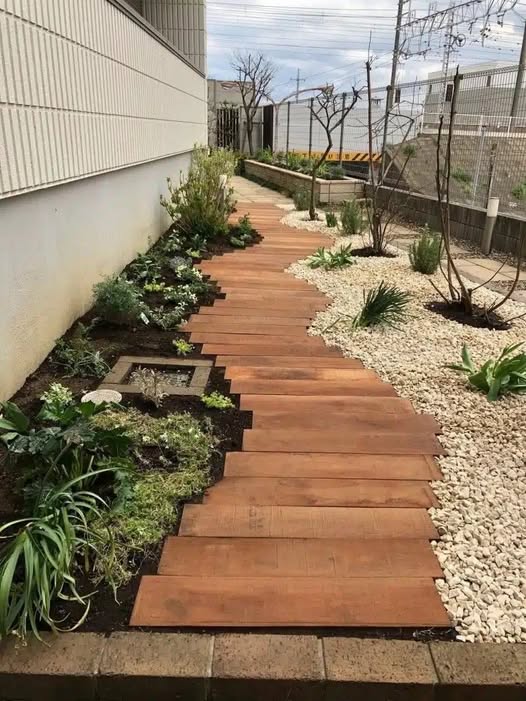
The use of wooden plank walkways in the backyard brings a sense of warmth and rusticness to the area, particularly when framed by greenery or fountains. These paths are made with treated wood, reclaimed timber, or steel, giving them a natural appearance that matches the outdoors landscape. They are especially beautiful in gardens that have a forest-licottage-style design. Wooden planks may be used in straight lines to create a modern look or in curving patterns to create a less harsh and more natural touch. Wood should be weather-treated to overcome rot and dampness in order to make it durable. Wooden pathways are a pleasant and welcoming walk when well-maintained, as they provide a nature trail.
Concrete Slab Pathway
Credit@florlandscaping
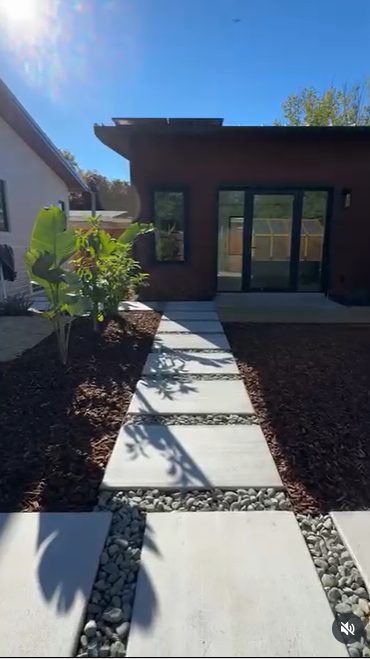
Concrete slab walkways are smooth, stable, and flexible, and can be used as an excellent alternative in designing a modern backyard. The pavers or slabs can be laid in straight lines to create a minimalistic appearance or in staggered form to create a more artistic appearance. Their colorful neutral shades are in harmony with modern and traditional scenery. Many homeowners use gravel, pebbles, or grass to fill the gaps between slabs to create contrast and texture. Concrete is durable with low maintenance, it is resistant to weather er, and it is suitable in high traffic areas. It is also customizable-the slabs can be stained, stamped, or polished to give them an exclusive finish. Concrete slabs possess a good alternative due to their strength and style.
Mosaic Tile Pathway
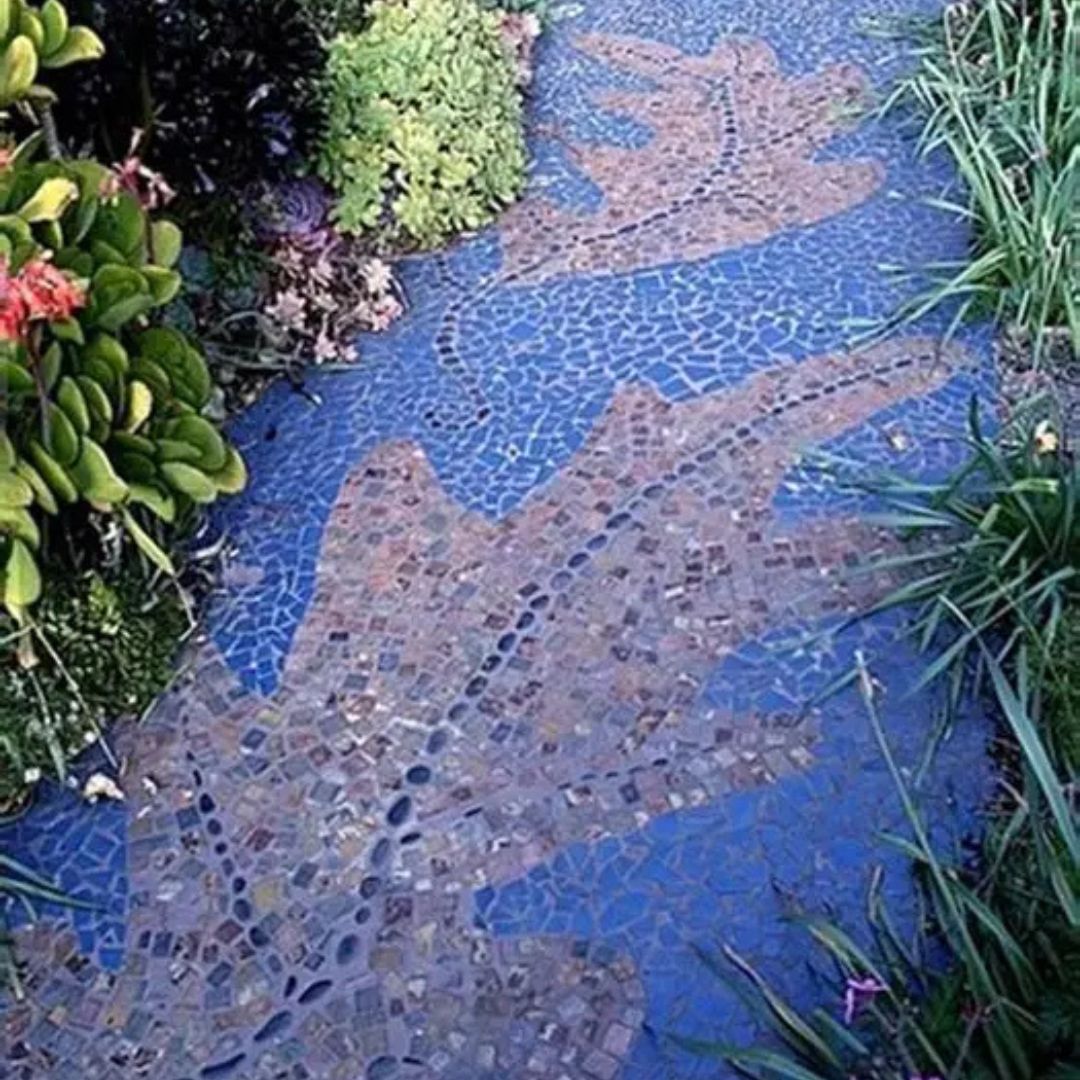
Pathways made of mosaic tiles make your walkway in the backyard a masterpiece. Ceramic, glass, or stone tiles can be used to make colourful patterns, floral, or geometric shapes that can be used to show your personality. Mosaic walks would be especially popular with people wishing to have a distinct, striking element in their garden. They bring a shot of color and beauty, and it raises the space immediately. The end product is long-lasting and very decorative, although it requires more labor to set up. It is an effective route to a patio or sitting space, and converts your backyard into a fashionable getaway.
Also Read: 35 Gorgeous Backyards Outdoor Decor Ideas
Mulch Pathway
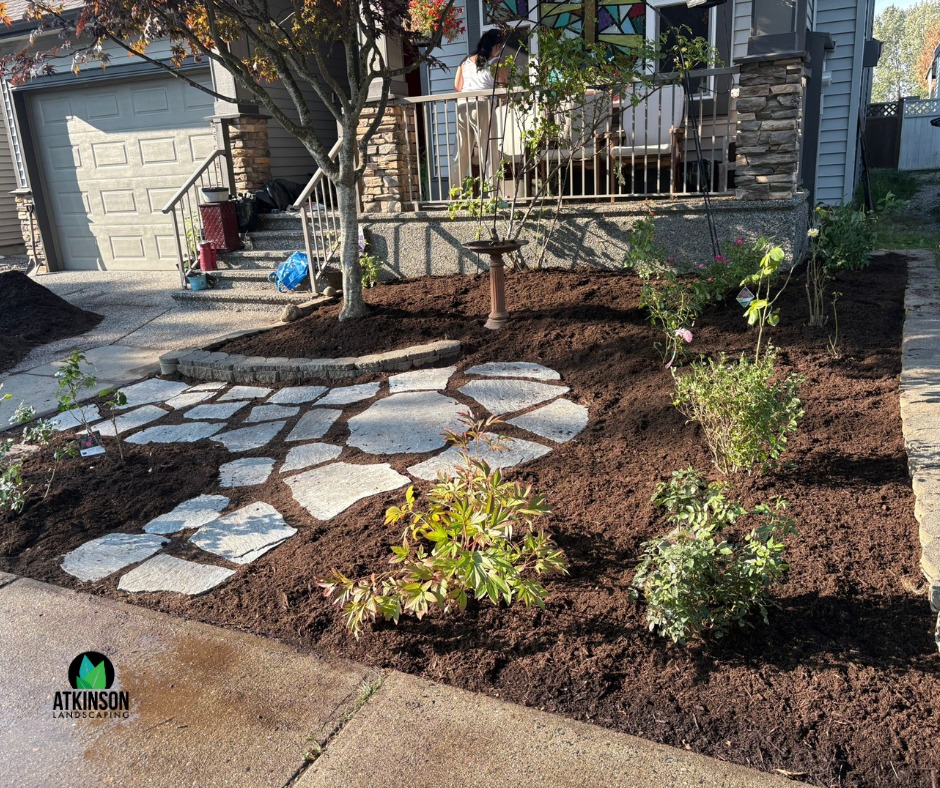
Credit@atkinsonlandscaping
Mulch paths are environmentally friendly, cheap, and easy to erect, and hence are a perfect fit in natural-themed backyards. Mulch forms a loose and natural layer that blends with garden plots and vegetation. It is also useful in controlling the weeds as well as the moisture in the soil, which is useful. These paths are ideal to use in informal gardens, particularly vegetable gardens or woodland gardens. In order to retain the mulch, it is possible to border the path with stones or bricks, or wooden borders. Although mulch should be replenished as time goes by, it is cheap. The mulch pathway is ideal in case one desires an organic and nature-inspired trail in the backyard.
Cobblestone Pathway
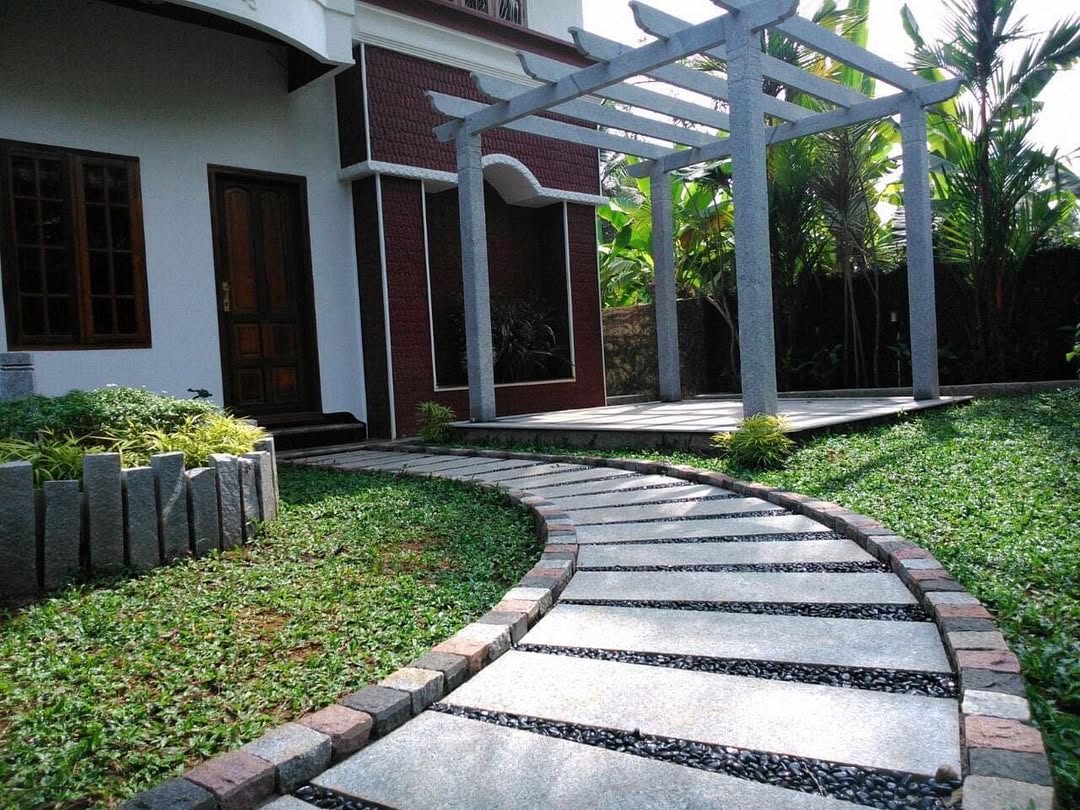
Credit@greenberry_landscaping
The stone-laid streets are as old as the world and as beautiful as ever, in the style of the European village street. Cobblestone paths are made of rounded or irregular stones and make it look rough and naturanaturalh is ideal in cottage gardens or classic landscapes. They last a long time and withstand heavy usage and weather conditions. Cobblestones can also be laid in curved or winding designs to add some character to them, and the path can be magical and inviting. Installation may be more manual, but a long-term and beautiful feature will be obtained. The presence of cobblestones with fertile trees or the flowering of the side also adds beauty to them, providing a beautiful pathway that seems historic.
Also Read: 30+ Marble Tile For Bathroom Luxury Shower Marble Tiles 2025
Mixed Material Pathway
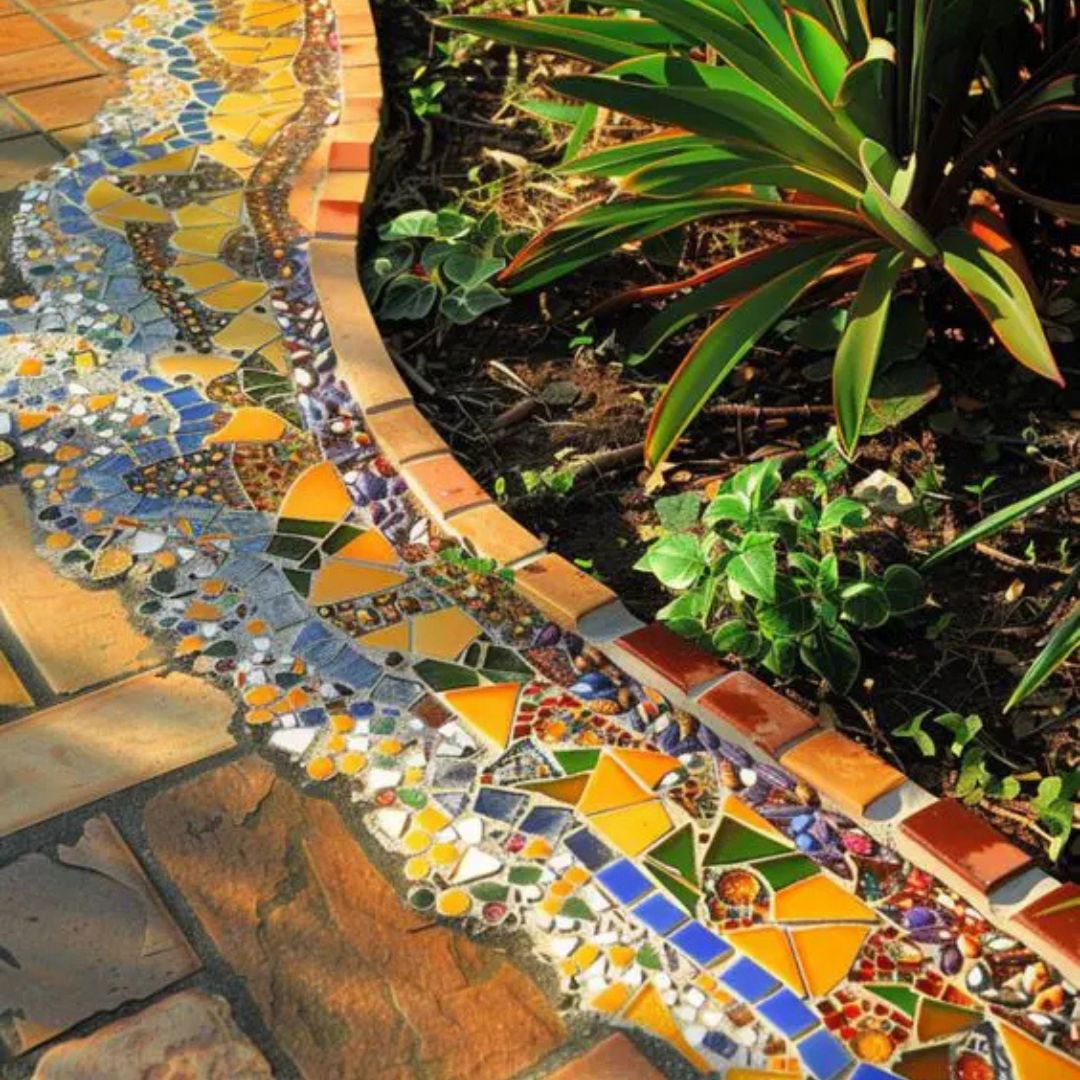
The creativity and personalization of a mixed material pathway is possible, using a blend of such materials as stone, gravel, bricks, wood, or even tiles. With the mixture of textures and colors, you will be able to create a route that perfectly fits the theme of your backyard. To illustrate, stone slabs made large and embedded in gravel are modern and natural in appearance, and a mixture of bricks and wood also has a rustic appearance. Mixed material walks can be used as well to emphasize certain spots in the garden, a nd they are flexible and attractive. They are perfect among homeowners who desire something exclusive, attractive, and convenient. This personalized design is not only an adepth-enhancingg feature, but also a personalized one.
Tips for Designing Backyard Pathways
- Design the Lawn Thoughtfully: Draw a sketch of your backyard and decide where the pathway has to go and how it will make you link various places. Take into account straight and winding paths in terms of aesthetics and functionality.
- Select the appropriate material: Select materials depending on the style, cost, longevity, and maintenance requirements. Each stone, gravel, brick, concrete, t, and wohasave its own advantages.
- Take into account Foot Traffic: The areas with high traffic should be covered with solid materials such as stone, brick, or concrete, and the low traffic areas should be covered with mulch, stepping stones, or gravel.
- Add Borders or Edging: To outline the path, use bricks, stones, metal, and plants at the edges to discourage the spreading of gravel or mulch.
- Add Lighting: Provide solar lights, lanterns, or LED strips to the pathway to provide safety and ambience in the evenings.
- Fuse with Landscaping: Paths should be surrounded with greenery, flowering plants, or ground cover to make the path seem like it should be part of the garden.
- Provide Adequate Drainage: Slant the walkway or stack up porous surfaces so that there is no water build-up or water erosion.
- Keep Clean: Clean the pathway by sweeping and weeding it and removing the old materials such as gravel, mulch, or broken pavers to ensure the place is clean and safe.
- Add Visual Interest: Combine materials, patterns, or textures to make an appeal to the path and complement the theme of the backyard.
- Consider Accessibility: Widen the pathway and make it large enough to move easily, with the possibility of the family member or guests having mobility problems.
ou May Also Like:
Conclusion
The backyard paths are not just walkways but design statements that define the general appearance and feel of your outdoors. You like the beauty of stones, the beauty of bricks, and the inventiveness of mosaics; either way, each of the ways to create a pathway will add its own flavor and functionality to your garden. With the correct selection of material, design, and details, you can make your backyard a beautiful retreat that is representative of your style and adds to your daily living.
FAQs
Q: Which is the most suitable material to be used in a backyard path?
A: The ideal material is based on your backyard style, budget, and use. Natural stone and brick are sturdy and timeless, gravel is cheap and adaptable, mulch is environmentally friendly and cushy, and concrete slabs are a sleek, low-maintenance choice.
Q: What is the proper way to select the design of pathways?
A: Take into account your backyard design, pedestrian traffic, and your garden. The straight lines are convenient in accessibility, and the curved or winding lines produce e whimsical and natural appearance. Blend ingredients to provide variety.
Q: What is the ideal width of a backyard pathway?
A: To allow easy walking, the pathway needs to be an average of 34 feet. In high traffic locations, 5 feet to 6 feet is recommended. Possibly the narrower lanes (2–2.5 feet) are better in a decorative or subsidiary garden walk.
Q: What can I do to keep up my backyard pathway?
A: The material is subject to maintenance. Clean the grounds often, pull off the grass, and put down new gravel, mulch, or broken stones. In case of wood or concrete, inspect cracks or rot and treat surfaces in order to enhance the life of the material.
Q: Is it possible to add lighting to my backyard path?
A: Yes! Lighting: Solar lights, lanterns, LED strips, or low-voltage lighting are used to promote safety and appearance. Install lights beside edges or in between stones in case of acozyy, welcoming effect at night.