![Hey Decor Girl [Latest Trending Decor Design Ideas]](https://heydecorgirl.com/wordpress/wp-content/uploads/2024/08/Heygirldecor-Logo.png)
Backyard Stone Pathway – A stone pathway in the backyard is not only a practical feature for your outdoor area, but it is also a design statement that adds beauty and functionality to your garden. Be it a small backyard or expansive front yard, a stone walkway will provide an aesthetic pathway to your visitors that will navigate through your garden whilst preserving your lawn and flowerbeds from pedestrians. Stone walkways may be fully integrated with the natural landscape, giving it a natural rustic appearance, or they may be made in modern designs to match modern landscapes.
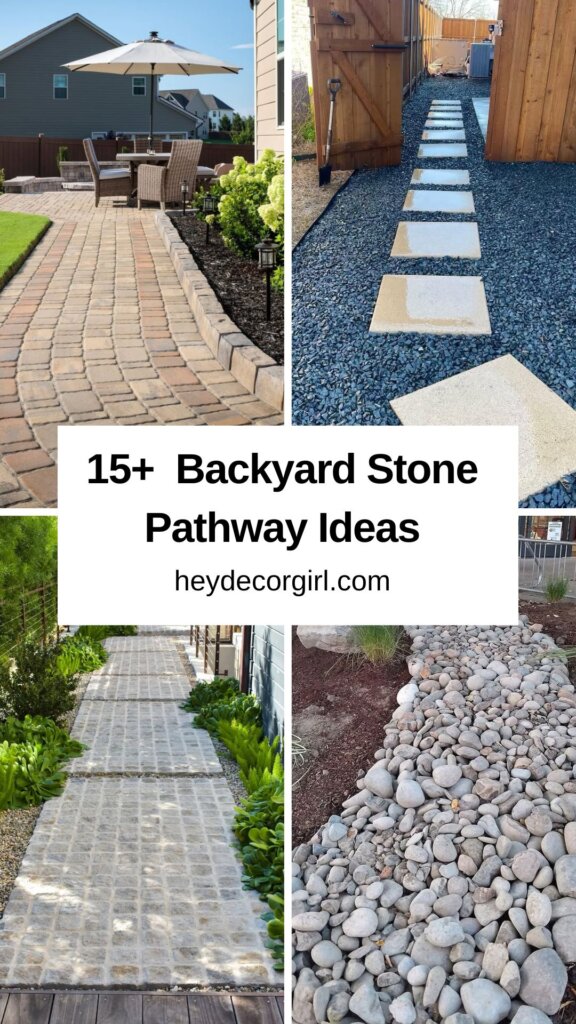
You are able to customize your own pathway using a variety of stone options- flagstone, slate, cobblestone, or river rocks- to fit your own sense of style and the general theme of your backyard. In addition to aesthetics, stone driveways are long-lasting, need little care, and withstand weather conditions, thus a viable option for any homeowner. Planting greenery between the stones, e.g., moss or creeping thyme, would add a natural look and would soften the hardscape. We are going to discuss ten ingenious ideas of stone pathways in the backyard, give some tips on how to build them in practice, and give some pieces of advice as to what materials to use to turn your outside environment into a nice, chic, and cozy place.
Trendy Backyard Stone Pathway Ideas
Here are some trendy ideas to inspire your backyard stone pathway:
Flagstone Pathway
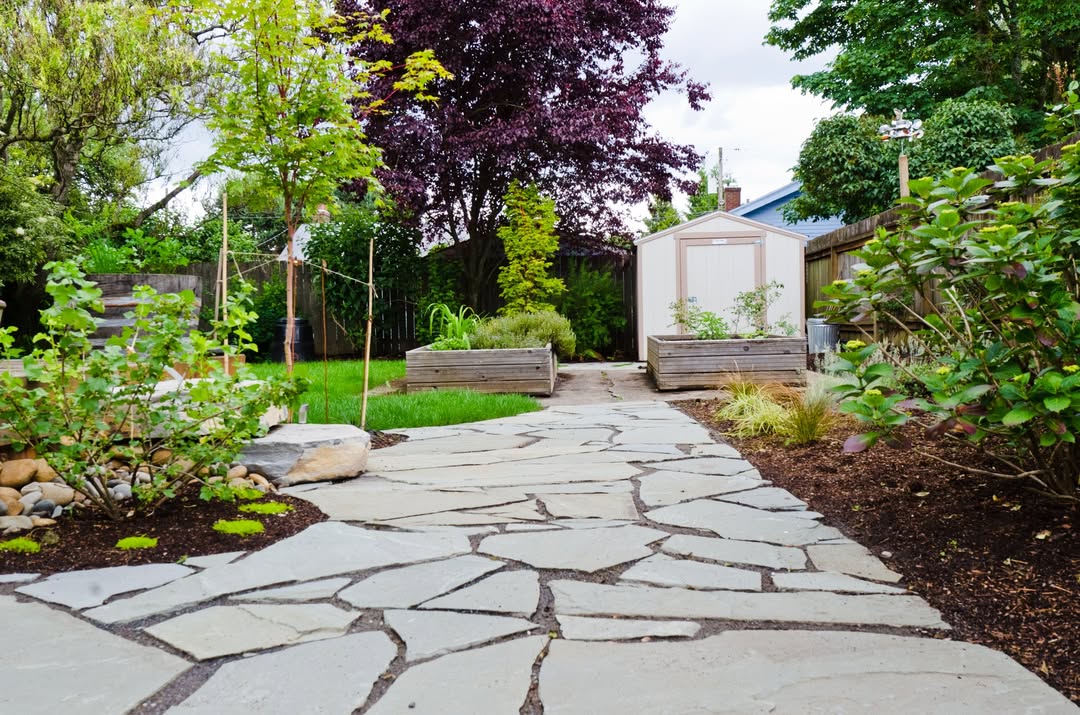
Credit@northwest_native_landscapes
Stepping Stone Path
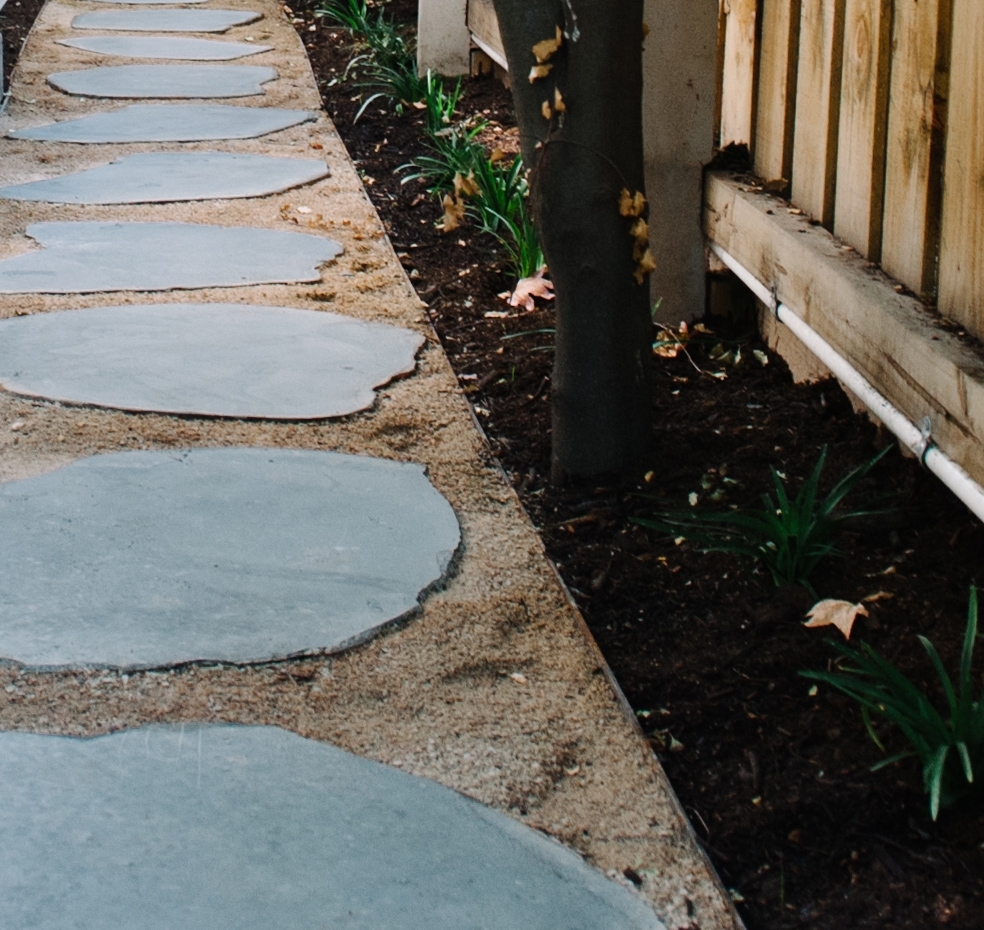
Credit@outdoor__society
Casual, whimsical backyard paths are the best match with stepping stones. The stones may be spaced with either grass, mulch, or gravel in between, which creates an attractive effect of playfulness. They do not overload the landscape, as they take visitors through gardens, vegetable patches, or hidden nooks. Stepping stones are cost-effective and simple to set up, thus, for do-it-yourself projects. They can be used in different materials such as concrete, natural st, or slate, and can match any theme in a backyard. Safety and long life are guaranteed by regular maintenance. Planting surrounding vegetation will add beauty to the land, creating a pathway look natural and welcoming look without interfering with its functionality or access to the garden.
Cobblestone Pathway
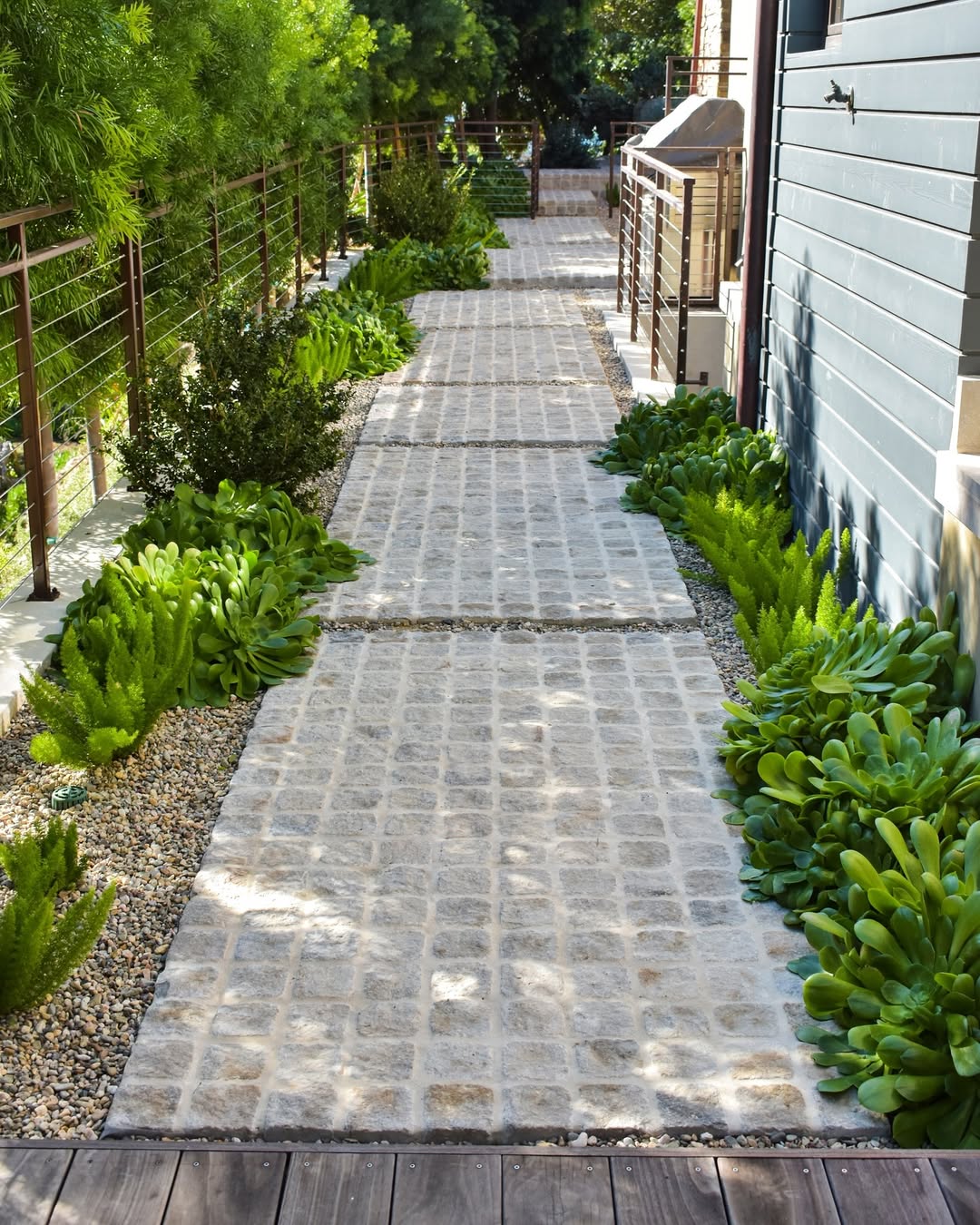
Credit@ddclandscape
Cobblestones offer an old-world touch to every backyard. These rounded stones provide textures, flexibility, and a classic look as well. Cobblestone walkways accommodate a lot of foot traffic and would be ideal in the primary garden walkways. They may be installed in imaginative designs such as herringbone or circle designs to give them extra visual attention. A combination of cobblestones and low-growing plants or gravel edges helps in making it attractive and also functional. Installation is a heavy task, but the appeal will be long-lasting, and the old-fashioned appearance will be worth it. Cobblestone footways are ideal in rustic, traditional, or cottage gardens as they bring sophistication, framework, and a historical touch to the exterior.
Also Read: Backyard Pathway Ideas: Transform Your Outdoor Space
River Rock Pathway
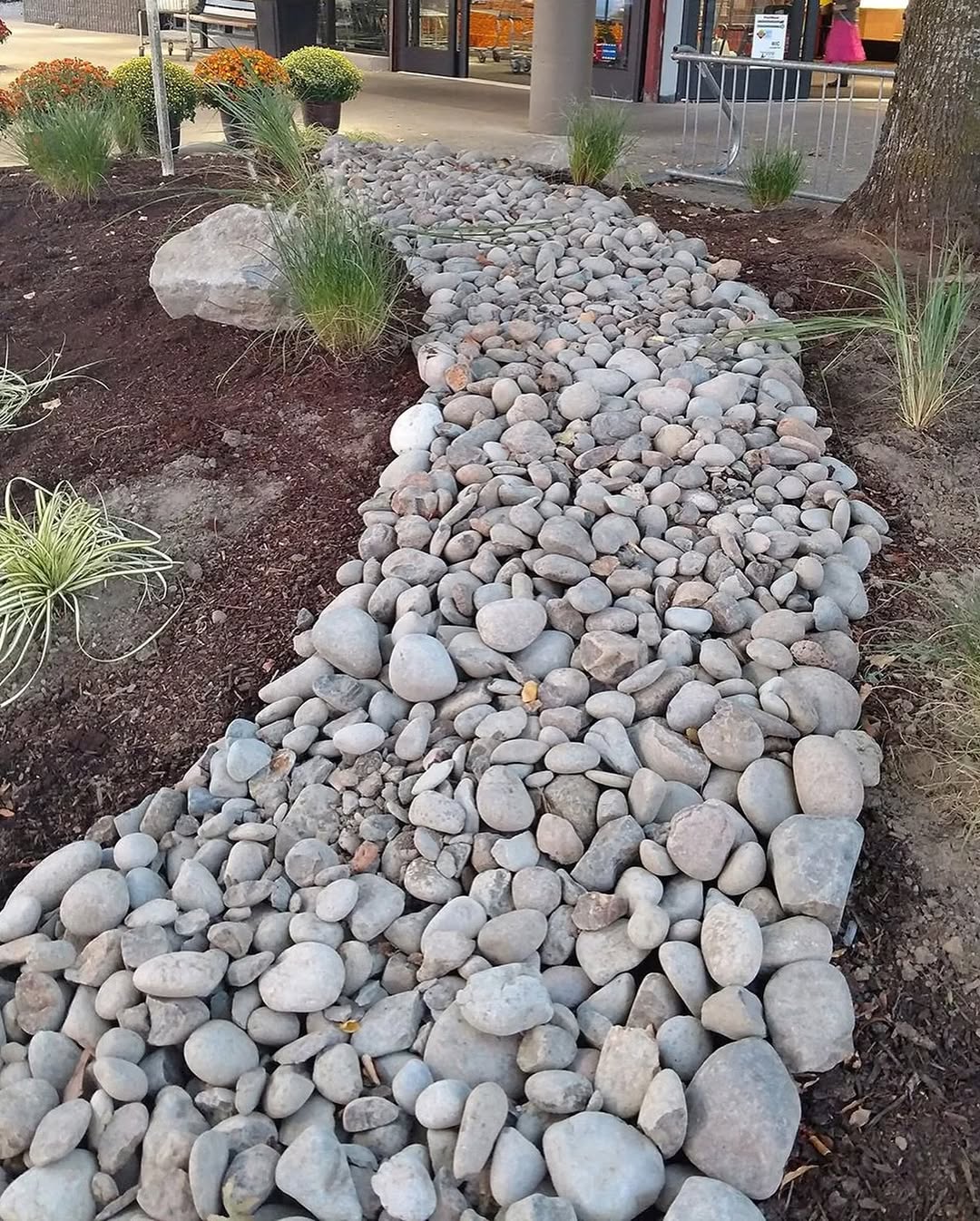
Credit@v_verdancyy
River rocks walkways make the back yard gardens look smooth, natural, and relaxing. River rocks that are rounded can be placed in sand, gravel, or mortar to be stable. They are perfect in areas of ponds, fountains, or the perimeter of the garden, and merge well with nature. River rocks are good for drainage and will not erode the soil, thus they are useful in sloped places. A combination of various colors and sizes gives it texture and attractiveness. It is better to have stepping stones or planks of wood to make the walk comfortable. Easy to maintain and resistant to weather, river rock walks are ideal for homeowners who want to create a natural, calming effect and also direct visitors through gardens in a graceful manner.
Slate Stone Pathway
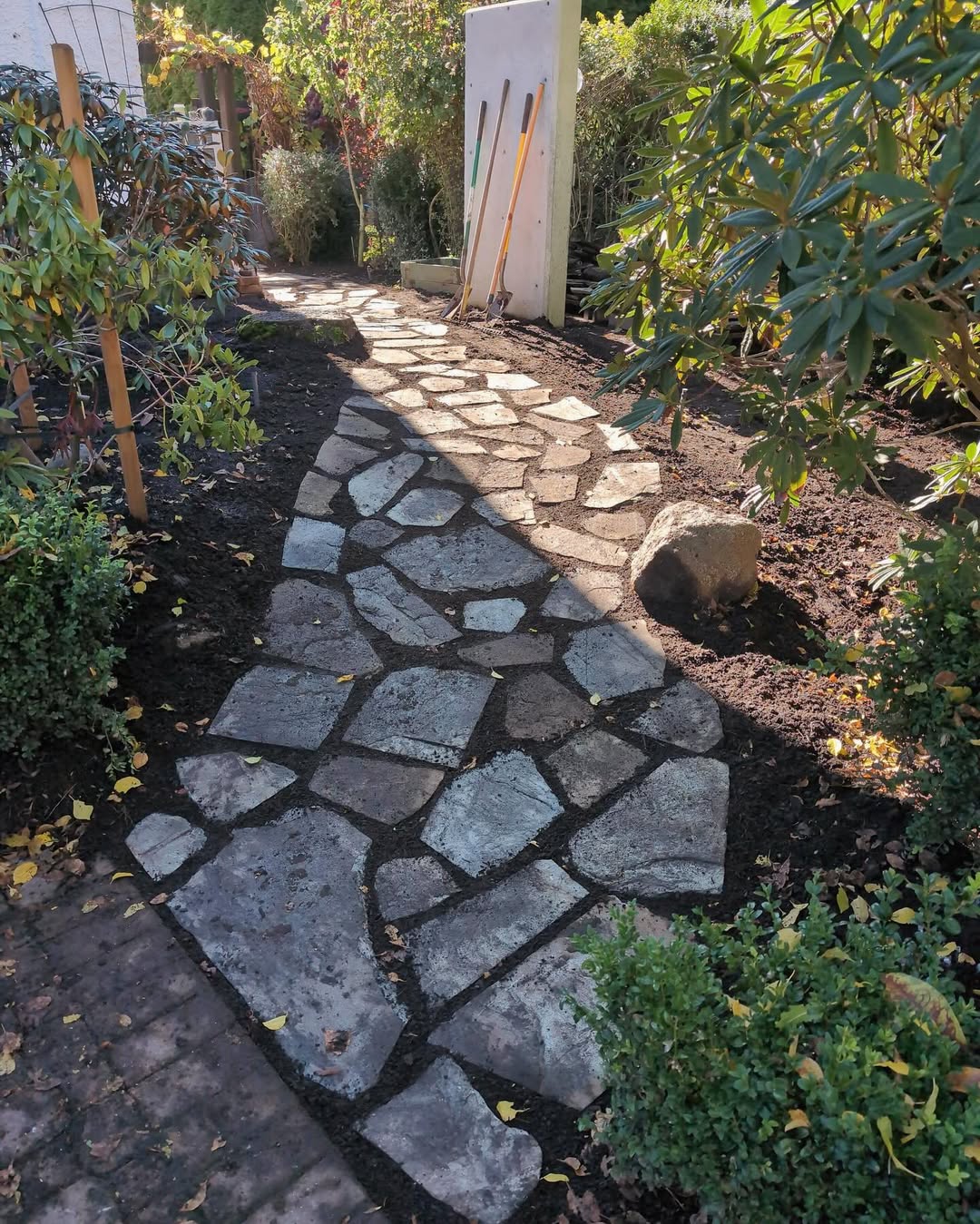
Credit@costa.verde
Slate walkways are classy and have vibrant colors and textures. Their non-slip surface is flat, and this makes them safe to walk on even when it is wet. Slate may be laid out in even and uneven patterns to form a modern or rustic appearance. This all-purpose material is used to supplement patios, garden seating areas, as well as flowerbeds. It is durable and therefore useful throughout its life, and its maintenance is minimal, making it practical. The gravel or moss that fills the gap makes the design soft and more presentable. Slate walks are best used by those homeowners who desire a smooth, contemporary exterior, yet remain natural and blend well with plants, trees, or water features in the backyard.
Hybrid Pathway Made of Gravel and Stone
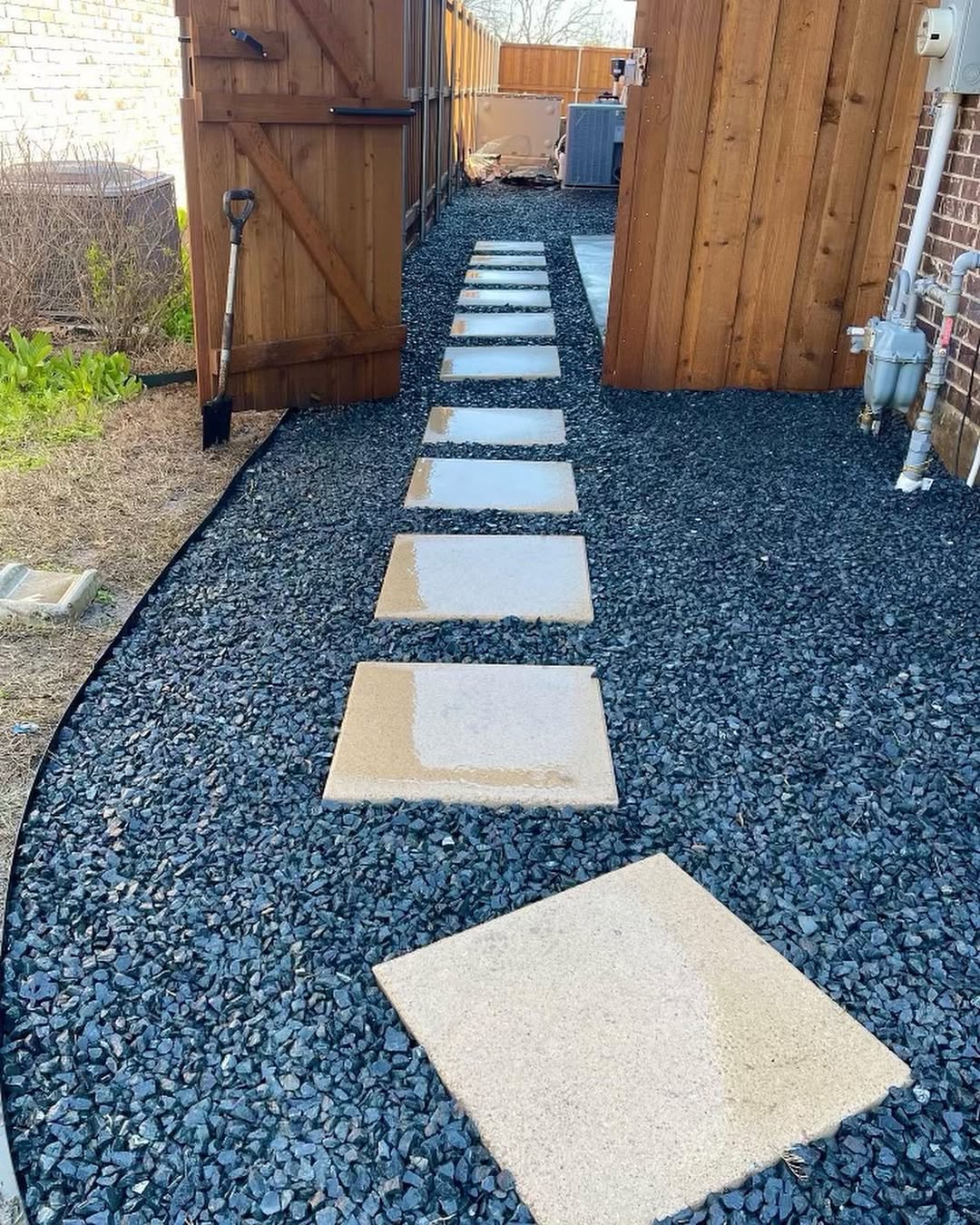
Credit@classicrockstoneyard
A hybrid road of gravel and stones is practical and good-looking at the same time. The stepping stones are large enough to use as a walking surface, and the gaps are filled with gravel to provide stability and drainage. This mix is very flexible and can be used in not only modern but also rustic backyard designs. The gravel acts as a deterrent to mud in rainy seasons and inhibits soil erosion, and the stones give a safe and hard footing. The path is outlined with bricks or bigger stones that help to enrich the final appearance. The use of low-growing plants between the stones makes the design soft and greener. This is an affordable and low-maintenance route that is ideal for DIY usage by those who desire durability, flexibility, and an aesthetically pleasing backyard walkway.
Also Read: Backyard Lights Ideas to Brighten Up Your Outdoor Space
Mosaic Stone Pathway
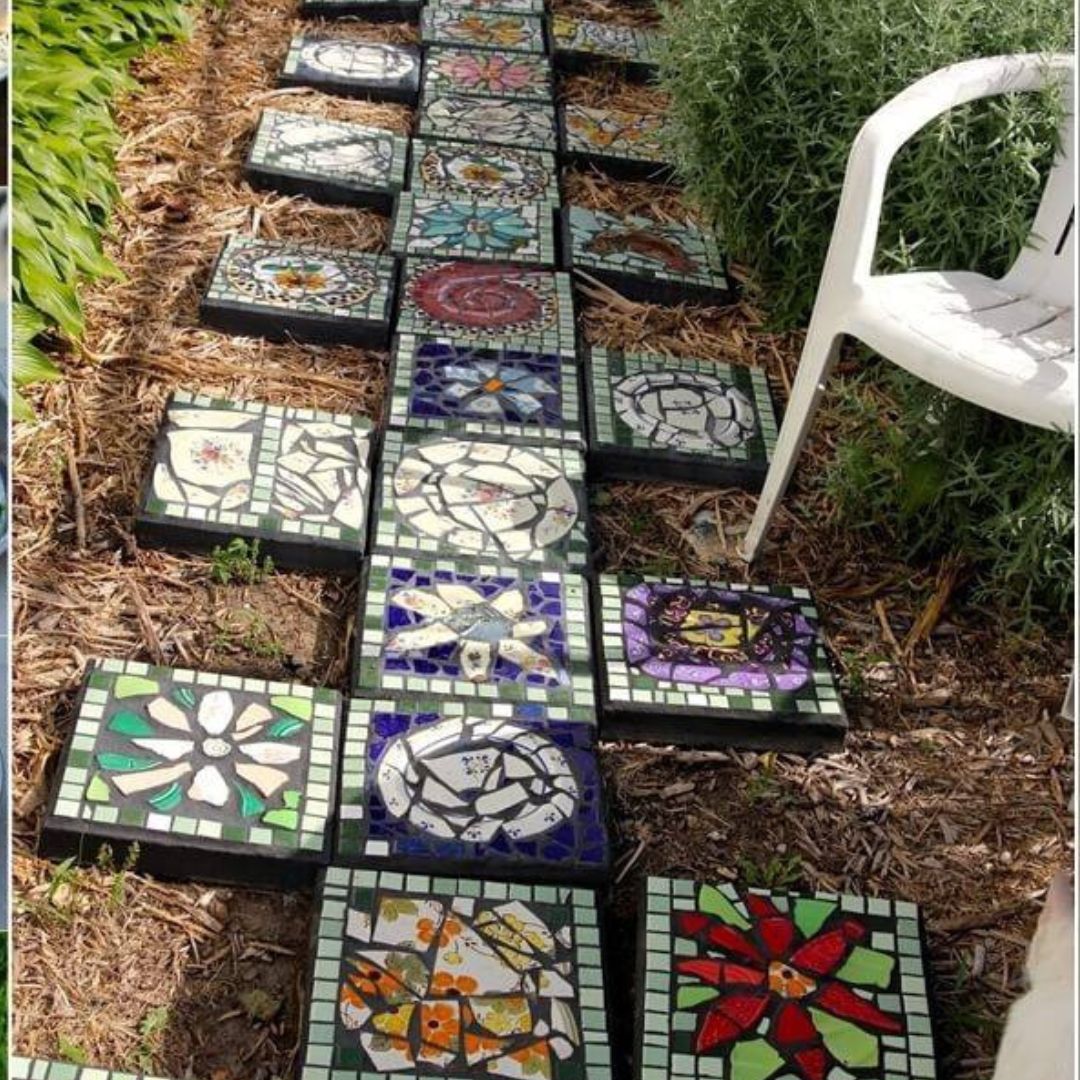
Credit@Architecture & Design
Mosaic paving roads will convert your backyard into an artistic oasis. Tiles, pebbles, or small stones are given in creative patterns, geometric designs, or artistic motifs. These lanes are great in patios, garden elements, or even in a courtyard, which provides a touch of authenticity. It may be time-consuming in the installation process, but the outcome is one-of-a-kind, catching, and breathtaking. Covering the stones helps save them from the weather and makes the maintenance easier. Mosaic walks provide a way of being creative and practical at the same time, enabling the residents of a house to express their style. They can be used by people who desire both a decorative and a practical backyard walkway to make a garden focal point of a mere walkway.
Concrete Stone Pathway
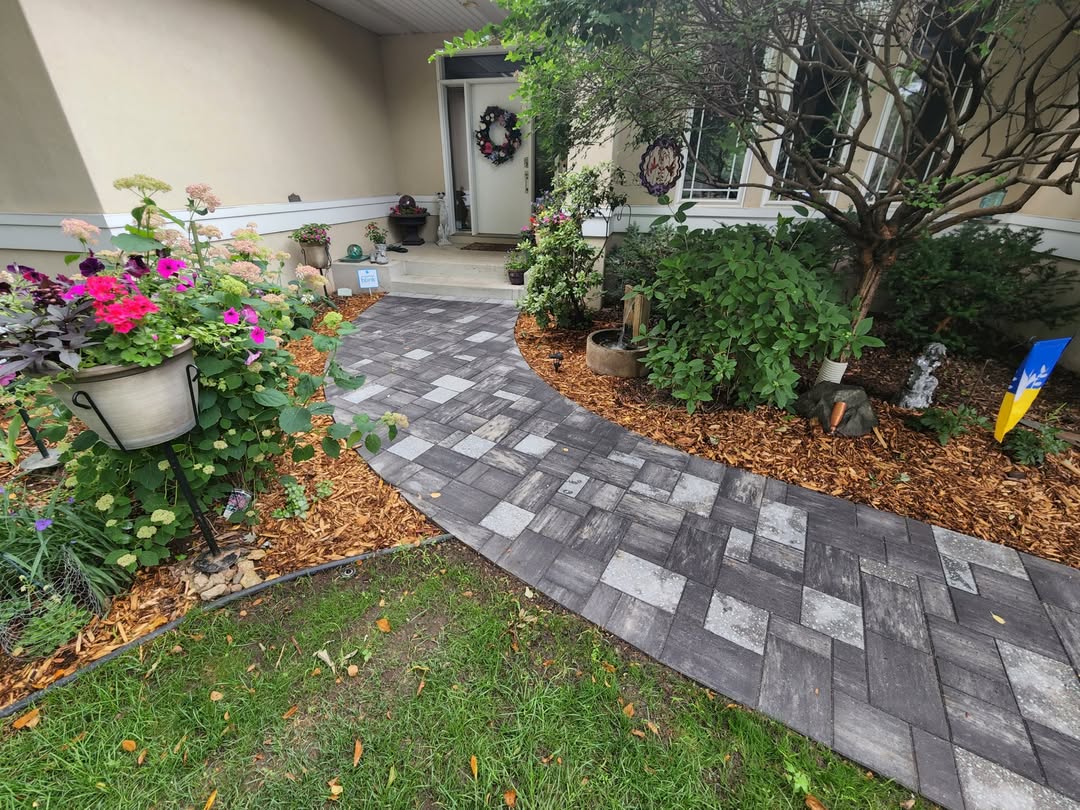
Credit@tvlandscapingtv01
Stone concrete walkways provide the appearance of natural stones at a cheaper cost. Shapes, textures, and colours of flagstone or slate can be imitated in pre-cast or poured concrete stone. Concrete is very strong; it does not weather easily and needs minimal maintenance. Some pathways may be embellished with pebbles, bricks, or even staining to give them a more appealing look. Concrete paths are ideal in contemporary or minimalist and modern designs of the backyard as they are functional and aesthetic. Although these are sealed regularly, the material does not crack and lasts longer. They suit a homeowner who would like to experience the beauty of natural stone but would not be willing to invest a lot in its installation, hence their practicality, flexibility, and style, which are applicable in outdoor areas.
Raised Stone Walk
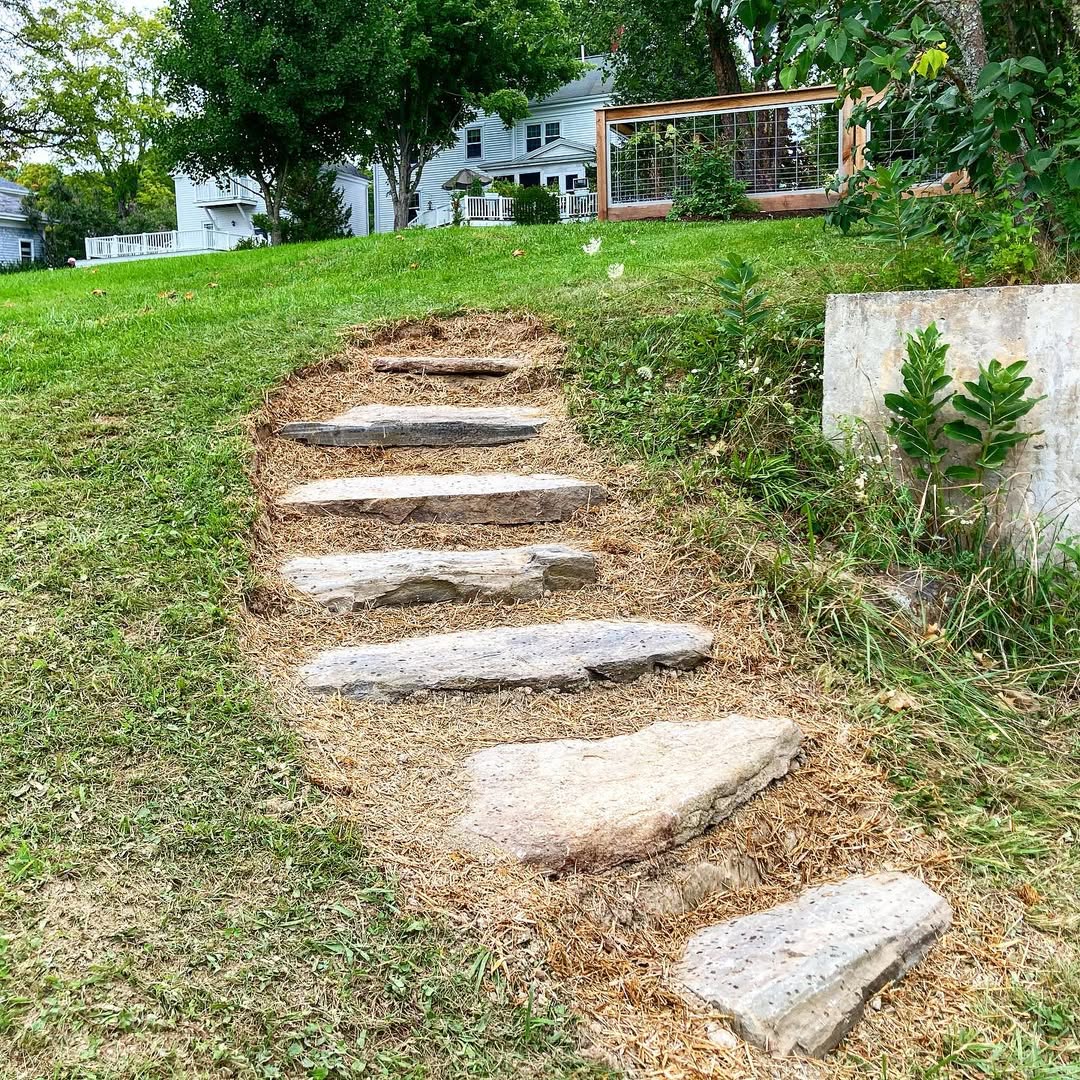
Credit@maine.raised.gardens
Natural textures are achieved by the use of rustic timber and stone paths to create a homey, earthly backyard atmosphere. The planks of wood or logs are contrasted and made warm with the help of stones or stepping slabs. Stones would be used in cases of stability, and timber is treated to be resistant to moisture and weather. This type of pathway is a perfect fit in a woodland garden or patio, massing up with nature. Placing gravel or mulch between the elements will increase aesthetics and reduce lipping. Stone and rustic wood walkways form a lovely organic appearance, perfect for those homeowners wishing to have a backyard sanctuary that is both natural and welcoming, and at the same time provides functionality with a rustic flair.
Also Read: 30 Easy Backyards Ideas On A Budget
Garden Border Stone Pathway
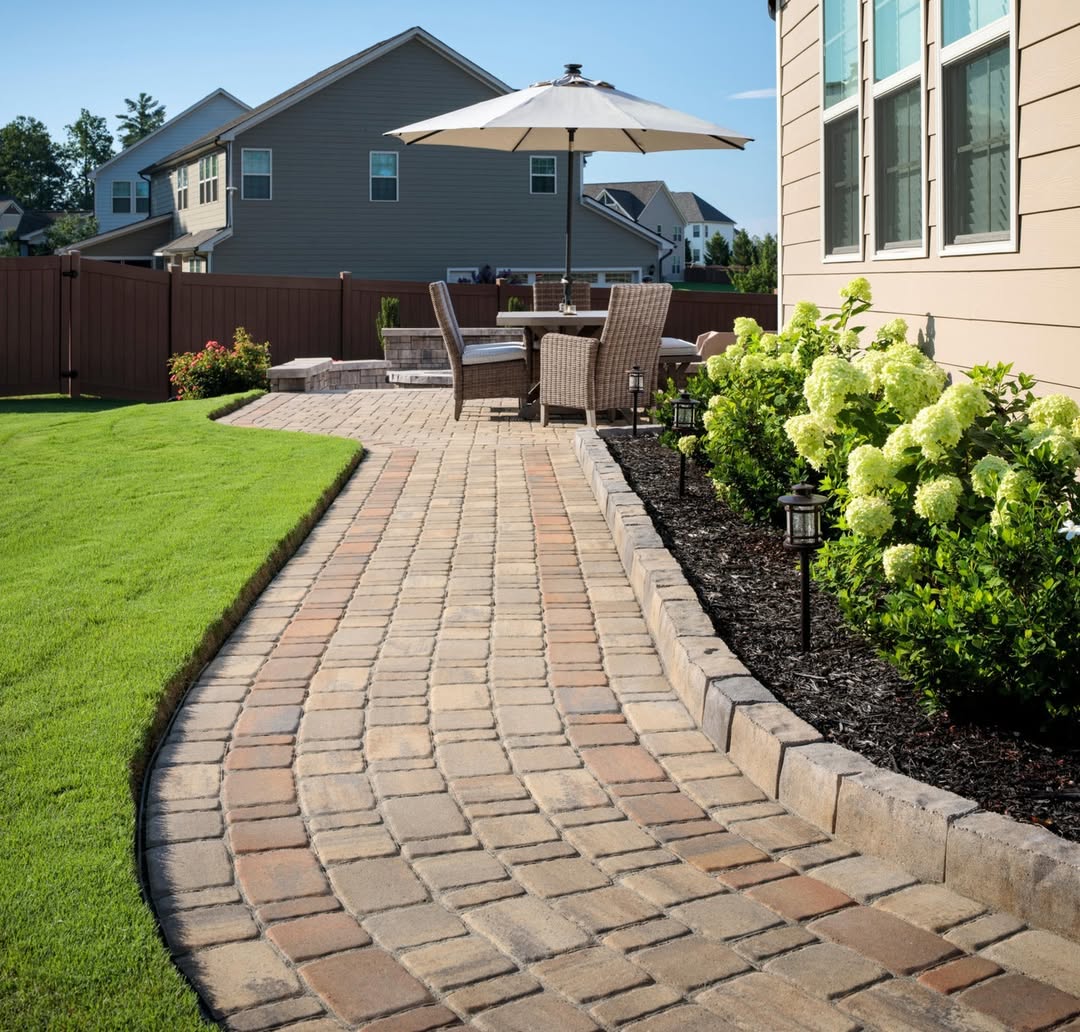
Credit@belgardoutdoorliving
Stone pathways in gardens delineate the edges of flower beds, vegetable gardens, or small gardens. The stones may be designed as linear or curved, or irregular structures to direct the visitors, as well as to avoid soil compaction. The use of gravel, mulch, or low-growing plants between stones gives it more beauty and functionality. This kind of style is not complex, graceful, and simple to upkeep. Border stone pathways work well in small areas or to emphasize features of the garden, giving structure to the space and ornamentation. They are useful and attractive in nature, and they make pathways that do not ruin plants and flowers, but make it easier and more comfortable to walk through your backyard.
Tips for Designing a Backyard Stone Pathway
- Plan of Layout: To start with, consider the size and shape of the yard. Choose whether the route is going to be straight or meandering.
- Choose the appropriate stone: Depending on your garden theme, your budget, a nd the longevity, select an appropriate stone, be it flagstone, slate, cobblestone, or river rocks.
- Form a Stable Base: Form a base using sand, gravel, or crushed rocks in such a way that the stones would not move and the path would be permanent.
- Drainage Slope: A slight slope is desired to avoid pooling of rainwater on the path.
- Add Edging: The purpose of this is to define the path and to ensure the stones do not spread, and to do so, edging should be included using bricks, metal, or even stone.
- Between Stones: Add greenery with plant creeping thyme, moss, or low-growing grasses.
- Think Safety: Use non-slip stones and even out the uneven surfaces to avoid accidents.
- Maintenance: Weed removal and filling of the gaps, a nd the kind of alignment of the stones should be done at regular intervals.
- Lighting: Install solar or LED lights in order to make the path safe and appealing during the night.
- Add Materials: Add gravel, timber, or mulch to the stones to add texture and aesthetics
You May Also Like:
Conclusion
A masonry walkway in the backyard will improve the visual appeal, as well as the utility of your backyard. The ability to select the appropriate stone layout nd design features allows you to make an attractive, long-lasting walkway that suits your garden design, gives a boost to the value of your house, and makes your backyard a calming retreat.
FAQs
Q: What kind of stone should a backyard pathway be made out of?
A: The durability, beauty, and simplicity of installation make flagstone and slate very recommendable. Cobblestone is used to give it a rustic feel, and river rocks are used to give it a natural, organic appearance. The option you have depends on your style of garden budget and level of maintenance.
Q: To what width should a backyard stone pathway be?
A: Single-person walkways that are comfortable are usually 2-3 feet wide. In the case of two people side by side, 4-5 feet is best. Broad tracks make access easier and give a wide appearance.
Q: Would I be able to put in a rock drive on my own?
A: Yes! It can be an installation done by any individual using stepping stones, flagstone, or gravel pathways. The appropriate preparation of the bases, leveling, and space between the stones are major aspects of durability and safety.
Q: How shall I keep the weeds between the stones?
A: Landscape fabric under the stocoveredcover with sand or gravel, or ground cover plants like creeping thyme or moss. The pathway is maintained with routine cleaning and refilling to make it easy to maintain and clean.
Q: Are the stone paths repairable in rainy and/or slippery weather?
Yes, on the condition you are using non-slip textured stones like slate or flagstone and proper drains. Minor slopes and proper positioning of stones will reduce water accumulation and minimize the risk of slips.