![Hey Decor Girl [Latest Trending Decor Design Ideas]](https://heydecorgirl.com/wordpress/wp-content/uploads/2024/08/Heygirldecor-Logo.png)
The ancient Chinese tradition of Feng Shui Plants is concerned with establishing a harmonious and balanced environment in a particular space to ensure good energy circulation. Feng Shui is based on the idea that the environment affects our health and well-being, and as a result, the principles of this practice have been implemented in the design of homes to create a comforting, prosperous, and peaceful environment. Through the systematic layout of aspects of your surroundings, you can create a space that would promote your personal and professional development.
Feng Shui plants are one of the most available methods of incorporating Feng Shui in your home. These are not just plants that have been chosen arbitrarily, as they are supposed to affect the energy in a space. Feng Shui plants are also supposed to have certain positive effects, including the ability to enhance tranquility, ensure prosperity, andprovide clean air. The right types of plants and their placement can increase the total energy of your home and will help to establish a harmonious environment that will help to support the body and the mind.
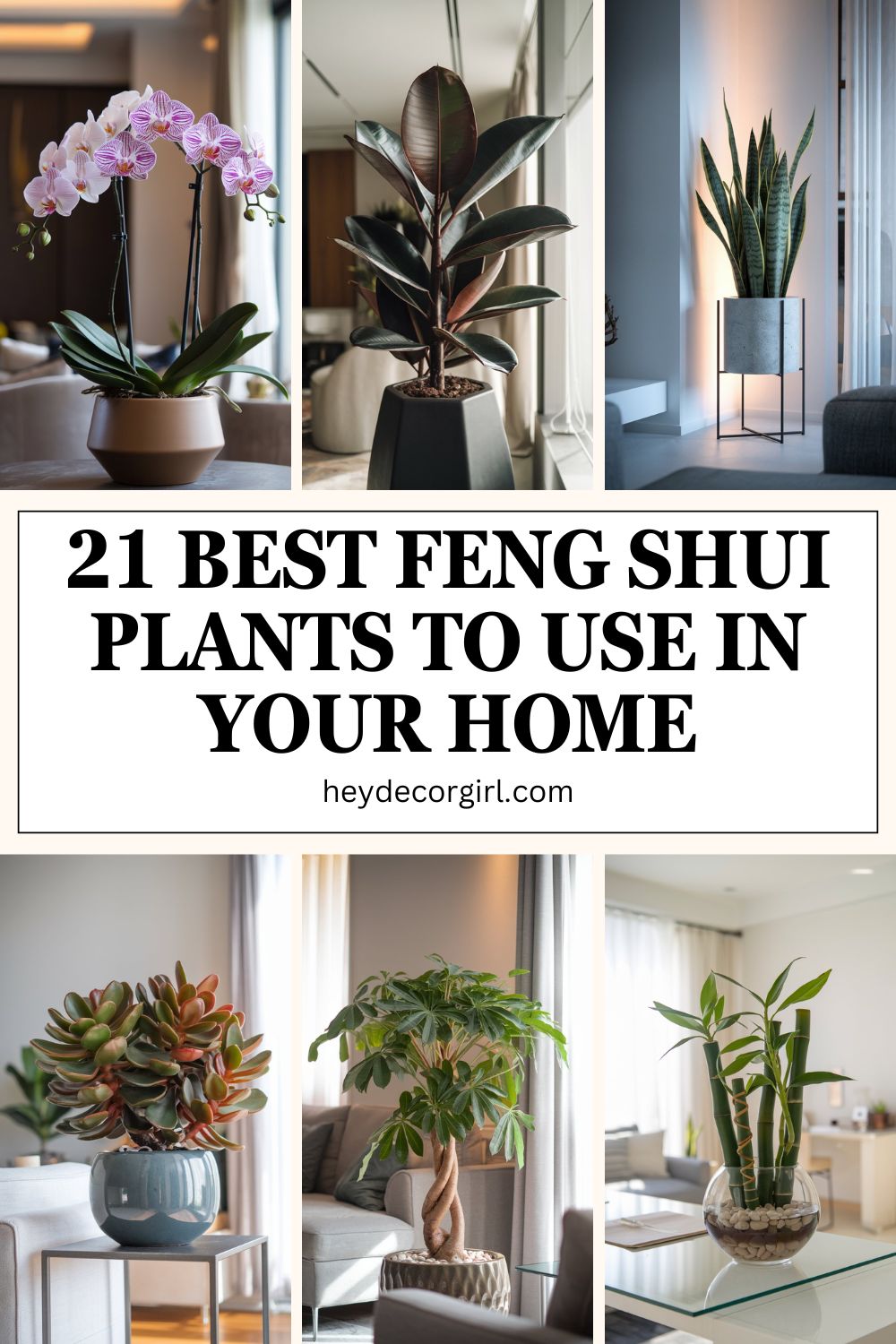
Best Feng Shui Plants
1. Lucky Bamboo (Dracaena sanderiana)
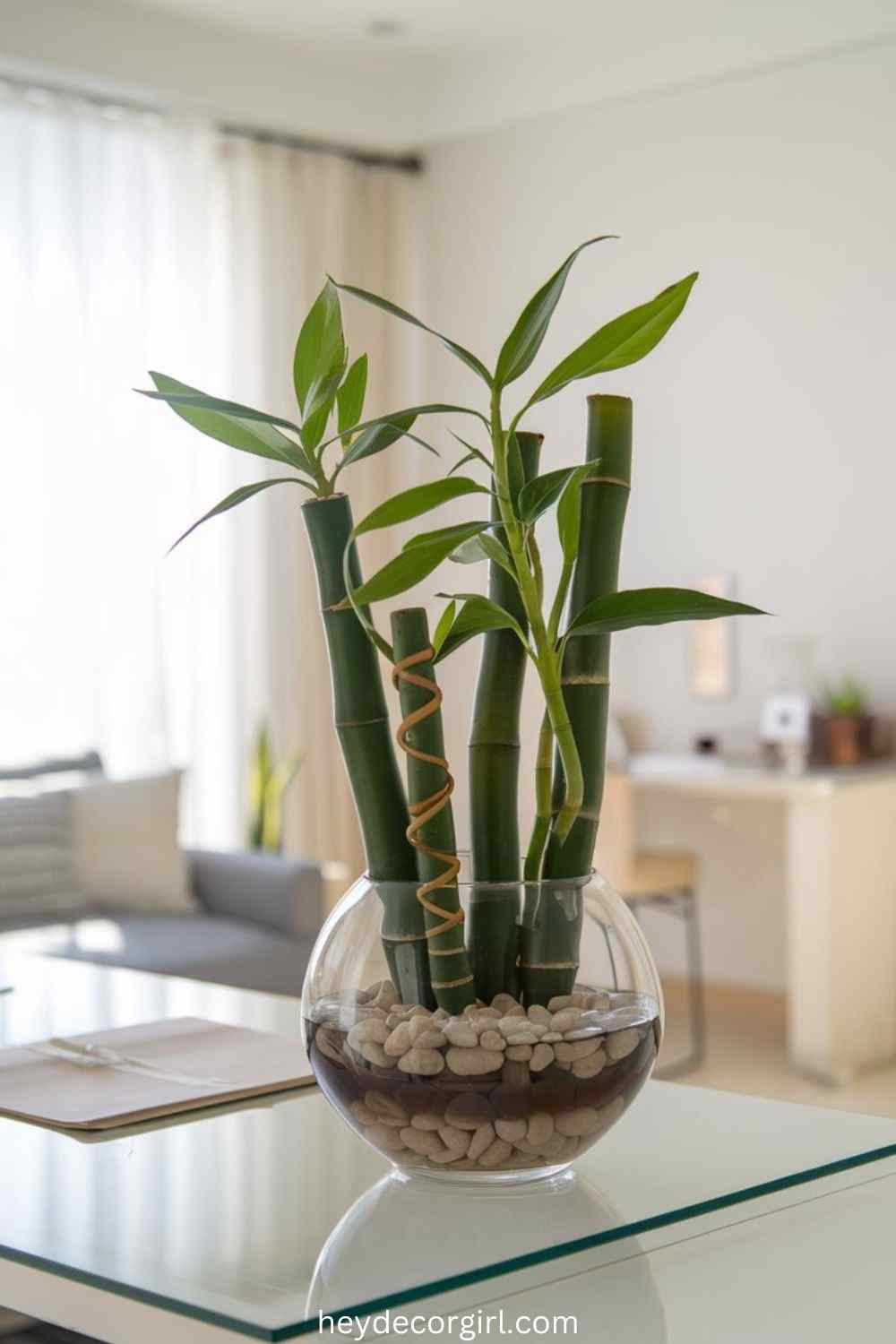
Summary of the Plant Characteristics Lucky Bamboo: scientifically named Dracaena sanderiana, the plant is a common and widely used plant, commonly confused with actual bamboo. It has thin and cane-like stalks that may be cultivated in different forms, such as straight, spiral, or braided. The plant is normally cultivated in either water or well-drained soil and is adapted to grow in low or medium light. It is easy to take care of, and that is why it is a preferred choice by plant beginners and those who have experience.
Feng Shui Benefit.In Feng Shui, Lucky Bamboo is also famous in the sense that it brings in positive energy and prosperity. It has been widely related to good luck, fortune, and prosperity. Its unusual form and the rich green colour are presumed to contribute to the circulation of good Chi (energy) in a room. Even the number of stalks counts: three stalks proclaim joy, five, prosperity, and seven, health and long life.
Ideal Placements of the home Lucky Bamboo is very flexible with the placement. To maximize the Feng Shui benefits, it can be located in different parts of the home:
- Wealth Corner: It is known that the southeast corner of your home or office is the wealth corner, so having Lucky Bamboo inside the corner is certain to bring riches.
- Living Room: It can be placed in the living room or the main entrance to increase the positive energy and make the entrance more welcoming.
- Home Office: Plants in your desk or office: When Lucky Bamboo is kept on your desk or in your office, it can aid in career development and business opportunities.
- Bedroom: A small Lucky Bamboo on the nightstand or close to the bedroom entrance door can help create a relaxing and harmonious atmosphere.
To maintain the positive effects of the plant, make sure the plant is getting enough light and is well-maintained.
2. Money Tree (Pachira aquatica)
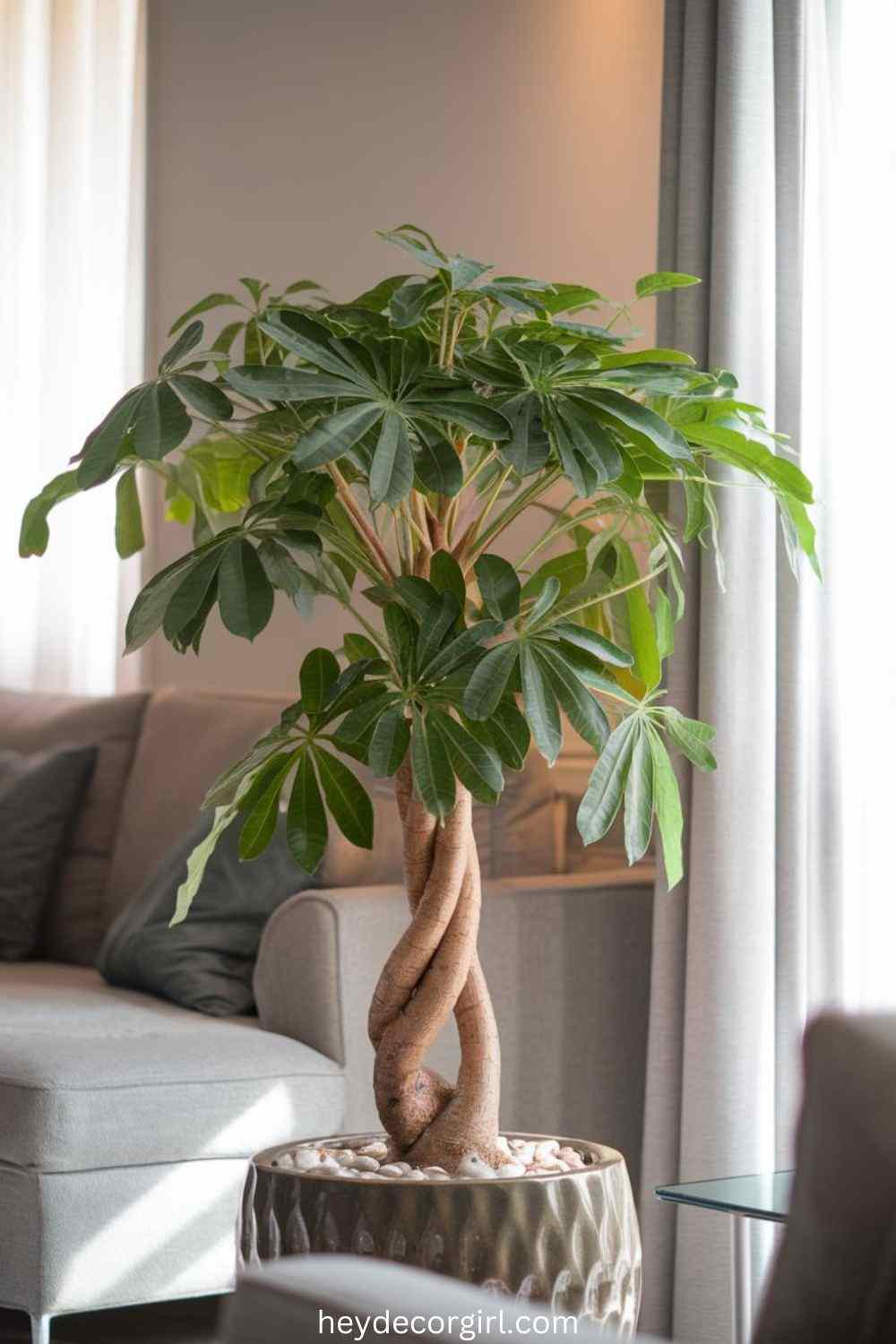
History T: The Money Tree, Pachira aurea, is a common domestic plant that has a unique look. It has a braided trunk and huge and shiny palmate leaves which are dark green and shine. The plant is very tall and therefore an eye catcher in any space. Money tree is usually planted in a pot using well-draining soil, although it can also be planted in a water setup. Its foliage and shape are unique, making it an attractive, decorative, and useful plant.
Feng Shui Advantages. In Feng Shui, it is believed that the Money Tree can bring good fortune and good luck, as well as positive energy. It is thought to bring good luck and prosperity to its own, and it has become a favorite among people who want to improve their financial life. The braided trunk of this plant represents strength and unity, ty and the bright leaves are believed to enhance the circulation of good chi (energy) in a space. The fact that the Money Tree has been known to be a symbol of financial security and prosperity further supports the idea that it is linked to wealth and prosperity.
Best Places To Plant To best make use of the Feng Shui benefits of the Money Tree, the plant should be placed in one of the following locations:
- Wealth Corner: The Money Tree should be placed in the southeast corner of your home or office, and this area of your place is traditionally connected with wealth and prosperity, whileadsled to an increase in financial success and abundance.
- Living Room: By placing the Money Tree in the living room or main entrance, it is possible to make the place welcoming and full of prosperity every time one enters.
- Home Office: You can use the Money Tree in your office or workspace to help grow your career and generate business. It may also be put close to your desk so that you are always inspired and motivated.
- Entrance Hall: The Money Tree can also be placed close to the front door of your home to attract good fortune and wealth to your home.
Make sure that the Money Tree gets a lot of light (preferably indirect sunlight) and that it is taken care of to ensure that its energy-charging abilities remain powerful.
3. Jade Plant (Crassula ovata)
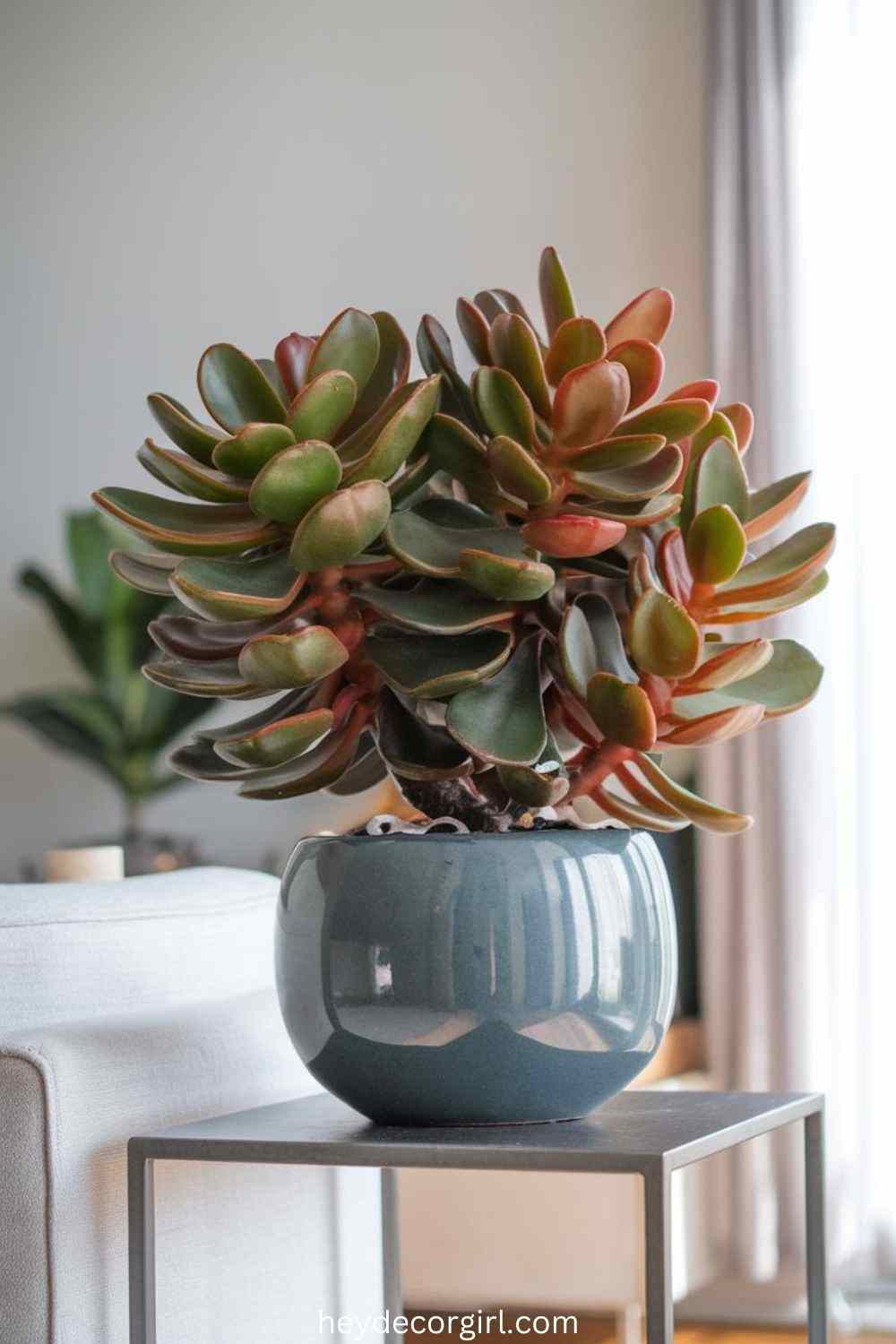
Characteristics of the Jade Plant, Crassula ovata, or jade plant, are a popular succulent plant that has a characteristic appearance. Its leaves are oval in shape, a deep, rich green color, and thick and fleshy. The plant is generally bushy in nature, in the form of trees with a strong but sturdy wooden stem, which makes it appear tough and strong. Jade Plants are also relatively simple to maintain, and they are also known to belong-servingg. They reproduce well in the light and the indirect light, and can withstand some droughts because they are succulents.
Feng Shui Uses In Feng Shui, the Jade plant is largely treasured due to its symbolism of wealth, prosperity, and good fortune. Its coin-shaped, round leaves are believed to symbolize coins and financial wealth, and it is therefore a favorite among those who want to bring about financial wealth in their lives. The strong and upright growth of the plant is also a symbol of stability and growth. With the help of introducing the Jade Plant into your environment, you will be able to increase the circulation of positive energy and promote luck and good fortune.
The Best Placements and Care Advice. To be as Feng Shui beneficial as possible, the Jade Plant should be placed as follows:
- Wealth Corner: To increase wealth, place a Jade Plant on the southeast corner of your home or office to increase your prosperity and bring in plenty.
- Living Room: The Jade Plant should be placed in the living room in a side table or a bookshelf so that it produces a good and inviting effect to the visitor.
- Office Desk: The presence of a Jade Plant at your desk or office can help in career advancement and in getting business.
- Main Entrance: Jade Plant can be placed very close to the door of your house to welcome good fortune and good energy to your living room.
Care Tips:
- Light: Jade Plants can grow in indirect sunshine. An ideal place is a sunny windowsill.
- Watering: After watering, the soil must be allowed to dry. Spray the plant a few times to prevent root rot.
- Temperature: Jade Plants are moderate in temperature and should not be subjected to extreme cold and frost.
- Soil: Soil should be well-draining, e.g. , cactus or succulent mix, to ensure good root development.
With these care tips and by proper placement of the Jade Plant, you can be able to enjoy its aesthetics besides utilizing its Feng Shui benefits.
4. Peace Lily (Spathiphyllum)
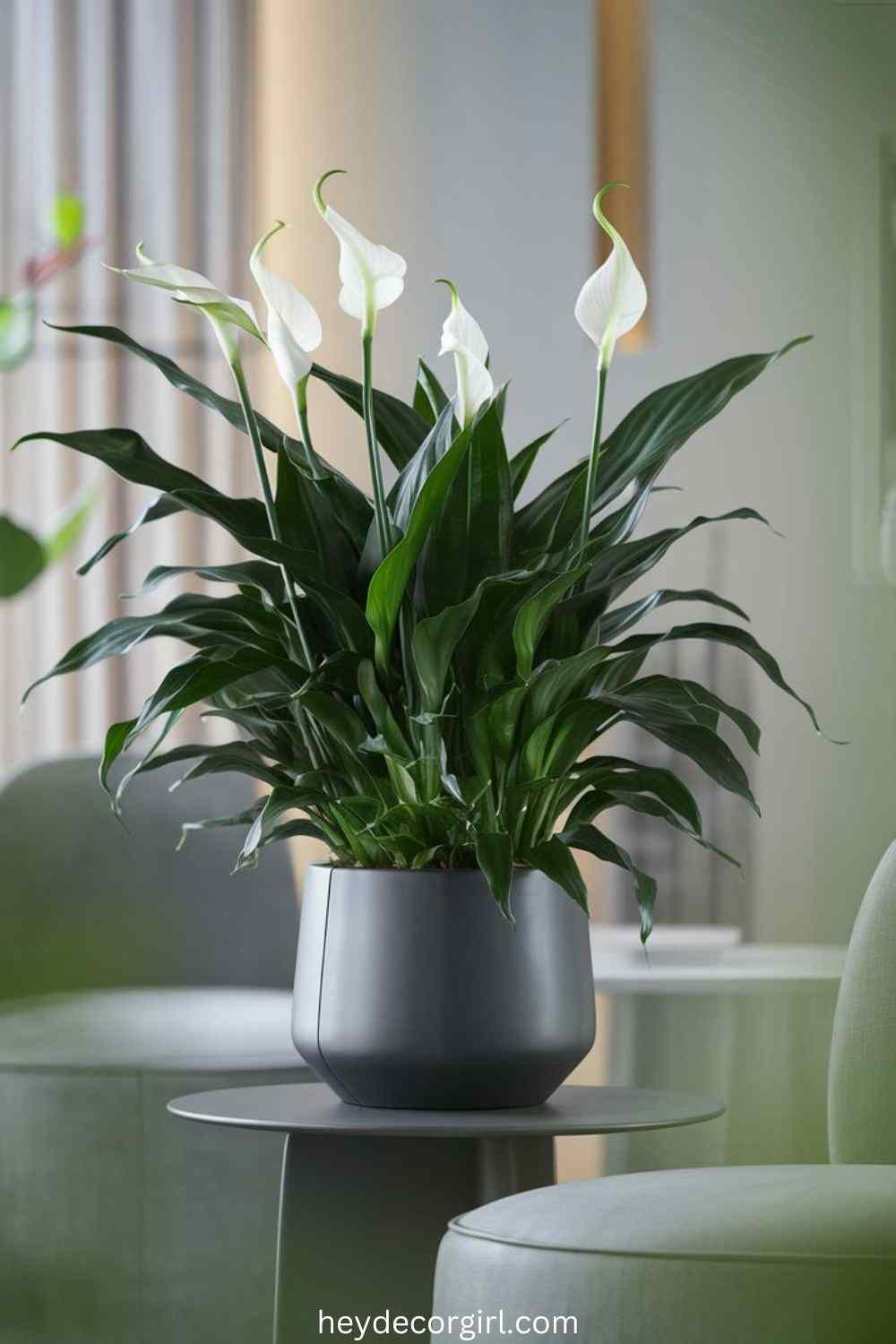
Plant Overview and Appearance Spathiphyllum, or Peace Lily, is a popular ornamental plant that can be recognized by its beautiful appearance and ability to purify the air. It has dark green lance-shaped leaves of glossy texture and is rosette-like. The plant yields impressive white flowers, which appear like peace fla, gs and they bloom at various times of the year. The Peace Lilies are valued due to the fact that they can grow well in low to moderate light conditions, and they do not need a lot of maintenance.
Feng Shui Benefits The Peace Lily is well known in Feng Shui because it can bring about harmony and improve the calm environment. It is said to clean the air of the toxins and pollutants, making it a healthier place to live. The white flowers of the plant also represent purity and peace, which makes it a very good item to create calmness and harmony in your home. When you incorporate the Peace Lily into your environment, you will be able to foster a peaceful and peaceful atmosphere that will contribute to your overall well-being.
Optimal Placement and Care to make the best of the Feng Shui of the Peace, Lily. I suggest the following placements and care recommendations:
- Living Room: The Peace Lily can be placed in the living room or places of common use to bring harmony and to make the atmosphere peaceful.
- Bedroom: The Peace Lily can also be added to the bedroom to encourage sleep and improve air quality, which will help to create a more peaceful atmosphere.
- Office: A Peace Lily in your workspace or on your desk can provide some purification to the air, and also make the environment soothing to help you focus and work.
- Bathroom: The Peace Lily can also work well in the bathroom, where it can benefit the air quality due to its capacity to survive in low-light situations.
Care Tips:
- Light: Peace Lilies like indirect low or medium light. Their leaves can be burnt in direct sunlight.
- Watering: Do not let the soil dry out nd ensure it is not wet. Permit the first inch of soil to dry between waterings.
- Humidity: Peace Lilies prefer a greater amount of humidity. The humidity can be sprayed occasionally, or a humidity tray can be kept close by.
- Temperature: They prefer temperatures between 65-80 o C (18-27 °C) and they must be avoided in drafts, as well as extreme temperatures.
By using these care instructions and ensuring that the Peace Lily is placed in appropriate places, you will not only experience the beauty of this plant, but also reap the Feng Shui benefits.
5. Snake Plant (Sansevieria trifasciata)
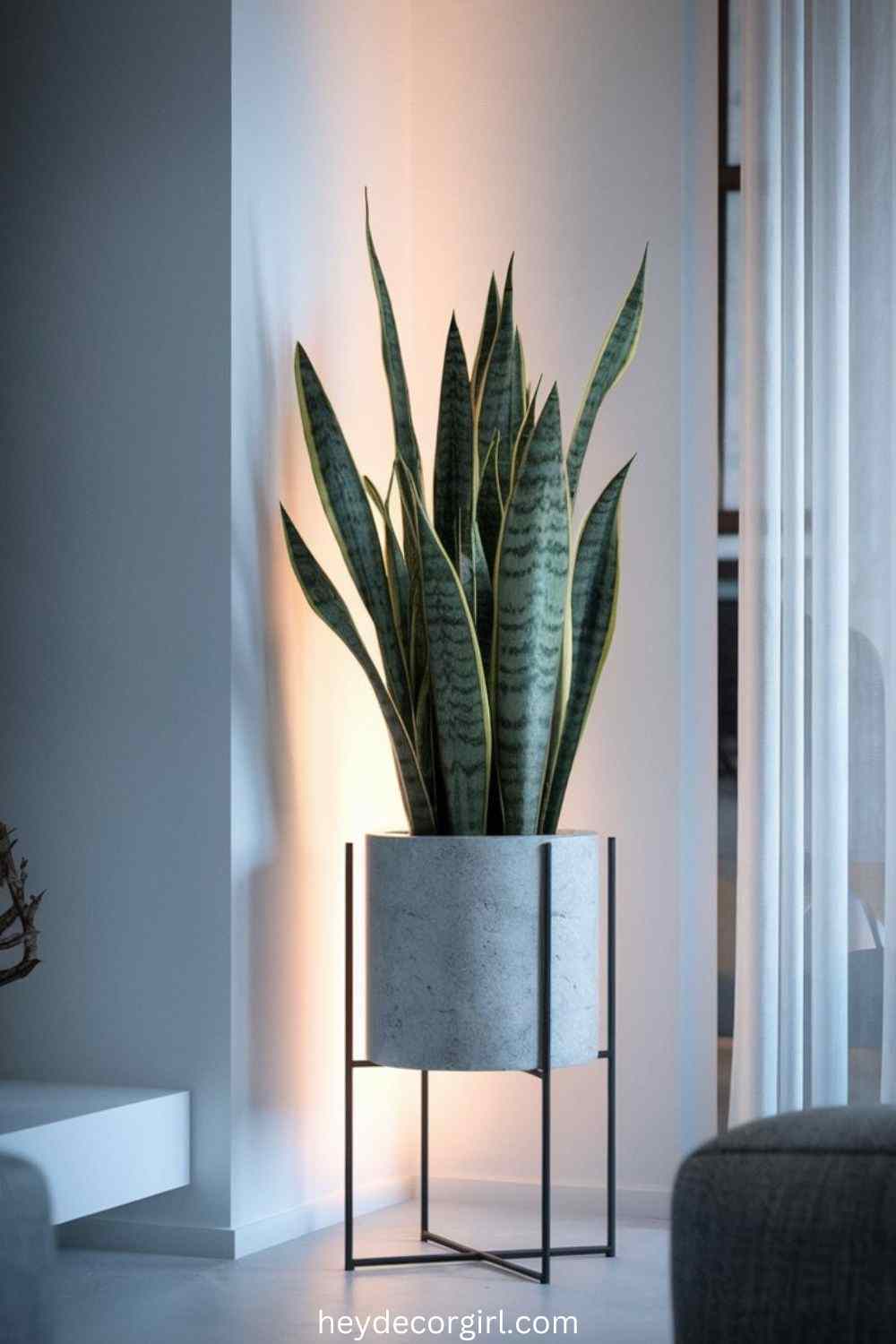
Description and Unique Features The Snake Plant (Sansevieria trifasciata) is a resilient and impressive indoor plant that is known beforts architectural shape and toughness. It has high, straight leaves, which are sword-shaped and are banded horizontally in green and gray. The foliage is able to extend to a height of a few feet, and the plant can serve as a dramatic feature in any room. Snake Plants are also characterized by low-light requirements, low-watering needs, and a range of temperatures, which is why they are the best option among the busy or inexperienced owners of plants.
Feng Shui Practices: The Snake Plant is very cherished and appreciated in Feng Shui due to its protective and purifying air properties. It is also thought to protect against bad energy and pollutants and improve the positive energy of a space. The straight, sword-shaped leaves of the plant are believed to symbolize power and security, which were used to keep the bad spirits off and maintain a good mood. Moreover, the fact that the Snake Plant positively affects the quality of air, neutralizing poisons and releasing oxygen at night, makes the environment healthier and more well-balanced.
This is because the Feng Shui of the Snake Plant is best when placed in these areas:
- Entrance: The Snake Plant can be placed at the entrance of your house to keep the bad energy out and make the entrance friendly to visitors.
- Living Room: The Snake Plant should be placed in the corner or along the wall to increase the positive energy of the room and to improve the quality of air.
- Home Office: The Snake Plant can help you keep the negative energy away and maintain a clear and focused environment in your office or the living room.
- Bedroom: The Snake Plant may be positioned in the bedroom to enhance the quality of air and create a calm and cozy atmosphere in the bedroom.
Care Tips:
- Light: The Snake Plant can survive in low to bright indirect light. It can withstand low light conditions, although it will grow more vigorously in brighter conditions.
- Watering: Water should be sprayed in intervals, and the soil should be dry in between. Root rot may occur as a result of overwatering.
- Temperature: The plant suits temperatures of between 675°F (15-24 °C) and should also not be subjected to frost and extreme temperatures.
- Soil: The potting mix should be well-draining, e.g., a cactus or succulent mix, to ensure that the roots do not become waterlogged and can develop properly.
With these care instructions and proper placement of the Snake Plant, you will be able to enjoy the beauty of the plant and also reap its protective air-cleansing benefits.
6. Pothos (Epipremnum aureum)
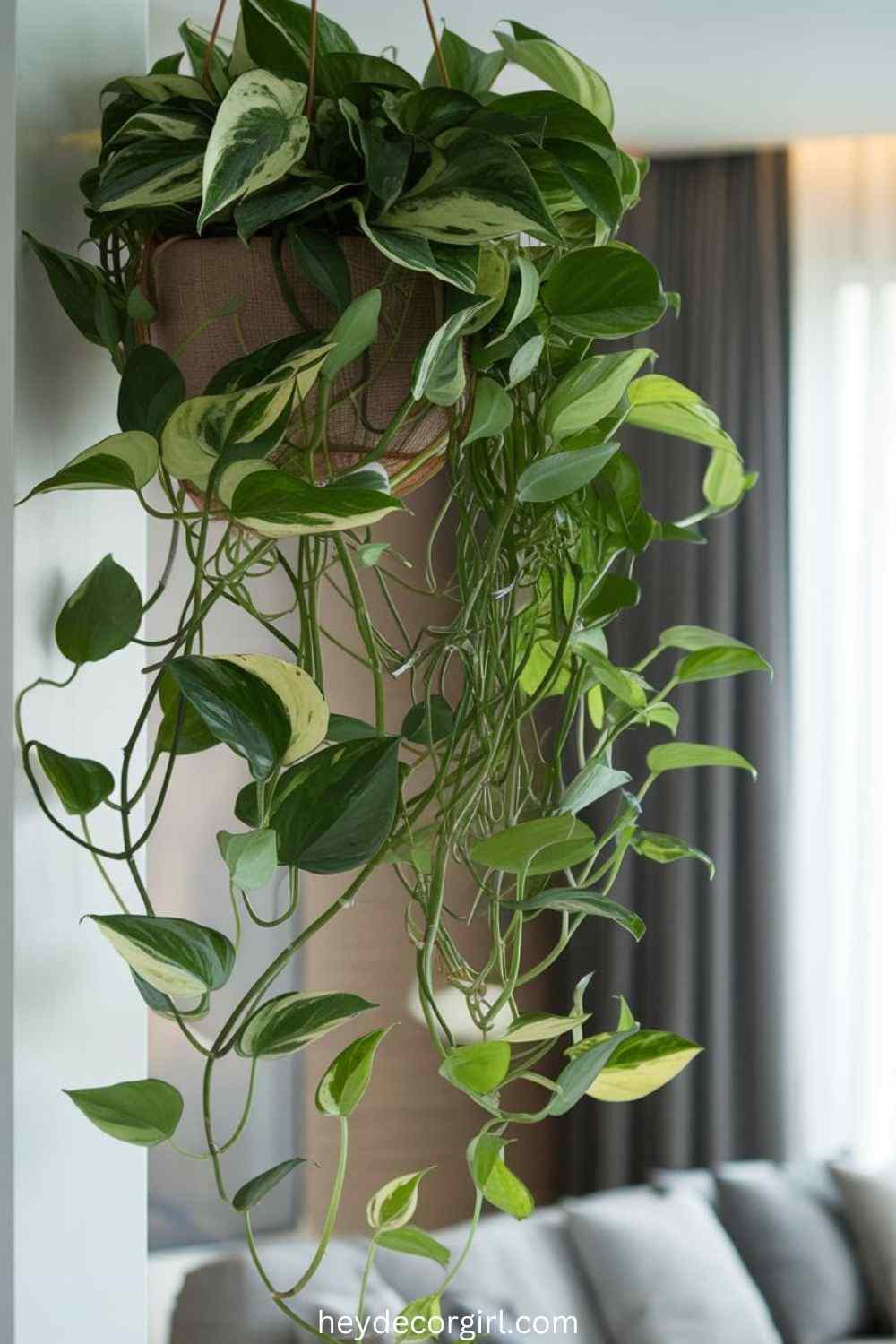
Plant Characteristics The Pothos, scientifically called Epipremnum aureum, is a popular and convenient houseplant that is famous due to its appealing and tough nature. It has heart-shaped leaf shapes and with veins that are variegated in either solid green or a combination of green and gold, according to the variety. It is an excellent vine that can be used as a hanging basket or a feature over a shelf and planter, and grows a few feet long, making it an excellent choice. Pothos are notorious because of their simplicity to maintain and handle, their suitability in all types of light conditions, and their ability to survive when neglected sometimes.
Feng Shui Benefits. In Feng Shui, pothos is truly prized as it enhances the indoor air quality and makes the indoor environment peaceful. The plant can eliminate toxins in the air like formaldehyde and benzene, leading to a ealthier living environment. Its trailing vines and greenery contribute to the creation of a soothing and peaceful environment, so it is an excellent addition to areas where one wants to feel relaxed and serene. The Pothos has the power to stimulate the passing of positive chi (energy) to ensure that we have a very harmonious and balanced home life.
Recommended Bedside and Care Orders.
Suggested Placements:
- Living Room: Hang Pothos in a basket or put it in a high shelf with its trailing vines flowing around it, giving a hint of greenery and calmness to the room.
- Home Office: Place a Pothos in your desk or in a corner of the place to enhance the quality of air and get a relaxing and productive environment.
- Bedroom: A Pothos, either in a hanging planter or an endstand, can be used to encourage relaxation and a tranquil sleeping atmosphere.
- Bathroom: Bathrooms are also good places to keep the Pothos since, with its ability to adapt to reduced light and humidity, this plant can also purify the air and survive in the humid environment.
Care Instructions:
- Light: Pothos plants are sensitive to light and need indirect and bright light, although they can adjust to low-light environments. Keep the leaves out of the direct sunlight, which may scald the leaves.
- Watering: Watering should be done so that the top inch of the soil is left to dry. Water the plant well and make sure that the pot does not retain water to cause root rot.
- Humidity: Pothos grow well in average or high humidity, but can be adjusted to a variety of indoor situations.
- Temperature: They like temperatures around 60-80°F (15- 27 °C) and must not be exposed to drafts and high-temperature weather.
- Soil: A good potting mix that is iswell-drainedd should be used to ensure that good growth of roots is achieved and waterlogging is avoided.
With these care tips and putting the Pothos in the appropriate places, you can have both the beauty of the plant and the air-cleaning and calming effects of the Pothos.
7. Chinese Evergreen (Aglaonema)
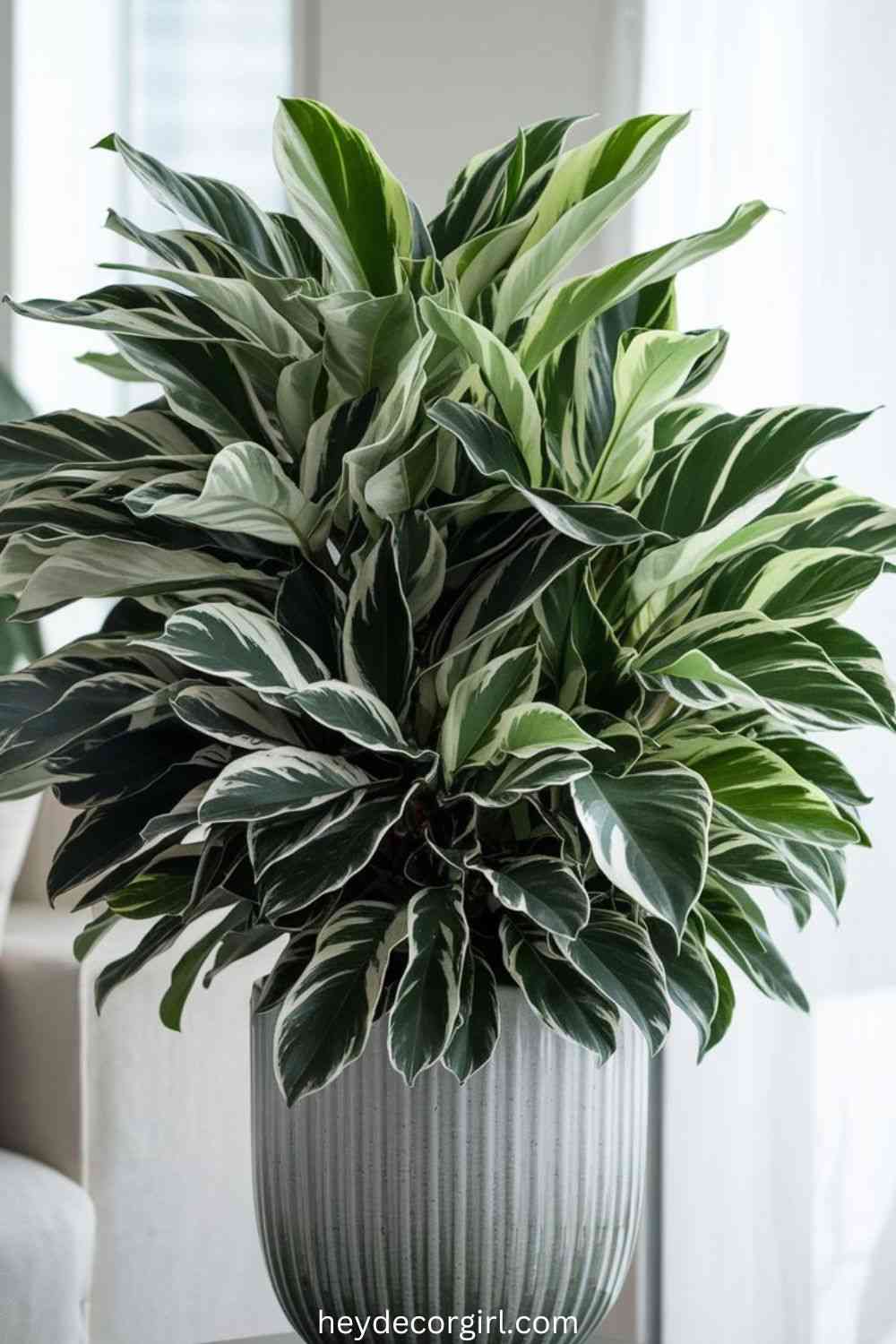
Description and Caution Aglaonema, Chinese Evergreen, is a widely utilized house plant because of its attractive and variegated leaves and its low-maintenance status. The plant has wide oval-shaped leaves with patterns that may also incorporate the shades of green, silver, and even red, depending on the type. It is a bushy growth that is compact in nature and is therefore the best in terms of introducing a touch of greenery to different indoor spaces. Chinese Evergreens are known because of their flexibility and hardiness, as they can survive in low or medium lighting conditions, and they also need very little care.
Feng Shui Advantages The Feng Shui Chinese Evergreen is considered to be a good plant to promote prosperity and clean air. Its green foliage is said to be attractive to attract good energy and encourage financial prosperity. Air-cleaning properties of the plant make the indoor environment healthy by eliminating toxins like formaldehyde and benzene. When you combine the Chinese Evergreen into your environment, you can create harmony in your environment that will encourage prosperity and well-being.
Best Locations in the Home
- Wealth Corner: The Chinese Evergreen should be placed in the southeast corner of your home or office to develop wealth and prosperity in your life.
- Living Room: The location of the plant should be in a highly visible place, like a side table or corner of the living room, to enhance the overall positive energy and ensure hat the environment is very welcoming.
- Home Office: A Chinese Evergreen on your desk or in the adjoining corner can help to clean up the air and contribute towards a productive and prosperous workspace.
- Bedroom: The plant may be positioned in the bedroom to create a relaxing environment and bring positive chi to flow and thus help get a good sleep and good health.
Care Instructions:
- Light: The Chinese evergreen grows in low to medium indirect light. It can survive in low light conditions, but it is advised to keep it under shade since direct sunlight may lead to the burning of the leaves.
- Watering: Water the plant when the first inch of soil is dry. Do not overwater it; the plant is vulnerable to root rot in wet soil.
- Humidity: Chinese Evergreens like more humidity, but are acclimated to average indoor humidity. conditions
Temperature: They are content in temperatures of 65-80 o F (18-27 o C) and must not be exposed to drafts and extreme temperatures. - Soil: An excellent potting mix to use has to be well-drained to allow the effective development of the roots and to avoid the occurrence of waterlogging.
With careful adherence to these pieces of advice, as well as proper placement of the Chinese Evergreen, you can enjoy the aesthetic value of the plant and the Feng Shui benefits.
8. Bamboo Palm (Chamaedorea seifrizii)
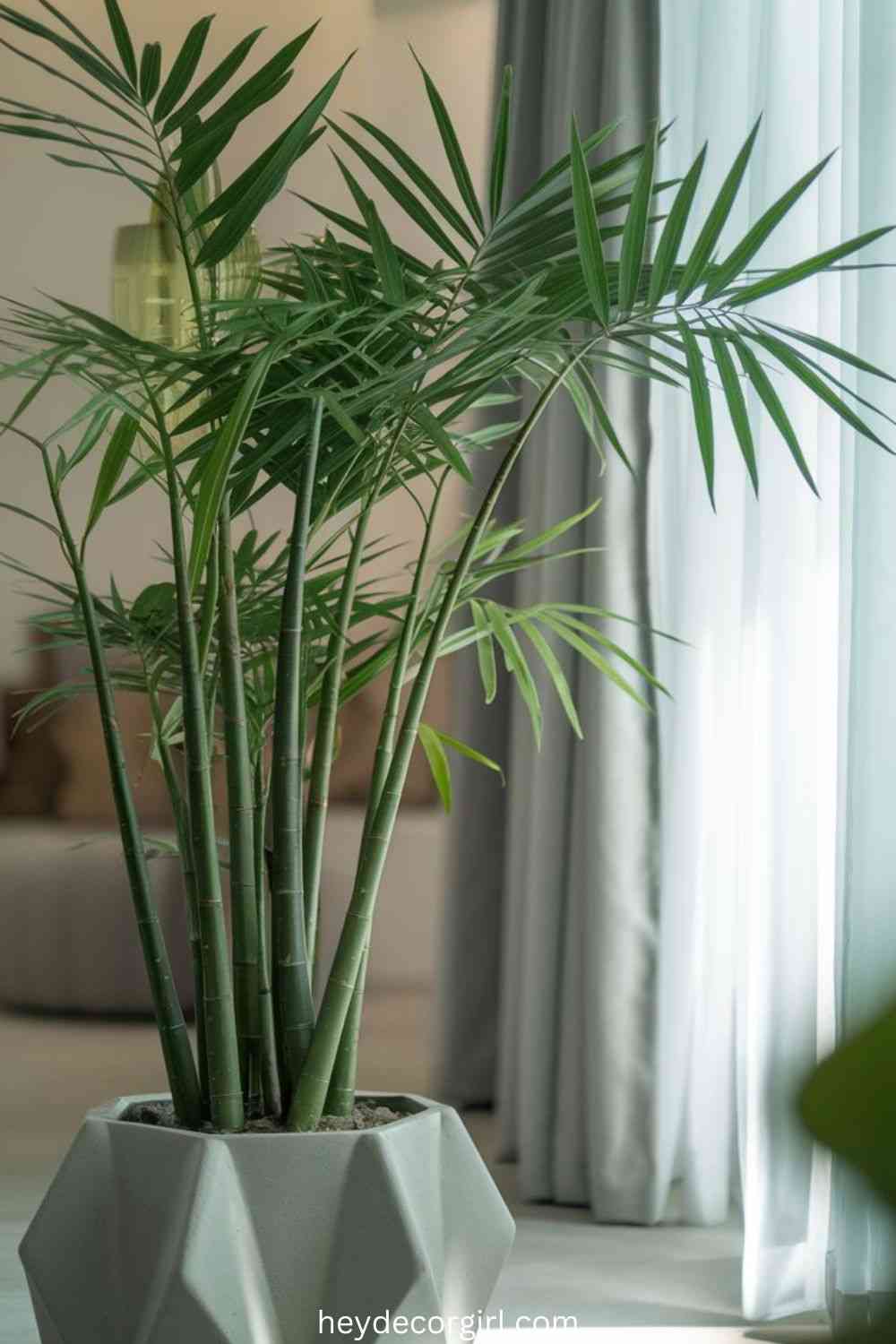
Introduction to the Plant The Chamaedorea sefrizii,, commonly referred to as the Bamboo Pa,m is an attractive indoor plant that is appreciated due to its luxurious look a a tropical style. It has long and narrow stems that look like bamboo with top feathery fronds that bring a touch of exotic luxury to any place. The plant is usually moderate in height, and hence it can be planted in any indoor environment. Bamboo Palms have gained a lot of appreciation because of their capacity to grow in less light areas and their resistance to indoor environments.
Feng Shui Advantages. In Feng Shui, the Bamboo Palm is admired due to its capacity to bring tranquility and freshness to the house. The plant is also said to improve the circulation of positive energy, which helps to create a relaxing and rejuvenating environment. Its green leaves are believed to represent growth, and lfe, and it is a very good idea to incorporate it in a calm and welcoming atmosphere. Besides, the Bamboo Palm is used in purifying the air, eliminating toxins like formaldehyde and benzene, and contributing to a healthier living environment.
Perfect Destinations and Healthcare Advice.
Ideal Locations:
- Living Room: The Bamboo Palm should be placed in a corner or close to a sitting place to provide a tranquil, tropical atmosphere and increase the circulation of good energy.
- Bedroom: Bamboo Palm can be placed in the bedroom to help promote a peaceful night because it can help to create a relaxing environment.
- Office: A Bamboo Palm can enhance air quality in your office or workspace and provide a cool environment that can help you concentrate and be more productive.
- Bathroom: Bamboo Palm would be an excellent addition to bathrooms, too, as it can withstand low lighting and higher humidity and act as an air purifier.
Care Tips:
- Light: Bamboo Palm can grow in medium to low indirect light. It can withstand low light conditions, but it should not be exposed to direct sunlight, scorching the leaves.
- Watering: The soil should always remain wet and not waterlogged. Water the plant when the first inch of soil isdry,y and be sure it has good drainage to avoid root rot.
- Humidity: Bamboo Palms like to be in n humid climate. Misting or using a humidity tray can be used to keep the environment at optimal levels.
- Temperature: They grow between 65-80 o C ( 18-27 o C ) and must not be exposed to drafts or extremes.
Soil: Potting mix should be well-draining to facilitate healthy growth of roots and to avoid waterlogging.
With the Bamboo Palm in the correct spots and these care tips, you will be able to enjoy the aesthetic beauty of the Bamboo Palm as well as its Feng Shui benefits.
9. Rubber Plant (Ficus elastica)
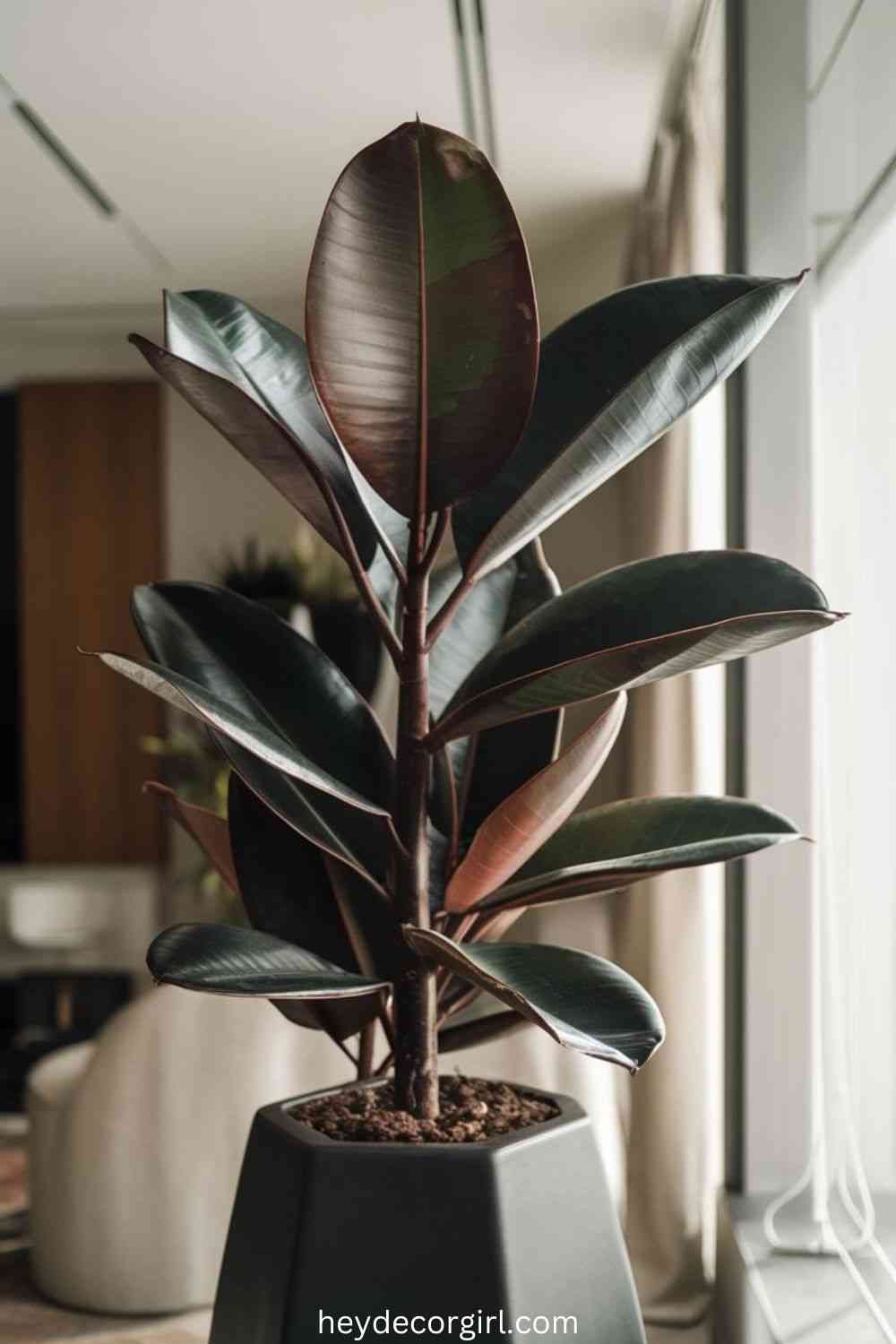
Characteristics of the Rubber Plant Ficus elastica Rubber Plant) It’s a prominent indoor plant with big, dark greenn glossy leaves that can make a striking addition to any room. The plant may have a bushy habit of growth, and the leaves are thick and leathery, so it makes such a splendid object of focus in interior decor. Rubber Plants also grow very tall and hence can be used in open areas with high ceilings. They can be fairly easily maintained and can be accustomed to a variety of indoor environments, which include bright and indirect light, and do not demand much care.
Feng Shui Advantages It is believed that the Rubber Plant is a very powerful protective and lucky plant in Feng Shui. The strong and resilient symbolism of the plant represents strength and stability, which makes it a strong addition to your home to offer protection against negative energy. Moreover, the Rubber Plant is supposed to bring luck and pprosperityty especially to the area where it is located ,which benefits prosperity. Its massive glossy leaves also help in creating a healthier environment in the sense that its leaves help their airqualityl, and this further helps to create a well-balanced and harmonious home.
Placement and Maintenance recommendations.
Recommended Placement:
- Entrance: As a protective guard against bad energy and to embrace good chi, put the Rubber Plant at the entrance of your home or office.
- Living Room: The plant should be placed in a corner or base of a wall to increase the overall energy and create a prosperous and welcoming environment.
- Office: A Rubber Plant will help you focus your mind, increase productivity, and achieve financial prosperity and security in your work area.
- Dining Ro om:A Rubber Plant would be an eye-catching focal point in the dining room and bring a subtle sophistication and successful mealtime atmosphere.
Maintenance:
- Light: Rubber Plants can adapt to bright, indirect light. They can withstand low levels of light, although they will develop more actively when there is a good light supply. Take away direct sunlight, which may scald the leaves.
- Watering: Leave the top inch of soil dry between waterings. Water the plantt but make sure that extra wwater doesn’tret awaytoo avoid root rot.
- Humidity: Rubber Plants can adjust to average indoor humidity conditions, althoughtheyt will be happy with occasional spraying or a humidity tray when the environment is drier.
- Temperature: They need temperatures of 60-80°F (15- 27 °C) and should not be subjected to cold air and excessive temperature changes.
- Soil: This should be planted in a well-draining potting mix to aid in the healthy growth of roots and avoid waterlogging.
With these care tips and locating the Rubber Plant in the right areas, you will be able to appreciate the aesthetic value and reap the Feng Shui benefits.
10. Orchid (Orchidaceae)
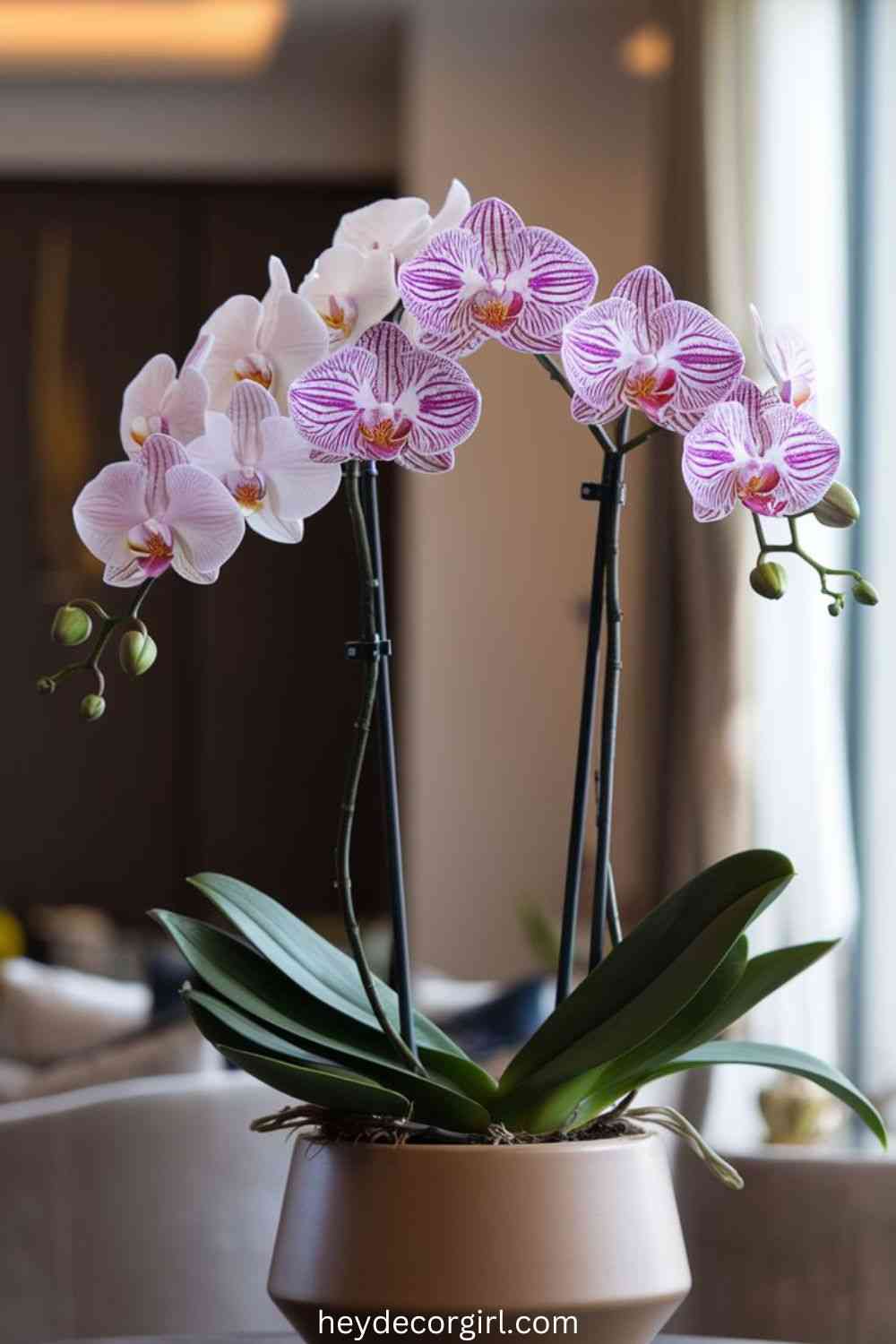
Description and Type Orchids Orchids, which are a part of the Orchidaceae family, are considered to be one of the most diverse and fascinating flowering plants. They have a distinguished characteristic of the shapes of flowers, bright colors, and extended flowering. Orchids have a total of more than 25 000 species and even more hybrids, although the following are some of the popular:
Phalaenopsis: Phalaenopsis orchids come in a variety of colors, with large ,rounded flower heads, and are commonly referred to as the moth orchids. They also come in a variety of colors, such as white, pink, and purple.
Cattleya: Cattleya orchids are also known as the corsage orchid and have large and fragrant blooms that have impressive colors and designs.
Dendrobium: Dendrobium orchids are characterized by many small to medium-sized flowers which may form clustered blooms and are available in several colors.
Oncidium: Oncidium orchids are unique and have peculiar shapes, as well as are commonly bright yellow and intricately patterned.
Feng Shui Benefits. In Feng Shui, the orchid is praised because of its power to bring about beauty, harmony, and good fortune. The fragile and beautiful flowers ought to bring good luck and overall beauty in a given space. Orchids represent the elegant beauty and harmony, and help to create a peaceful and harmonious atmosphere. They can be a good option to create a positive and inspiring environment in a room, as their colors are vibrant and graceful, and they can boost the energy in a room.
Best Placements and Care Recommendations.
Ideal Placements:
- Living Room: Put orchids on a coffee table or side table so that their beauty can be enjoyed and so that they can help create a balance and a harmonious atmosphere.
- Dining Room: Orchids may be a gorgeous display on a dining table, which encourages beauty and a feeling of peace when eating.
- Bedroom: Place orchids on a bedside table or a dresser to addae restful and balancing atmosphere to your bedroom.
- Home Office: An orchid in the office may bring a bit of style and motivation to work in the productive environment and create a positive one.
Care Recommendations:
- Light: Orchids need indirect bright light. They can stand a bit of direct morning sunlight, but not the intense afternoon rays.
Watering: Orchids need to be watered deeply but seldom. Let the potting media dry between watering. Do not allow the plant to remain in standing water. - Humidity: Orchids grow better in a humid climate. To keep the environment optimal, it is good to consider installing a humidity tray in the area or a humidifier.
- Temperature: The majority of orchids are typically 65-750 days and slightly lower temperatures at night. It should not have any abrupt changes in temperature and drafts.
- Soil: Applying a well-draining orchid soil is usually a bark, perlite, and sphagnum moss mixture, which is conducive to healthy root development in the soil and allows the soil to dry without becoming waterlogged.
With these care measures and orchid positioning, you will both experience the gorgeous beauty and gain the benefits of Feng Shui.
FAQ
1. What are Feng Shui plants?
A. Feng Shui plants are interior plants that are chosen and placed depending on the postulates of Feng Shui to bring a positive energy (chi) flow and a harmonious atmosphere. These plants are said to have many advantages, including purifying the air, fostering peac,e and bringing good fortune.
2. What are the benefits of the Feng Shui plants in the house?
A. Feng Shui plants can be used to enhance the energy of a home by ensuring a friendly environmenthatch is balanced. Theycano make the air clean, circulate the chi, and also portray other favorable qualities like good fortune, good health, and harmony. These plants should be placed and taken care of according to the Feng Shui principles in order to achieve the maximum benefits.
3. Which feng shui plants do you think are the best to promote prosperity?
A. The following are some of the most appropriate Feng Shui plants which help increase prosperity:
- Money Tree (Pachira aquatica)
- Jade Plant (Crassula ovata)
- Chinese Evergreen (Aglaonema)
- Rubber Plant (Ficus elastica)
They are said to bring prosperity and luck in the appropriate spots in your house.
4. What are the best locations of plants in Feng Shui?
A. The location of the Feng Shui plants will be determined by the kind of benefits you desire:
- Wealth Corner: The southeast corner of your office or home.
- Health Corner: East area.
- Love and romance: Southwest.
- Career Corner: North area.
Make sure that the plants are situated in places that agree with the desired Feng Shui.
5. What do I do with Feng Shui plants?
A. Feng Shui plants are generally taken care of in the following ways:
- Adequate Light: The majority of the Feng Shui plants need to get indirect light with a lot of brightness.
- Watering: Water plants when required, mmakingsure that there is adequate drainage to prevent root rot.
- Humidity: Humidity may need to be increased in some plants.
- Temperature: Have a constant range of temperature that is appropriate to each type of plant.
- Soil: Plant well-draining soil or potting mix.
6. Are Feng Shui plants limited to any kind of room?
A. The Feng Shui plants may be maintained in any room; however, the arrangement should regard the particular area of Feng Shui and the care patterns of the plant. The usual places are living rooms, bedrooms, office,s and dining rooms. Make sure that the plant gets enough light and is taken well care of.
7. What types of Feng Shui plants should be avoided?
A. Most plants are preferable in Feng Shui ,whereas some are normally less preferred as they tend to bring about evil or disharmony, like sharp or spiky plants (e.g., cactus). Positive energy flow is best achieved by selecting plantsthath have rounded or soft leaves.
8. What is the frequency of Changing Feng Shui plants?
A. The health and growth of the Feng Shui plants determine their life span. Change the plants when they are not healthy, or they are withere,d or when they no longer serve the Feng Shui balance you desire. Plants may last longer with the help of regular maintenance and care.
9. Is it possible to provide Feng Shui using artificial plants?
A. Artificial plantation is also pleasing to the eyes; however, its advantages are not equivalent to those of real plants in Feng Shui. Living plants can help to clean the air, move energy, and provide a dynamic nature of the living greenery, which are the required elements of Feng Shui.
10. Which is the correct Feng Shui plant to put in my house?
A. Select Feng Shui plants according to your desired purpoe, and the energy that you want to increase. Take into account the plant care needs, the symbolism of the plant, and the location of your house where the plant is to be located. Read about the Feng Shui qualities of the plant and choose the ones that reflect your purpose tocreate a balanced and harmonious environment.