![Hey Decor Girl [Latest Trending Decor Design Ideas]](https://heydecorgirl.com/wordpress/wp-content/uploads/2024/08/Heygirldecor-Logo.png)
Good House Floor Plan Design. Feng Shui is a fundamental aspect of a harmonious living environment, and Feng Shui principles could assist in directing the flow of energy (or chi) in the house. Your home design is going to have an impact on the flow of energy, and this will impact everything, including your mood as well as your success. Feng Shui is an ancient practice in China with tips that are useful in designing the house to bring about a sense of balance and good energy.
With the help of the Feng Shui principles, you can not only feel more comfortable but also better in general, and even foster prosperity. An efficient plan of a house will guarantee the smoother flow of energy, which serves every part and makes the home a more comfortable and cozy environment to reside in.
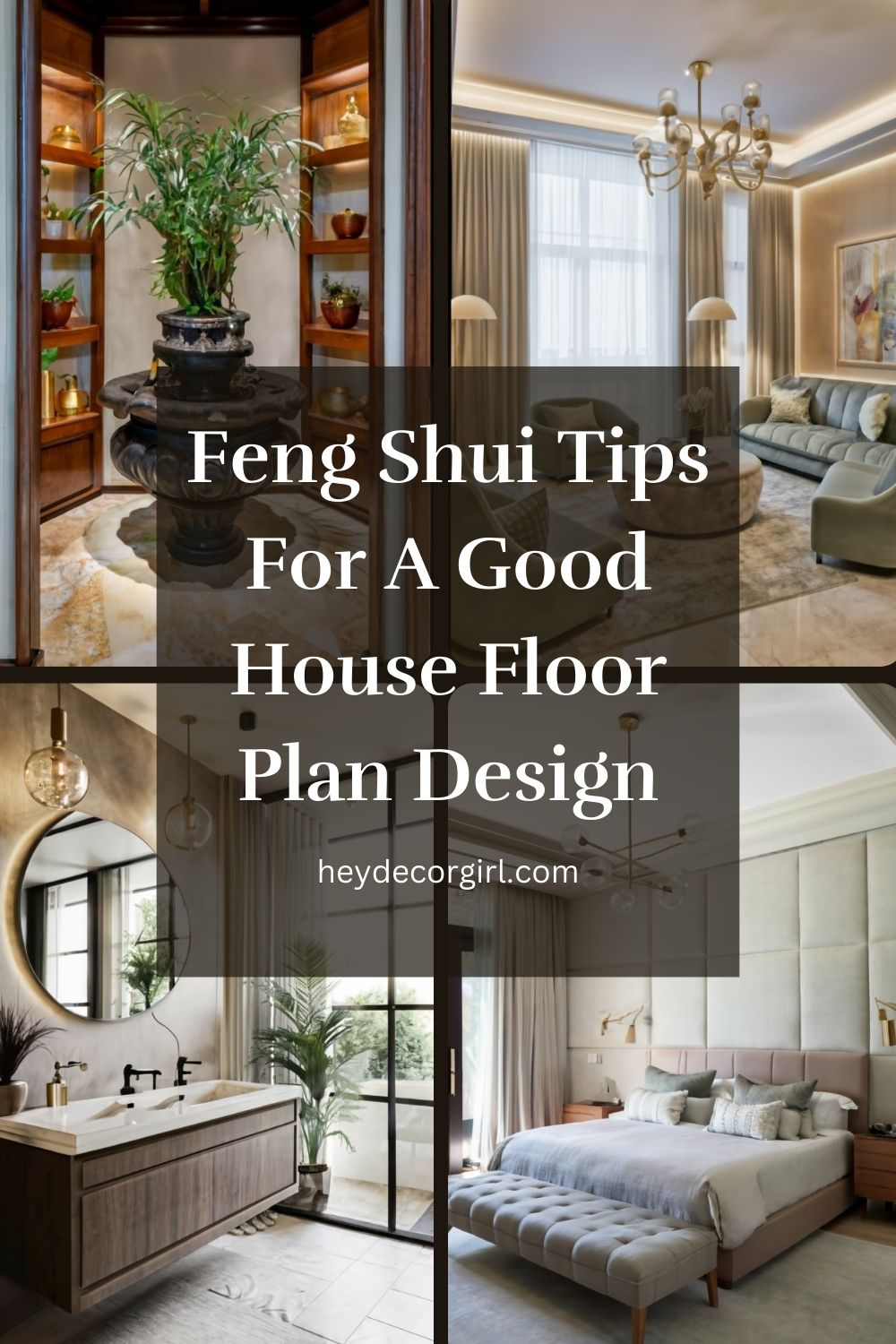
Tips For A Good House Floor Plan Design
1. Entryway and Front Door Placement
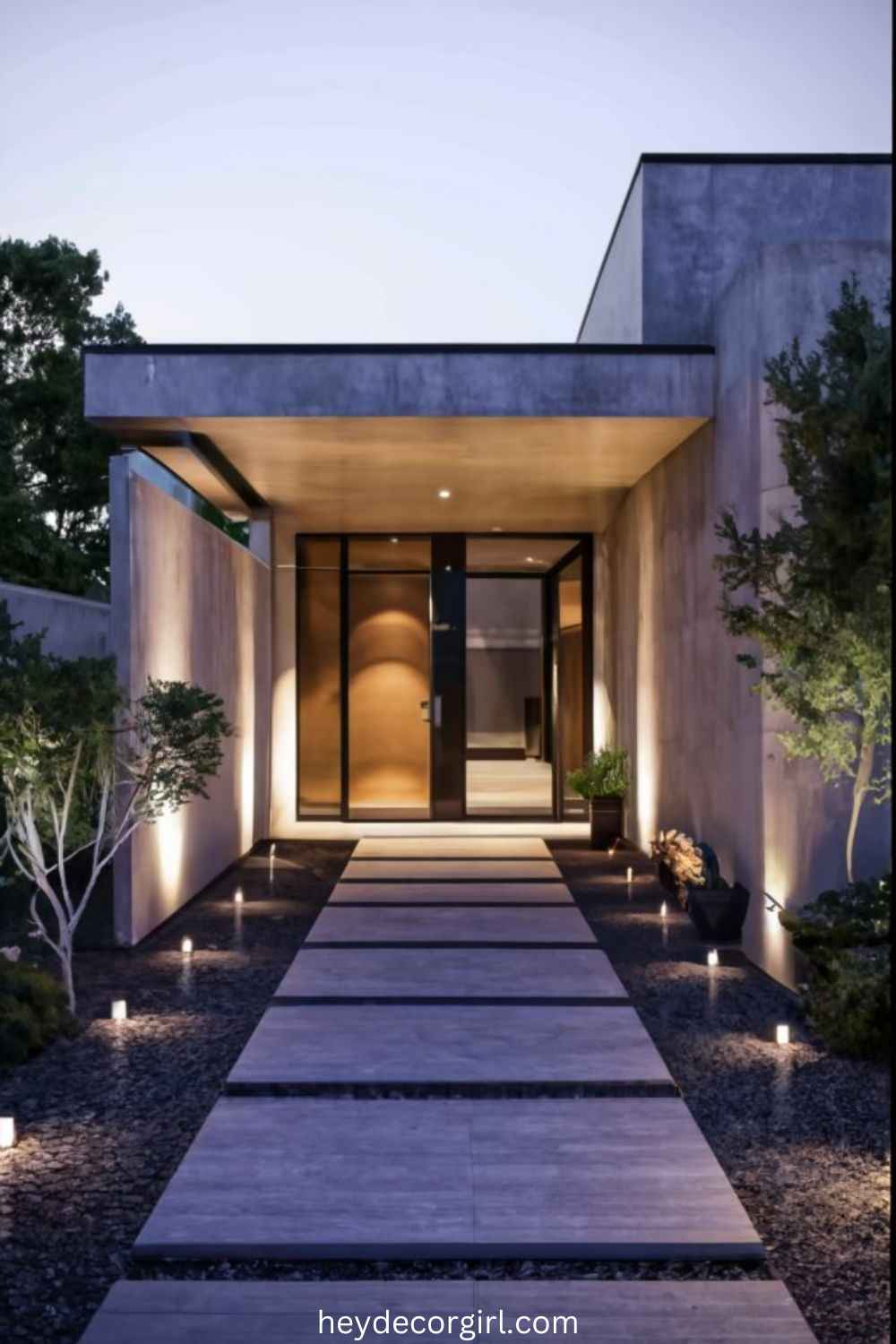
Feng Shui Significance: This is the principal door through which energy (chi) enters the house. It establishes the mood of two energies in the whole space. The right entrance will ensure that the positive energy is passed into the house with ease and good fortune, and opportunities are brought into the house.
Tips:
- The front door of the house must be in a clear, bright space to promote a good flow of good energy.
- Make sure the way to the front door is not littered or full of rubbish or things.
- Do not place the front door facing a back door or large windows at the same time because this will cause the energy to flow in the house too fast and be lost in the process of generating a good chi.
- A door with a powerful and robust design should be used to give the impression of reliability and security to the house.
2. Balanced Layout for Living Spaces
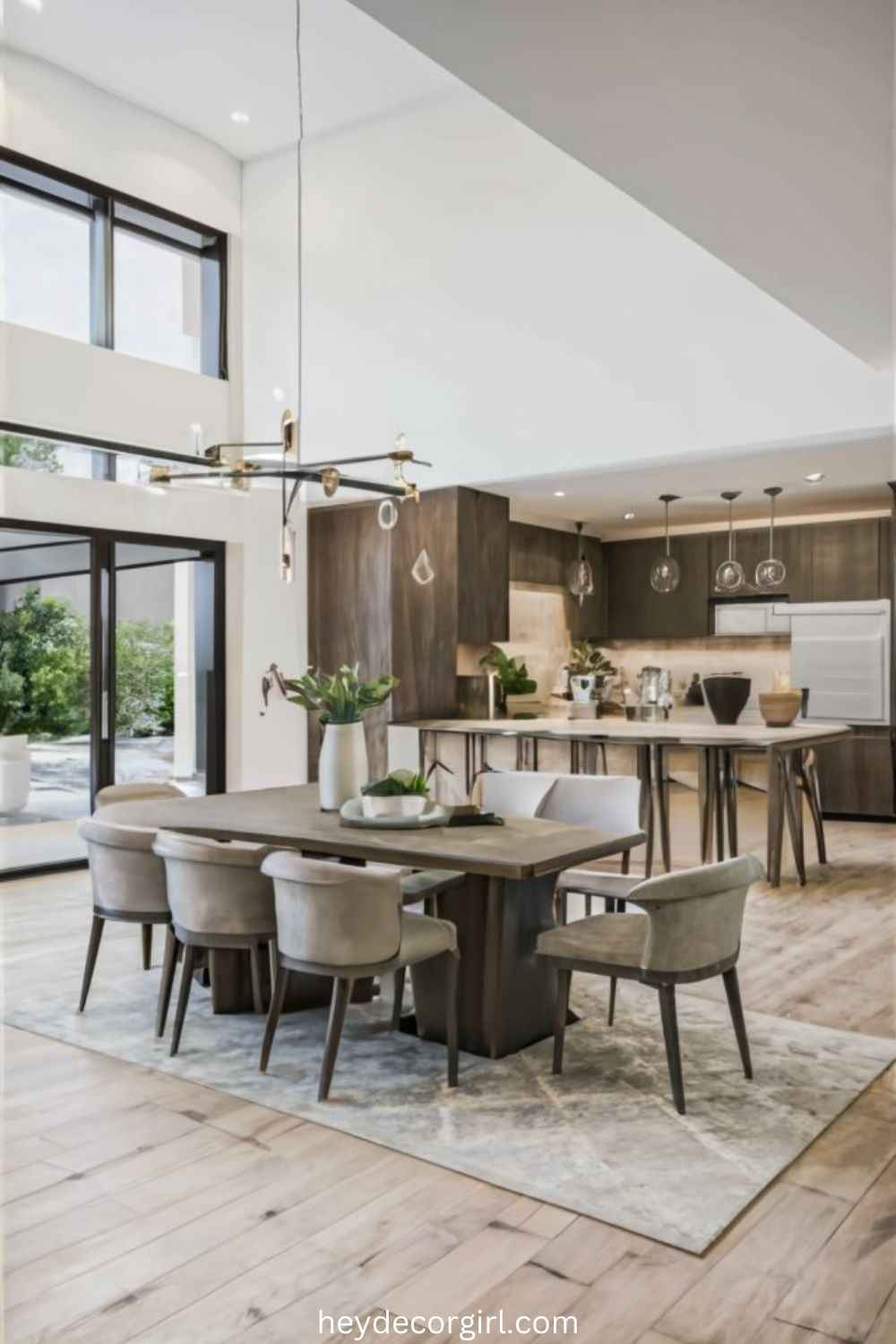
Feng Shui Ideal: The balanced plan is important in ensuring that energy flows (chi) in the house. When the rooms are properly planned out, energy moves about freely in the environment, and this fosters a feeling of ease, comfort, rt and well-being. The imbalanced layout or a cluttered one may create blockages, which interfere with the natural flow of the energy.
Tips:
- Also, plan living rooms, kitchens, and dining areas in such a way that they facilitate ease of movement among the pieces of furniture and rooms without supporting any narrow corridors or claustrophobic circumstances.
- Room proportions to each other should be maintained in a way that does not create an unbalanced energy between rooms that are too big or not used extensively.
- Make sure that the primary seating in the living rooms lies facing the entrance so that there is an inviting circulation of energy.
Natural transitions between spaces, such as open walkways, light dividers, keep the flow of energy in the home gentle.
3. Kitchen Feng Shui: The Heart of the Home
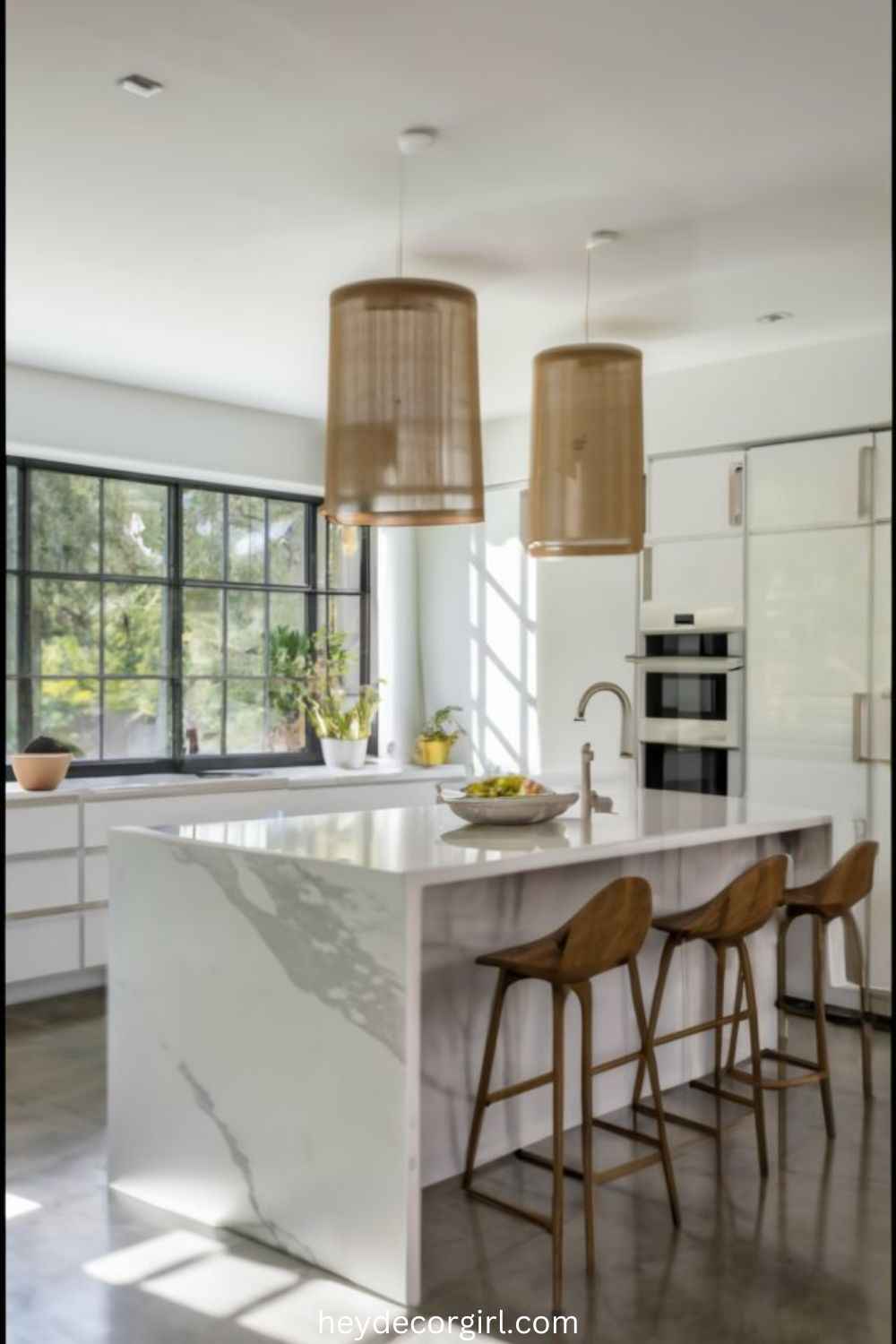
Significance of Feng Shui: The kitchen is regarded as the core of the house, and it is closely related to well-being, food, and prosperity. A good kitchen helps to maintain good health, prosperity, and harmony in the house. Especially the stove is the symbol of wea,, lth and thus its positioning is important.
Tips:
- Keep the kitchen at the back of the house so that the positive energy is not lost too rapidly.
- Never put the stove opposite the sink because this would create friction between the fire (stove) and water (sink) elements, resulting in disharmony.
- Make certain to place the stove in a dominant location, one in which the cook can have a clear view of the entrance to the home, and this depicts the control of the fortunes of the home.
- Maintain a clean and organized kitchen to facilitate the healthy flow of energy and to promote abundance.
4. Bedroom Layout for Restful Energy
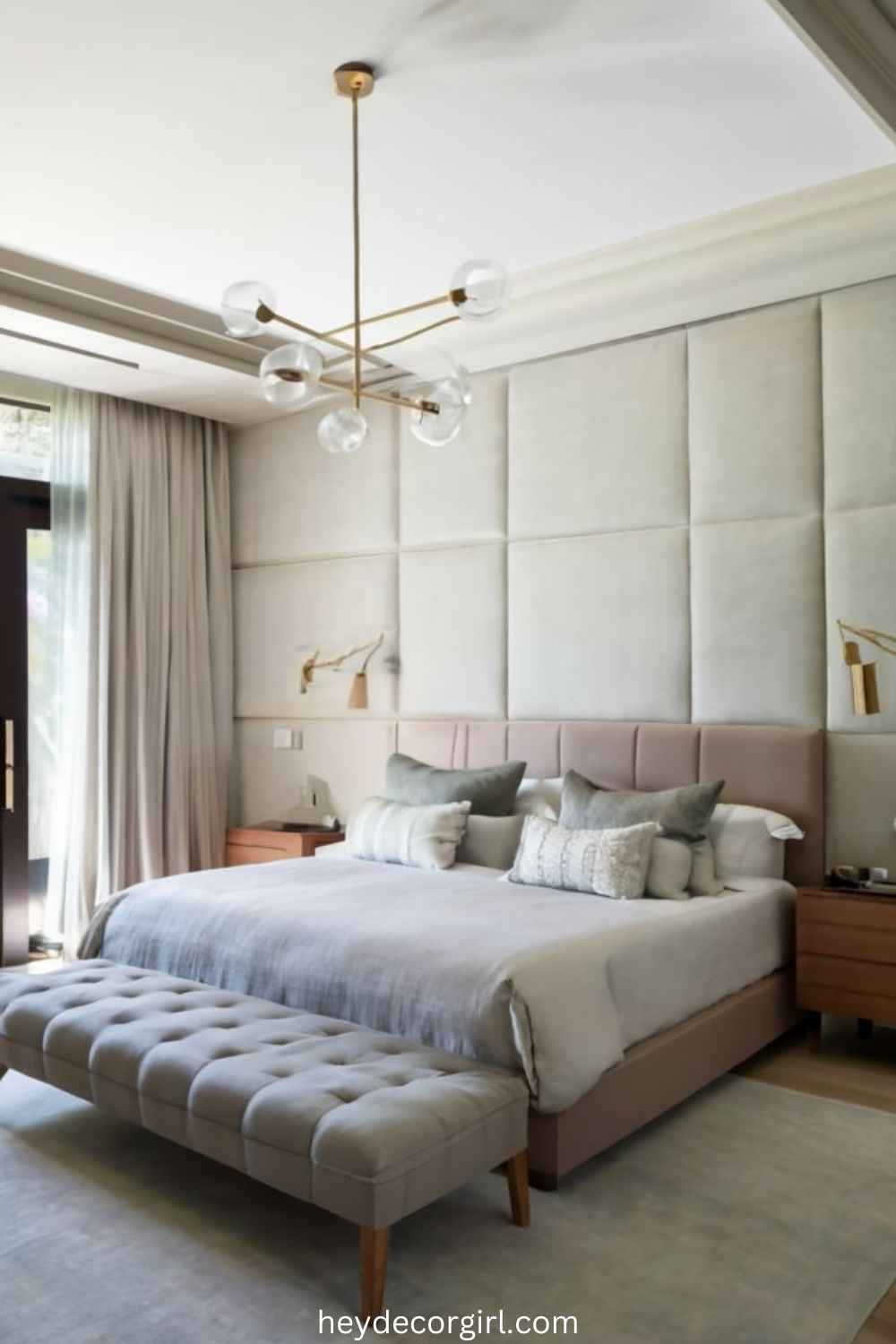
Feng Shui Principle: The bedroom is a place of rest, relaxation, and rejuvenation. The organization of the space itself has a direct influence on sleep quality and wellness in general correctly planned bedroom could increase the energy of rest and bring calm.
Tips:
- The bed should be placed before a wall that is solid wall to support and make it steady, and this represents protection and strength.
It is important to keep the bed as far away from the windows and doors to reduce disturbances of energy, so that the environment is comfortable and safe. - Mirrors should not face the bed directly since they reflect the energy and make the bed quite restless.
- Make sure that furniture or corners do not protrude towards the bed, as they can cause bad, cutting energy to interfere with sleep.
5. Bathroom Placement and Design
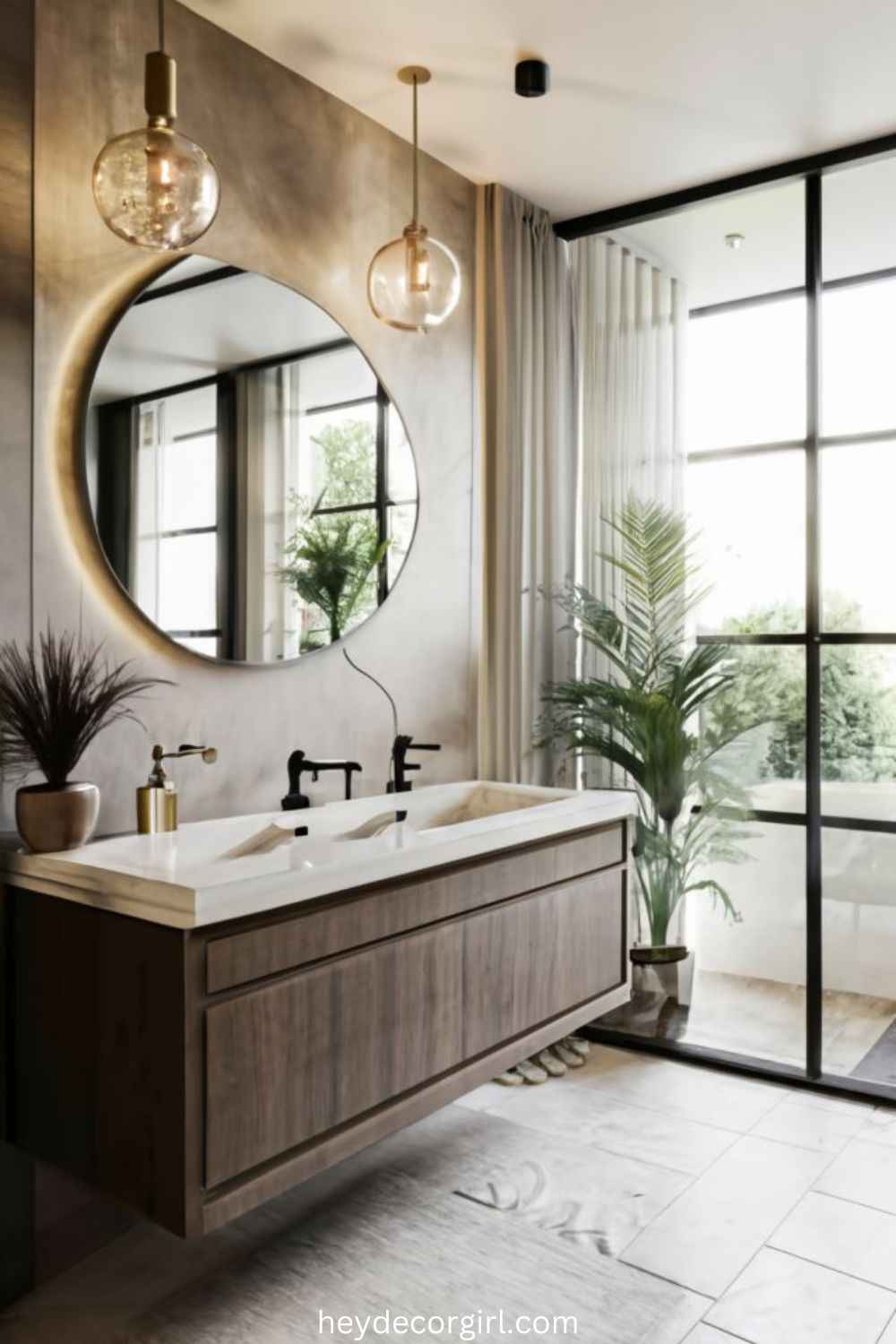
Feng Shui Significance: Water in bathrooms can drain energy in case they are not placed or developed most suitably. It is possible to overcome any negative influence on the house by proper positioning and design to ensure the flow of positive energy.
Tips:
- Placement: The placement of the bathrooms should be avoided as central in the house because it will interfere with the balance of the energy within the house. In addition, avoid having bathrooms at the front door to ensure that energy is not sucked as soon as one enters.
- Design: Incorporate plants and earth materials in the bathroom to overcome the out draining effect of water. Balance the energy by adding things such as potted plants, stone tiles, or wooden accents.
- Maintenance: Maintain the bathroom in order, clean and ti,dy to maintain positive and supportive energy.
- Mirrors: Use mirrors to bounce light in order to make the room look bigger, but do not put them opposite the door, or the energy will be drawn away.
6. Proper Flow in Hallways and Corridors
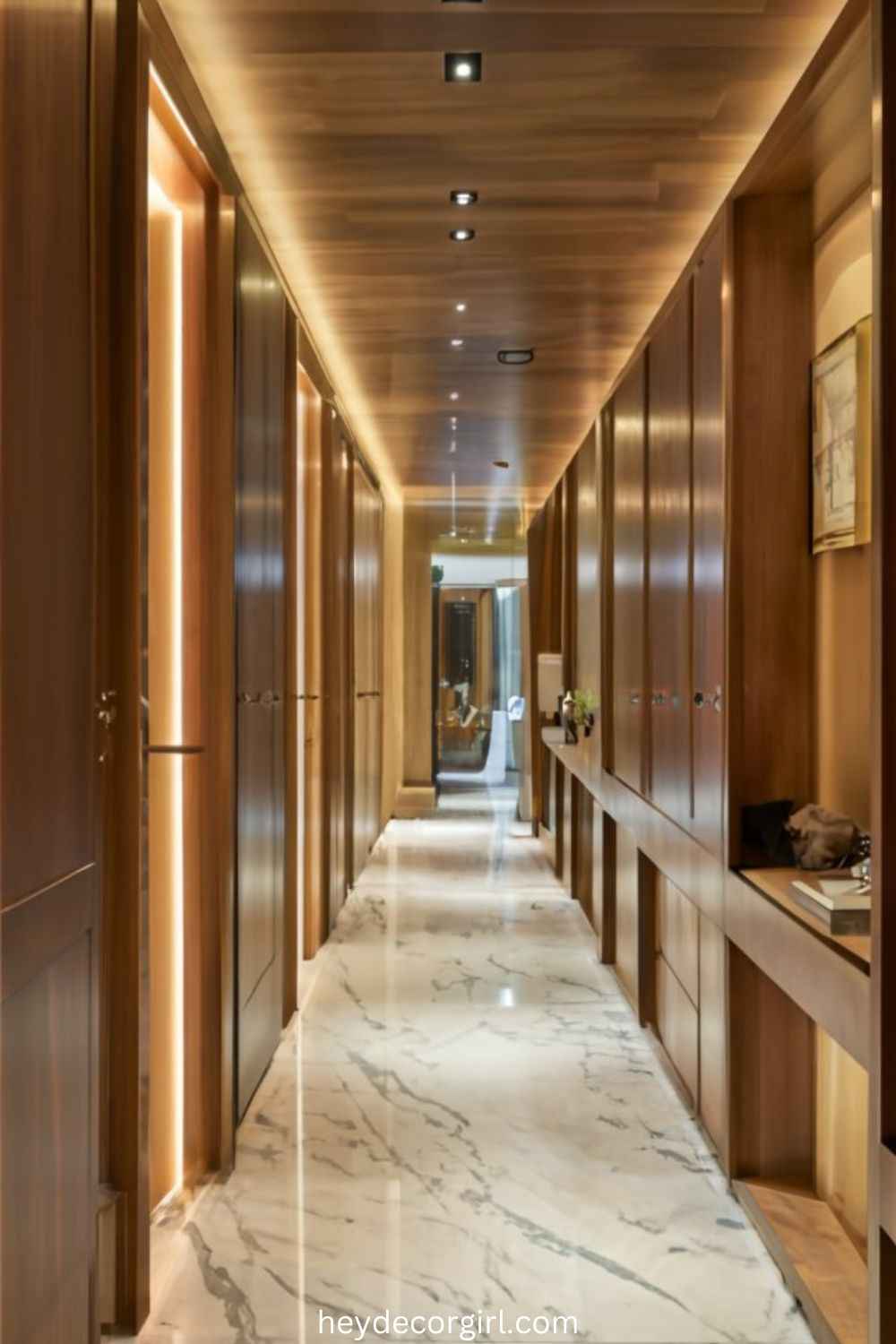
Feng Shui Principle: The hallways and the corridors are energy (chi) channels of the home. It is paramount to have the right design and maintenance of these spaces to allow smooth and seamless energy circulation in the house.
Tips:
- Clear: Have corridors and hallways free of rubbish to ensure the free movement of energy. Do not put anything that can block or hinder the flow.
- Lighting: Make sure that hallways are lighted in order to facilitate a smooth flow of energy. The level of lighting is useful to ensure a positive and vibrant environment.
- Design: Long and narrow corridors should be avoided since they may stagnate or pass too fast, causing discomfort. In case the situation necessitates the use of long corridors, then you can apply mirrors or paintings to visually partition the area, which would contribute to the circulation of energy.
- Transitions: Natural transition or soft curves in the design of a hallway should be used to move the energy across the space in a smooth fashion, without taking shortcuts, and instead of making a right angle, with the energy flowing directly across the hallway.
7. Open Space and Decluttering
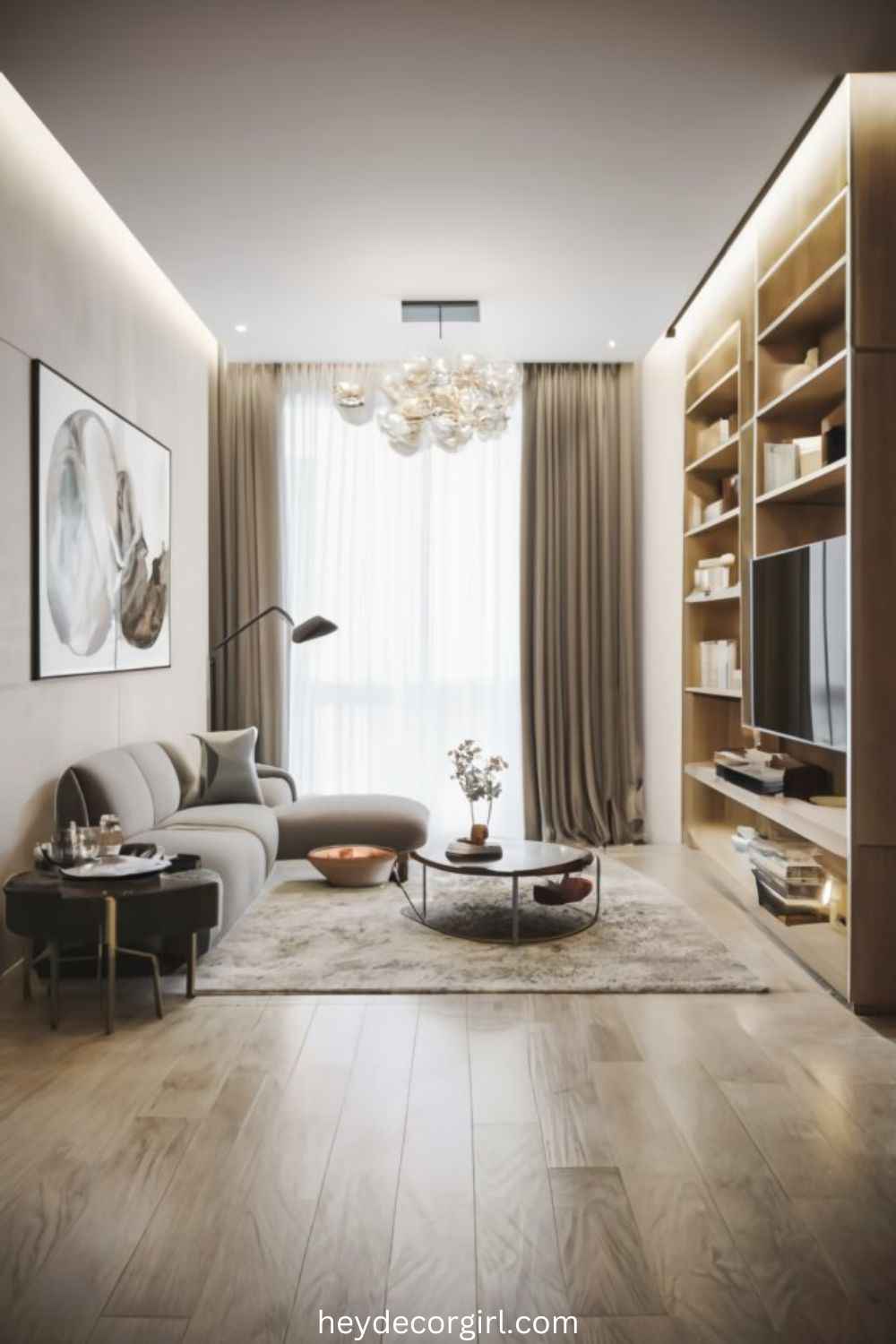
Feng Shui Principle: Clutters interfere with the flow of energy (chi) and may cause stagnation, resulting in a state of stress and discomfort. It is also good to have open, uncluttered spaces to allow energy to flow freely and give the environment a more harmonious and balanced effect.
Tips:
Cluttering: It means having a habit of de-cluttering the rooms by clearing them of unnecessary things that would build up. Clean up places.
Open Spaces: Open spaces by positioning furniture and other decor items in such a way that they create easy circulation and flow. Do not over furniture a room or overload it with too many objects.
Functional Storage: Store things away with functional storage devices so that they aren’t seen, minimizing the visual clutter and maximizing the flow of energy.
Room Arrangement: Place furniture and decor so that there is a clear way and open space. Make sure that all rooms are spacious enough to allow free flow of energy in the room and create a comfortable, relaxed environment.
8. Yin and Yang Balance in the Home
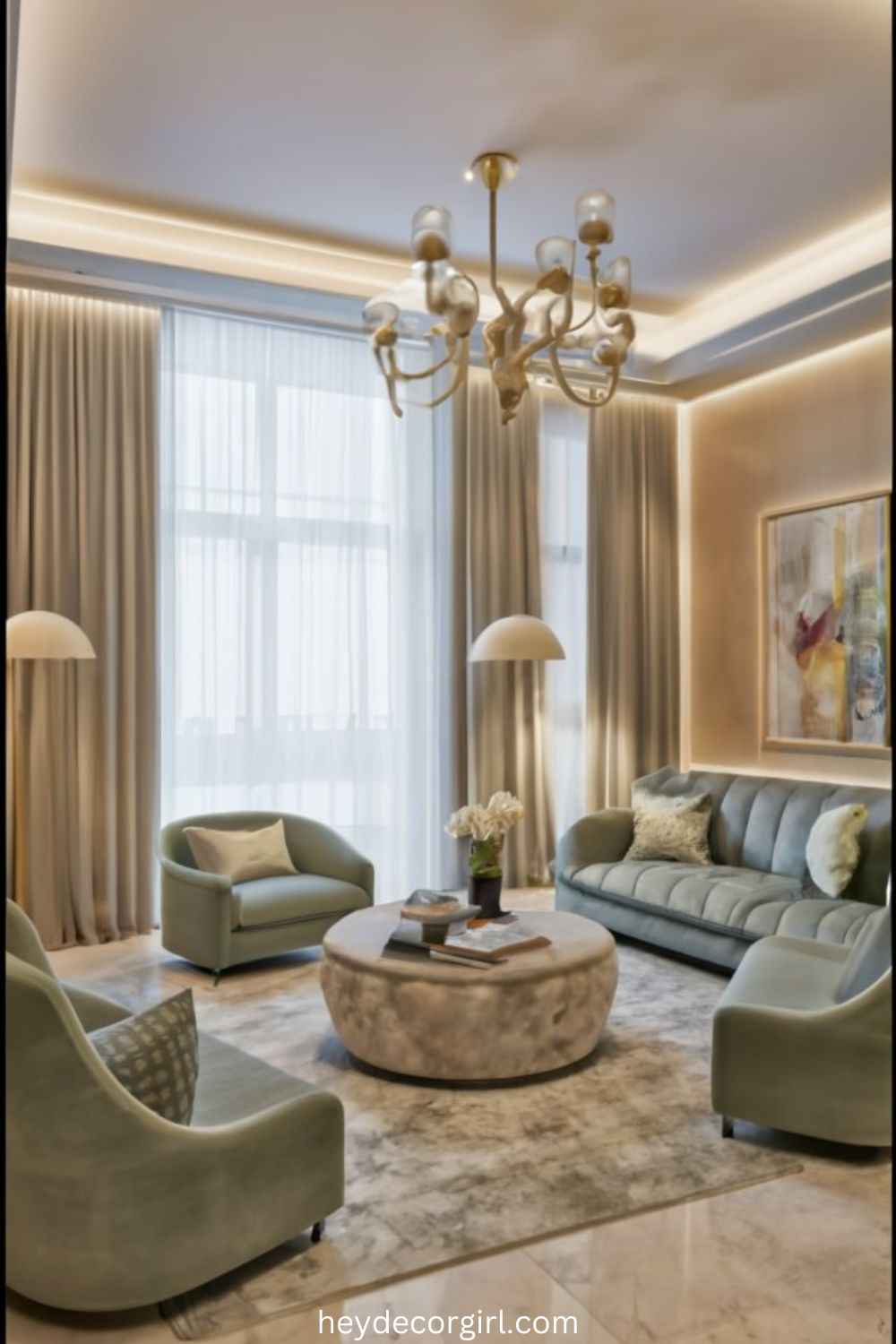
Feng Shui Principle: The yin (passive, calming) and yang (active, energizing) forces have to be balanced to achieve a harmonious environment in which to live. This balance can be achieved to make sure that every space serves its purpose and contributes to the overall wellness.
Tips:
Yin Energy: Decor of resting rooms and relaxation areas like bedrooms should be soft and relaxing. Use soft colors, soft materials, and low lights to make the environment calm.
Yang energy: Vivid colors, vibrant lighting, and vibrant patterns should be used in socially active spaces such as living rooms or offices to revitalize and make them active.
Balance: Make sure that every room has a balanced harmony by balancing the combination of yin and yang elements where necessary. A living room may, as an example, be brightly accented and patterned with strong colors and comfortable, relaxed seating.
Room Functions: Customize the balance between the yin and the yang to the particular role of the room, increasing the purpose of the room, and adding to the overall energy circulation in the house.
9. Wealth and Prosperity Corners
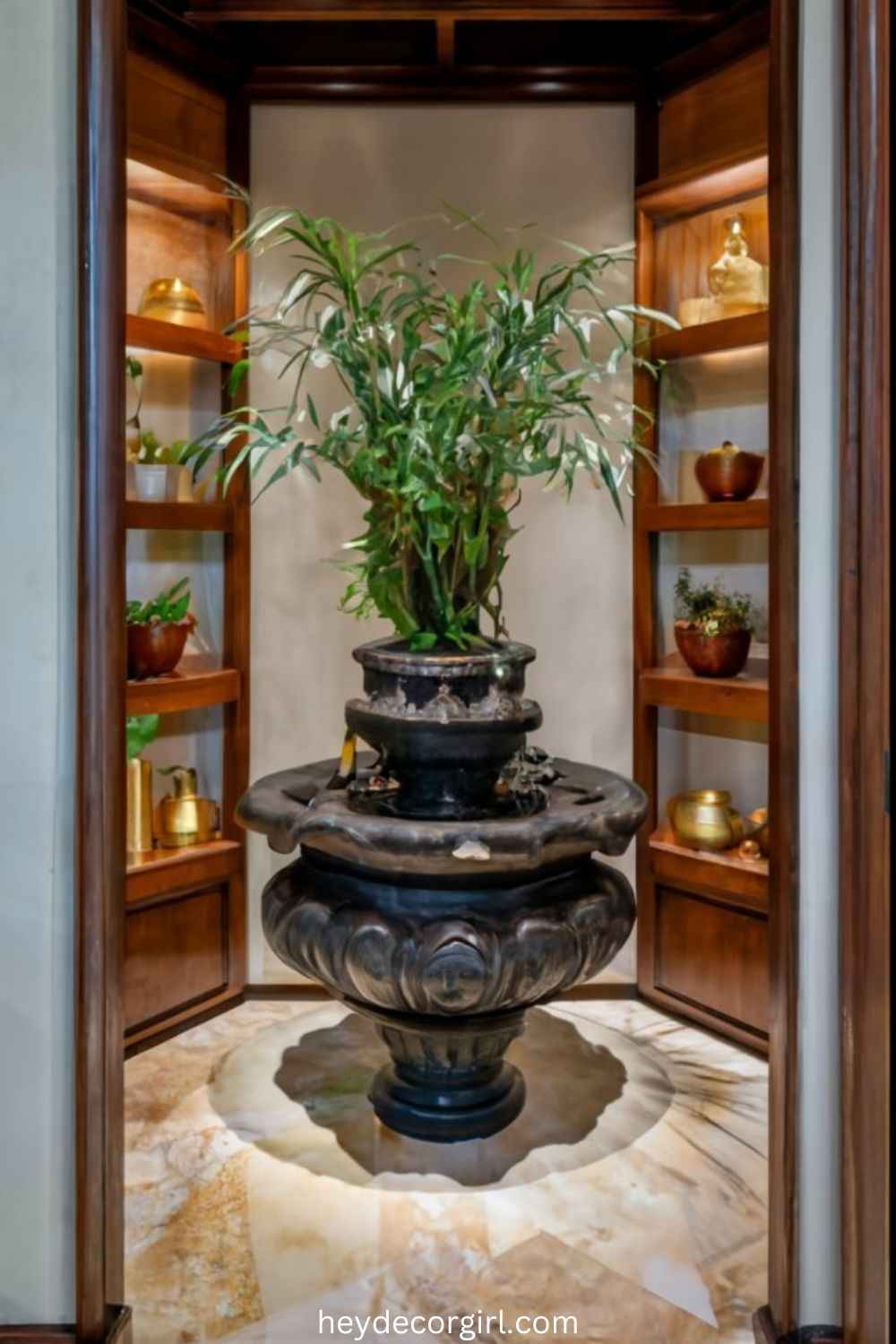
Feng Shui Principle: The southeast part of the house is considered to be a good place since it is related to prosperity and wealth. This should be developed to help one succeed financially and have plenty.
Tips:
- Add with Elements: Add an element of water, wood, and green vegetation to improve prosperity in the southeast corner. The abundance and growth can be represented by the use of water, such as small fountains, wooden decor, and greenery.
- Clean and Tidy: The prosperity area should be kept clean and tidy so that the good energy moves without being interrupted by cluttering things around. This corner should be cleaned and kept frequently in order to encourage a constant stream of good fortune.
- Decor Choices: Install symbols of prosperity like coins or money trees to further remind the visitors of the area that the place is synonymous with good fortune. Select decor that appeals to good fortune and bounty.
10. Outdoor Feng Shui and Landscaping
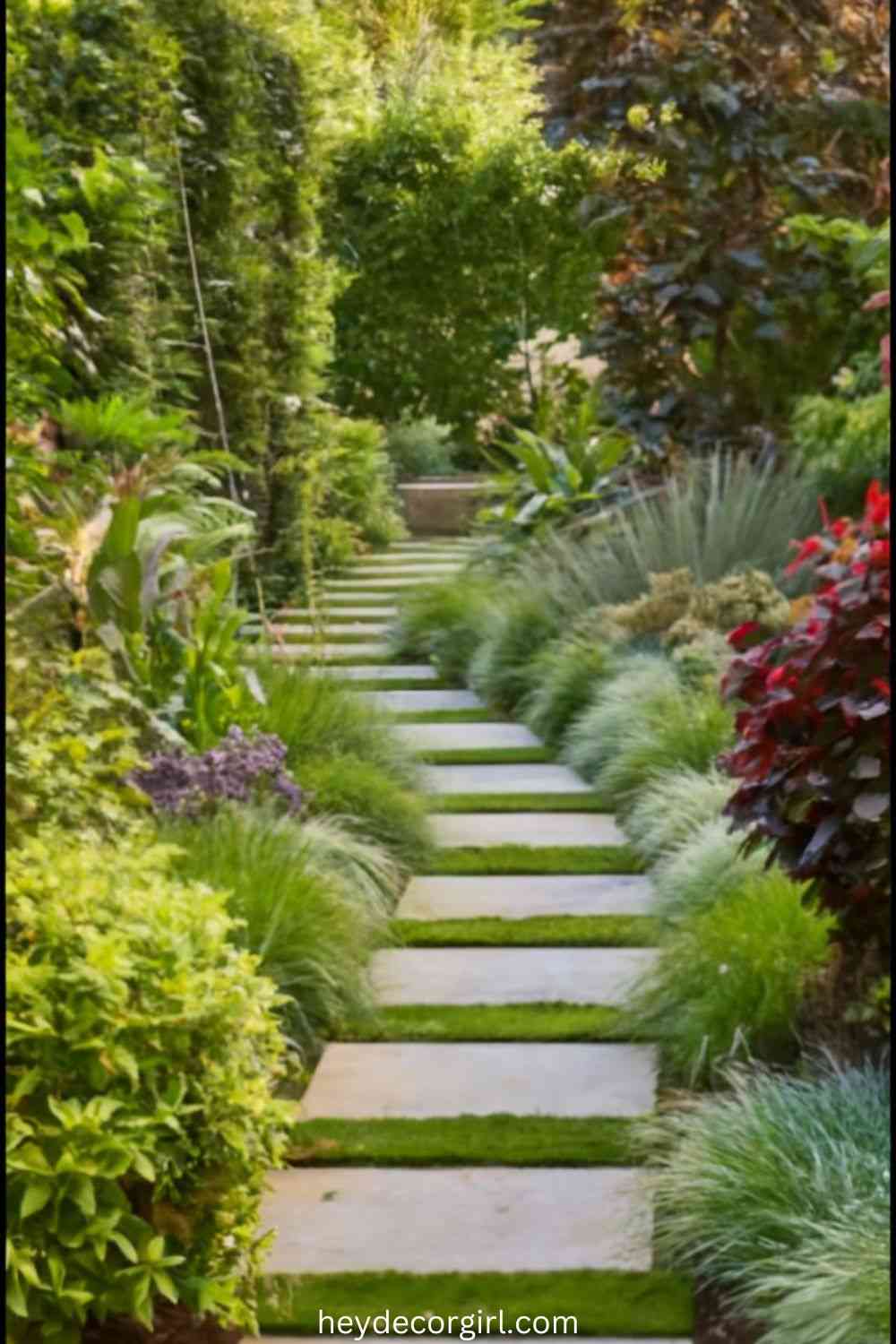
Feng Shui Significance: The External environment has a major impact on the energy within the house. Thoughtful landscapes will increase the natural harmony and balance.
Tips:
- Landscaping: Have flowing paths and make sure that there is healthy, vibrant vegetation to facilitate a flowing energy flow.
- Water Features: Have a water feature such as a pond or fountain to promote good fortune, preferably in the southeast corner of the yard to promote good fortune.
- Balance: This is to maintain outdoor spaces clean and well-maintained to avoid stagnant power outside the home, but promote positive power within the home.
FAQ
1. What does it mean by Feng Shui, and what is its use in the design of houses?
Feng Shui is an ancient Chinese profession that centers around the design of space in order to enhance balance, harmony, and positive energy circulation. The Feng Shui rules used in the design of homes are used to establish a balanced environment by maximizing the arrangement and positioning of rooms, furniture, and ornaments to promote comfort and prosperity, and well-being.
2. What can I do to enhance my entryway and front entrance door position with Feng Shui?
The next step to a better entryway/ front door location based on Feng Shui is to make sure the door is in an open, bright space. The front door should not be placed directly opposite the back doors or big windows because it can result in the rush of energy. Provide a warm and relaxing environment to bring good energy.
3. What are the tricks when it comes to having a balanced layout in living quarters?
To achieve a balanced plan, position the living rooms, kitchen, and dining areas in a manner that facilitates movement and circulation. Make sure that rooms are balanced with one another in order to flow with equal energy. There is no clutter, and every space has to assist in its purpose; it is intended without affecting the overall harmony.
4. And why is the kitchen so at Feng Shui, I, and what should it look like?
Feng Shui: The kitchen is associated with health and prosperity. The kitchen should be placed at the back of the house to avoid the loss of energy. It is important not to put the stove opposite the sink, as this is a conflict between the fire and the water. Make sure that the kitchen is well-maintained and clean to facilitate positive energy.
5. So what do I do to furnish my bedroom to sleep with energy?
The bed is to be placed in front of a strong wall to support it. The bed should not be placed near the windows or doorways as much as possible. Never use mirrors on the other side of the bed, and no sharp edges on the bed should be made to form a comfortable and tranquil atmosphere.
6. What are the Feng Shui recommendations for bathroom placement and design?
Bathrooms should not be located in the center of the house or next to the front door, so as not to waste The bathroom should be improved with water, wood, and green plants to neutralize the depleting effect of water. Always maintain the room tidy and in order, and place mirrors in places where they will probably bounce back the light without having to turn around to look at the door.
7. What can I do to make sure that there is proper flow in hallways and corridors?
Disperse halls and corridors of clutter and maintain them well-lit to be conducive to the flowing energy. Whether it is a long or narrow corridor, a d ng, narrow corridor that can either make energy stand still or flow too fast. Connect the energy with the space with natural transitions or soft curves.
8. So why is it essential to balance the yin and yang energies in the home?
Harmony between the two types of energies (yin and yang) is essential in establishing a comfortable environment. To balance this, use gentle, relaxing decor in areas of the house that allow rest, and vibrant colors and energetic lighting in other areas of the house that are active, like the living areas.
9. What do I need to do to maximize the southeast side of my house so that I can be wealthy and prosperous?
It is important to strengthen the southeast corcornerwhich is a symbol of wealth with water, wood, and green vegetation. There should not be clutter and odds and ends in this space. Symbols of wealth in the form of coins or money trees are to be used to support the linkage of the segment with prosperity.
10. What tempera feng Shui tips can be made outside and in landscaping?
Create outdoor spaces that flow with the flow of energy through green plants. Install a position of water, such as fountains, in the southeast section of the yard to increase wealth. Make the outside space clean and well-maintained in order to generate positive energy and as a complement to the internal harmony of the house.