![Hey Decor Girl [Latest Trending Decor Design Ideas]](https://heydecorgirl.com/wordpress/wp-content/uploads/2024/08/Heygirldecor-Logo.png)
A garden pathway is not merely a walkway but a very important design feature that provides beauty, order, and utility to your outdoor environment. You may have a large backyard or a small garden, but a properly laid-out pathway can change all of that. It also acts as a guide, as visitors will walk in your garden and avoid stepping on delicate plants and lawn areas. Ways are also used to outline various portions of your garden, including flower beds, sitting areas, or vegetable gardens, to make the area appear better organized and welcoming.
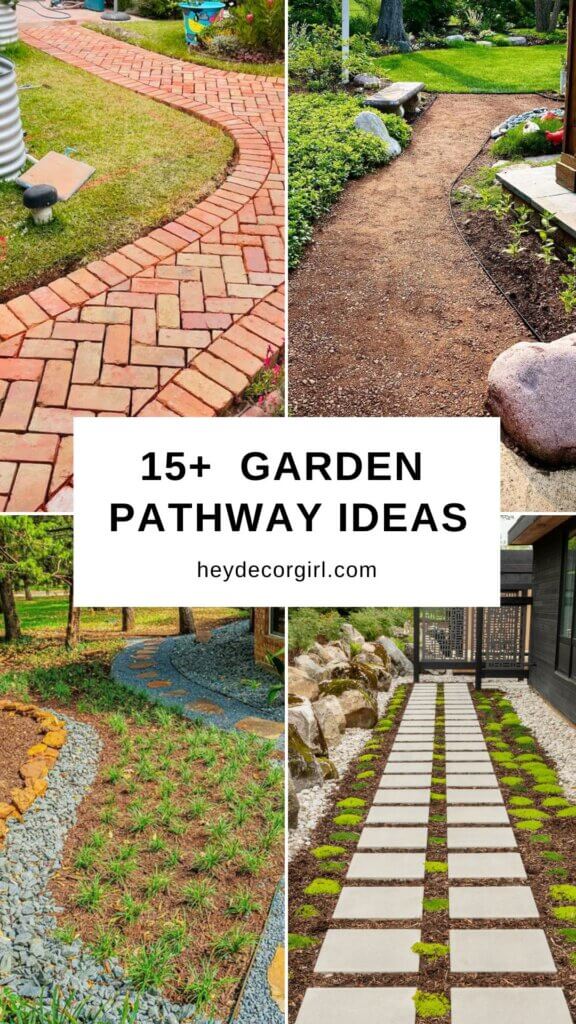
Garden paths are available in many different styles and materials, and you can tailor them to fit the theme of your garden, as well as your individual preference. Ranging in style, the rustic stone trails, which become a part of nature, to the modern concrete slabs with a smooth, modern touch, the choice is unlimited. These may be plain and practical or elaborate and ornamental, based on the type of atmosphere you wish to achieve. In addition to beauty, properly laid paths enhance safety because they offer the soil a stable surface, particularly when the seasons are rainy. Claiming a goal of elegance, whimsy, or functionality, a pathway design can make your garden rise to a staggering outdoor shrine.
Best and Popular Garden Pathway Ideas
Here are some of the best and popular ideas to inspire your garden pathway:
Natural Stone Pathway
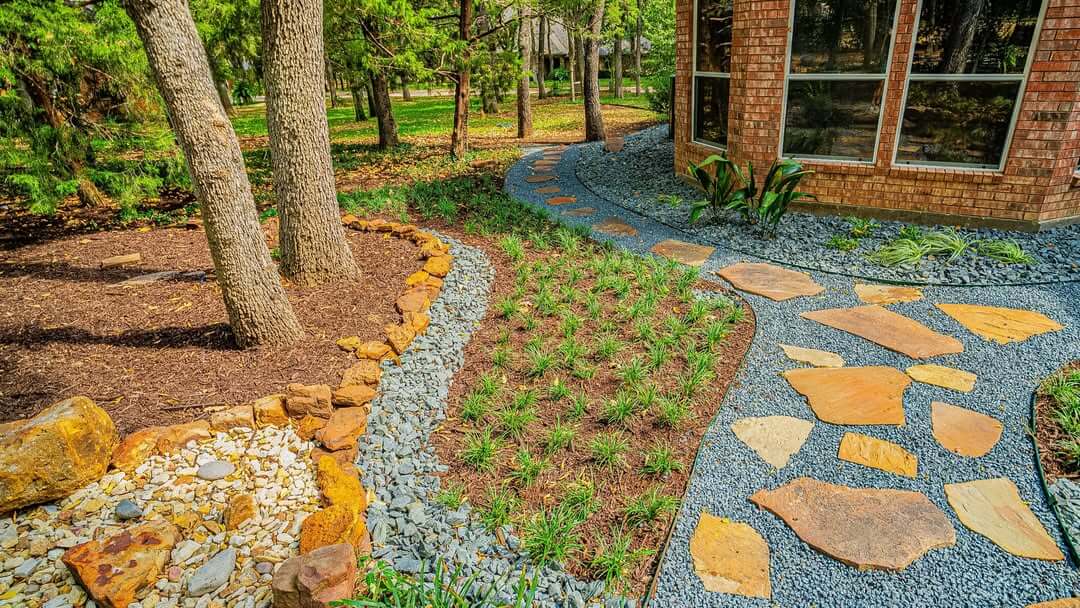
Credit@structurelandscapes
It is ideal to use a natural stone pathway to have a classic and rustic garden appearance. Such stones as flagstone, slate, or sandstone are in perfect harmony with natural surroundings and offer a very stable walk surface. This design is suitable for cottage gardens or woodland gardens, making them feel organic and earthly. You may place the stones in irregular arrangements to create a free-flowing arrangement, or in straight lines to create a more organized appearance. Planting moss or shrubs in between the stones makes it pretty. These routes are durable, weatherproof, and where there is high human traffic or the ground is not even, then the paths work best.
Gravel Pathway
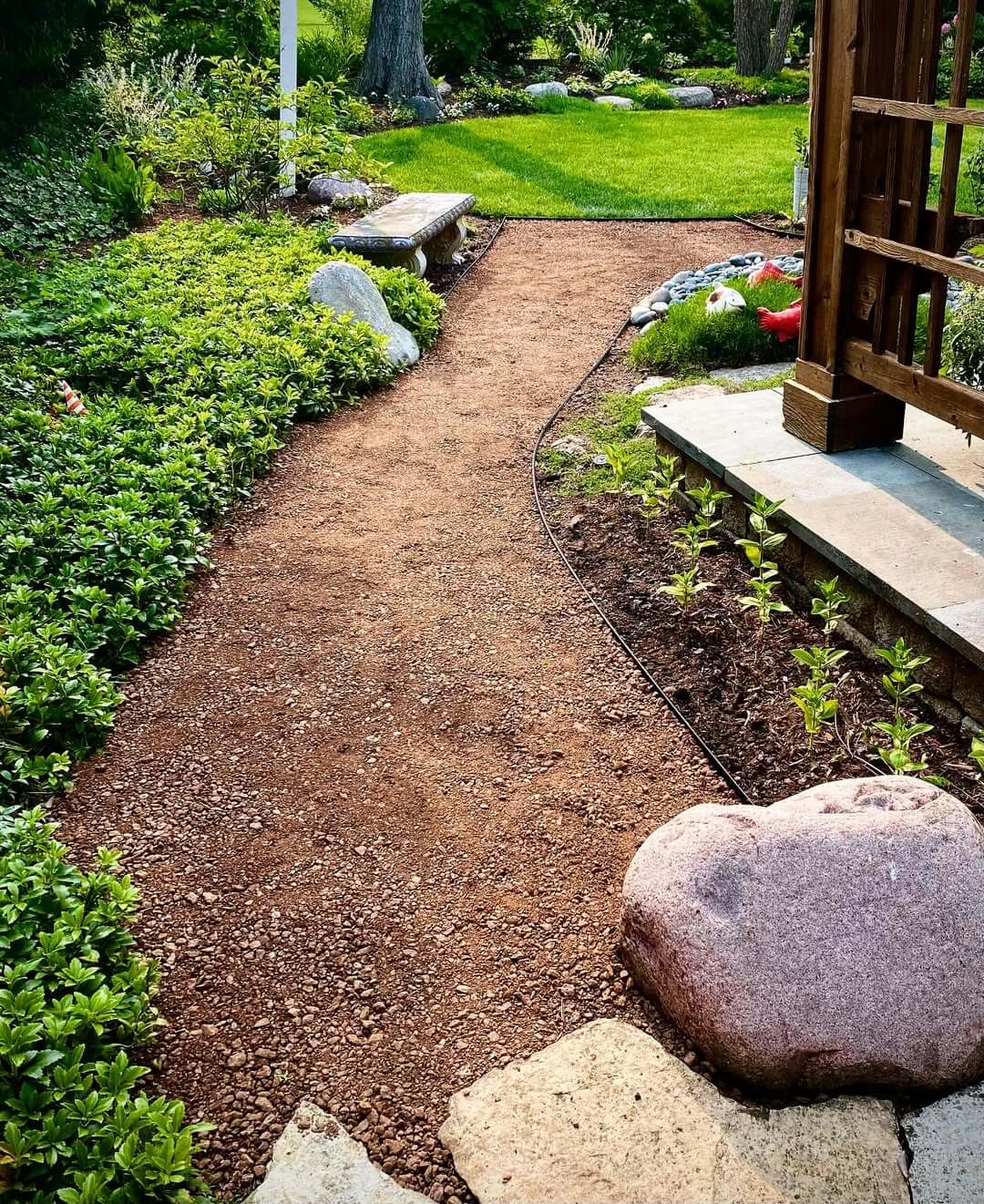
Credit@gardenworkslandandlawA gravel walkway is a cheap and low-maintenance way that gives your garden a relaxed, casual look. It can be easily installed and lets the rain drain away speedily, preventing water pools. Gravel is available in a range of colors and sizes to suit your garden style. To ensure that the gravel is contained well, it is added with wooden, stone, or metal edging. Informal gardens, vegetable gardens, or a rustic landscape are suitable for gravel paths. It is better to combine them with stepping stones or little lanterns in order to make them look better. The given pathway is also a fantastic DIY project for a homeowner who has a limited budget and wishes to obtain immediate outcomes.
Stepping Stone Pathway
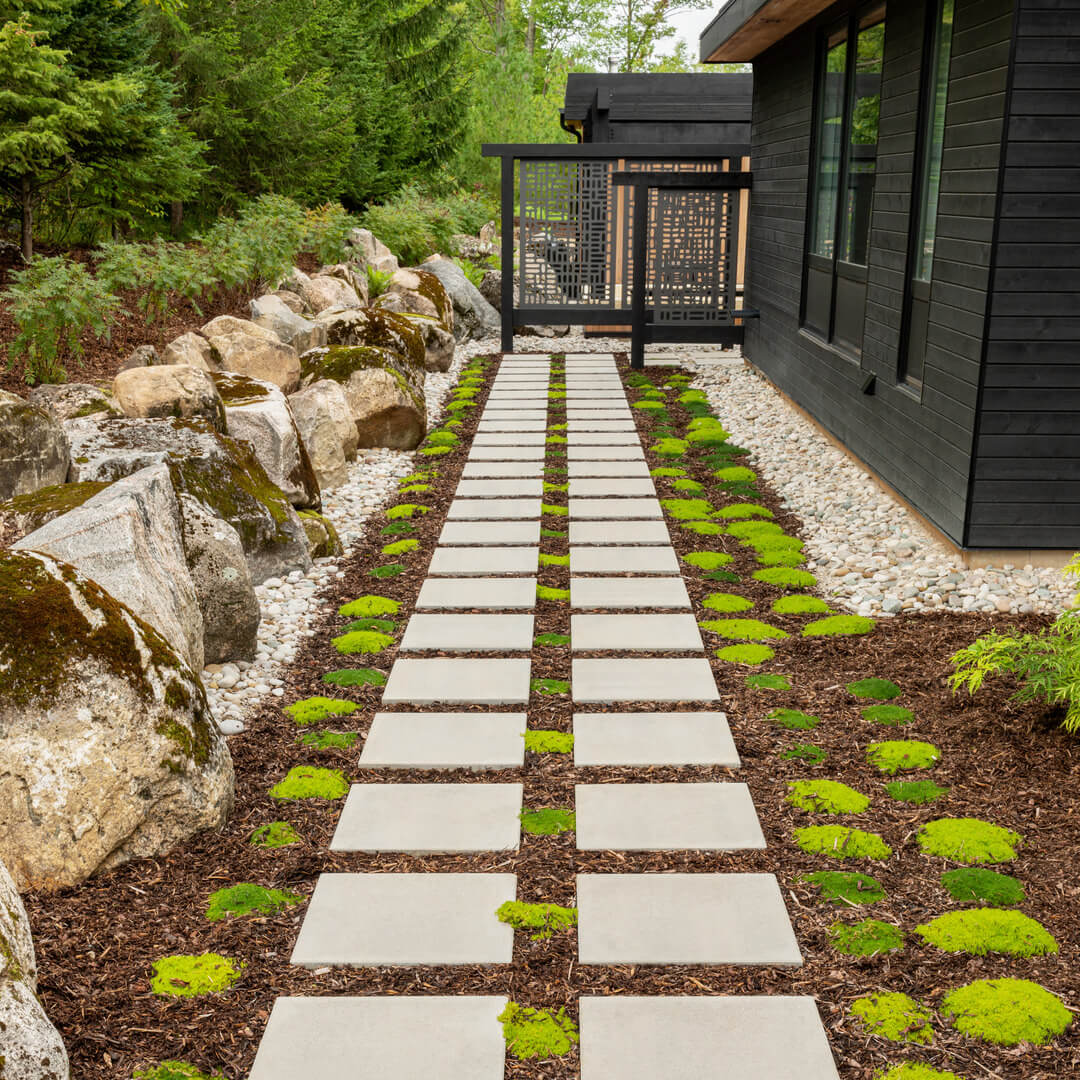
Credit@senso_group
The stepping stone pathway is capricious and playful and is ideal to lead guests across grassy lawns or flower beds. It enables you to manoeuvre around sensitive sections of your garden without damaging the vegetation. Stones may be used in various forms, such as round, square, or irregular stones, which can be used to create a distinctive style. To make it look pretty, encircle the stones with gravel, sand, or moss. It is a specific pathway that is more appropriate in small gardens, Zen gardens, or even children’s playgrounds. It can be easily installed and gives your garden a lovely storybook atmosphere that gives it a welcoming and enchanted feel.
Brick Pathway
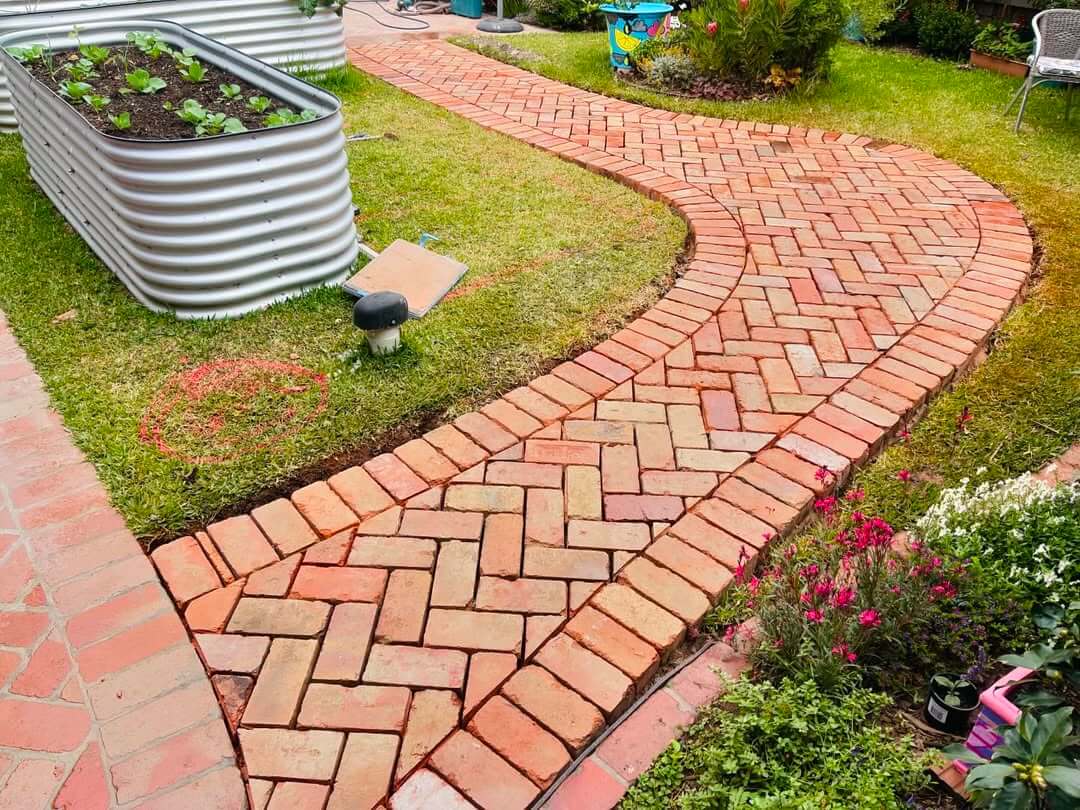
Credit@paulslandscapegardening
Brick pavements provide an old and ancient look that perfectly fits in traditional or old-fashioned gardens. Visual interest can be achieved by laying the bricks in various designs such as herringbone, basketweave, or running bond. They are extremely strong, can endure a lot of people on top of them, and they are also resistant to the weather. A brick walk is beautiful when it is accompanied by wrought iron pieces of furniture, fountains, or trim clustering hedges. Although the installation needs proper planning, the outcome is a good and beautiful walkway that will be durable. It is an excellent option to use when a homeowner wants a formal and neat appearance in the outdoor spaces.
Wooden Boardwalk Pathway
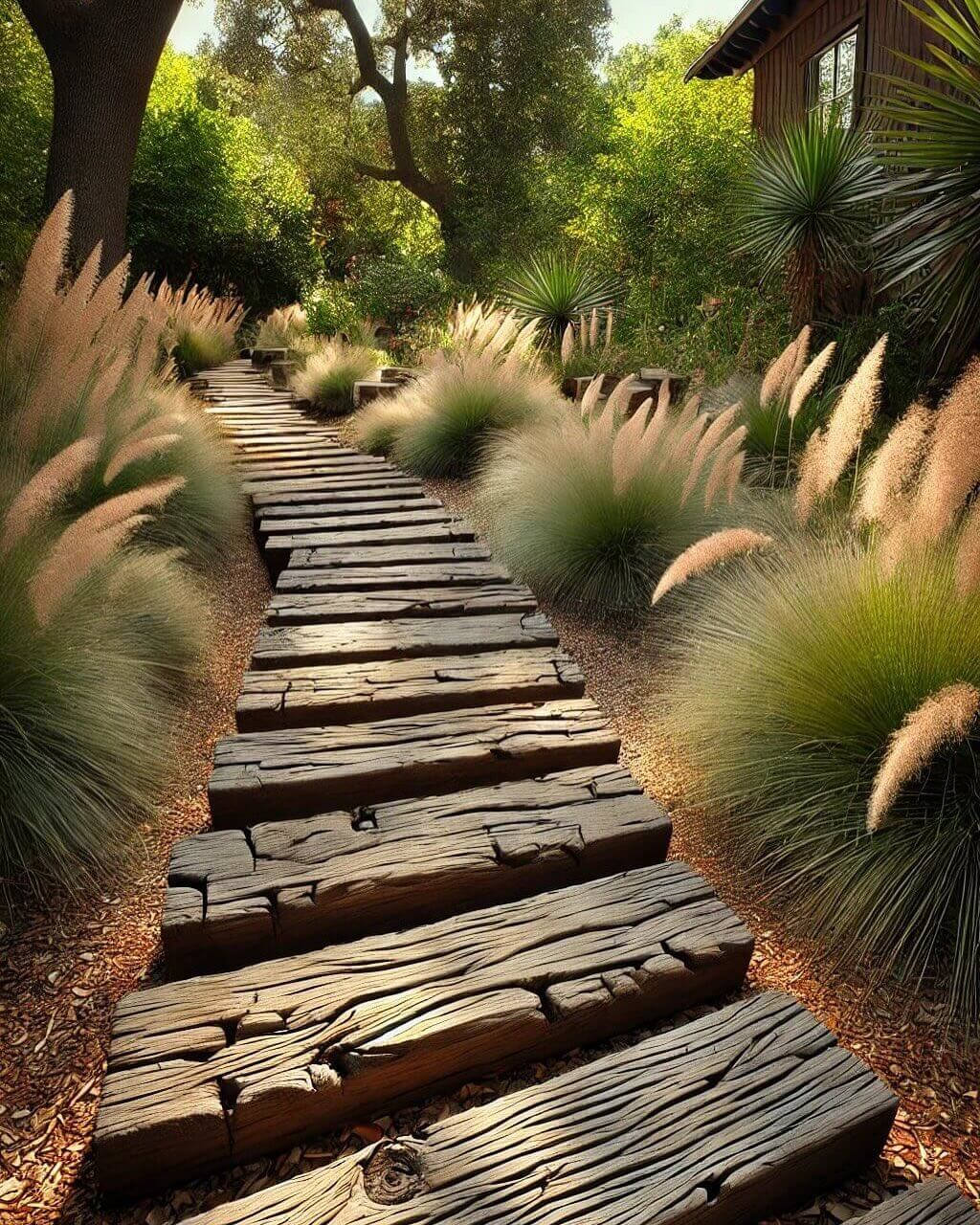
Credit@housinginfo
Gardens are enhanced with a warm and natural touch with a wooden boardwalk track path, particularly in gardens close to water features or wetlands. Composite decking materials of wood or treated wood are durable and resistant to moisture. It is a good form of the pathway that should be applied in gardens resembling the coastal grounds or areas with wet soil. It makes a raised surface for walking so that there is no mud or slippery conditions. It is added with rope railings, lanterns, or potted plants to make it look more appealing. The wooden boardwalks are effective in contemporary rustic gardens as they provide a warm, welcoming environment, intertwined with nature.
Mosaic Tile Pathway
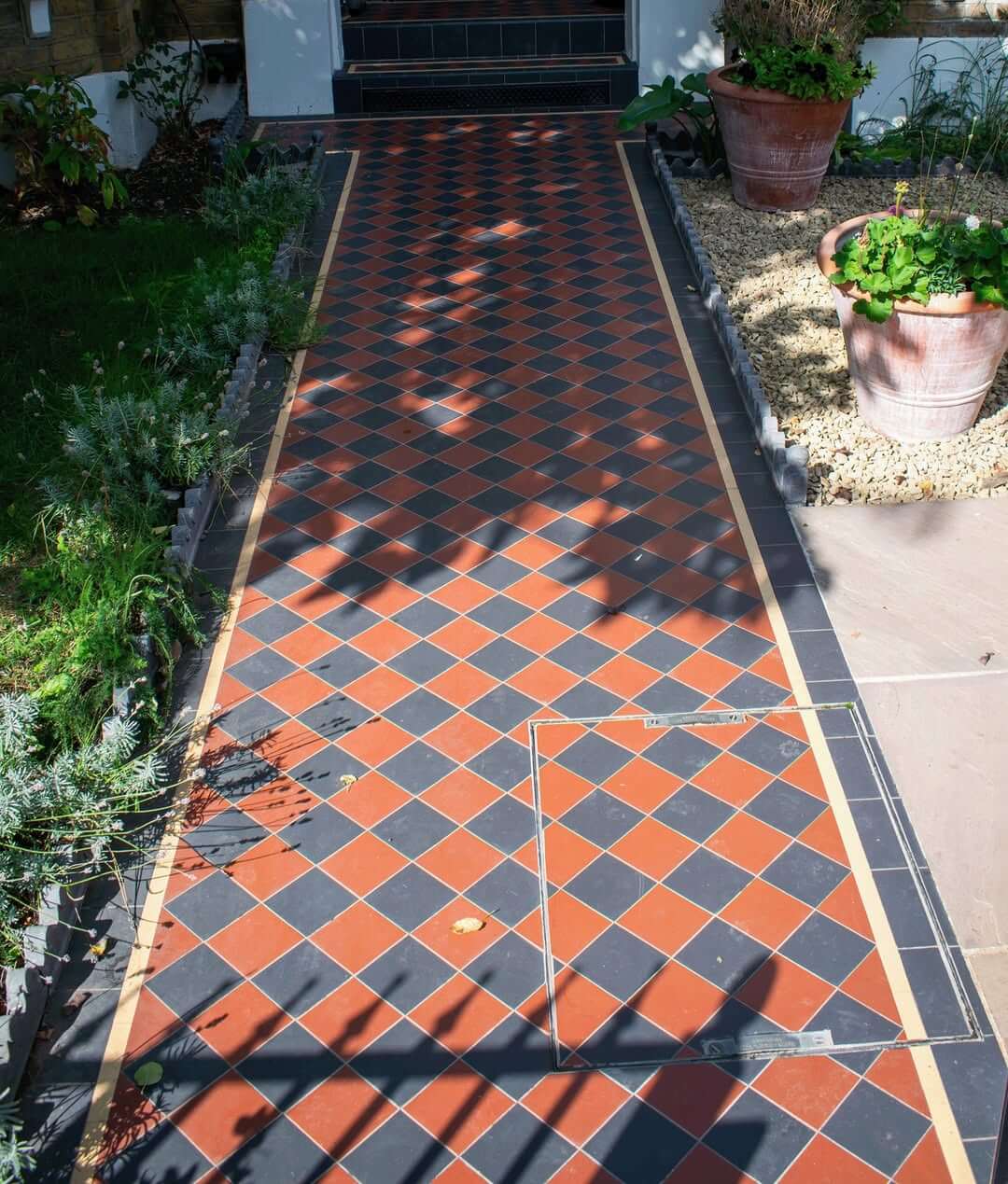
Credit@londonfrontgardencompany
To add a bit of style, tiled flooring with mosaic tiles would be the ideal option. You can make all types of designs and patterns with the help of colorful tiles, pebbles, or broken ceramics, which will make your garden look more personal. Such a route is effective in the Mediterranean, Bohemia, or artistic scenery. It is a master work of installation and sealing to weather-proof, but the final masterpiece is breathtaking and truly unique. Mosaic paths might also be used as the center of the garden, attentively coupled with adorned plants and sculptures. It is a great choice for any homeowner who is fond of creativity and wants to make their garden distinctive.
Concrete Slab Pathway
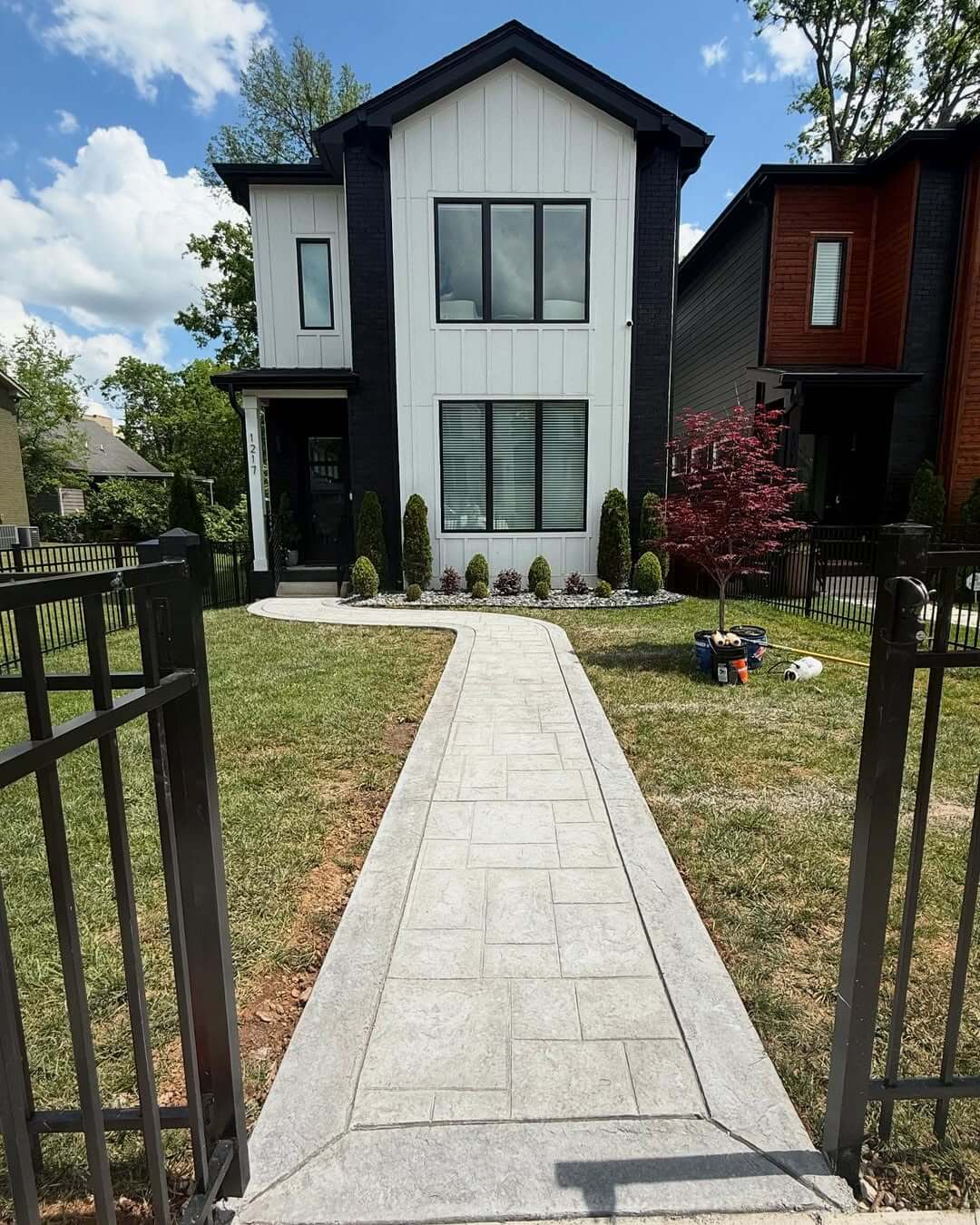
Credit@summitconcrete
Concrete slab walk is sleek and modern, rn giving a good appearance, which suits the modern gardens. Big rectangular or square concrete slabs may be arranged and spaced evenly, and gravel, grass, ass or small pebbles may fill the gaps to give a clean, geometrical look. Concrete walkways are very strong, low-maintenance, and weatherproof. It is also possible to stain or stamp the concrete to produce the look of natural stone. This kind of pathway is good in minimalistic gardens, urban courtyards, or areas with a modern architectural design, and provides them with a polished and graceful look.
Grass and Stone combination path
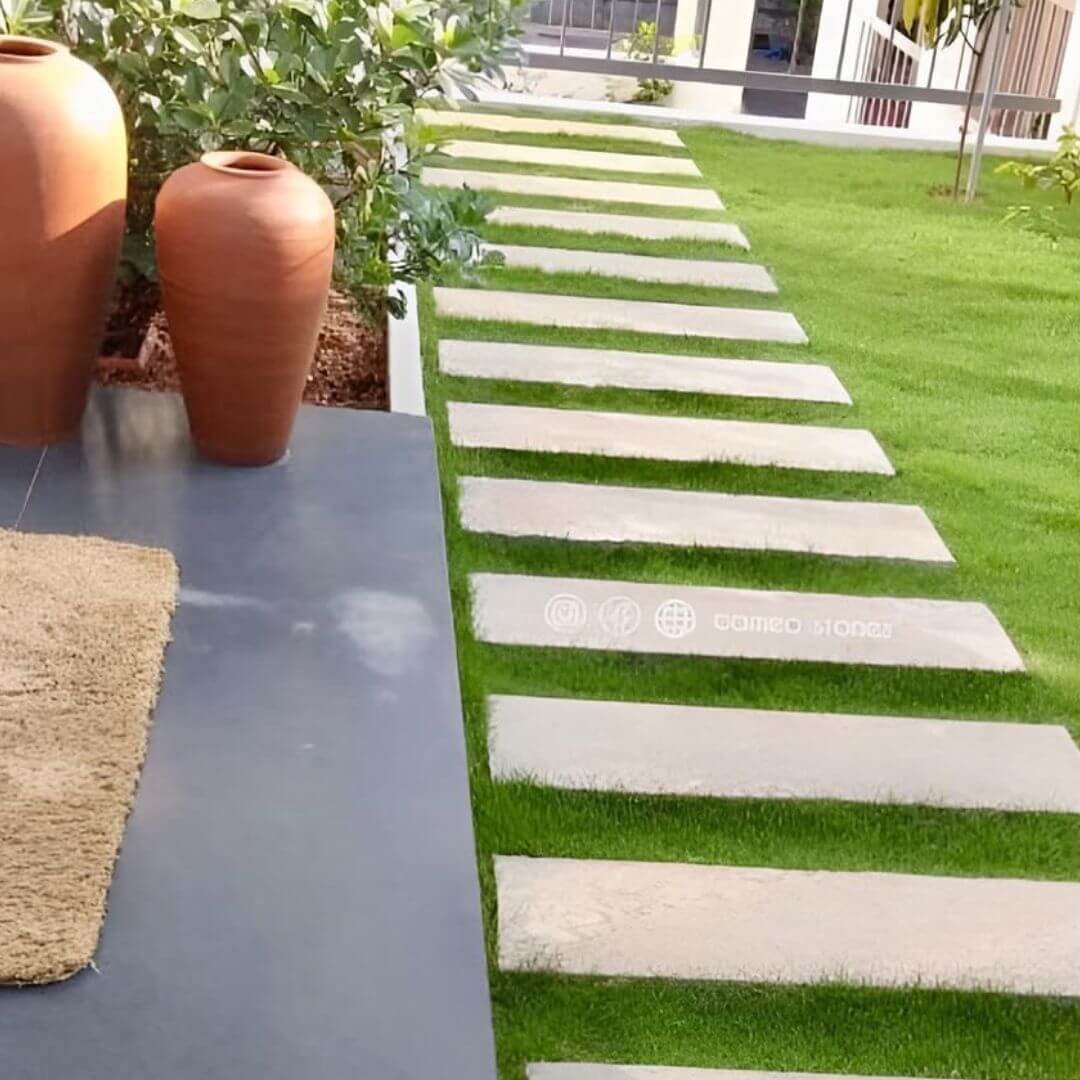
Credit@cameostones
The use of grass and stepping stones gives a soft and natural appearance that mixes well with the outdoors greenery. This is designed with large flat stones in the middle and grass around the stones to give a beautiful contrast of the hard and soft features. It is perfect in casual and non-formal gardens, which makes them have a peaceful and harmonious atmosphere. The grass should be trimmed and in a healthy condition, and this can only be maintained by a regular cleaning-up process, yet it is well worth it. This kind of walkway is ideal for linking patio pools or benches with the natural appearance of the landscape.
Pebble and Rock Pathway
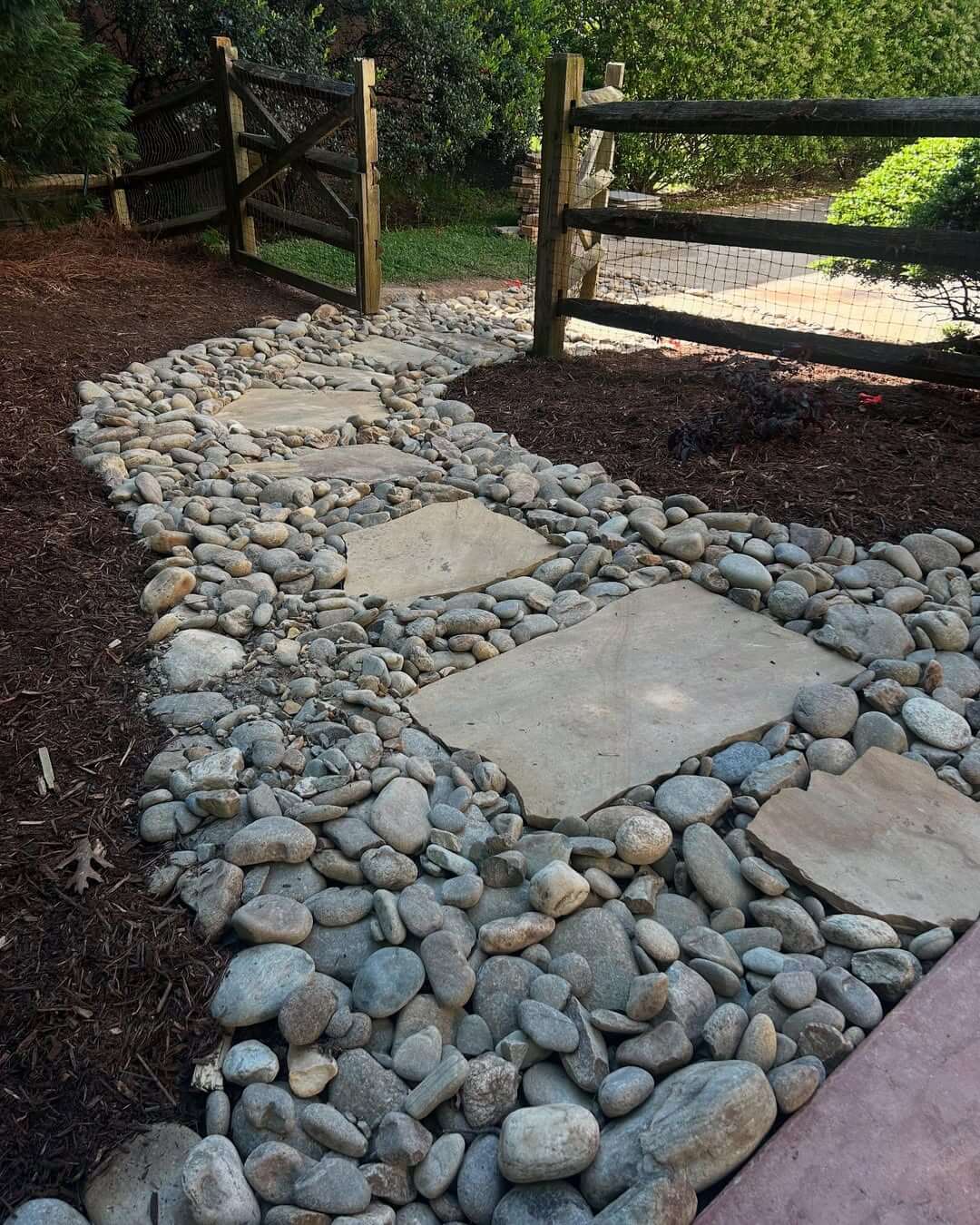
Credit@mr.outdoorliving
A rocky and pebble walk will provide some concrete and aesthetic value to your garden. Pebbles may be stacked in either single form, or an assortment of bigger stepping-stones may be added. This is a low-cost pathway design that allows good drainage and is thus suitable in gardens that receive a lot of rain. The pebble walkways suit well in Zen gardens, Japanese-inspired landscapes, or areas where water has been provided. The peaceful, meditative atmosphere is added with bamboo edging, ornamental lanterns, or small plants on the edges. It is a modest though classy option for any outdoor space.
Glow-in-the-Dark Pathway
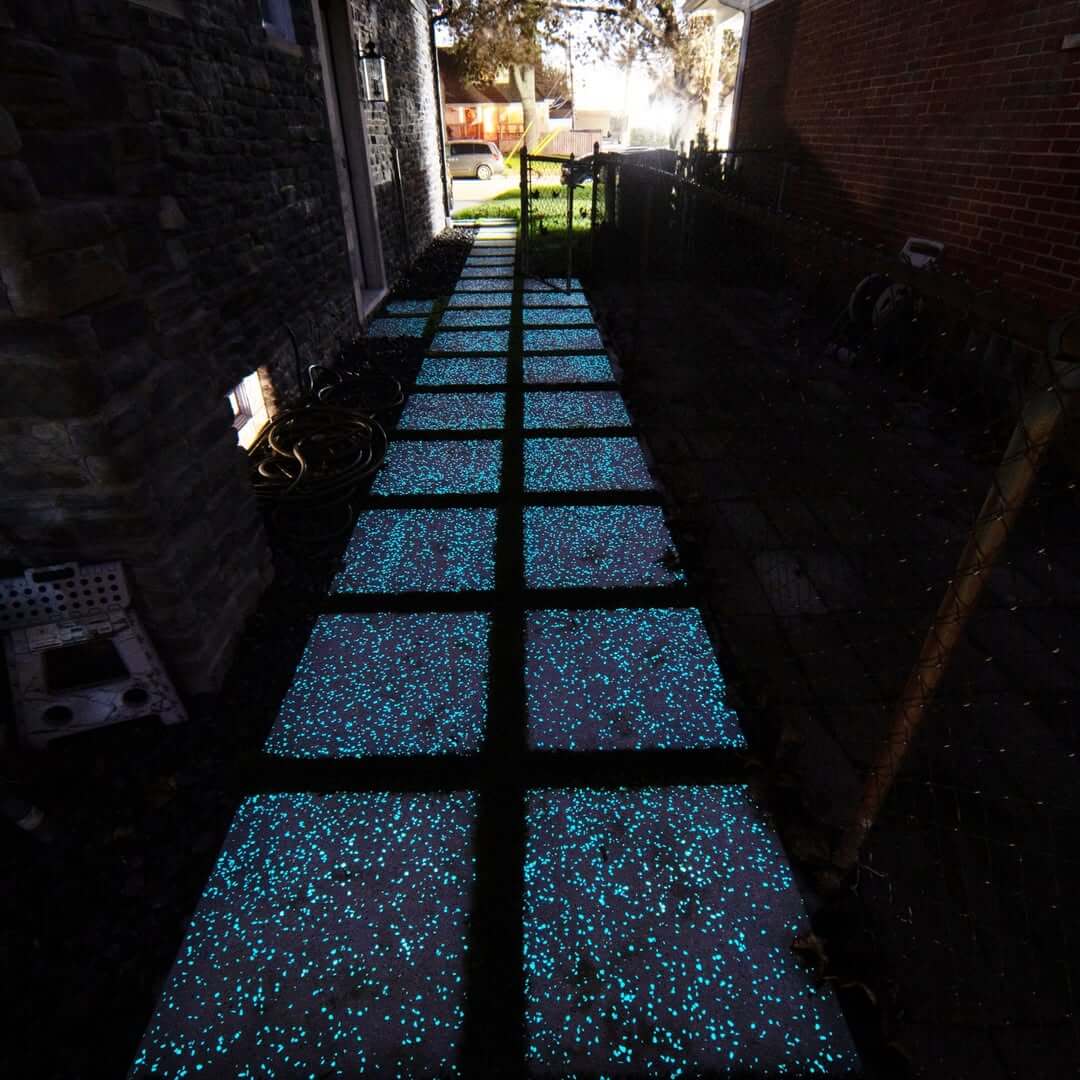
Credit@glowpathpaver
A glow-in-the-dark walk is a special and practical concept in order to create a magical nighttime effect. You could apply glow stones, glow-in-the-dark paint, or embedded lights that are powered by the sun to light the walkway during the evenings. This improves safety as it illuminates the path but gives an enchanted fairy-tale feel to your garden. Glow pathways are extremely useful in evening events, pools, or romantic garden installations. In the daytime, the path resembles a normal stone or gravel path, but at night, the path turns out to be a glorifying sight that everybody beholds with fascination.
Tips for Designing a Garden Pathway
Plan the layout carefully:
- Draw your route with chalk, rope, or garden hoses to see the layout.
- Take into account the natural walkways of your backyard to make the walkway safe and convenient.
Choose the right materials:
- Use materials that suit the theme of you, i.e., rustic gardens use stone and modern gardens use concrete.
- You should consider the durability and weather resistance, which are best suited to the climatic region you are in.
Consider pathway width:
- A width of 2-3 feet would be ideal when it is to be used by one person.
- When two individuals are walking together side by side, they need at least 4-5 feet.
Ensure proper drainage:
- Use water-permeable surfaces such as gravel or pavers to avoid waterlogging.
- Slant the passageway slightly to enable the passage of rainwater.
Add pathway edging:
- To keep gravel or mulch enclosed and to have a neat appearance, install the borders with bricks, stones, or wood.
- Edging also helps to keep out the creeping growth of grass in the pathway.
Install lighting to be safe:
- Light the path by using solar-powered lights, lanterns, or glow stones in the darkness.
- Lighting enhances safety and the magic of the night.
Blend with the landscape:
- Plants, flowers, or decorative rocks are recommended to surround the pathway to give a harmonious and natural look.
- Select vegetation that is in line with the material and design of the path.
Find a balance between beauty and functionality:
- Pay attention to the aesthetics and functionality- make the path smooth, stable, and covered with non-slip material.
- In busy places, do not use excessive complexity in designs.
Think about maintenance:
- Use less maintenance, such as concrete or gravel, because you want less maintenance.
- Clean the pathway periodically, and watch out for loose stones or cracks.
Add focal points:
- Show the way to a place like a garden bench, fountain, pergola, or sitting area.
- The pathway is interesting and intentional with the help of focal points.
Consider seasonal factors:
- Apply non-slippery surface materials in places where there is rain or snow.
- Use frost-resistant stones where it is colder.
Create a natural flow:
- Sharp turns should be avoided; instead, come up with mild curves in order to make the pathway more friendly and natural.
- The curved pathways are also mysterious because they slowly unveil various areas in the garden.
Conclusion
A properly made garden pathway not only makes your outdoor space more useful and efficient, but it also makes the area more beautiful and cozier. Be it a rustic and natural theme or a modern and smooth technology, there is a pathway concept to go with the personality of your garden. With the appropriate materials, plan, and design, you can design a beautiful garden path that would be attractive to explore and relax.
FAQs
Q: Which is the most suitable material to use in a garden path?
A: The most suitable substance for a garden pathway would be determined by the way you choose, the budget, and the pattern of the garden. Natural stone is strong and rustic, whereas gravel is cheap and simple to make. Concrete slabs are best suited to give a modern look, and bricks are almost timeless. Weather resistance, maintenance needs, and pedestrian traffic are some of the factors that need to be considered during a decision.
Q: What is the breadth of a garden path?
A: Garden pathway size should be approximately 2+3 feet wide to accommodate only one person. To comfortably have two people walk side by side, you should plan 4 -5 feet. Main walkways are better placed by wider paths, whereas secondary garden trails are better placed by narrower paths.
Q: I do not want weeds to grow on my garden path. How do I prevent this?
A: To keep weeds off, cover the pathway material with a weed barrier cloth. Weed growth can also be blocked by the addition of sand or gravel base layers. Your pathway will be clean and free of weeds with regular cleaning, such as sweeping and application of natural herbicides.
Q: Are garden paths costly to lay?
A: A garden pathway depends on the design and costs of the materials. The most affordable are the gravel paths, whereas stone, brick, or mosaic patterns may be more costly because of the labour and materials. Installation may be done by the do-it-yourselfer since some gravel or stepping stone paths are easy to install.
Q: What are the ideas of some low-maintenance garden pathways?
A: In case you do not want to do a lot of maintenance, you should use materials such as concrete slabs, composite wood, or gravel. These are weatherproof and do not need much cleaning. The grass-and-stone blends or complex mosaic walkways are not to be picked since they require frequent maintenance.