![Hey Decor Girl [Latest Trending Decor Design Ideas]](https://heydecorgirl.com/wordpress/wp-content/uploads/2024/08/Heygirldecor-Logo.png)
Charming Balcony Bird Feeder Ideas – Balconies are not only miniature outdoor areas, but can also be transformed into a miniature nature garden. Creating a bird-friendly environment is one of the most enjoyable ways to make your balcony lively and colorful. Bird feeding is not just a decorative element, but also gives you the pleasure of watching the winged friends at a closer distance by installing a bird feeder on your balcony. Birds are amazing animals, and having them on your balcony will help you feel that your balcony is more alive, lively, and in touch with nature.
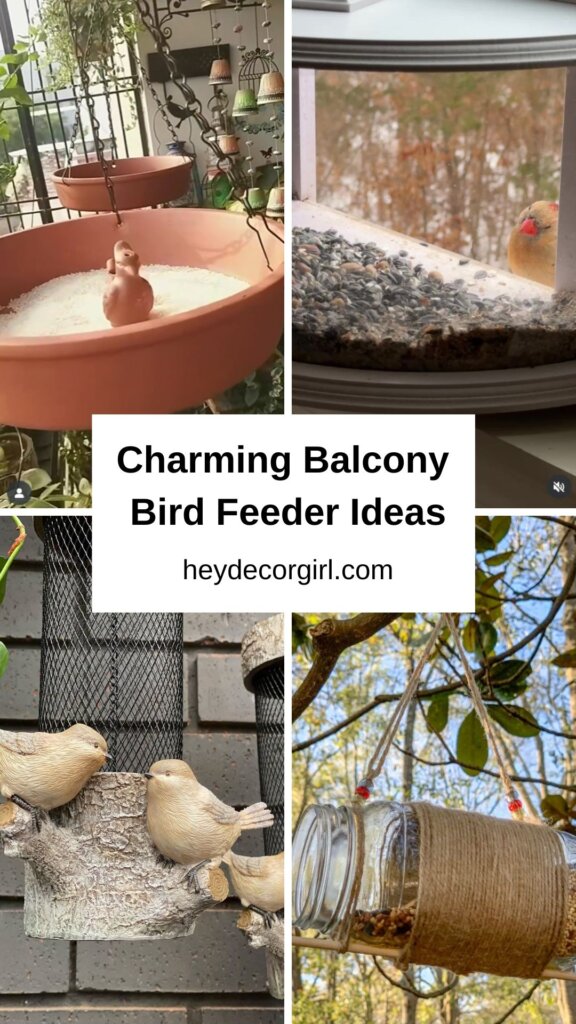
Balcony bird feeders can fit in any area, whether it be a busy city or a small suburb. There is no end to the manner in which birds may be attracted, starting with the hanging feeders gracefully suspended to window-trays on which the birds may perch within a few inches of the panes. Bird feeding will also nourish the other local wildlife, particularly in the colder seasons when food supply is low. Creating your own avian haven on your balcony is a matter of proper selection of feeders, the kind of seed to feed on, and a little creativity with the proper feeder that will attract all types of birds.
Top 10 Stunning Balcony Bird Feeder Ideas
Here are some stunning ideas to inspire your balcony bird feeder:
Hanging Seed Feeder
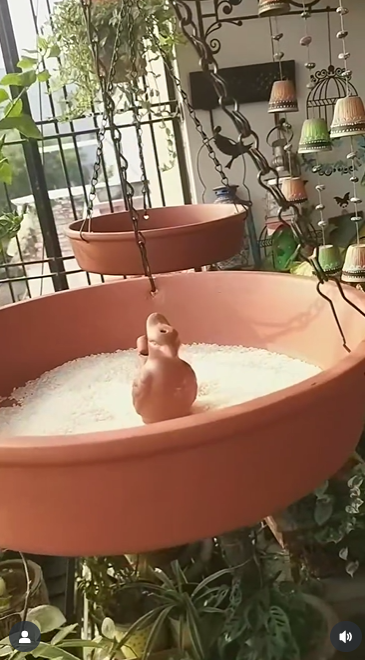
Credit@indranis_creativity
The ideal feeder to put on a small balcony is a traditional hanging one. Sow mixed seeds so it will lure sparrows, finches, and the chickadees. Hang it on a balcony railing, hook, or an overhead beam. Make sure it is firm so that it does not sway due to the ind. There are also decorative patterns, such as wooden houses or colorful tubes, to be used to make it prettier. Cleaning should be done regularly to avoid disease and mold. Keep a small water dish next to it to make it an entire mini oasis for birds, so they will visit more often and make your out-of-doors area livelier.
Window-Mounted Feeder
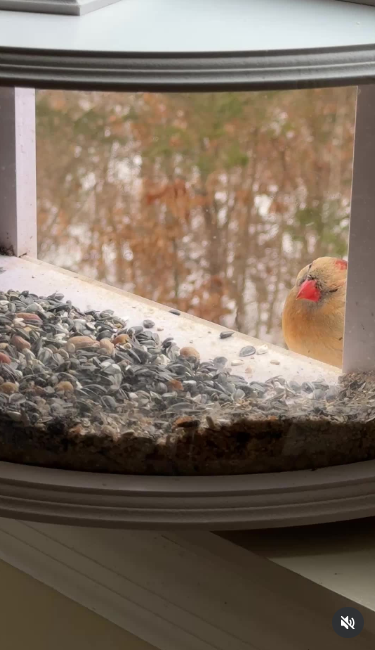
Credit@rickseverydayessentials
The window feeders are attached to the glass using suction cups and provide a view of the birds. They fit best in small apartments where there is hardly enough space. Put seeds or nuts into them and you have the birds at the comfort of your home. Others have a small perch to enable birds to sit and have their meals. Ensure that they are kept away at a distance to windows to avoid collisions. This feeder is highly personal for wildlife in your sitting room, and it does not need a lot of installation and maintenance, ideal for urbanites who would like to watch birds every day.
DIY Mason Jar Feeder
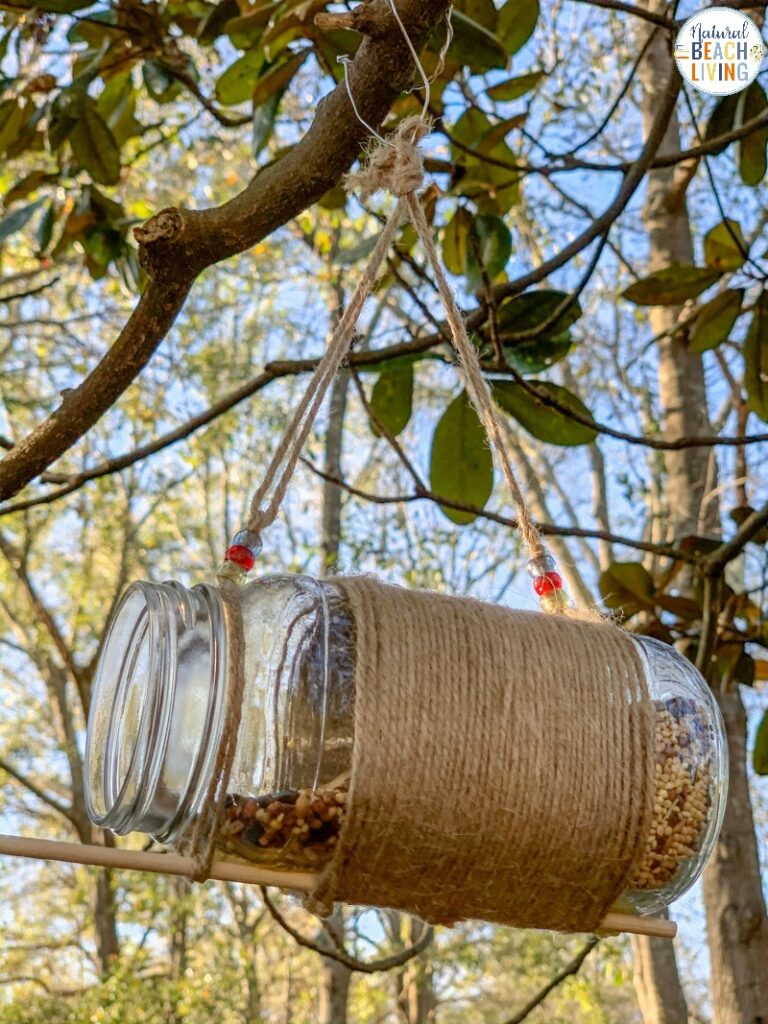
Reuse mason jars and make beautiful homemade feeders. Screw the jar inverted on a wooden stand of wood, leaving tiny holes where the seeds can slowly escape. It is environmentally friendly, tailorable, and brings a rustic feel to your balcony. The jar can be painted, beaded, or stencilled and made to suit your style of the balcony. Small spaces, Mason jars feeders take up the smallest space and are simple to clean up. The slow-release seeds will be appreciated by such birds as finches, sparrows, and titmice. This is a very straightforward but innovative concept that gives you an entertaining weekend project besides bringing charming visitors to your balcony.
Hanging Suet Feeder
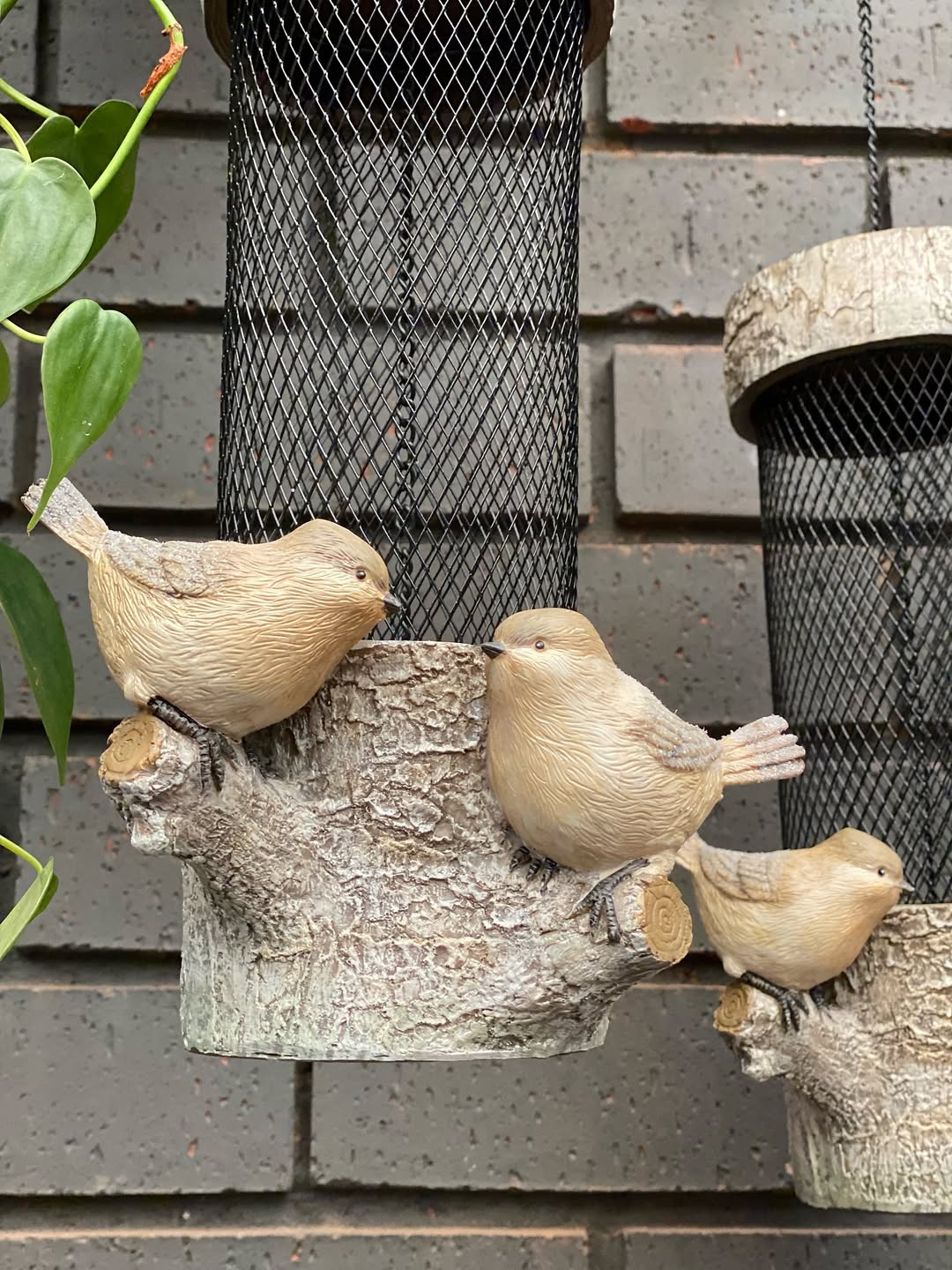
Credit@garden_bleu
Suet feeders are ideal in luring woodpeckers, nuthatches, and chickadees, especially during cold seasons. They can be the balcony hangings or railings. Suet cakes are a good source of fat and energy for birds and make them prosper. Select a feeder in the shape of a cage to ensure that the bigger animals do not steal the food. By keeping it in a dry corn, it keeps the suet dry. A hanging suet feeder may also be used as an ornamental article when you are careful to have one with a wooden or wrought-iron frame. It is a convenient and fashionable method of bringing winter birds closer to the balcony.
Platform Tray Feeder
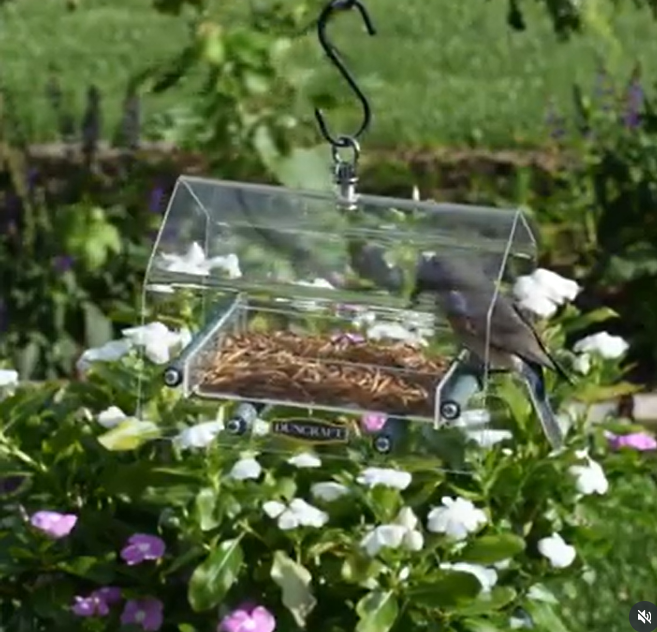
Credit@duncraftwildbirds
Platform or tray feeders are flat, plain surfaces that can store seeds, fruit, or mealworms. Put them on a table or balcony ledge. They have many varieties of birds, such as doves, jays, and finches. They have a simple clean-up and can be used in various ways because you can switch the food according to the season. To be more attractive, the tray can be placed in the middle of small potted plants to make the atmosphere more natural. Platform feeders enable more than one bird to be present, which gives a very vivid interaction on your balcony itself. It is a simple, open-ended choice of city bird lovers.
Hanging Fruit Feeder
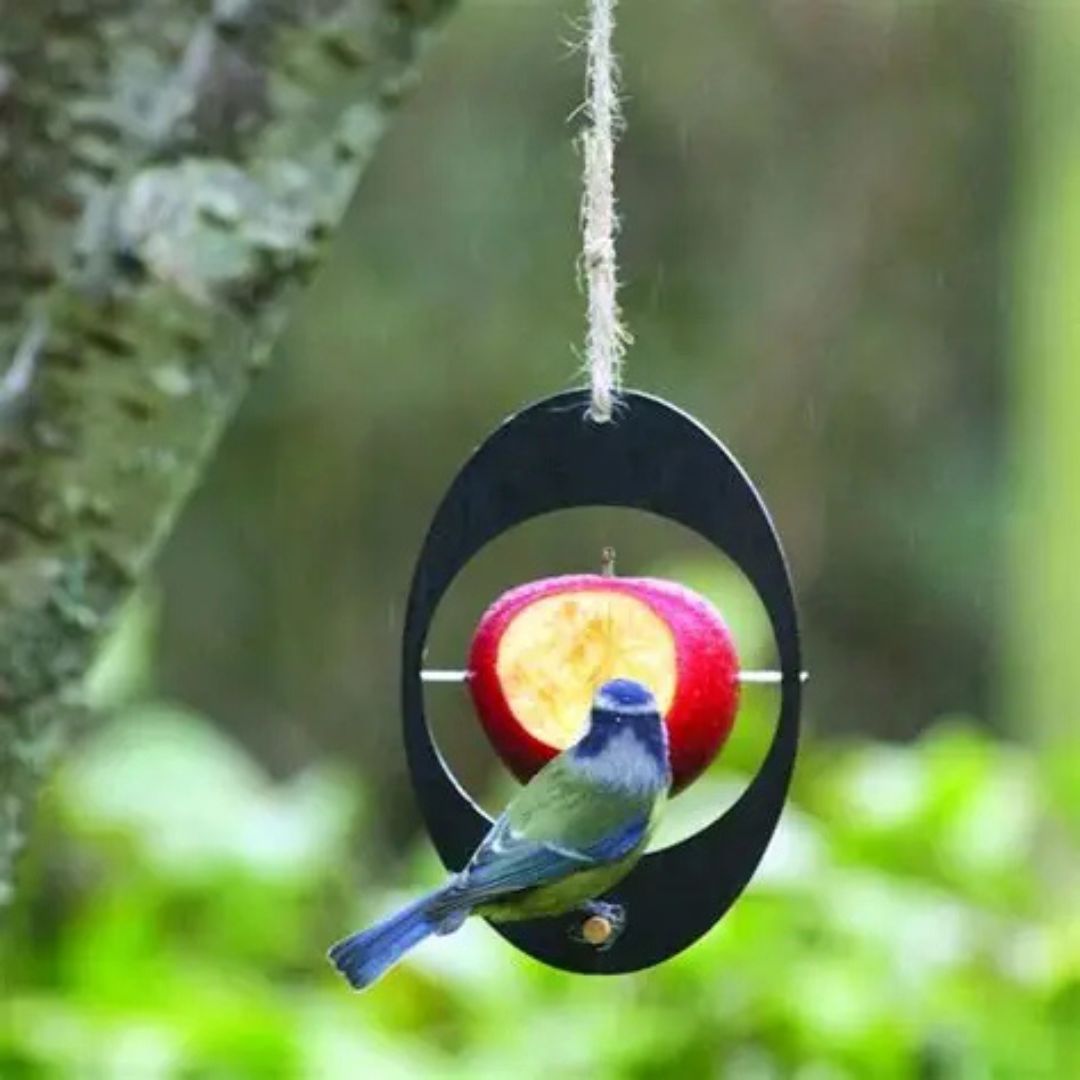
Some birds are fond of such fruits as oranges, berries, or apples. Use a fruit feeder, skew slices onto a string, or put them into a small mesh bag. Have it suspended on your balcony railing to lure orioles and robins, and waxwings. Fruit feeders are decorative and complementary to seed feeders and provide a balanced mix of birds on the balcony. Remember to take away old fruit every day so that it does not get mouldy or infested by pests. It is simple, cheap, and will create a fun addition to your balcony decor as well as provide a tasty treat to the local wildlife.
Tea Cup or Bowl Feeder
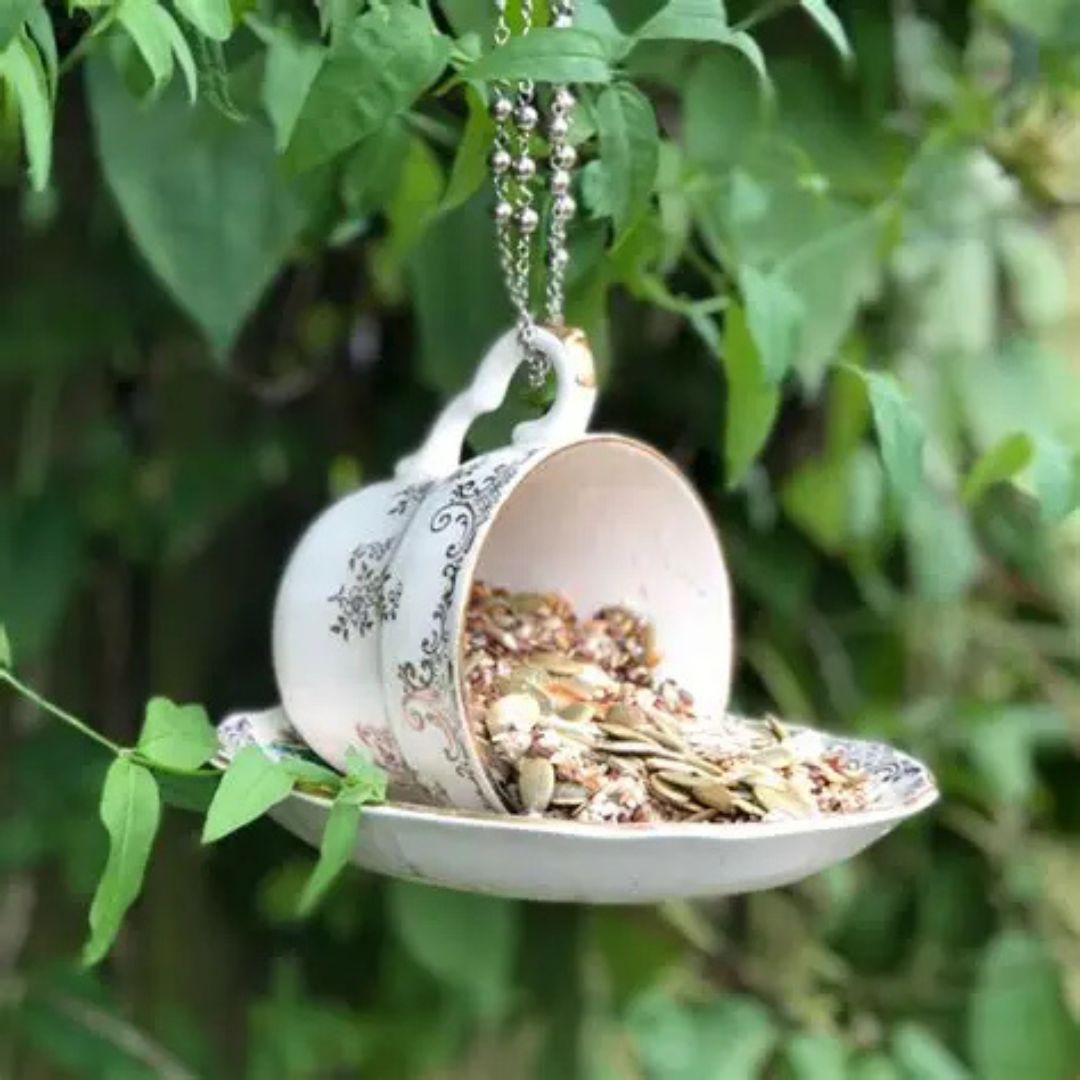
Turn used tea cups or little bowls into small feeders. Set them on a ledge of the balcony, rail, or small table. Plant them with seeds and nuts, or drink water and bathe. It is an adorable artistic means of integrating decor and functionality. It especially works with small birds such as finches and chickadees. There is an opportunity to combine and switch between various cups to make your balcony more tasteful. Make sure they are secure so that they do not spill, and clean them frequently so that they provide a secure meal area to birds.
Decorative Wooden Feeder
Credit@sondha_thegardenshop
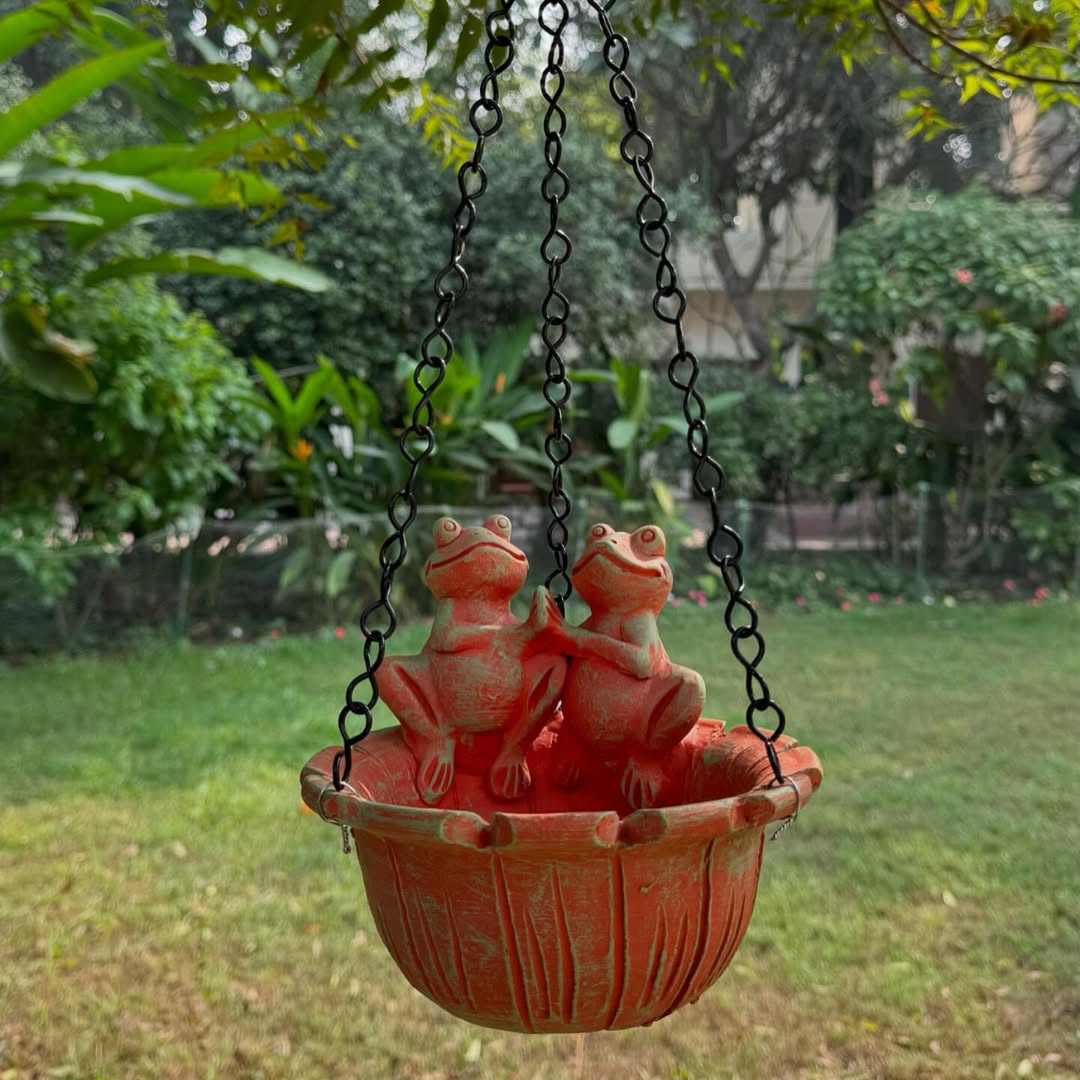
Wooden bird feeders are in a natural aesthetic and are robust. Select house-like or lodge-like designs to be hung or put on ledges. They are versatile (they can hold seeds, suet, or fruits). Wooden feeders can be mingled with the plants and outside furniture of the balconies. These feeders provide protection of some sort to the birds, and thus they are secure. They can be painted or stained to fit in, too, with your decoration of the balcony. An ornate wood feeder is very rustic and provides a platform for numerous birds. They last long and are hygienic, which is achieved through regular cleaning to have a healthy feeding environment.
Balcony Rail Feeder
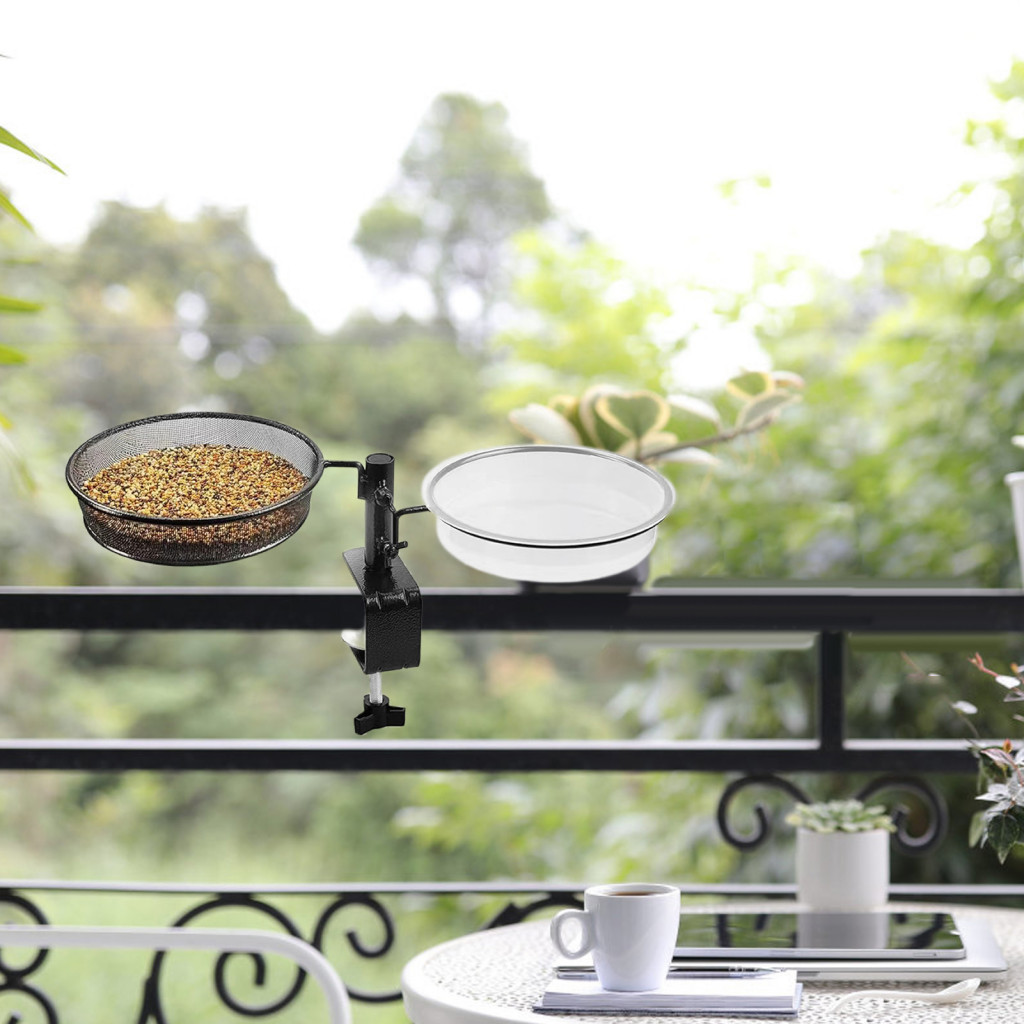
These feeders are specially designed to be hung over railings and thus can save space and provide an easy feeding station. They can contain seeds, nuts, or suet and usually have perches for the birds. Rail feeders are perfect when there is limited space and a narrow balcony, since they do not occupy space. Other models have a protective roof so that food is not affected by rain. It is a convenient solution for small apartments in cities when there is not enough space on the floor. A balcony rail feeder gives easy access to birds, allowing you being able to enjoy close-up viewing, and it does not require any extra hanging space.
Hanging Seed Ball Feeder
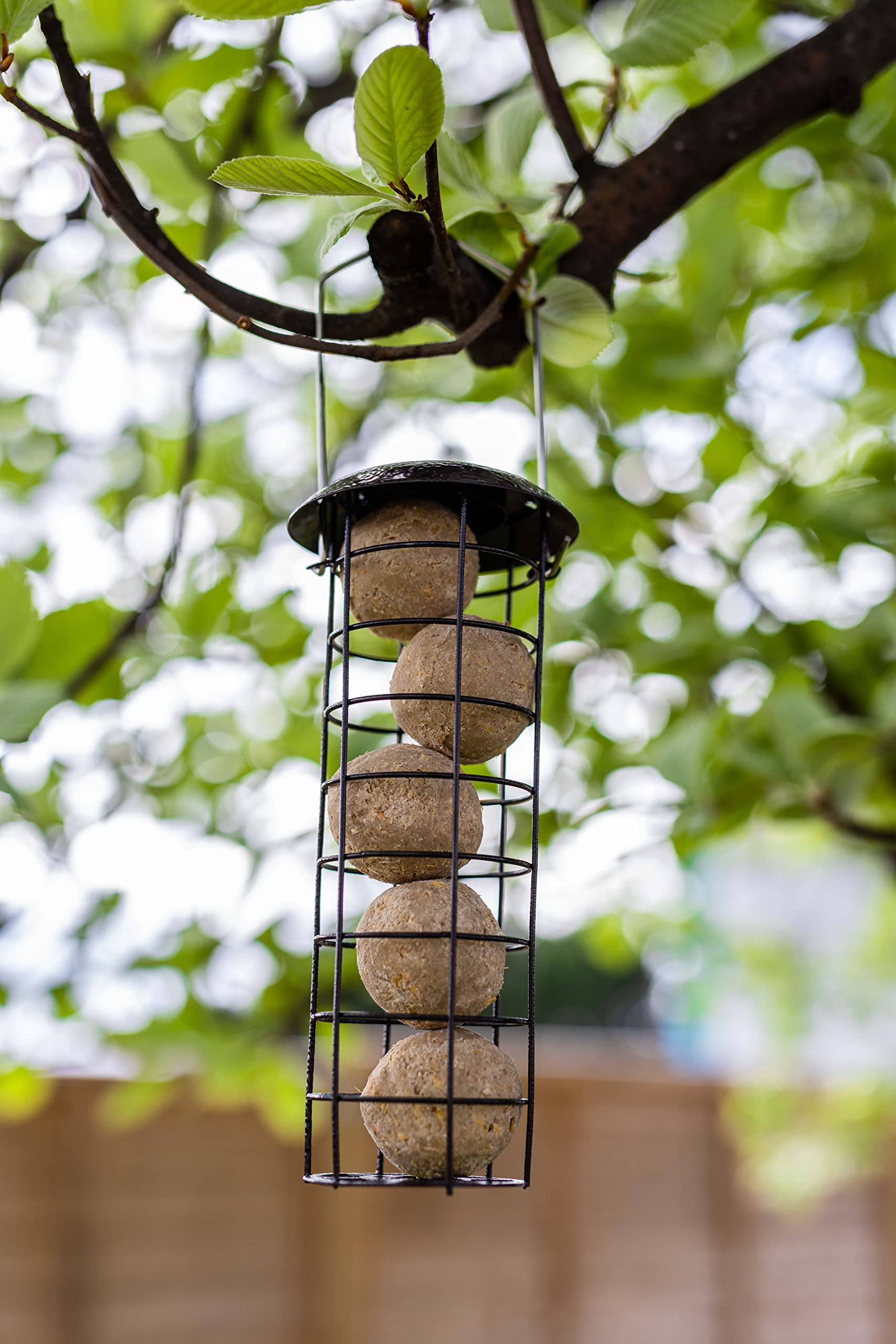
Seed balls are a unique method of feeding birds, and they provide e landscape for your balcony. Constructed by a mixture of seeds and suet or gelatin, they may be suspended by hooks or on tree branches. The birds peck at the balls and have a combination of fats and seeds. They fit into small areas and are presented in fun designs such as stars or pinecones. Seed ball feeders are also simple to replace or refill and attract finches as well as chickadees. This is a very playful, hands-on concept and a bit of decoration for our balcony.
Balcony Bird Feeder Setup Tips:
- Select the Right Feeder: Select the type of feeder that best suits the size of your balcony and the type of birds you would like to feed.
- Select a Secure Site: Feeders should be set in an isolated place to ensure that the birds are not bothered by pedestrians or other interruptions.
- Keep Feeders Clean: Clean feeders at least once a week to inhibit the growth of molds, bacteria, or disease.
- Bring Fresh Water: Having a shallow bird bath or a water dish to drink and bathe.
- Provide Quality Food: Provide fresh seeds, nuts, suet, or fruits that are appropriate to local bird species.
- Provide Shelter and Shade: Place feeders in the partial shade of sun, wind, and rain.
- Protect against predators: Do not leave feeders where cats or other predators in the neighborhood can reach.
- Rotate Food Seasonally: Rotate the kinds of food to appeal to varying birds in different seasons.
- Install Feeders correctly: fasten with a heavy hook, or in a fixed place, or by the rail, to avoid falling.
- Natural Decor: Potted plants, branches, or small shrubs can be added to make the place homey, a place birds love.
Final Thought
One of the most basic and yet satisfying methods of reconnecting with nature, in the city, is to create a bird feeder set-up on the balcony. Through proper selection of a feeder, providing good food, and making the environment safe and welcoming, you will be able to make your balcony a vibrant bird habitat. The close-up shots of these feathered guests lead to daily happiness, pe, and harmony with nature. Your balcony can also be turned into a delightful backyard oasis that helps sustain the life of the local nature and improves the appearance of the area outside your home with some imagination and appropriate maintenance.
FAQs
Q: Which kind of birds would I be able to get on a balcony feeder?
A: Depending on the type of food, it is possible to attract finches, sparrows, chickadees, doves, orioles, robins, and other local small species.
Q: Should I fill up my bird feeder too frequently?
A: Your mother should fill up your feeder every few days or when the food runs out. The birds have to be healthy and come regularly, so fresh food is what is required.
Q: May I put in my feeder some fruit or seed mixtures that I make myself?
A: Yes! Apples, oranges, and berries, homemade seed balls, or suet are the best fruits to use since they will attract a variety of birds.
Q: How do I keep the birds safe? No, how do I keep the squirrels and other pests off the bird food?
A: Install caged or weight-sensitive feeders, position feeders inaccessible, or suspend them on a hook with a risk-free distance between the feeders and surfaces on which predators can ascend.
Q: Can birds be fed throughout the year?
A: Yes, but seasonally; in winter, eat suet, in spring and summer, eat seeds, grain, or fruits, so the birds can obtain their various nutritional requirements.