![Hey Decor Girl [Latest Trending Decor Design Ideas]](https://heydecorgirl.com/wordpress/wp-content/uploads/2024/08/Heygirldecor-Logo.png)
Balcony Flower Boxes – Even when living in a small apartment, it is possible to turn your outdoor space into an inviting and colorful flower box with the help of balcony flower boxes, which are a simple but efficient method to make your space look welcoming. They would enable you to appreciate the beauty of flowers, herbs, and greenery without having to have a big yard. Flower boxes may be installed along walls, railings, or windows, and it is an easy method that allows you to utilize very little space and adds beauty and color to your home. Along with the beauty that they provide, the flower boxes placed on the balcony also have useful purposes.
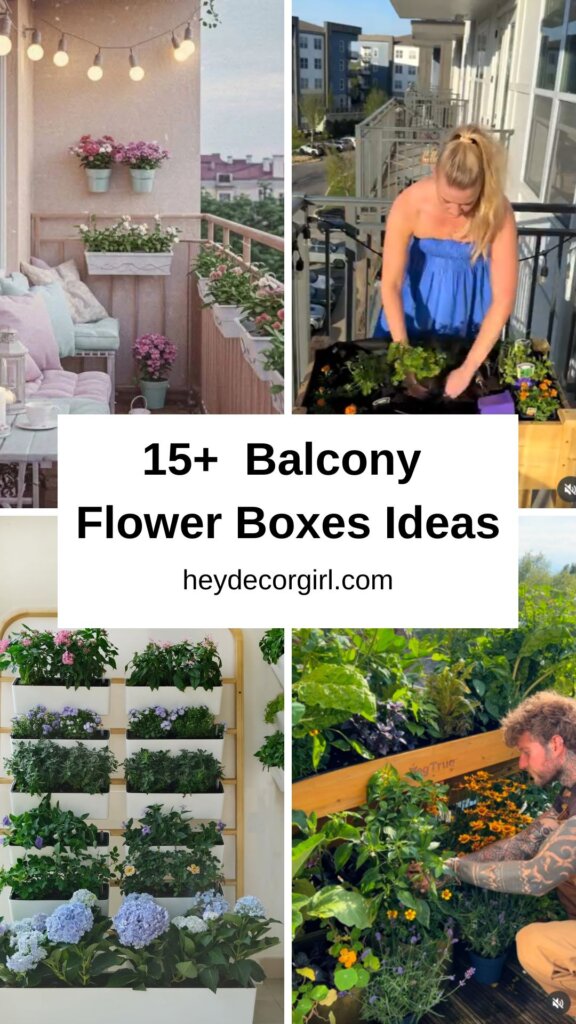
They assist in the betterment of air, the creation of a relaxing atmosphere, and can even furnish your kitchen with fresh herbs and vegetables. The ideal flowers and plants, the ideal box, and a creative layout of the selected elements can make any simple balcony a personal oasis. Bright flowering plants, fragrant herbs, or low-maintenance succulents: whether you prefer one or a combination of all these, the possibilities of customizing the design of the balcony flower boxes are limitless.
These small gardens can be cultivated all year long with adequate care, watering, and sunlight control, and provide beauty, freshness, and a semblance of nature to your place of residence. In this guide, we shall deal with tips, plant selection, and creativity to make your home have the ideal, balancing flower boxes on the balcony.
Top 10 Beautiful Balcony Flower Boxes Ideas
Here are some beautiful ideas to inspire your balcony flower boxes:
Colorful Seasonal Flowers Box
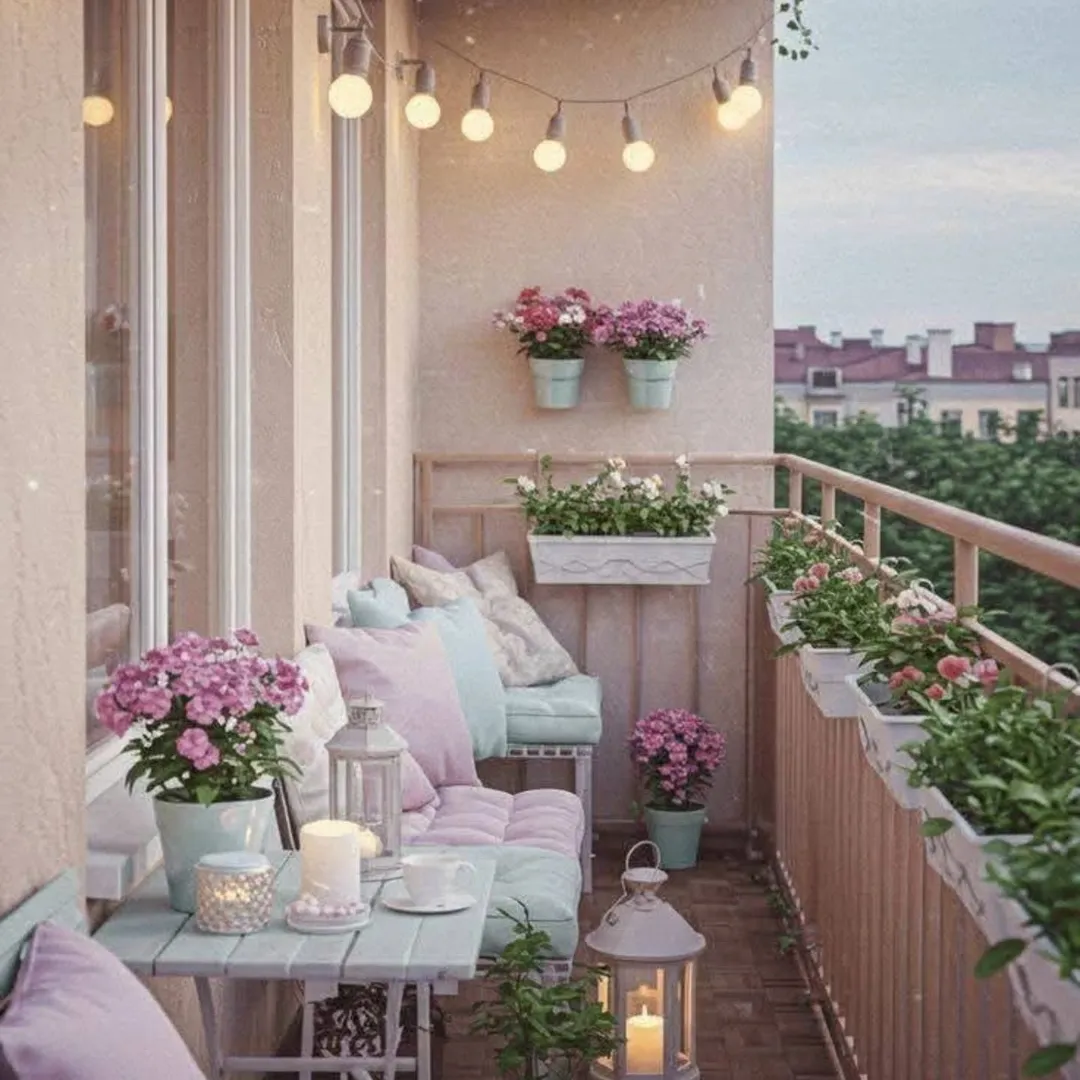
Credit@homedesignsdworld
Design a flower box on the balcony that has flowers that are in season, such as petunias, marigolds, and pansies. Turn the flowers with the changing of seasons so that your balcony is colorful throughout the year. Select a combination of colors to generate visual interest. Place taller flowers in the background and trailing varieties in the forefront so as to create depth. Seasonal flower boxes are simple to take care of and have a new appearance after several months. They fit well in an apartment that has a restricted space, and you can have the beauty of a garden but not the effort of a large yard.
Herb Garden Box
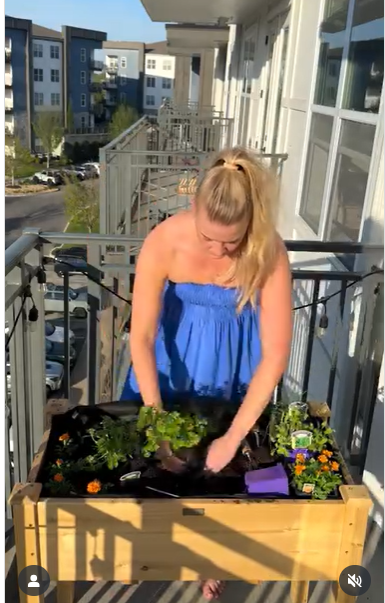
Credit@abriellesays
Make a small kitchen garden on your balcony with such herbs as basil, mint, rosemary, and thyme. A heavy flower box with good water is needed to have healthy roots. This concept is both functional and artistic, and you have fresh herbs that can be cooked at your fingertips. Mint and basil are herbs that grow well in the sun and are not difficult to maintain. Furnish each plant with little wooden labels to make it look neat. Your balcony also looks cooler with the aromatic smell of fresh herbs, making the atmosphere in the open air very refreshing.
Vertical Flower Box Garden
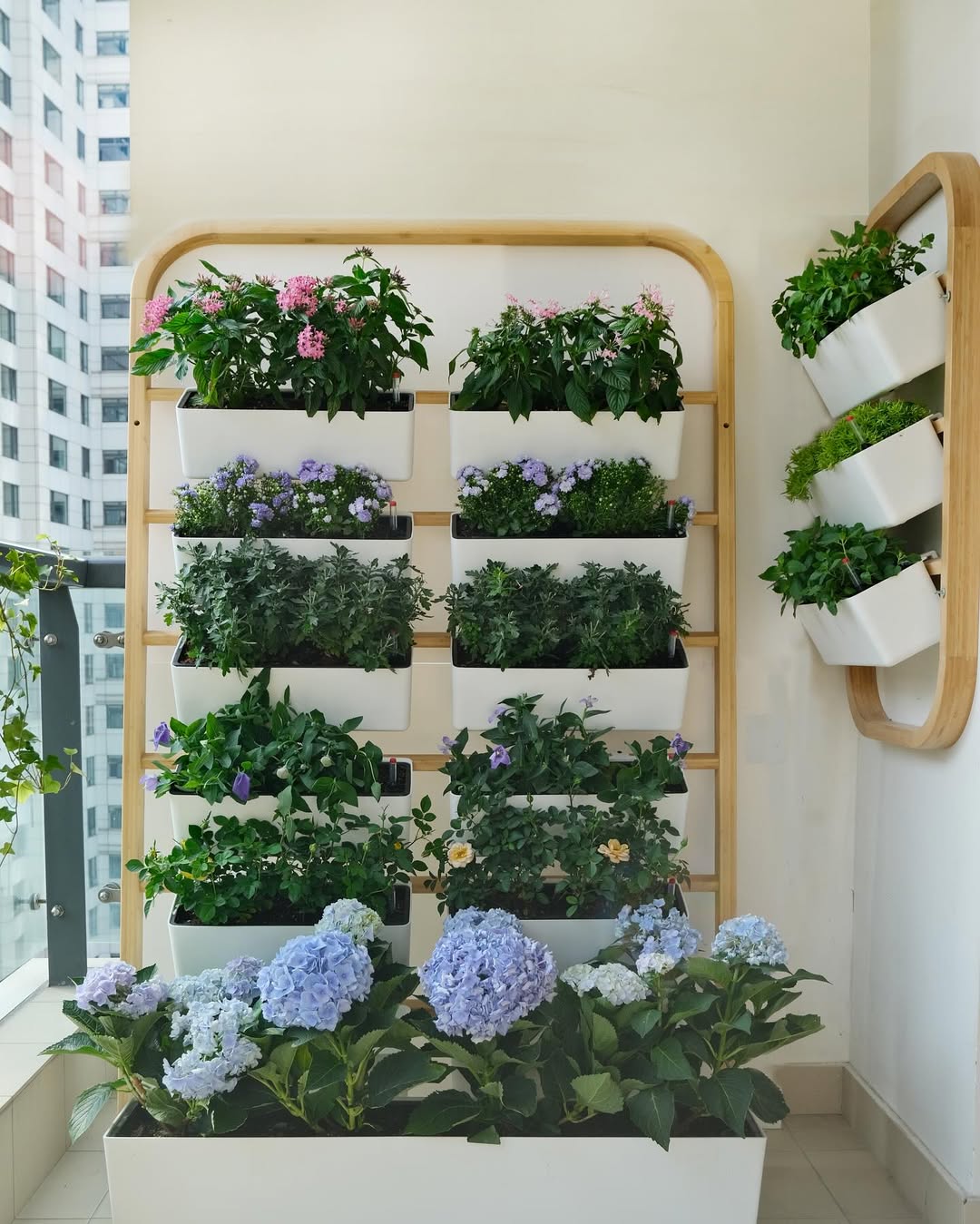
Credit@pottingup_verticalgarden
Use vertical flower boxes to maximize the limited space on the balcony. Stack planters are placed vertically on the walls or railings to create a feeling of a green wall. Such a setup will enable you to have several plants and not occupy the floor space. Plant flowers of different colors and trailing ones to have a layered, cascading appearance. Vertical boxes suit well in apartments with small balconies as they create a huge visual impression in a limited space. Also, the vertical gardens enhance privacy and can serve as a natural screen, hiding your balcony area from neighbors, and provide beauty.
Succulent and Cactus Box
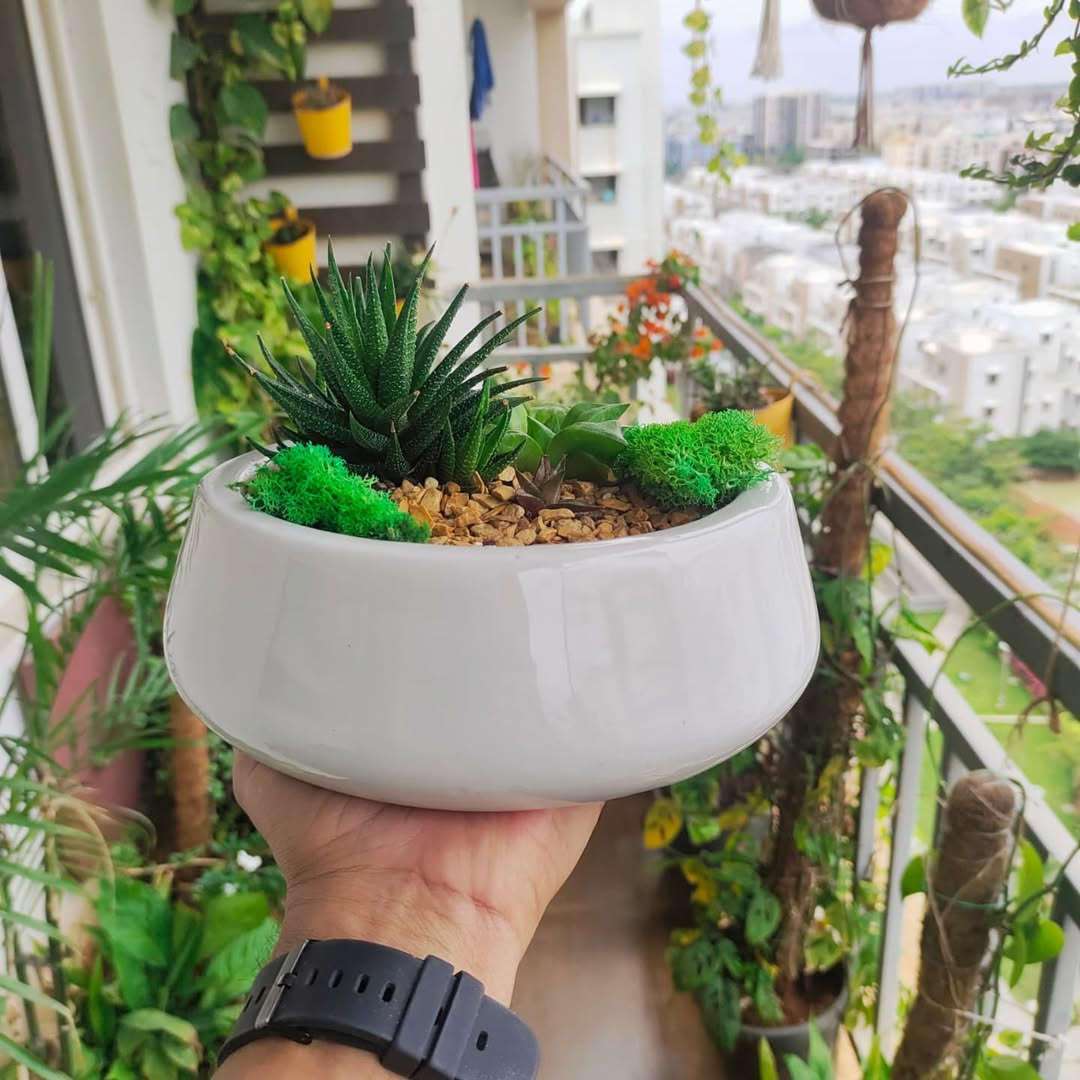
Credit@vidaverde_hyd
The best flower boxes to use in low-maintenance balconies are succulents and cacti. A shallow box with loose soil with a lot of drainage can be used to avoid overwatering. Arrange different shapes, sizes, and colors of succulents in order to build a contemporary, bumpy display. They are the ideal plants since they can grow in the open sun, and they need little care, hence suited to busy people. Use small pebbles or decorative stones on top to have a smooth appearance. Succulent boxes are not only beautiful, but also durable, such that your balcony will always be in style even when you leave them unattended without water at times.
Hanging Flower Box Display
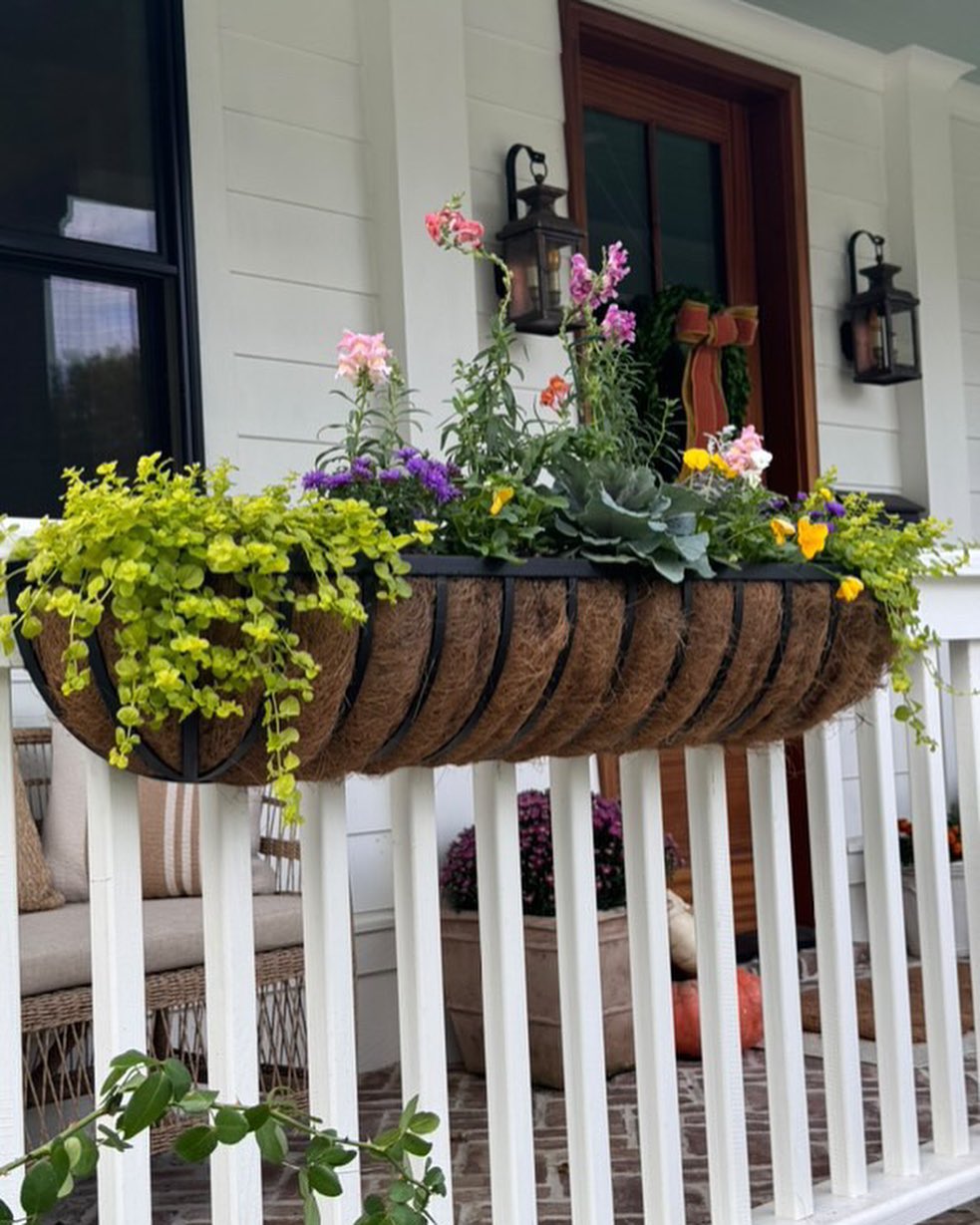
Credit@hooksandlattice
Small balconies are an ideal hangar for lower boxes. Suspend boxes on railings, ceilings, or hooks to conserve space and also provide a vertical dimension. Select cascading flowers, such as ivy, petunia, or lobelia. Hanging boxes bring out a very beautiful highlight and make your balcony look and feel like a garden. They can be adopted particularly in apartment balconies that have minimal floor space. Hanging boxes can also be combined with the traditional boxes of the balcony to create depth and variety. Watering and pruning in a regular manner guarantees good growth and a colorful show.
Butterfly and Pollinator Box
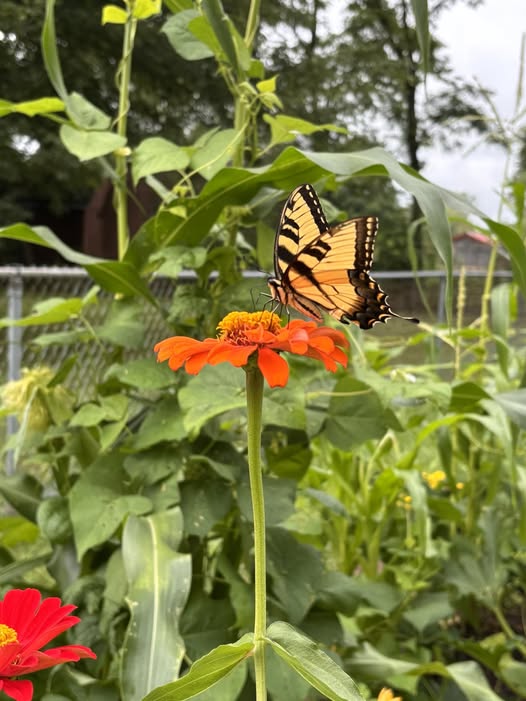
Credit@Building a Butterfly Garden
Pollute the bees and butterflies with a balcony flower box with plants that attract them: lavender, zinnia, and sunflowers. These boxes serve to benefit the wild animals locally, and create beauty in your yard. Naturally enhance the attraction of pollinators with bright and fragrant flowers. Use a combination of the heights and the textures to make the environment dynamic. In addition to being attractive, pollinator boxes not only enhance biodiversity, but they also give your balcony a vibrant appearance that is full of energy. Make sure that the box is receiving sufficient sunlight and water to keep the flowers growing, as well as the pollinators happy.
Fragrant Balcony Flower Box
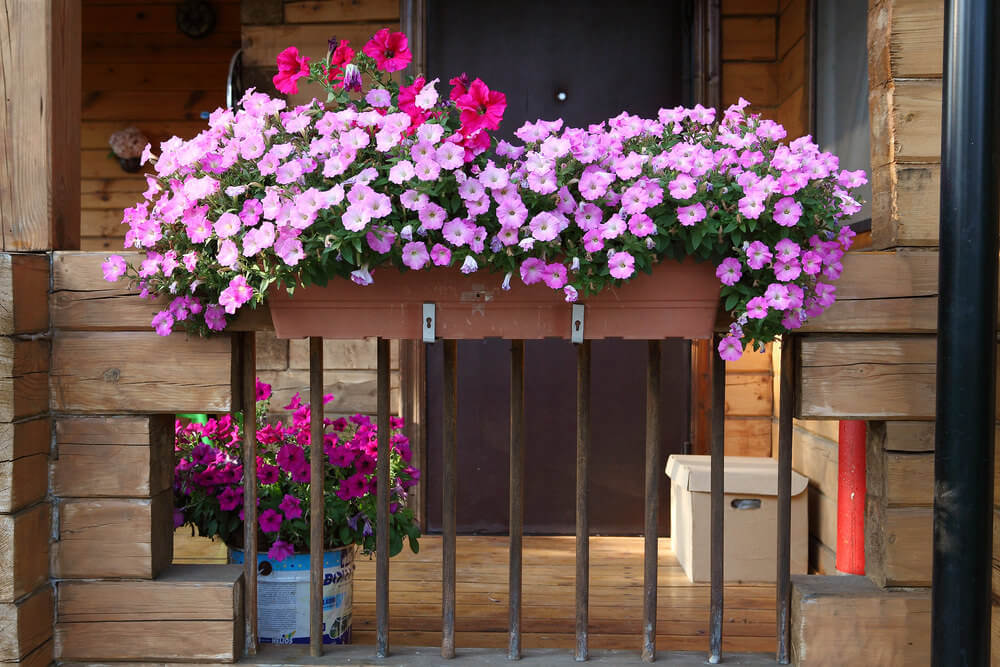
Add a rose, gardenia, or jasmine to your balcony to make it smell good. Choose a flower box where the drainage and the exposure to the sun are adequate. Fragrant boxes will help them develop a relaxing environment and a pleasant mood for their guests. Switching plants of various aromas gives a layered effect of smell throughout the day. Include some small ornamental rocks or figurines in the garden to add additional appeal. The flower boxes are fragrant and would be appropriate on a balcony with easy access to seating space or a window where you can enjoy the pleasant smell without having to go out. Periodic pruning is done to ensure good growth and prolonged flowering.
Mini Vegetable Garden Box
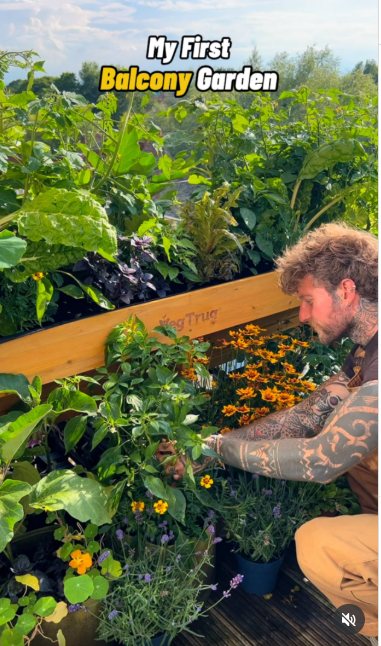
Credit@nettlesandpetals
Plant cherry tomatoes, peppers, lettuce , or radishes in a flower box on the balcony. Select a deep planter with deep and well-draining soil. This concept is a mix of functionality and design, which provides you with home-based fresh produce. Plants are grouped according to their sunlight needs and growth patterns. The company planting, such as basil with tomatoes, improves growth and serves as a natural pest repellent. One pot with a mini vegetable garden not only serves as a source of food but also converts your balcony into a useful green area. A healthy harvest is guaranteed by regularly watering, fertilization, and pruning during the growing season.
Mix of Perennials and Annuals
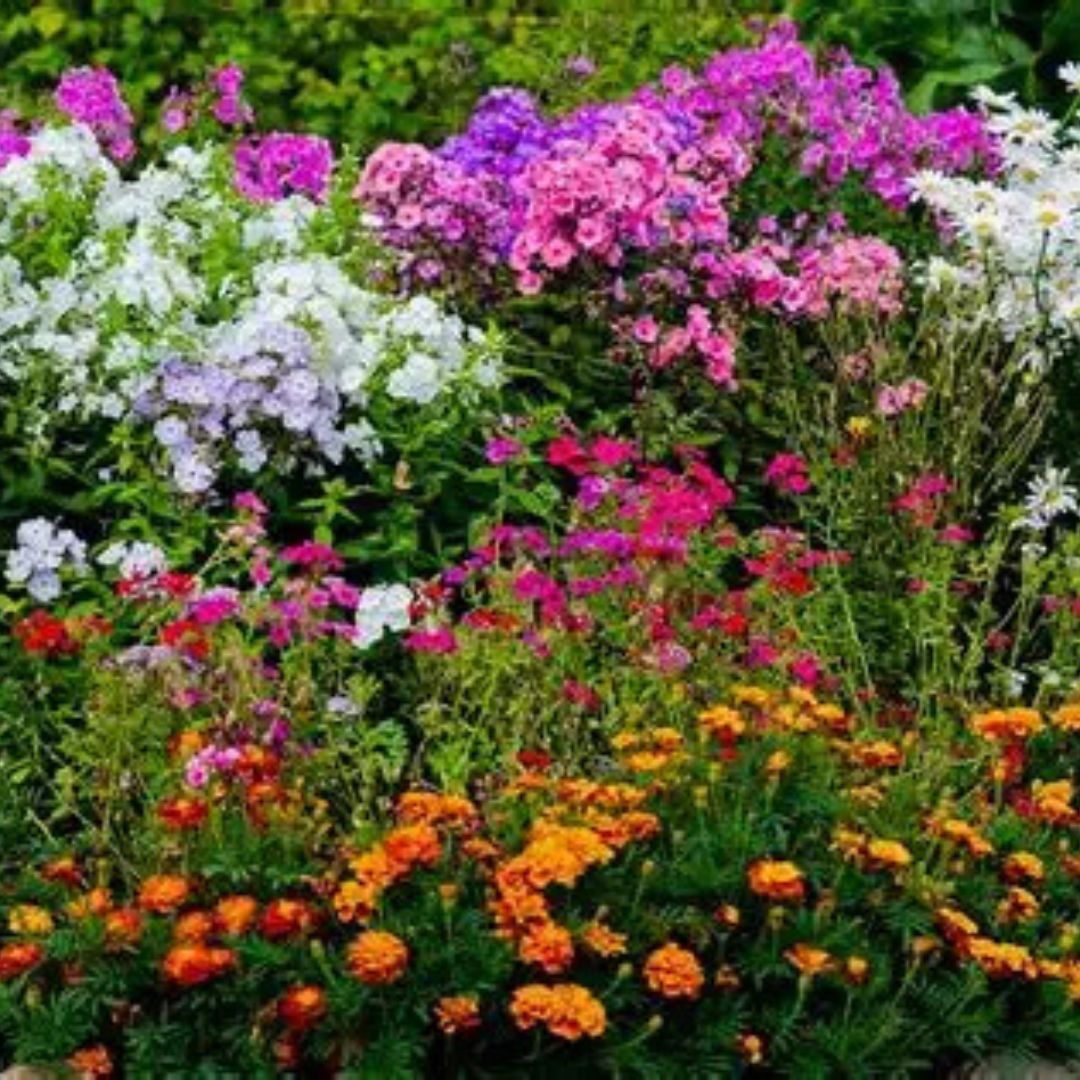
Plant perennials, such as lavender, with annuals, such as marigolds or petunias, in the same box on the balcony. This gives the effect of a garden that is in blossom at various times of the year, with long-term beautification. Perennials provide the structure and stability, whereas annuals provide the bursts of color in any season. Visual interest is achieved by using different heights, textures, and foliage colors. This combination minimizes maintenance since perennial crops will produce each year, whereas the annual ones can be replenished every season. With the help of a balcony flower box that is planned to include both types of plants, you will be able to enjoy constant flowers with minimal effort put into it.
Themed Balcony Flower Box
Credit@strackkwallshelves
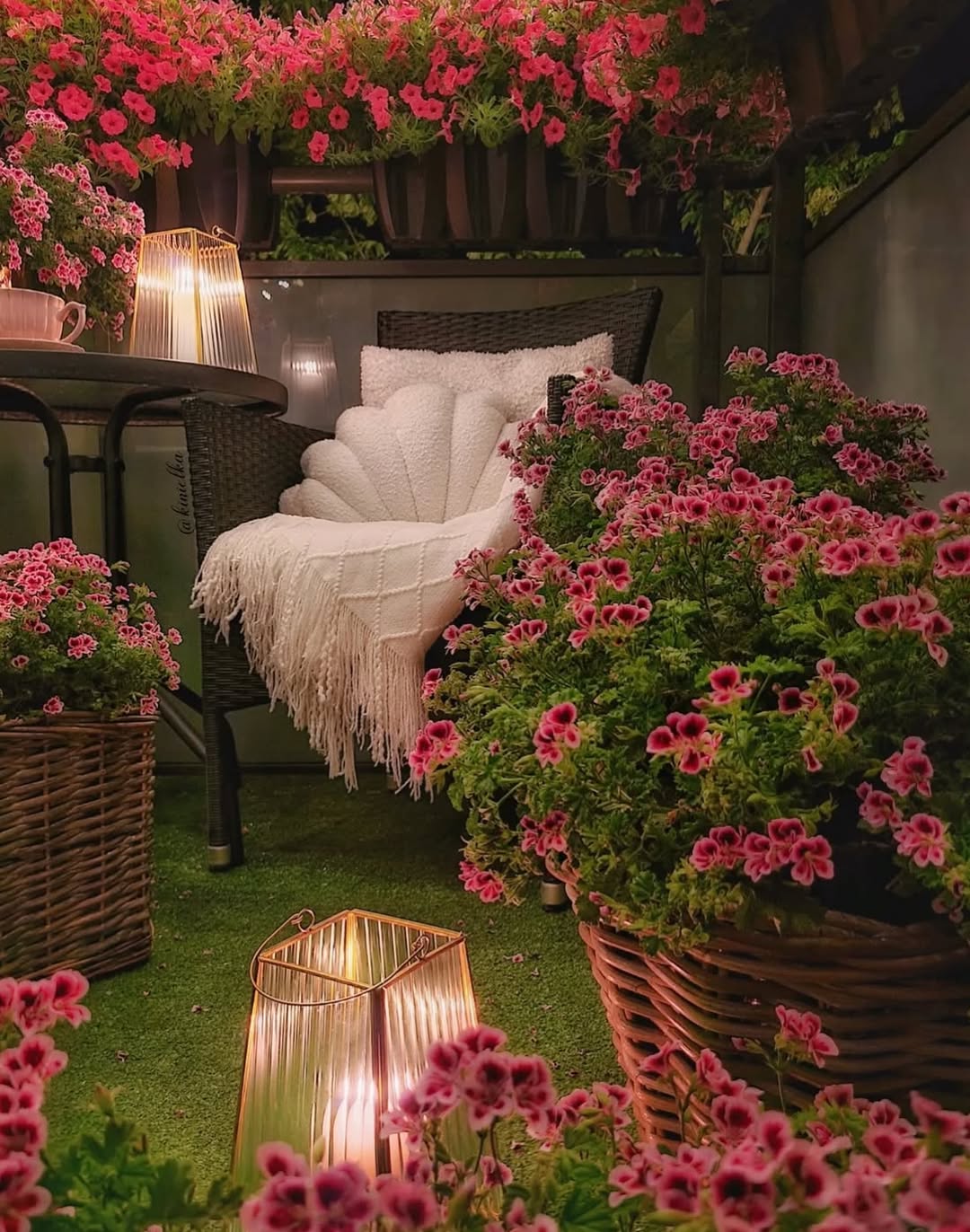
Use a themed flower box like an Asian haven with hibiscus and ferns or a pastel garden with pink and white flowers. Themes are boxes that will make your balcony look aesthetically together. Other additions that match the theme are the addition of matching decoration materials such as stones, miniature statues, or colorful pots. The seasonal use, such as the use of marigolds and chrysanthemum during autumn and tulips and daffodils during spring, brings freshness and excitement to the year. Themed flower boxes are a personal choice that represents your personal style and makes your balcony an Instagram-worthy statement garden.
Decorating & Arranging Balcony Flower Boxes
- Mix Heights and Layers:
- Put taller plants (such as sunflowers, snapdragon, or herbs) in the back of the box.
- The center has medium height plants, front plants are trailing or creeping, and create a cascading effect.
- This gives it thra ee-dimensional look and fills out your balcony garden and making it look more professional.
- Use Complementary Colors:
-
- The color of the flowers should be matched with other flowers or the decoration of the entire balcony.
- To make it look very vivid, combine colors that do not go together, such as purple and yellow or pink and white.
- To achieve a calm atmosphere, it is better to use soft pastel mixes or the same color.
-
- Incorporate Trailing Plants:
- Plant at the edges of boxes with trailing ones like ivy, lobelia, or petunias.
- They make the edges soft, provide a cascading waterfall effect, and make the scene interesting to the eye.
- Add Decorative Elements:
- Enhance beauty using little garden decorations, fairy lights, or colored pebbles.
- The balcony may be made homey and welcoming with mini birdhouses or lanterns.
- Try Vertical Arrangements:
- Wall-mounted or hanging boxes should be installed to create more height and save space
- Small balconies are ideal sites for vertical gardens that form a green background.
- Seasonal Themes:
- Turn the flowers by the seasons, spring tulips, summer petunias, fall chrysanthemums.
- This will make your balcony colorful and green throughout the year.
- Use Matching Planters:
- Use the same box to create a sleek, unified appearance, or use a combination of styles to create a more eclectic, creative feel.
- Match the colors of the balcony furniture or railings to the coordinate planters..
- Create Functional Zones:
- Use ornamental flowers with edibles, such as herbs or tiny vegetables.
- It is possible to have a double-purpose garden, and it is pretty and useful.
- Ensure Proper Spacing:
- Do not be crowded together; spacing should be maintained.
- Correct spacing provides circulation of air and lowers the chances of diseases and pests.
- Layer with Textures:
- Potential visual interest using plants of varying shapes and textures of leaves.
- The spiny leaves or the fuzzy plants should be mixed with the soft foliage or the plants with smooth leaves.
Conclusion
Balcony flower boxes are the easiest but an effective method of adding beauty to your outdoor area, freshness, and life. You can have beautiful flowers, sweet herbs, and even fresh vegetables without t traditional garden, even if you have a small flat or a large balcony, as these boxes can accommodate it all. Considering the choice of plants, how they are placed, and how they are taken care of, your balcony can be a colorful oasis that expresses your image and personality. This variety of heights, colors, textures, and seasonal themes allows you to make your own beautiful and functional balcony garden that will enhance your living environment, be a relaxing experience, and a visual delight to your guests. Begin small, be becreativee, and see your balcony bloom beautifully all year round.
FAQs
Q1: What is the frequency of watering of balcony flower boxes?
A: Water the soil when it becomes a little dry, which is typically 2-3 times a week. Frequency is determined by weather, type of plant, and the material of he container.
Q2: Is it possible to plant vegetables in flower boxes on the balcony?
A: Yes! Cherry tomatoes, peppers, lettuce, and herbs are crops that thrive in containers that are exposed to sufficient sunlight and soil that is iswell-drainingg.
Q3: Which plants can be best used in small balconies?
A: Plants that require low maintenance, such as succulents, herbs, trailing ivy, and small flowering plants, can fit in the limited area.
Q4: What do I do to keep away pests in flower boxes?
A: Control the number of insects and diseases by using natural remedies such as neem oil, companion planting ,and frequent pruning.
Q5: Are there any flower boxes that can survivewinter on aa balcony?
A: Yes, using cold-tolerant incur plants such as pansies or evergreens, or carrying boxes inside when there is a frost or other bitter winter conditions.