![Hey Decor Girl [Latest Trending Decor Design Ideas]](https://heydecorgirl.com/wordpress/wp-content/uploads/2024/08/Heygirldecor-Logo.png)
Cattle panel fence is a strong, durable, and inexpensive form of fencing that is very common in farms, ranches, and even in home gardens. Its panels are made of heavy-duty galvanized steel, and that is why it is long-term and cannot be destroyed by rust or weather conditions. These fences are meant to ensure that animals such as cows, goats, sheep, pigs, and horses are safely kept in mind, as well as to keep undesirable predators or pests out. Cattle panel fences enjoy a lot of popularity since they are affordable to install and maintain, and can be utilized in numerous ways besides keeping livestock.
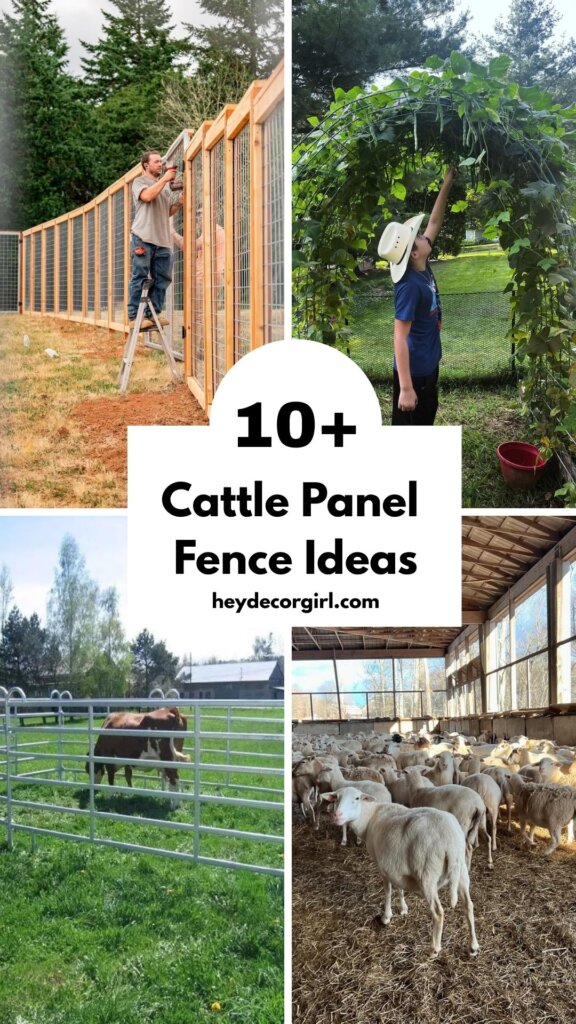
Cattle panel fences are also used by homeowners to enclose gardens, construct trellises for increased climbing plants, or to provide secure enclosures for pets. They are not easily rotted, warped, or broken, as is the case with wooden fences, hence they are a good investment for the person who requires a sure way of fencing. The size of the panels is typically standard, 16 feet long and about 50 inches high, and thus easy to plan and install. Due to their robust design and usefulness, cattle panel fences are viewed as one of the most effective and affordable fencing choices for both land use and suburban areas.
Popular Cattle Panel Fence Ideas
The following are ten ingenious and practical ideas of cattle panel fences with their own advantages:
Normal Livestock Enclosure
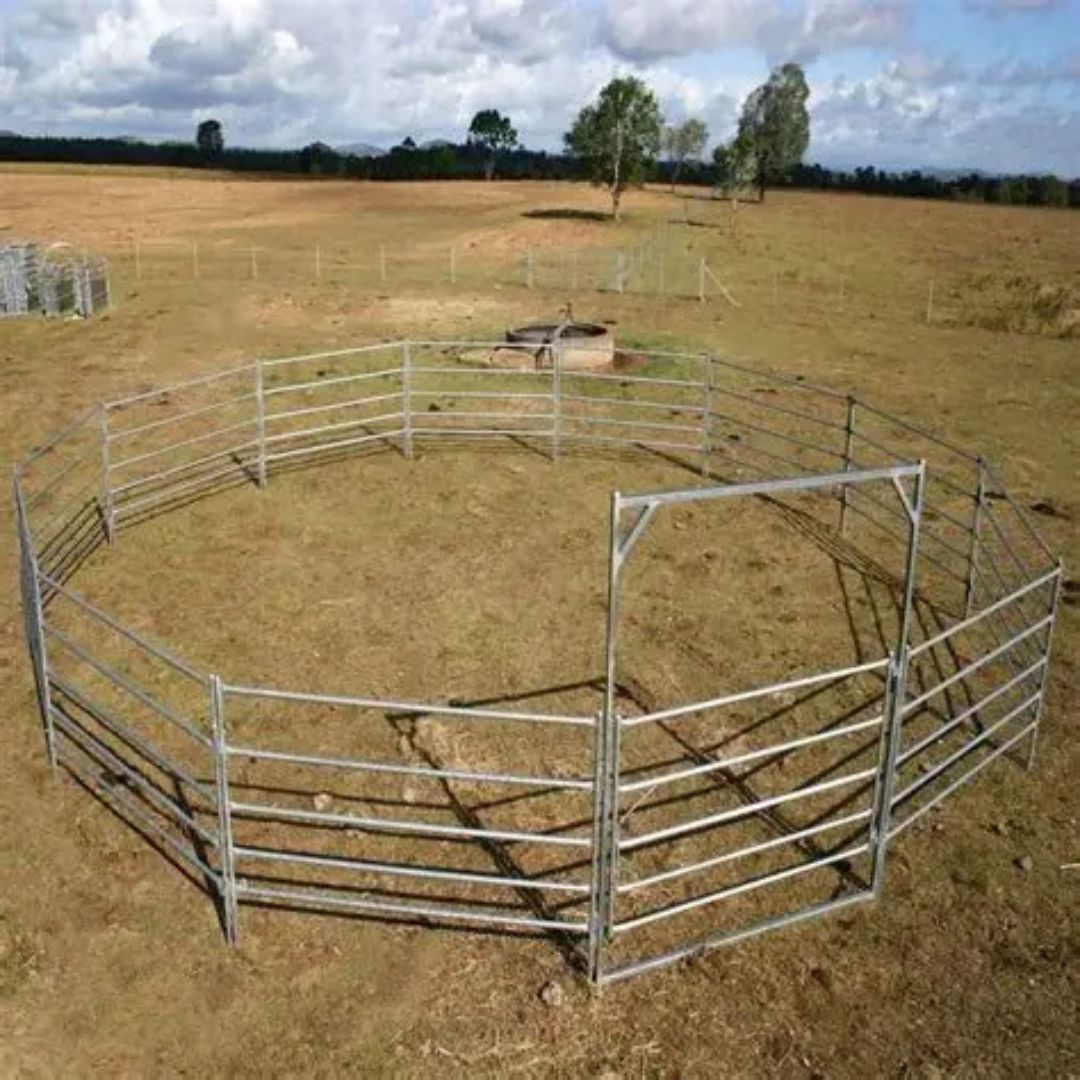
A conventional cattle panel fence is ideal in ensuring the safety of livestock such as cows, horses, goat, and sheep are kept. It is constructed with galvanized steel panels, which are firmly anchored on T-posts or wooden posts. This kind of fence is made to withstand the pressure of big animals, and it does not bend or break. This is because the open panel design is non-obstructive to visibility, giving you the capacity to check on your animals easily, and the animals have ample space to move around. It is a cheap, long-lasting solution for farmers and ranchers who require a strong and dependable enclosure for their livestock.
Garden Protection Fence
Credit@onpointbuilt
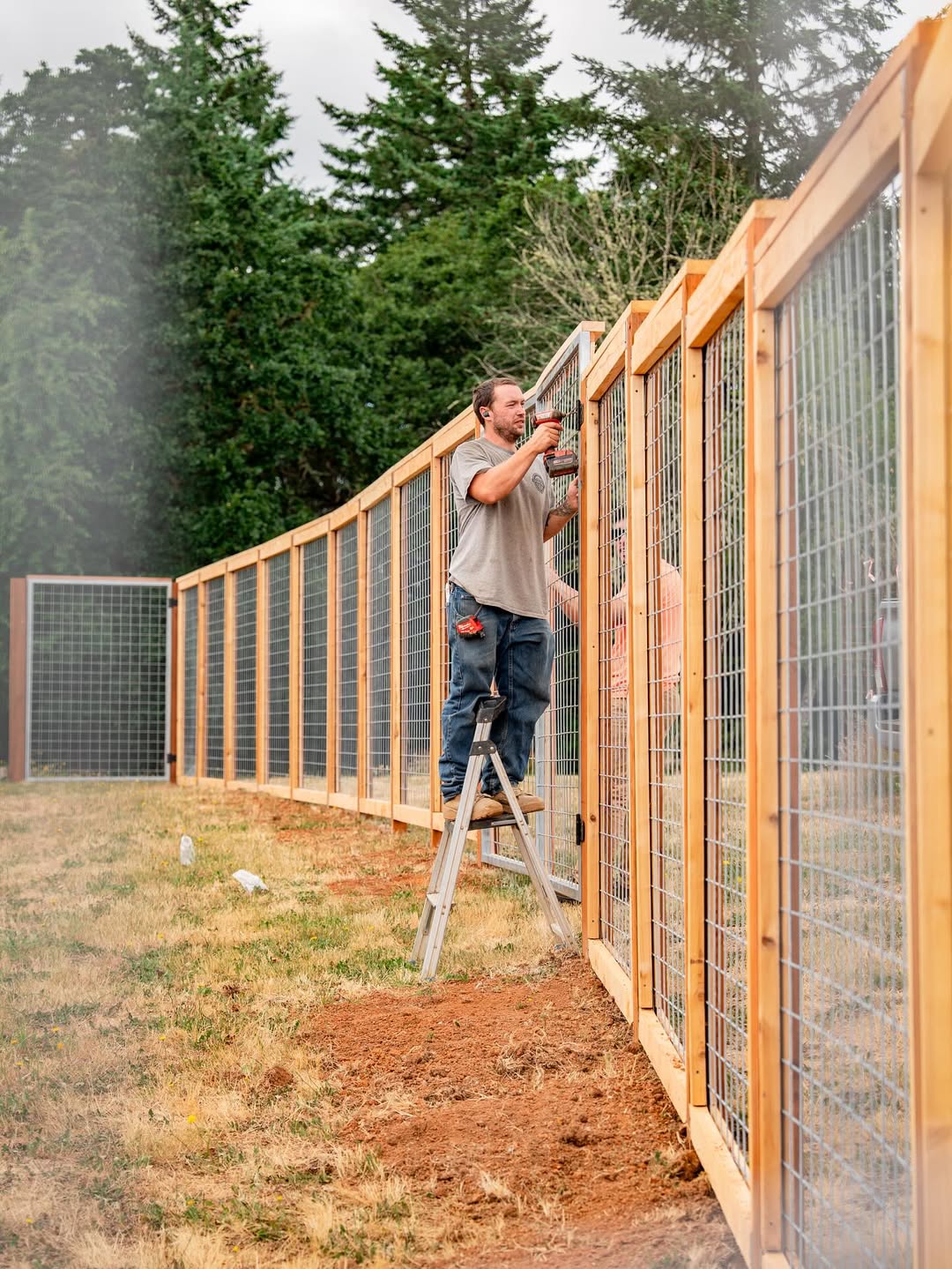
A cattle panel fence is a great choice should you want to secure your garden against deer, rabbits, and other pests. It is high so that animals cannot jump over it, and I can not squeeze through the narrow grid spacing on the bottom. It does not seal in sunlight or air like wooden fences do, and this makes your plants grow healthier. Galvanized steel material is a low-maintenance garden material, which does not corrode and is resistant to weather. It suits well vegetable gardens, flower beds, and fruit orchards so that you can be certain of keeping your crops safe throughout the season.
Decorative Rustic Property Border
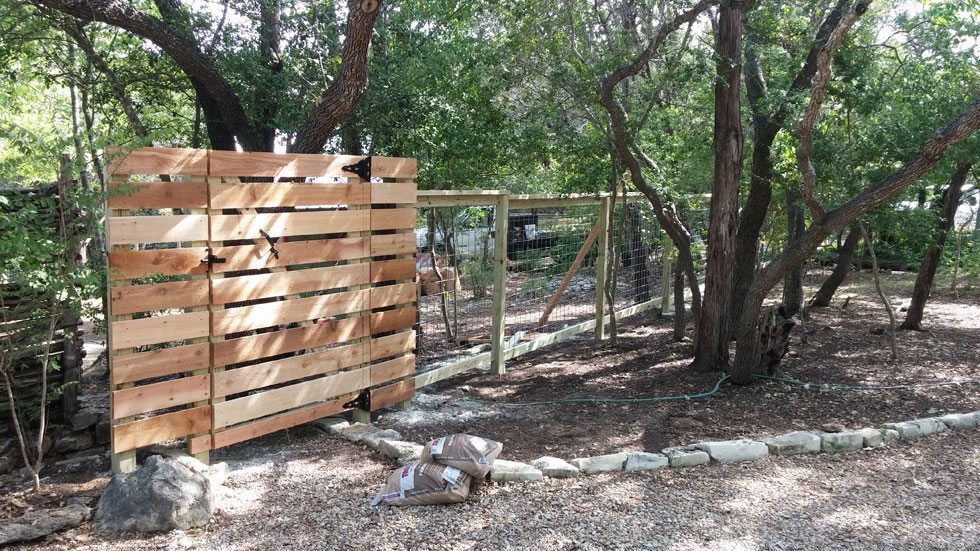
To give the farmhouse-like appearance, cattle panels in combination with wooden posts make a rustic property boundary fence. This design is functional and appealing to the eye; thus, it suits well in a rural home or a ranch-style house. The animals are confined or locked out with the help of the steel panels, and the wooden frames give the structure a natural decorative appearance. You may even paint or stain the posts to suit your exterior at home. Such a fence is durable enough to be used for years, and it creates a safe and beautiful border for your property that does not contrast with the natural environment.
Cattle Panel Trellis Arch
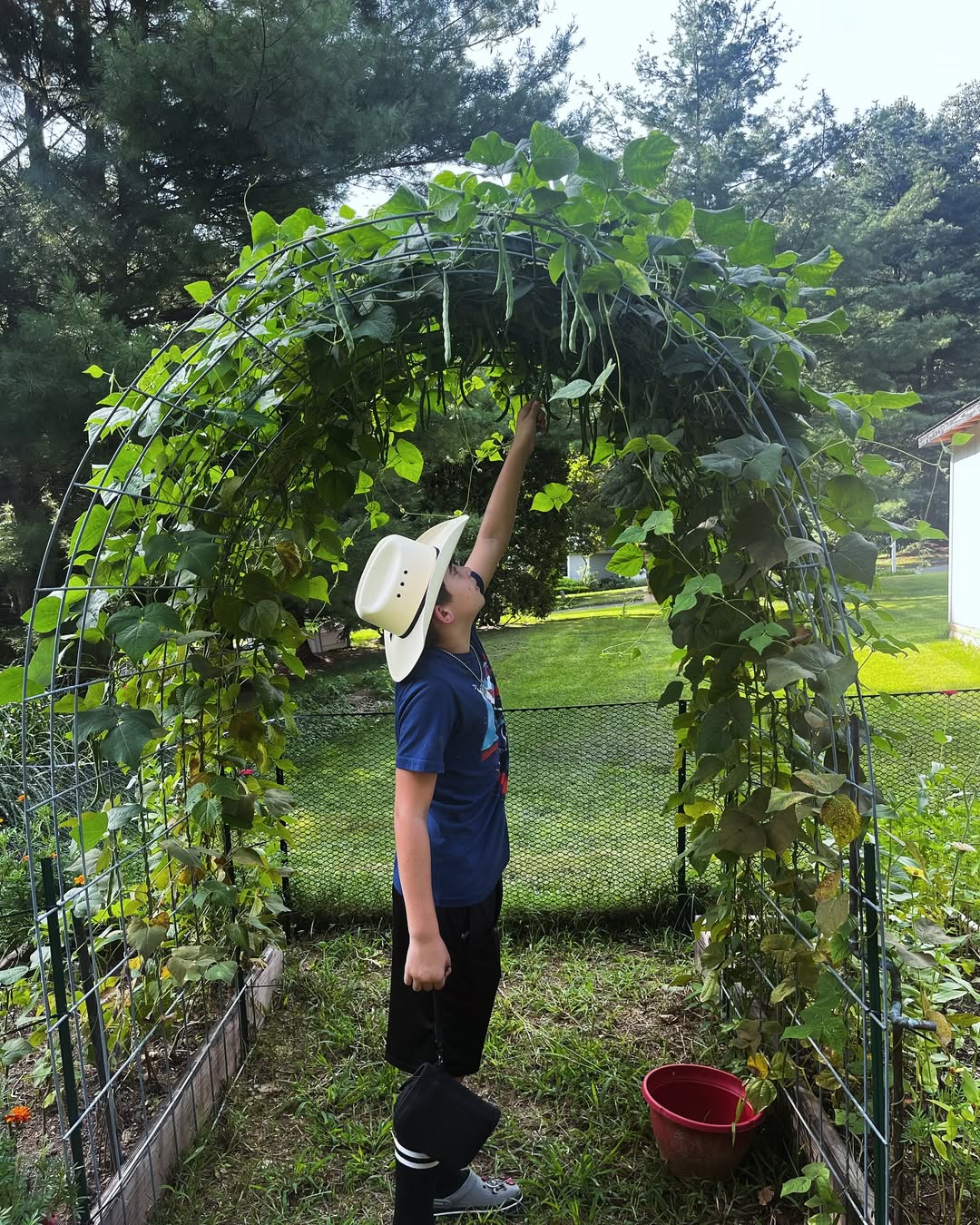
Credit@pure.sas
Make cattle fences into pretty trellis arches where climbing plants may be grown, cucumbers, beans, peas, or flowering vines like roses and wisteria. Just curve the panels in the form of an Arch and fix them using posts or stakes. It is the ideal design to be used in gardens and backyards, as it adds ornamental value to the landscape, as well as providing great stability to the heavy vegetation. It is a cheap DIY project that can be assembled without difficulty and can be used as a beautiful entry to the garden, or a walk and feature. It also uses less space since it produces plants in an upright position and thus organizes your garden and makes it more productive.
Goat and Sheep Pen
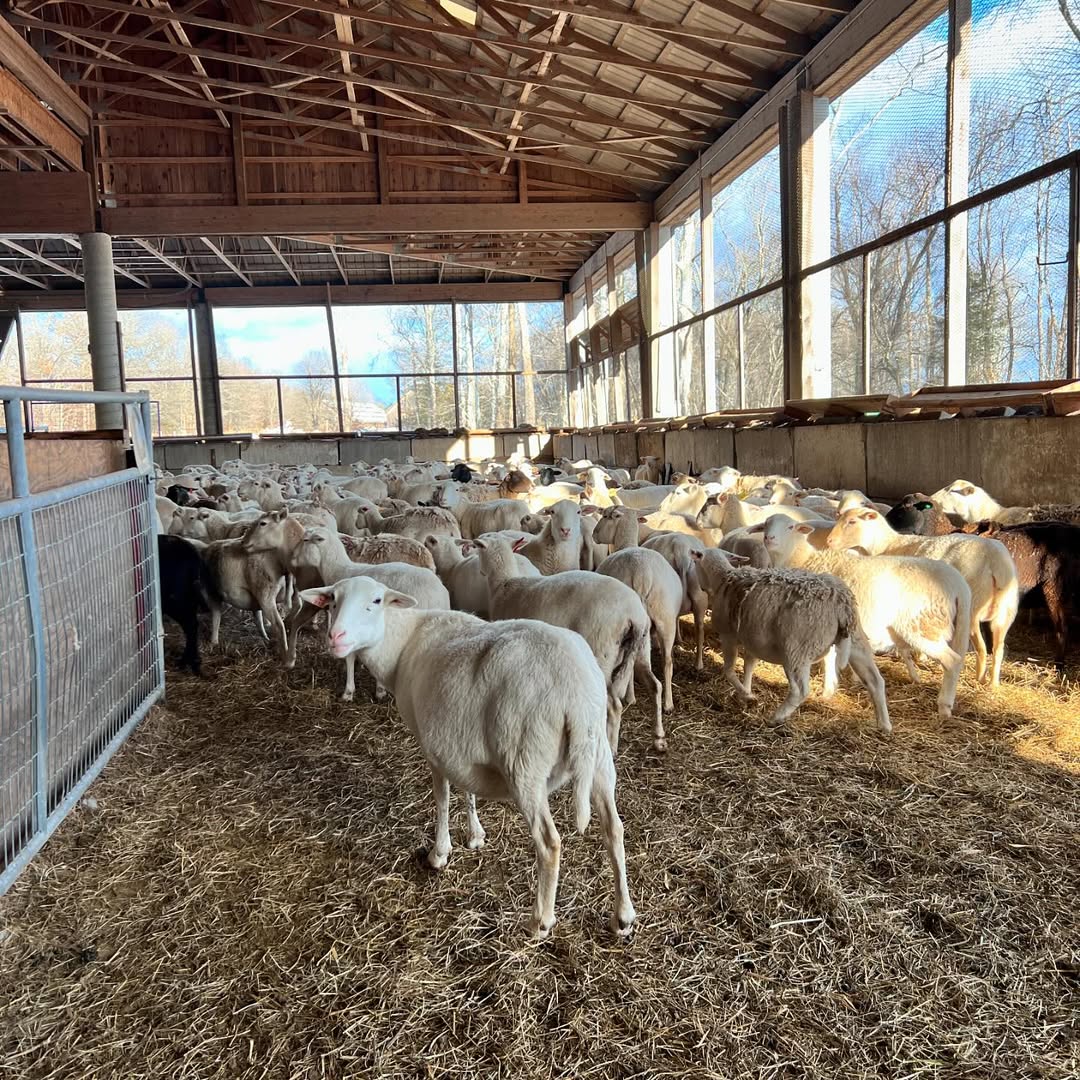
Credit@doublebrookfarm
Goats and sheep are reputed to run away out of enclosures, hence a strong cattle panel fence is needed. The close spacing between the grid bars at the bottom inhibits the sticking of goats’ heads in the grid bars, and the solid steel structure does not allow pushing and climbing. The fence will create a safe and secure place to keep small livestock, nd at the same time monitor their movements without any difficulty. It suits perfectly in homesteads and small farms that need a solid solution that will secure containment of animals without the need to repair or replace them all the time.
Backyard Pet Enclosure
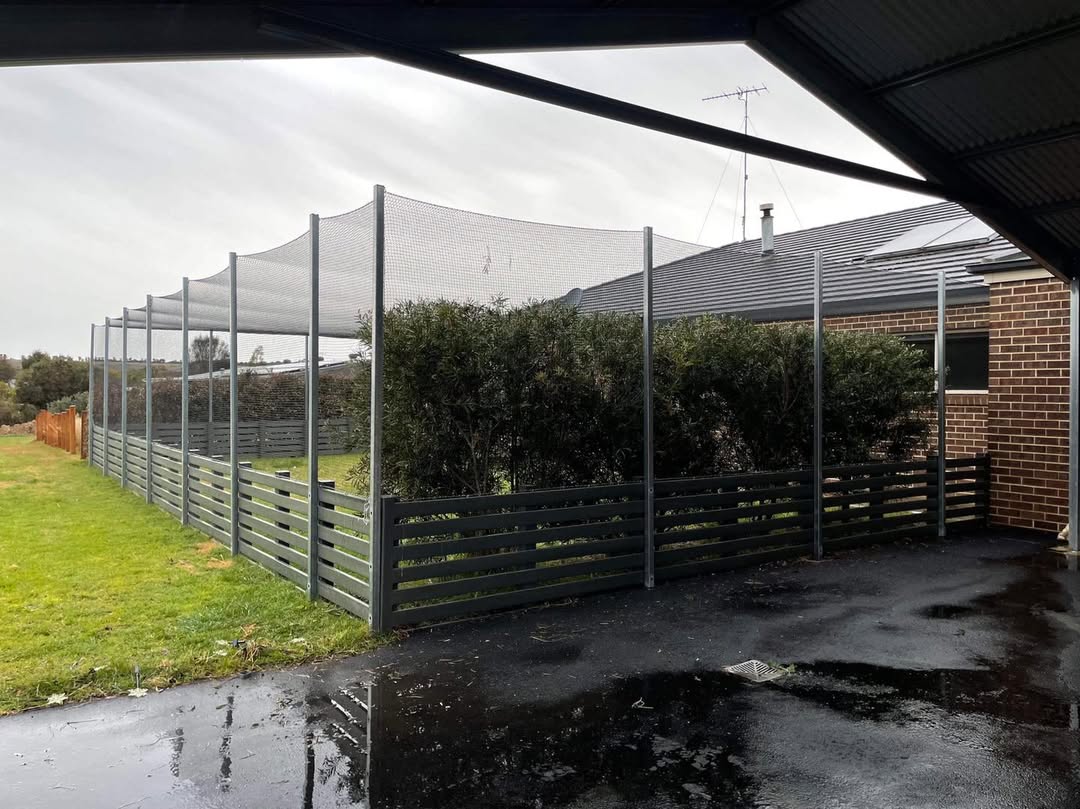
Credit@petnetsvictoria
Cattle paneling is very good to provide an outdoor environment that is safe for pets other than rabbits and dogs. This fence will enable pets to play and to be safe at the same time, as they will avoid traffic, predators, or other dangers. The transparent architecture is transparent and allows the flow of air, which is suitable in hot weather conditions. You can even make the enclosure the size you want in order to fit your yard, and even install a gate that would enable easy accessibility. It is quite affordable and long-lasting, unlike the pre-made pet pens, which are quite costly and may not last long depending on the family and house conditions.
Compost Bin Structure
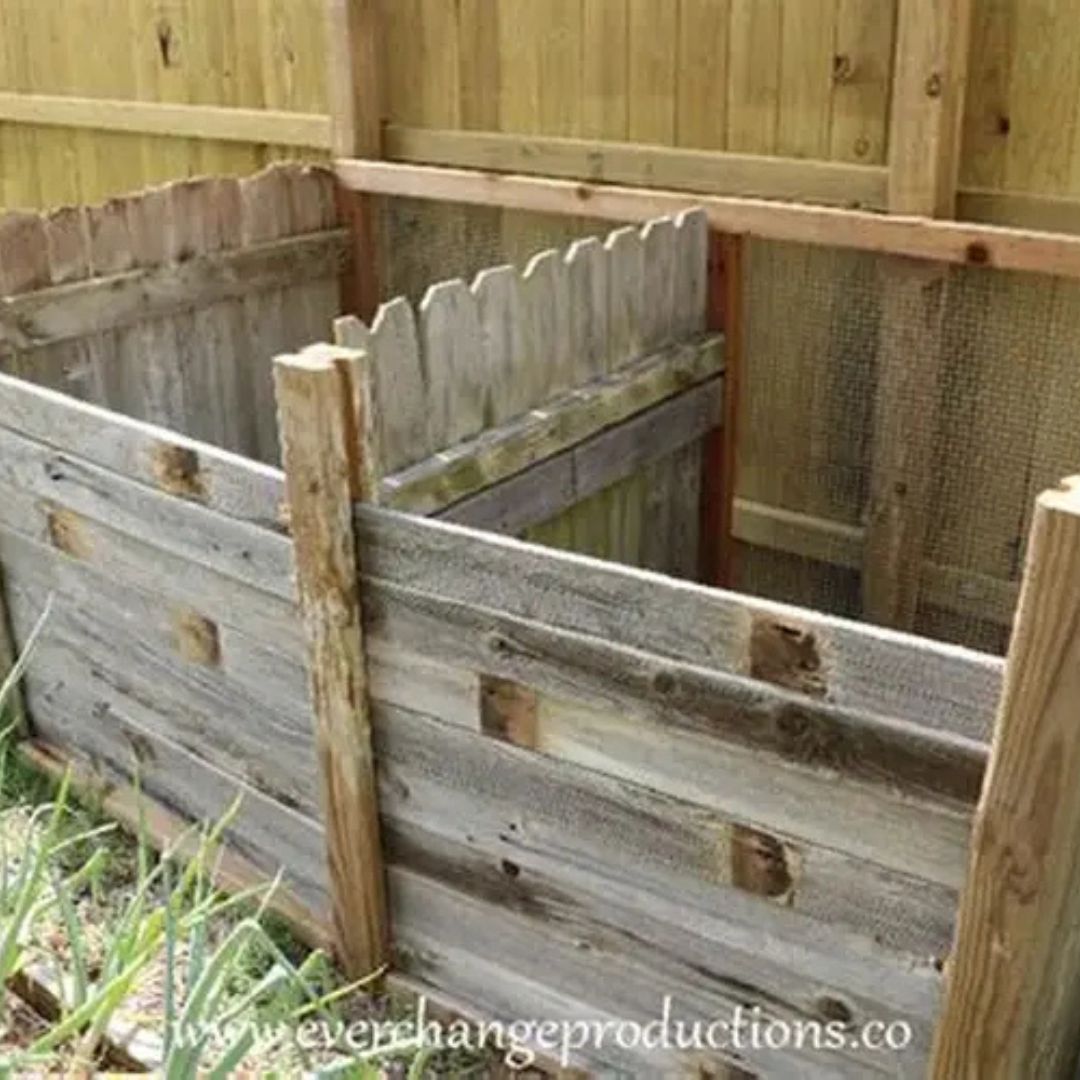
It is possible to create a strong and breathable compost bin by using a cattle panel fence. The open design will ensure the air can move freely, and this will accelerate the decomposition process and also prevent any pests and wild animals from accessing your compost pile. By breaking the panels down into compartments, it is easy to create multiple compartments of various stages of composting. Such a system is economical, environmental, and easy to put together. It is ideal for gardeners and farmers who desire to have an orderly means to recycle their own organic waste and generate compost that is rich in nutrients to be used on their soil.
Portable Temporary Fence
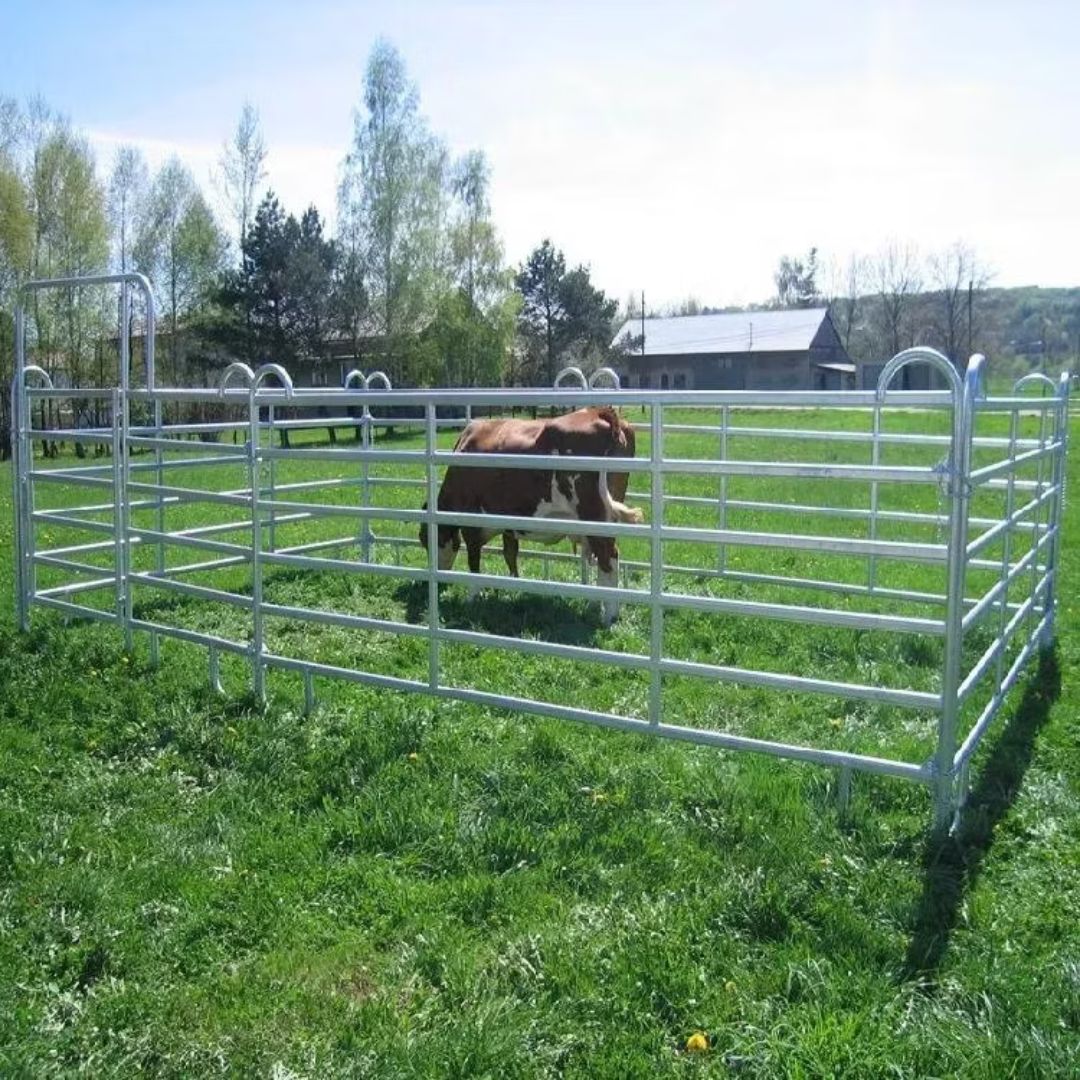
A portable cattle panel fence would be a perfect solution for fthe farmerswho practice rotating grazing fields. The panels are easily portable and lightweight, and thus, you can erect temporary enclosures within a short period of time. It is an effective design that can be used to control the health of the pastures by allowing grass time to grow, as well as providing the animals with safe grazing areas. It is also best used in temporary event areas like a farmers’ market or outdoor fair. Due to its reusability, this fencing choice is economical as well as incredibly diverse and, therefore, a clever choice concerning the short-term or seasonal requirements.
Farm Entrance Gate
Credit@authenticgates
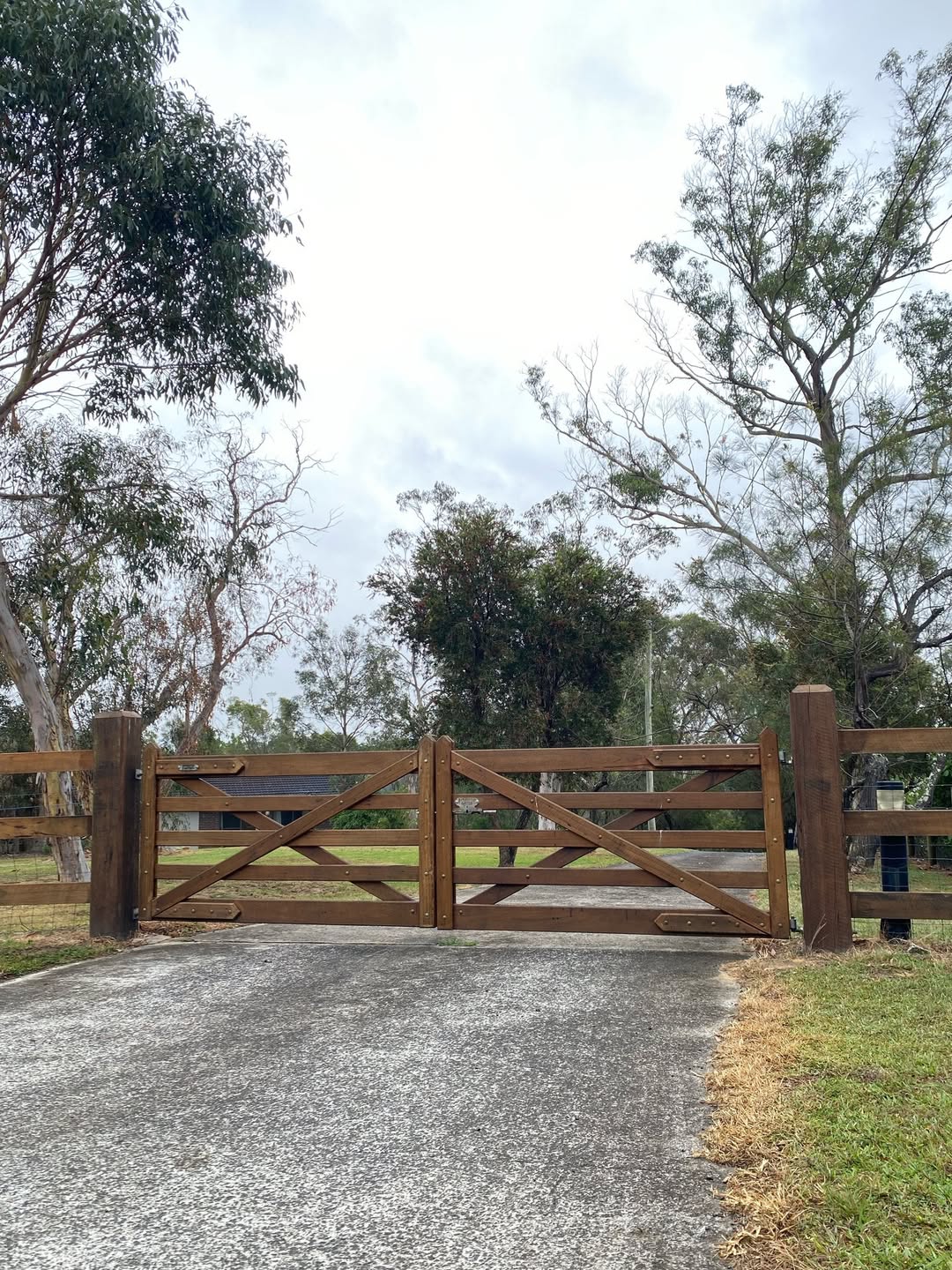
Cattle fences could also be used to make sturdy farm gates. With the help of powerful metal hinges and a sturdy frame, you can have a gate that is both safe and operational and complementary to the rest of your fencing system. This gate is effective in the driveway, pasture, and livestock enclosures. It is affordable and is adaptable to any width or design need. The cattle panel gate will make your property safer and more convenient to access, particularly in the busy farm environment.
Greenhouse Frame Support
Credit@grandiogreenhouses
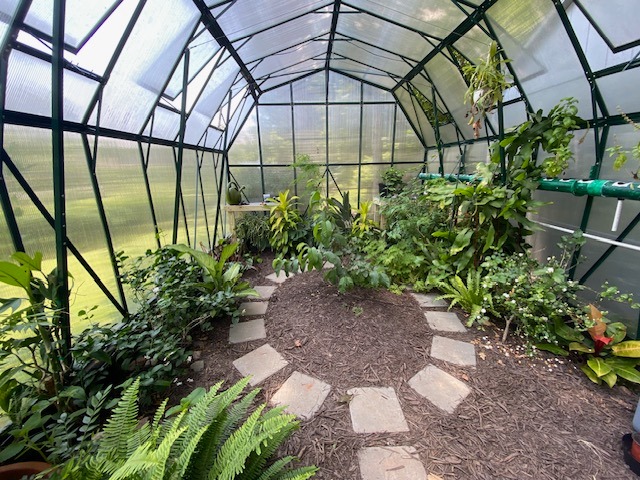
Cattle panels can be used as strong enough to shape up a DIY greenhouse frame. Another approach is to build a low-cost greenhouse that shields the plants against extreme weather by bending the panels into an arch and lining them with transparent plastic sheets. It is the best design to use among the gardeners who would want to enjoy a long growing season without incurring a lot of money purchasing commercial greenhouse set-ups. It is reusable, lasting, and customizable. The cattle panel greenhouse helps in maintaining an ideal growing environment, and thus it is a good all-year-round greenhouse solution.
Maintenance Tips for Cattle Panel Fence
- Regular Inspection: Take a walk along your fence line once a month and look for loose panels, broken wires, or leaning posts.
- Tighten Connection: If the clips, ties, or wire that hold the panels to posts are loose, make sure they’re secure to maintain stability.
- Rust Protection: Even if cattle panels are already galvanized, spray or paint a rust preventive on scratches and exposed metal.
- Vegetation Maintenance: The grass, weeds, and shrubs near fences need to be trimmed down such that there is no water pooling or excessive stress on the fence panel.
- Check Posts on Solidity: Check to ensure that your wooden or T posts are firmly in place in the ground, and those that are weak or rotten are replaced without delay.
- Repair Damage: Broken off or bent areas of the paneling should be repaired soon to prevent escapes of animals and entry of predators.
- Oil Gate Hinges: If you have gates connected to the fence, you’ll want to oil the hinges so they don’t rust and open easily.
- Photo by Design Space: Following storms, high winds, or snowstorms, make sure to look for fallen branches or weather damage.
- Build Up High-Pressure Areas: The spaces whereby the animals are always pushing and leaning can be reinforced by adding more posts and the use of wires.’
- Clean Up Fence Lines: To guard the fences, clean up debris, rocks, or fallen trees on a routine basis.
FAQs
Q: How tall is a standard cattle panel?
A: The cattle fences are 50 inches high and 16 feet in length, but this can be varied.
Q: Can cattle panel fences be used for goats?
A: Yes, but make the mesh too small so that the goats will not have their heads stuck.
Q: How long does a cattle panel fence last?
A: They will last 20 years and even beyond, with proper maintenance.
Q: Are cattle panel fences expensive?
A: They are also economical, and they range between $2 and -$40 per panel, depending on size and quality.
Q: Do I need professional help to install one?
A: No, the majority of homeowners and farmers can install it by themselves using simple tools.