![Hey Decor Girl [Latest Trending Decor Design Ideas]](https://heydecorgirl.com/wordpress/wp-content/uploads/2024/08/Heygirldecor-Logo.png)
Chicken wire garden fence – A garden is not a piece of land; it is a place where your plants, flowers, and vegetables thrive and grow. Keeping them safe against pests, roaming animals, and other external danger is a necessity, and among the most effective and affordable measures to do so is the use of a chicken wire garden fence. Initially meant to hold poultry, chicken wire has in recent times proved to be the favorite of gardeners due to its versatility, stability, and convenience of use.
It is lightweight and built out of galvanized steel with a hexagonal pattern on the mesh that makes it rust-resistant as well as capable of withstanding different weather conditions. Chicken wire garden fences are perfect for small and large gardens that offering a simple solution to keep rabbits, squirrels, and other small creatures that destroying your plants. Also, they can be used to help climb such plants as peas, beans, or flowers, which contribute to the beauty and functionality of your garden.
These fences are simple to install, customize, and maintain, and are a less expensive option to conventional wooden or metal fencing. An easy chicken wire garden fence is necessary in any home garden, regardless of whether one is a novice gardener or an experienced green thumb, because it makes sure that his or her garden is secure, well-structured, and continuously growing.
Chicken Wire Garden Fence Ideas
Here are ideas for how to make a chicken wire garden fence:
Classic Perimeter Chicken Wire Fence
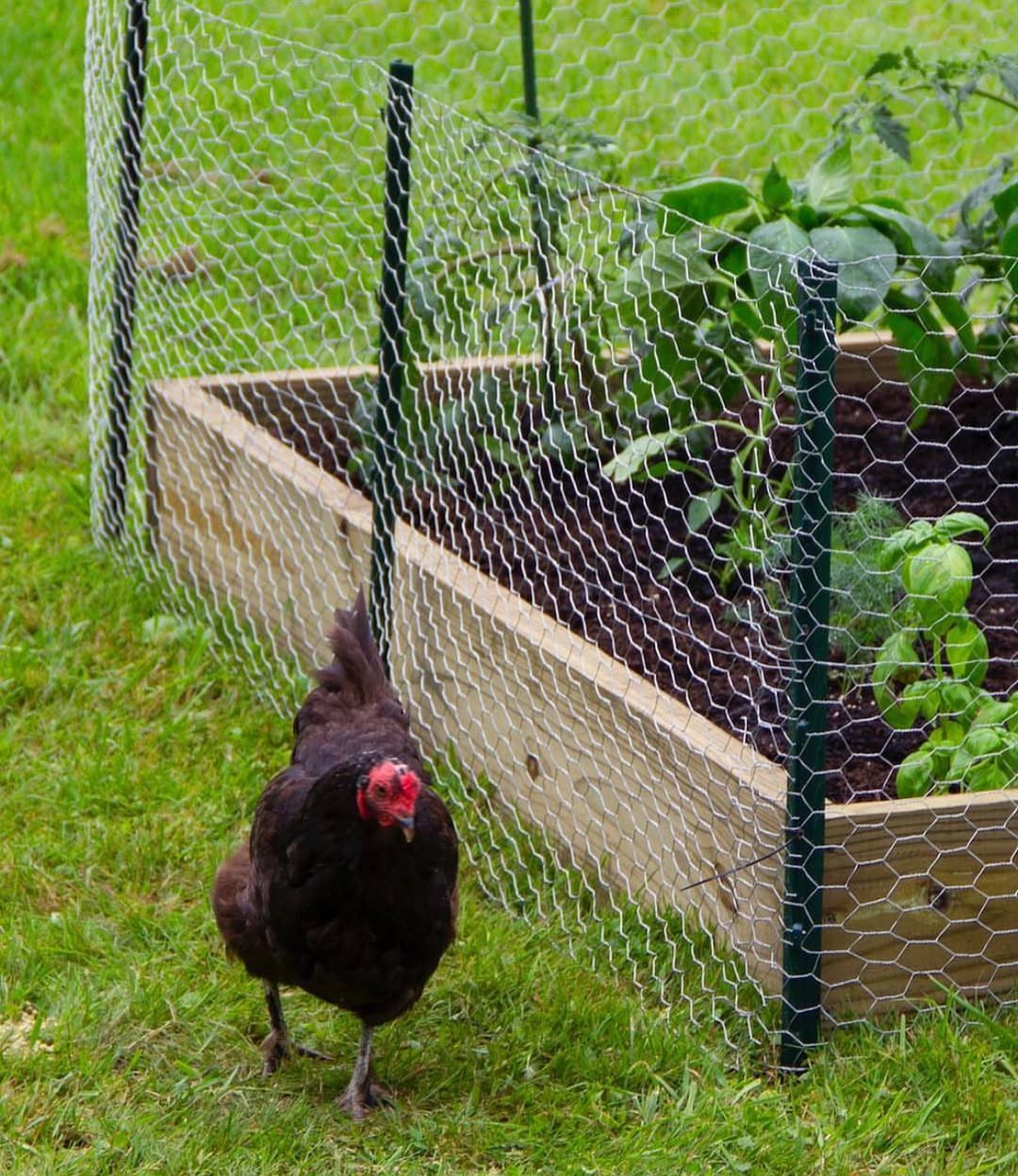
Credit @garden_craft_
The easiest and most used method of plant protection is the introduction of a simple, classic chicken wire fence around your garden. Stake wooden or metal posts at frequent intervals and then coil the chicken wire around them. Ensure that the lower edge is a little bit concealed in the soil to avoid small animals such as rabbits or squirrels excavating beneath it. This kind of fencing is applicable in vegetable gardens, flower beds, or small plots of the backyard. It is light and simple to set up and can be tailored to any size of the garden to offer simple protection without blocking the sun or air movement.
Climbing Plant Support Fence
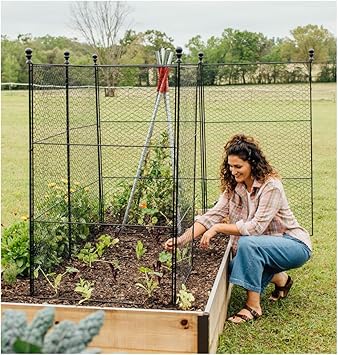
Credit @amazon.com
Chicken wire may also serve as the support of climbing plants, like beans, peas, cucumbers, or flowering vines. The fence should be installed on the garden edges vertically, and the plants to grow on their own. This arrangement not only safeguards the plants but also makes use of space in the small gardens. With fencing and support of plants, you do not require the use of additional trellises. The hexagonal mesh is soft to plant stems, and the mesh is strong enough to support weight. It is ideal in the hands of gardeners who require functionality and beauty at the same time, without attracting animals to their produce.
Raised Garden Bed Enclosure
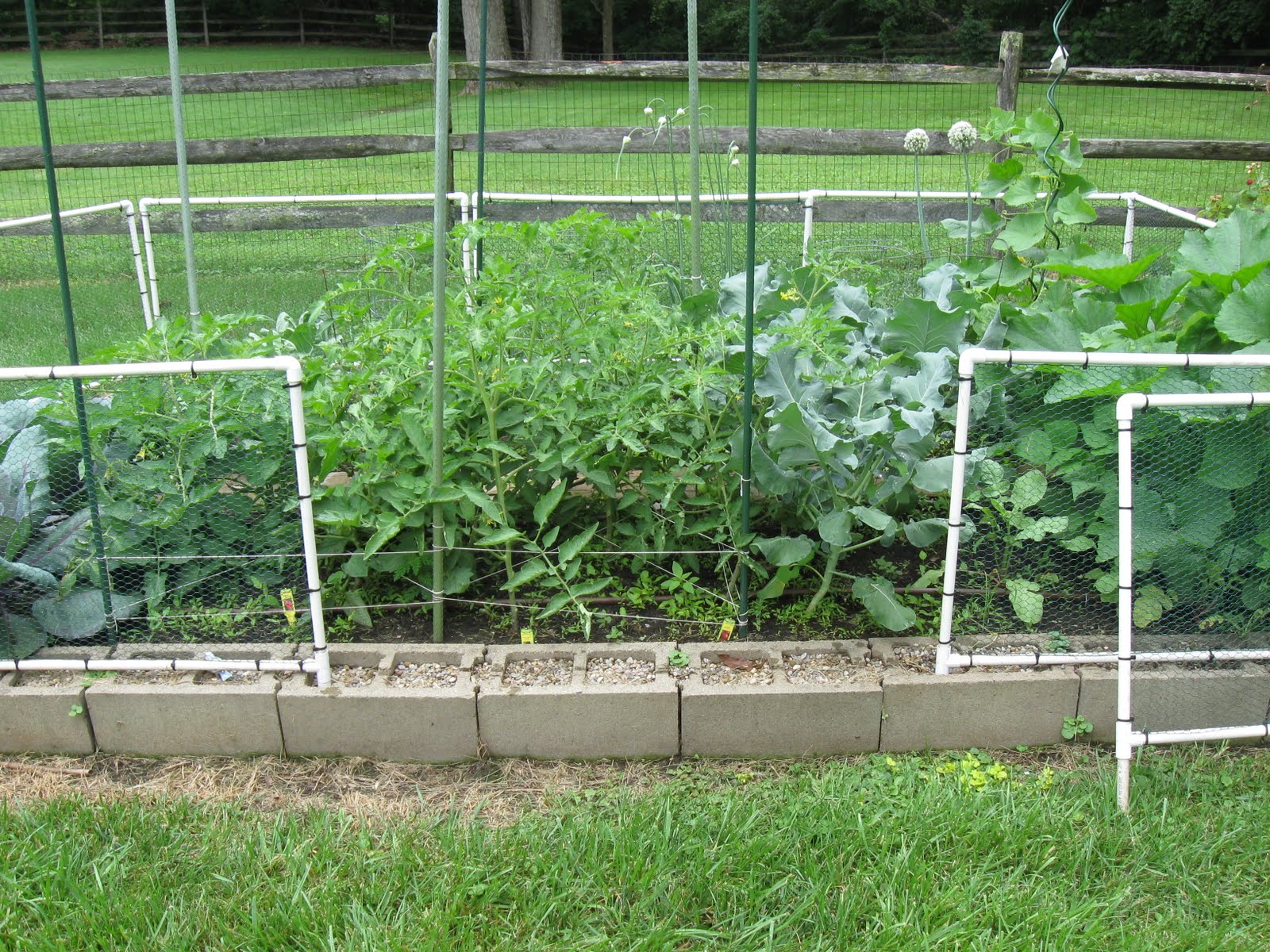
Credit @hawk-haven.com
Enclose raised garden beds with chicken wire in order to shield vegetation against pests. The technique is particularly effective with delicate vegetables, such as lettuce, spinach, and herbs. Fix the wire to the wooden framework of the bed with staples or ties. A removable top can also be added to keep the crops out of the way of pecking by birds. It ensures the garden is safe and enhances air circulation and drainage of soils by the use of raised bed fences. Also, such a design allows you to keep your garden in order and makes it clean and professional. It is a perfect product for small backyard areas.
Portable Chicken Wire Panels
Credit @artofit.org
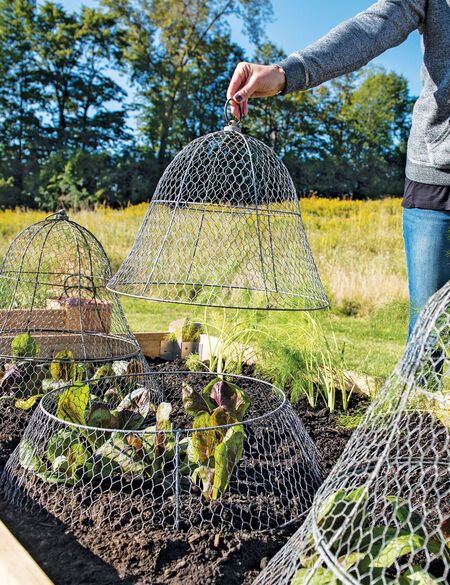
Portable chicken wire panels are the best for gardeners who prefer flexibility. The panels that are too lightweight can be transported to cover the seasonal crops or seedlings. They may be spearheaded or they may be combined to form a temporary enclosure. This type is ideal in places where animals come out only on a few occasions or in small gardens that require protection in the short term. The panels are reusable and cost-effective as well, since you can fold and put them away during the off-season. Portable fencing is convenient, simple to install, and it still secures your garden wherever it is required.
Tiered Vegetable Garden Fence
Credit @house-ideas.org
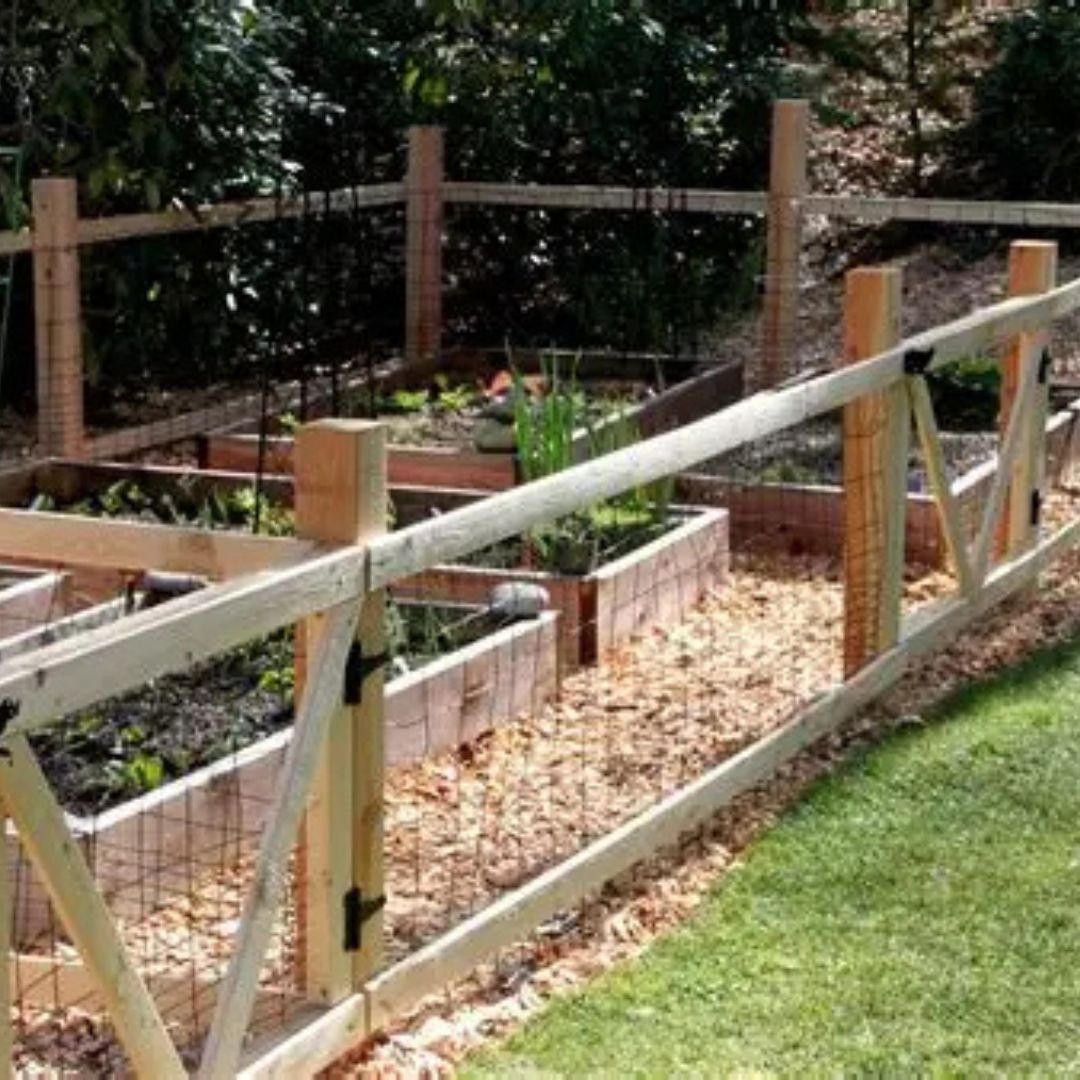
In tiered or multi-level gardens, chickens may be installed around the various levels using chicken wire fences, which are the most protective. Such an arrangement will ensure that animals do not leap through levels and ruin crops. It also helps in the growth of plants at the levels. Galvanized wire is also durable, and the hexagonal mesh is flexible enough to form the fence based on the landscape. A tiered fencing system is not only more organized but also provides security to the plants, and it also beautifies your garden with a nice structure. It especially comes in handy where gardeners are limited on space and would like to see the full productivity with a sense of plant security.
Bird and Small Animal Deterrent Fence
Credit @outsidetheratrace.com
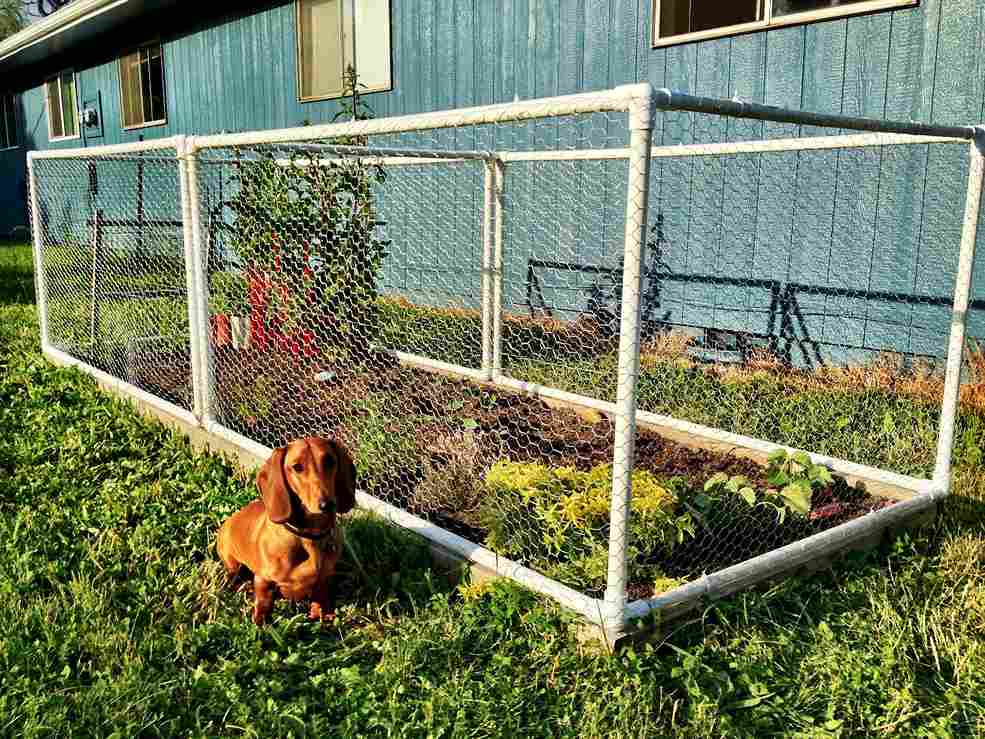
Chicken wire makes a terrific barrier to keep fruits, berries, and vegetable gardens free of birds. Coil the wire around bushes that are lower or build a cage structure around a small plant. This keeps the birds, the squirrels, and the other little creatures off your crops. The size of the mesh is so small that it prevents the animal, but is big enough to allow sunlight, rain, and air to reach plants. This fencing guarantees an increase in the yields, safeguarding young seedlings, and minimizes the use of chemical repellents. It is a non-toxic, natural method of protecting your garden.
Decorative Garden Fence
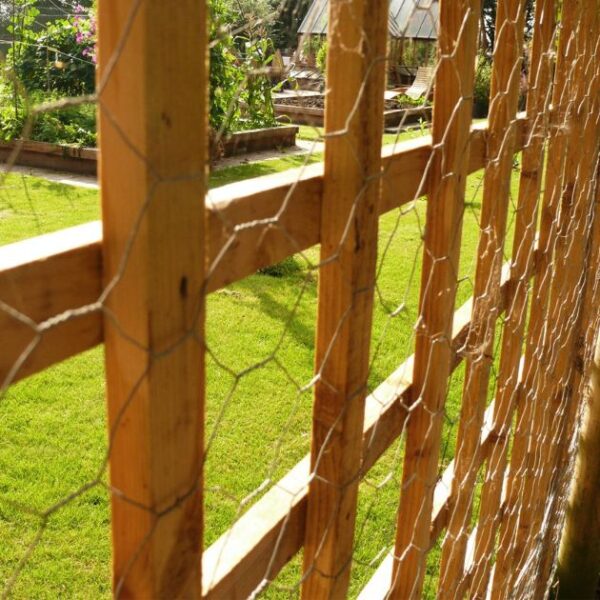
Chicken wire does not necessarily need to be utilitarian only; it may also beautify the gardens. Add wooden posts or ornamental metal posts to it to make it look rustic or vintage. You may also plant flowering creepers or vines along the fence that will add color and texture. This fencing is very compatible with other designs in the garden and prevents the entry of animals. It grows well along walkways, flowerbeds, or in vegetable gardens. This is because you can have both the protection and the aesthetics by selecting a design that will match your garden theme without sacrificing any of the two.
Greenhouse Chicken Wire Protection
Credit @fity.club
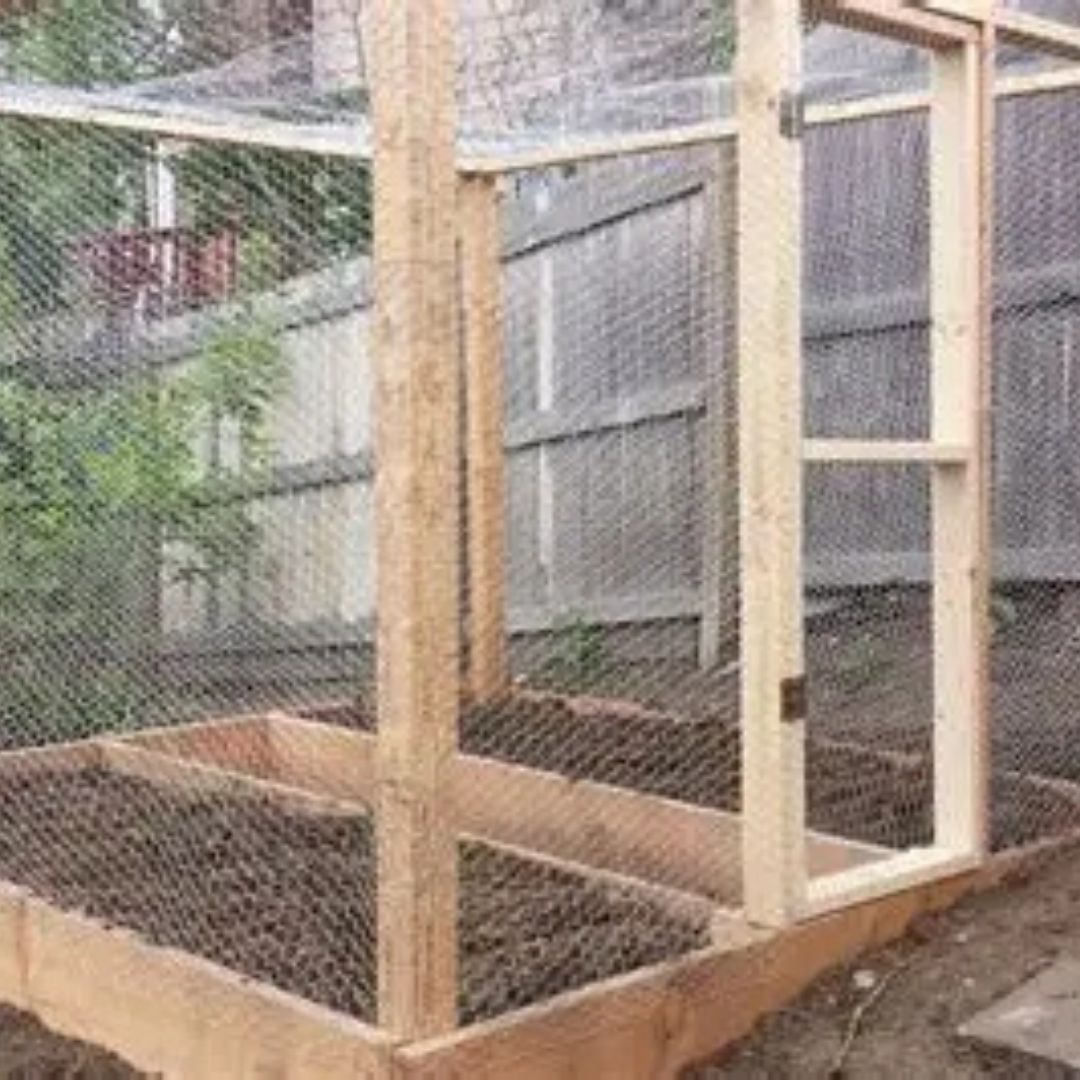
Inside or outside of a greenhouse, wood and chicken wire garden fence may serve to cushion plants against pests. Envelop the lower parts with wrap wire or make small cages of the delicate crops. This keeps away rabbits, birds, and insects and permits in the process sunlight and air circulation. Chicken wire in greenhouses may also enhance the growth of plants such as tomatoes, beans, or cucumbers, in a vertical position. Wire fencing in a greenhouse gives more support to plants and minimizes the loss oofcrops I.t is light, shapes easily, and will not hinder normal maintenance procedures such as watering or harvesting.
Seasonal Crop Protection Fence
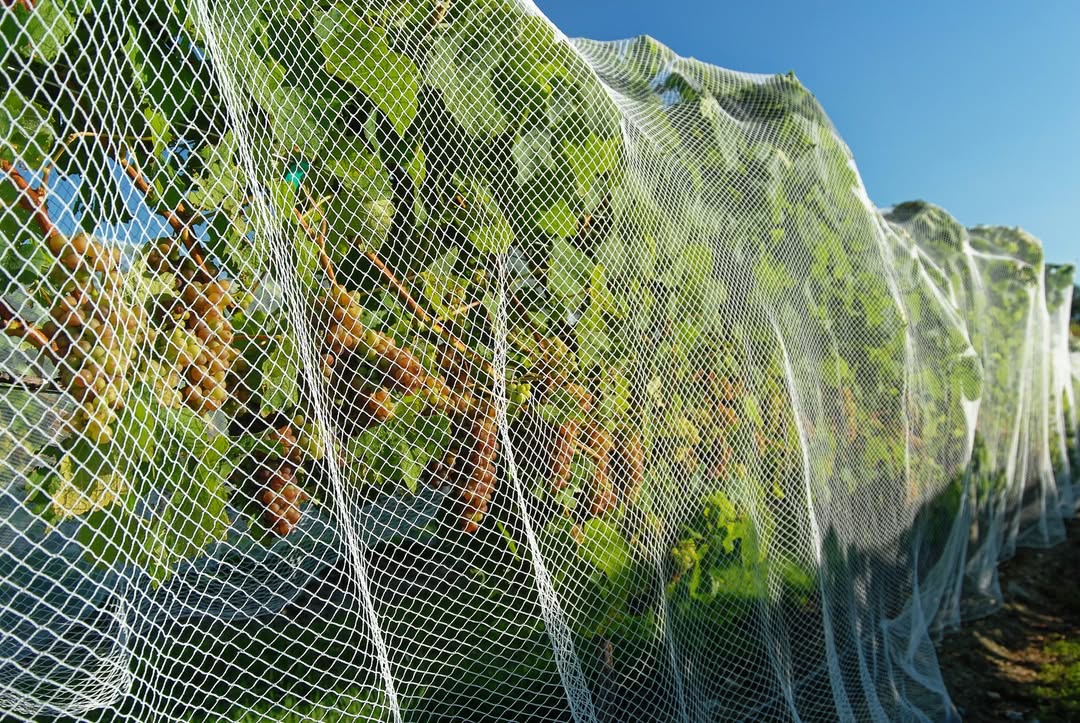
There are plants that ought to be safeguarded at specific times. Chicken wire fences may be used temporarily on seasonal crops like spring vegetables or fruit saplings. Once harvested or the season is over, the fence can be taken down and kept for use later. This method is feasible for gardens whose crops are rotated and keeps your crops safe in important growth stages. Temporary fencing will save you on expenses and provide flexibility in your gardening styles, and this is the reason why it suits both hobbyists and professional gardeners.
Garden Gate Integration
Credit @littlerainbow
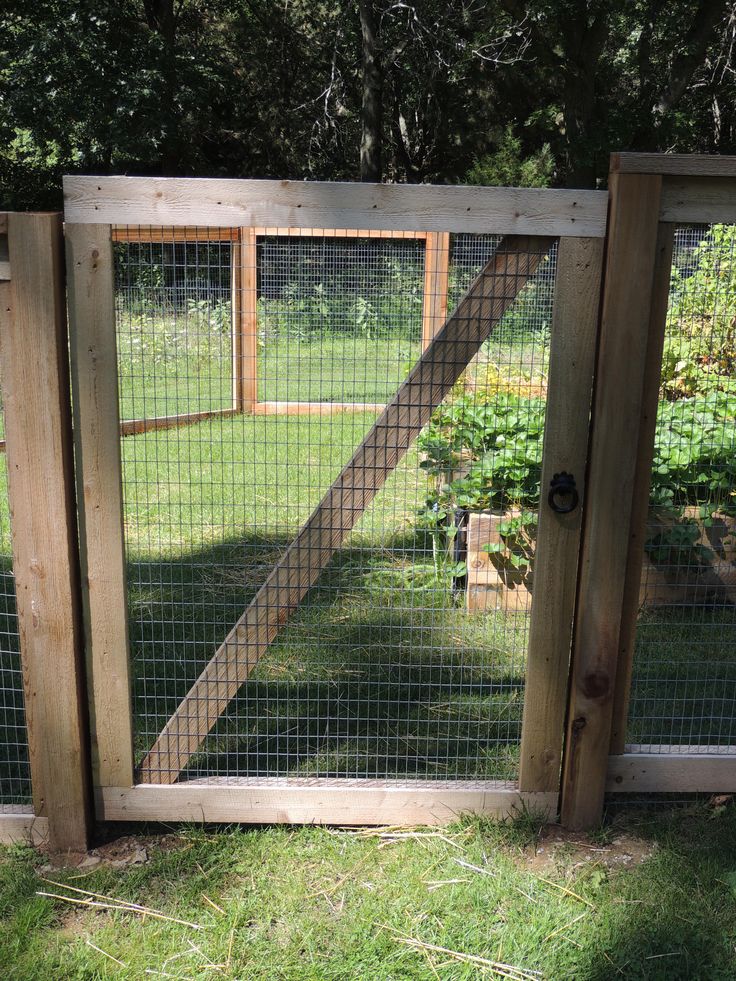
Fit a little chicken wire garden fence gate to make a complete protection enclosure. A gate will easily access the watering, harvesting, or maintenance, and keep pests away. Corners and hinges reinforced to ensure durability. It is an ideal approach to backyard gardens where usability is the priority without losing security. Gates with chicken wire are safe and convenient, as well as organized, so your garden is both convenient and secure. The gate size can also be customized to suit your needs to form a user-friendly garden setup.
FAQs
Q: Why is it preferable to use chicken wire as a substitute for wooden or metal fencing?
A: Chicken wire is cheap, light, simple to install, rust-free, free, and flexible. It also allows climbing plants to be placed on it and it can be applied to small to medium gardens.
Q: What is the right height of a chicken wire fence around a garden?
A: Small animals generally just need a height of 2 to 3 feet. In the case of larger animals, you might require taller fencing.
Q: What do I do to keep a chicken wire garden fence?
A: Inspect areas of rust or looseness and damage frequently. Fix immediately, and prune vegetation nearby so it does not hurt the mesh.
Conclusion
An animal, bird, and pest-proofing garden fence using chicken wire is a simple and cheap method of ensuring your garden is safe. Constructed of robust yet light steel, it is easy to set up and also suitable for small flower beds and larger vegetable gardens. It not only keeps your plants safe, but it also makes the growth of climbing plants like beans or peas grow well. It can be a mere fence, a fence around raised beds, or even an ornament. A chicken wire fence is an economical and durable option as far as every gardener is concerned and wants to keep his/her flowers, vegetables, and seedlings intact and his/her garden clean and well-maintained.