![Hey Decor Girl [Latest Trending Decor Design Ideas]](https://heydecorgirl.com/wordpress/wp-content/uploads/2024/08/Heygirldecor-Logo.png)
Colors For A Living Room is able to hugely affect how the energies or Chi flow in your home. As the ancient Chinese art of uniting people with the world around them, Feng Shui pays great attention to the great impact that colors may have on our health and the mood of our rooms.
The premise of feng Shui is that all the objects in our lives are interlinked and that the movement of Chi can be affected by the arrangement and color of objects that surround us. In this regard, colors are not merely aesthetic decisions but an essential element in determining the vibrations of a room. Knowing and implementing Feng Shui principles on the choice of colors, you can make your living room contribute to a better life, balance, and positive energy.
We are going to find out the best colors to use in a living room as per Feng Shui. They all possess their distinct qualities and advantages, and we will give you hints on how to utilise them properly, in accordance with the ideas of Feng Shui, and make your space better.
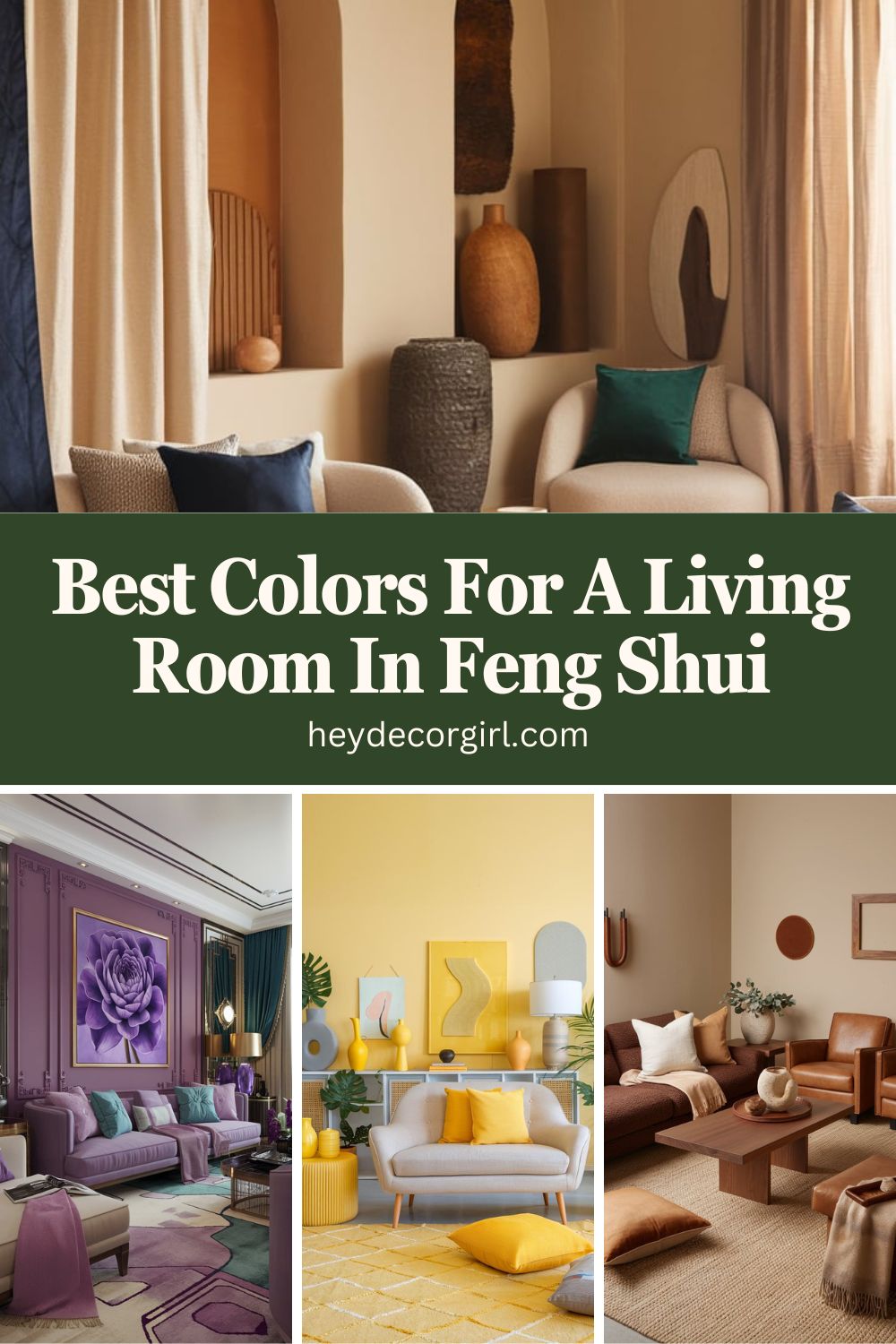
Best Colors For A Living Room
1. Red: Energizing and Passionate
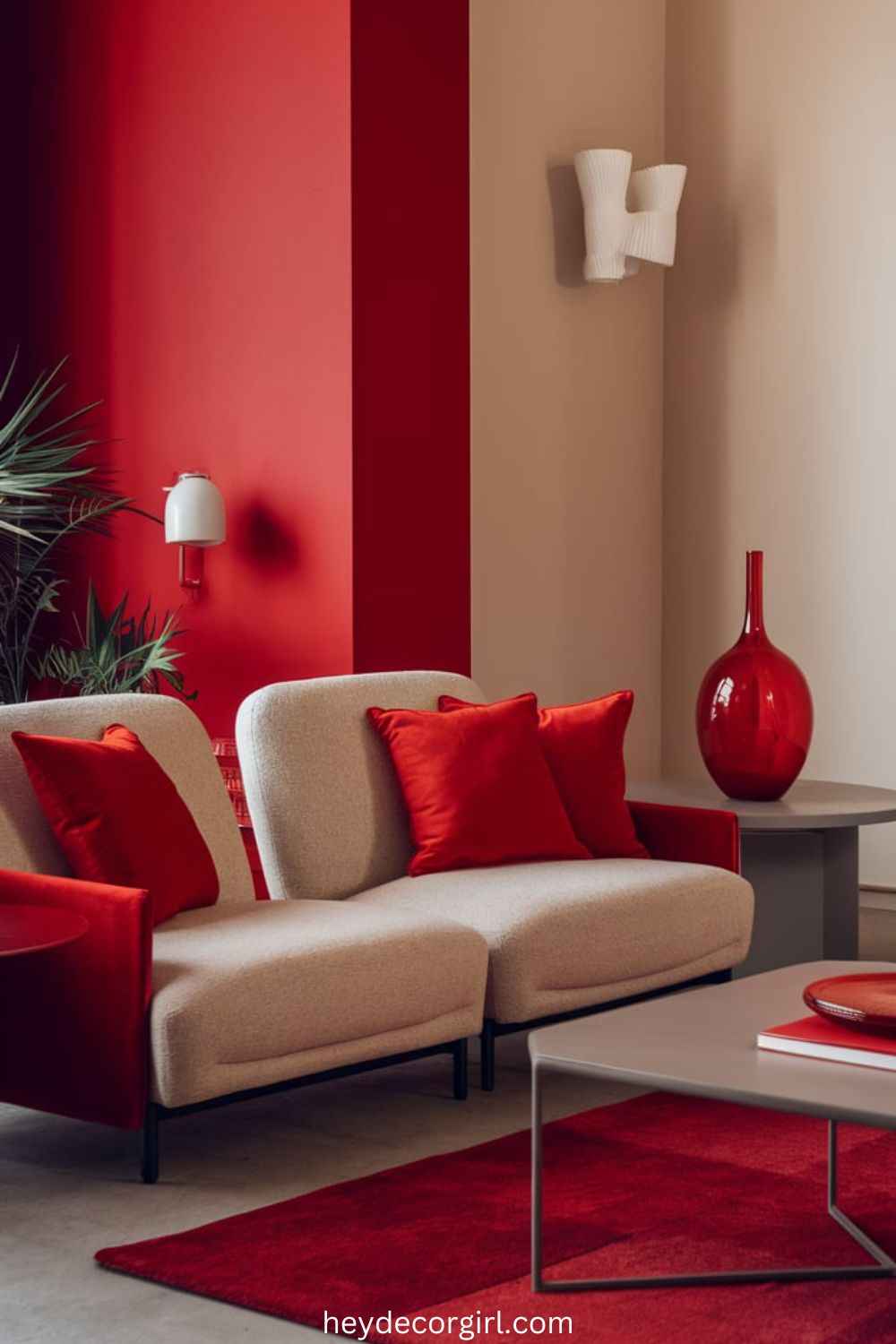
Meaning of Red in Feng Shui: Red is a color that has great power in Feng Shui and is connected to strong energy and vitality. It depicts the Fire element associated with passion, excitement, and dynamism. Red is considered to bring good luck, promote passion, and improve interpersonal relationships. It is also utilized to energise a space and add warmth and intensity.
Optimal Location and use in the living room:
- Accent Walls: Red is also applicable as an accent wall to make a highlight in the living room. This also serves the purpose of adding power in space without overpowering it.
- Accessories: By using accessories, like cushions, carpeting, curtains, and artwork, you can add colorful jolts without being out of control.
- Decor Items: Red decorations such as vases, lamps, and throws can be used to livel up the space and highlight certain spaces.
How to balance Red to prevent Oversensation:
- Blend with the Neutral Colors: To balance the intensity of red, it is best to combine it with the neutral colors, such as beige, gray, or whits, to achieve an atmosphere of harmony.
- Use in Moderation: Do not use an excess of red because too much of it can cause feelings of agitation or stress. Use rather smaller doses and make the color permeate the room.
- Add Soothing Materials: Combine the stimulating quality of red with elements that are relaxing, including greenery, natural surfaces, or dimmed lighting, to make the environment more relaxing.
Through a careful use of red in your living room, you can be able to take advantage of its active and vibrant properties and at the same time have a well-balanced and cozy environment.
2. Yellow: Cheerful and Uplifting
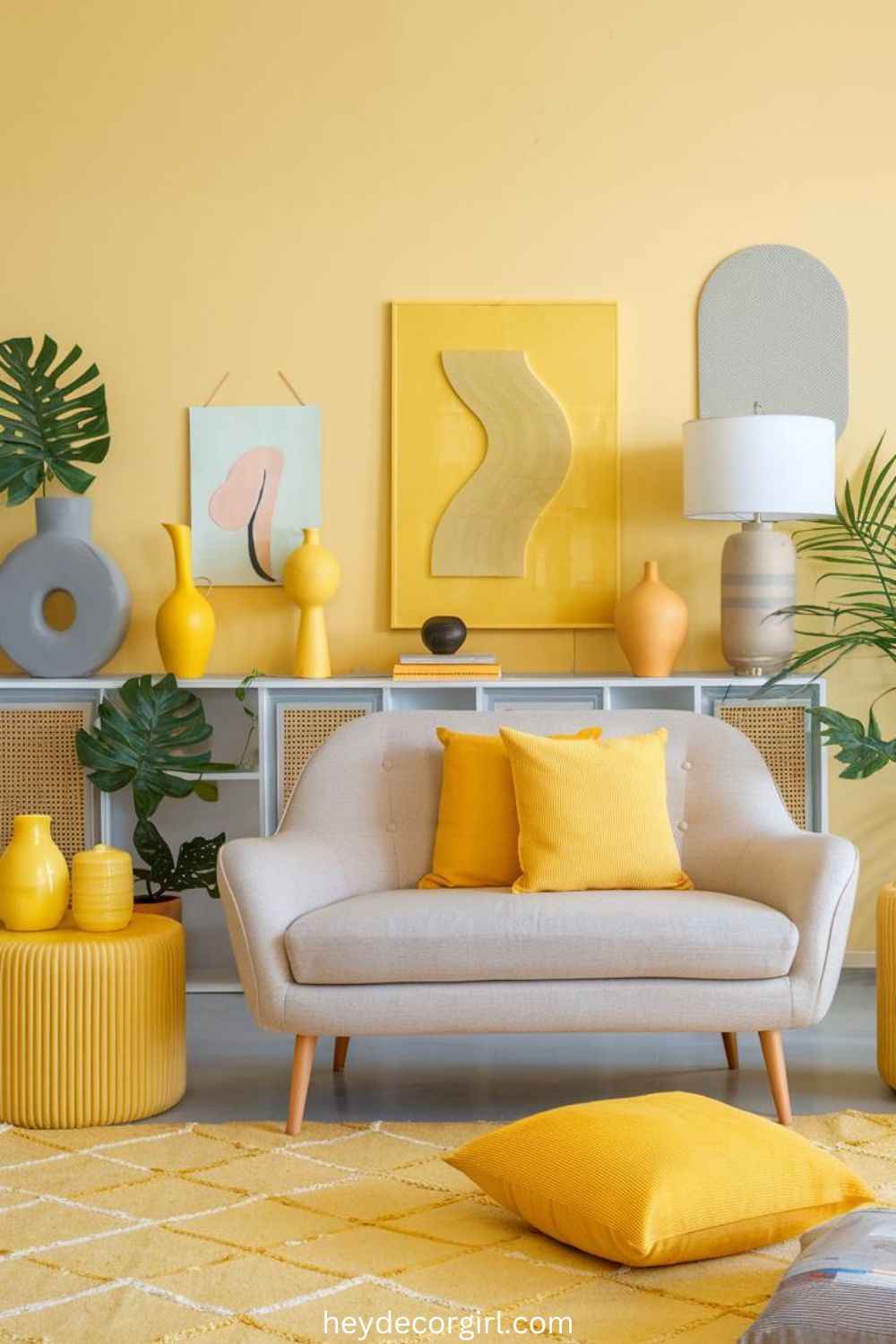
The way Yellow brings about Happiness and Positivity: Yellow is believed to bring about sunshine, warmth, and even cheerfulness. It is the Earth element in Feng Shui and is believed to elevate mood, bring about optimism, and create a warm environment. Yellow stimulates clear thinking, creativity, and communication, so it is a great color to use in those areas where you need more energy and positivity.
Shades and Combinations Recommended:
- Soft Yellow: Light, pastel yellows make the atmosphere very relaxing and calm, which is ideal to evoke a sense of relaxation and joy.
- Bright Yellow: Yellow hues provide energy to the room and an aura of creativity and zeal.
- Golden Yellow: Golden shades are used to give a sense of warmth and abundance, as well as introduce an element of luxury and richness to the room.
Best tips on how to incorporate Yellow in your space:
- Accent Walls: Accent walls are good to use yellow in a room to make it look like a burst of color, but not too much. This technique enables you to have the advantage of yellow and, at the same time, have a balanced appearance.
- Ornamental Elements: Add yellow with the use of accessories like cushions, throws, curtains, and rugs, to add color in a non-assertive and adaptable manner.
- Artwork and Accessories: Add yellow accenting through artwork, vases, or lamps in various parts of the room to make it cheerful.
- Pair with Complementary Colors: Yellow is best paired with neutral colors such as gray, beige, and white, to avoid the color being too overwhelming. Also, combining yellow and green or blue would add positivity to it and make it balanced.
You can easily make your living room a more positive and vibrant place through the careful incorporation of yellow into your decor, which will improve your overall well-being and happiness.
3. Green: Calming and Refreshing
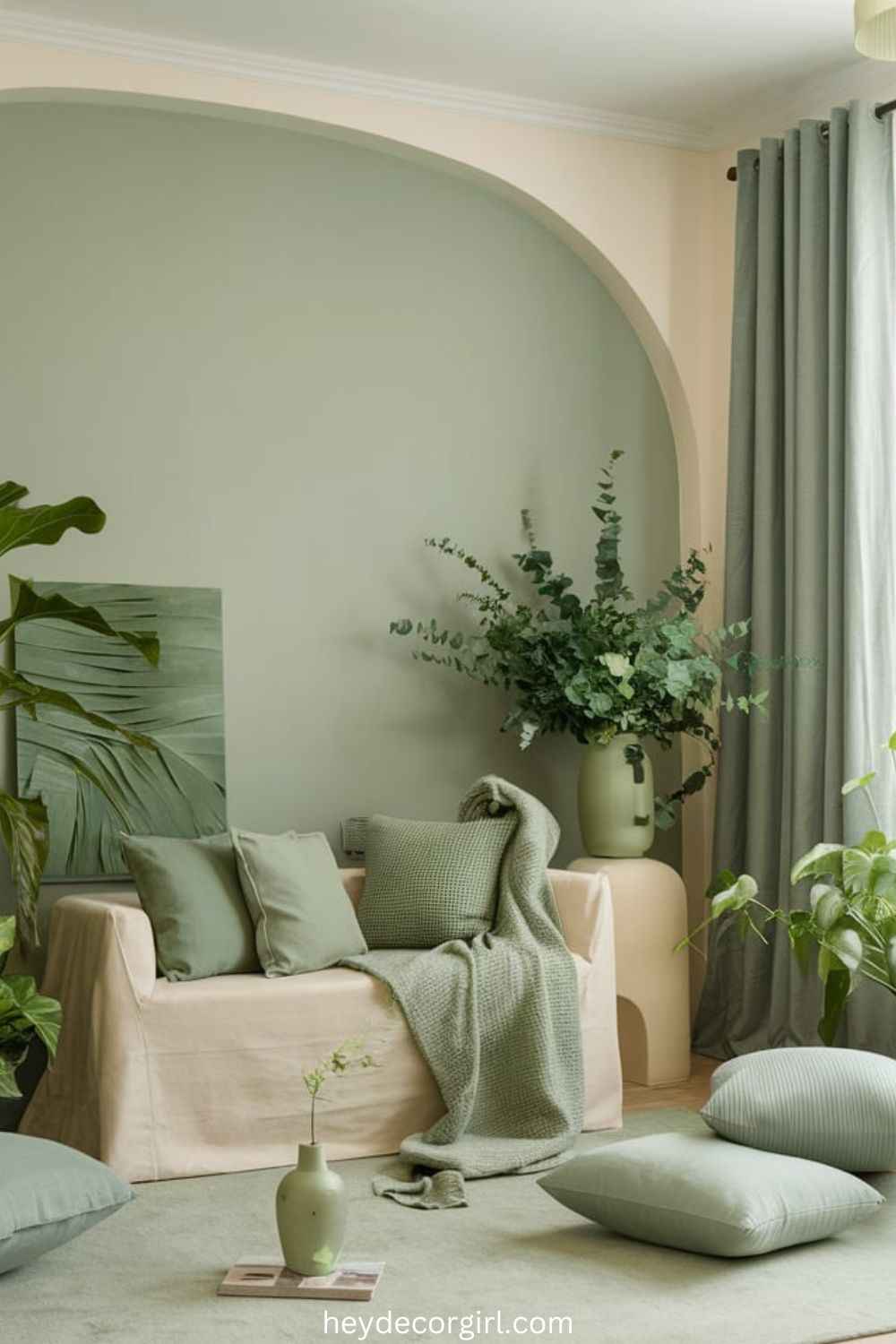
The Function of Green to develop a Projected Environment: Green has a strong relationship with the Wood element of Feng Shui, which represents growth, renewal, and harmony. It is a symbol of nature and the natural world, and it gives the feeling of tranquility and relaxation to your home environment. Green will assist in establishing a peaceful atmosphere, eliminating stress, and establishing an association with the natural environment.
Recommended Colour Schemes and Design Concepts:
- Light Green or Mint Green: These milder tints of green bring about a melting and calming effect of an environment, suited to a relaxation zone.
- Olive/Forest Green: Greens are richer in color and offer depth and warmth to a space, making them an ideal choice to create a grounding space.
- Lime or Bright Green: The brighter greens can be used to livel up the room and give it a refreshing effect without overpowering the room.
Decor Ideas:
- Accent Walls: A green accent wall or accent feature can be considered as a way of bringing a natural and relaxing atmosphere to the room.
- Plants/ Green: Use live plants or green floral arrangements to further increase the naturalness and introduce the green benefit.
- Textiles and Accessories: Add green cushions, rugs, curtains, and throws to add green in a non-intrusive, adaptable way.
- Artwork and Decor: Introduce the element of green with the artwork or vases and other decorative ite, ms and emphasize the soothing energy of the room.
How Green Helps to Relax and Renew:
- Reducing Stress: The connection of Green to nature allows for mitigating stress and establishing a calm atmosphere that is favorable to relaxation.
- Color: Green is not harsh on the eyes and helps to make the space visually restful, which leads to overall well-being.
- Renewal and Freshness: Green also represents renewal and new beginnings, which is why it is a great option when you want to refresh yourself and see the world in a new light.
With the careful consideration of green in your living room decor, you can provide yourself with a soothing, revitalizing atmosphere that helps you to relax and experience the feeling of renewal.
4. Blue: Serene and Trustworthy
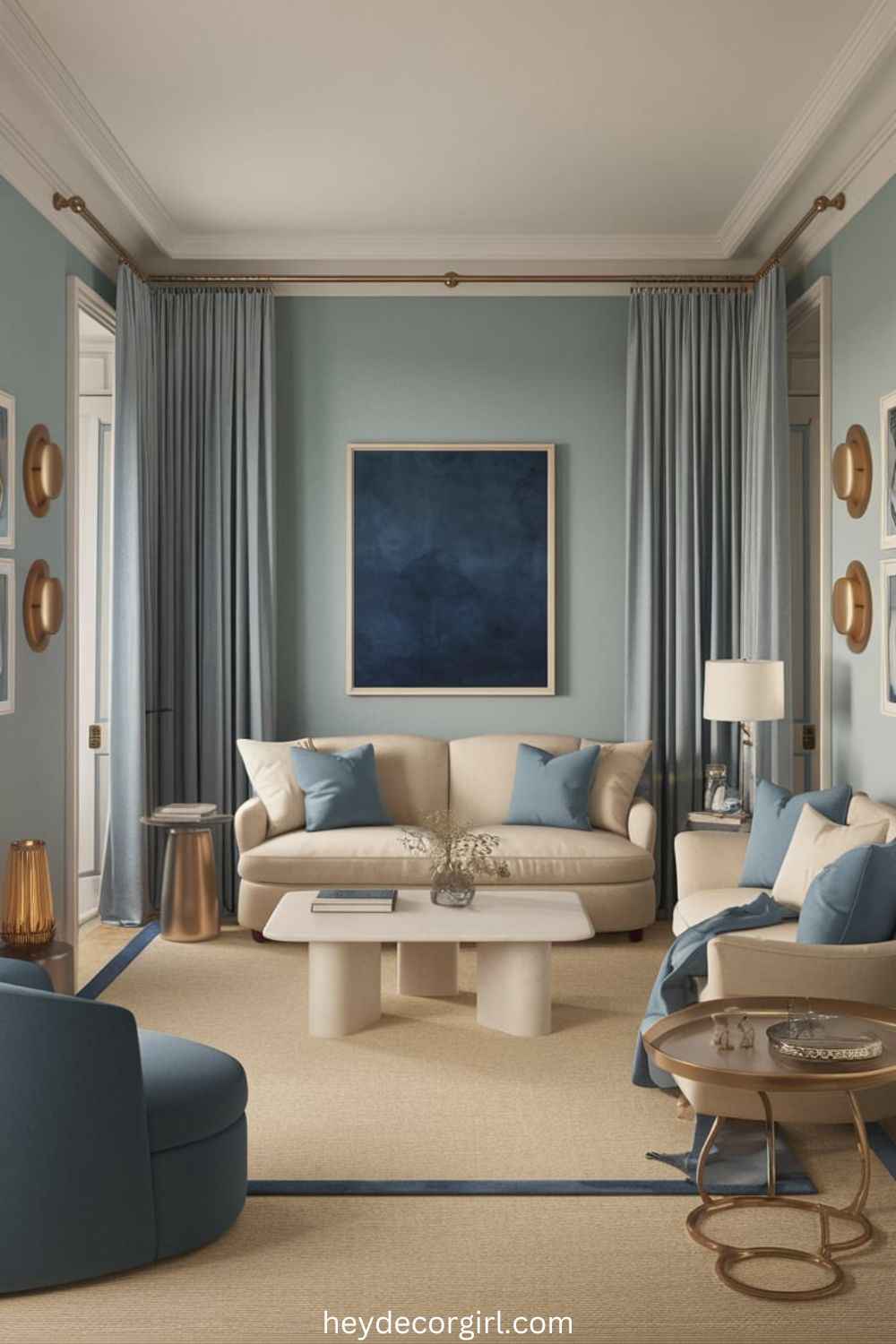
The Relaxing Blue on the Mind and Body: Blue is known to have calming and relaxing properties and is an ideal color can use to create a relaxing atmosphere. Blue in Feng Shui is the Water element linked to peace, trust, and relaxation. It is known to alleviate stress, enhance mental focus, and foster the feeling of relaxation and stability.
The perfect Tones and their Effect on the Living Room:
- Soft Blue: Light blues, including sky blue or powder blue, make the atmosphere calm and peaceful, which is best suited when it comes to relaxation and relaxing.
- Mid-Tone Blue: Colors, such as medium blue or steel blue, are good enough to provide both a sense of calm and energy to the space, hence making it balanced and welcoming.
- Deep Blue: Navy blues, dark blues like indigo, are used to bring a sense of stability and introspection and enhance the elegance of the room.
Attracting Blue tips to use to enhance tranquility:
- Accent Walls: Add blue to an accent wall to create a relaxing effect, but not to clutter. This is the method that assists in forming a focal point and contributes to the serenity of the room.
- Textiles and Accessories: Add blue with cushions, throws, rugs, and curtains to provide relaxing hues and versatility to the room decor.
- Art and Decoration: Incorporate blue colors in artwork or vases, or decor to add to the overall color scheme and make it more peaceful.
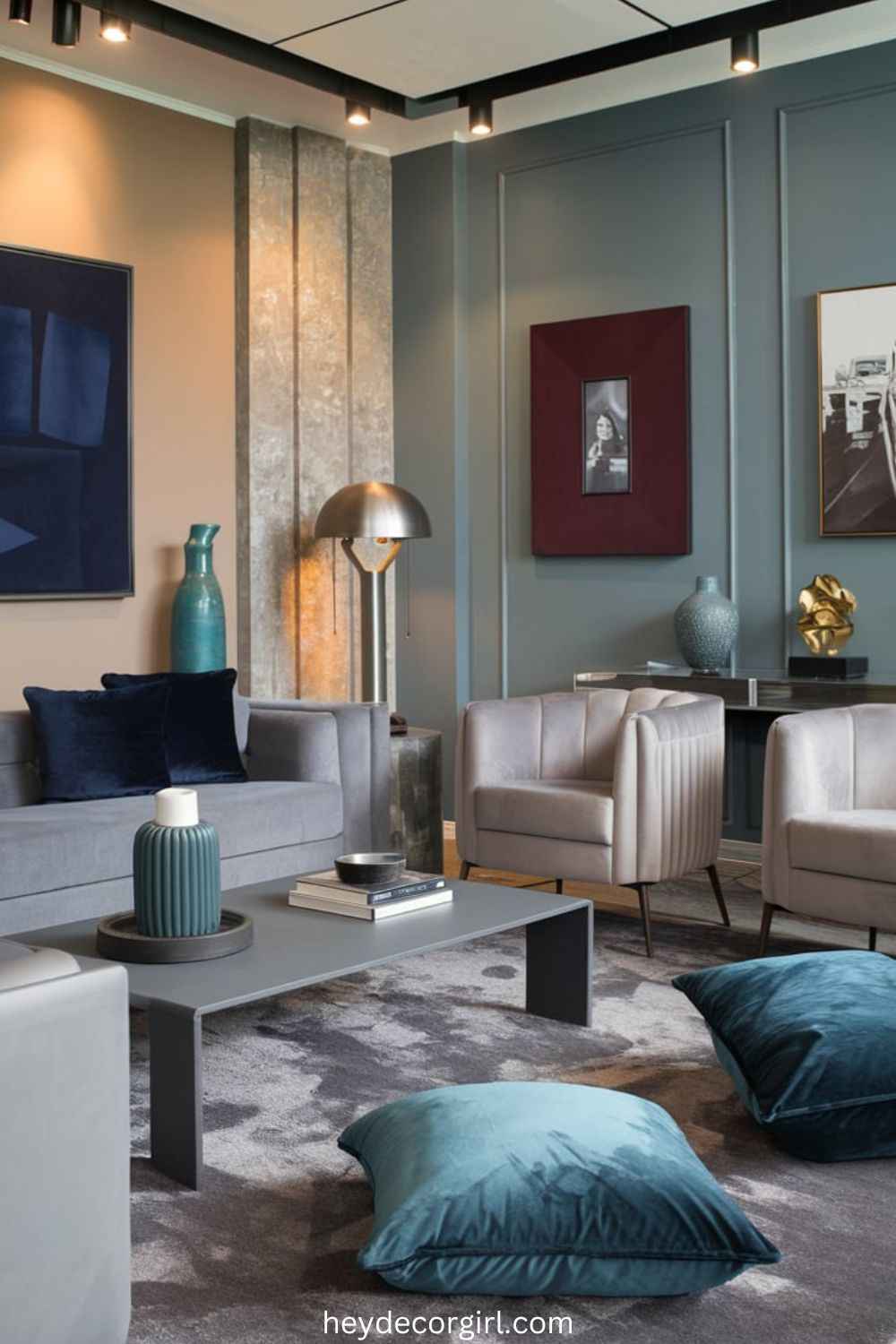
- Accentuate with Complementary Colors: Use blue with neutral colors, such as white, gray, or beige, to ensure the room is not too cold or dark. It can also be softened and made to appear warmer by the way of adding natural textures or warm metals to the blue tones.
With a careful incorporation of blue in the decoration of your living room, you could be able to have a relaxing and trustworthy environment that enhances relaxation and sharpness of the mind.
5. Beige: Balanced and Neutral
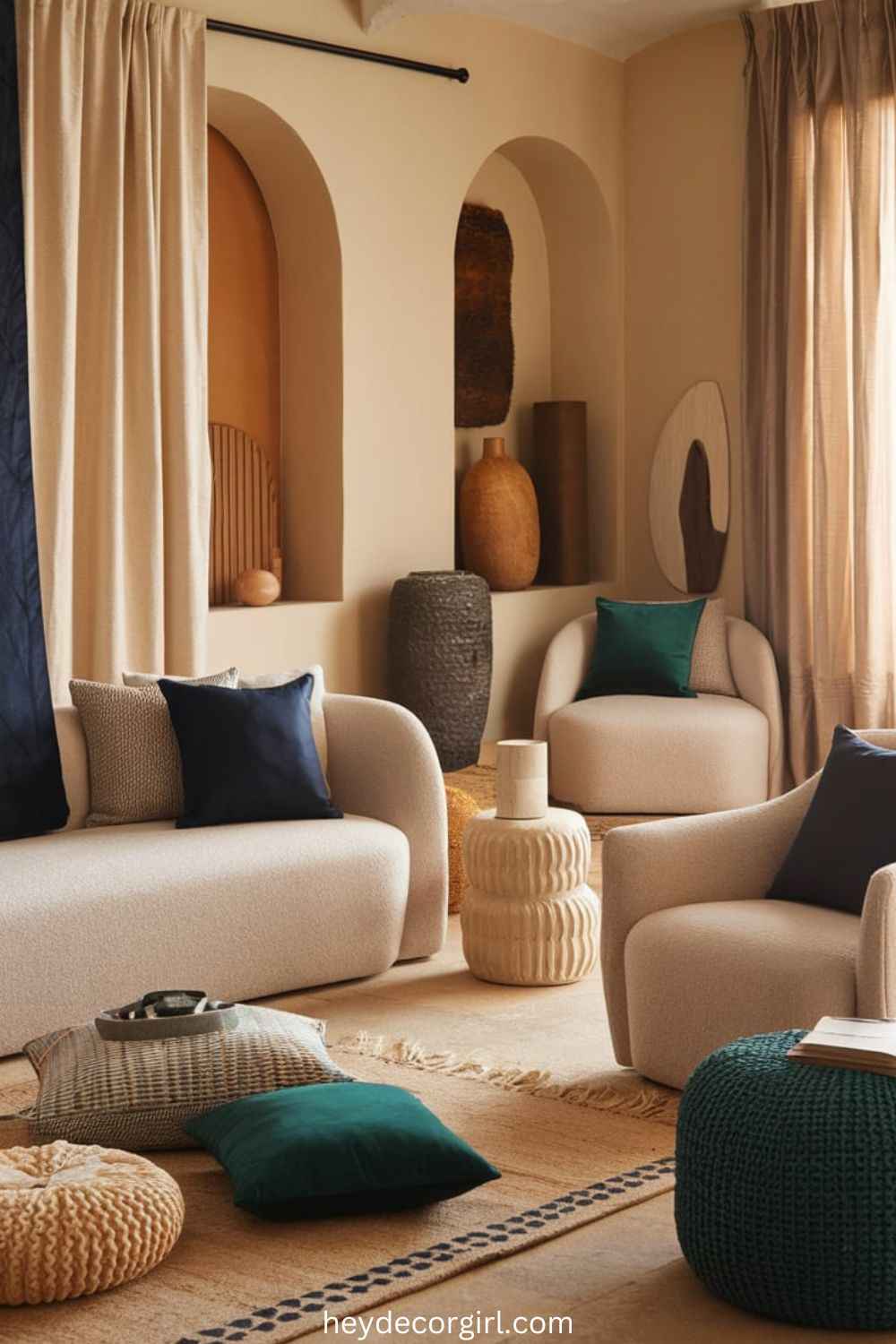
The Significance of Beige in the Attainment of Balance and Neutrality: Beige is a universal and classicized color that can be used to produce a backdrop of balance and neutrality in any living room. It symbolizes earth in the Feng Shui and is appreciated for having soothing and stabilizing influences. Beige also contributes to achieving a feeling of agreement and calmness and is therefore a good option when creating a neutral and balanced atmosphere in which other colors and elements can shine.
Beige and the Various Styles of the living room: How to use Beige.
- Modern and Minimalist: In modern and minimalist interiors, the color beige is a clean and understated background that emphasizes smooth lines and modern design. The walls, furniture, and large textile objects such as rugs and curtains should also be used with beige.
- Traditional and Classic: Beige is used to complement traditional and classic styles, as it offers a warm and elegant base. Combine beige with warm woody colors, fancy furniture, and traditional patterns to create a high society appearance.
- Eclectic and Boho: Beige may be applied as a grounding and uniting color to a boho or eclectic living room. Add to it colorful patterns, textures, and colors to make it a unified and welcoming space.
- Farmhouse and Rustic: Beige adds to the comfort and the appeal of farmhouse and rustic-style decoration. Apply it to walls, furniture, and textiles to enrich such natural materials as wood and stone.
Suggestions on Beige Mixing with other colors:
- Accent Colors: Add accent colors such as navy, emerald green, or deep blue to a neutral base to give the beige a depth and interest.
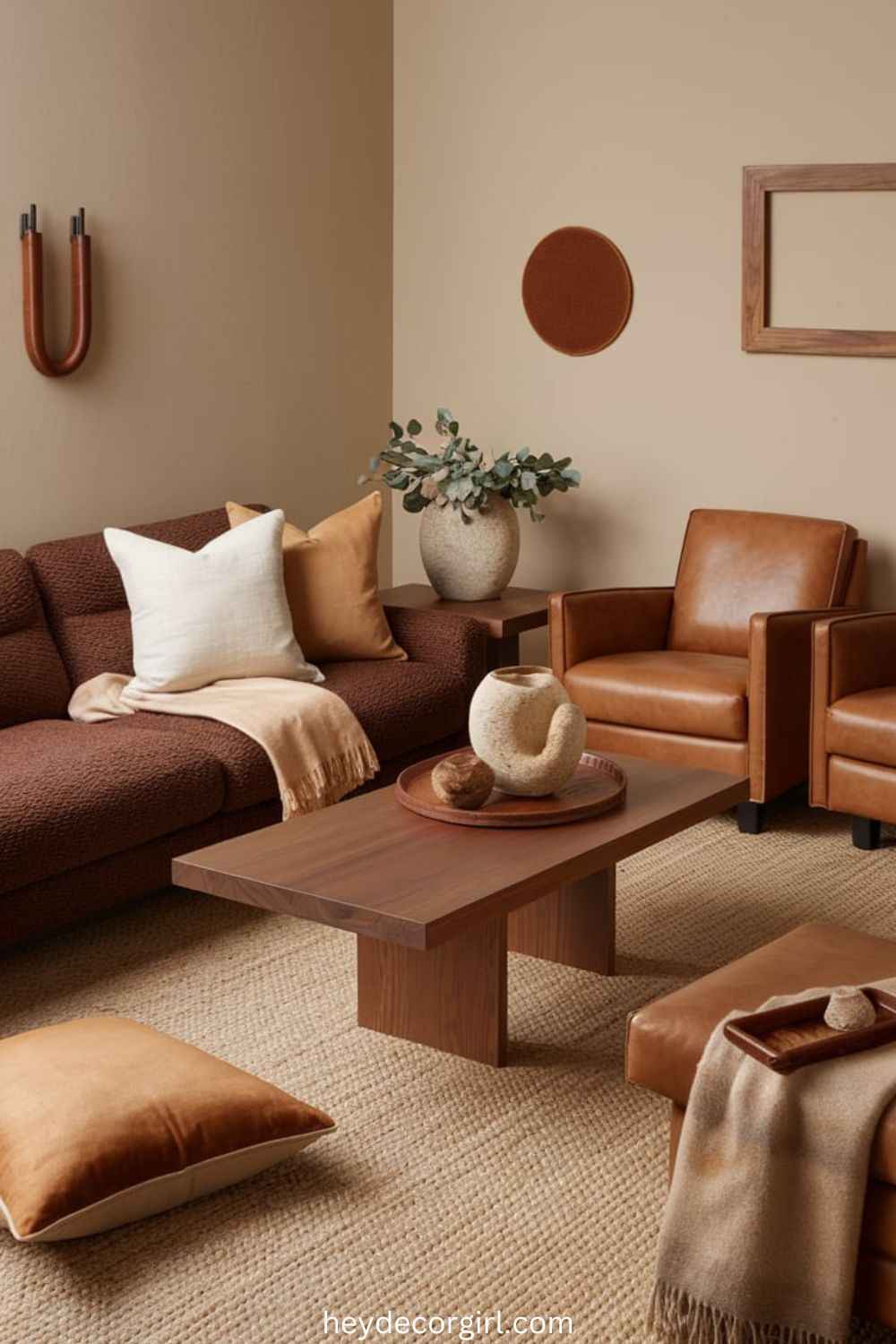
- Warm Colours: Beige should be mixed with warm colours like the soft brown, gold, or terracotta colourings to make the place warm and welcoming.
- Cool Colours: To create a cool and relaxing appearance, combine beige with cool colours such as soft blues or greens. This scenery is a balance of harmonious space.
- Textures and Patterns: Add variety to the space by using various textures and patterns in beige to avoid a flat and monotonous space. Use details such as woven cloths, leather, or patterned carpet floors to provide visual appeal.
With the careful use of beige in your living room, it becomes possible to make the room look balanced and neutral and to make other colors and design elements shine.
6. White: Pure and Spacious
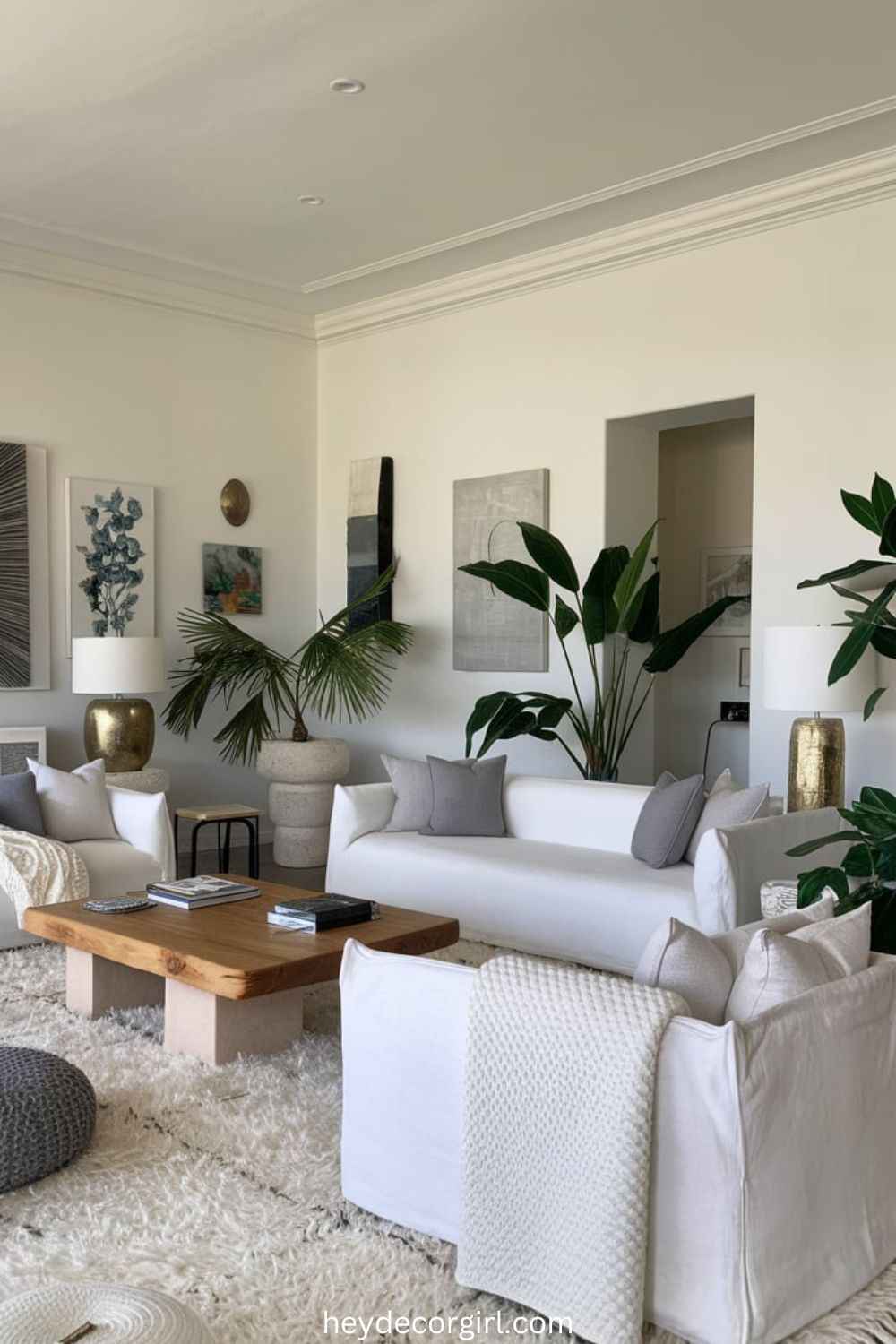
The Significance of Beige in the Achievement of Balance and Neutrality: Beige is a universal and classicized color that could be implemented to create a backdrop of balance and a sense of neutrality in any living room. It represents the earth in the Feng Shui, and is valued for having balancing and calming effects. Beige also helps to reach some harmony and tranquility and is hence a nice choice when you want to create a neutral and balanced environment where other colors and details can shine.
Beige and the Various Styles of the living room: How to use Beige.
- Modern and Minimalist: Beige is a smooth and clean background colour used in modern and minimalist interiors that focus on clean lines and modern style. Beige should also be used in the walls, furniture, and large textile items like rugs and curtains.
- Traditional and Classic: The use of Beige is applied to complement traditional and classic styles since it provides a warm and elegant foundation. Use warm woody colors like beige with fancy furniture, traditional patterns to give it a look of high society.
- Eclectic and Boho: Beige can be used to provide a grounding and unifying tone to a boho or eclectic living room. To it, add patterns of colors of all varieties and textures to make it a complete and cozy space.
- Farmhouse and Rustic: Beige is an addition to the comfort and the charm of farmhouse and rustic-style decoration. Use it on such natural surfaces as wood and stone to add richness to them.
Recommendations Beige on blending with other colours:
- Accent Colors: Add accent colors like navy, emerald green, or deep blue to a neutral base to add some depth and interest to the beige.
- Warm Colours: Beige must be combined with warm colours such as the soft brown, gold, or terracotta colourings to create the place warm and welcoming place.
- Cool Colours: Beige can be mixed with cool colours like soft blues or greens to give the appearance of coolness and relaxation. This landscape is a composition of harmonious space.
- Textures and Patterns: To prevent a flat and monotonous space, add some variety to the space by applying different textures and patterns in beige. Details like woven cloths or leather, or patterned carpet floors can be used to create a visual appeal.
Using beige in your living room carefully, you can achieve the effect of a balanced and neutral room, and other colors and design elements shine.