![Hey Decor Girl [Latest Trending Decor Design Ideas]](https://heydecorgirl.com/wordpress/wp-content/uploads/2024/08/Heygirldecor-Logo.png)
Garden fences are not only about the boundaries but also functional and decorative features that can increase the appearance and safety of an outdoor space. Homeowners tend to look at both functionality and fashion when deciding on a garden fence. Picket or panel wooden fences offer privacy and a country feel and are classic fences that should not be neglected, whereas modern slatted fences can be used to ensure airflow and a sleek and contemporary look. To achieve a more natural appearance, living fences such as hedges, bamboo, or climbing plants trained on trellises may be incorporated into the scenery, providing beauty as well as shade and shelter. Wrought iron or steel metal fences are also available, which offer longevity and sophistication with low-maintenance options like the vinyl and composite fences, which have been tested to withstand weathering.
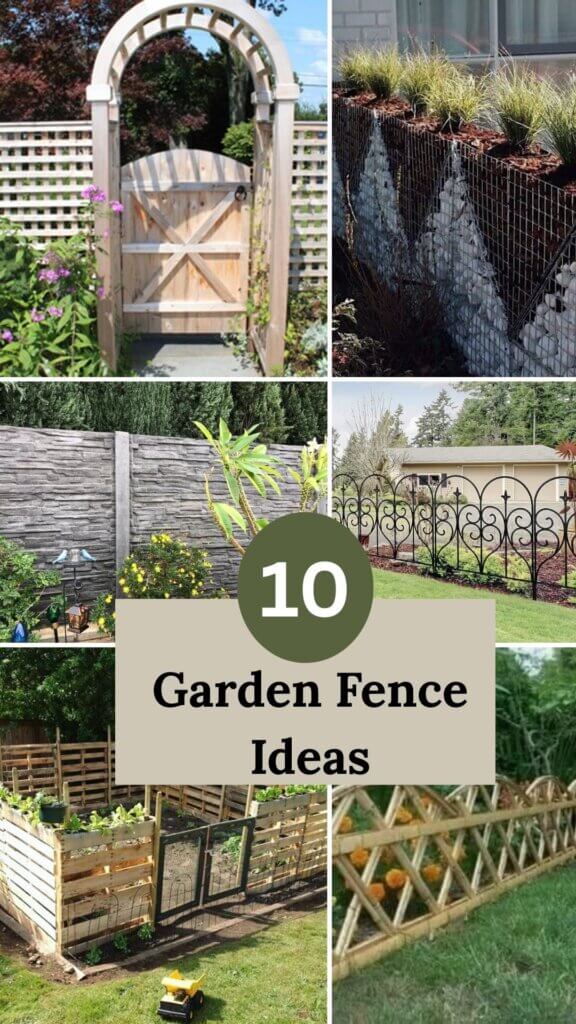
Another example of creative touches that can be used to transform an ordinary fence into a design feature is the addition of paint, decorative panels, or lighting. Finally, the ideal garden fence panels concept is secure, provides privacy, is affordable, and meets the aesthetic needs of a garden, making it a better and more welcoming place.
Garden Fence Ideas
The following is a nice list of how to build a garden fence:
Bamboo Fence
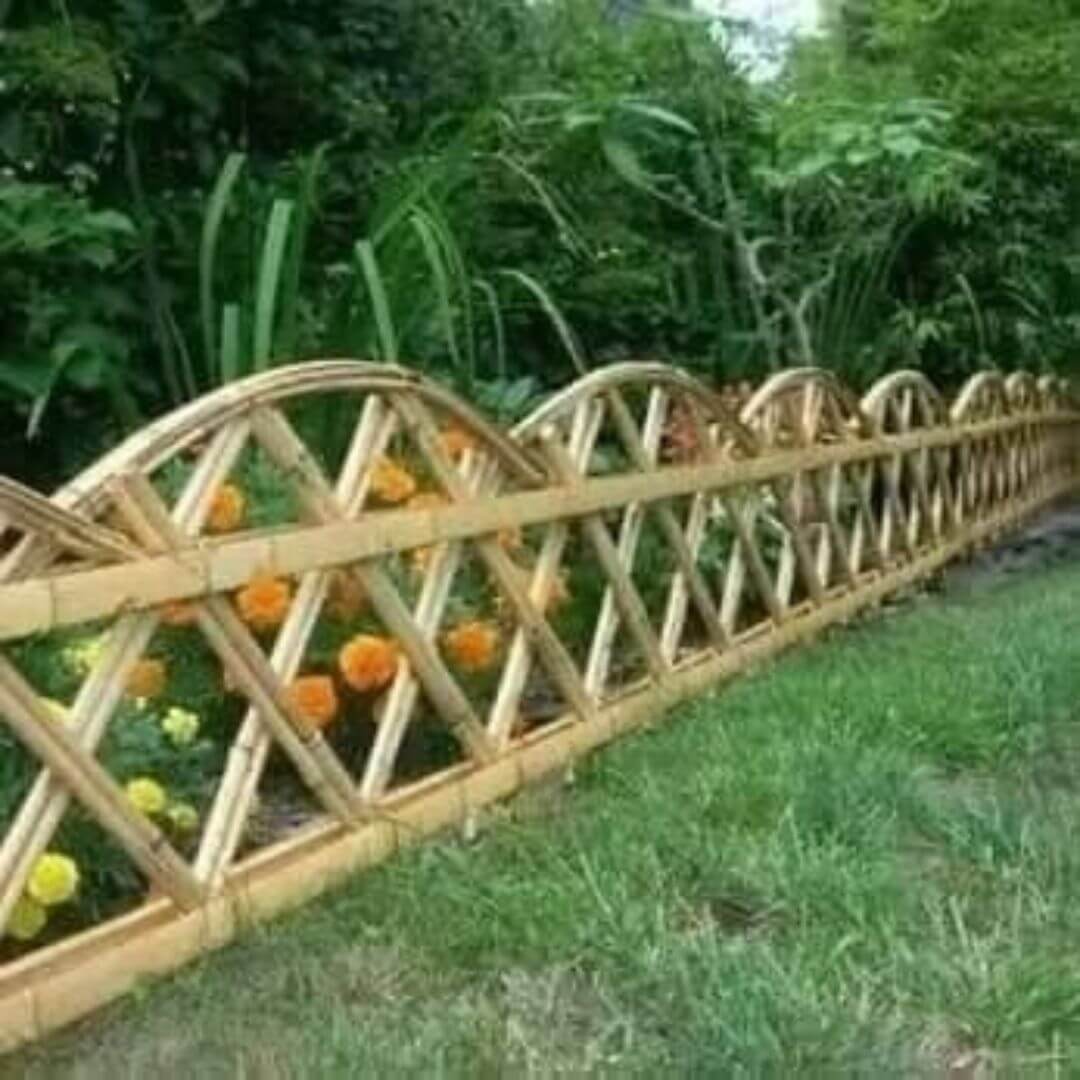 Credit @bamboo_nesting
Bamboo fences create a natural environment and an environmentally friendly atmosphere in any garden. They are particularly famous in Asian-themed or tropical scenery. Bamboo poles may be crammed tight to create privacy or may be set with openings to create a more open appearance. They are also green, as bamboo is renewable and grows very fast. The green bamboo is a nice match to greenery. These fences may serve as windbreaks and sound blocks as well as ornamental fences. Bamboo needs treatment to withstand pests and weathering and can be very long-lasting when taken care of. Lightweight, they are fairly easy to install, and they are a nice option when DIYers are in search of a natural feel.
Wrought Iron Fence
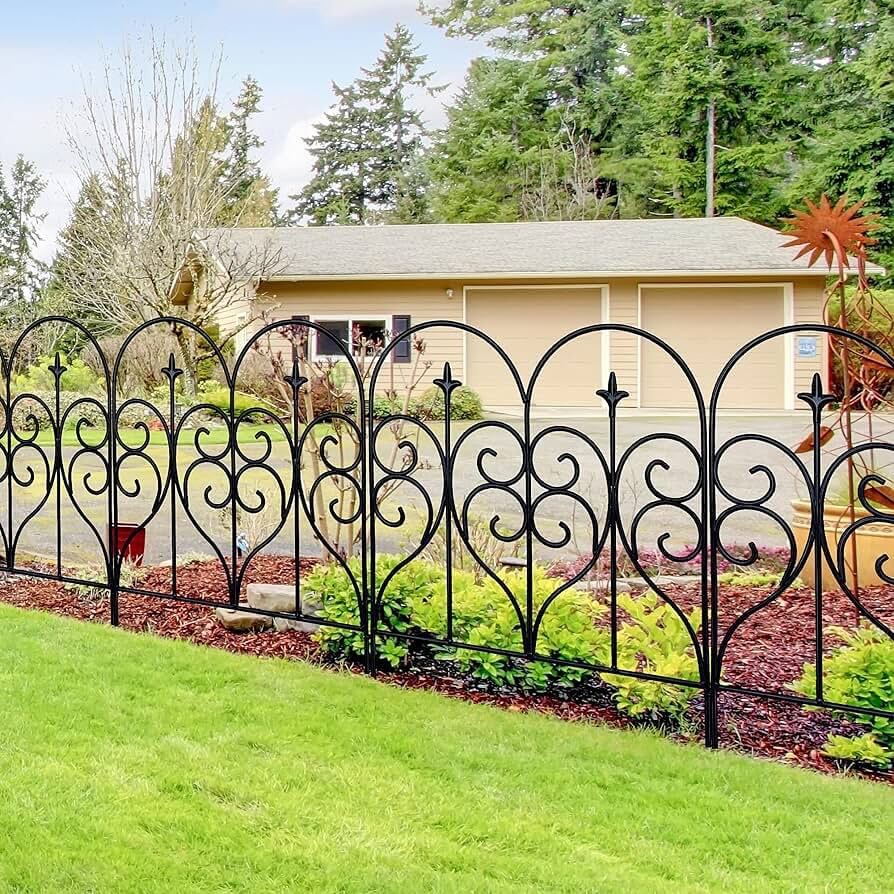 Credit @thriftaxis
Wrought iron fences are elegant and durable, and add sophistication as well as strength to a garden. The elaborate designs and ornamental scrolls bring finesse to landscapes without rendering them invisible to us. The wrought iron fences would be suitable in gardens where the views should not be obstructed. They are complemented by formal gardens, Victorian houses, or modern environments with minimalistic metals. These fences may be costly, but are very durable in the long run when properly taken care of. They require some repainting and protective coating to avoid rust. They also have a wonderful appearance with climbing vines such as ivy or jasmine that soften the metal and lend to their classic elegance.
Living Green Fence (Hedges)
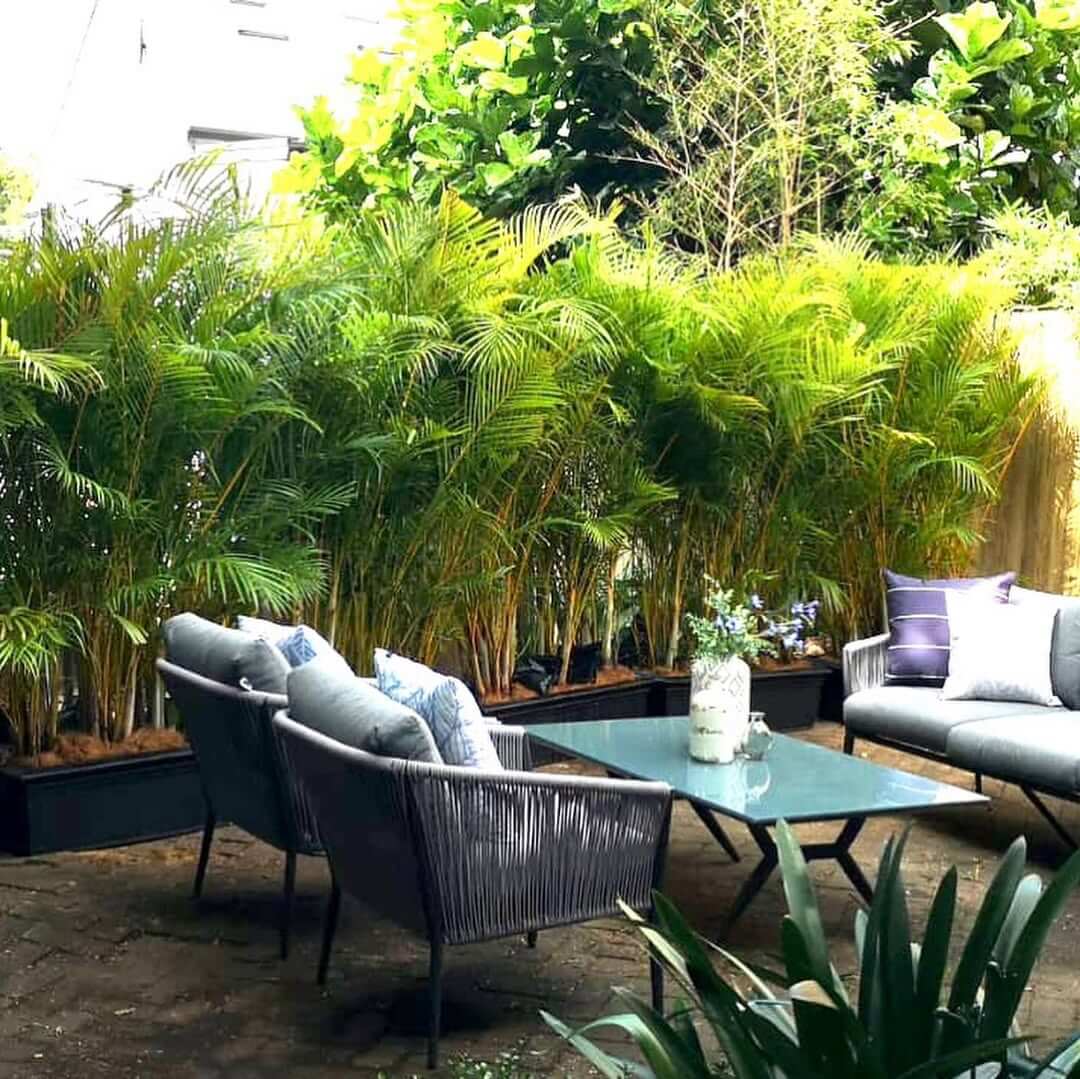 Credit @rentagardensydney
In a more natural and environmentally friendly alternative, hedges or shrubs should be planted to form a hedge. Some of the popular ones include boxwood, privet, laurel, and bamboo plants. Living fence offers privacy, noise abatement, and greenery throughout the year. It benefits the wildlife as well, providing a home and a meal to birds and pollinators. Hedges have to be trimmed frequently in comparison with hard fencing to retain their shape and density. They take longer to build, but they are rewarding over the long term. Living fences give the gardens a green and natural effect and may act as a background to colored flowers or decorative walks, forming a soft but formal border.
Stone Wall Fence
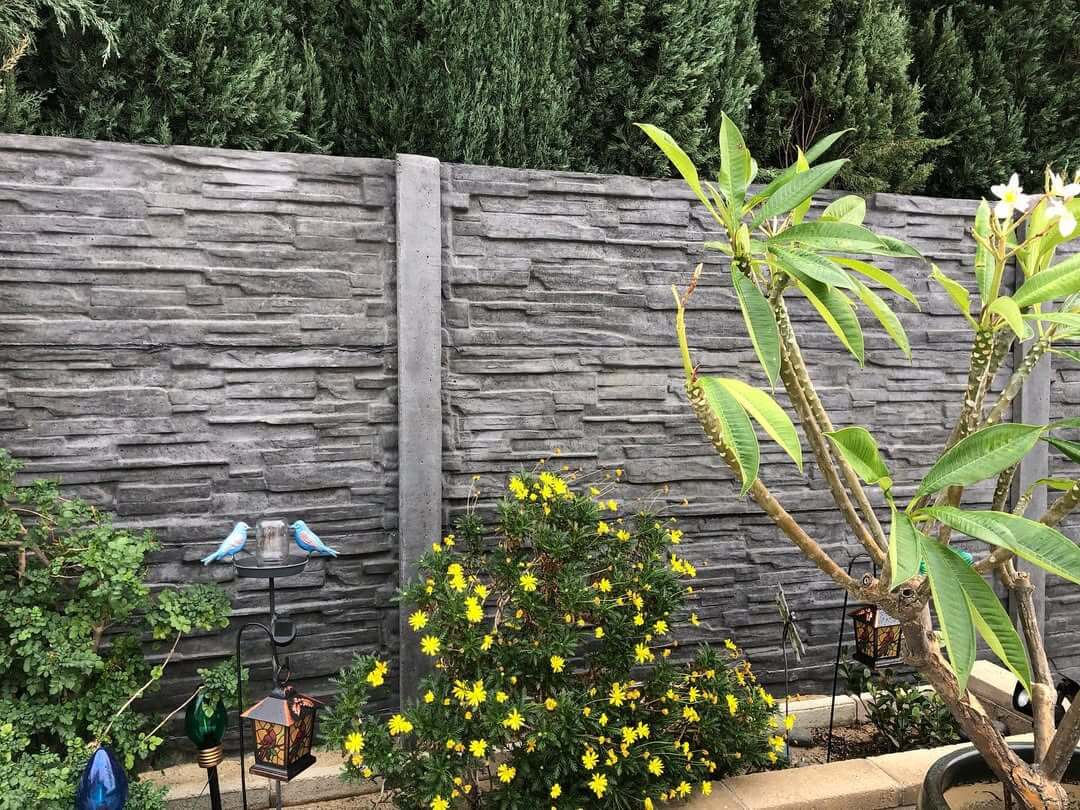 Credit @stackwall
Stone walls are durable, rustic, and classic. They do well, particularly in rural or cottage gardens. These fences are made of natural or cut stone, and they fit perfectly with plants and landscapes. Stone walls serve not only as decorations, but they are also practical since they help retain soil on a sloping garden. They do not need much maintenance, and they can stand decades of weather. They may be expensive and time-consuming to install, but because of their long life, they are worth it. To achieve a perfect appearance, you may combine the stone walls and wooden gates or climbing plants. The value of the property is also increased by this kind of fence because it is a durable, permanent fence.
Horizontal Slat Fence
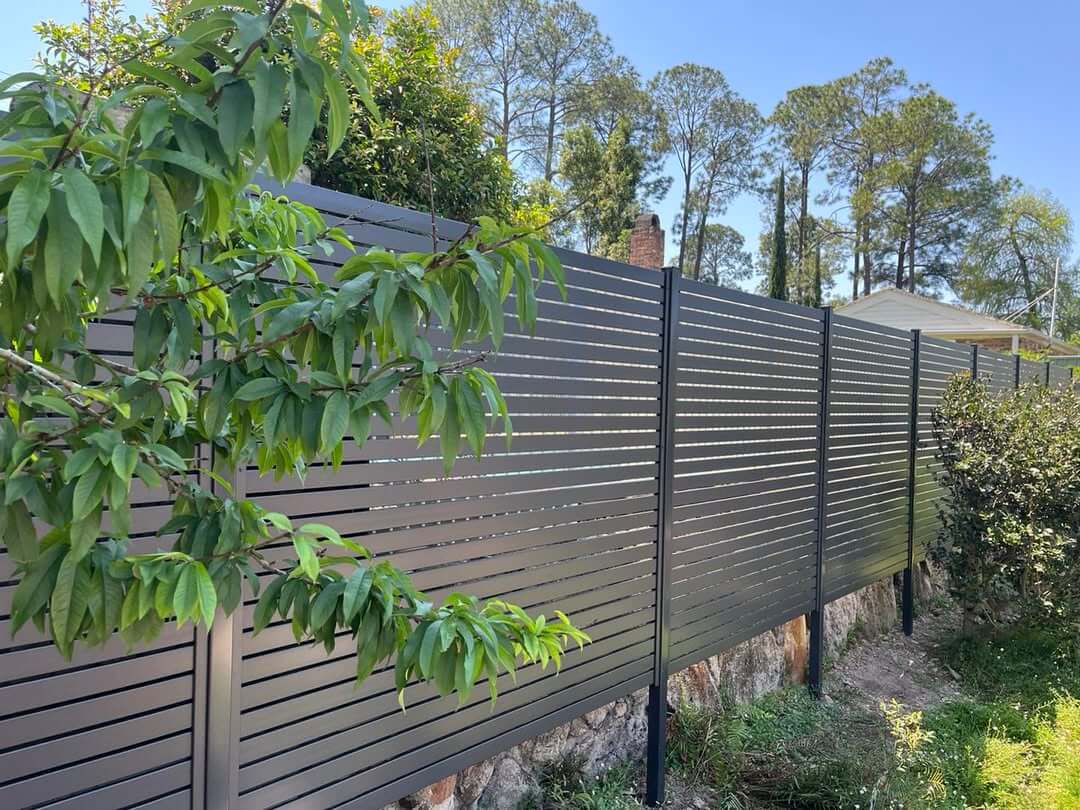 Credit @edge_fencing
Horizontal slat fences are either wooden, made of metal, or composite and are laid flat. It is the ultimate design that produces clean lines and suits modern homes. There is flexibility in the spacing between slats to have more or less privacy. These fences are smooth and can be used with minimalistic landscapes, gravel gardens, or modern patios. They may be painted, stained, or left natural in a rustic-modern combination. Composite slats are durable and need no maintenance like wood, which should be periodically sealed. Horizontal slat fences are exceptional, and they can also be combined with various posts to create a modern appearance, such as blending metal and wood.
Recycled Pallet Fence
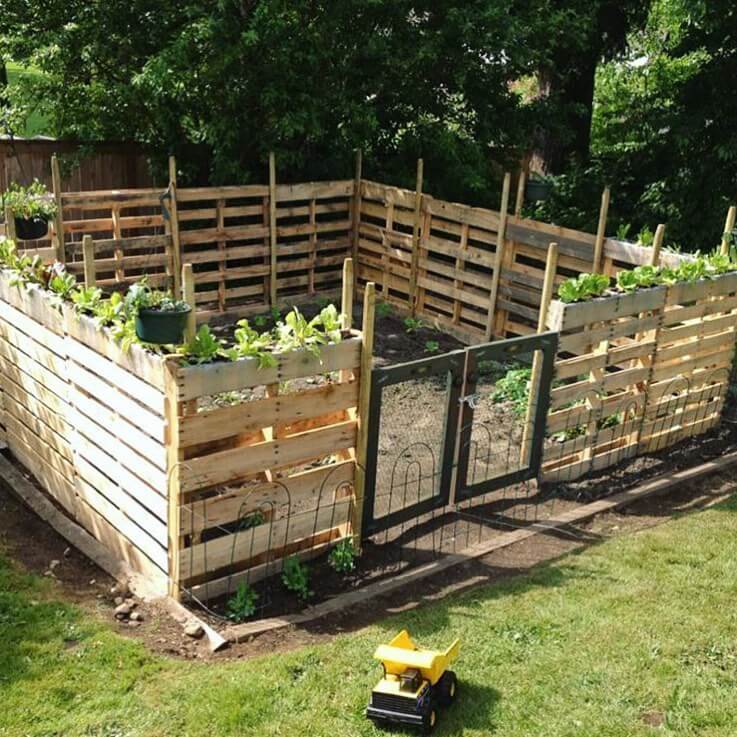 Credit @offgridworld
Utilizing wooden pallets by making them into a wooden fence in the garden is cheap and environmentally friendly. Pallets may be broken or left in their entirety to make rustic fencing. They can be painted, stained, or customized, and they bring a cute DIY factor into gardens. Pallet fences are especially popular in urban or small areas, where cost is a major consideration. They can also be used as vertical gardens with the help of pots, herbs, or flowers attached. Pallets are a good option when you need a temporary solution or ornamental fencing, although they are not as hardy as hardwood or stone. This allows you to produce less waste, as well as to make your own garden look more personal and hand-crafted.
Trellis Fence
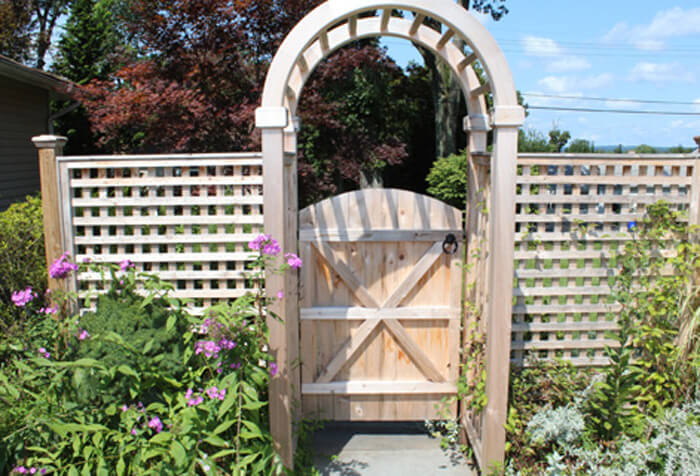 Credit @myfence2go
Trellis fences are a blend of style and design, with the advantage that they enhance climbing plants and also allow some privacy. They can be of wood or metal and have lattice-like designs allowing light and air to penetrate. Trellis fences are ideal with roses, clematis, ivy, or grapevines that can be nurtured to weave into the design. In the long term, the greenery and flowering plants transform the trellis into a greenery and flowering wall. These are the perfect fences to use in garden partitions, borders, and and ornamental details. Trellises may also be fixed to solid fences as an additional height or decoration, so they can be adapted to a wide range of environments.
Gabion Fence
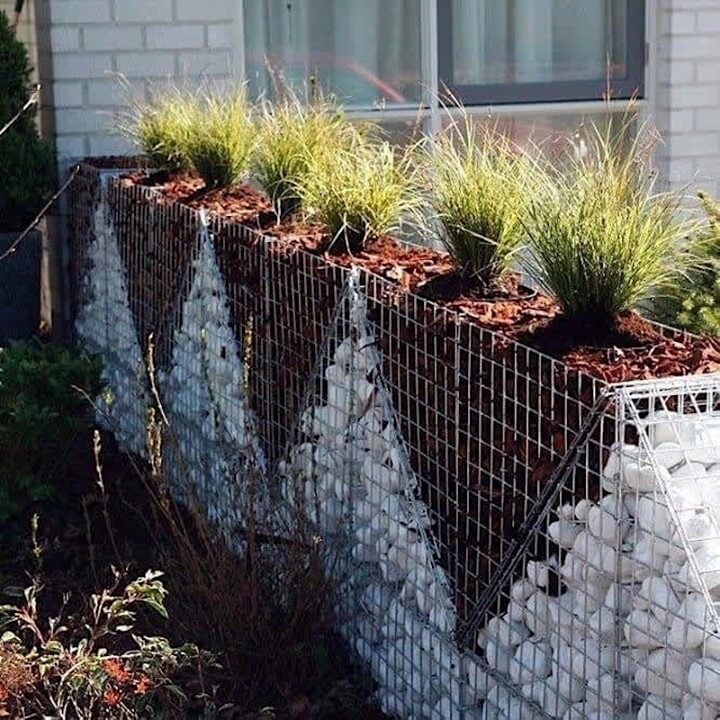 Credit @climapod
Gabion fences are a new invention in which cages of wire are filled with rocks and stones or recycled products. They are extremely tough and strong, but they look bold and industrial. Gabions serve as noise barriers and are very useful on sloping gardens, where they can also help in preventing erosion. They do not need much maintenance, and drainage prevents the accumulation of water. The appearance can be tailored to your taste, with a variety of rock varieties: coarse, natural rock, or polished river pebbles. Installation is intensive, but as a practical and stylish product to use in the design of modern gardens, gabion fences are very secure and do last longer.
Vinyl Fence
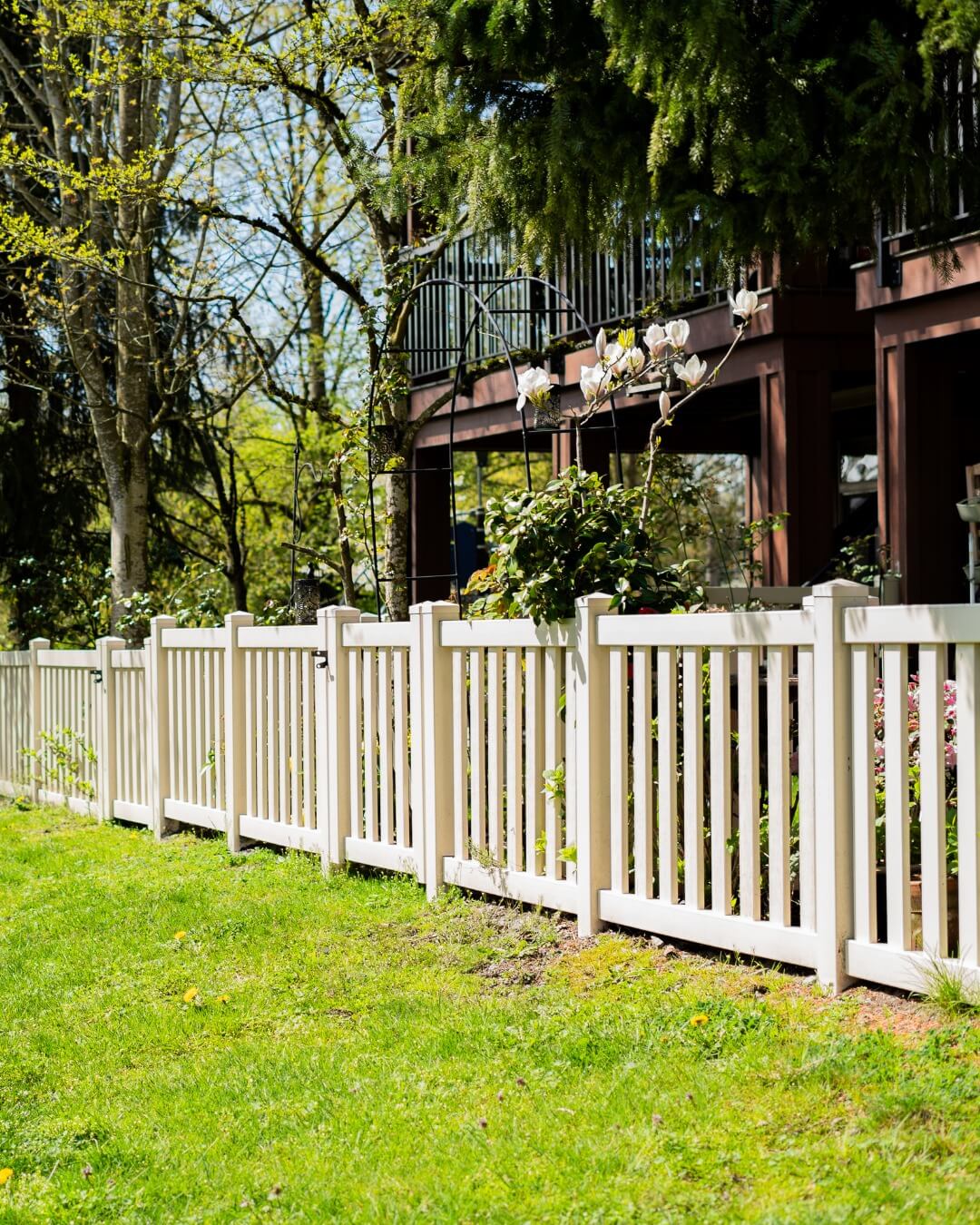 Credit @premiumfenceinc
Another low-maintenance material that is also weather-resistant is vinyl fencing that can replace wood. It comes in different styles, such as picket, privacy, or ranch-style, thus giving it a variety of options that are also durable. Vinyl does not rot or warp and requires no repainting, so it is perfect for busy homeowners. It is also pest and UV-resistant, so the color lasts longer. White vinyl fences have a fresh, contemporary appearance, and colored or textured fences replicate the appearance of wood. The initial price might be more expensive than wood, but vinyl does not need many repairs, and it will last for decades. Vinyl fences are also ideal for people who need a beautiful and simpler fencing option in their garden.
Wire Mesh Fence
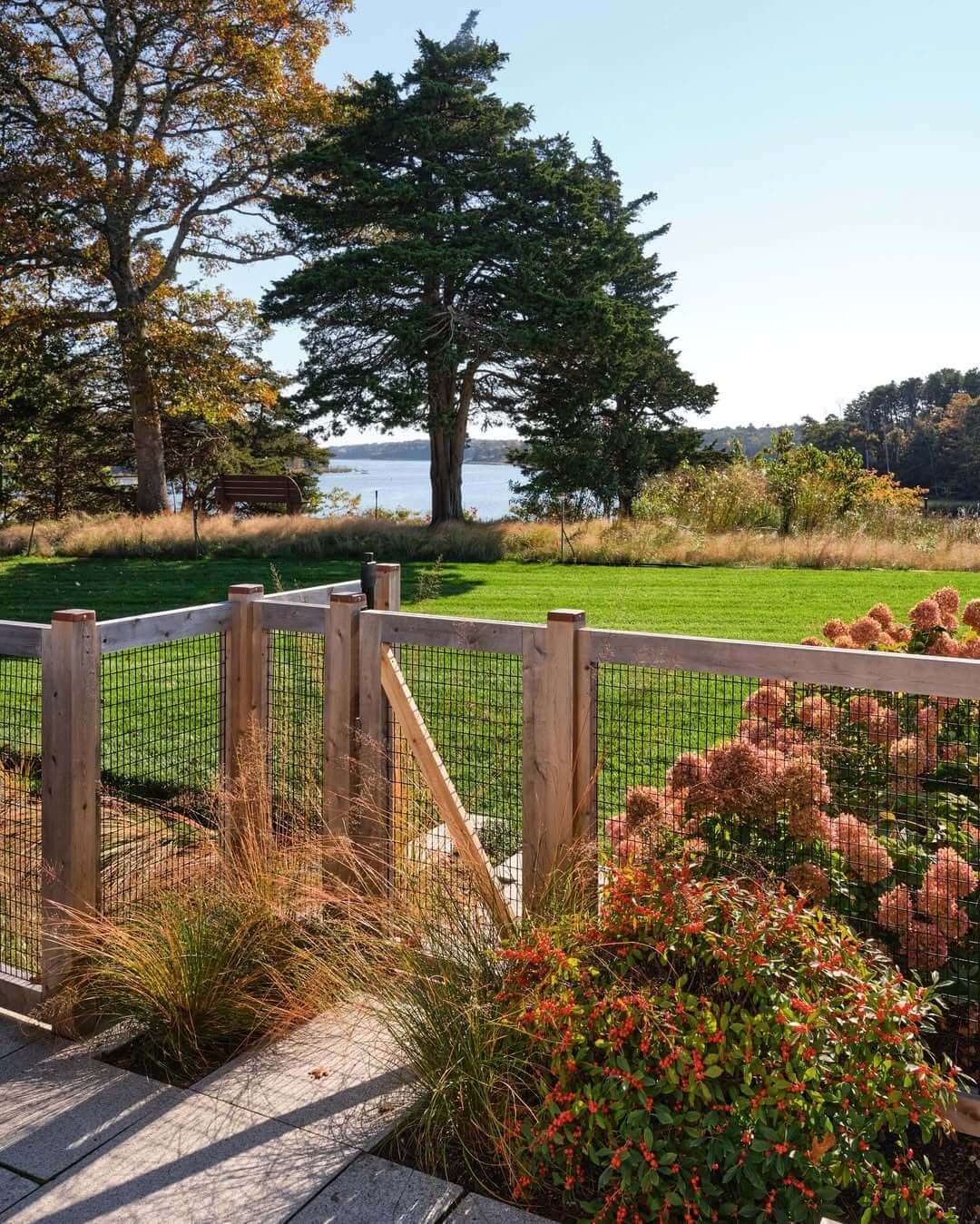 Credit @mcldllc
Chain link (also referred to as wire mesh fences) is convenient to install around a garden to keep pets confined or to keep animals out of the vegetables. Not as ornamental as alternatives, they may be supplemented with climbing plants, hedges, or wooden framing to beautify. Mesh fences are inexpensive, sturdy, and simple to put up. They are great in backyards where practicality is important. Coated wire varieties are rust-resistant and durable. Mesh fences are also transparent and can be used in open areas or community gardens where openness is a virtue. They are functional, adjustable, and very adaptable in most garden environments.
FAQs
Q1: Which is the most suitable material to be used as a garden fence?
A: It is a question of needs. The wooden fence is natural and welcoming, the metal one is robust and secure, the vinyl one is low-budget, and bamboo/hedge fences are friendly and eco-friendly, and also fashionable.
Q2: What should be the height of a garden fence?
A: Most garden fences are 36 feet. For privacy, choose 5–6 feet. And 3-4 feet are sufficient to decorate, or small limits. Having a local rule is always the first option when making height decisions.
Conclusion:
Backyard garden fence ideas are one of the easiest ways to keep your outdoors safe, organized, and even pretty. You can get a wooden fence, a metal fence, a vinyl fence, and even a plant-based fence, according to what you want, whether it is privacy, security, decorating, or any other thing that fits you. With the right fence, your garden may be a safe, beautiful, and homey place to live with your family, pets, and plants.