![Hey Decor Girl [Latest Trending Decor Design Ideas]](https://heydecorgirl.com/wordpress/wp-content/uploads/2024/08/Heygirldecor-Logo.png)
The simplicity, harmony, and unity with nature can be identified as the trademarks of Japanese fence design. Japanese fences are not just a boundary of the property, like regular fences; Japanese fences have a deep cultural background. They are a representation of privacy, peace, and balance, and they fit in well with their environment. The classic types of Japanese fences are usually made of natural resources such as bamboo, wood, and stone, giving them a serene and natural appearance in the gardens and the courtyards.
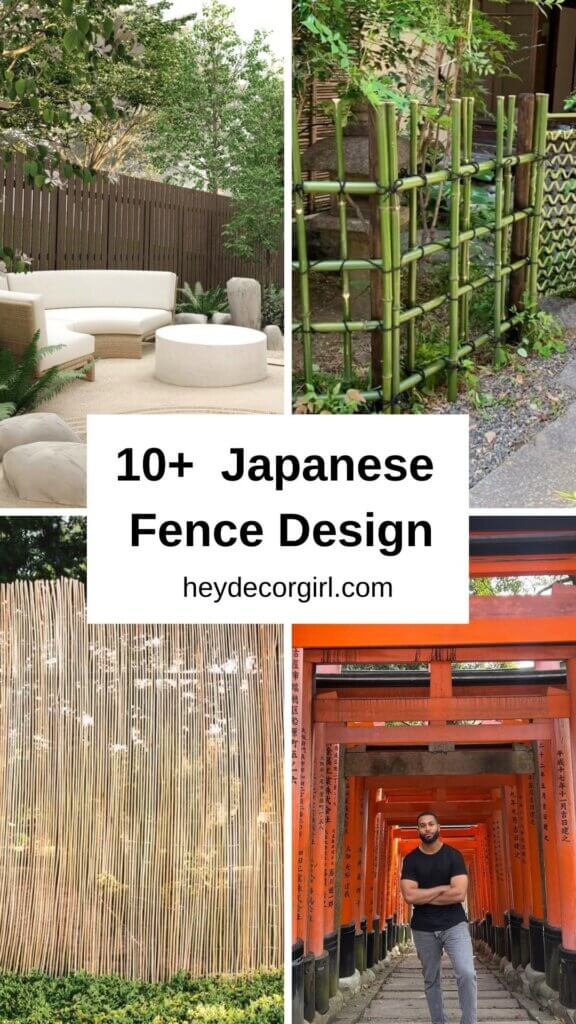
Such fences are not fences; they are art expressions that echo the Japanese philosophy of minimalism, craftsmanship, and respect for nature. Japanese fence designs are also very inspirational, whether you want to build a Zen garden, a modern Japanese-style backyard, or even just add a taste of Asian-inspired beauty. There are various kinds of Japanese fences, design concepts, materials, and styling concepts that can turn your outdoor space into a serene getaway with lots of natural beauty and cultural elements. We will discuss all these in this blog.
Top 10 Stunning Japanese Fence Design Ideas
Bamboo Fence (Takegaki)
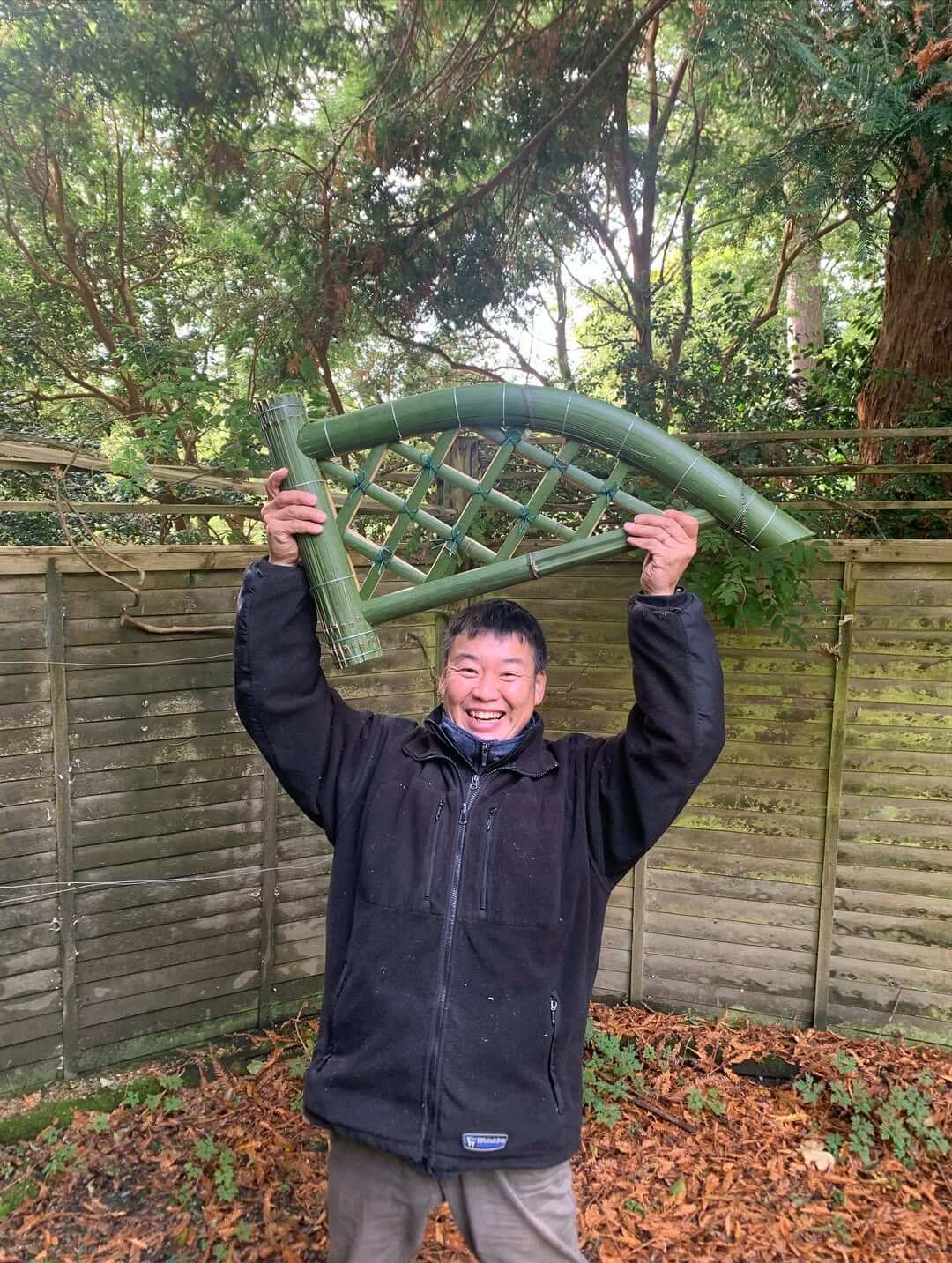
Credit@popsymag
Takegaki is a bamboo fence, which is one of the oldest as well as most beautiful Japanese fences. It is composed of natural bamboo poles bound by black twine in nice knots. This fence is perfectly integrated into gardens, courtyards, and meditation areas and offers privacy to the area without blocking the sunlight and airflow. With time, the color of the bamboo darkens, it becomes a warm golden hue, and this touches on the warmth and the ageing beauty. Harmony with nature is facilitated by the minimalist, eco-friendly construction, and therefore, it is a classic and modern Japanese-style garden design that is timeless.
Bamboo Fence made with woven bamboo (Yotsume-gaki)
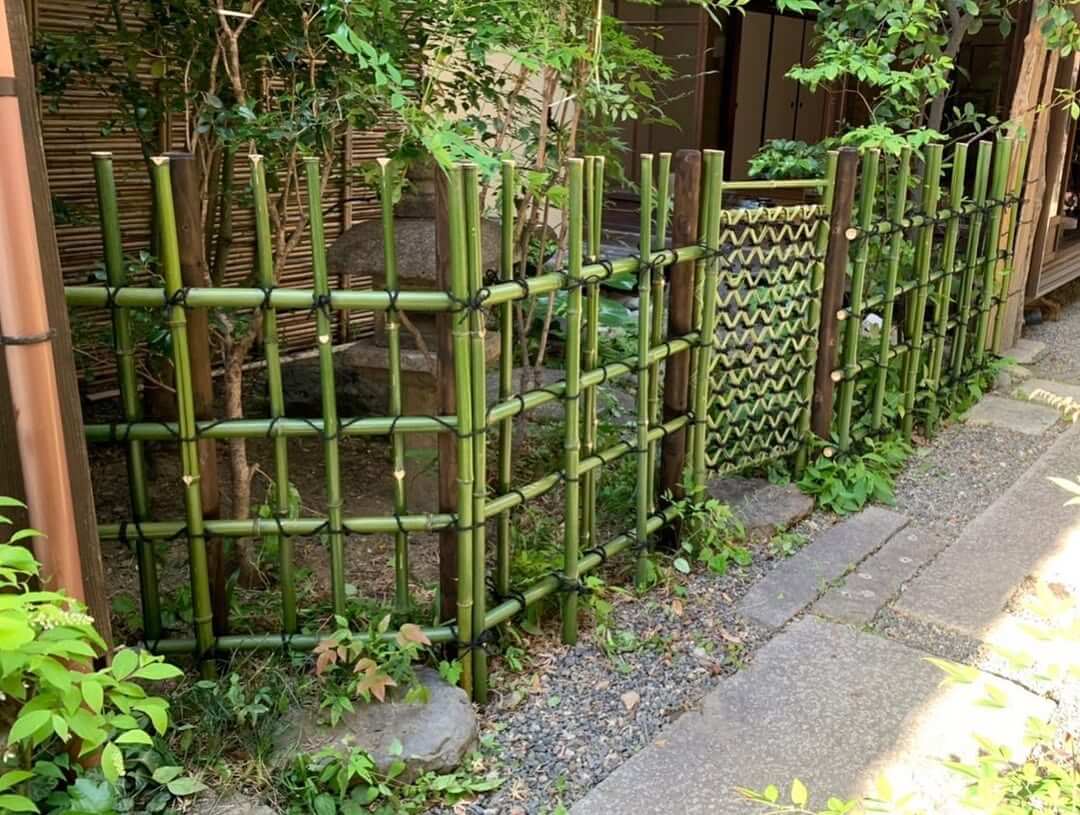
Credit@yokoyama_bamboo_product
The Yotsume-gaki fence is woven by weaving bamboo slats into a grate-like structure, giving the appearance a structured, yet natural appearance. This structure has a partial visibility that will provide your garden with the impression of openness, but privacy is maintained. It is commonly placed along the walkways or as a background of the stone lanterns and bonsai trees. The woven material is visually engaging and provides depth and simplicity, adding a handcrafted effect to your outdoor space. The Yotsume-gaki fence, easy to carve and inherently beautiful, embodies the harmony of order and simplicity, which is one of the central notions in Japanese garden design.
Lattice Fence made of wood (Koshi-gaki)
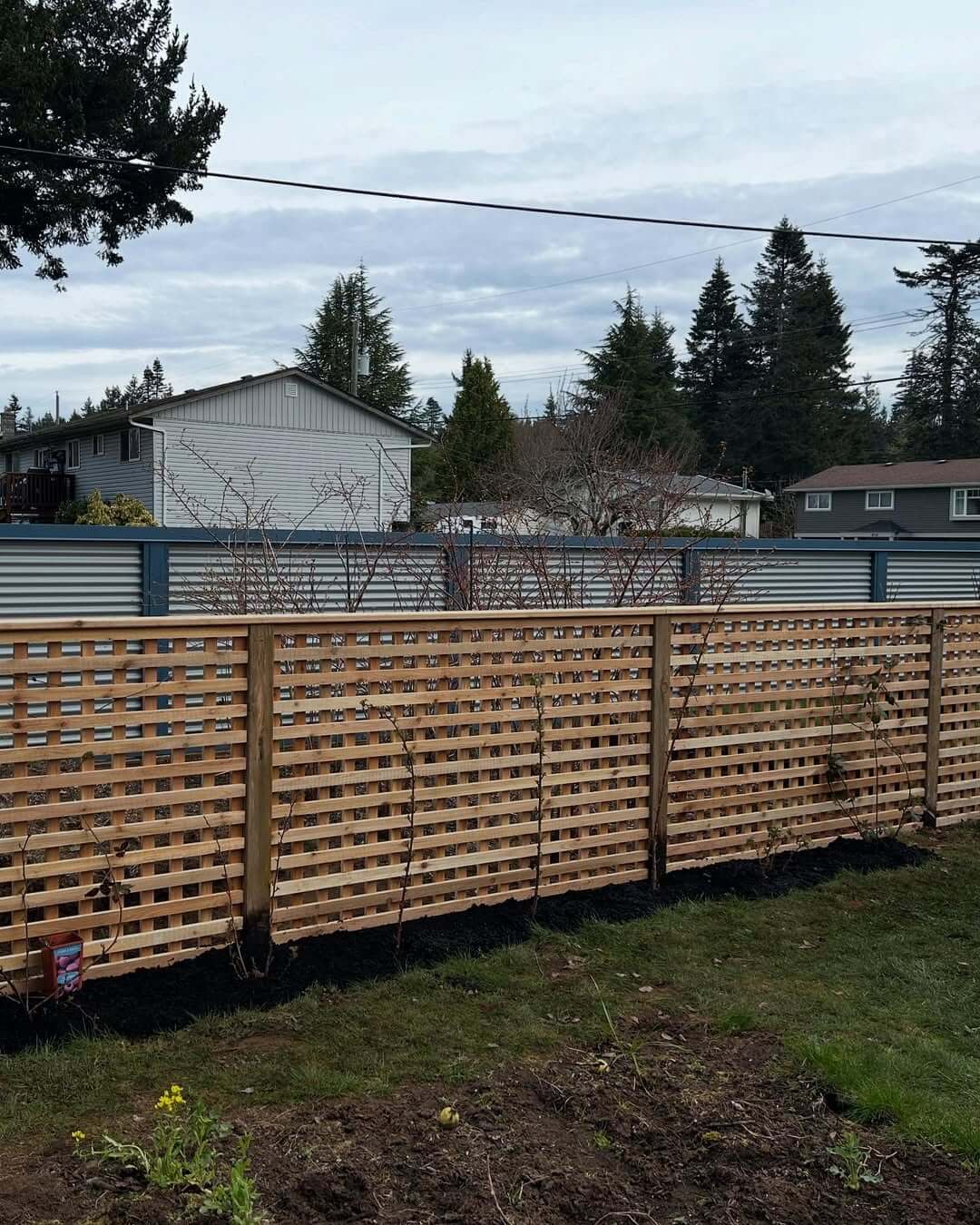
Credit@smartcedarworks
The wooden lattice fence called the Koshi-gaki is an eternal Japanese design that can be found in temples and tea houses. It is a thin wooden slat fence that is either made as a horizontal or a crisscross to provide light filtering and semi-privacy. Natural or stained wood is a natural warm color that blends well with the surrounding plants. It is perfect for people who appreciate traditional Japanese architecture and, at the same time, want a straightforward modern redesign. The fence enables natural growth of vines and climbing plants that will bring beauty and life to the perimeter of your garden, as well as keeping a peaceful and relaxed look.
Stone Base Fence (Ishidatami Fence)
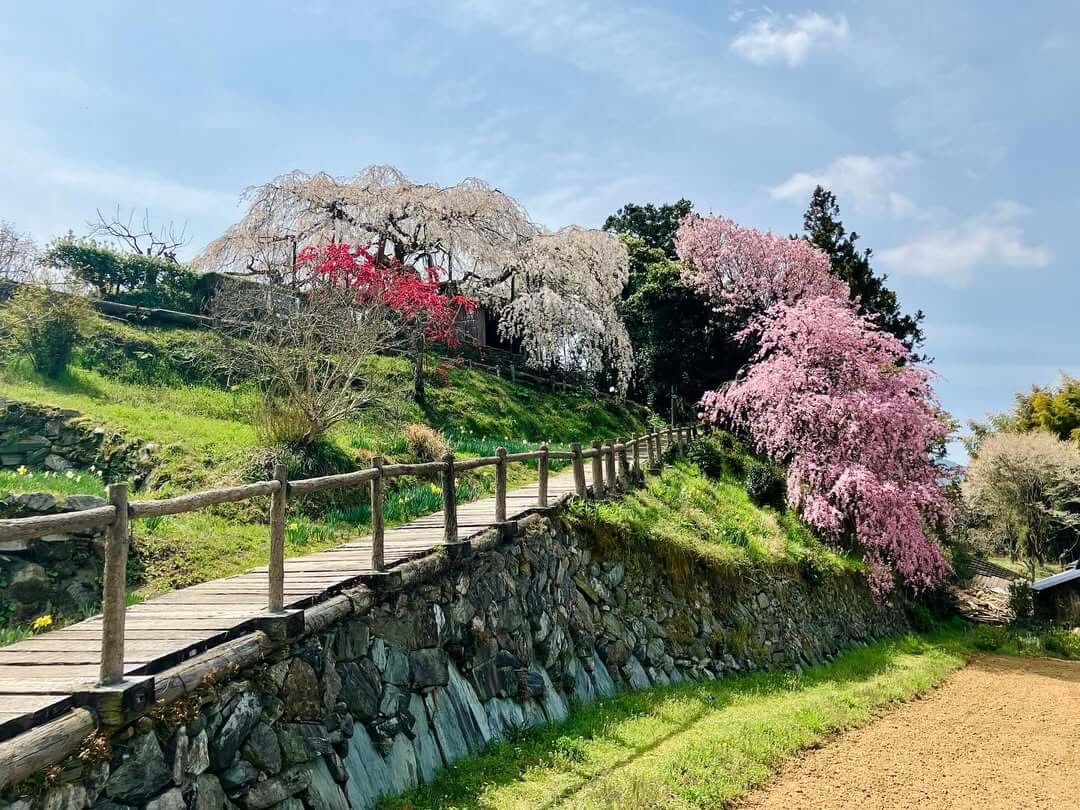
Credit@visit_uchikojapan
The Ishidatami fence is made of bamboo or wooden panels with natural stone to create a delicate but natural appearance. The heavy rock base is used to give the structure its strength and texture, which carries the light upper part. This contrast also makes your landscape more stable and striking. This type of fence is often found in typical Japanese courtyards, and they are well combined with moss and ferns as well as gravel walks. It is a wonderful option in homes that appreciate quality and the natural look. The combination of rock and wood is associated with the idea of balance, strength, and softness, which is the Japanese philosophy of a garden.
Shibui Style Minimal Fence
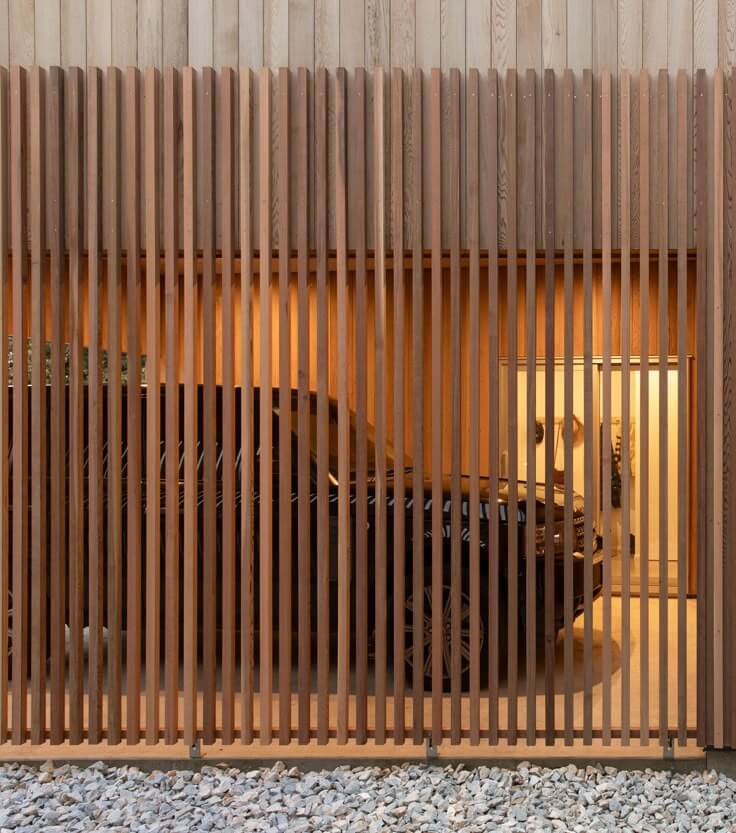
The Shibui style fence is concerned with simple beauty and simplicity. It is based on clean lines, smooth wooden surfaces, and soft and natural colors, such as beige or light brown. There are no ornate embellishments or decorations, but just grace with simplicity. This design is ideal in Zen gardens or minimalist houses in the modern day, since peace and clarity are of utmost importance. The shibui fences become a part of the environment instead of creating a standup, which provides relaxation and coziness. This type of fence does not over-design, which allows this kind of fence to emphasize the silent power and beauty in the simplicity of nature.
Privacy Bamboo Screen
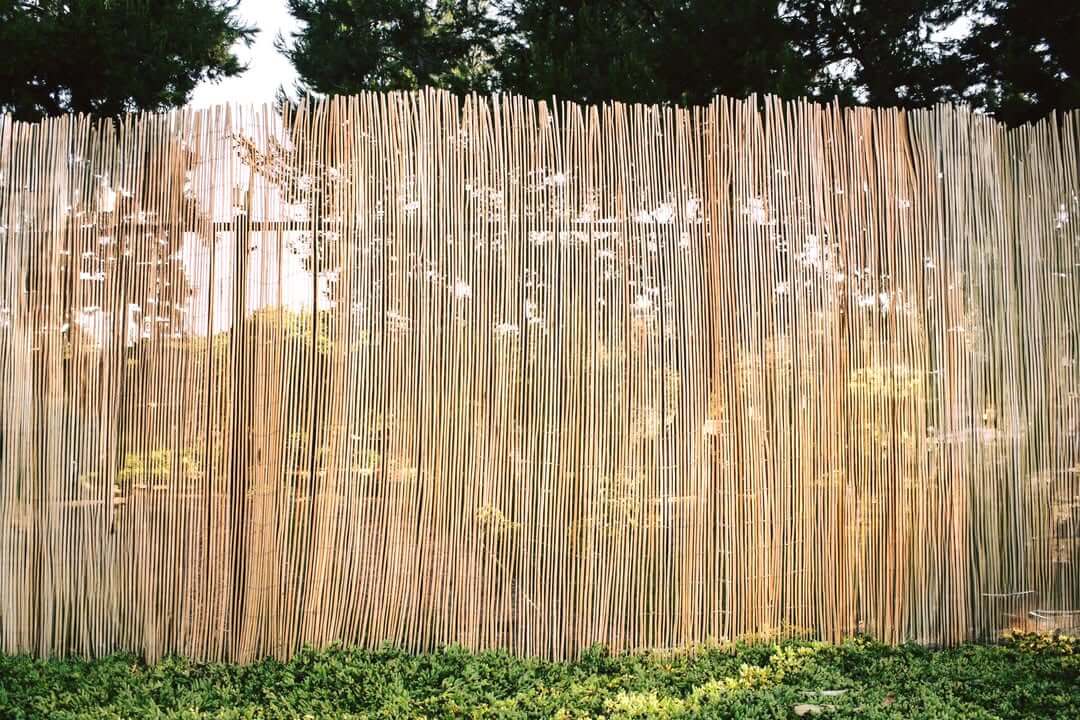
Credit@foreverbamboo_
The privacy bamboo screen is the best option for homeowners who need to have seclusion but stay stylish at the same time. It is made out of tightly packed bamboo stalks to produce a natural wall that is solid wall. The construction provides a fantastic privacy of patios, garden seating, or a spa. It is light gold, which contributes to comfort, and at the same time, the natural texture of bamboo makes the space look natural and cozy. It can be supplemented with Japanese lanterns, water features, or potted plants to make it look cozy and peaceful. This fence is eco-friendly and durable, le and it makes every backyard a tranquil Tokyo-inspired Japanese-inspired space sanctuary.
Torii-Inspired Design Fence (Garden Gate Fence)

Credit@rubenharris
This design was also inspired by the iconic Japanese torii gates at the temple, and it is a blend of both culture and architecture. It is characterized by high wooden posts and a horizontal beam, which commonly leads to a tranquil garden. It looks so good with bamboo or wooden panels to create your outside area. You may leave it in its natural s, state or it can be painted in the conventional red to make it true to nature. The torii-like fence is used to denote the pict entrance to serenity and thus, it is practical and spiritually significant. It is a beautiful way of forming a friendly entry point to the Japanese-style gardens.
Shoji-Style Fence
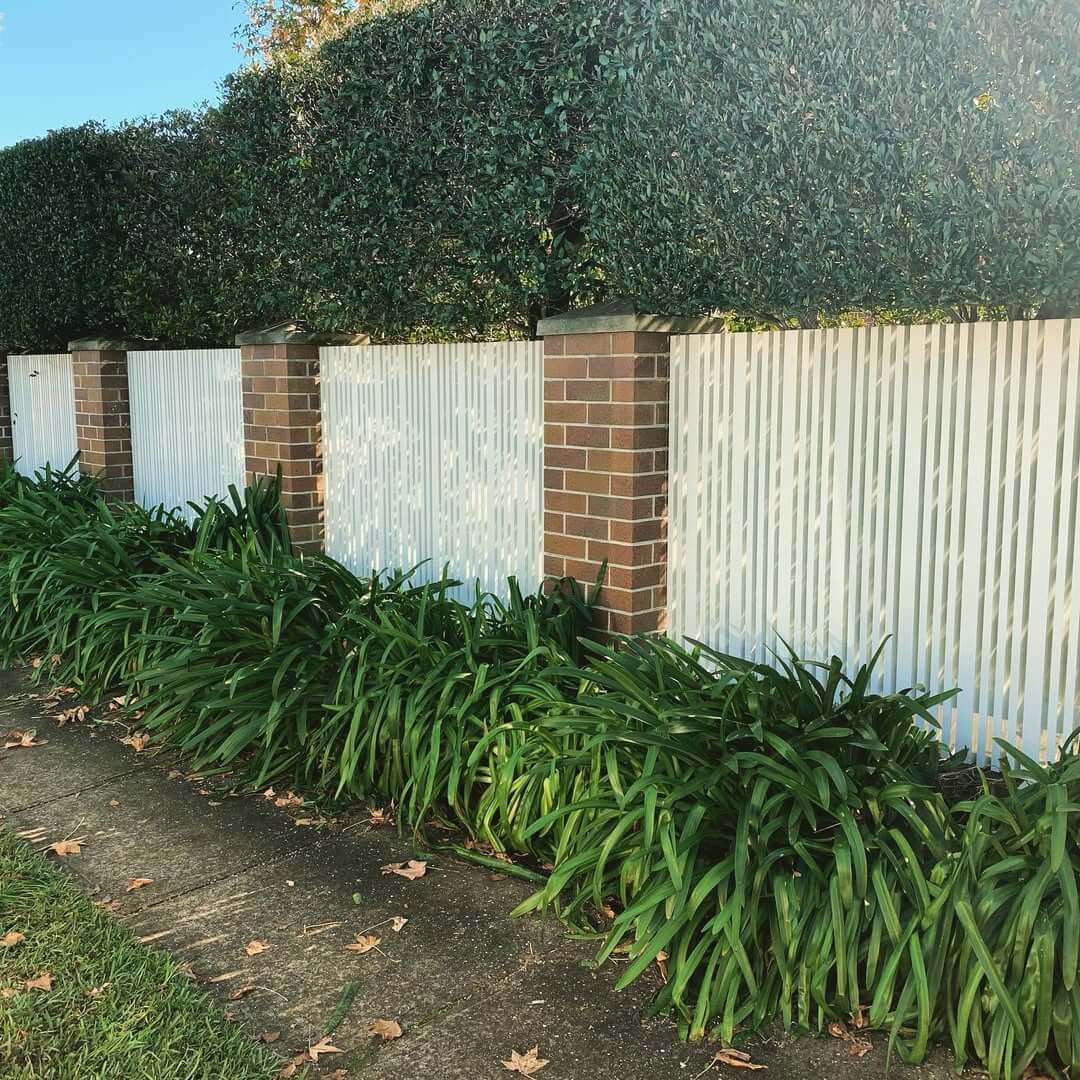
Credit@dlsaustralia
The Shoji-style fence is inspired by the Japanese traditional translucent sliding doors that are present in Japanese homes. It is characterized by wooden frames, with either frosted glass, acrylic, or polycarbonate panels that subtly diffuse light. Privacy is enjoyed by this design, which is not heavy and gives a gentle glow to your garden or courtyard. It would be perfect for contemporary homes that want to have a combination of both modern and Japanese elegance. The minimalist and smooth building is complemented by the stone walkways, bonsai, and bamboo plants. The Shoji fence is simple, serene, and light – Japanese architectural beauty.
Bamboo and Metal Fence with Combination
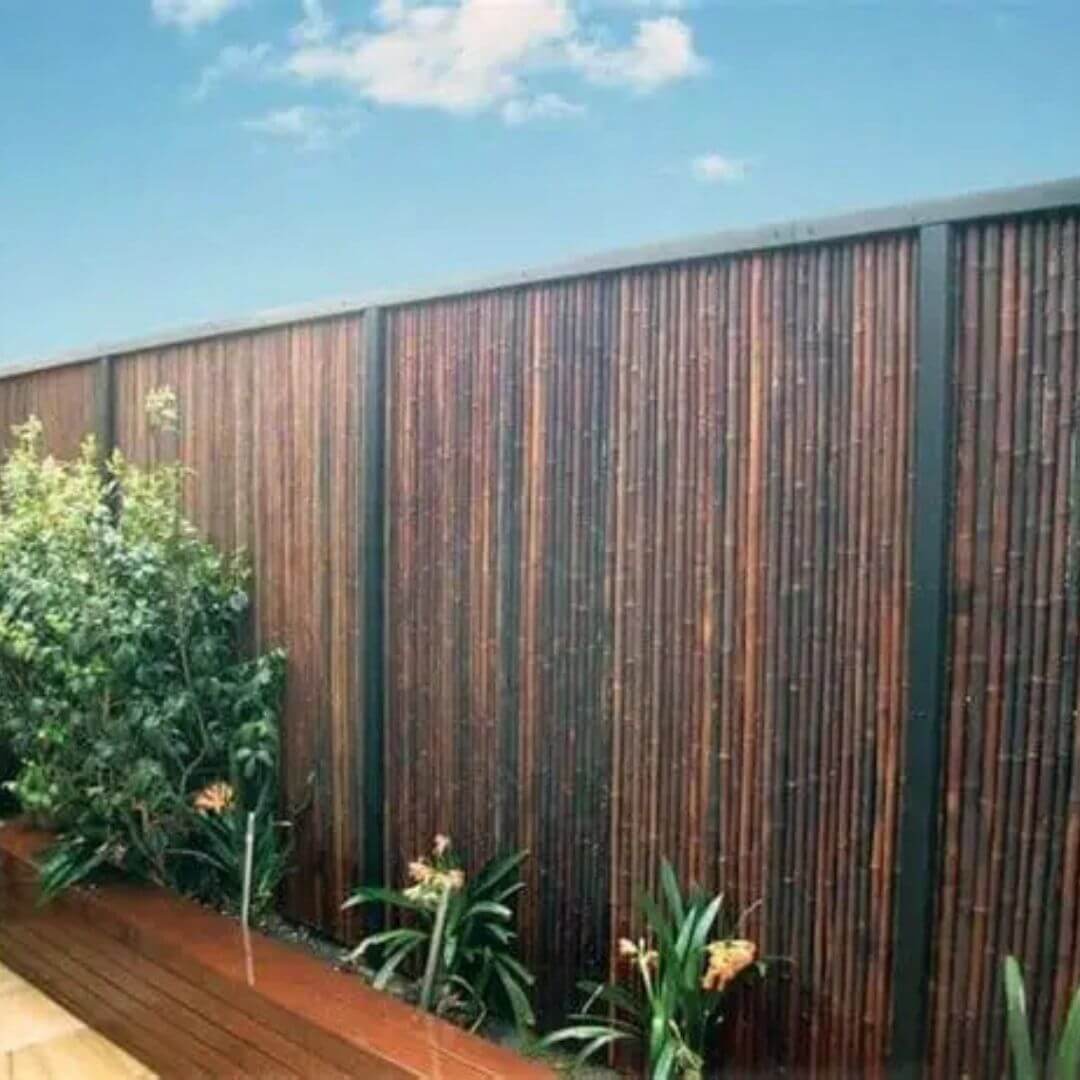
A bamboo and metal blend of fences should be a great idea to adopt both tradition and modernity. It has strong and durable steel or iron frames and bamboo panels. The warm-cool combination of bamboo and cool metal is an excellent combination of style and serves as a perfect balance. The design is strong, weather-resistant, and an excellent fit in urbahouse, including those who would like to have the Japanese touch. The metallic design provides stability, and bamboo preserves a natural and relaxing air. They combine to form a one-of-a-kind design that fuses old-fashioned craftsmanship with contemporary design tastes.
Zen Garden Fence
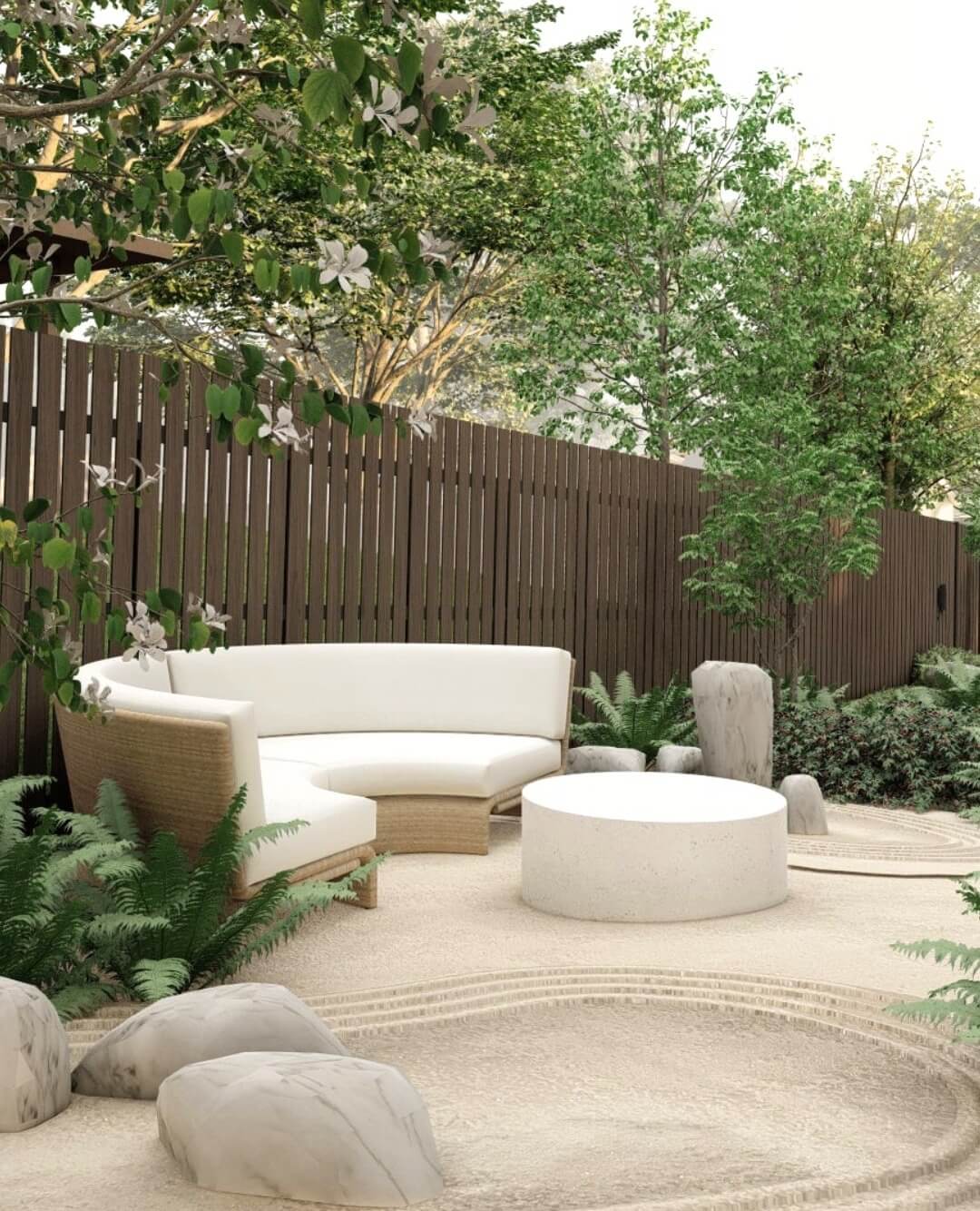
Credit@yardzen
Space is defined by having a Zen garden fence, but without losing openness and tranquility. Usually composed of low bamboo barriers or plain wooden posts, it is used as an inconspicuous demarcation to gravel paths or stone features, or ponds of koi fish. The idea behind this design is not only privacy but visual orientation – the eye just flows through the garden by the design. It is best to add small stone lanterns or moss around to improve the spiritual feel. The Zen fence reflects the mindfulness, minimalism, and the Japanese philosophy of the beauty of silent balance and imperfection of nature.
Design Tips for Japanese Fences
- The design should be genuine and natural with the use of bamboo, wood, and stone.
- Keep it plain and simple | do not use too complex patterns and bright colors.
- The fence should be integrated into nature, so plantings such as bamboo, Japanese maple, or moss should be used.
- Include more vintage pleats like twined or roped knots, rather than nails, to create a handmade appearance.
- Select natural and ground colors – beige, brown, gray, and light green are the best.
- Additional features of a Japanese garden, such as stone lanterns, stepping stones, or water basins, can be added around.
- When the height is small, it should be difficult to raise because of the visual effect.
- Let the materials, such as bamboo and wood ,age naturally to make them rustic, time-worn.
- Use low-intensity lights like lanterns or ground lights to show the way at night.
- Clean and organised lines are allowed with horizontal or vertical slats, which beautify Zen.
- Incorporate the designs of gates using traditional Torii or Shoji designs to create a traditional entrance.
- Think about climbing vegetation or vines to make the fence look less like a fence.
- Protective finishes or sealants should be applied to protect the weather and increase its life.
- Plan to be light privated – select semi-open designs to allow light and air to enter.
- Make sure that your fence blends with your home and landscape by making sure that the architecture is the same.
Final Thought
The art, tradition, and nature have been incorporated into one cohesive form by Japanese fence design. Each one, be it made of bamboo, wood, or stone, demonstrates the idea of balance, peace, and simplicity – the very essence of Japanese style. In addition to the delineation of territories, the fences provide a sense of calmness, seclusion, as well as aesthetic balance in the outdoor settings. With classic bamboo fabrics to modern Shoji-style panels, every design will be a classic beauty and cultural charm to your garden. Using natural tones, clean lines, and thoughtful artisan work, you may turn your yard into a peaceful oasis, where elegance, nature, and enduring peace will be found.
FAQs
Q: What are the materials used in the Japanese fence design?
A: The Japanese fences are typically constructed using natural sources such as bamboo, wood, and stone. These details bring unity to nature and make the garden more tranquil.
Q: What should I do to make my garden fence appear more Japanese?
A: Apply natural colors and a few straight lines, incorporating such details as bamboo panels, rope ties, lanterns, or stone paths. These features will automatically make your garden Japanese.
Q: Can the Japanese fences be used in modern homes?
A: Yes, the modern architecture is so well-combined with Japanese fences. Other styles, such as Shoji or bamboo metal blends, have a minimalistic but elegant look that can be applied in both old-fashioned and modern environments.
Q: Are Japanese fences a sufficient source of privacy?
A: Absolutely. Tall bamboo screens, wooden slat fence, or woven bamboo designs are the best designs that cannot only offer great privacy but also have a natural light and airy appearance.
Q: What should I do to keep a bamboo or a wooden Japanese fence?
Clean the surface regularly to avoid mold, use a protective sealant, and do not have it constantly expose tit o moisture. Naturals develop with age, whereas simple perks guarantee beauty and stability.