![Hey Decor Girl [Latest Trending Decor Design Ideas]](https://heydecorgirl.com/wordpress/wp-content/uploads/2024/08/Heygirldecor-Logo.png)
The ideas of library bulletin boards are an excellent means of making any library space a lively and interesting space. These artistic exhibits go beyond merely making the library more beautiful and also have a useful purpose of promoting reading, learning, and advertising significant library programs. Bulletin boards are an all-purpose tool to bring ideas to life, whether you need to showcase seasonal themes, advertise new books, congratulate students, or engage them in interactive reading challenges.
Bulletin boards within the library setting are attention-grabbing pieces that make one curious. They show a graphical display of the activities and aims of the library, which makes them an effective both teaching and engagement tool. With the inclusion of various creative and thematic concepts, including book recommendations, reading objectives, and author spotlights, it is possible to establish a stimulating and energetic environment that will encourage patrons to read new books and take part in library events. Whether it is the decorations at the seasons or interactivity, these bulletin board concepts are meant to enhance the library experience and create the spirit of loving to read in everyone who comes to visit.
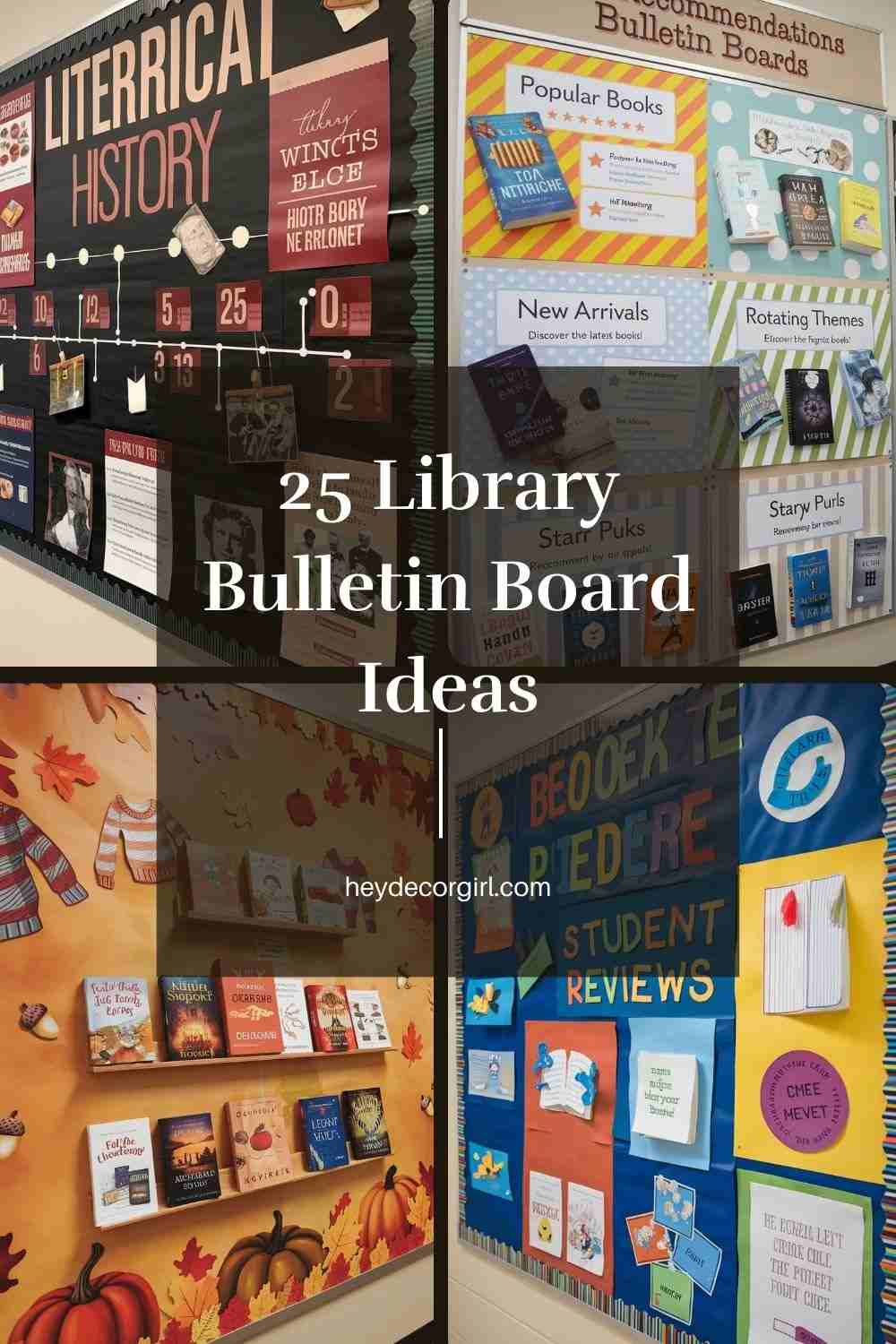
Best Library Bulletin Board Ideas
1. Seasonal Themes
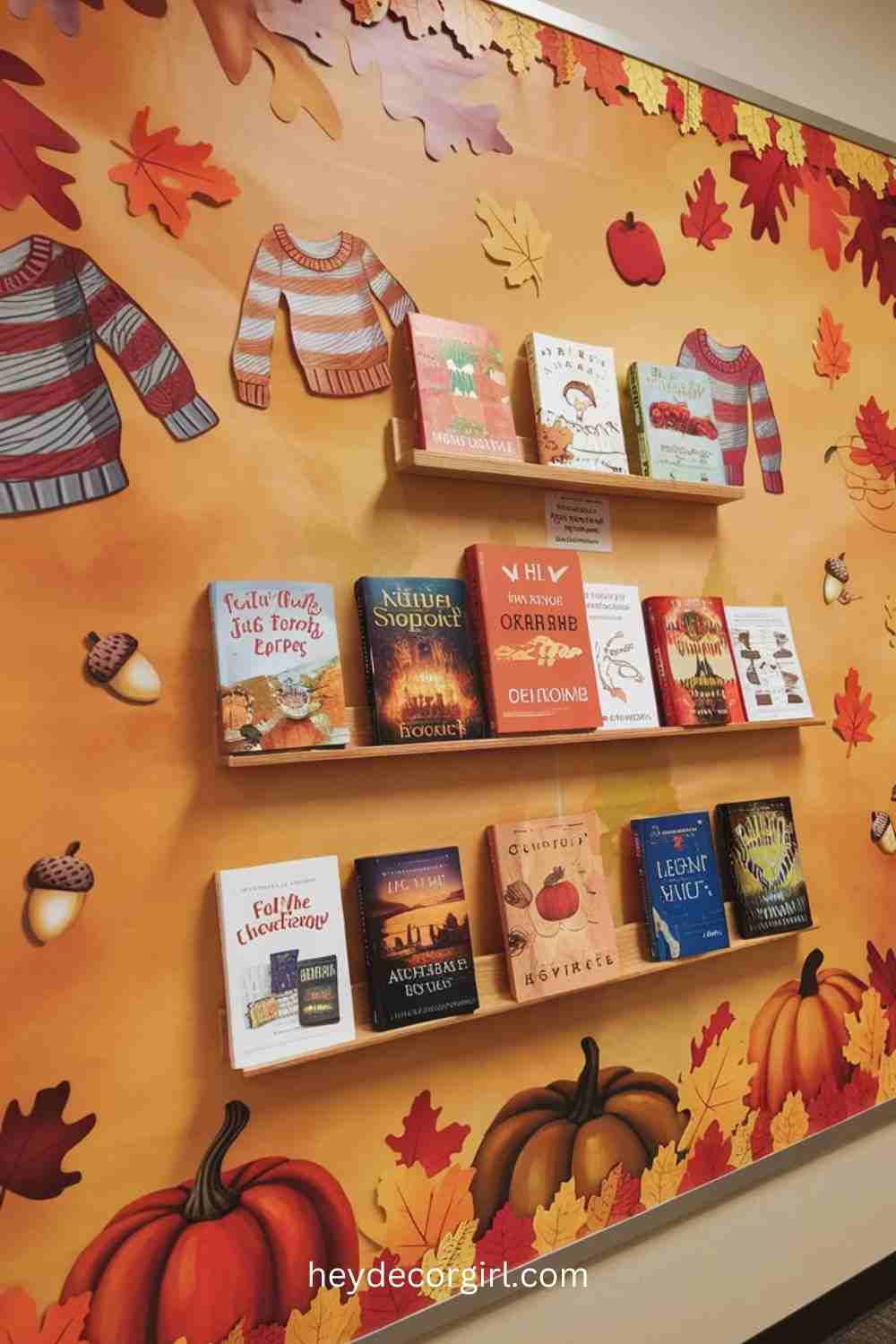
Fall-Winter Spring, Summer Bulletin Board ideas.
The library bulletin boards can be reshaped to show the beauty and spirit of every season, which makes an aesthetic and timely experience for the library patrons. Not only do seasonal themes commemorate the shifting periods of a year, but the themes also reach out to the readers by relating to related books and activities. The following are some fall, winter, spring, and summer bulletin boards:
Fall Bulletin Boards
- Harvest Reading Autumn: Fall leaves, pumpkins, and acorns. Fall, harvest, or cozy mysteries feature books. Point out such activities as those that deal with fall reading or storytelling.
- Spooky Stories: On a board of ghosts, bats, cobwebs, etc., let your children create a Halloween board. Have a collection of creepy and exciting books of all ages,,s and have details about Halloween activities or book-related crafts.
Winter Bulletin Boards
- Winter Wonderland: Snowflakes, snowmen, and warm-up sweaters are to be used as decorations. Place winter books, snowy fun, or heartwarming holiday stories. Encourage reading programs in winter or holiday activities, such as exchanging gifts of books or participating in thematic story times.
- New Year, New Reads: It is time to celebrate the New Year by having a board with resolutions to read a book related to every genre, like Read a Book from Every Genre or Finish a Series. Ornament with decorations and colors of fire and bright colors to signify new beginnings and new literary experiences.
Spring Bulletin Boards
- Spring Into Reading: Add flowers, rainbows, and spring greens to the entrance of spring. Publish books with renewal, nature, and growth themes. Encourage spring-related events like gardening classes or an egg hunt with books.
- Poetry and Blossoms: This is an activity centered around poetry and flowers that are in blossom during April.
- Books and feature poetry collections on well-known poets. Add an interactive feature where customers could add their favorite poems or lines on the board.
Summer Bulletin Boards
- Summer Reading Splash: Decoration with beach balls, sunglasses, and palm trees. Display summer reads, such as travel novels, beach novels, and lightweight novels. Promote summer reading contests and reading clubs.
- Adventure Awaits: To have a travel-themed summer board, spotlight books that take their settings in various places around the world. Decorate using maps, landmarks, and travel icons, and add information regarding library programs involving travel and exploration.
With the addition of seasonal books and activities to your bulletin boards, you will be able to attract a dynamic and interesting atmosphere that will make your patrons remember you all year round. Such seasonal themes not only add aesthetic value to the library but also promote a further interest in reading and using the library.
2. Book Recommendations
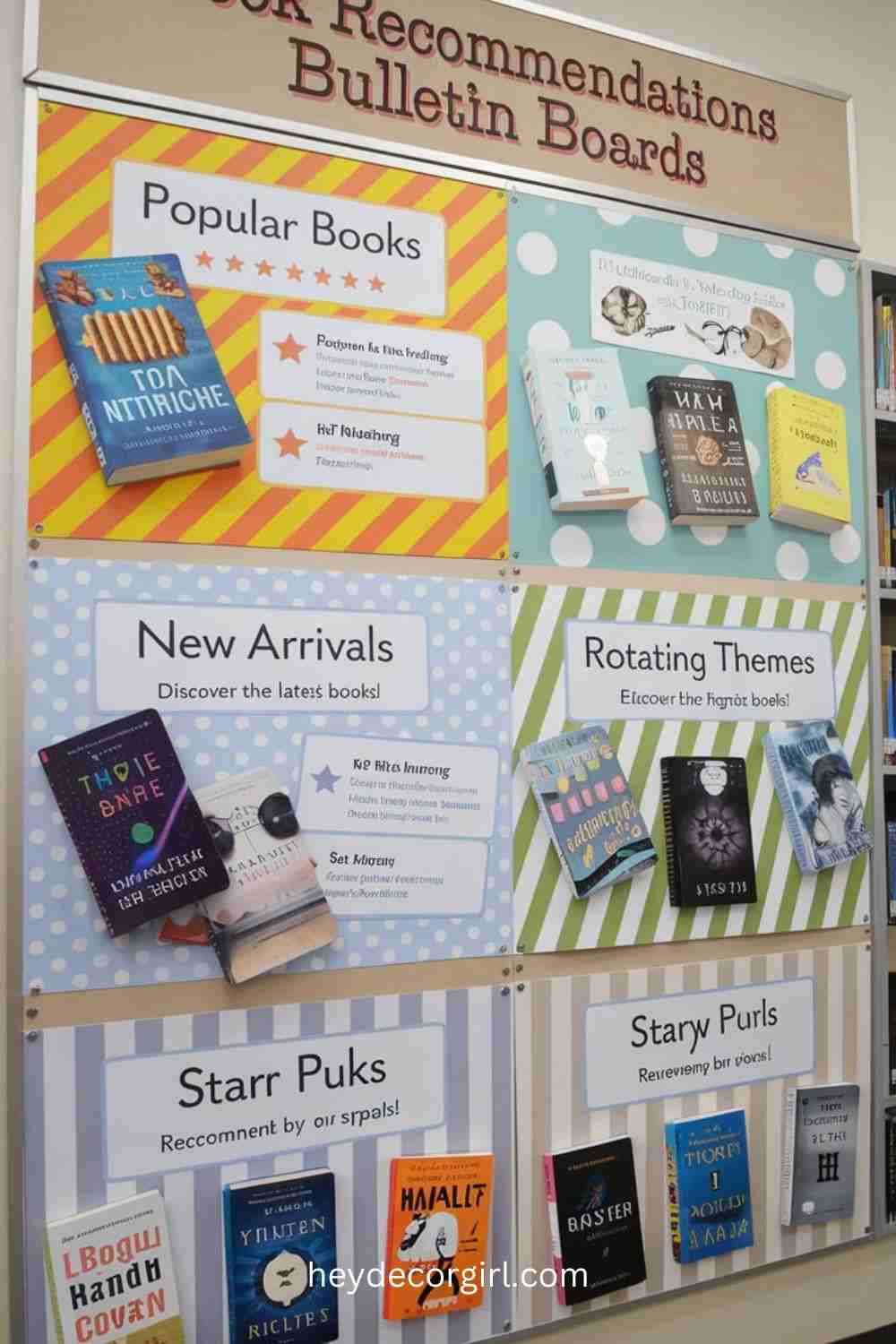
Displaying Bestsellers or Frontlists
Bulletin boards in libraries can be an excellent place to feature book suggestions, whether of popular ones, new ones, or collections around a theme. The following is the way you can be creative with book recommendations using bulletin boards:
Popular Books
- Top Picks of the Month: Feature a list of the current bestsellers or popular books that are in trend. Utilize graphic means, such as covers of the books and ratings, to draw attention. Put in short synopses or quotes to create some interest.
- Spotlight Genres Staff members can devote a portion of the bulletin board to any particular genre, i.e., mystery, fantasy, sci-fi, or romance. Display highly-rated books in each genre, as well as attractive decorations that are in line with the theme of the genre.
New Arrivals
- Fresh Off the Press: Publicize the new entries into the library collection. Colorful colors and bold text should be used to show that these books are new and in use. Install a rotating display to ensure that the board is up-to-date with the latest arrivals.
- Author Spotlight: New books by popular or emerging authors. Add photos of the authors, a few words about them, and recent work. It is also possible to use this as a method of getting readers to know new authors that the reader might like.
Rotating Themes
- Books to Read This Month: Develop a theme each month that is based on what is happening, a holiday, or a trend. An example of this would be a Summer Reads theme, which features good books to pack on vacation, or a Back to School theme, which highlights educational reads and motivating reads.
- Staff Picks: Have the library personnel create and recommend their favorite books. This personal connection can also offer intimate details and create a rapport with the readers. Add photos of the staff, their motivations to recommend the books, and any special commentaries or remarks.
Visuals and Layout:
- Apply captivating illustrations (that is, book covers, ornaments in accordance with the topic, and readable fonts).
- Display books in an aesthetically pleasing way, e.g,. Using shelves, stands, and theme-related decorations that are to be used to complement the contents of the bulletin board.
- Add an interactive component, such as a vote on their favorite or a book suggestion section, to make the patrons participate and give their feedback.
You can feature popular books, newcomers, and changing themes on your bulletin boards, and not only make what the library has to offer look fresh and interesting but also help patrons find their next great read.
3. Reading Challenges
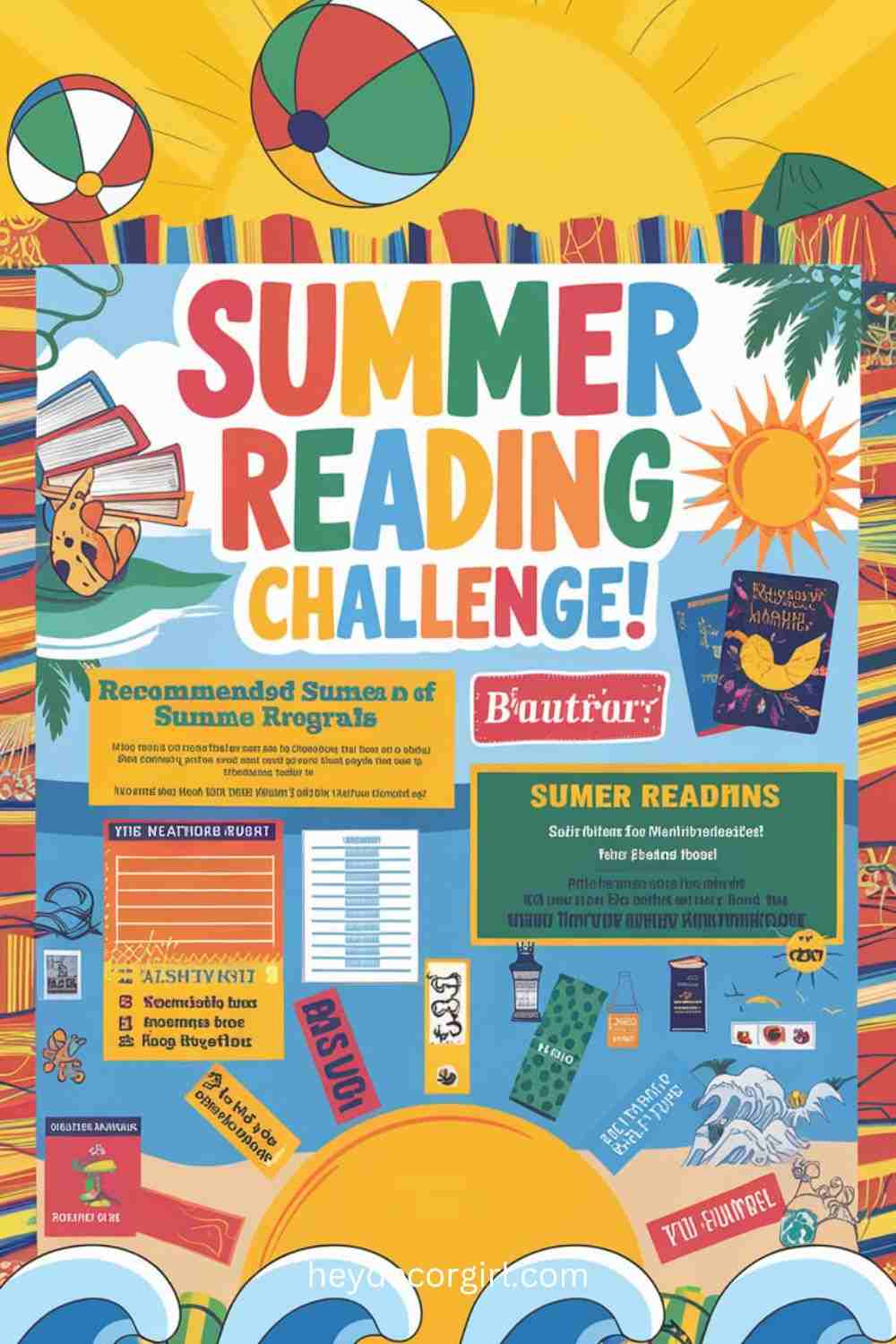
Summer Reading Programs or Reading Challenges: Designing Bulletin Boards.
Reading bulletin boards will help to make a library a lively and active center. Your interactive features and interesting designs can promote customer involvement and monitor their activity. The way to design bulletin boards in summer reading programs or other reading challenges is as follows:
Summer Reading Programs
Summer Reading Splash:
- Background: sunny and light with summer decorations such as beach balls, s, un and waves.
- Ornaments: Use color illustrations of the summer activities, e,.g. beach, picnic setups.
- Content: Include a list of the suggested readings over the summer, including such themes as adventure, mystery, or light-hearted
- novels. Add data on the objectives and incentives of the summer reading program.
Reading Challenge Chart:
- Background: Design an interactive chart that will be fun and will help track the progress on reading. Take a big and attractive chart where the patrons can check their accomplishments.
- Decorations: Add the decorations related to summer, such as the suns or surfboards, to make the chart inclusive.
- Content: Add milestones or targets of the reading challenge (e.g., number of books read, hours spent reading) and give participants stickers or markers to monitor their progress.
Interactive Elements
Progress Trackers:
- Design: Design a visual tracking system where participants can move either markers or stickers as they achieve reading milestones. One could have a Reading tree where a book that has been read has a new leaf or a bookworm that gets longer with every book read.
- Decorations: Consider thematic visuals, e.g., a giant thermometer to track the reading hours or a book-related game board.
Reading Logs:
- Design: Prepare printable reading slips or prepare a table at the board where the patrons may list the titles and comments of the books they read.
- Decorations: Have interactive areas in which the participants can pin their favorite book reviews or brief summations.
Book Recommendation Wall:
- Design: Photo-add a place where patrons can add a section where they can post their own book recommendations or review cards.
- Decorations: The decorations will be a bulletin board in bright colors and with decorative book-related material, and also the space where the patrons will write and stick their recommendations on the walls.
Reward Board:
- Design: Show data regarding the rewards or incentives to complete the reading challenge. This may involve certificates, minor prizes, or special library events.
- Decorations: Add bright colors and entertaining icons to emphasize the rewards and retain the participants.
With these components in your bulletin boards, you will be able to have a welcoming and interactive atmosphere that will have patrons of all ages find reading challenges enjoyable in the library. The trick is that the boards should be attractive and entertaining, and goals and engaging tools to motivate the readers to achieve their goals.
4. Author Spotlights
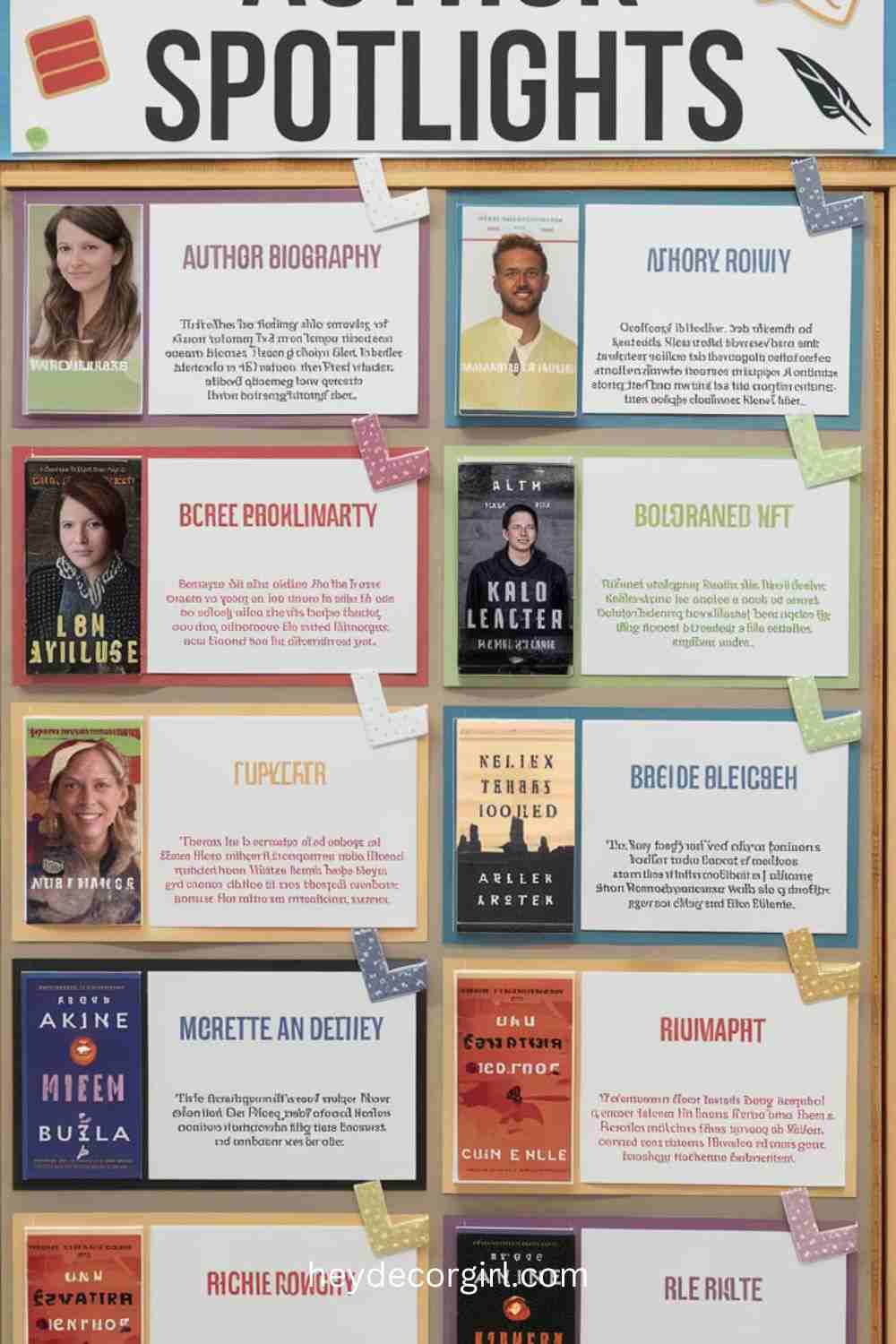
Different Authors with Mini-biographies and Book Highlights.
Big Anniversaries on bulletin boards are a great occasion to honor literary personalities and give new or old authors an introduction to readers. Using mini-biographies, booklet features, and creative exhibits, it is possible to improve the atmosphere of the library and create a stronger attachment between patrons and the authors of the content they read. The following are some of the Library Bulletin Board Ideas that can help efficiently design an author spotlight bulletin board:
Mini-Biographies and Book Highlights.
Author Profiles:
- Content: Design brief and interesting biographies of featured writers. Included in the details should be their background, their best works, and any interesting things they did or did in their life, and what they achieved. Write simple texts and a style that will reflect each author.
- Design: Show biographies in attractive portions or profile cards that are slightly different in terms of color or borders to distinguish different authors.
Book Highlights:
- Content: Include a list of the most popular or influential books by the author. Insert short abstracts, interesting reviews, or interesting quotes from each book.
- Design: Group images of book covers and eye-catching sections of the board to attract attention to every book that is being highlighted. Add a list of recommended reading (or must-reads) by the author.
Creative Display Ideas
Author Photos:
- Design: Add quality pictures of the authors most preferably with a touch of creativity. Decorative frames or themed backgrounds make the photos outstanding. It is possible to consider a photo wall or a gallery format to promote several authors.
- Placement: Position photos in a visual manner, e.g,. Ia n grid or circle, to bring visual interest. Include captions/good things about the author beside his/her photo.
Fun Facts:
- Design: Add fun and interesting facts about every writer, like his/her strange hobbies, personal stories, or odd accomplishments. Highlight these facts by using more visual and distinct elements such as thought bubbles, stars, or banners.
- Placement: Have the fun facts on the sides of the photo or biography of the author so that it gives a more interactive and engaging display. This would assist the readers in developing a personal attachment to the author.
Interactive Elements:
- Design: Add interactive elements like Ask the Author sections, where customers can post questions or comments concerning the author. Prepare spots where the readers could write about their favorite books or quotes from the author they are going to read.
- Placement: Have a reader choice section whereby patrons)will be able to vote on which book by the author is their favorite, or may propose other authors who could appear in the future.
Thematic Decorations:
- Design: Select thematic adornments on the work or the genre of the writer. As an example, when featuring a mystery writer, have detective-related accessories such as magnifying glasses and clues.
- Placement: Add ornaments to the profile of the author that are a good match to what the author is writing about.
With author spotlights with mini-biographies, book highlights, and creative displays, you can make your bulletin board interesting and informative, and you can celebrate literary talents and influence more of your patrons to read new books and authors.
5. Literary Genres
Establishing Divisions of Other Genres such as Mystery, Fantasy, and Science Fiction.
An appearance of the library can be considered improved by adding bulletin boards that will have a section divided into different literary genres, and this way, patrons can find books they are interested in without much effort. It is possible to make an exciting and attractive visual presentation that will accommodate the varied reading preferences of different readers through the use of visual material that depicts each genre. Ideas of Library Bulletin Board: Here are how the genre-specific sections may be effectively created and designed:
Genre Sections
Mystery:
- Background: Dark, moody, or noir-like colors are preferable to create a mysterious atmosphere.
- Visual Effects: Add traditional signs of mystery, including magnifying glasses, footprints, detective hats, and question marks.
- Material: Have a collection of hot mystery books, such as thrillers and mysteries. Add short synopses, names of the authors, and interesting quotes to lure the readers.
Fantasy:
- Background: Whimsical colors such as the purples, blues, and golds should be used to create a magical effect.
- Visual Aspects: Use fantasy in decoration (dragons, wizards, fairy forests, magical creatures).
- Content: point out various fantasy books, both epic sagas and fairy tales. Include the cover of the books, a brief description, as well as the quotations that represent the essence of the stories.
Science Fiction:
- Background: Use space and technology by using such colors as silver, dark blue, and black to symbolize futuristic or cosmic.
- Visual Elements: The visuals, such as rockets, planets, robots, and futuristic landscapes, can be used to represent the genre.
- Content: Present a selection of science fiction books, including space operations, dystopian, and speculative fiction. Summarize and highlight the books.
Visual Design Ideas
Genre-Themed Decorations:
- Design: Decorate each section with genre-specific icons and symbols. An example of this is to have detective instruments and hints with the mystery section, magical objects and mythical beings with the fantasy section, and futuristic technology and space scenes with science fiction.
- Placement: Have these decorations placed around the displays with the books of the genre to have a cohesive and immersive effect.
- Colors: The background of the book was unattractive.<|human|>Color: The book had unattractive backgrounds.
- Design: Select color schemes that match the mood and the theme of every genre. For example, dark and shadowy colors because of mystery, bright and fantastical colors because of fantasy, and smooth and metallic colors because of science fiction.
- Placement: These color schemes should be placed on the backgrounds, borders, and decorative parts to make the genre more visual.
Interactive Features:
- Design: Add interactivity features in the form of genre-specific quizzes or voting zones where customers will be able to vote on their favorite books or authors in each genre.
- Placement: You can organize the following features on the bulletin board sections and make patrons interested in the displays.
Book Recommendations:
- Design: Produce book lists (highlighted) or staff picks (highlighted) per genre. Attention to these recommendations should be attracted with eye-catching visuals and interesting text.
- Positioning: Have these lists displayed in large fonts within the genre clusters with small images of the book covers and brief descriptions to ensure that it is easy to make a choice.
The bulletin boards of the library can be made more welcoming and useful to the patrons by providing specific areas for the various types of literature with a specific visual appeal. This is not only a way of enabling the readers to locate books that are of interest to them fast, but also helps them to have an enhanced experience in the library.
6. Inspirational Quotes
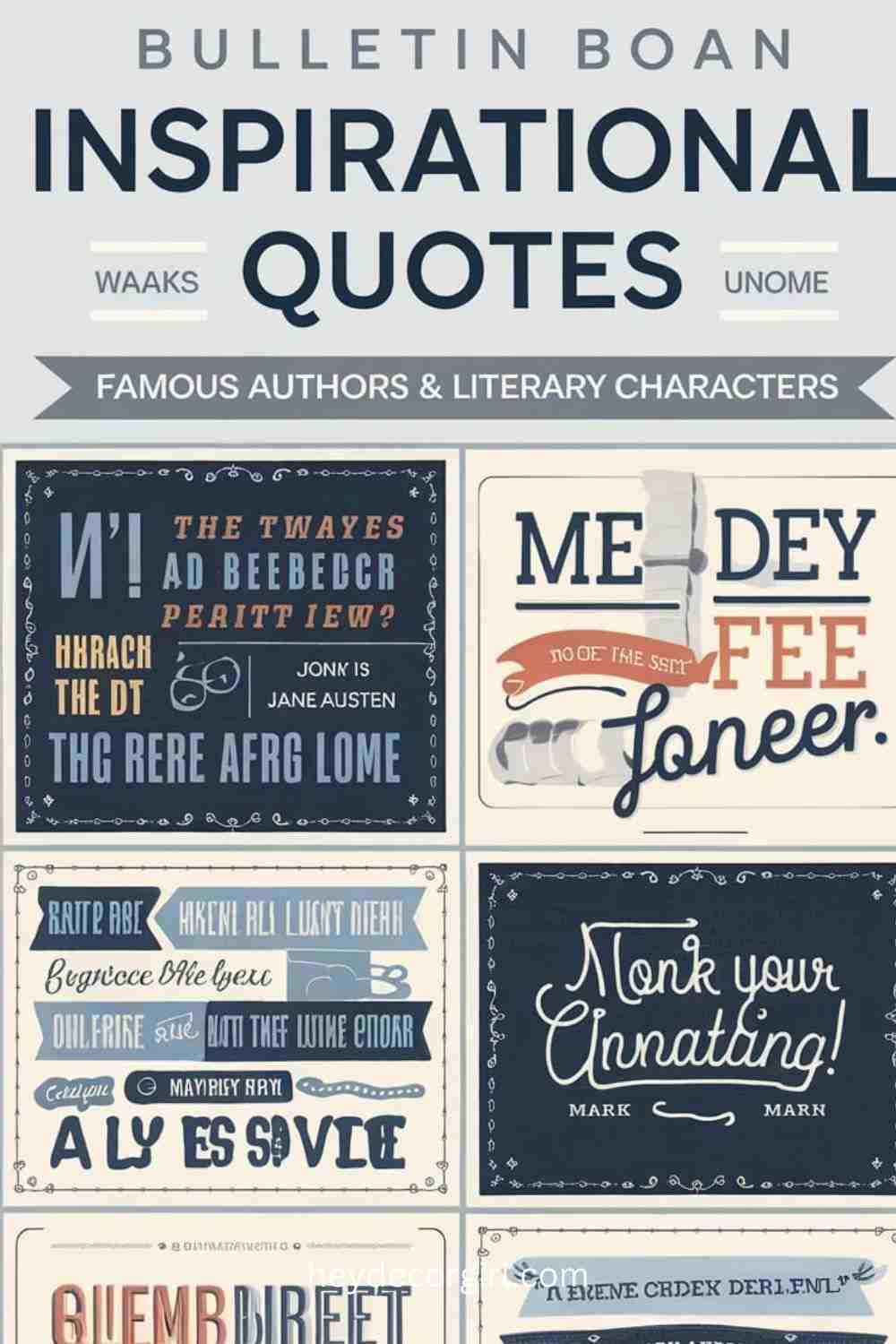
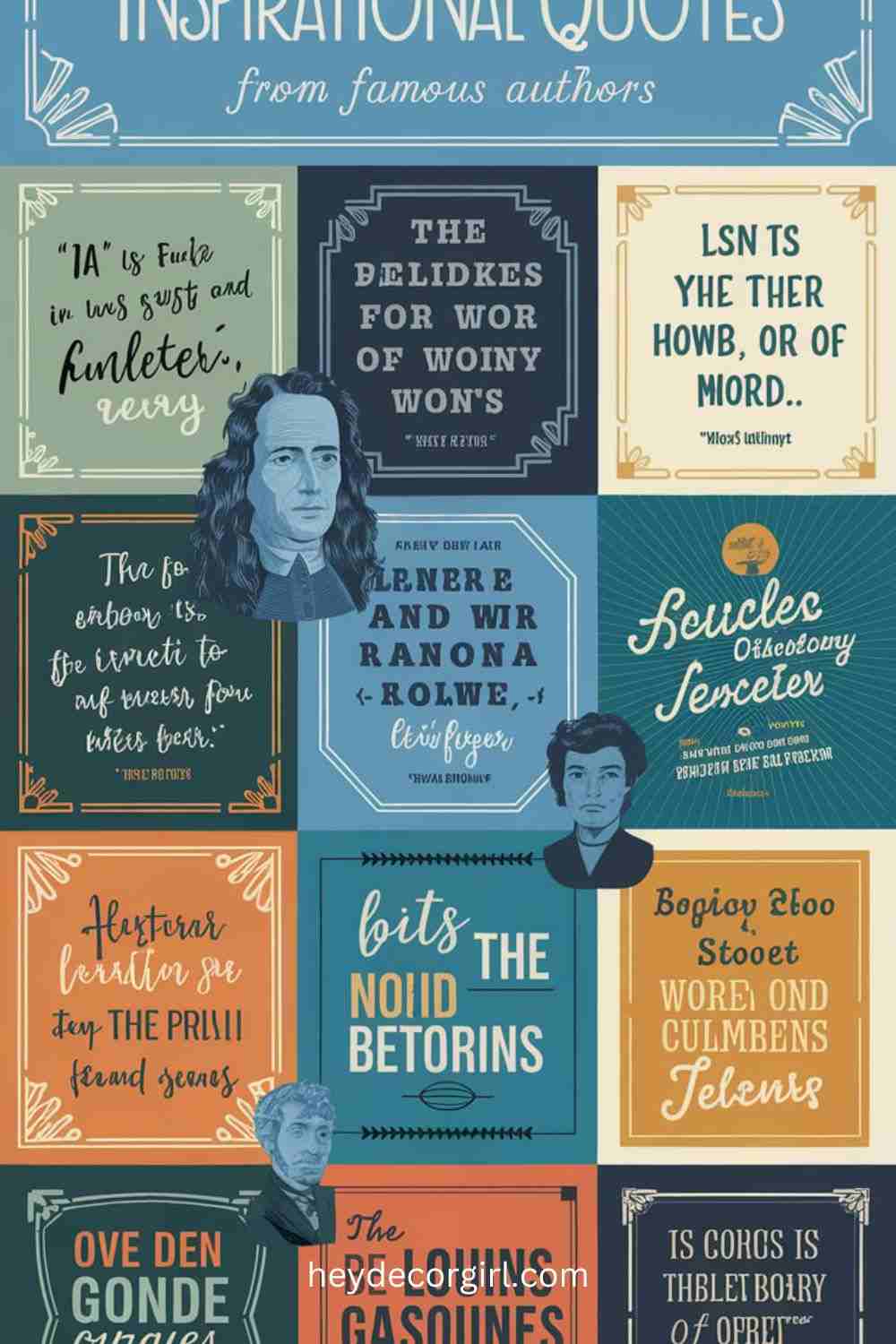
Relying on the quotations of famous authors or literary characters.
Bulletin boards with inspirational quotes by famous authors or favorite literary characters can be developed to provide a sense of motivation and creativity in the library setting. Some of the things that can be placed on library Bulletin boards include designing boards with beautiful typography and interesting graphics, which will create an aesthetically appealing and thought-provoking display. The way to make inspirational quote boards and present them well is as follows:
Quotes Selection
Famous Authors:
- Content: Choose powerful quotes of famous writers that touch upon the topics of creativity, knowledge, and the leisure of reading. As an illustration, it is possible to use the quotation of a famous writer and motivate readers, such as Mark Twain, Jane Austen, or J.K. Rowling.
- Design: Select quotations that are significant and that represent the work or literary philosophy of the author.
Literary Characters:
- Content: Include famous quotes of favorite literary figures, e.g., Sherlock Holmes, Hermione Granger, or Atticus Finch. They could be quotes of the crucial aspects of their stories or motivational ones.
- Design: Mark quotations that identify the gist of what the characters go through or what their philosophy is.
Design Elements
Typography:
- Layout: Change fonts and use beautiful and readable fonts to make each quote conspicuous. Test fonts that can be used in accordance with the tone of the quote: classic quotes can be designed using elegant serif fonts, light quotes can be written using whimsical scripts, and modern messages can be written using modern sans-serif fonts.
- Placement: The typography should be bold and visible, such that the quotes can be read even without proofreading. It is possible to use various fonts or styles to focus on important elements of the quote.
Graphics and Visuals:
- Design: Supplement the quote with applicable graphics or illustrations. e.g., old book drawings as illustrations of old quotes or quirky doodles as coquettish literary figures.
- Placement: Add images to the quotes to add meaning to them and bring a visual appeal. Make sure that the graphics do not overwhelm the text, but support and emphasize it.
Backgrounds and Colors:
- Design: Select backgrounds that should match the graphics and typography. Backgrounds can be smooth and subtle or colorful and patterned to give a clean background or give the backgrounds visual effects.
- Placement: The color schemes should be used that correspond to the tones of the quotes. An example is blue and green religious quotes will be calming, whereas vibrant and aggressive messages will be done with loud colors.
Interactive Features:
- Design: Incorporate interactive features such as Share Your Favorite Quote, where customers are allowed to write and post their favorite quotes or messages.
- Placement: Have spaces where visitors are allowed to add their own motivational quotes or reflections, and create a feeling of a shared community and interaction.
Overall Design Tips:
- Coherence: Have the same design theme throughout the board so as to make it look cohesive. This may involve a similarity in color schemes, styles of typography, and graphics.
- Visual Hierarchy: This is a useful element since quotes and images ought to be positioned in a manner that leads the eye through the board in a natural way. Establish a visual hierarchy with the help of size, color, or placement.
- Accessibility: The quotes must be readable and visible to all customers, including the visually challenged. Use contrast colours and fonts that can be read.
With some inspirational quotations of renowned writers and literary figures and a well-designed thought board, you can make the bulletin board not only inspiring but also beautiful to adorn the library premises.
7. Library Events
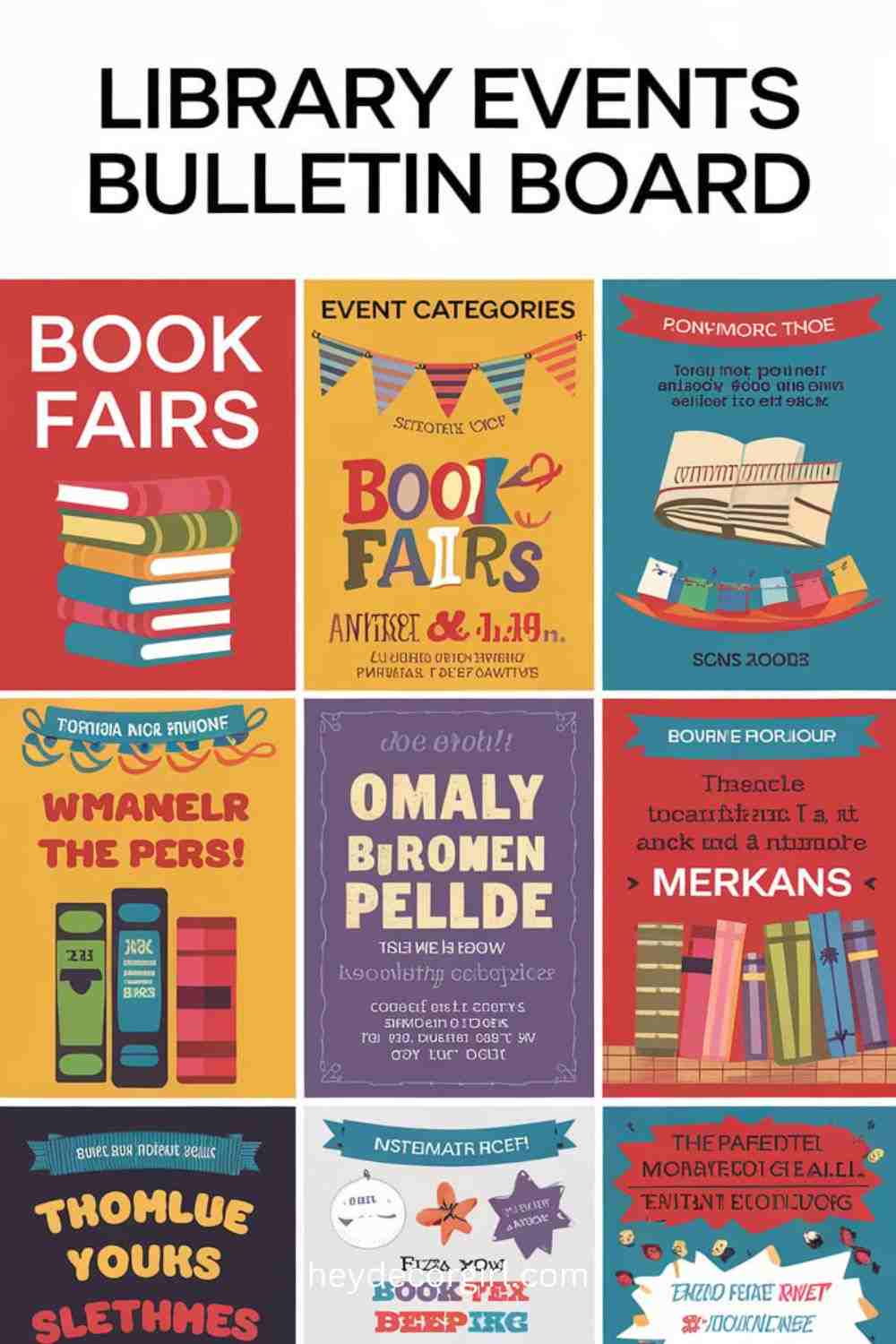
Advertising Future Events such as Book Fairs, Author talks, or themed Storytime.
A bulletin board can be used to advertise library events by creating a bulletin board, which will help attract patrons and keep them updated on any events happening. The only difference is that Library Bulletin board Ideas usually imply designing some eye-catching graphics and informative design icons to draw attention to the next events and engage people in them. This is the way to create a powerful library events bulletin board:
Event Promotion
Event Categories:
Book Fairs:
- Design: Utilize the use of bright colored graphics and images that are pertinent to books, i.e., piles of books, book covers, or book-related icons.
- Content: Provide the information regarding the date, time, place, and the specialties of the book fair. Market unique guests, book signings, and deals.
Author Talks:
- Design: Have a beautiful or professional design, including author portraits, microphones, or podiums.
- Content: Include information about the author, the subject of the talk, a well as how to attend. Add dates, times, and other registration requirements.
Themed Storytimes:
- Design: Use of playful and colorful graphics that translate the theme of the storytime, e.g., fairy tales, pirates, or animals.
- Content: Discuss the theme, schedule of storytime, and activities or crafts etc. Identify any guest interactivity or special guests.
Visual Elements
Event Highlights:
- Design: Have huge and bold headings, which attract attention and describe each event. Add ornamental details such as banners, stars, or arrows to focus on vital information.
- Content: Be short, descriptive statements of every event, formatted in bullet points or short paragraphs, to make information palatable.
Graphics and Imagery:
- Design: Relevant graphics should be used in every type of event. As an example, have book graphics in book fairs, author portraits in book talks, and thematic illustrations in storytimes.
- Placement: If you want to make graphics more appealing and the board more interesting, place graphics all around the event details.
Color Schemes:
- Design: Bright contrasting colors will be used to make the information about the event stand out. The visual distinction can be achieved by the consideration of different colors applied to various types of events.
- Placement: Use color schemes throughout so that all the sections are easy to identify and attractive to look at.
Interactive Features:
- Design: Add interactive features like RSVP cards, sign-up sheets, or QR codes to online registration. Include a “Suggestions Box in which the patrons can give suggestions on what could be included in future events.
- Placement: Make interactive elements in very convenient sections of the board, and they should be labeled distinctly and convenient to use.
Event Calendar:
- Design: Add a calendar or schedule section: This is where you will include all the events ahead in a chronological order.
- Content: Have a clear, structured perspective of dates and times of events. Differentiate various types of events in terms of icons of color coding.
Overall Design Tips:
- Hierarchy and Organization: Organize information into a logical sequence with headings, subheadings, and bullet points to give the viewers a guide to the information.
- Visibility: Make sure that the text is large enough to be read remotely, and that the crucial information is placed in a prominent position.
- Consistency: Be consistent in the style across the board to achieve coherence. A unified design is achieved by using similar fonts, colors, and graphic elements.
Through proper planning of a bulletin board containing the details of events and interesting graphics, you will be able to publicize the library events in a manner that catches the eye and makes one willing to attend.
8. Student Contributions
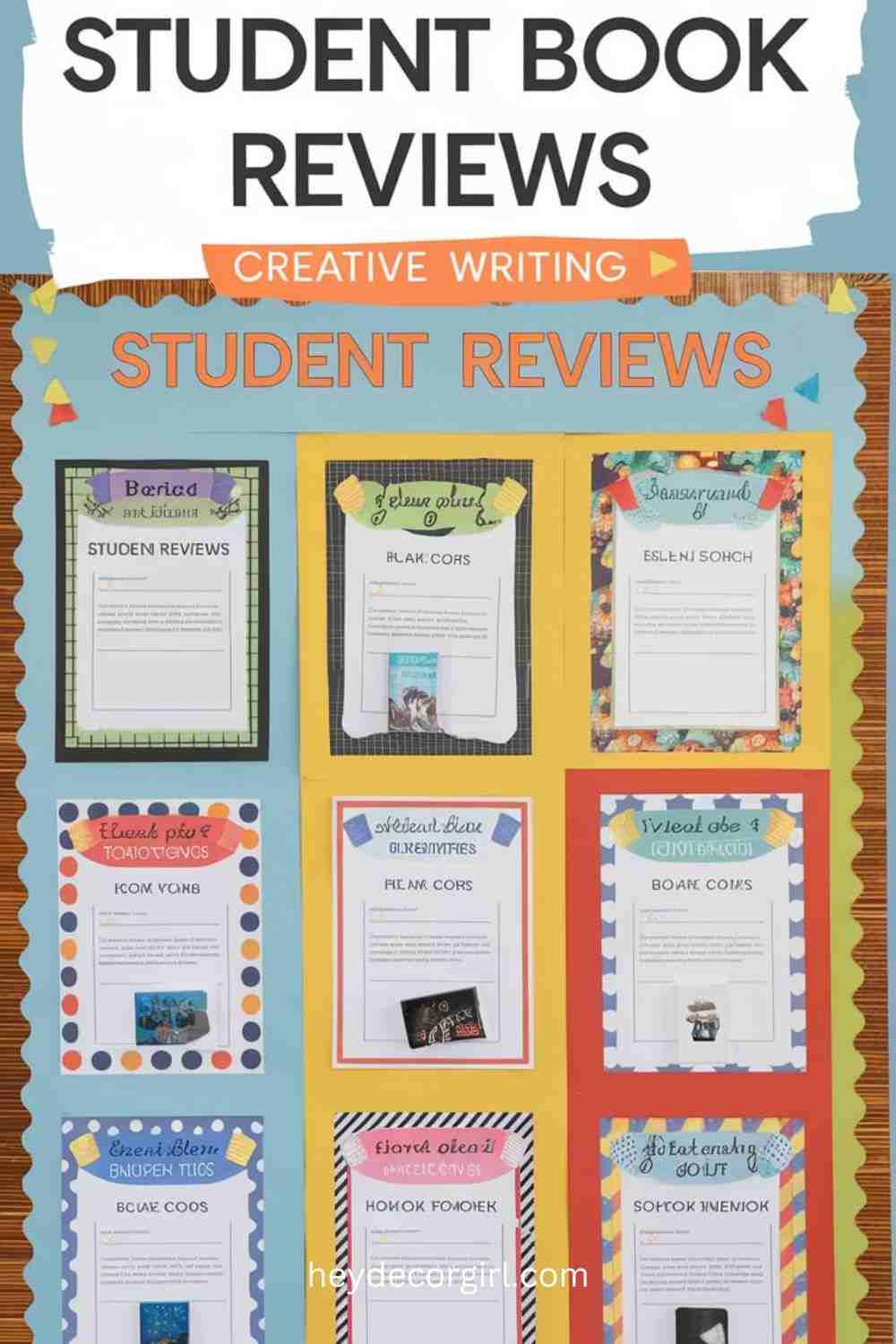
Presentation of Creative Writing Pieces or Student Book Reviews.
Posting student contributions on a bulletin board is another brilliant idea of praising the student work and motivating them to read and write. Through the inclusion of student book reviews, creative writing articles, and participation, you can make it an encouraging and interactive place that not only appreciates but also encourages student creativity. Bulletin board Ideas in libraries: How to create a successful bulletin board to solicit student contributions:
Showcasing Student Work
Book Reviews:
- Design: The design should be clean and organized to present book reviews by the students. Add such features as review cards or templates that students can complete.
- Content: Provide a list of reviews of the books by students. Add the name of the student, the title of the book, a short description of the review, nd a rating or a recommendation. Add a Photo or Illustration in regards to the book or review.
Creative Writing Pieces:
- Design: Have a special place where the students post their essays, poems, or short stories. Apply ornamental decorations or frames to each work.
- Material: Have a collection of creative writing, making sure to hold credit by the student author. Provide titles, brief passages, and other illustrations or art. Give a short background or introduction to every piece to attract the readers.
Interactive Elements
Student Book Review Section:
- Design: Prepare a special space in which students will leave their personal reviews of the books. Provide a suggestion box/ submission form where students can post their reviews.
- Content: Have a prompt or template to help students write their reviews. As an example, include a book title section, author, summary, and personal thoughts or recommendations. Make a point to refresh this section with new reviews regularly to make the display look fresh.
Contributions to creative writing:
- Design: Have an interactive feature in which students will be allowed to submit their creative writing works. Gather entries with the help of a submission box or an online form.
- Content: Put into the limelight the particular contributions to the bulletin board and think about making alterations to the featured works. Students should be encouraged to send their writing to be displayed in the future in order to keep them engaged.
Feedback and Comments:
- Design: Prepare an area in which the viewers can comment or provide advice on student work. You can use sticky notes or a comment board where customers can leave their comments.
- Content: Promote good and productive feedback to help student authors and reviewers. Publish some of the comments as well as the published works as an appreciative and participatory measure.
Visual Design Tips
Layout and Organization:
- Design: Organize the students’ contributions in a way that is attractive and appealing to the eyes. Divide various kinds of work, e.g., book review and creative writing, into sections or categories.
- Placement: Get every piece strategically positioned and clearly seen by a reader. It should be clearly recognized by the use of headings and labels when different sections and contributors are involved.
Graphics and Decorations:
- Design: employ imaginative and themed decorations, which are supportive of student work. In the case of book reviews, include graphics or motifs of books. In creative writing, employ such materials as pens, paper, or artistic borders.
- Positioning: These graphics can be combined with the student contributions and help to create a better visual appeal and aid the theme of the whole display.
Color and Typography:
- Design: Select a color and font that are attractive to the eye and make the content stand out. Headings must be printed using bold or ornamental fonts with the main text displayed using legible fonts.
- Placement: It is important to ensure that text and graphics can be read at a distance, and the color schemes should be used to indicate the contributions made by the students without intimidating the content.
Overall Design Tips:
- Engagement: Keep the board informed on new student work in order to keep the interest and engagement at a high point. Market the board in the school to attract more students to donate.
- Recognition: Reward the efforts of the students by giving them recognition and appreciation. Maybe you should have awards or special mentions for outstanding work.
By establishing a bulletin board in which student book reviews, creative writing pieces, and interactive elements are presented, you can establish a conducive and stimulating atmosphere in which student input and involvement in light reading are recognized and encouraged.
9. Historical Highlights
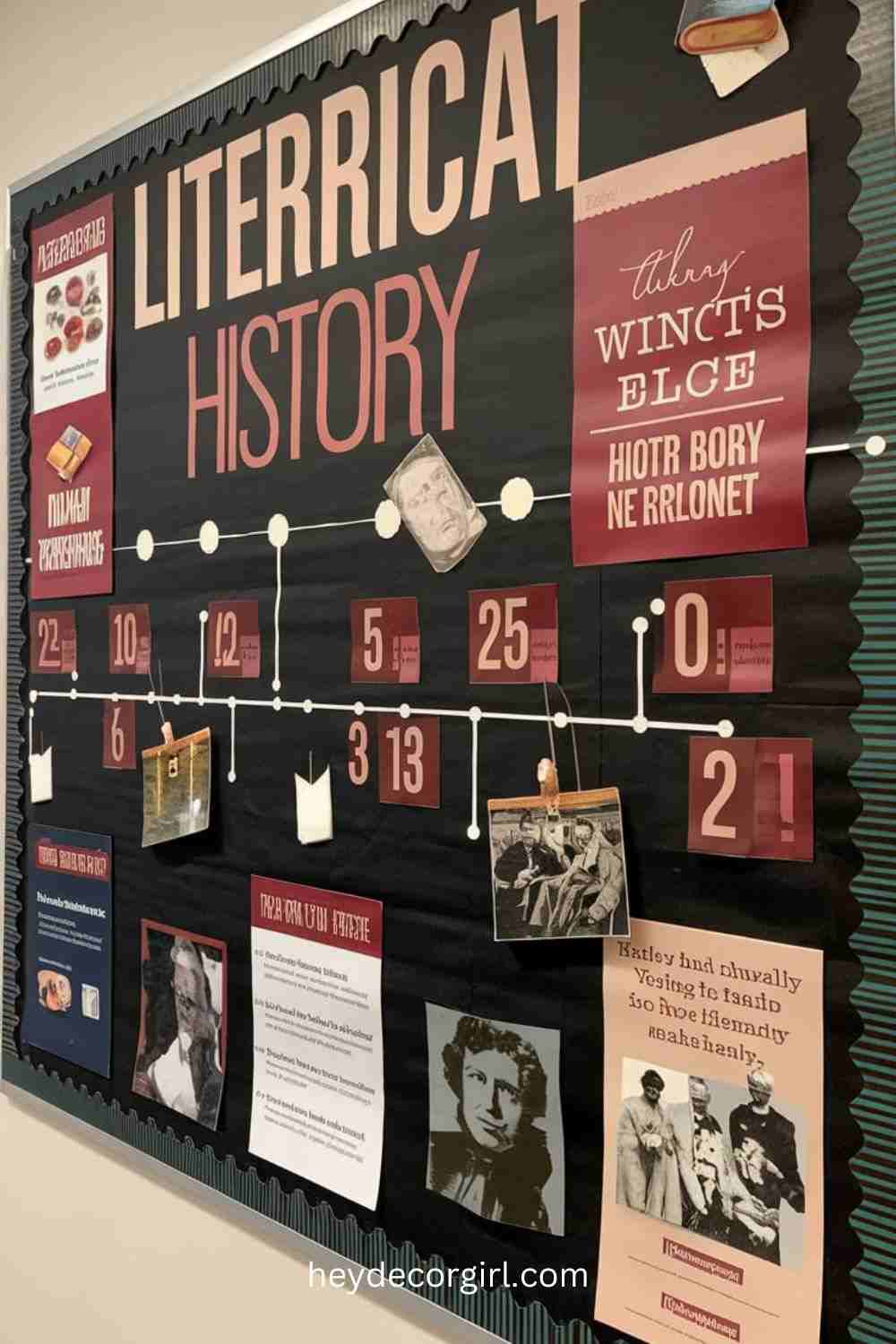
Publicity of Major Literary Events or Milestones.
Making a bulletin board about historical highlights in literature is an excellent method of educating and involving the library patrons by demonstrating notable literary events, milestones, and historical personalities. Such a board has a chance to glorify the great history of literature and emphasize significant events that influenced the literary world. The following are the ways of designing an effective historical highlights bulletin board: Library Bulletin Board Ideas.
Highlighting the Important Literary Events.
Major Literary Milestones:
- Design: Prepare sections where the main events in the history of literature are featured, e.g., the publication of groundbreaking books, the start of significant literary movements, or the winning of major literary awards.
- Content: Provide the descriptions of every milestone, e.g., the publication date of a well-known novel, the start of a big literary magazine, or the winner of a Nobel Prize. Give interesting texts and images to describe the meaning of each incident.
Literary Influential Personalities:
- Design: Profile colorful authors, poets, and other co-authors in literature who have made a great contribution to the writing field.
- Content: Break down and give bio, well-known works, and accomplishments of each person. Insert portraits or illustrations in order to visualize these people. Emphasize their contribution to the history of literature and their contribution to the major events.
Incorporating Timelines
Literary Timeline:
- Design: Design a timeline illustrating the chronological stages of important events in the history of literature. Show events in linear or circular format.
- Equipment: Add the main dates and events, e.g., when the major works were published, the author of great writers was born or died, or the literary genres were formed. Indicate the types of events (e.g., publications, awards, historical events) using color coding or icons.
Interactive Timeline:
- Design: Have an interactive feature within the timeline where the patrons can view more information about each event. It might be done through moving indicators or through flaps to display more information, or through a digital feature having QR codes to access more material.
- Content: Add additional information or interesting facts that can be viewed by the viewers through interaction with the timeline. This stimulates interaction and further studies of literary history.
Victoria, Historical Photos and Visuals.
Historical Photos:
- Style: The use of black and white or sepia-toned pictures of historical literary events, including book launches, portraits of authors, or wandering at literary events.
- Content: You should have captions or descriptions for every photo, which provide the context of the event being shown and the meaning of the photo. Displays of several images can be used with photo collages or framed sections.
Visual Illustrations:
- Design: Add pictures or drawings illustrating literary scenes or historical occurrences. This may involve the artistic depictions of the most well-known pieces of literature or the imaginative elaborations of the major works.
- Content: This is a text whereby one adds a description to explain the relationship between what one is drawing and what historical event or person it depicts.
Design and Layout Tips
Organization and Layout:
- Design: Organize the information in a sensible and attractive way. Bring the group-related events or figures together, and then use headings and subheadings to show the viewers the way.
- Placement: Timelines, photos, and textual information must be well-separated yet interrelated in a manner that enables the viewers to easily track the story of literary history.
Color Scheme and Typography:
- Styling: Select a palette that complements historical subjects, including subdued colors or retro-colours. Go with old or formal fonts that give an impression of the past and past.
- Content: The text should be readable and should be in clear contrast to the background. Emphasize the important information using bold or contrasted colors.
Engagement and Interaction:
- Design should have something that would encourage viewers to learn further or engage, like an interactive feature, or invite them to read more or join a discussion.
- Content: Ask patrons to write their own reflection or their own knowledge on the literary history. It would be a good idea to add a section where viewers can add their own historical knowledge or suggestions.
You can provide patrons with a unique and informative experience that enriches and embraces the various and rich stories of literature by developing a bulletin board, which allows you to include some of the most notable literary events, milestones, and personalities that have shaped the history of literature.
10. Reading Goals
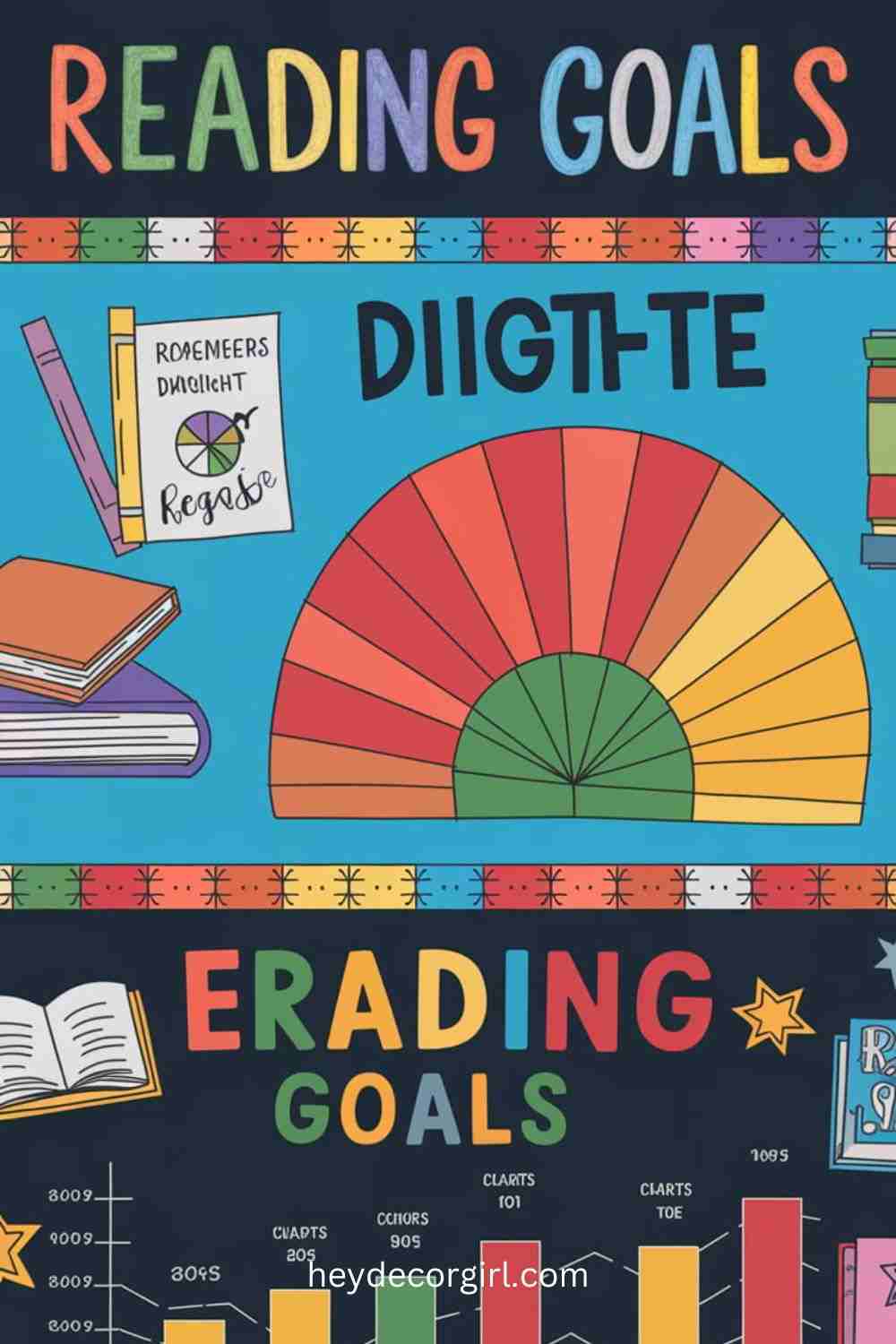
Boarding Class or Individual Reading Goals and Achievements.
A bulletin board that deals with reading goals is a good way to encourage and monitor the progress of reading activity. Presenting the class-wide and individual reading objectives and the reading success allows you to develop this feeling of accomplishment and/or motivate further reading. The following is how it is possible to make an effective reading goals bulletin board using a bit of creative Library Bulletin Board Ideas.
Displaying Reading Goals
Class Reading Goals:
- Design: Develop a big box of the overall reading objectives within the classes. Present joint accomplishments with the help of a large and appealing layout.
- Content: Show objectives (the number of books or pages that the entire class will have read over a given period (a month or a semester, etc.). Embark on a progress tracker that graphically shows the way the class is performing in achieving these goals.
Individual Reading Goals:
- Design: Find separate areas or boards per student in which they will read individually. Assign unique markers or a background to each of the student goal areas.
- Content: Include single reading objectives, i.e., books to read or pages to cover. PProvideanaeaspaceere students can present their improvement and accomplishments.
Using Charts and Graphs
Progress Charts:
- Design: Colorful charts or graphs should be used to show reading progress. Use bar charts, pie charts, and line graphs to show graphically the closeness of the class or individuals towards achieving their goals.
- Content: Change the charts regularly to show the current achievements. Add marks and percentages to give clear and easy-to-understand information.
Achievement Graphs:
- Design: Prepare graphs which indicate accomplishments, e.g., books read or pages covered. Milestones and successes may be marked with the use of vibrant colors and labels.
- Content: Have some sections where it is being rejoiced after the milestones or achievements of the objectives. Indicate such milestones using festive graphics or stickers.
Colorful Trackers
Visual Trackers:
- Design: Add visual indicators such as goal thermometers or reading progress bars. These trackers should be visually attractive, using bright and attractive colors.
- Content: Design tracks that give students the ability to physically check their advancement. As an example, a thermometer tracker may be filled during reading more and a progress bar may be replenished with stickers or markers.
Reading Logs:
- Design: Add personal or classroom-based reading logs that the students will be able to use for their reading records. Logging should be enjoyable and easy, using a colorful and organized layout.
- Material: Have students fill in the books that have been read, the number of pages that have been read, and the date read. It is possible to add entertaining details such as reading-related icons or stickers.
Motivational Elements
Incentives and Rewards:
- Design: Include a place where there are incentives or rewards for the achievement of reading goals. Apply attractive images such as trophies, badges, or stars.
- Content: Show a list of rewards or incentives upon meeting particular reading goals, i.e,. Additional reading time, a certificate, or a small prize.
Encouraging Quotes:
- Design: Add inspirational quotes/ phrases based on reading and success. Make these quotes outstanding by the use of decorative fonts and attractive backgrounds.
- Content: Have quotes located in strategic places on the board to motivate students and encourage them. It can be a good idea to consider quotes by some famous authors or literary characters that would appeal to the reading goals theme.
Overall Design Tips
Layout and Organization:
- Design: Organize the pieces of the board logically. Combine group-related criteria, including individual goals, class goals, progress charts, and motivational aspects.
- Location: Mark every section conveniently so that they can be seen. Have headings and subheadings to direct the viewer to the various sections of the board.
Color Scheme and Typography:
- Design: Select a lively and unified color palette that improves the readability and interaction. Contrasting colors should be used to emphasize the key information and make charts or graphs eye-catching.
- Content: Choose fonts that are readable and understandable. Headings and other vital information should be written in large bold fonts, whereas fonts should be used to write supporting information.
Engagement and Interaction:
- Design: Incorporate interactive features, e.g,. Writeable areas with names of students, or updates on their progress. Engage students to be active and update their own progress, or also give input to the classroom goals.
- Content: This can be done by using the goal-setting and tracking process to help the students feel a sense of ownership and achievement. Publicize achievements to increase morale and motivation.
You can use a motivating and dynamic atmosphere to help and celebrate reading progress by developing a bulletin board that is strongly designed to indicate reading objectives and accomplishments.
FAQ
1. What suggestive ideas do library bulletin boards have?
A. Themes used in library bulletin boards are popular and may be related to the season, book suggestions, reading challenges, author features, literary quotes, games like trivia or word games.
2. What can I do to keep a bulletin board more interesting to children?
A. Create vivid colors, interactive (flaps or sliders, etc.), theme-based graphics (e,.g. favorite characters), hands-on tasks (coloring sheets or puzzles). Library Bulletin Board Ideas may make a plain bulletin board an interactive and active element of the library.
3. Which are the most suitable materials to make flashy bulletin boards?
A. Make use of colorful papers, cloth-based backgrounds, laminated pictures, and three-dimensional objects such as cut-out figures or miniature objects. Other ideas that can be incorporated in Library Bulletin Board Ideas could be the use of textured material or interactive educational features, such as Velcro on movable pieces.
4. And how often shall I post the bulletin board?
A. It is a good concept to update the bulletin board after 1-2 months or after every season to make the display interesting and up-to-date. Ideas Library Bulletin board may be especially useful in displaying new themes or book suggestions. More frequent updates may also be justified by special events or holidays.
5. What do you think of a bulletin board to commemorate the National Book Month?
A. Build a page with bestseller books, author features, readership, and user-created content like book reviews or reading lists. Include Library Bulletin board Ideas in order to provide an interactive and dynamic aspect, with a reading pledge section where visitors can pledge to read more.
6. What would I do to integrate technology in a bulletin board?
A. Add QR codes that can take users to book reviews, library events, or interactive online events. Digital photo frames might also be used to display a slide show or slide content. The Library Bulletin board Ideas can ensure the space is interesting and informative, and can assist in linking the visitors of the library to other resources and the latest events.
7. What are the cost-effective tips for developing a bulletin board?
A. Repurpose such things as used magazines or craft materials, download free templates on the internet, or make your own decorations using cheap materials such as construction paper and markers. It is also possible to use the Library Bulletin board Ideas and add something to make the space more interesting and attractive.
8. What can I do to engage library patrons in the contents of the bulletin boards?
A. Conduct book reviews or art submission contests, request ideas or suggestions about topics or themes, and have a section of patron of the month where you feature local readers and their favorite books. These are excellent Library Bulletin board concepts to consider the community and exhibit their input.
9. What are a few ideas regarding a bulletin board advertising library events?
A. Have events that are scheduled in a calendar format, also add flyers about certain events, and a countdown to the main events. Such visual aids as arrows or stars may be used to attract attention to important dates. To get more Ideas for the Board to put on the Library Bulletin board, consider adding colored borders, adding decorations that are themed, or adding some interactive features like a suggestion box or polls.
10. Is it possible to use bulletin boards educatively?
A. Absolutely! Prepare Library Bulletin board Ideas that emphasize educational knowledge, such as vocabulary words, math puzzles, facts of science, or historical events. Learning can also take place in a fun manner by using interactive boards with puzzles or questions.