![Hey Decor Girl [Latest Trending Decor Design Ideas]](https://heydecorgirl.com/wordpress/wp-content/uploads/2024/08/Heygirldecor-Logo.png)
Natural pools design, or swimming ponds or eco-pools, is an ideal combination of beauty, sustainability, and relaxation. Contrary to standard pools that overly depend on chemicals and filtration, natural pools depend on plants, biological filters, and stone landscaping to keep water clean and transparent. Not only does this method minimize chemical exposure, but the swimming is made serene and environmentally friendly.
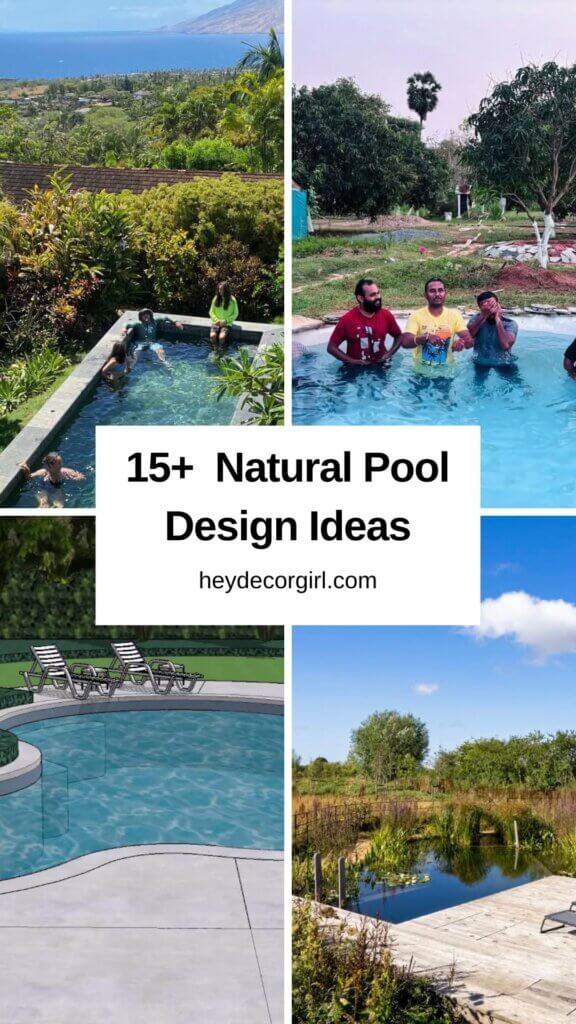
Creating a natural pool allows a homeowner to bring nature close to his or backyardyard. The greener vegetation, as well as the natural water filters, the stone paving, and waterfalls, as the aesthetic elements, all can be tailored to fit the landscape around it. These pools usually replicate the look of a natural pond, which is a serene place to swim, relax, or just watch the scenery.
Natural pools are also eco-friendly in addition to being visually stunning. They boost the local wildlife, enhance biodiversity, and save energy as opposed to traditional pools. Moreover, they also need minimal maintenance after establishing the ecosystem, thus long-term sustainable investment. Natural pool design turns commonplace outdoor areas into a refreshing heaven that integrates beauty, health, and an environmentally conscious lifestyle, whether it is a small backyard or a large garden.
Top 10 Trendy Natural Pool Design Ideas
Here are some trendy ideas to inspire your natural pool design
Plant-Based Filtration Areas
Credit@ecosolutions_design
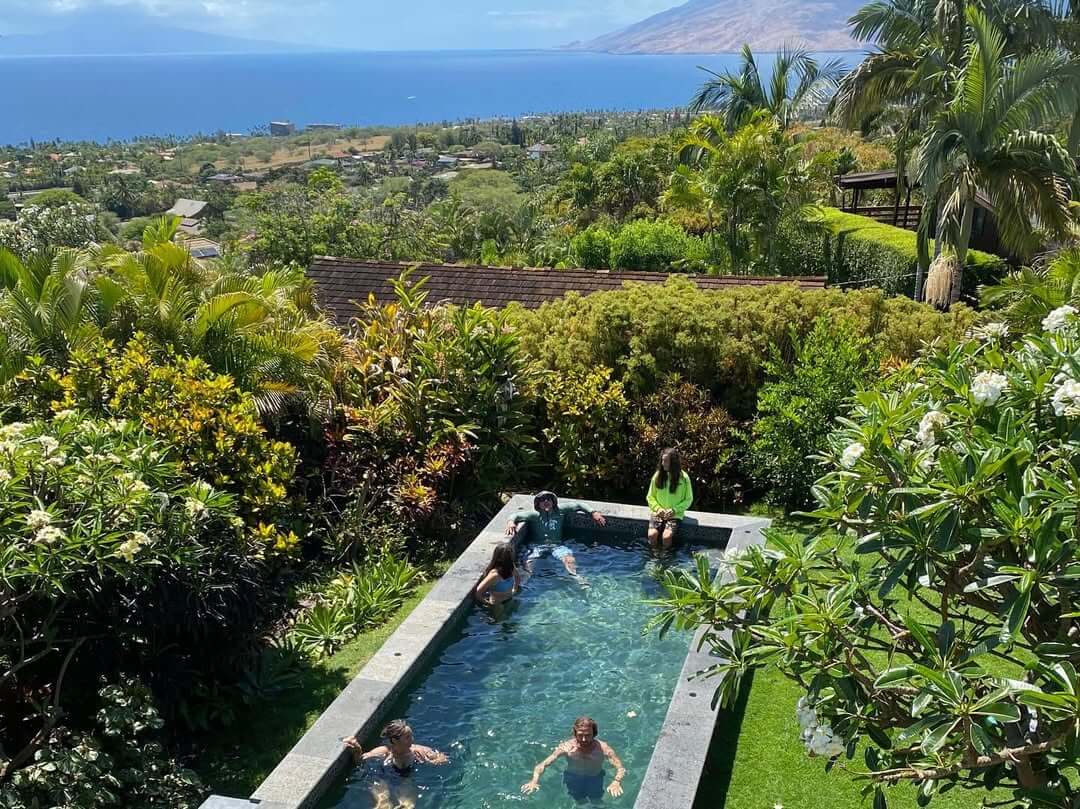
Natural pools are dependent on aquatic plants to keep the water clean with no chemicals. The establishment of special zones of plant filtration along shallow grounds will aid in the uptake of nutrients, thereby inhibiting the production of algae. The common ones are water lilies, reeds, cattails, and iris. Not only do these plants purify the water, but they also provide shade and conceal pool edges so that the pool looks part of the garden. When you design such zones thoughtfully, you make sure that water circulation goes through the plants so that as much as possible is filtered. Also, plants will attract good insects and frogs that will form a harmonious ecosystem with minimal upkeep and add beauty to your natural pool.
Rock and Stone Landscaping
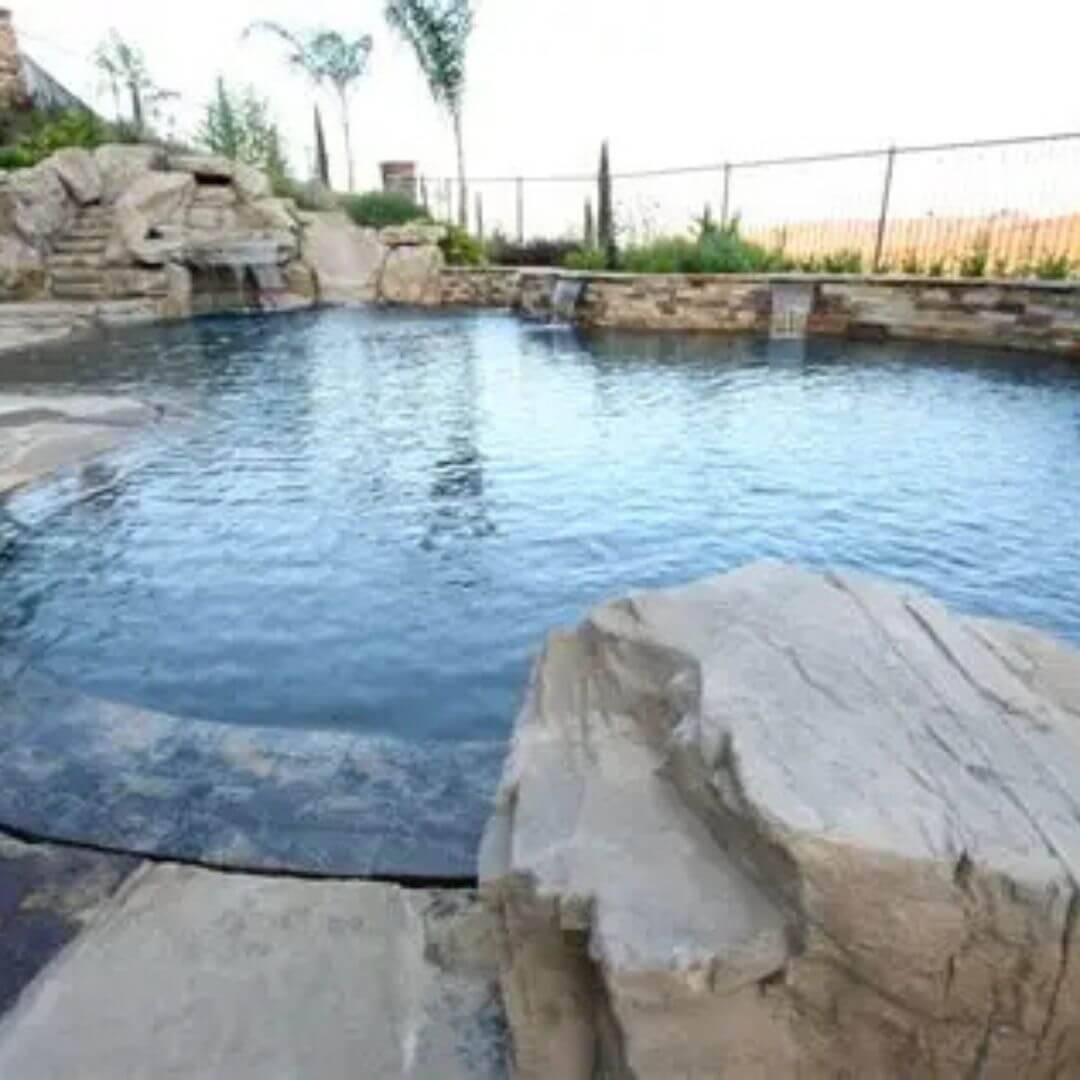
The use of rocks and stones in your natural pool design provides texture, durability, and natural appeal. The borders may be made of boulders, and the bottom or sides of the pool may be lined with pebbles and gravel. Rocks also offer microhabitats to positive microorganisms, which are beneficial in keeping the water quality healthy. They also sponsor waterfalls, streams, and shallow entry areas, making the pool more interactive and appealing to the eyes. The water feature is blended with the landscape through the use of stone walks and seats around the pool. With the help of natural and local stones, you are promoting an environment that is eco-friendly and blends with the environment, while having a low construction impact.
Waterfalls and Streams
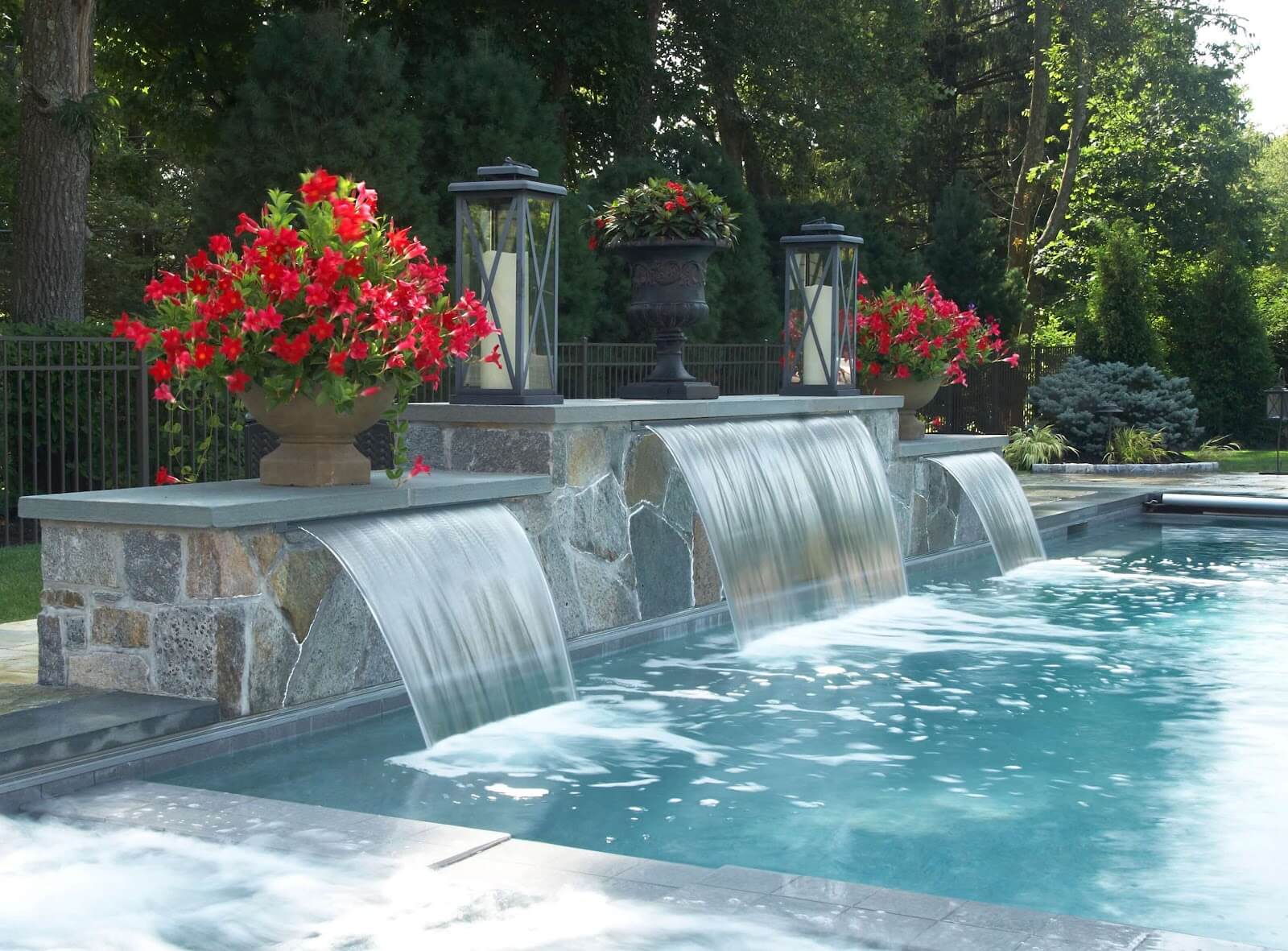
The use of flowing water, such as waterfalls or streams, helps in enhancing attractiveness as well as functionality. Access to flowing water improves circulation and eliminates stagnation, and helps to sustain oxygenation to plants and microorganisms. It also generates soothing music, making it very relaxing. One can combine waterfalls with rocks, pebbles, and planting areas to create naturalistic focal points. Even small tiered streams can provide movement and visual interest whilst consuming little space. Also, the flow of water will discourage breeding amongst the mosquitoes and keep the water transparent. Selecting pumps that require the least amount of energy or solar-powered ones will guarantee that the feature is sustainable and will add to the eco-friendly atmosphere of your natural pool.
Organic Pool Shape
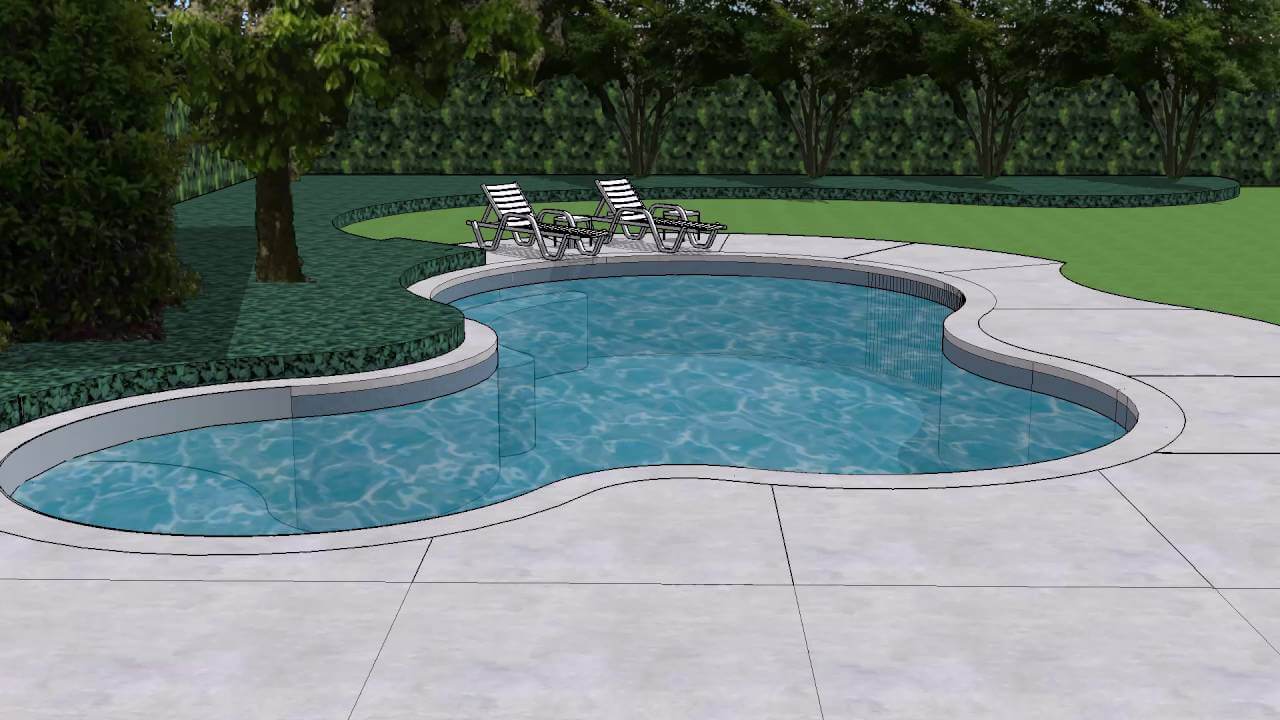
Also, give up the rigid and rectangular designs and adopt organic and irregular shapes that resemble natural ponds. The visual interest and varied swimming areas are created by curved edges, coves, and inlets. Abnormal forms also encourage the natural circulation patterns, which improve the quality of water. You can add shallow beds with plants or children, and a deeper space with swimming, and merge the functionality with beauty. Organic forms are made to blend with the landscape around them, and the pool is aligned with the gardens, forest, or meadows. This is done by not using straight lines but rather giving it a more naturalistic look and appearance, which resembles a real oasis and therefore a relaxing and natural experience to be had by the whole family while swimming.
Shallow Regeneration Areas
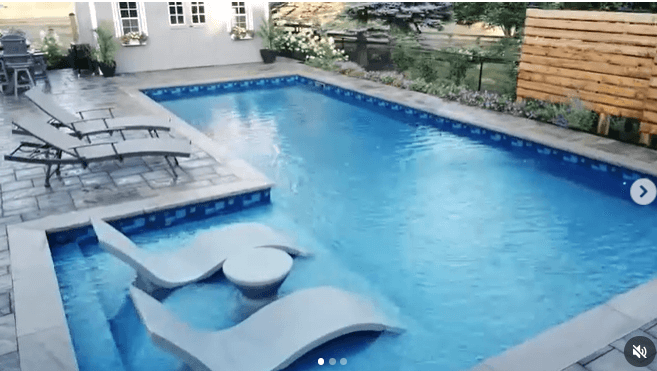
Credit@bluediamondpools
A natural pool requires shallow areas in order to have an ecosystem. Plan to thrive in these areas and support the growth of useful microorganisms and small animals. They play the role of biological filters, and they absorb nutrients that would otherwise power the growth of algae. Regeneration area can also be made to be combined with rock and gravel to have a transition that is attractive to the eye, out of the swimming pool. They are also safe paddling spots for children or pets. Planning on water depth, density of plants, and sunlight accessibility will guarantee that these areas are operational all year round. The regeneration areas are important to the natural preservation of water clarity and ecological balance.
Eco-Friendly Construction Materials
Credit@mitti.vanam
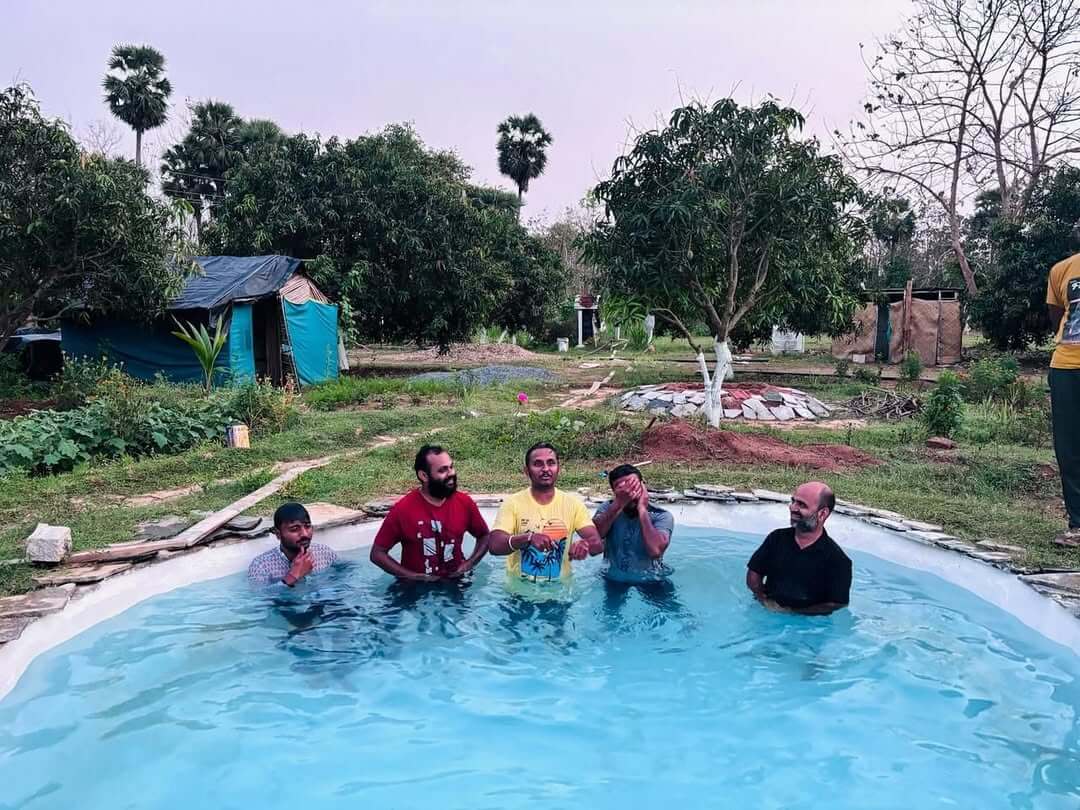
Using sustainable, natural materials enhances both aesthetics and environmental responsibility. Consider reclaimed wood for decking, natural stone for pool borders, and biodegradable liners for shaping the pool. These materials blend seamlessly with the surroundings while reducing the environmental footprint. Additionally, eco-friendly materials often age gracefully, requiring less maintenance over time. Avoid plastics and synthetic chemicals whenever possible, opting instead for options that support a natural ecosystem. Thoughtful selection of materials ensures durability, safety, and visual harmony. Integrating green materials into both pool construction and surrounding landscaping completes the organic, sustainable theme of your natural pool design.
Merger with Garden Landscaping
Credit@oasispaversandpools
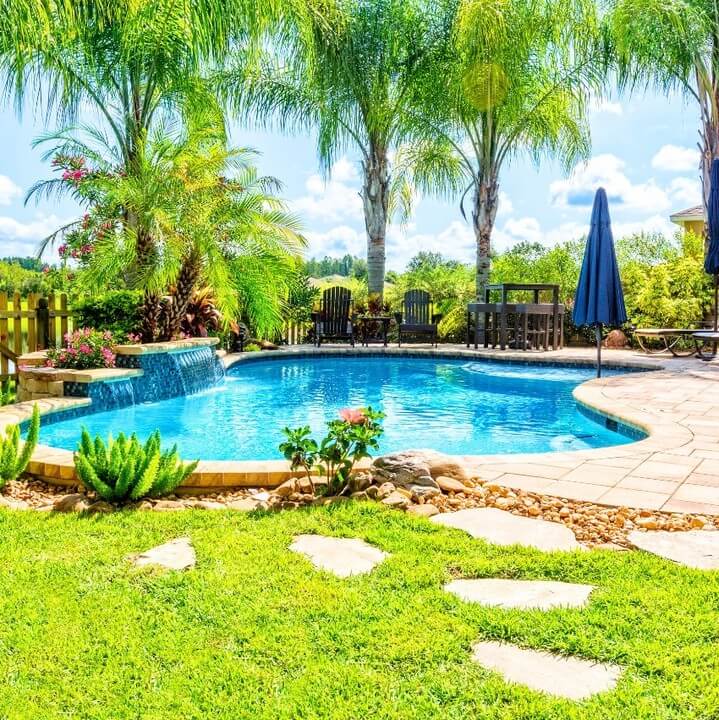
When it is aligned with the gardens around it, a natural pool will become a beautiful center of interest. Plant here native plants, shrubs, and trees to provide a green background and invite wildlife into the area. Add flower beds, ornamental grasses, and small trees to add some colour, texture, and shade. Garden landscaping minimizes soil erosion as well as the substances entering the pool directly. Pavements, benches, and patios may be designed to run naturally along the water, to form relaxing spots for visitors. A careful combination of the pool and the garden will create a smooth, eco-friendly design that is practical and aesthetically appealing.
Lighting and Ambiance
Credit@mintlighting_design
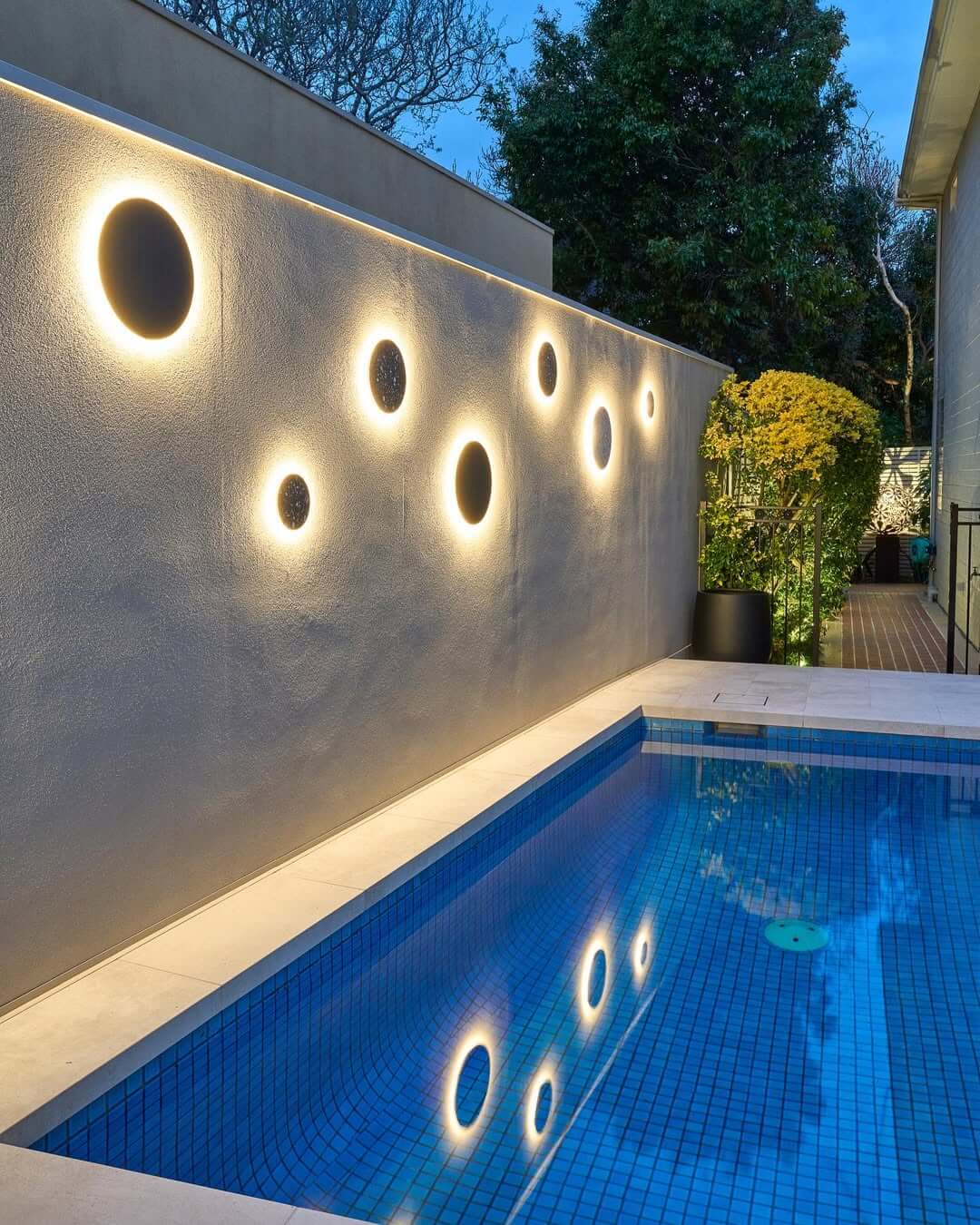
The lighting is done strategically, without disrupting the ecosystem of a natural pool. Soft LED or solar-powered lighting can be used to illuminate the waterfalls, pathways, rocks, and plants. Submerged lighting may be used to give effects of shimmer, and floating lanterns or small landscape lights may be used to add atmosphere. The lighting must be low and must not disturb wildlife. Think about motion-activated or scheduled possibilities of energy efficiency. This combination of lights at various levels and angles gives a magical effect to be used well into the evening. Lighting improves the safety, beauty, and experience, and the result is a natural pool that is relaxing by day and night.
Access and Edges of a Natural Pool
Credit@presidentialpools
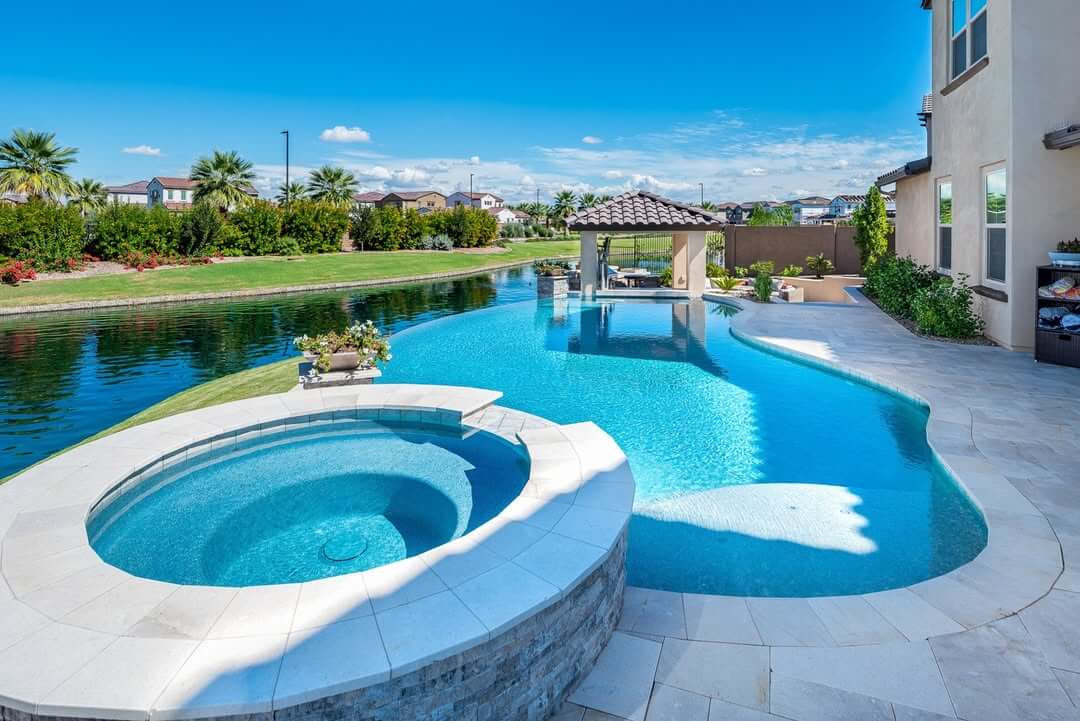
Rather than steps, access to pools uses sloping surfaces, rocks, or wooden decks incrementally. Natural edges enable the plants to grow near water so that the pool becomes part of the landscape. Swimmers can be safely led out and in with a series of stepping stones or pebble paths. This method is safer and more pleasing as the pool seems to be a part of the natural habitat. Curved sides with different levels of depth suit various purposes, such as swimming, wading, or stretching. Well-constructed natural edges ensure that there is no erosion or any degradation of the water and that there is a friendly, smooth interface between the pool and the surrounding garden.
Wildlife-Friendly Features
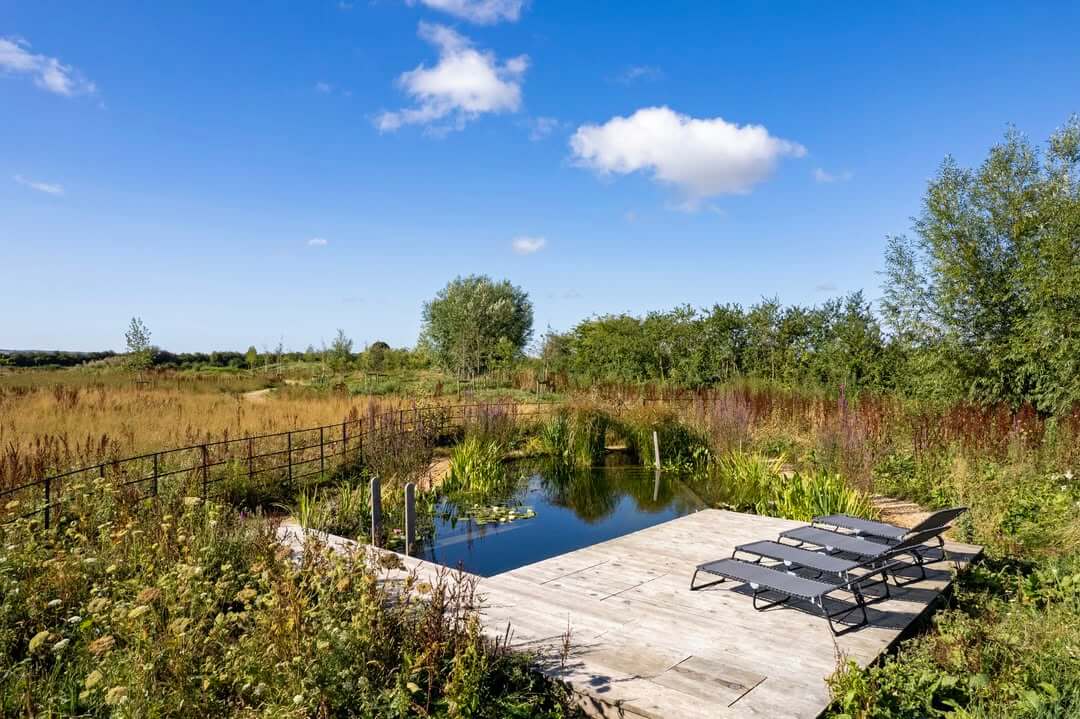
Credit@ellicarpools
Provide habitat to encourage biodiversity (such as features to attract birds, frogs, and useful insects). Floating logs, shallow plant regions, and crevices of rock offer shelter and breeding areas. Not only does this help a balanced ecosystem, but it also makes for visual and aural pleasure as well. Natural pools and wildlife make nature a dynamic environment. Chemical treatments should not be used at the expense of animals and plants. When you design a pool to fit in local flora and fauna, you will have a sustainable and low-maintenance oasis. The wildlife features make sure that, besides being a swimming pool, your natural pool is a good place to be.
Tips for Designing Your Natural Pool
- Design the Layout: Take into account sunlight, direction of wind, slope, and available landscaping. Effective planning makes the natural filtration regions and swimming pools operate effectively.
- Isolated Regeneration Areas: Assign small water surfaces where the aquatic plant would be able to naturally filter and leave the swimming pool water free of chemicals.
- Proper Water Circulation: Pumps or Natural flow ensure that water is not stagnant, oxygen is available, and that plants grow.
- Select Native Aquatic Plants: Select your plants to suit your local climate to minimize maintenance and promote natural filtration.
- Include Gentle Slopes and Natural Edges: Have safe entrances and exits with slopes or stone steps or gradual beaches, rather than hard concrete edges.
- Eco-Friendly Materials: Choose natural stone, reclaimed wood, and biodegradable liners to construct to reduce environmental impact.
- Design Shallow Zones to Support Wildlife: Design spaces to support a healthy ecosystem and biodiversity, including frogs, birds, and beneficial insects.
- Combine Landscaping with the Environment: Incorporate the pool with gardens, trees, retrees, and pathways to make it look like a part of your backyard.
- Keep Off Toxic Chemicals: Leave the plants and micro-bees to balance water rather than applying chlorine or any other chemicals.
- Frequent Maintenance Tests: Check the water quality, the health of the plants, and regularly to make sure that in the long term, it will remain clear and keep the ecosystem alive.
- Add Optional Water Features: Add waterfalls, streams, or fountains to enhance circulation, oxygenation, and aesthetic appeal.
- Take into Account Professional Advice: In the cases of a complicated or a huge pool, a natural pool designer will guarantee the good functioning of the ecosystem and also make it ecologically and aesthetically beautiful.
FAQs
Q1: What do a natural pool and a regular swimming pool differ in?
A: Natural pools are maintained with the help of plants and biological filtration, whereas traditional pools are maintained with the help of chemicals and using mechanical filters. They offer a better, more eco-friendly, and more attractive environment.
Q2: Are natural pools very maintenance-intensive?
A: Natural pools are low-maintenance once they are properly established. It is often just enough to have plants pruned and debris swept regularly.
Q3: Does it mean that natural pools can be utilized throughout the year?
A: Yes, this will depend on the climate. In low-temperature areas, they might require seasonal attention, including the covering or removal of some plants.
Q4: Are swimming natural pools safe?
A: Absolutely. Natural pools that are designed and balanced will ensure the water quality is safe and there are no harsh chemicals to enable swimming.
Q5: What is the average price to construct a natural pool?
A: Prices are similar based on size, materials, and design complexity, but can be similar to conventional pools over time since they require less maintenance and less chemical expenses.