![Hey Decor Girl [Latest Trending Decor Design Ideas]](https://heydecorgirl.com/wordpress/wp-content/uploads/2024/08/Heygirldecor-Logo.png)
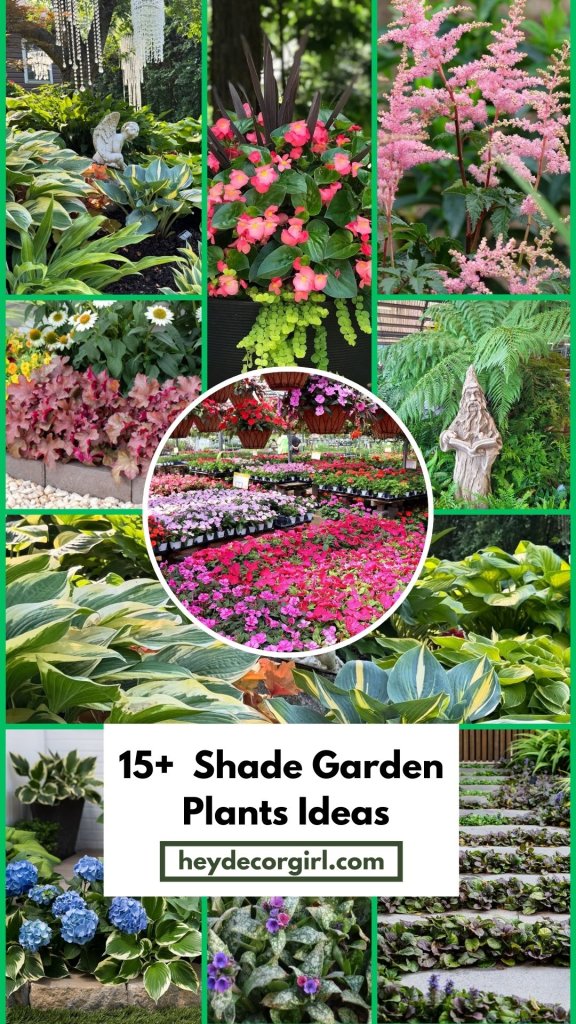
Shade Garden Plants – It does not always mean unlimited sunlight to create a beautiful garden. There are numerous gardens where there is little or no direct sunlight because the trees are tall, the buildings are tall, and the fences are tall. Here, shade garden plants come into the picture. These plants are specifically meant to grow in low-light settings, and thus, it is possible to transform even the darkest corner into a green, lush environment. Shade gardens not only make sense but also provide a sense of calmness and the beauty of nature to your outdoor environment.
When deciding to plant a shade garden, one should also know what kind of shade you have, full shade, partial shade, or dappled light, because it will make a difference in what plants will grow. Full shade spaces receive practically no direct solar power, semi-shade spaces receive a few hours of sunshine, and dappled shade spaces receive sunlight thinly filtered through trees.
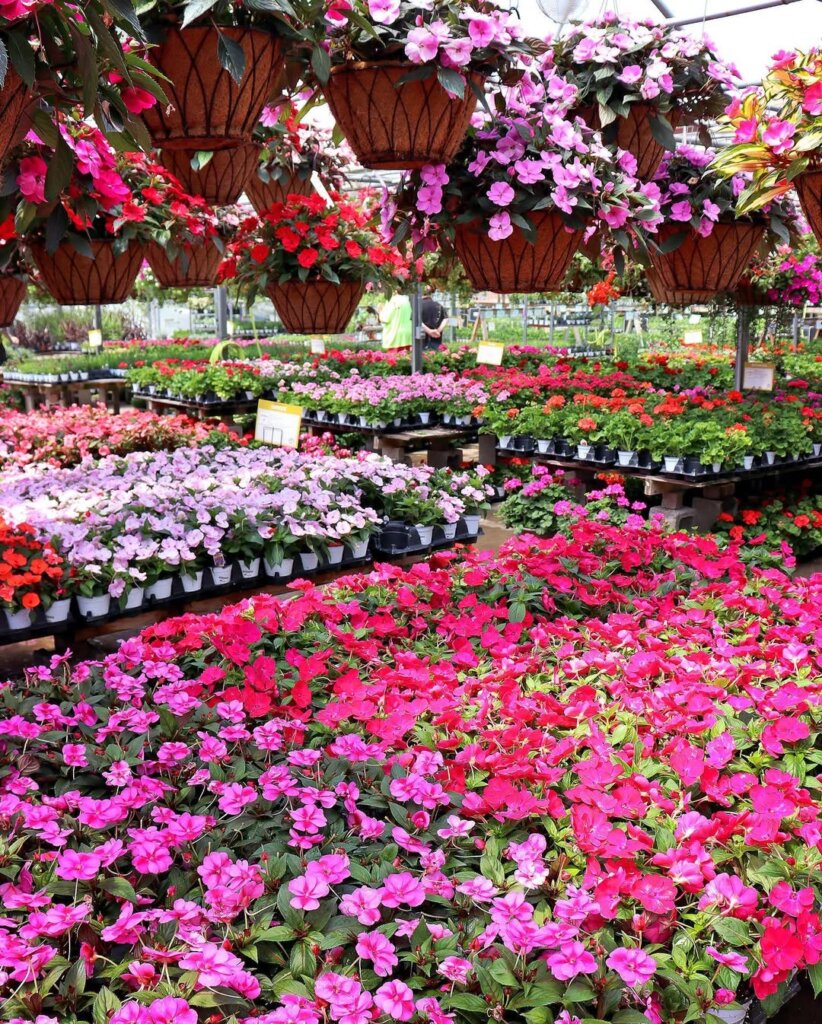
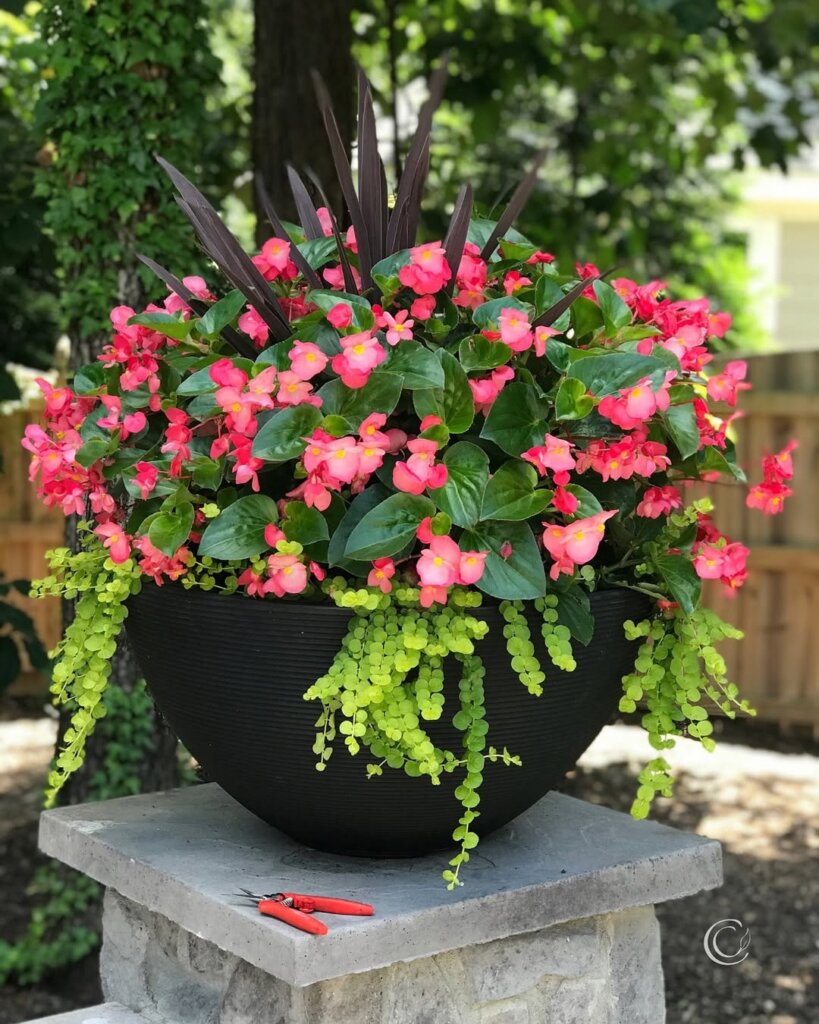
The correct selection of plants like the ferns, hostas, astilbes, and shade-tolerant flowering plants like impatiens or begonias will help make your garden stay greener and more colorful. Also, the quality of soil, moisture, and good upkeep are important factors that maintain the well-being of shade plants. Even shady places will be turned into a beautiful garden oasis that is both tranquil and alive with careful planning and the correct choice of plants.
Shade Garden Plants Ideas
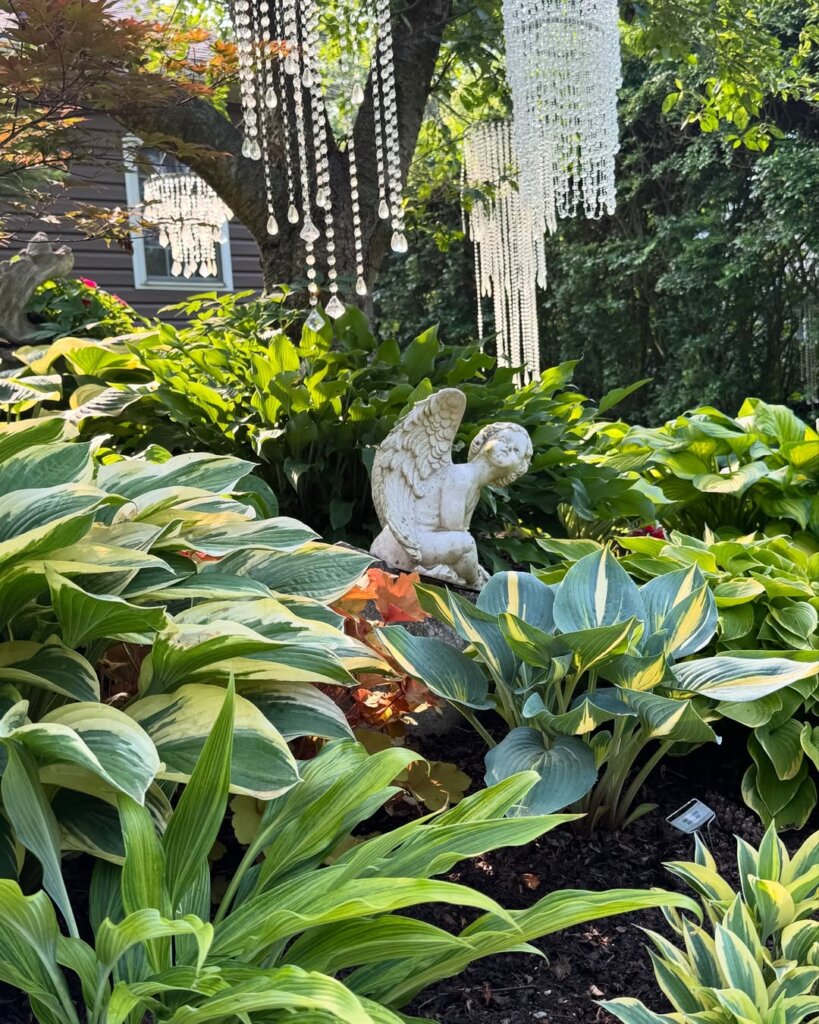
Hostas
Credit@paintedleafhostagarden
Hostas are among the most successful shade plantings. The leaves are big and juicy in either green, blue, or variegated styles, bringing taste and volume to your garden. They flourish either in full or partial darkness and require damp, well-drained soil. Hostas also bloom in summer with some tiny flowers, which appeal to pollinators. They are easy to maintain and can be used along borders or in garden beds or under trees. There are so many varieties that you can combine and match the sizes and colors to come up with a layered and beautiful shade garden that does not seem dull even in the absence of direct sunlight.
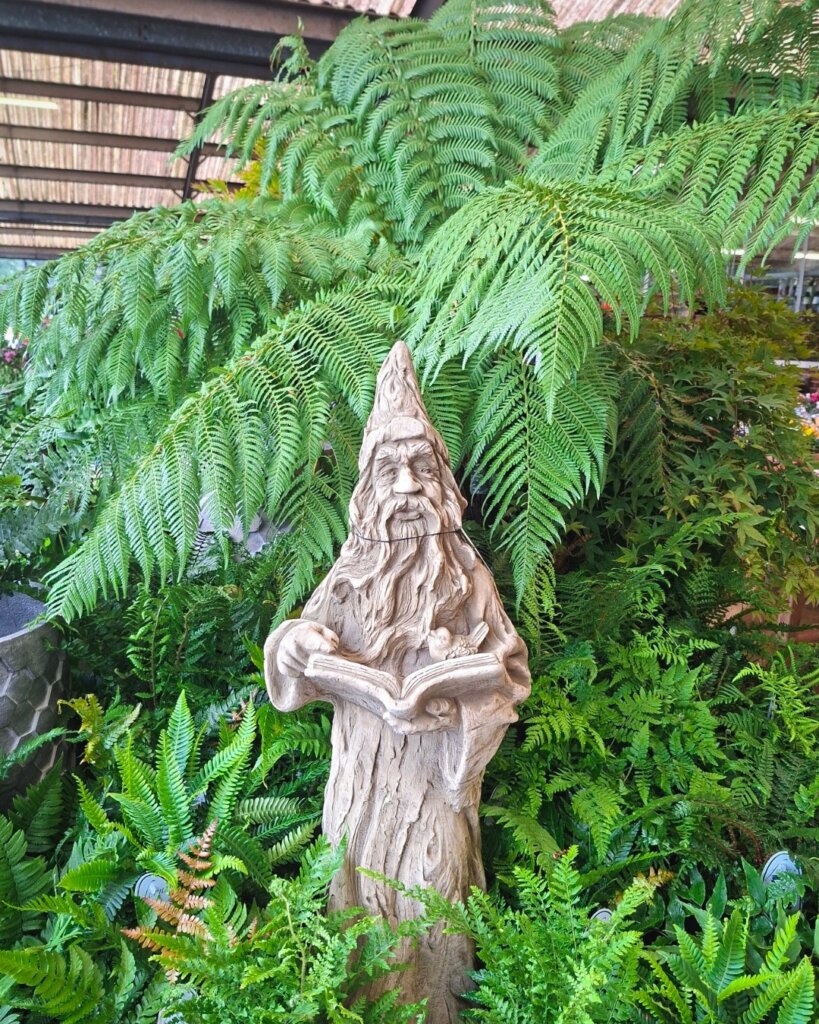
Ferns
Credit@thetfordgc
One of the classic shade garden plants is the fern, which has feathery and delicate fronds. They thrive either in full or partial shade and like wet and fertile soil. Ferns also provide a woodland touch to your garden, and shady spots appear green and welcoming. The most popular ones are lady fern, Japanese painted fern, and Boston fern. They need little or no care at all, being watered and only occasionally clipped of old fronds. Ferns will grow well under trees, around a walkway, or in the shade and offer year-long texture and greenery.
Astilbes
Credit@schillingsgardenmarket
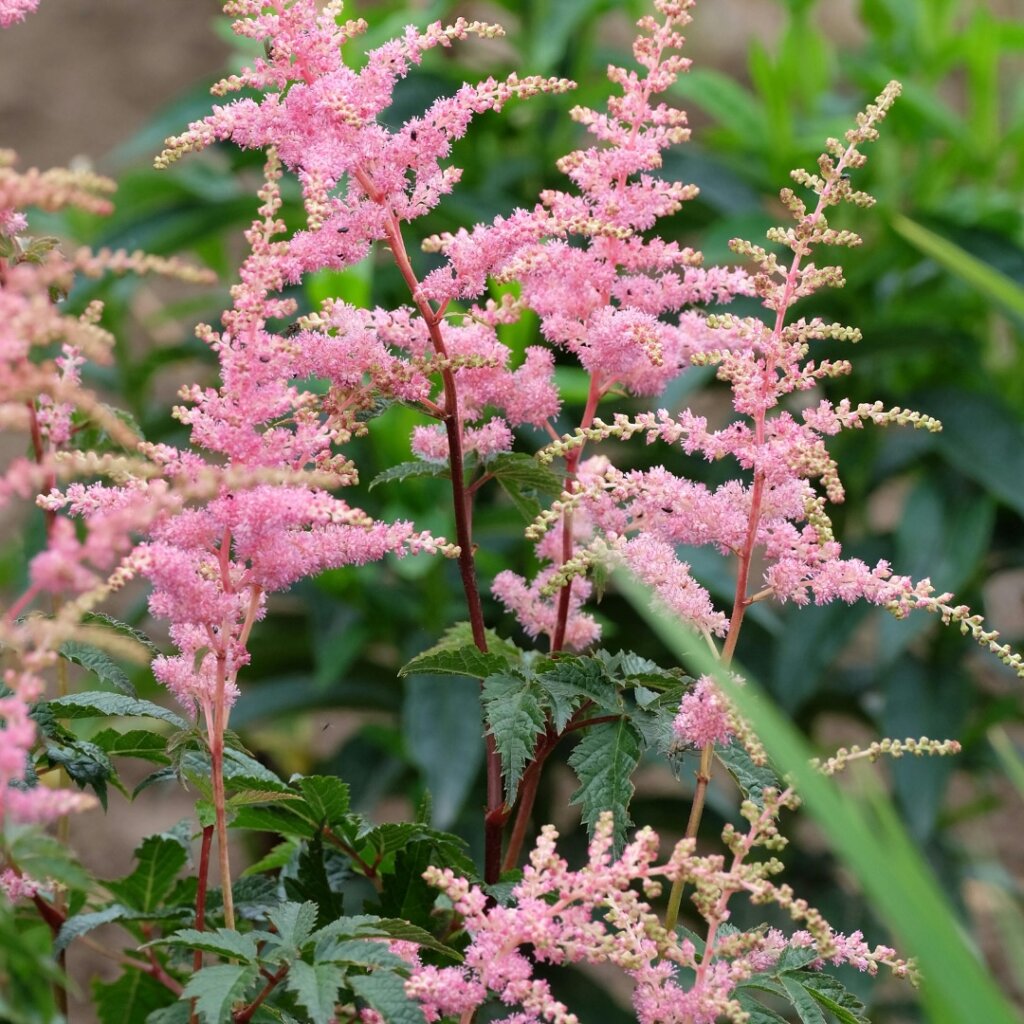
Astilbes are ornamental perennials that are shade-loving and have plumes of feathery, white, purple, red, and pink flowers. They grow well in wet and fertile soil and like partial or complete shade. Their fragile flowers are in a striking contrast to the green leaves, so they bring a splash of brightness to the darker locations. Astilbes can be used in border work, in the woods, or even in locations close to water bodies. They need frequent watering and are not usually high-maintenance. They also make them deer-resistant plants, hence suitable to use in gardens that have wildlife. Astilbes, with their airy texture and colorful flowerings, make any shaded garden alive.
Impatiens
Credit@family_tree_nursery
Begonias
Credit@contained_creations
Heuchera (Coral Bells)
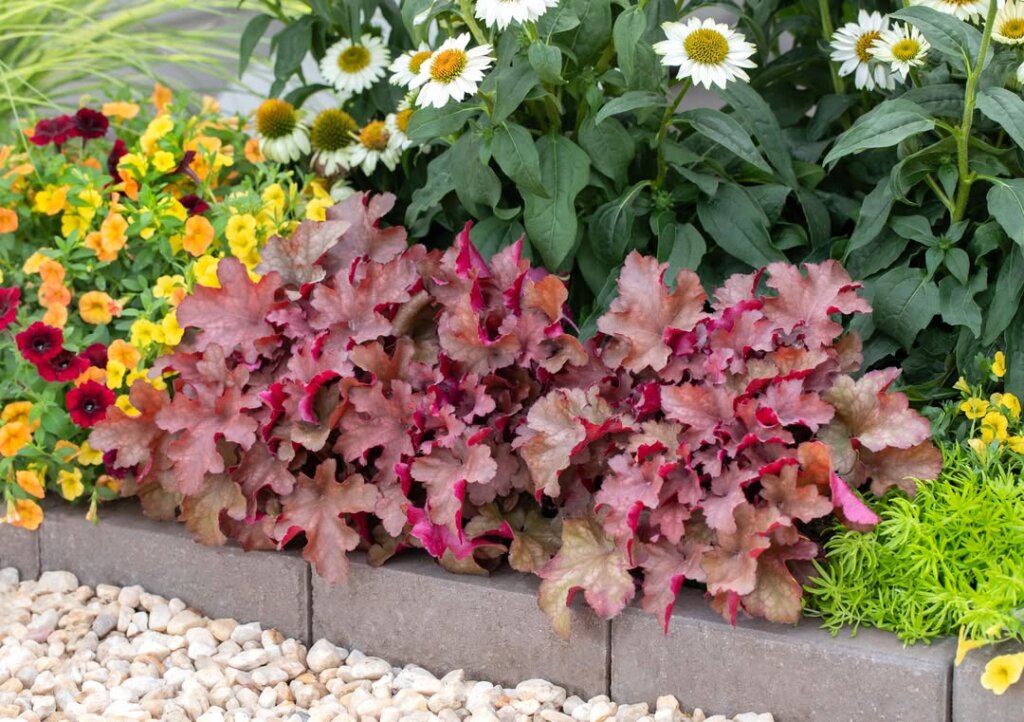
The coral bells, or Heuchera, is a shade-loving plant that is valued due to its colored foliage. Leaves are more frequently in shades of purple, silver, green, or burgundy with a patterned look. They prefer to grow in partial shade and in well-drained soil and are low-maintenance. Heuchera flowers are little bells in summer and appeal to pollinators. These plants are ideal as a border, container, or groundcover. Their colorful foliage offers year-long appeal, and thus, they are the best addition to any shaded garden area to give it a touch of texture and color.
Hydrangeas
Credit@metrolinaghs
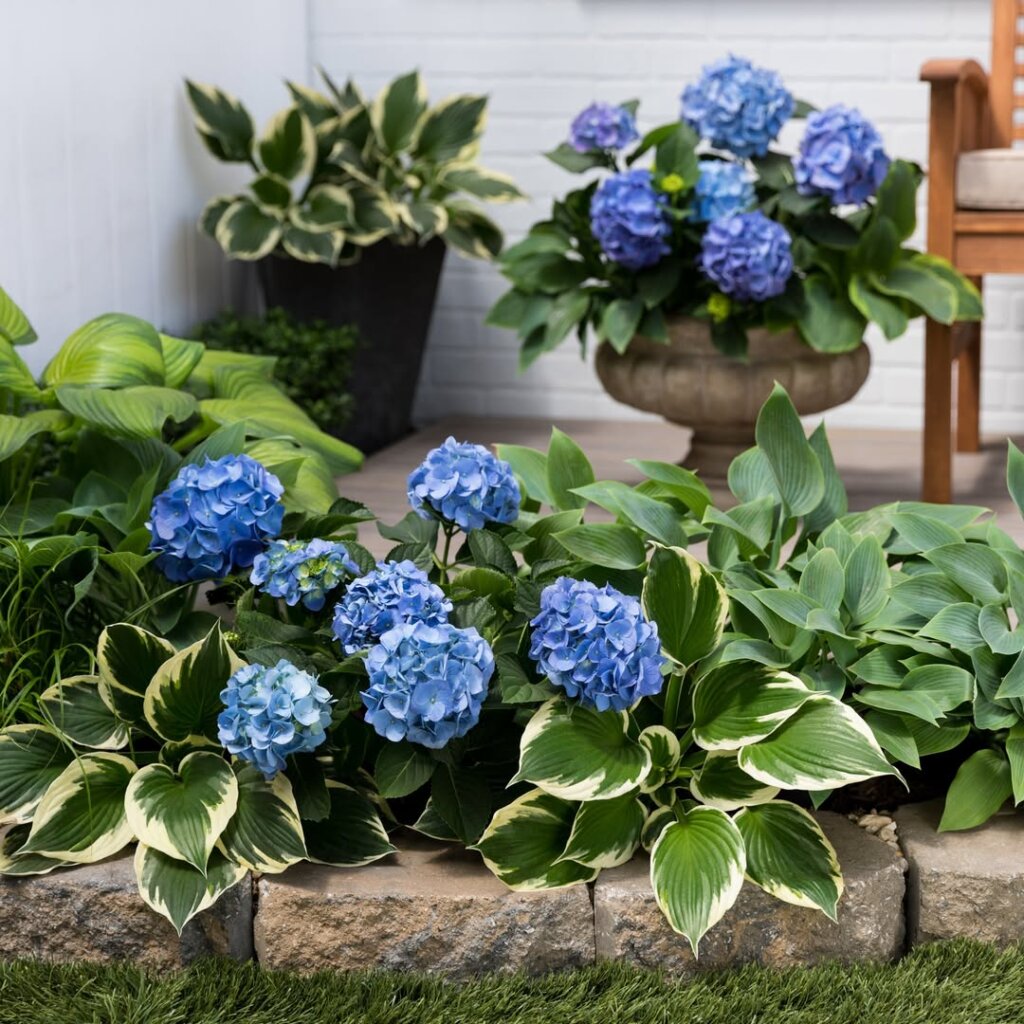
Hydrangeas are gorgeous shrubs that thrive in part to full shade. They form big and rounded flowering clusters in white, pink, blue, and purple, based on the acidity of the soil. They like wet soils that are well-drained and watered. Hydrangeas may be planted as solitary features or as the edges of a garden. Shady areas are aesthetically pleasing with their juicy foliage and large blooms. They make a splash of beauty and grace to shade ga arden with proper care and take a few weeks in summer.
Lungwort (Pulmonaria)
Credit@sugarcreekgardens
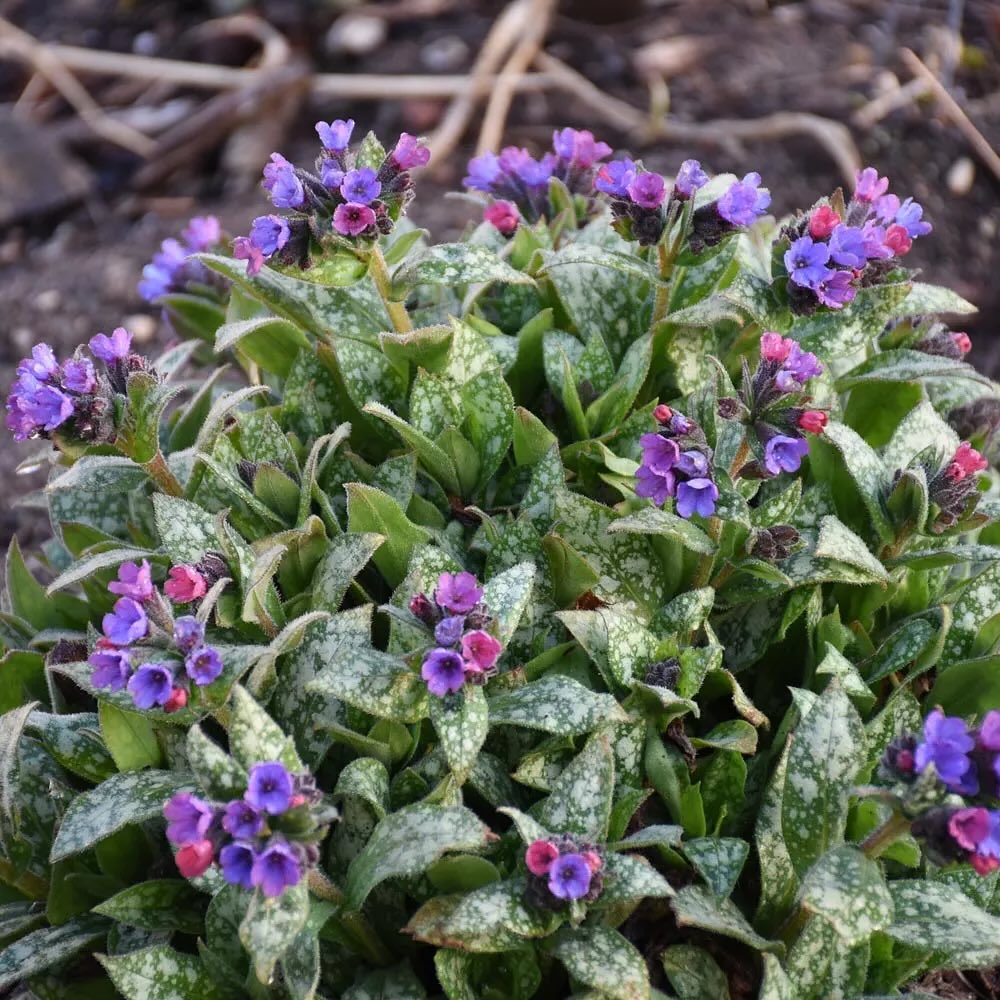
Lungwort is a low-growing perennial that is suited to shaded gardens. It has visual interest with its spotted leaves or silver-patterned leaves and is pollinated by early spring flowers in blue, pink, or purple. Lungwort grows in partly to fully shaded areas and likes damp, well-drained soil. It is ideal for ground cover or border areas, or under trees. It is a tough plant that requires no special care, is unattractive to deer, and introduces color and texture to dark spaces where other plants falter.
Solomon’s Seal
Credit@unccharlottegardens
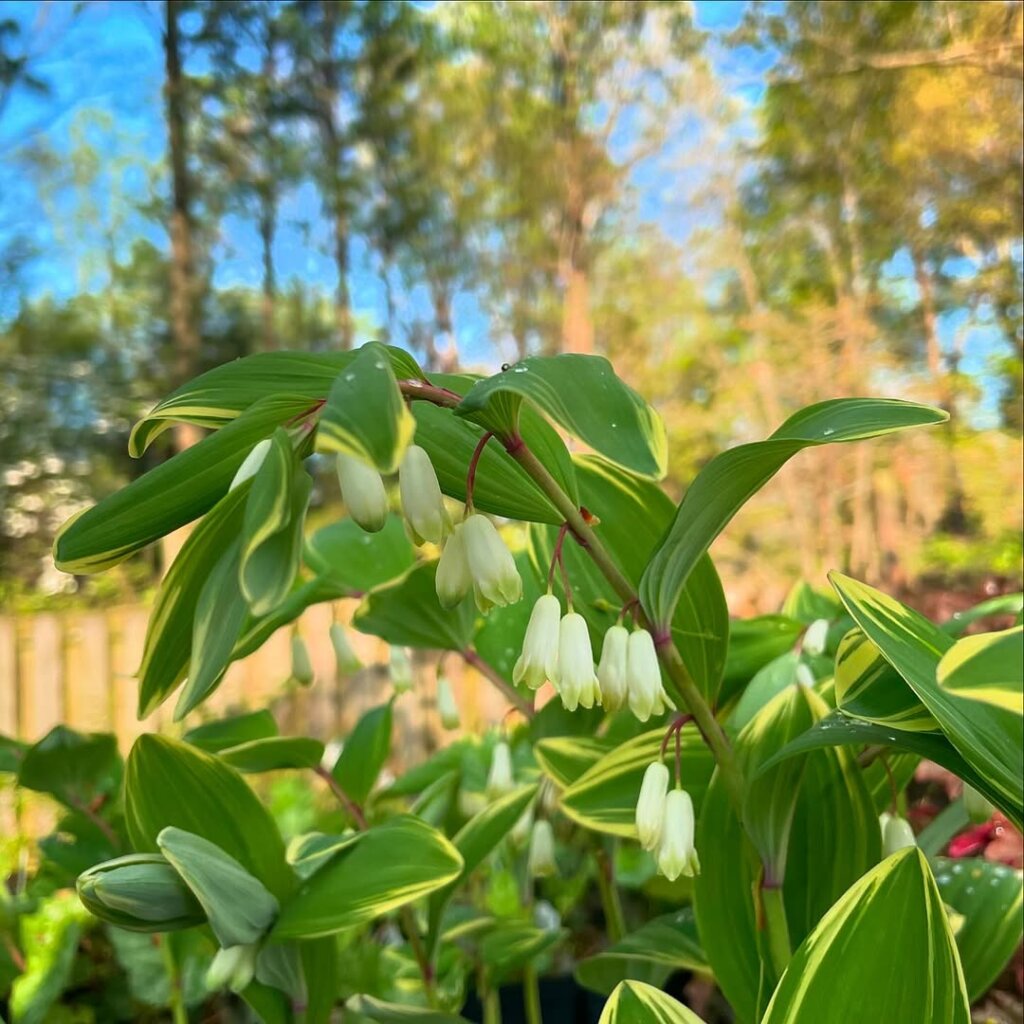
With the perennial Solomon’s seal, the stems are arching and the flowers are small, white, and bell-shaped. It thrives either in full or partial shade, and it thrives in moist soils. The plant provides both graceful movement and height to a shade garden, and it is suitable for use in a woodland-style setting. Solomon’s seal is low maintenance, and the foliage changes to yellow in the fall, which is seasonal. It looks serene and lush; it goes well with ferns and hostas and is a perfect fit in borders or naturalized areas.
Ajuga (Bugleweed)
Credit@ianbarkergardens
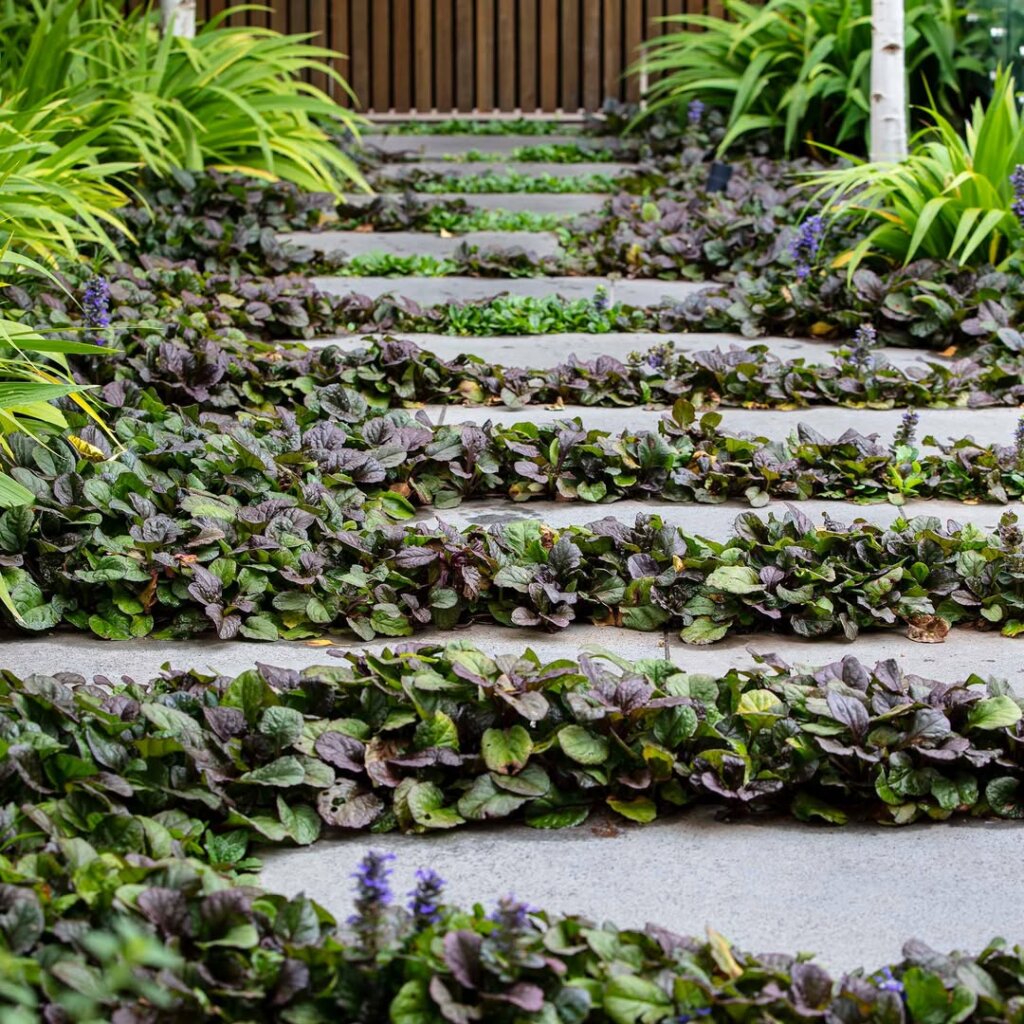
Ajuga is a rugged groundcover that grows in shady places. It bears colorful foliage, whether in green, purple, or bronze, and bears spikes of blue flowers during spring. Ajuga propagates fast, filling in bare spaces and deterring weeds. It has a preference for wet, well-drained soil and likes partial or total shade. Ajuga is perfect to use under trees, along pathways, or between larger plants to provide texture and color to shade gardens. Maintenance-free and low lighting capability have made it a favorite among gardeners who want to lighten the shady areas.
FAQs
Q: What is Full shade and partial shade?
A: Full shade: The site experiences virtually no direct sunlight, and partial shade has 3 to 6 hours of sunlight per day. There is also the dappled shade; some plants can survive in the shade between trees where the sun is filtered through.
Q: What are the best plants in full shade?
A: Hostos, lungwort, Solomon’s seal, and ajuga are perfect in completely shady spots with no direct sunlight, and they tend to add texture, color, and greenery.
Conclusion
It is not as difficult to make a shade garden successful as it seems to most gardeners. Even the darkest spots of your yard can be bright, blooming, and living using the right shade garden plants. With a bit of knowledge of the kind of shade, full, partial, or dappled—and a selection of such plants as hostas, ferns, astilbes, impatiens, and begonias, you can create not only a beautiful but also a low-maintenance garden. Shrubs, groundcovers, and flowering plants are added to add texture, color, and seasonal interest. Through proper watering, mulching, and pruning, your shady areas can be converted to a calm haven, providing you with a calm and aesthetically charged garden throughout the year.