![Hey Decor Girl [Latest Trending Decor Design Ideas]](https://heydecorgirl.com/wordpress/wp-content/uploads/2024/08/Heygirldecor-Logo.png)
Plants, a Good Feng Shui practice in ancient China, focuses on the harmonious nature of space as a way to promote the circulation of energy, or Chi, in a household. Plants are essential to this practice and are perceived to direct the positive energy and provide a warm environment.
The Feng Shui school of thought bases its view on the front door as the main opening through which the Chi enters your place of residence, hence, the focus of the energy movement in your house. Plants near your front door, when in a strategic position, will welcome beneficial energy, moods and give everyone a positive outlook upon stepping into your home. Plants may be considered to add a sense of nature and beauty, but also contribute to the balanced five elements of wood, water, metal, earth, and fire, which enhance the overall Feng Shui of your entrance.
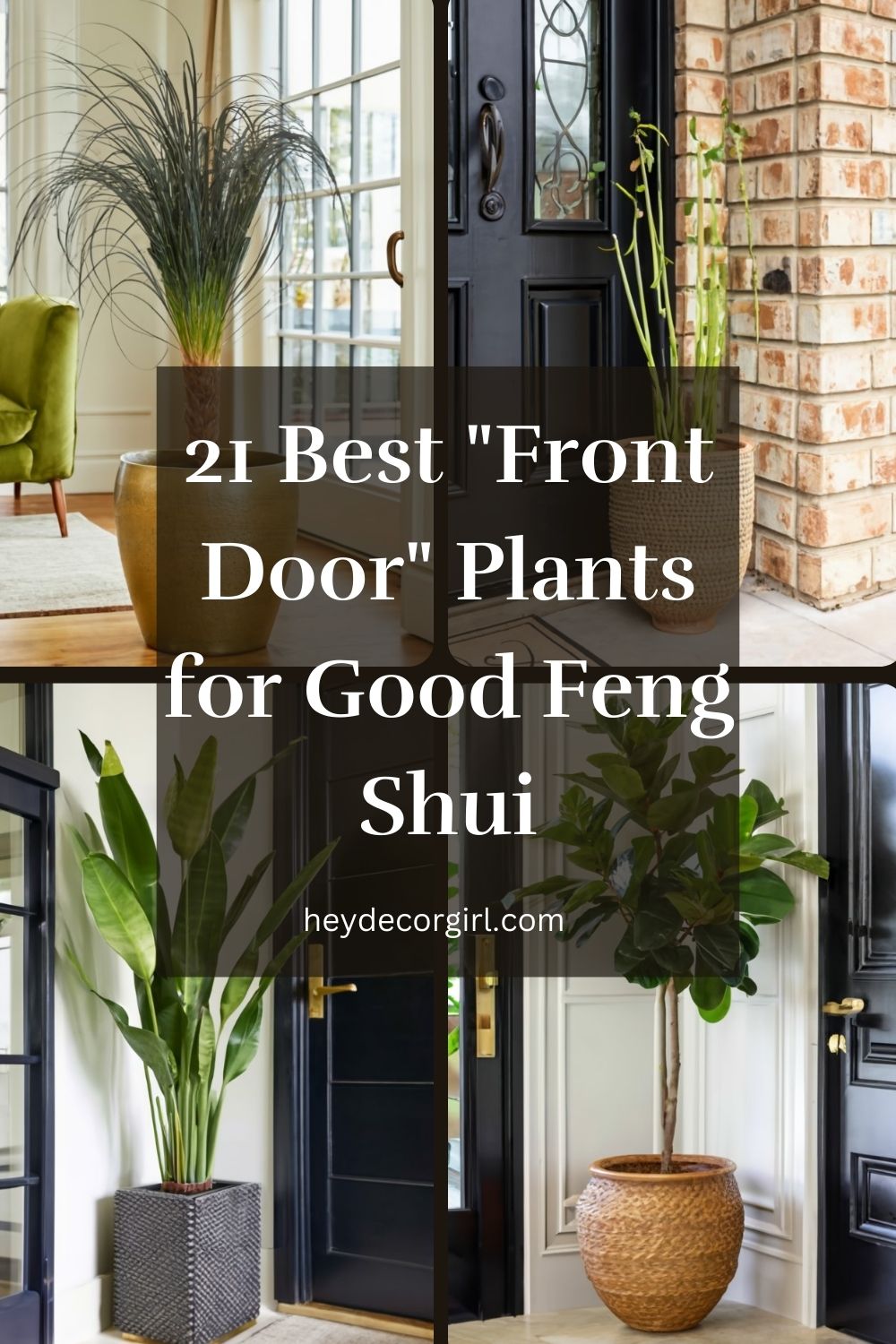
Best “Front Door” Plants For Good Feng Shui
1. Lucky Bamboo (Dracaena sanderiana)
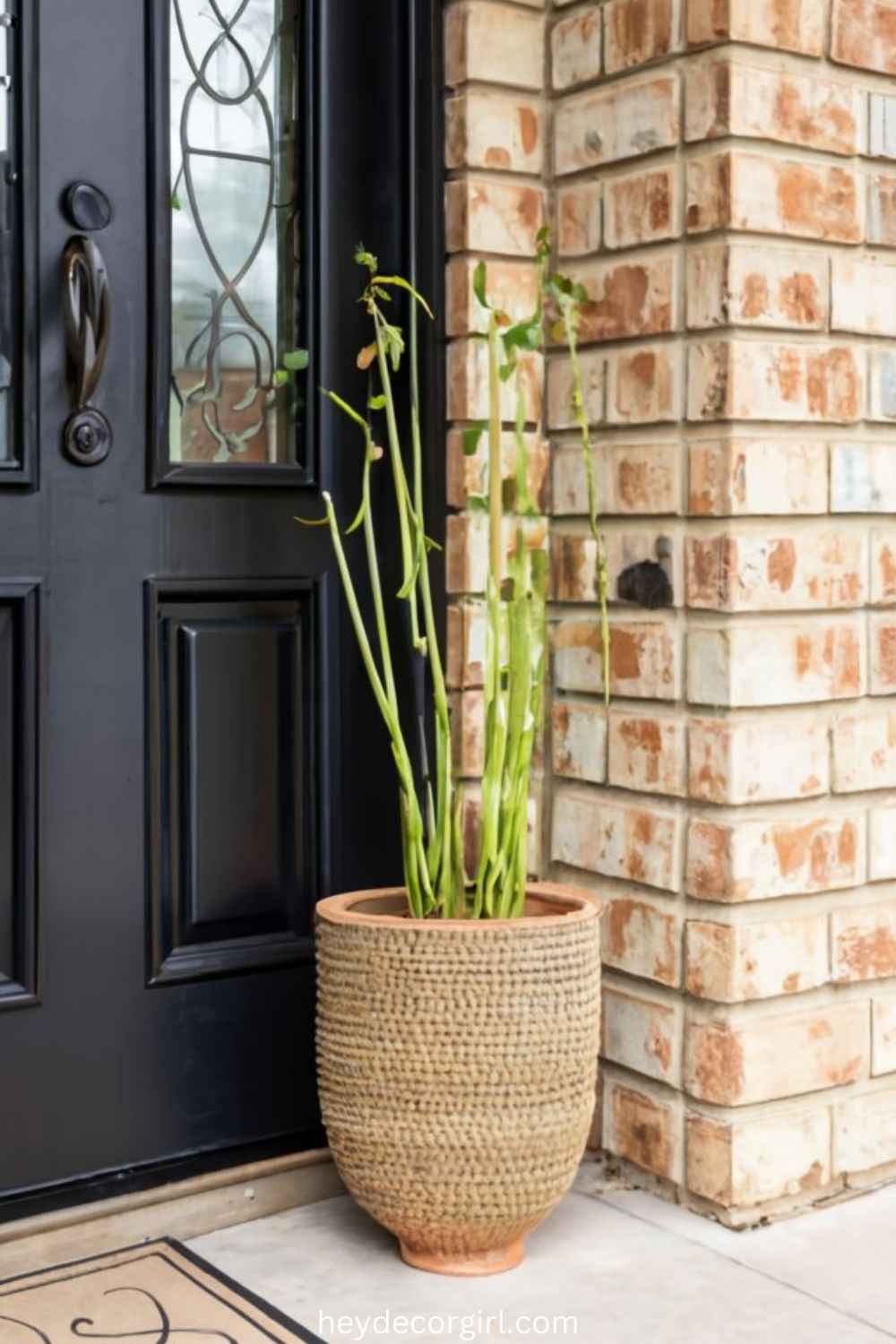
Benefits and Symbolism:
- Emblem of Good Fortune: The lucky bamboo is known to bring good fortune and prosperity. It is also common to use it n Feng Shui to bring in wealth and good energy.
- Health and Vitality: The plant is also thought to aid health and longevity, hence making it a choice for overall well-being.
- Flexibility and Growth: The fact that it can develop under different circumstances is symbolic of strength and the ability to adjust to various situations, meaning how to survive in different environments.
Ideal Placement:
- Wealth Corner: Lucky Bamboo should be put to the wealth side of your house, which is the farthest side on the left-hand side of the doorway. It is thought that this place magnifies its prosperity-boosting effects.
- Introduction: Place it close to the front door or in a foyer to receive good vibes in your house immediately you enter it.
Office or Desk: It also fits perfectly well in the office areas or desks, where it would increase focus and financial prosperity. - Shade: Lucky Bamboo can be cultivated in light that is not direct and therefore should not be placed in direct sunshine. It likes a light, yet not overly sunny, place so that its bright growth is not inhibited.
- Using Lucky Bamboo in your front door area helps to bring a feeling of vitality and abundance into your home, which is a concept of Feng Shui.
2. Snake Plant (Sansevieria)
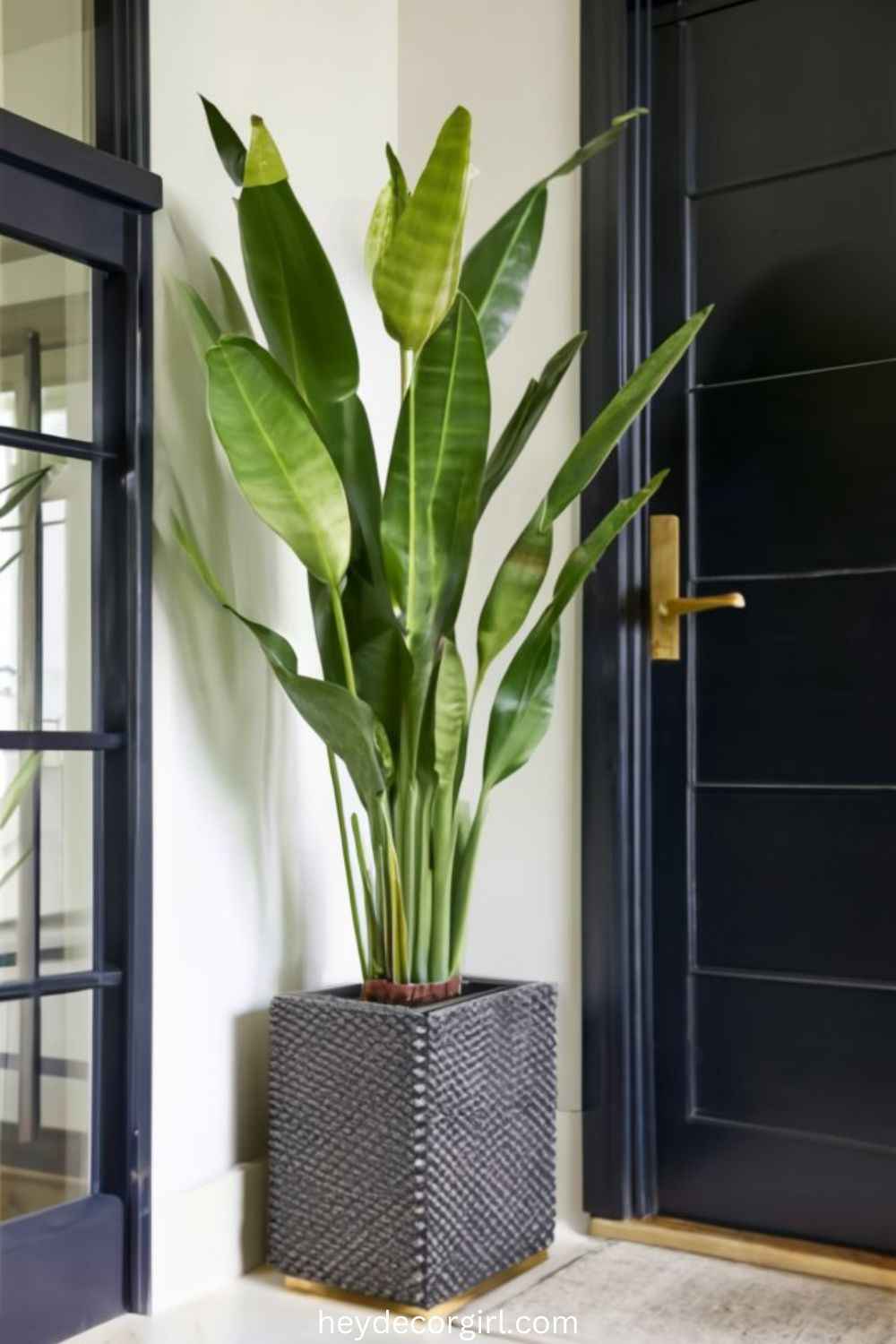
Benefits and Symbolism:
- Air Purification: Snake Plant has been known to purify the air of toxins like formaldehyde and benzene. This renders it a great option to enhance the quality of indoor air and to have a healthier life.
- Protector of Feng Shui. In Feng Shui, the Snake Plant is regarded as a protector. Its erect leaves symbolize power and stability, and it is said to protect the home against bad energy.
- Ease of Care: The low maintenance requirements and resilience of the plant represent endurance and perseverance, and it is a good option to choose for people who need a plant that can tolerate low care levels.
Ideal Placement:
- Entryway: You can put the Snake Plant at the front door to take advantage of its protective power and enhance the circulation of positive energy in the household. It has a strong focal point in the entryway due to its vertical leaves.
- Living Room or Office: It can also be fully adapted to living rooms and offices, where it can clean the air and provide a natural elegance. It should be put somewhere in a corner or against a wall to fit in with the decor of a room.
- Shade: Snake Plants do not tolerate direct sunlight but should receive low light or indirect lighting conditions. Do not put them directly in the sun as the sun may scald their leaves.
Dark Spaces or Corners: This plant is adaptable and can grow in dark spaces or corners where other plants may not fit, and thus it is perfect to add a feel of greenery to low-lit areas.
Planting a Snake Plant intelligently improves the visual and motivational harmony of the environment, which, according to Feng Shui ideologies, is correct.
3. Jade Plant (Crassula ovata)
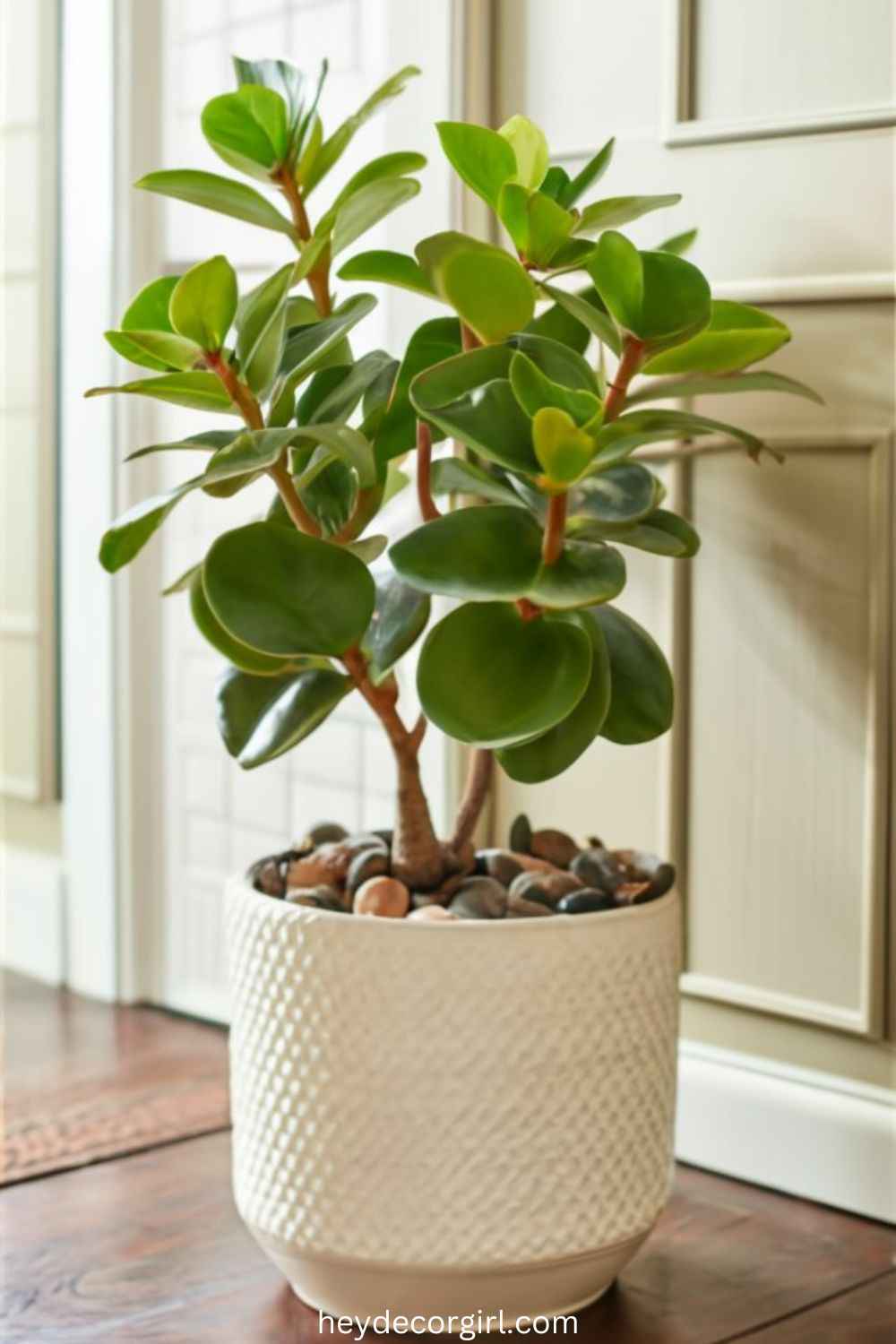
Benefits and Symbolism:
- Symbol of the Rich: The Jade Plant is very commonly known as a symbol of good fortune and richIt can be called the Money Tree in Feng Shui due to its relationship with bringing in money and financial prosperity.
- Health and Longevity: It is also thought to promote good health and longevity, and this is why it is strong and durable.
- Positive Energy: Jade Plant leaves are considered to be rounded and coin-shaped, and they attract and boost positive energy,gy so it is often used to energise a space.
Ideal Placement:
- Wealth Corner: The Jade Plant should be positioned in the wealth corner of your home or office, the farthest left corner of your home ur office. It is thought that this place will maximize its prosperity-enhancing effects.
- Entryway: Place it next to the front door to welcome prosperity and good fortune into your house immediately you step inside. It can also provide a sense of greenery and beauty to the entry.
- Office or Study: The Jade Plant can also be used in offices or study settings to increase financial success and make a favorable work and study environment.
- Shade: Although it likes bright, indirect sunlight, direct sunlight may burn its leaves. It should be kept in a well but filtered lightplace to make it healthy and full of vitality.
With a Jade Plant added to your home decor, you are also in accordance with the principles of Feng Shui to make your home look better and attract more positive energy there.
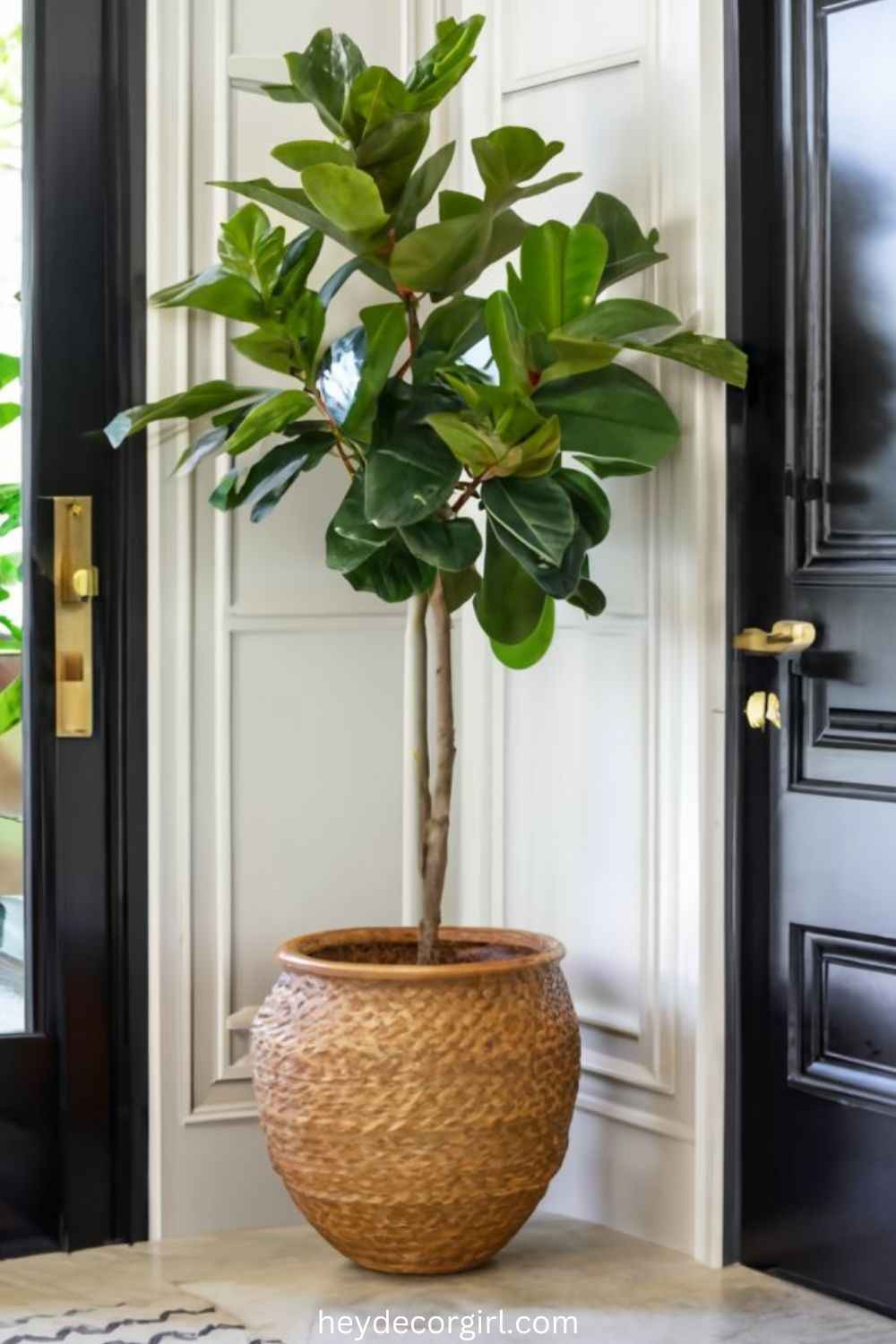
4. Money Tree (Pachira aquatica)
Benefits and Symbolism:
- Sign of Wealth and Prosperity: The Money Tree is famous in Feng Shui as it is associated with prosperity and financial prosperity. It is said to bring good luck and fortune because of its braided trunk and green leaves.
- Positive Energy: It is also believed to add positive energy and balance to a space, and the plant is commonly used to create a harmonious setting.
- Resilience: Money Tree has a reputation for being hardy and adaptable, which is a representation of resilience and the capacity to flourish despite the circumstances.
Ideal Placement:
- Wealth Corner: The Money Tree should be in the wealth corner of your house or office, which is the furthest left corner of the entrance. It is thought that this position increases its prosperity-promoting impacts.
- Entryway: Set it close to the front door or the foyer to welcome and invite guests, sometimes into your home immediately at the doorstep.
- Living Room or Office: Money Tree can also be used in living rooms or offices, where it can be used to increase financial prosperity and create a friendly ambiance.
- Bright, Indirect Light: It likes bright and indirect light. Keep it out of the direct sunlight, and it will scald its leaves. Make sure that it is provided with a sufficient amount of light to retain its rich green color and overall well-being.
With the implementation of a Money Tree into your decor, you are improving the dynamic and aesthetic nature of your space, which is according to Feng Shui principles to achieve prosperity and positive energy.
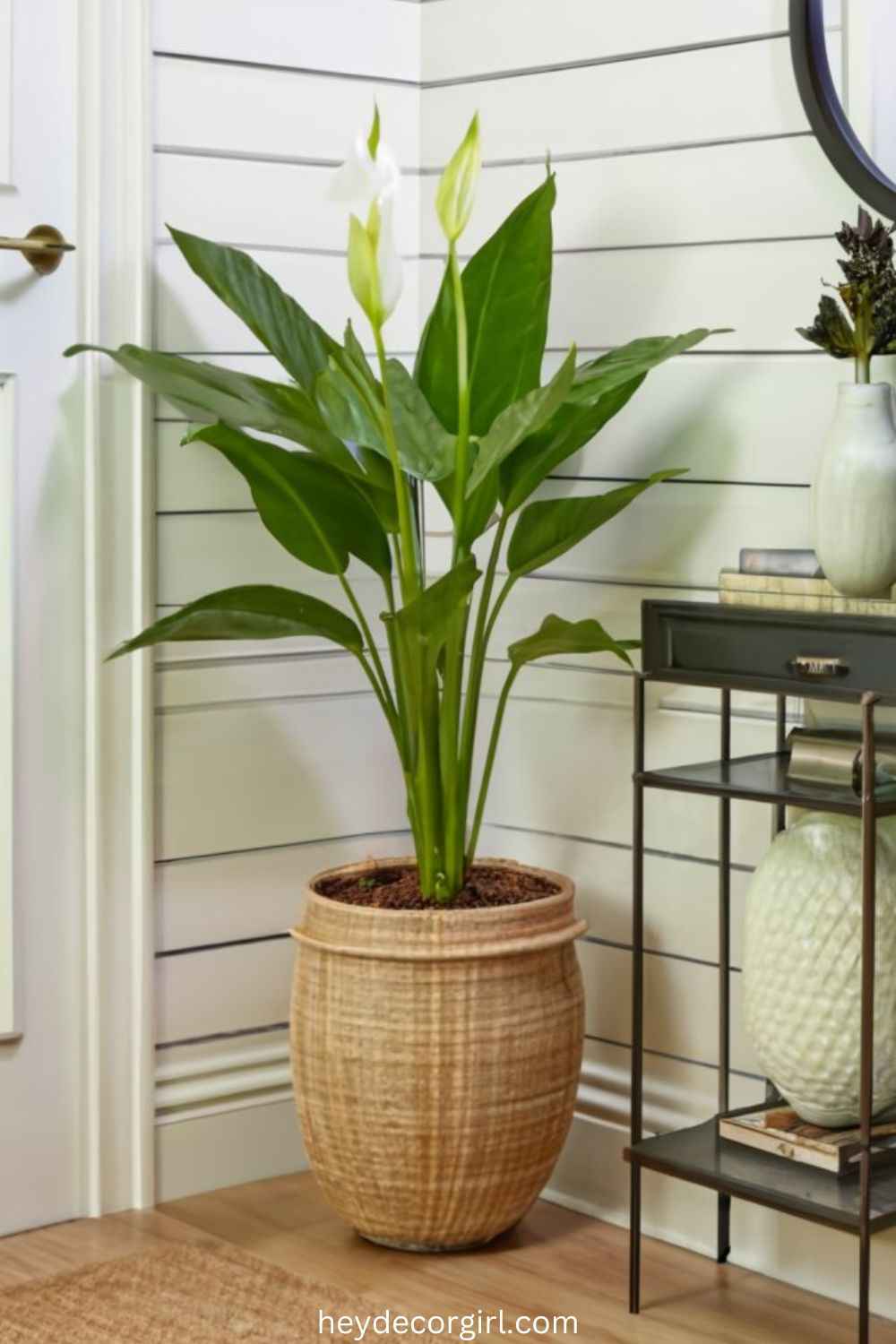
5. Peace Lily (Spathiphyllum)
Benefits and Symbolism:
- Symbol of Peace and Harmony: The Peace Lily is commonly referred to as a symbol of peace, harmony, and tranquility. Its white flowers and green leaves are supposed to bring ng peaceful effect to any area.
- Air Purification: The Peace Lily is known to have the capability of removing indoor pollutants that would otherwise lead to a very unhealthy interior environment, including formaldehyde, benzene, and trichloroethylene.
- Healing and Protection: According to Feng Shui, it is said to be a protective plant, which promotes the overall energy of a room, and therefore it is used in order to create a calm and balanced environment.
Ideal Placement:
- Living Room or Bedroom: The Peace Lily should be placed in the living room or bedroom to create a comfortable and relaxing atmosphere. It is highly appropriate in areas where people need to relax.
- Entryway: Place it by the entrance door to your house to create the warm mood of your home, and to attract positive and harmonious energies indoors.
- Bright, Indirect Light: The Peace Lily can survive under bright and indirect light. It should not be exposed to direct sunlight, which will scald its leaves and limit its flowering possibilities. It is also able to adjust to low-light areas , thus making it flexible to use in different indoor environments.
- Humidity: The plant prefers increased humidity, which is why it is better to keep it in places with increased moisture or use a humidifier to maintain it in good conditions.
With the help of a Peace Lily, you conform to the idea of Feng Shui to ensure a peaceful and healthy environment.
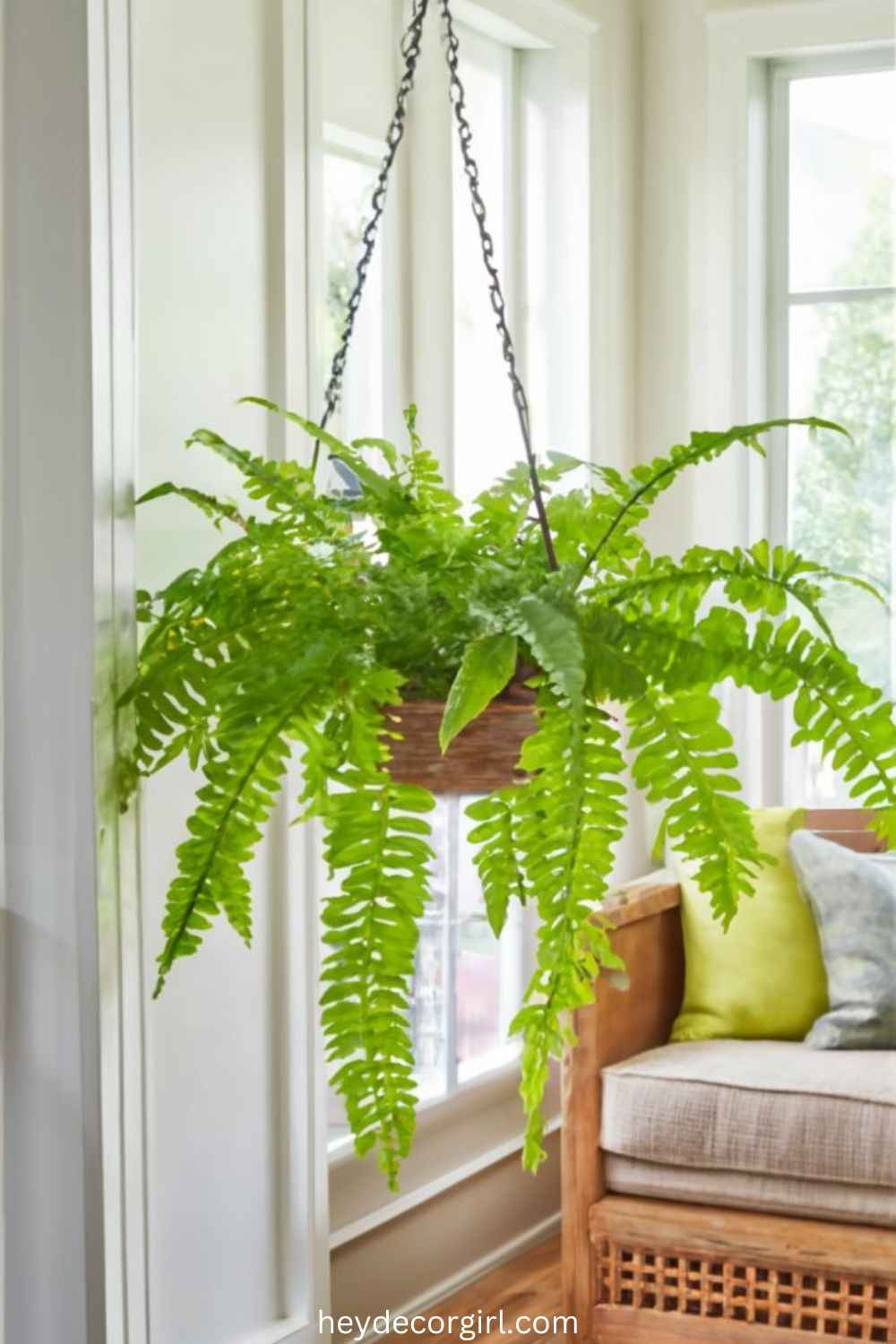
6. Boston Fern (Nephrolepis exaltata)
Benefits and Symbolism:
- Symbol of Youth and Revitalization: The Boston Fern is a symbol of renewal and growth, and vitality. Its green leafy fronds represent fresh starts and being able to revive.
- Purifying Air: This plant is also a good choice to purify indoor air, and it can remove such pollutants as formaldehyde and xylene to create a healthier environment.
- Balance and Harmony: The Boston Fern is a plant that is appreciated in Feng Shui because it can bring harmony and balance to a certain area and improve the circulation of positive energy (Chi).
Ideal Placement:
- Living Room or Bathroom: Boston Fern should be placed in the living room or the bathroom to enjoy the air-cleaning properties and also to bring some natural beauty. Its green leaves produce a cool and vibrant environment.
- Entryway: It should be placed at or close to the door leading into the home to introduce good energy into your house. Its green scenery is quite vivid and creates an impressive visual impression, as well as it contributes to the establishment of a welcoming atmosphere.
- Bright, Indirect Light: The Boston Fern grows well in bright and indirect sunlight. Never put it in direct sunlight because it may scald its fronds. It is also more humid, so it should be placed in areas with more natural moisture, or a humidifier should be used.
- Hanging Planter: This plant fits well in hanging planters or in stands and is elevated so its cascading fronds can be viewed and enjoyed at various angles.
When you introduce a Boston Fern into your home, you can boost the Feng Shui of your space with the symbolic meaning air-purifying properties.
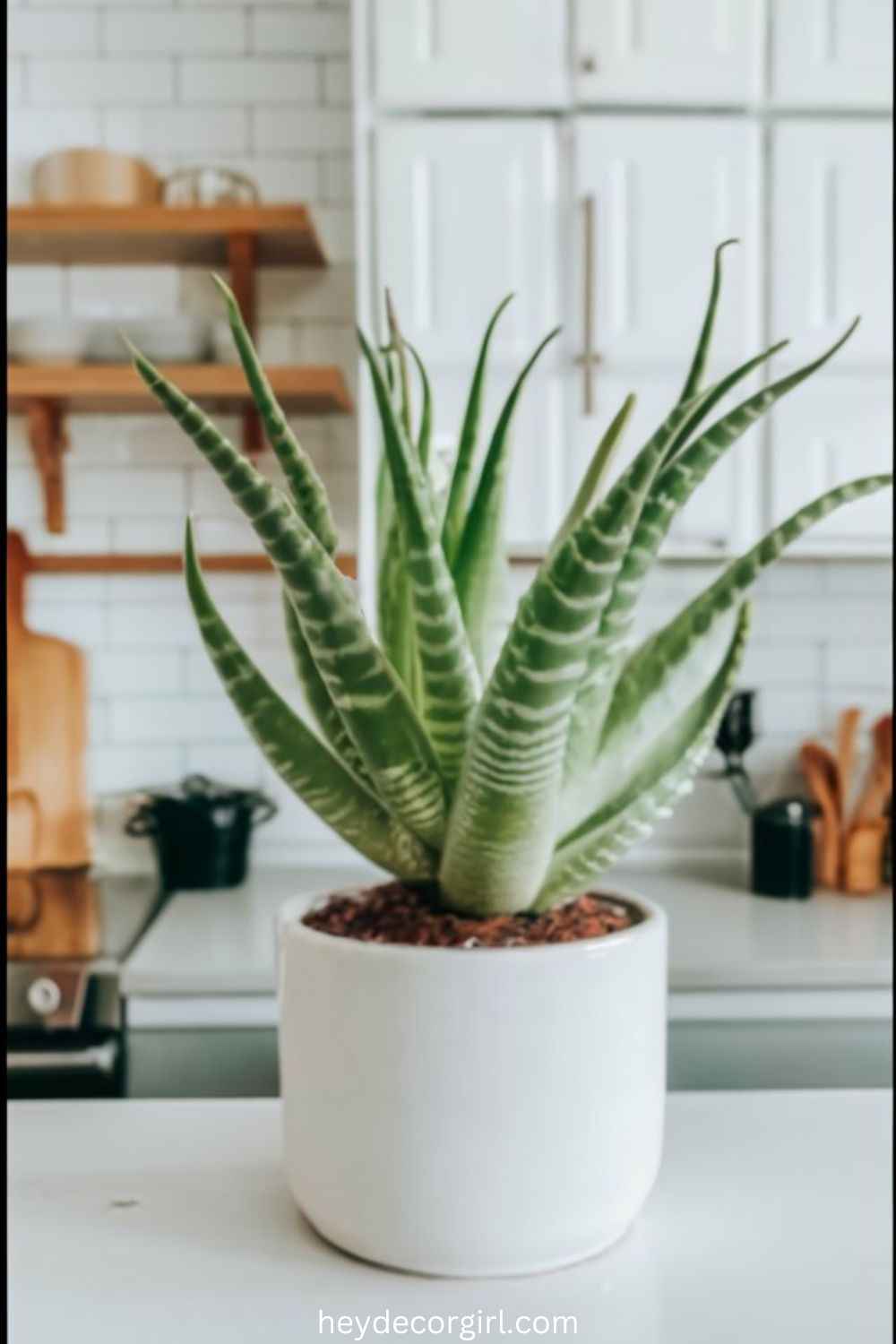
7. Aloe Vera (Aloe barbadensis)
Benefits and Symbolism:
- Healing and Health: Aloe Vera is a well-known medicine known especially because of its soothing gel that works on burns, cuts, and skin irritations. It is a symbol of healing, protection, and, in general, health.
- Air Purification: The plant focuses on purifying the air and the toxins, like formaldehyde and benzene, making the indoors a healthier place to be.
- Resilience: Aloe Vera is also known to be a tough plant, which symbolizes resilience and adaptability as it can endure a wide range of conditions without a lot of care.
Ideal Placement:
- Kitchen/Bathroom: Aloe Vera should be placed in the kitchen or bathroom to enjoy the practical purposes of the plant and to enjoy the benefits of air purifying. It particularly comes in handy in the kitchen, where the gel can easily be located in case of minor skin problems.
- Entrance or Living Room: Place it by the entrance door or in the living room to invite positive energy and improve the overall condition of health and energy of the environment.
- Bright, Indirect Light: Aloe Vera is a plant that survives in bright indirect light. It should also not be placed in direct sunlight, as this burns its leaves. It is also able to adjust to a darker environment, but will be better grown in a sunny location.
- Dry Areas: This plant likes dry climates and must never overwatered. The placement should ideally be in a place that has good drainage and has low humidity.
With the addition of Aloe Vera to your home, you can introduce both an assortment of special effects and symbolism to your home, all in accordance with Feng Shui ideology to increase well-being and positive energy levels.
8. Citrus Trees (Citrus spp.)
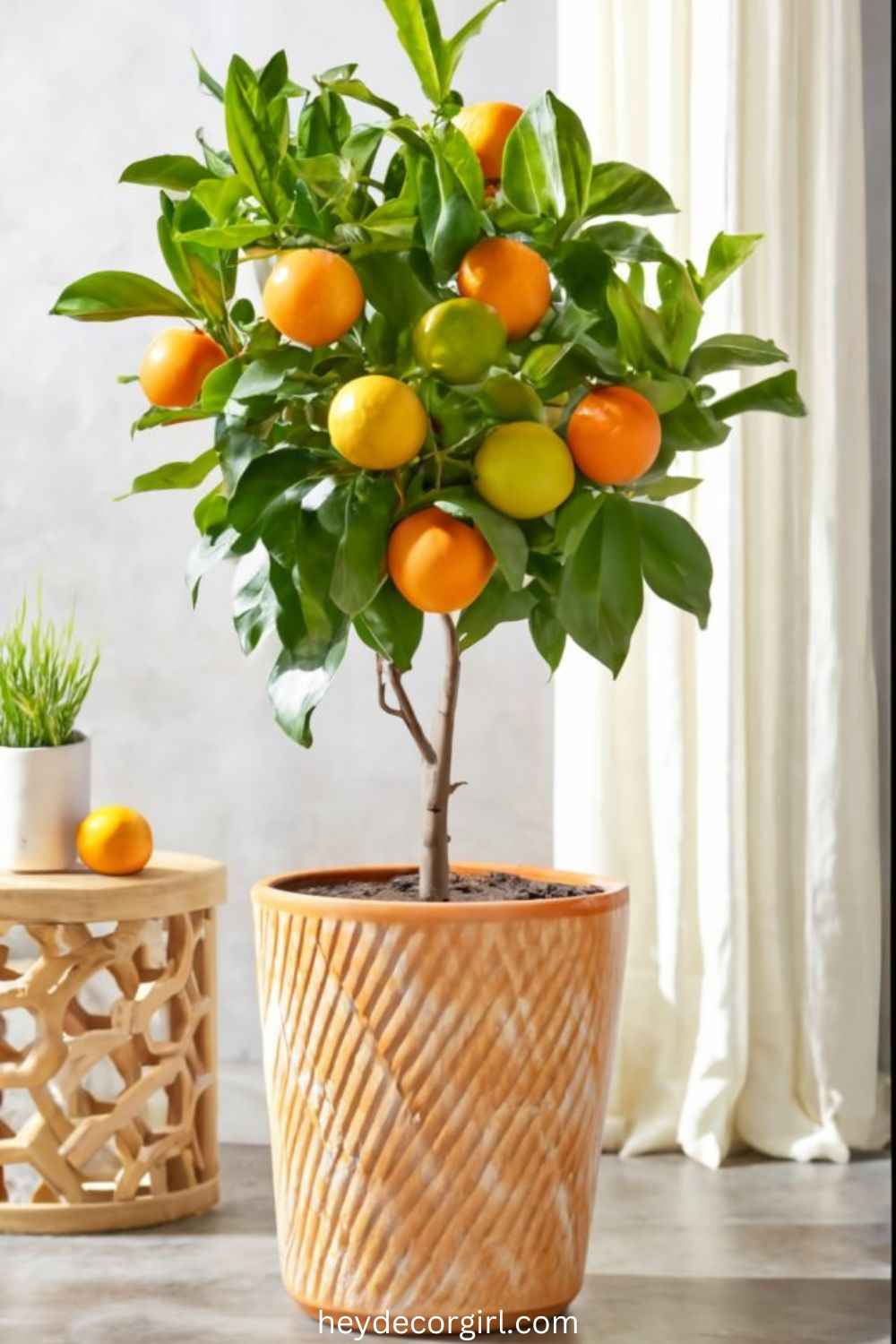
Benefits and Symbolism:
- The Sign of Good Fortune and Good Luck: Citrus trees are commonly related to prosperity, good fortune, and good luck with their bright fruits and green leaves in Feng Shui. Their productive trait is an indication of riches and satisfaction of wishes.
- Health and Vitality: The younger, fresher citrus fruit smell is said to revitalise and boost the spirit, which contributes to health and vitality.
- Purification and Freshness: The citrus trees assist in cleaning the atmosphere as well as provide a refreshing smell to the interior areas, contributing to the energy and brightness of the air.
Ideal Placement:
- Wealth Corner: Citrus trees should be located in the wealth corner of your office or home, which is the corner most distant from the entrance. It is believed that such a osition increases their prosperity-enhancing properties.
- Sunlit Areas: The citrus trees are well off in sunny areas. Set them in a place where they can get plenty of sunlight, like a sunny window or an illuminated area in the indoor garden.
- Entryway or Living Room: You can also position them just outside the front door or the living room in order to create a cheerful, welcoming space and call on good spirits to come into your house.
- Outdoor Patios or Balconies: Citrus trees may also be planted outdoors as space permits, where they may also be exposed to natural light and natural air. Such positioning would work towards their prosperity and would bring a little greenery and fruitfulness to your outdoor environment.
When you add citrus trees to your decoration, you are adhering to the Feng Shui principles to create the aesthetic and the energetic balance of the area, facilitating abundance and energy.
9. Creeping Fig (Ficus pumila)
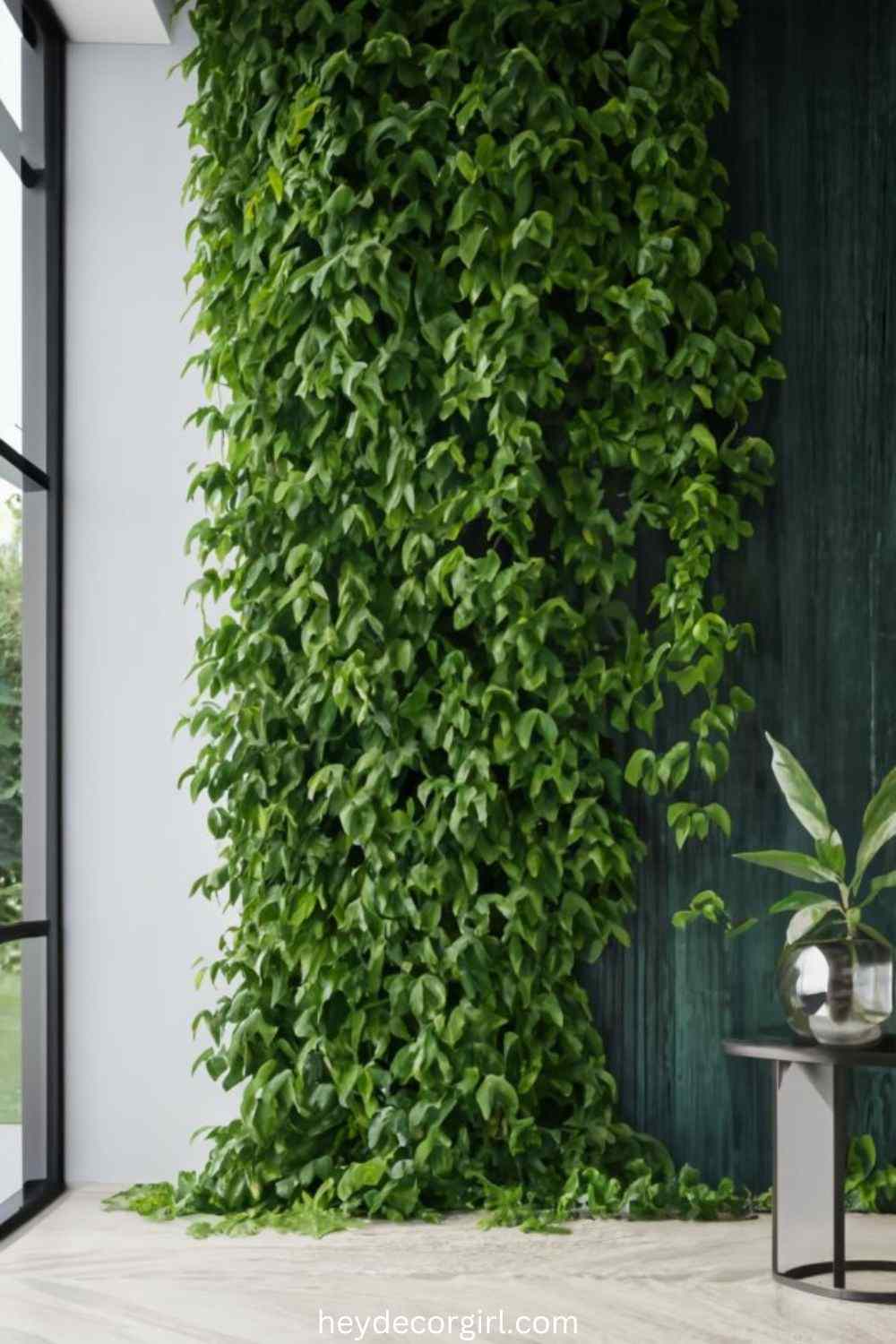
Benefits and Symbolism:
- The Creeping Fig: This is a symbol of growth and adaptability that can be used symbolically as a symbol of adaptability, resilience, and endless growth due to its vigorous and spreading nature. The fact that it is fast to spread and cover surfaces is a symbol of blossoming and growth.
- Air Purification: This plant makes the indoor environment a better place to live in by purifying the air as well as eliminating pollutants.
- Aesthetic Appeal: It has thick green foliage that provides a natural green background, making the indoor and outdoor areas more aesthetic.
Ideal Placement:
- Living Room or office: Creeping Fig can be placed in the living room or office, where its trailing vines can add to the decor and add greenery. It is suitable for on shelves, hanging plants, plants or living walls.
- Entryway: Place it close to the front door or foyer in order to provide a friendly and luxurious atmosphere. Its hanging vines can also be used to bring a colorful touch to the entrance of the house and enhance the circulation of favorable energy.
- Bright, Indirect Light: Creeping Fig is a plant that grows in bright, indirect light. It can adjust to a low-light situation but will thrive best in a well-lit area. It should not be subjected to direct sunlight as that will scald its leaves.
- Vertical Surfaces: This plant can be grown well on vertical surfaces, like on walls or trellises, and the vines can be spread to form a gorgeous green cover. It can also be used in hanging planters or a stand to decorate.
When you add the Creeping Fig to your decor, you increase not only the aesthetic appearance of your environment, but also the positive energy flow of it, which is in correlation with the Feng Shui principle of growth and adaptation.
10. Ponytail Palm (Beaucarnea recurvata)
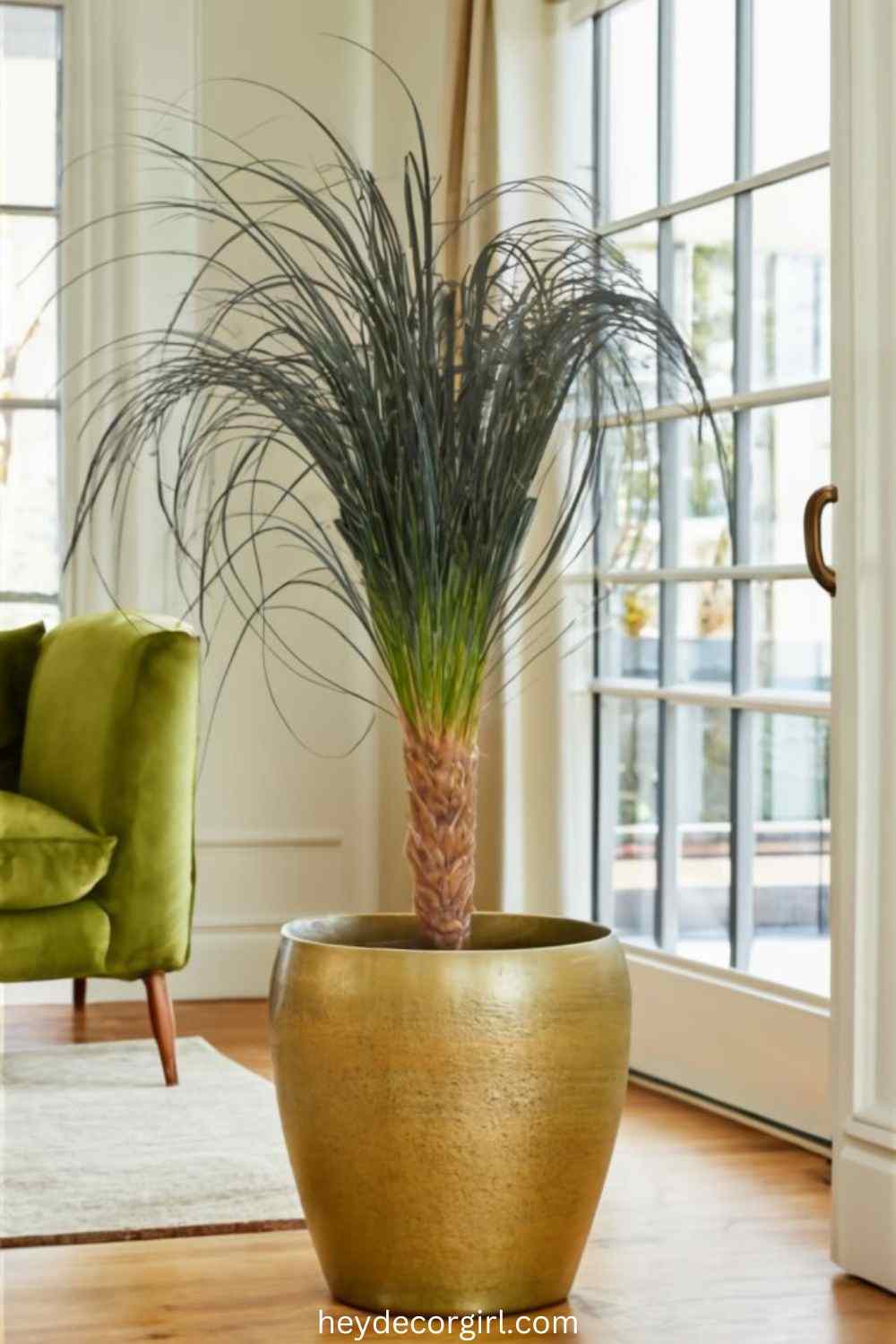
Benefits and Symbolism:
- The Ponytail Palm is a symbol of Strength, Resilience, and Adaptability: The Ponytail Palm is a character with its distinctive bulbous bottom and long and curvy leaves that represent strength, resilience, and the ability to adapt. The fact that it can survive under different conditions shows that it is a hardy plant.
- Low Maintenance: The plant is reputed to be low in maintenance needs, hence a symbol of simplicity and ease.
Air Cleaning: The Ponytail Palm can be used to clean the air in the house by filtering off pollutants to make the environment healthier.
Ideal Placement:
- Living Room or Office: Ponytail Palm should be put in the living room or office where its impressive look can be made a centerpiece. It has an nusual form and texture that provides a wonderful visual effect to any room.
- Location: Place it distinguished by being close to the front door or in the foyer to make a loud and hearty impression. Its strong structure and unique shape can improve the door and create a good impression for your house.
- Bright, Indirect Light: The Ponytail PPalm cansurvive in bright, indirect light. It can withstand low light levels, although it thrives well in full sunlight. Do not expose it to direct sunlight, as it may scald its leaves.
- Dry Areas: This plant does not need a lot of water, and it likes dry conditions. It prefers being in indrainage-pronee places with low humidity levels and is therefore best placed ideally.
When you include a Ponytail Palm in your decor, you are in accordance with the principles of Feng Shui to increase the beauty of your environment, as well as its energy flow and energy equilibrium, the symbol of power and stability.
FAQ
1. Why are the correct plants for the front door important?
A. The process of ofselectingt the appropriate plants for your entrance door is important since it may maximize the transit of favorable energy (Chi) to your house. It was argued in the principles of Feng Shui that the front door is a sensitive area of energy entry, and the right plants would bring in prosperity, health, andharmonyny and provide an inviting entrance that is pleasing to the eye.
2. What kind of plants are viewed as being the best Feng Shui at the front door?
A. Plants that are usually good Feng Shui at the front door are those that are symbolic of wealth, heal,tand protection. Examples are the Money Tree, Jade Plant, Peace Lily,ily and the Boston Fern. There are symbolic meanings of these plants and the fact that they improve the circulation of positive energy.
3. Where am I going to plant my front door plants?
A. Where front door plants are placed is determined by the type of plant you are using and the Feng Shui philosophy you are adhering to. In most cases, the plants must be located in places that are easy to view and appreciate, e.g., by the entrance door or in the foyer. Make sure that they are set so as to be exposed to bright and indirect light and that they do not block the entryway.
4. Is it possible to practice Feng Shui with artificial plants?
A. Artificial plants may srve da ecorative purpose, but are not advisable as far as Feng Shui is concerned. Live plants are desirable due to their real and living energy in the space, the added features of air purification, and the symbolism of growth. When having artificial plants, make sure they are of good quality and maintained properly.
5. What is the frequency of the front door plants?
A. The plants in front door must be well-maintained to maintain their health and beauty. This involves watering them as per their needs, giving them proper light, and providing proper drainage. Maintenance is important to maintain the plants in good condition and keep them on the increase of energy for your entrance.
6. Suppose that my front door does not have a lot of sunshine.
A. When your front door space receives little sunlight, then use plants that grow in low sunlight or indirect sunlight. These are the Peace Lily, the Boston Fernn and the Snake Plant. These plants can adjust themselves to the low light conditions and, at the same time, contribute to favorable Feng Shui.
7. Are there any plants to shun at the front door?
A. You should also shun plants with sharp thorns or spike leaves because it is thought to generate bad energy or Sha Chi. Also, avoid plants that need more care or are known to be unlucky, like the cactus in some Feng Shuitraditionsn.
8. Would I be able to mix several plants at the door of the house?
A. Yes, it is fairly possible to combine several plants as long as they do not conflict with one anotheregardingto symbolism and care. Make sure that the plants are placed in unison and are not overcrowded in the entrance. The mix would add energy and beauty to the front door space.
9. What are other ways in which I can improve the Feng Shui of my front door space beyond the use of plants?
A. Other Feng Shui additions include a warm doormat, a fresh coat of paint in a good color, good lighting, a clean and clutter-free environment, in addition to the use of plants. All of these help to promote good and welcoming energy at your front door.
10. Where can I get more knowledge about Feng Shui and plants?
A. To learn more about Feng Shui and the use of plants, you can check the Feng Shui experts, books on Feng Shui practice,s or browse through trusted sites on Feng Shui and interior design. Numerous guides provide step-by-step information on the manner in which you incorporate vegetation in your power supply.