![Hey Decor Girl [Latest Trending Decor Design Ideas]](https://heydecorgirl.com/wordpress/wp-content/uploads/2024/08/Heygirldecor-Logo.png)
Marble Tile For Bathrooms has become a symbol of luxury and sophistication for centuries. Exquisite yet practical, it provides the perfect solution for generations to come, transforming bathrooms from fabulous to magnificent. The natural beauty of this stone, with its artistic veining and extensive range of colour, makes it an impressive choice over other products. In bathroom design, marble floor tiles can offer an experience of luxury and grandeur that is rarely attainable otherwise – suddenly, the most unassuming space becomes a regal abode.
In 2024 and beyond, marble tiles are still the king of luxury bathroom materials, for a number of different reasons. “With marble more widely available and workable, we can produce in many styles with a varying degree of finishes meeting the tastes of today’s world,” Laurent Veronèse of Fabero Marble said. Marble’s timeless look and durable nature can bring luxury to a bathroom without worry over wear or damage. Whether it is shiny and smooth or textured and matte, marble tiles vary in aesthetic appeal with many finishes to choose from. Growing demand for marble tiles. Advances in technology have seen the spotlight steadily turning on personalized and more pampered spaces, with new bathrooms no longer about simply creating a functional place where one takes a bath.
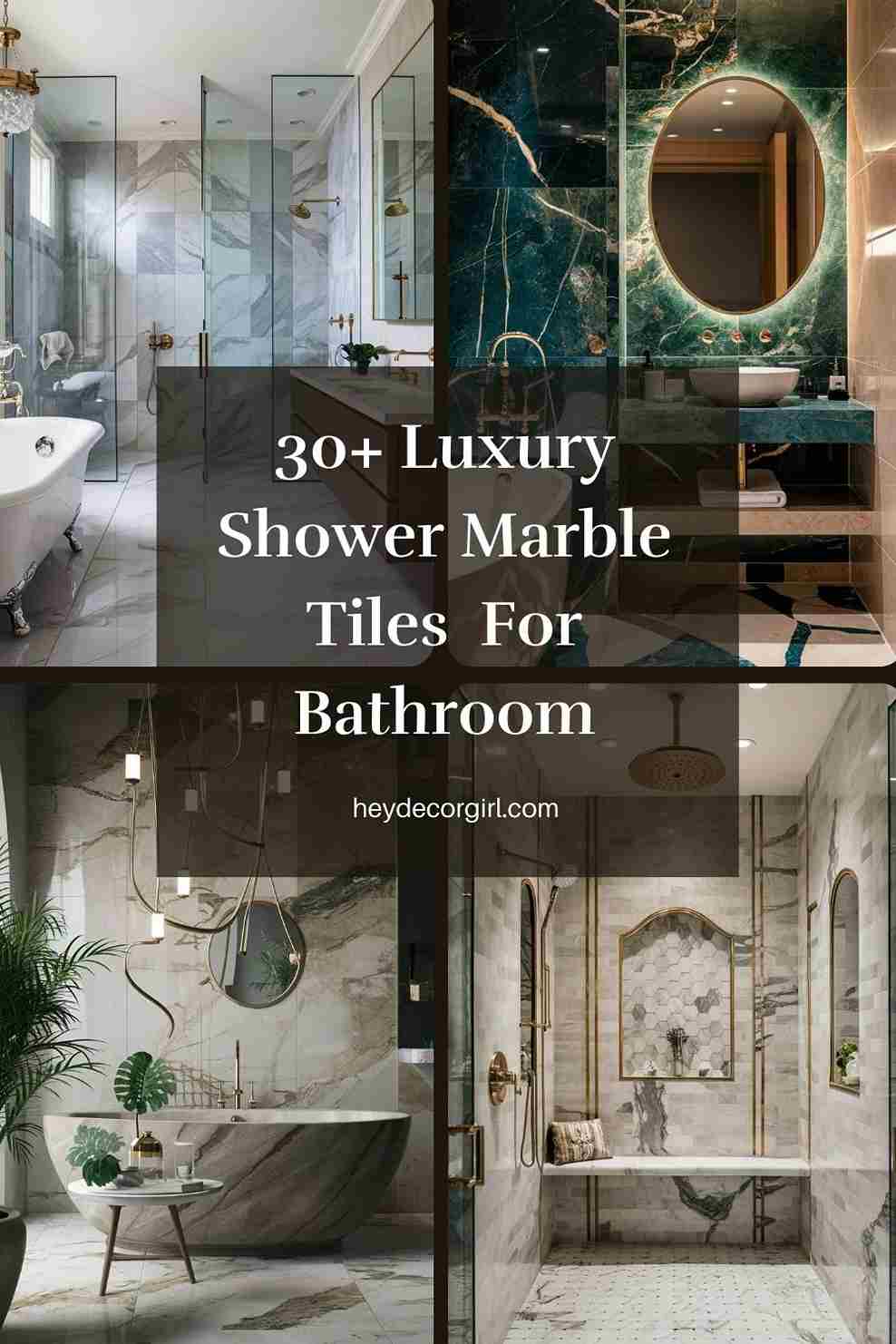
Best Marble Tile for Bathroom
1. Classic Marble Tile Designs
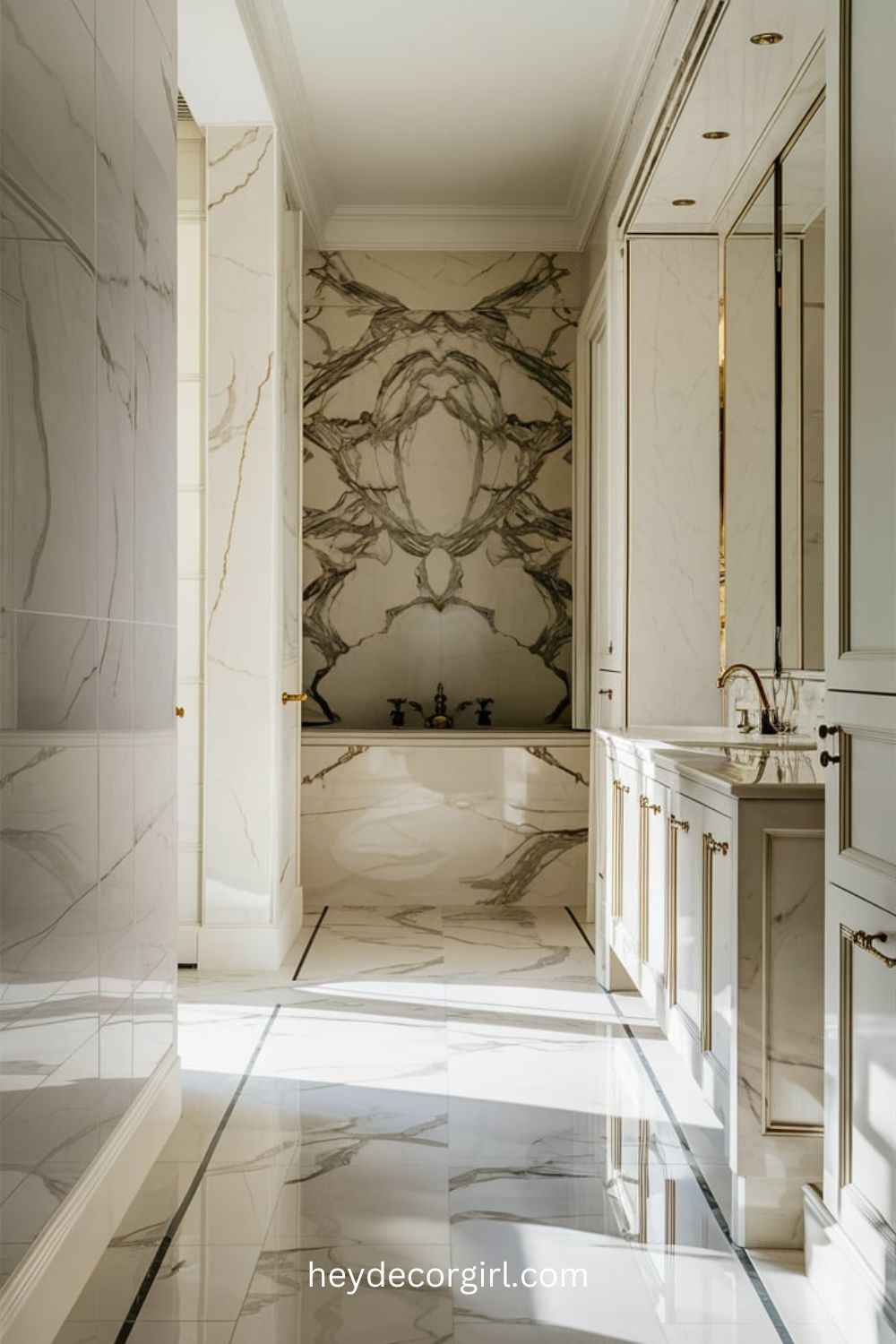
White marble floor tiles are known for being an elegant and luxurious natural stone. With their timeless, neutral tones and sleek veining patterns, they transform any bathroom into a range of calming havens. The natural beauty of white marble is that it can emit a pure and peaceful atmosphere; thus, it has become a beloved material for all those who long for classical grace and elegance. That’s why it works with modern and traditional designs, which is why so many homeowners and designers continue to fall in love with this style.
Popular Patterns: Carrara, Calacatta, and Statuario
- Carrara Marble: Perhaps the most familiar and common type of white marble, Carrara is quarried in, you guessed it- the Italian city of Carrara. Its soft, featherlike grey veining brings a delicate effect to the interplay between dark and light. Bathroom with calm by adopting a timeless motif.
- Calacatta Marble: Bold and dramatic veining characterizes Calacatta marble, which sometimes includes rich gold or gray swirls against a white backdrop. This is a rich-looking marble and would be great for bathrooms where you can make an impression. The veining in high contrast does lend itself to the overall look and feel of your room and is rather striking.
- Statuario Marble: Statuario marble is known for its bright white base color and bold gray veining, creating an eye-catching pattern. Frequently utilized in upscale designs, Statuario marble presents a much more polished look than its counterpart, white marble. It’s clean, it’s beautiful, veining and crisp lines make it a great option when creating areas of interest in the bath.
Best Uses in Bathrooms: Floors, Walls, and Shower Areas
- Floors: For bathroom floors, white marble tiles are ideal as they’re durable and classy. The mirrored finish of the marble allows natural light to illuminate a bathroom space, making even small bathrooms feel spacious and airy. What’s more, the Golden Dragon Marble has a fine-grained texture that feels like velvet beneath your feet.
- Walls: White marble bathroom tiles on the walls create a high-end, luxurious look. Marble Wall Tile: Installing marble tile on walls is a lot easier than you may think and can turn the look of an ordinary room into a classic with just a little effort. A bathroom can be turned into an opulent getaway with accent walls or full-wall treatments in marble.
- Showers: Marble tiles in the shower are just as popular because they are resistant to water and always look incredible. Marble or mosaic tiles are ideal for covering shower walls and floors, offering a seamless and high-end appearance. Thinking of using marble in your niche or feature wall? It certainly helps any shower space to feel special, luxurious, and remain a functional fixture in the home.
In conclusion, traditional white marble tiling with its countless shapes and possibilities remains a timeless luxury design element in bathrooms. Whether you use them on floors, walls, or even in your shower, they offer a classic look that complements the style of any bathroom.
2. Modern Marble Tile Trends
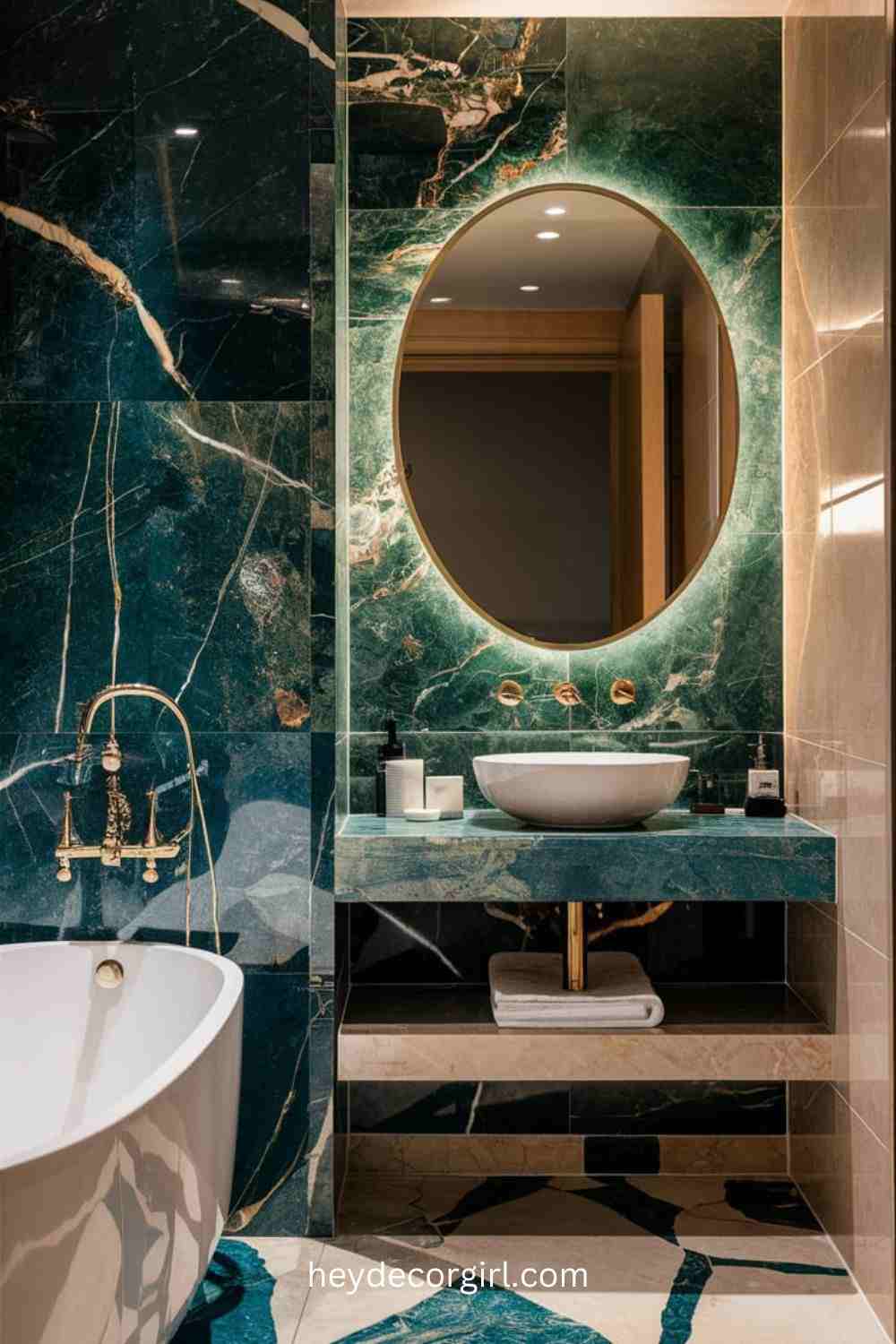
Trends for marble tile are changing from the white and gray veining patterns of the past to marbles with more color and movement, catering to recent design trends. Marble tiles in our catalogue today are available in many hues, from cool blues, vibrant greens, to warm beiges, giving you an adapted palette for contemporary bathrooms.
- Color Options: More colors for creative and original hair designs. The types of materials used for decoration can be subtle pastel or bright saturated color marble tiles that will work either as the center of attention or as a highlighting detail. And the modern colors lend marble even more flexibility, which can be either flamboyant or muted.
- Unique Veining Pattern: The Modern mixed marble tiles included this collection feature unique veining that differs from the classic straight vein cut found in traditional collections. Look for asymmetrical or abstract veining, which gives the stone a hint of artistic nuance and contemporary cool. Some tiles also have intricate, veined patterns that closely resemble natural stone and are visually dramatic.
The Rise of Dark Marble Tiles and Their Sophisticated Aesthetic
Dark marble tiles are becoming increasingly trendy with their striking and elegant style. In contrast to regular light marble, dark marble tiles give your bathroom a rich depth.
- Dark Hues: Dark colors, including charcoal, midnight blue, and deep green, provide a sharp contrast to white fixtures and fittings. These colours make for a decadent, rich feel in any setting: perfect if you’re looking to soak in a spa-like tub, or to make a big impact.
- Visual Impact: Dark marble’s dramatic coloring and veining can help give a bathroom an elegant, cozier feel. When incorporated thoughtfully, dark marble can emphasize architectural details or provide the perfect anchor for a room.
Incorporating Marble with Other Materials: Wood, Metal, and Glass
The modern look of marble can be enhanced by mixing it with another material for variation and texture in bathroom design. Here’s how to mix marble with other materials:
- Wood: Marble tiles alongside wooden features will give you a warm contrast that’s easy on the eyes. Wooden vanities, cabinets, or shelves create a natural look and might nicely balance the shiny and slippery surface of marble. Such a perfect pairing for contemporary edge and barn vibes.
- Metal: Adding metal accents to the marble creates a modern feel. Consider metal fixtures, frames, or trim in the finishes brass, gold, and matte black. The metal finishes add luxury to the marble and bring a modern, industrial touch!
- Glass: Marble and glass are bedfellows when you want a clean, airy appearance. Light bounces off of glass shower doors, mirrors, or backsplash tiles and makes the space feel more open. The transparency of the glass contrasts with the solidity and texture of marble.
So there you have it, the current marble trends involve a mix of colour and veining to match today’s styles! The increased popularity of dark marble tiles adds a touch of refinement and drama, while mixing marble with materials such as wood, metal, and glass provides an invitation to explore new creative ways to punch up and personalize bath designs.
3. Luxurious Marble Shower Tiles
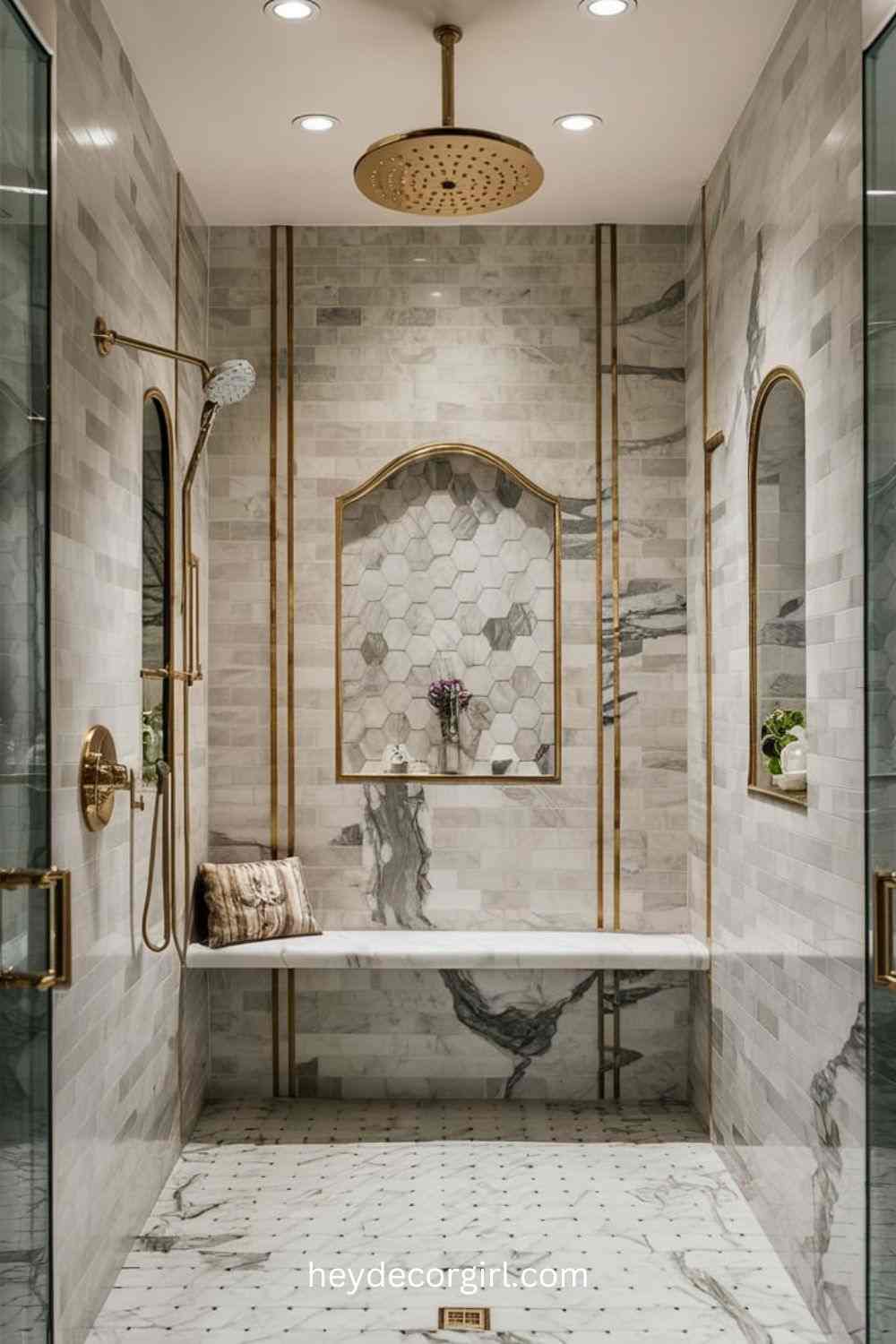
Fine marble shower tiles are well known for their premium quality and beautiful design that creates an elegant, high-class bathroom environment. Here is what to look for:
- Exquisite Material Quality: High-quality marble tiles are cut from the best natural stone directly from quarries. These tiles are more durable, have a long life expectancy, and look cooler.
- Unique Veining and Patterns: If you have ever seen real marble, then you know that no two tiles are ever alike. This unique veining, along with its natural look, can make marble one of the most beautiful, luxurious tiles available on the market. The veining can range from fine lines adding grace and elegance to bold, broad dashes across the space, giving your shower a unique personality.
- High Gloss or Polished: Top-end marble tiles are offered in high gloss and honed finishes. A polished finish increases the stone’s reflective properties, and a honed finish is a more matte, clouded polish.
- Tailor to Size and Style: Shower marble tile layout. Shower tiles are meant to be customized, and the sizes and how you style these will ensure uniqueness. This is a proprietary modification that allows for the frame to fit perfectly and install without any integration issues with your shower.
Trendy Formats: Big Slabs, Mosaic Tiles, and Subway Tiles
- Big Slabs: Big slabs of marble are a big hit for that smooth, uninterrupted appearance. They provide a smooth, luxurious look with no grout lines‚ making the shower easy to clean and maintain. ChefCORK elkoHugo Big tiles, which are large enough to cover big sections of wall space or as a feature.
- Mosaic Tiling: Mosaic marble shower tiles give the shower visual depth and texture. Mosaics come in different shapes (hexagons, arabesques, or squares) and can be used for complex patterns or highlights. They are wonderful for detailing and layering.
- Subway Tiles: Classic marble subway tiles never go out of style. Their sleek rectangular shape and basic design make them perfect for achieving clean lines and a classic look. Subway tiles can also be laid in numerous patterns, including herringbone or stacked vertically to create different looks.
Maintaining Luxury Marble Showers – Tips
- Routine Cleaning: Regularly clean marble shower tiles with a pH-neutral, non-acidic cleaner. Do not use chemicals or abrasive cleaners, as they can damage the marble. Gently wipe down soap scum and deposits with a soft cloth or sponge.
- Seal: Use a quality marble sealer that will keep the tiles safe from stains and water. Sealing should be repeated every 6-12 months, depending on use and variety of marble. Frequent mopping with water or a mild, non-abrasive cleaner helps prevent the environment from dulling.ng
- Spills Cleaned Up Immediately: Avoid allowing any spills or stains to seep into marble by cleaning them immediately. Household items like oils, lotions, and soaps may also discolor the jade if darkened stands are allowed to grow.
- Don’t Scrub Too Hard: When you clean, use a light hand to help prevent the marble from getting scratched. The finish of the marble can be ruined by excessive scrubbing or rough brushes.
- Ventilate: Good ventilation is key in a bathroom, not just because of the moisture that can blister paint, damage drywall, and rot wood, but also for mould and mildew prevention. You can keep dry and clean with an exhaust fan.
So, in conclusion, luxurious marble shower tiles not only provide a quality product with beautiful veining but also custom options that bring sophistication to the bathroom. Whether it is the trend of large slabs, mosaic tiles, or subway tiles, each has its own unique visual sense and meets people’s aesthetic appreciation; perfect maintenance also allows marble to keep its beauty not only for a moment but also for a long time.
Also Read: Best Colors For A Bathroom In Feng Shui
4. Creative Marble Tile Applications
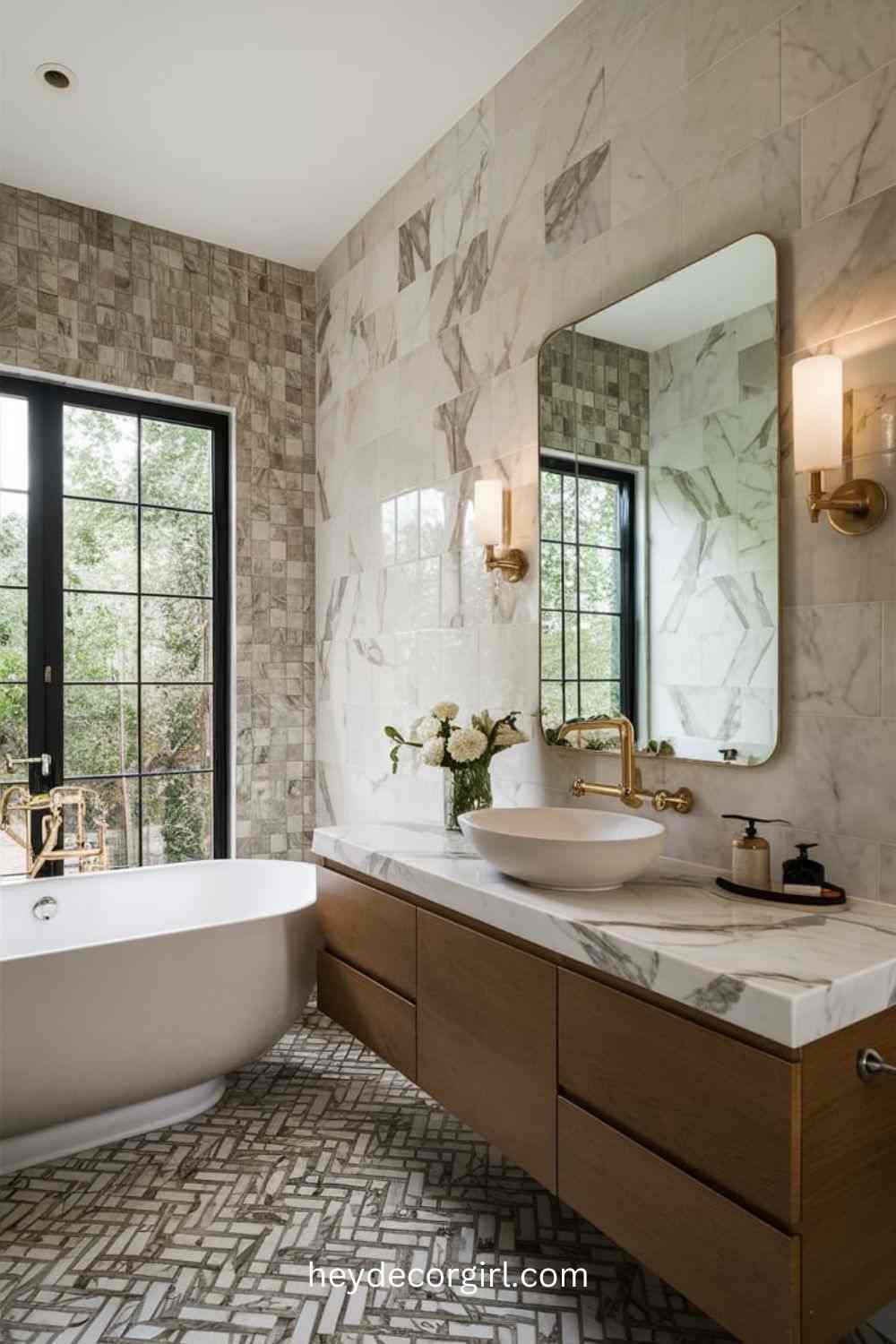
There are options across the board when it comes to designing with marble tiles in bathrooms! Bathroom Marble Tile: Your bathroom has marble tiles in it, which adds beauty and durability to the quiet corner of a room in your home. Below are some creative ways you can use marble tiles to spice up your bathroom.
Accent Walls:
- Feature Walls: Make a statement with one full wall of marble tiles. This may be situated behind a freestanding UB or as a dramatic backdrop in the shower area. Create depth and beauty with large slabs or complex mosaic patterns.
- Partial Wall: Add marble tiles on only a part of the wall, like half-wall installations or a horizontal stripe. It’s a luxury that feels like one and not too opulent.
Vanity Tops:
- Custom Vanities: They have to design a custom marble top vanity that matches the bathroom’s style. Marble provides an elegant look that can be paired with a number of different sink styles and wood finishes.
- Floating Vanities: Select a marble for your floating vanity top for a clean contemporary style. This is to maximize the visuals and for a clean aesthetic purpose.
Custom Shower Niches:
- Rounded Niche Use marble in combination with a traditional niche in the shower. Lay marble for beautiful shelves or built-ins for toiletries.
- Decorative Niche: Create a decorative niche with marble tile to display dishes or other unique patterns of color. It’s put a little personalization to the shower and added some visual interest.
Mixing Marble with Other Finishes and Textures:
- Textured Marble: Try using textured marble tiles to give a sense of touch in the space. Textured finishes like brushed, fluted, or ribbed can add visual interest to and contrast with smoother surfaces.
- Mixed Materials: Marble can be mixed with other materials such as wood, metal, or glass. For instance, combine marble tiles with wood cabinets or metal fixtures for a chic and clean feel.
- Contrasting Finishes: Pair different marble finishes, like high gloss and honed, for an edgy look. (e.g., a high-gloss marble floor with matt walls for contrast).
Summary: Marble tile has unlimited possibilities when it comes to design for a bathroom. And when you opt to use them as accent walls, vanity tops, and custom shower niches, you open up a wealth of ways in which they can amplify the luxury and convenience of your setting. Mixing marble with different textures and finishes creates layers of interest, so that your bathroom looks not just chic but like a one-of-a-kind piece made for your taste.
5. Sustainable and Eco-Friendly Marble Options
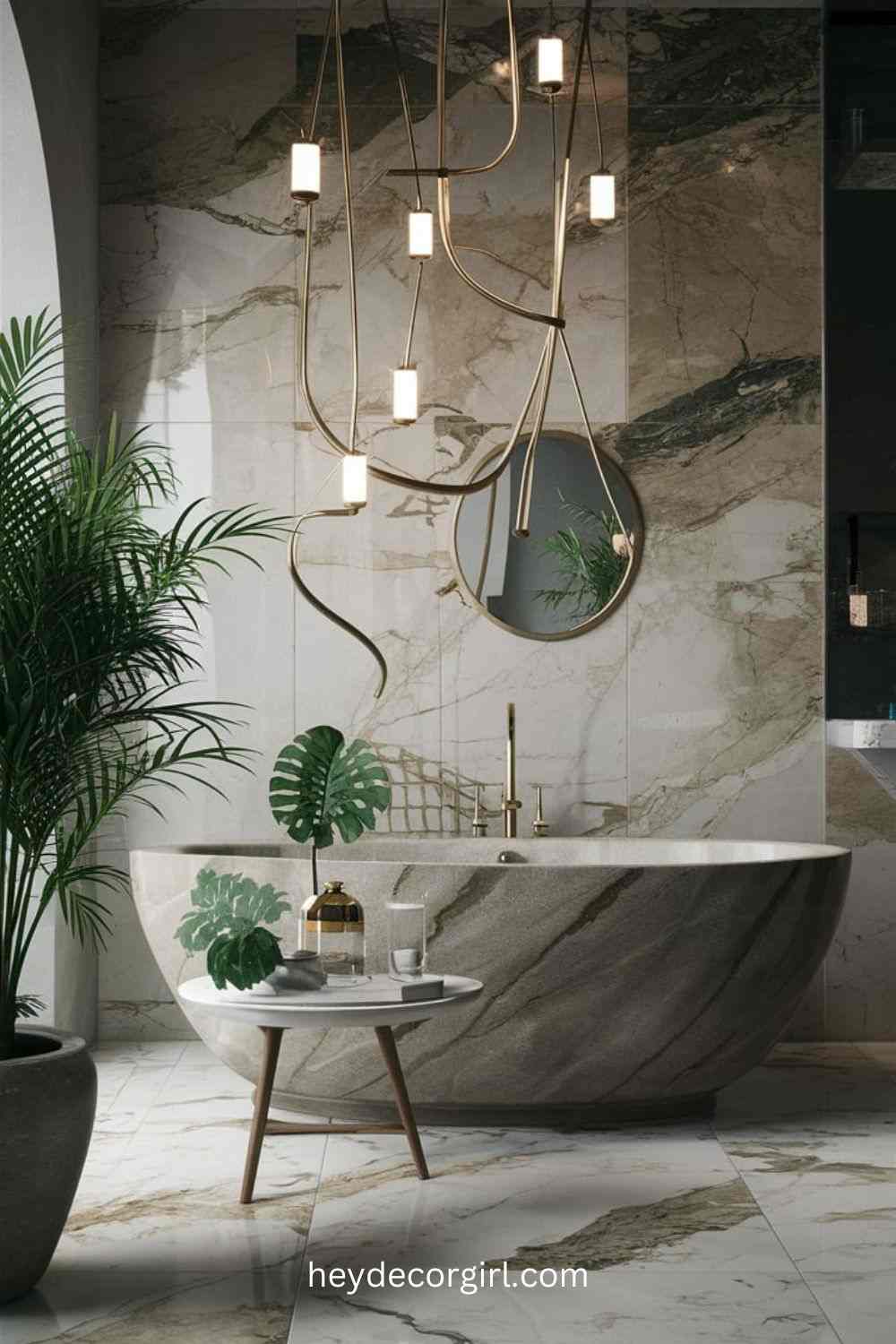
Eco-friendly marble tile options, such as marble tile for bathroom, emphasize reducing the impact on the environment, making it easier to preserve their beauty and resilience. These alternatives aim to mitigate the problems in resource exploitation, energy consumption, and waste management. Here are a few things that sustainable options for marble tile take into consideration:
- Responsibly Sourced Marble: Marble that is responsibly quarried causes as little environmental damage as possible. Find suppliers that are operating under standards designed to help reduce land degradation and uplift local communities.
- Low-impact processing: Sustainable marble tiles that are processed in an energy-saving and eco-friendly manner. This method of production lowers the general carbon emissions rate.
- Certification programs: Some marble products are certified by environmental organizations or programs like the Forest Stewardship Council (FSC) or LEED (Leadership in Energy and Environmental Design). The certifications mean that the rice is certified according to environmental standards.
Recycled Marble and Its Benefits
Reclaimed marble tiles are a great, eco-friendly solution to prevent waste and save on landfills. Here’s a closer look at recycled marble and its pros:
- Recycled Material: Recycled marble tiles are manufactured using leftover waste materials or crushed marble from other projects. These materials are recycled and mixed with resins or binders to form new tiles.
- Reduction of Waste: Using recycled marble reduces the waste from quarrying and processing. This approach reduces the ecological aspects of marble extraction.
- Resource Protection: Reused marble tiles mean fewer new materials, and fewer natural resources are utilized for mining. This is important to help maintain natural habitats and reduce environmental impact.
- Durability and Appearance: Marble tiles found in construction waste have equivalent durability and appearance to new ones. They provide the same high-quality appearance, but help sustainability causes.
Advancing Eco-Friendly Practices by Brands and Suppliers
A number of brands and suppliers are at the forefront of manufacturing green marble tile. From fire-starters made of recycled wood to multifunctional stepstools for the home, these companies offer sustainability in their operations and products:
- Antolini: Renowned for its environmental conscience, Antolini has an eco-friendly selection of marble tiles. They concentrate on responsible sourcing and low environmental impact from cradle to grave.
- Marazzi: Marazzi features recycled marble tiles in its line of sustainable materials. Their dedication to sustainability extends to cutting-edge technology, high-quality, Earth-friendly materials, and manufacturing processes that minimize waste and energy use.
- Nero Marquina: Nero Marquina focuses on sustainable methods of marble extraction and processing. They are working to make sure they maintain high environmental and ethical standards in their operation.
- Cosentino: The company offers a range of sustainable surface materials, some with recycled marble as an option. They are recognised for their emphasis on minimising environmental impact and promoting ethical manufacturing processes.
In Conclusion, environmentally friendly and sustainable marble alternatives are intended to have as low an impact on the environment as possible while not giving up any beauty or reliability that can be found in regular marble. Not only does recycled marble have a positive impact in terms of waste reduction and saving resources, but it also. But it is also the eco-friendly marble products in the market that are being led by example by brands /suppliers leading the way and making an effort to create a more sustainable industry.
6. Installation Tips and Tricks
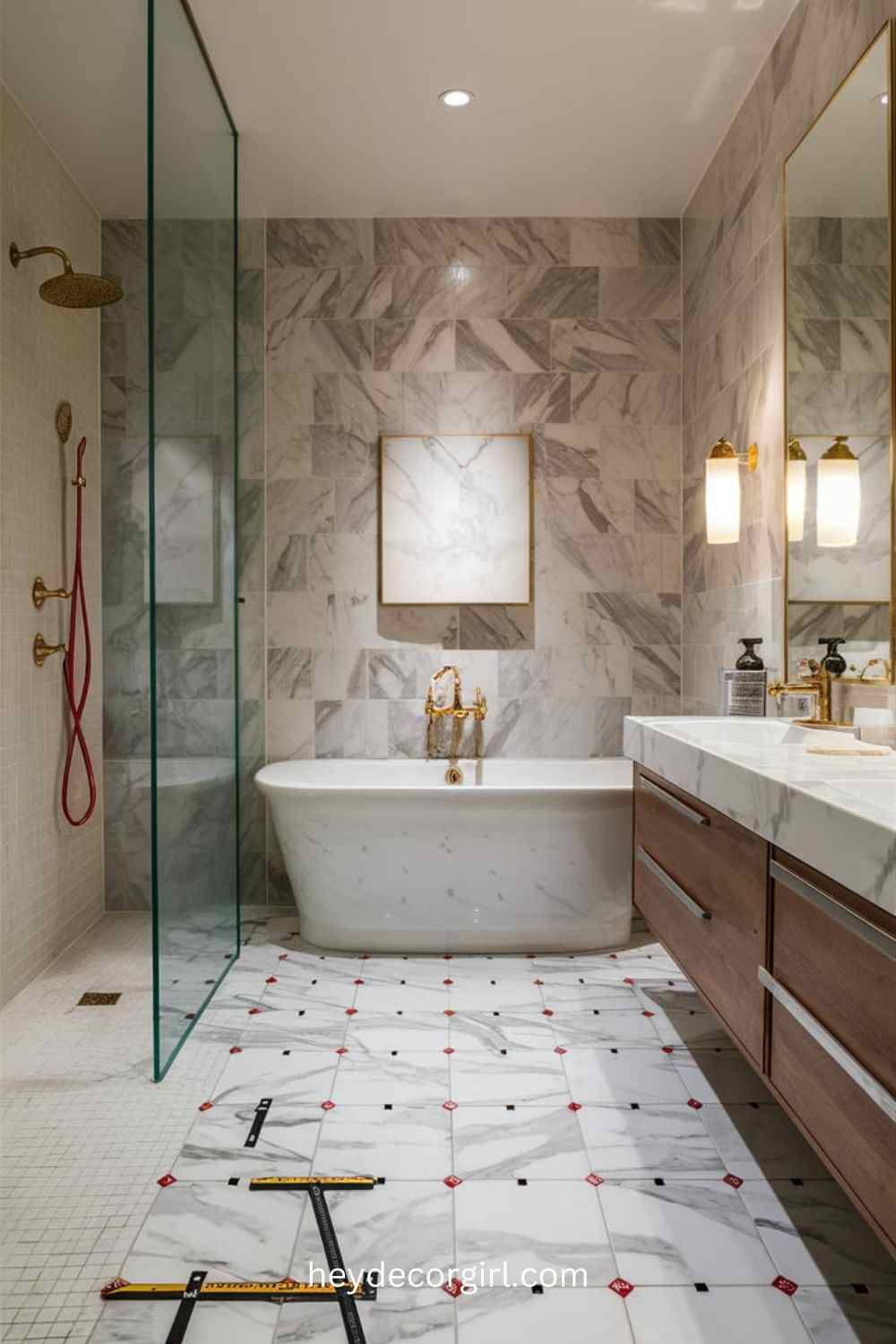
Surface Preparation:
- Preparing the substrate, make sure no dust, grease, or adhesion is on the surface where you will fix marble tiles. Concrete or cement board is an ideal substrate for marble.
- Making the surface Flat: Even out any minor irregularity and apply self-leveling compounds if required, as a flat surface is important for marble tiles to stick without lippage.
Planning and Layout:
- Measure and Plan: Measure out the bathroom space correctly and the type of layout you want. Dry-lay a few tiles without setting them first, to make sure they are spaced evenly and you don’t end up with small slivers of tile around the edges when all is said and done.
- Start at the Center: Place tiles from the center of the room and work outwards. This method also ensures that any lacerations on the sides aren’t very visible and makes it symmetrical.
Using the Right Adhesive:
- Thin-Set Mortar: It is recommended to use a premium quality, polymer-modified thin-set and large and heavy tile mortar system. This glue gives a good, strong adhesion and is flexible enough to deal with the minor expansion and contraction that occur in bathroom conditions.
Cutting and Fitting Tiles:
- Cutting Tools: Connect a wet tile saw with a diamond blade to power to cut marble tiles. This can serve the purpose of giving a clean cut and preventing chipping or cracking in the marble.
- Dry Fitting: Be sure to dry fit the tiles before you begin spreading adhesive to ensure they are placed as desired and trim if needed.
Tile Spacing and Placement:
- Make Use of Spacers: Place tile spacers in between the tiles to get consistent grout lines. For marble tiles, spacers can be 1/16th to an inch, depending on the grout joint you want.
- Even Press: Make sure tiles are evenly set in adhesive and use a tile spacer to maintain consistency of gaps between tiles.
Uneven Tiles:
- Challenge: Marble tiles may be uneven in size and thickness.
- Solution: Employ a leveling system, or if your adhesive allows, control the thickness of the adhesive to account for imperfections in tile thickness levels. Tiles are securely bonded, and all lippage is corrected in place as each tile is set.
Staining During Installation:
- Challenge: Marble is porous, and adhesives or grout can stain it readily.
- Solution: Seal your tiles before putting them down to help prevent staining. Clean off all excess adhesive or grout straight away.
Grout Haze:
- Problem: Grout Haze can appear on the face of marble tiles upon grouting.
- Solution: Clean the tiles with a non-acidic grout haze remover or a diluted solution of water and a small amount of white vinegar. For cleaning marble, just follow the manufacturer’s guidelines.
Grout and Sealant You may consider for Marble
Grout:
- Type: You will want to use either a high-quality, unsanded grout for small grout lines (1/16 inch) or sanded grout for larger joints (1/8 inch or more). Unsanded grout is smoother and less rough than sanded grout, which can scratch marble’s surface.
- Color: Pick a grout color that either coordinates with or matches your marble to keep things cohesive. Lighter grout colors commonly pair nicely with white or light marble, and darker types of grout can look beautiful when mixed with dark or patterned varieties of marble tile.
Sealant:
- Penetrating Sealers-Solvent Based: Consider using a penetrating sealer that resists both moisture and stains while not degrading the natural appearance of the marble. Seal it using the recommended sealer and reseal as needed.
- Application: Seal marble tiles prior to grouting and again after the grout has fully cured for best protection. It is best to adhere to the sealing procedures for applying the product.
With the implementation of these guidelines and solutions to common problems, it is possible for you to have a stylishly installed marble tile bathroom that marries luxury and practicality.
Also Read: Rustic Bathroom Decor Ideas
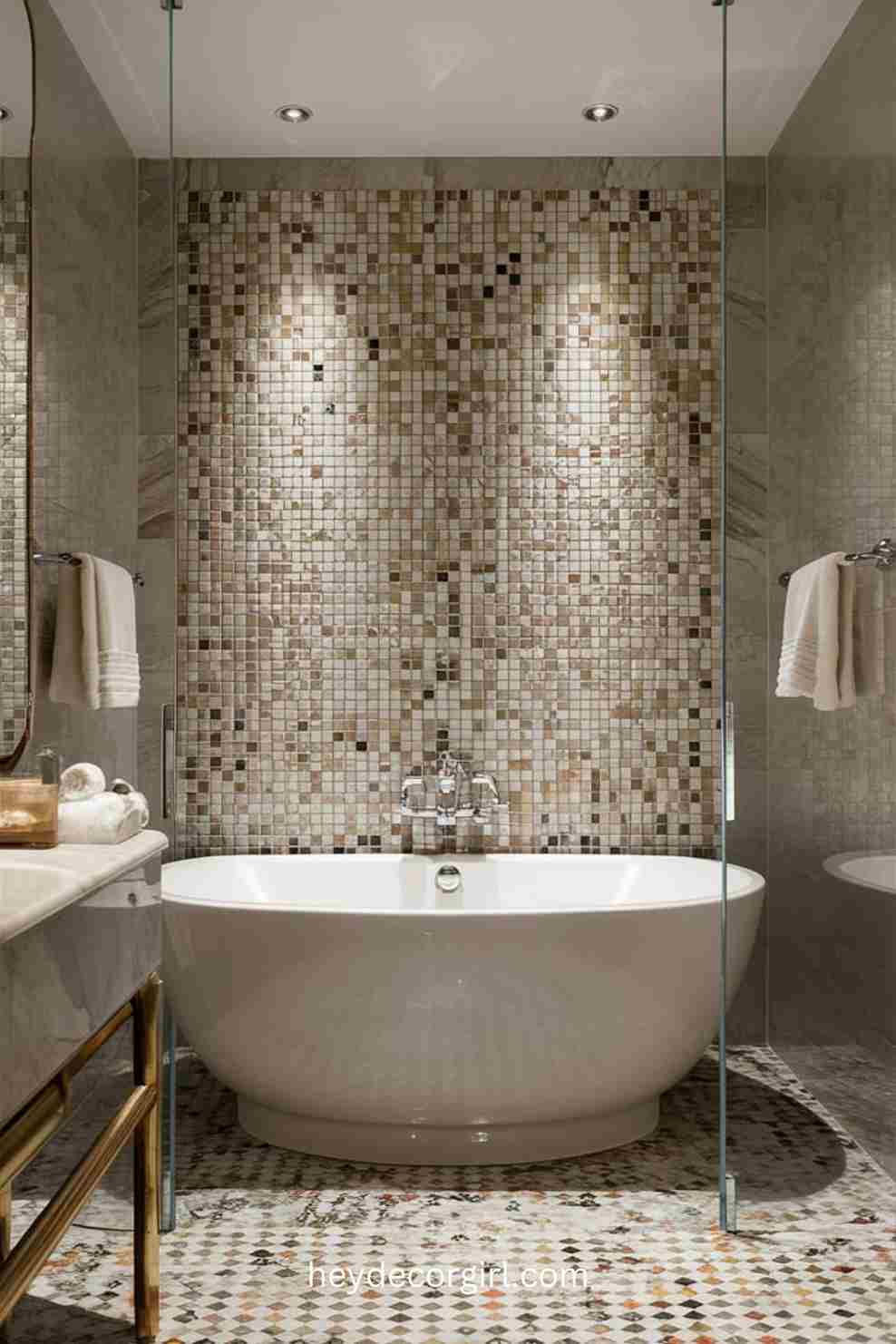
8. Marble Tile Care and Maintenance
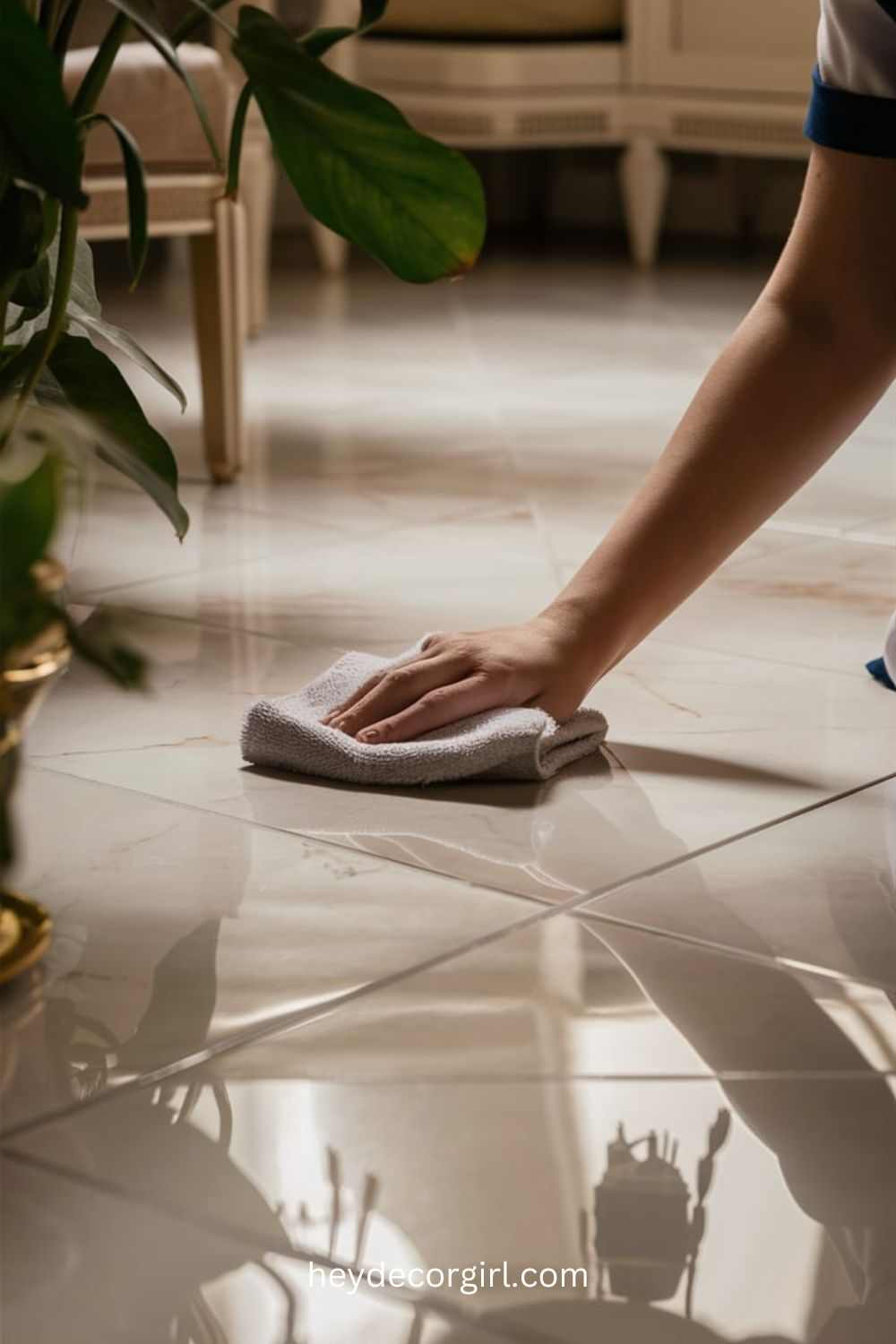
Marble, you will find, is a beautiful material to place in your home, and your marble tile for the bathroom is no exception. Continue reading “Cleaning Marble Tile Bathroom Floor.” There are, of course, advantages and disadvantages to owning marble flooring. Here’s what to do to maximize the appearance of your marble tiles:
Regular Cleaning:
- Routine Cleaning: Use a soft, dry microfiber cloth or dust mop to pick up dust and debris. Marble surfaces will not be scratched by dirt.
- Weekly Clean: Wipe down the marble floor with a pH-neutral, marble-safe cleaner. Resist using acid or abrasive cleaners, which will destroy the marble’s finish.
Spills and Stains:
- Prompt Cleaning: Clean any spill quickly with a clean wet cloth to prevent stains. Marble is naturally porous and susceptible to discoloration from water.
- Stain Moving: For tough stains, we recommend a poultice of baking soda and water. Brush it onto the stain and cover with plastic wrap; allow to rest for 24 hours, then remove.
Polishing:
- Frequent Polishing: Clean and polish with a marble polish formulated for the specific type of marble. Follow the manufacturer’s directions on how to put polish and bring out the natural sheen of the stone.
- Don’t Polish Too Much: Over-polishing can cause buildup and will erode the marble.
Mistakes to Avoid and Damage Prevention
Avoiding Acidic Cleaners:
- Acidic Substances: Never apply lemon juice, vinegar, or any other acid cleaners to marble tiles, as these will etch the surface and leave dull blotches.
- Safe Cleaning Solutions: Use only neutral or marble cleaners that won’t react with the stone.
Preventing Scratches:
- Rugs and Mats Use: Put rugs or mats in entrances and in heavily trafficked areas to catch the dirt and sand that scratches the marble.
- Keep it Easier to Clean: The Right way to Disinfect is with Non-abrasive Cloth and Soft Sponges. Do not use abrasive round scrubs or brushes, which can scratch the marble.
Sealing:
- Sealing: Seal marble tiles with a quality penetrating sealer once every 6-12 months (or as advised by your tile supplier). By sealing the marble once a year, you reduce the risk of stains and moisture.
- Test for Maintenance: If the marble is starting to become more prone to stains or absorption, it might be time to consider re-sealing.
Top Products for Marble Tile: Best Solutions For Maintenance
Cleaners: pH-Neutral Cleaners: Shop for cleaners that are designed specifically for marble; some companies even offer a cleaner like MarbleLife and StoneTech. Those cleaners do a good job and will not damage the stone.
Neutral Cleaner: You can use a mild, neutral pH-balanced cleaner safe for use on marble surfaces. Do not use chemicals, such as an acidic cleaner.
Polishes:
- Marble Polishes: Polishers engineered specifically for marble from companies such as Weiman and Stone Care International. These polishes are great for keeping the marble shining without damaging it.
- Buffing Pads: Apply a velvet cloth or a buffing pad recommended by the polish producer.
Sealants:
- Penetrating Sealers: Select a quality penetrating sealer such as those made by Aqua Mix or Miracle Sealants. These sealers will protect your marble for years to come.
- Tools: An unused soft, clean towel or sponge for application of sealer. For best results, use the manufacturer’s directions.
Following these tips on care and maintenance, you can keep your marble floors beautiful and useful for a very long time. Only following the three simple steps will safely clean your marble, help target potential problems, and maintain its natural beauty.
9. Inspirational Marble Tile Bathroom Designs
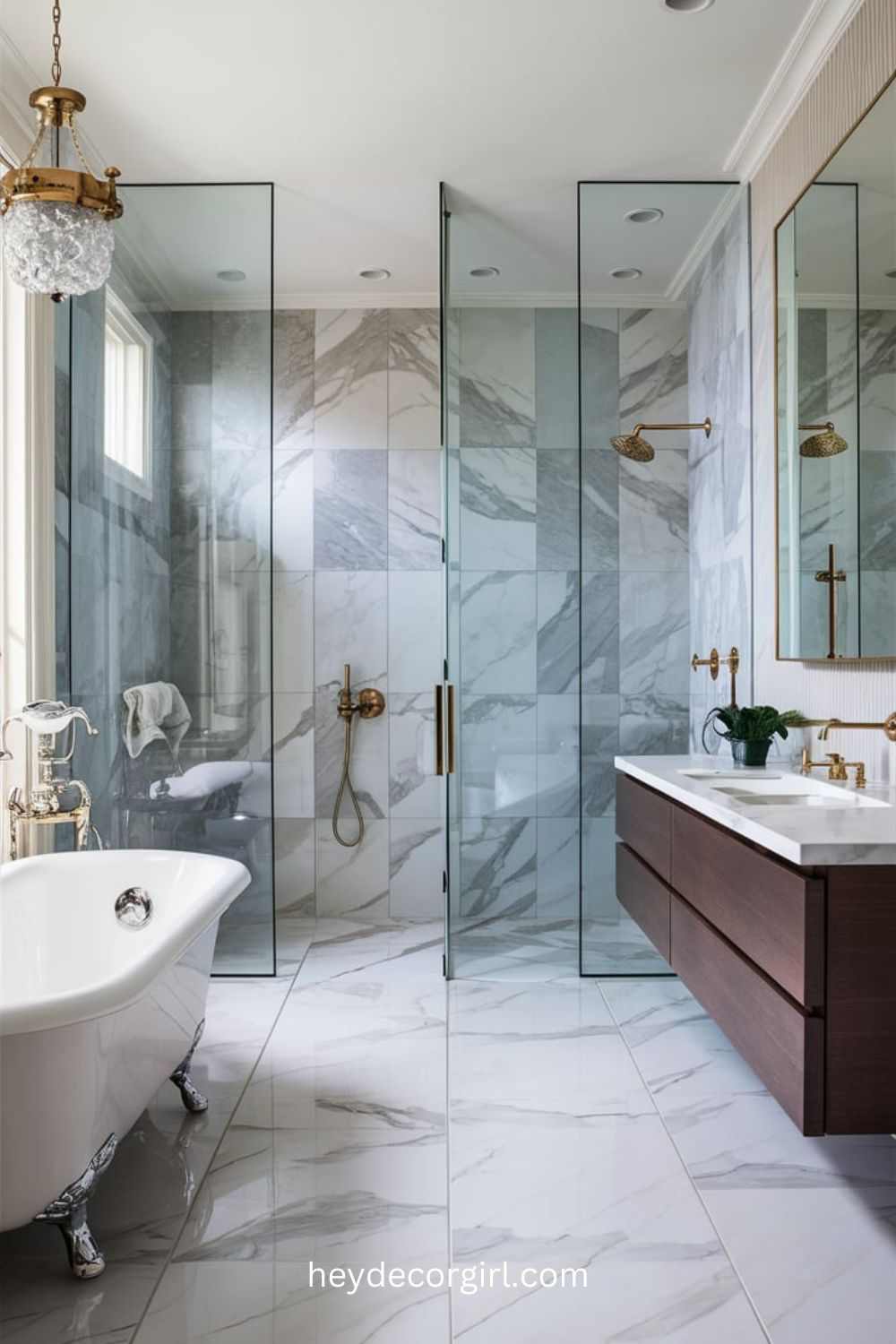
Marble tiles are well known as the material of elegance and prestige, with elegant veins throughout that create a real feeling of luxury. Bathroom with marble tile. Marble Tile, especially for the Bathroom, can create a luxury retreat. Below are some great ideas of what marble tiles can do to the look and feel of a bathroom:
Classic Elegance:
- Design: A bathroom with white marble tiles and soft gray veining looks sleek and clean. Polished, floor-to-ceiling marble tiles lend an air of refinement.
- Details: Include a complementary marble counter and freestanding tub to complete the look of luxury. Chrome or brass fixtures will add to the timeless appeal.
Modern Minimalism:
- Design Pick: For a modern, walk-out-of-the-pages-of-a magazine look, go with large-format marble tiles in muted tones (think soft beige or gray). The minimalist aesthetic is all about clean lines and simplicity.
- Details: Combine the marble tiles with proper matte black fixtures and floating vanities. Mix and match with marble floor tiles and a feature wall in a different pattern to break up the space.
Glamorous Contrast:
- Design: Dark marble tiles (black or deep blue) with lighter fixtures and accents for a dramatic effect. This high-contrast styling is so bold.
- Details: Opt for marble tile for both the floor and shower walls; include a few posh touches, such as a crystal chandelier and metallic embellishments.
Stories from Designers and Homeowners
Designer Case Study: Luxe Spa Retreat
- Project: This Carrara marble and polished brass bathroom was designed by a well-known interior designer. A bathroom is a spa-like retreat, with a marble feature wall behind the freestanding tub.
- Result: The marble tiles give a feeling of indulgence and calm, while brass fittings and gentle lighting make things even cosier.
Homeowner Case Study: Modern Elegance
- Project: A homeowner refurbished a dated bathroom in this two-story townhouse along the East River to include a modern shower with large-format marble tiles that have subtle gray veining. The remodeling of the bathroom added a walk-in shower with walls of marble and a slim, floating vanity.
- Result: The renovated room feels spacious and up-to-the-minute, with the marble tiles as the pièce de résistance in window dressing. The simple lines and neutral palette create a harmonious, peaceful space.
Bathroom Styles – How to Use Marble Tiles in Your Bathroom
- Traditional Style: In The Mix incorporates marble tiles with detailed patterning or classic veining on the floors and walls. Combine with traditional elements such as pedestal sinks, clawfoot tubs, and ornate mirrors.
- Tip: Opt for polished finish marble tiles to accentuate your classic appeal and introduce an ornate feel.
Transitional Style:
- Mix up: Mix the marble tiles with the modern or traditional elements to make a moderate “mix-and-match” look. Use marble for the shower surround or as an accent in a tile backsplash.
- Tip: Pair marble with wood or metal accents for a cohesive transitional look.
Scandinavian Style:
- Integration: Choose white-grayish marble tiles with little to no veins and straight lines. Use them in a manner that fits with the simplicity and application focus of Scandinavian design.
- Tip: Combine your marble tiles with natural wood elements and neutral fabrics for a warm, welcoming Scandinavian bathroom.
Industrial Style:
- Incorporation: Marry marbles with raw materials such as exposed brick or concrete, for an industrial feel. Incorporate marble tiles as accents or in a feature wall.
- Pro tip: Pair the marble with industrial-style fixtures and hardware for a funky, eclectic feel.
Also Read: Guest Bathroom Ideas You Should Try
10. Veined Marble Tiles
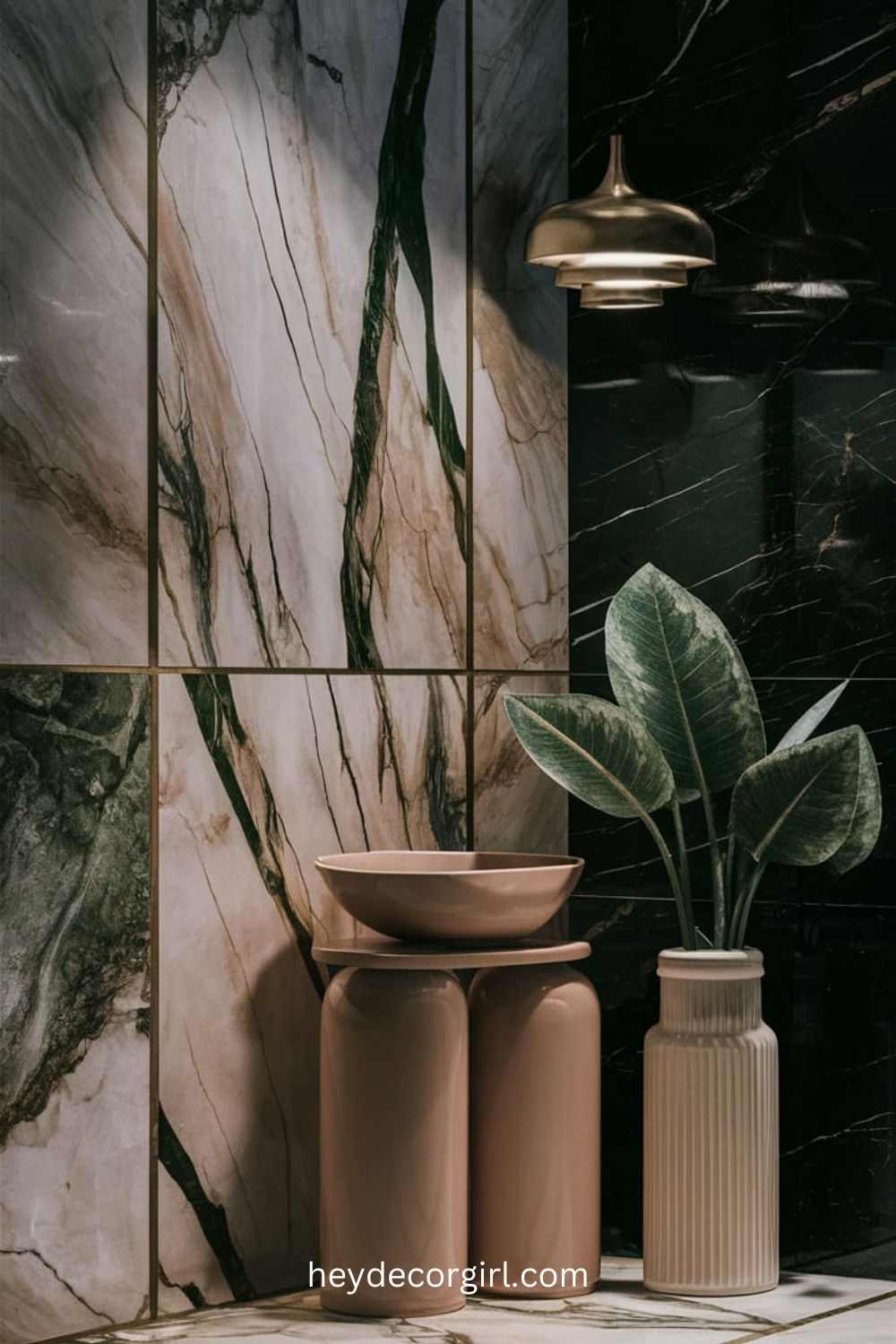
Veined marble tiles are popular for their dramatic veining, which mixes natural colors and shades. And these veins, whether subtle and delicate or bold and dramatic, depending on the variety of marble — ground quartz, so when it’s produced, it takes on a whole new persona. The veins, which can create interesting patterns in the stones when viewed up close, are created by mineral deposits formed during the marble’s metamorphic process. This quality lends veined marble tiles an upscale, elegant appearance, which is the primary reason why users choose this tile for use in high-end bathroom design, especially those who want their bathrooms to exhibit a luxurious and classy look.
Design Ideas:
- Accent Walls –Feature a wall in your bathroom with veined marble tiles to draw the eye. The high contrast designs can provide a bold statement, especially when paired with modern fixtures and neutral tones.
- Shower Walls – Mix and match of veined marble in your shower will help give your bathroom that special touch. The natural veins can add a sense of depth and texture, which won’t be too slippery but feel like the shower was more intended.
- Flooring: Carry veined marble tiles through to the bathroom floor for a cohesive look. With giant-sized tiles, the veining can sometimes give the appearance of a continuous flow.
- Vanity Backsplash: Use veined marble tiles as a backsplash behind your vanity. It can provide the visual intrigue to match the other items in your bathroom, like cabinetry and mirrors.
- Mix and match: make a design statement by mixing other types of marble or complementary materials with veined marble tile. For instance, combine veined marble with plain tiles or natural stone accessories to add character.
Maintenance Tips:
- General Cleaning: Veined marble tiles must be cleaned with a neutral cleaner, so you do not get any damage to the face of the stone. Don’t use acidic cleaners or abrasive cleaning pads, as these will etch the marble and dull its sheen.
- Seal: Use a good-quality marble sealant to seal the tiles so they are protected from stains and moisture. It should be completed as routine maintenance- vary frequently based upon sealer type and sealer usage. Sealants help to protect the natural appearance of your marble and cut down on staining effects.
- On The Spot Spills: Blot spills immediately to prevent staining. Marble is porous, and if not wiped up quickly enough, liquids can seep into the stone.
- Prevent heavy wear: Mind how you use heavier or scratching items. Cover areas to easily prevent wear and tear when the traffic is high.
- Professional Restoration – You may consider professional restoration if your tiles are scratched or start to become dulled due to age. Professionals can also polish and refinish your marble to make it shine like new again while repairing any damage.
You May Also Like:
FAQ
1. What makes marble tiles a luxury choice for bathrooms?
Marble is a top-end choice for bathroom tiles, and there are many reasons why marble makes such an appealing material for floors and walls. No two marble tiles are the same, creating a unique finish that elevates any bathroom.
2. Are marble tiles suitable for use in a shower?
Yes, marble tiles are good for showers and as a bathroom marble floor tile. But they are porous — and need to be sealed when installed, to protect against water damage and staining. They have become the jury of many hearts, but maintaining the sparkly look is of the utmost importance.
3. How do I care for and maintain marble tiles in my bathroom?
Taking care of marble tiles, like your bathroom’s marble tile, is a must because the last thing you want to do is damage them. Do not use acidic or abrasive cleaners, as they can scratch the surface. Regularly seal the tiles to prevent damage from stains and moisture.
4. Can marble tiles be used on bathroom floors as well as walls?
Yes, marble tile works on both bathroom floors and walls. They are versatile, and their design can be in harmony with the rest of the room. Marble Tile for Bathroom Shower Walls and Floors. Marble tile in the shower walls is additionally more delicate to water spots.
5. What are some popular marble tile patterns for bathrooms in 2024?
Favorite marble tile trends for 2024 are traditional subway, plus large slabs and design in geometry. Veined and polished marble tile for baths is also a rising trend, offering an expensive feel that works well with both modern and classic styles.
6. How do marble tiles compare to other materials in terms of durability?
Marble tile is a durable but soft and porous material, so it needs your attention when you’re cleaning or maintaining it. Bathroom marble tile is highly susceptible to scratches and staining, so it warrants special care and frequent sealing in order to keep up its appearance.
7. Are there any eco-friendly options for marble tiles?
Some eco-friendly choices are marble bathroom tiles from responsible quarries, 100% recycled marble, a nd bathroom marble tile. These alternatives minimize the impact on nature but still deliver on the look and feel of marble.
8. What color options are available for marble tiles in 2024?
In 2024, marble tile for bathrooms comes in a variety of colors, including the traditional whites and gray, as well as beiges and more vibrant hues such as deep blues or mossy greens. Colour options can be selected to suit individual bathroom styles and tastes.
9. How much does marble tile installation typically cost?
The marble tile bathroom cost is definitely a variable thing and could depend on the size of the tiles, how intricate the pattern is, labour prices, etc. At the end of the day, you’ll pay between $10 and $30 per square foot, materials and installation included.
10. Can I install marble tiles myself, or should I hire a professional?
Marble tiles, such as marble tile bathroom and others, can be installed if preferred without experience, but I would suggest you leave it for the pros who are experts in this. Marble tiles must be cut to exact dimensions and installed in correctalignmentm t or your project costs will far exceed those of using granite.