![Hey Decor Girl [Latest Trending Decor Design Ideas]](https://heydecorgirl.com/wordpress/wp-content/uploads/2024/08/Heygirldecor-Logo.png)
Gym floor Tiles are one of the most crucial things that are not noticed when establishing a home gym or a commercial fitness center. Gym floor tiles of good quality are effective as they increase the overall look of your space, protect your hardware, decrease noise, and minimize injury. These tiles are shock absorbent, wear resistant and are also taught to take the strain of the heavy gym equipment so that your floor remains intact and safe.
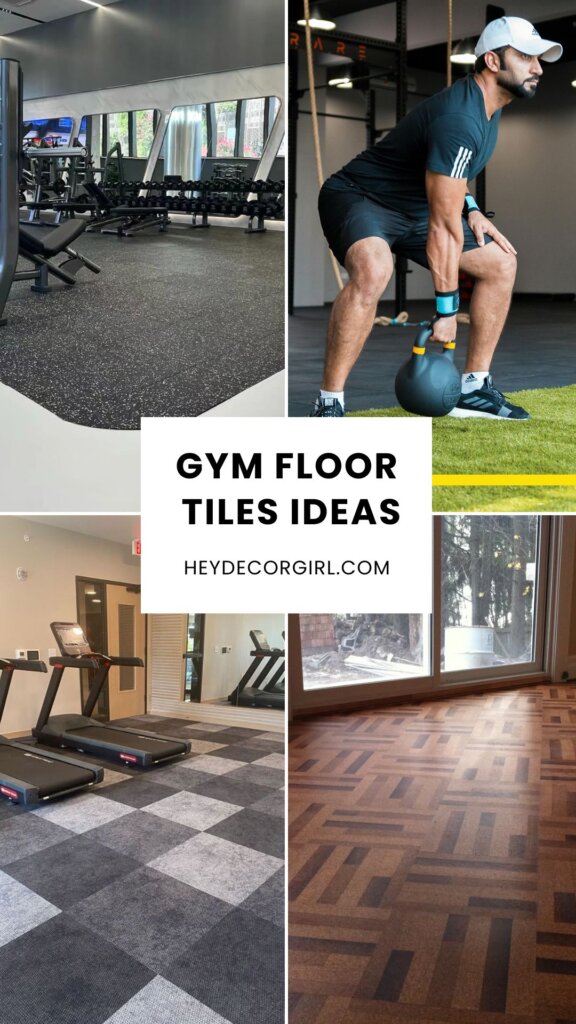
Gym floor tiles are available in a wide range of materials, including rubber, foam, PVC, and vinyl, which allows them to be used in a wide range of workout types, including a weightlifting area to a yoga studio. They are simply installed, serviceable, and replaceable, thus being a cheaper alternative to both novices and fitness experts.
Even when you want to get a sleek and professional atmosphere at the gym or a comfortable corner to exercise at home, the proper gym flooring ensures that it is durable, hygienic, and comfortable. This guide will discuss the ideal types of gym floor tiles, their advantages, installation, and the professional opinion on what to install to make a good choice of the right flooring to achieve your fitness objectives.
Top 10 Best Trendy Gym Floor Tiles Ideas
Rubber Gym Floor Tiles
Credit@bfg_aus
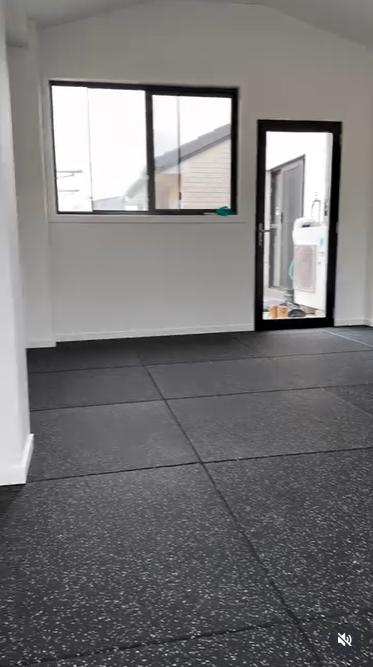
The most popular and long durability of the fitness enthusiasts is rubber gym floor tiles. They offer superior shock absorbing, sound damping and floor safeguarding with heavy gym apparatus. These tiles are anti-slip and cleanable, suitable in places of weightlifting and where the intensity of work is high. They are interlocked and square shaped, and they can be easily installed without glue or nails. Rubber tiles also have the advantage of being green and recycled as well as available in a range of colours and thicknesses. They are ideal in both residential and commercial gyms providing a professional appearance as well as durability.
Foam Gym Floor Tiles
Credit@alsalehrubber
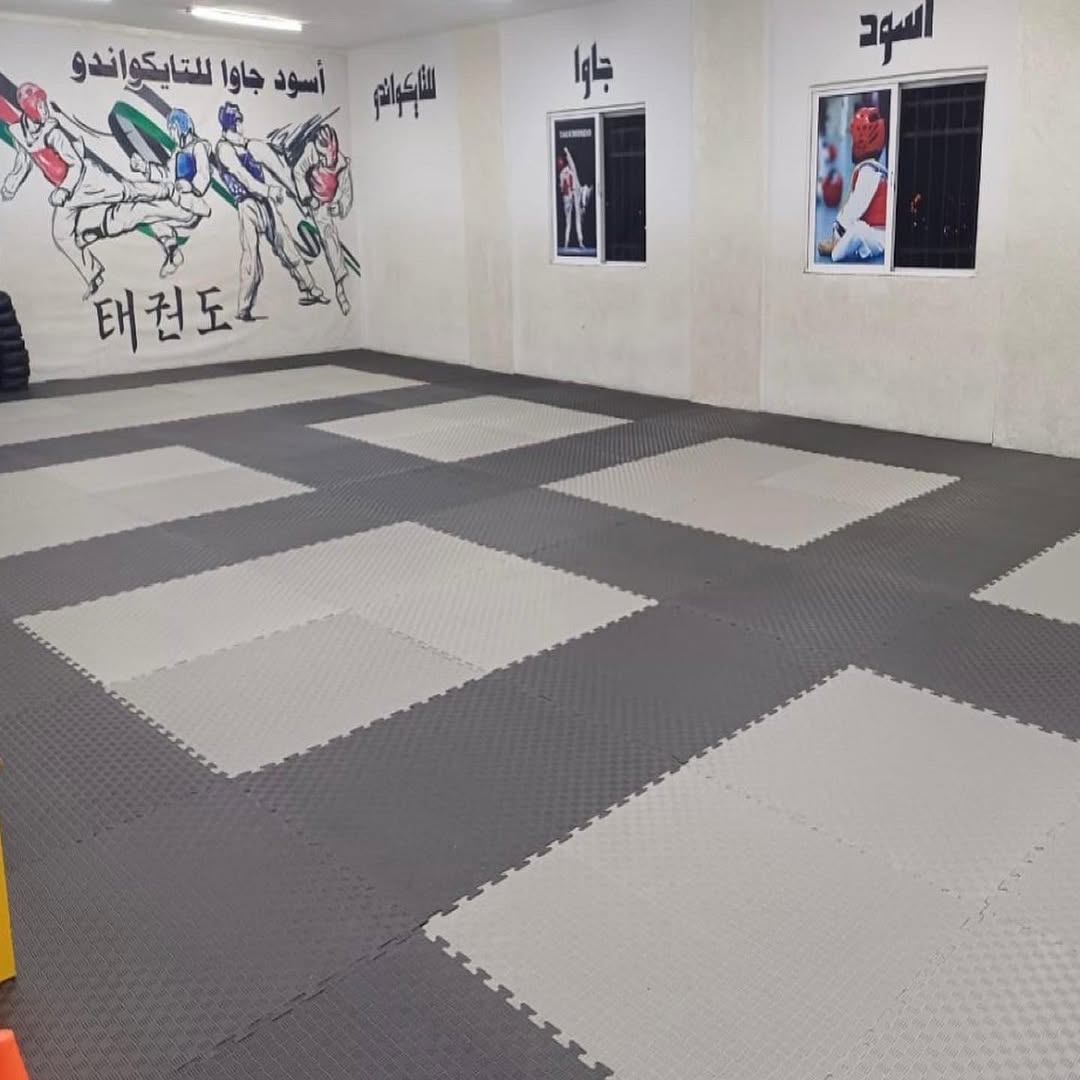
Foam tiles are comfortable, lightweight, and cheap and are ideal in home gyms or yoga studios. They also cushion effectively, safeguarding the joints and muscles of low impact activities like stretching, Pilates and body weight exercises. These interlocking tiles are simple to put up/take down and they also have a puzzle-like design, which keeps them securely in place. Foam tiles are available in a range of colors and in a range of thickness to suit your gym decoration. Even though they cannot handle heavy weights, they provide a shock-absorbing surface that is soft and can be used in developing safe and comfortable fitness zones.
PVC Interlocking Gym Tiles
Credit@floorsngwarri
Gym floor tiles made of PVC are recognized to be durable and flexible. They are not affected by water or chemicals and are durable to heavy foot traffic hence suitable to be used in the mixed-use gym areas. These tiles are interlocking and have a tight fit and are easy to install. PVC tiles are very good in anti-slips and sound insulation, which make them safe and comfortable to use during physical exercises. They are also suitable in indoor and outdoor gyms, and they allow a steady and solid surface. Having low maintenance needs and sleek finishes, the PVC tiles have a contemporary, business-like appearance that can be used in conventional fitness settings.
Vinyl Gym Floor Tiles

Credit@sportex_vinyl_flooring
Gym floor tiles made of vinyl will suit individuals who want durability and beauty. They have a smooth sleek touch that is easy to wash and maintain. Vinyl tiles do not get affected by water stains and they can be used in fitness studios, dance areas or areas where aerobics are practiced. They are capable of managing moderate equipment at an example of a sleek and professional appearance. Vinyl is also less noisy and has good traction making it safe in all forms of workouts. Vinyl gym tiles make the workout space look sophisticated with its realistic wood or stone design.
Turf Gym Tiles
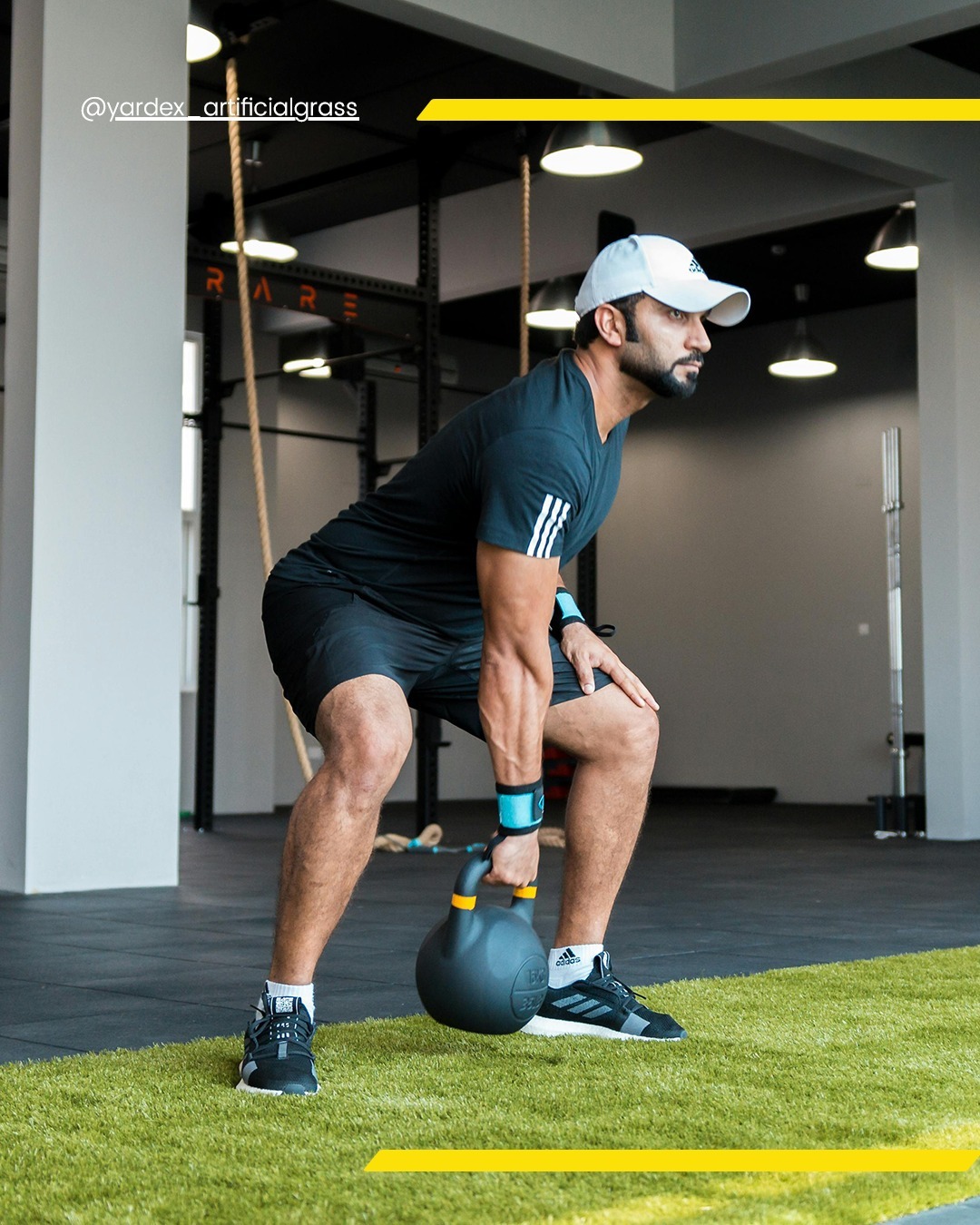
Credit@yardex_artificialgrass
Turf tiles are similar to natural grass and are best suited to fitness functional areas as well as athletic training areas. They can be used in any sled pushes, agility exercise or an outdoor workout. Turf tiles are very good in offering tractions, durability, and cushioning which reduces injury minimization. They are not only water resistant but also easy to clean and weather proof and can be used either indoor or outdoor. The fresh and energetic appearance of your gym is provided by the green color. Turf gym tiles are also effective in the complement to the modern workout facilities that seek a professional sports performance ambience.
EVA Foam Gym Tiles
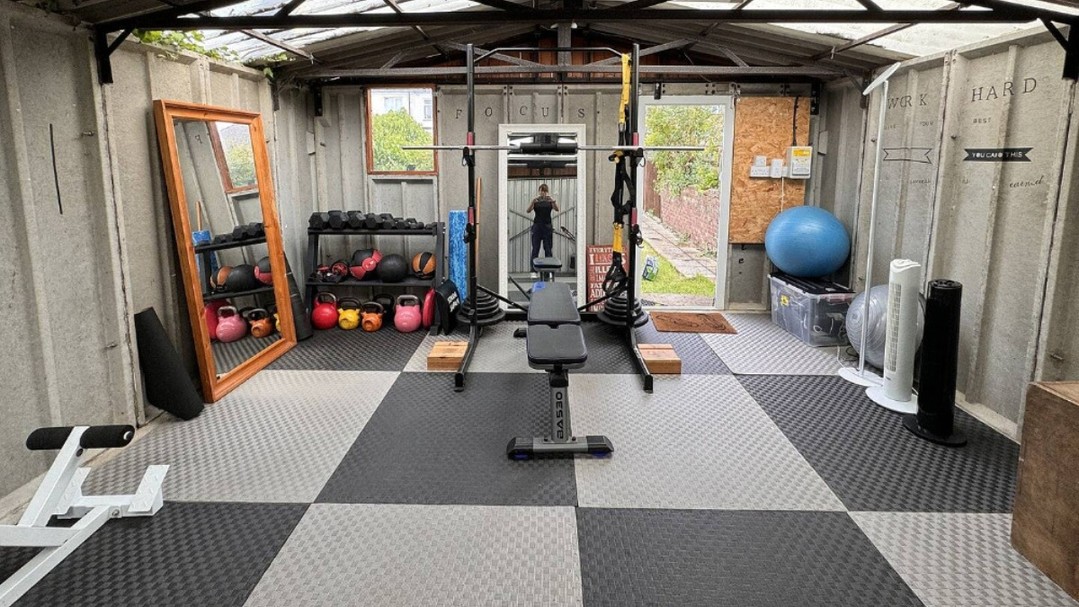
Credit@gym_flooring
EVA foam tiles are more comfortable, flexible and less expensive. They are not very hard but strong that is why they can be used on a home gym floor, on a playground exercise area or a yoga studio. The cushioned flooring that does not allow slipping prevents the body during exercises and decreases fatigue. EVA foam tiles are easy to install and lightweight, which is due to the interlock design. They are offered in various colours and also in several thicknesses, assisting you to create a lively safe gym atmosphere. Nevertheless, such tiles are most appropriate in light to moderate exercises as opposed to heavy equipment areas.
Recycled Rubber Gym Tiles
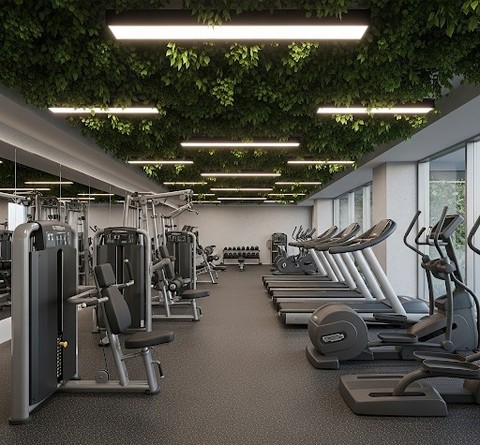
Credit@northwestrubber
One such eco-friendly and sustainable choice of a gym flooring is recycled rubber tiles. They are durable, resistant to impact, and provide good shock absorption made of recycled rubber materials. The tiles are used to cushion the floor against heavy weights and also to minimize noise. They are detached, and thus they can be used in commercial gyms and busy places. Rubber tiles that are recycled are resistant to moisture as well as simple to clean. They can be used in speckled or solid colour designs in order to add functionality and style to any fitness area and influence an environmentally responsible decision.
Carpet Gym Tiles
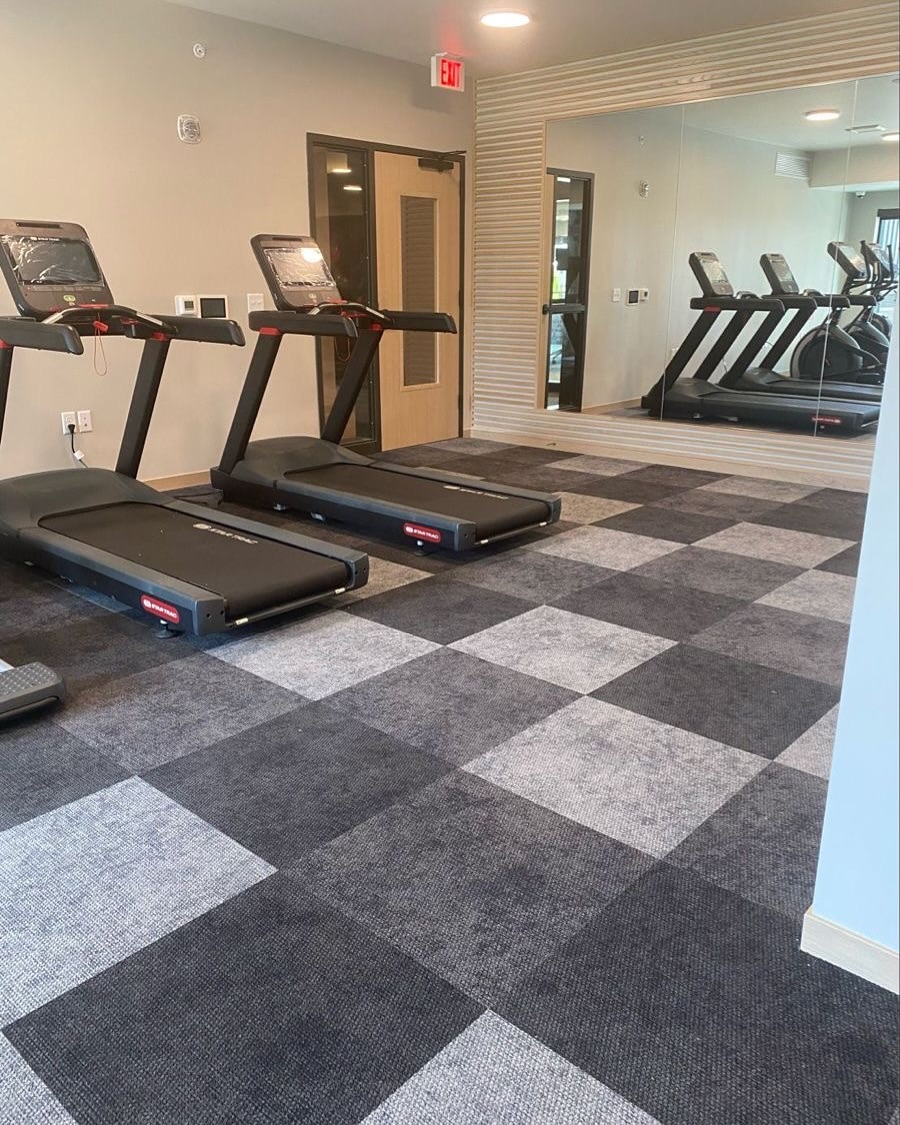
Credit@sincera_ng
Carpet gym tiles are comfortable, cozy so as to be used in yoga, stretching, or cardio zones. They offer traction, less noise, and also interlocking designs or peel and stick designs are easy to install. The tiles are tough, have no stains, and can withstand average foot traffic. Carpet tiles will provide a warm and homey feeling to in-store fitness areas, as well as cushioning the joints. They are also simple to replace and service and can be used in multi-use gyms. They are diverse in terms of the texture and color, which enables you to style up your workouts, but still keep them practical.
Cork Gym Floor Tiles
Credit@jelinek_cork
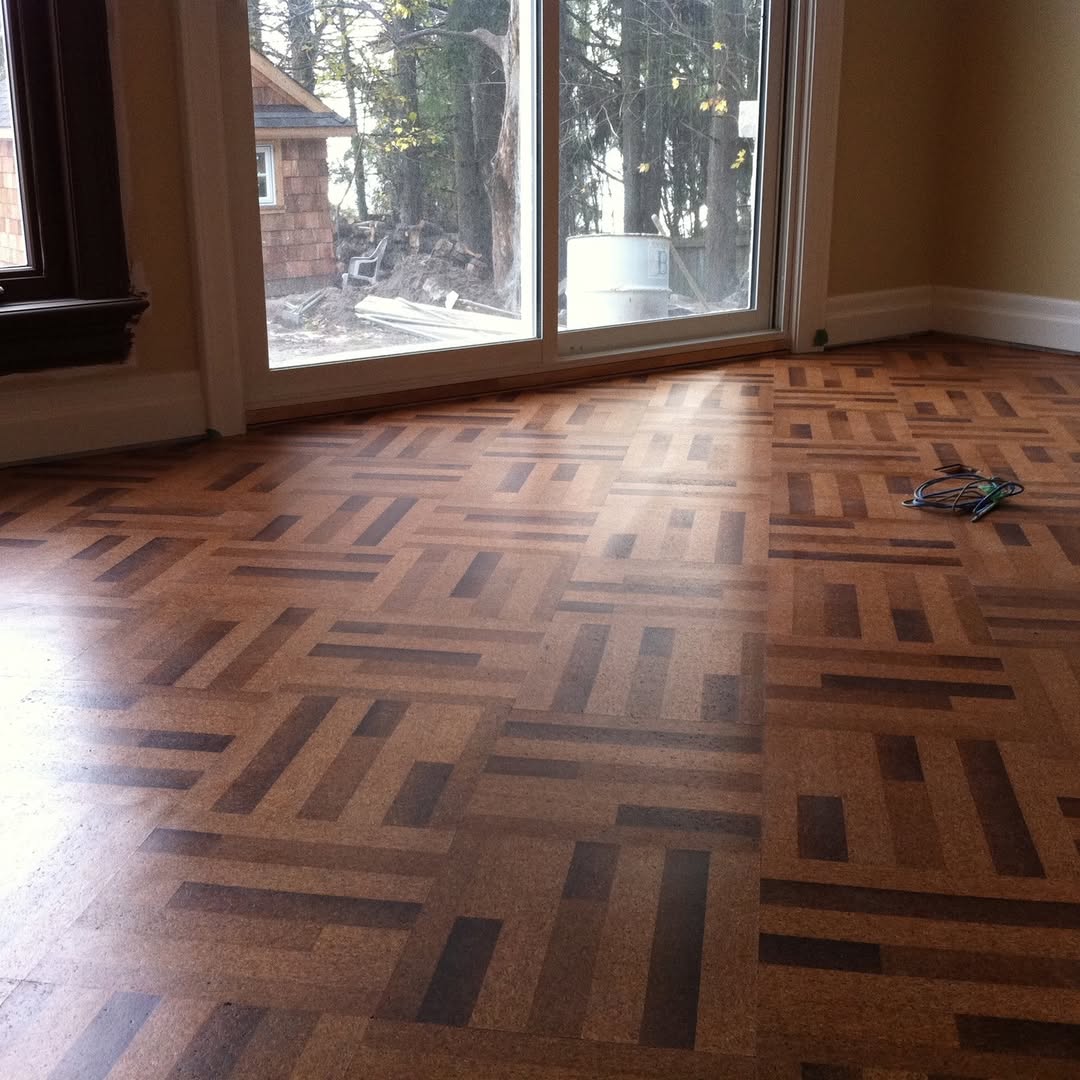
Cork tiles is an eco-friendly and natural flooring that provides comfort and warmth to the feet. They are lightweight, shock absorbent and anti-microbial and ensure that your gym is hygienic. Cork is very good in sound insulation and good in yoga, pilates and light exercises. It also does not get moldy and humid when well covered. The rough surface lends classiness to it and the softness of the surface also alleviates the stress of the joints when performing exercises. Although cork tiles are not advisable in heavy lifting, they are ideal in home gyms and want to have an environmentally friendly and comfortable flooring.
Heavy duty rubber mats
Credit@ma.ttefitness
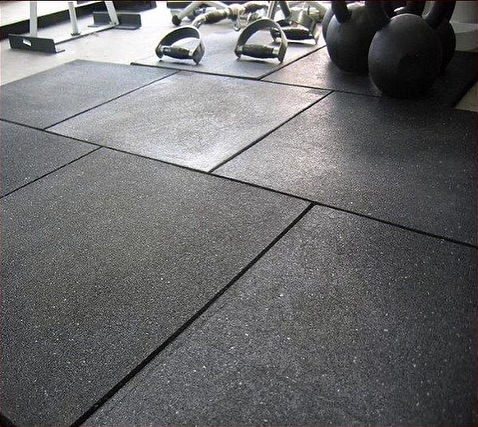
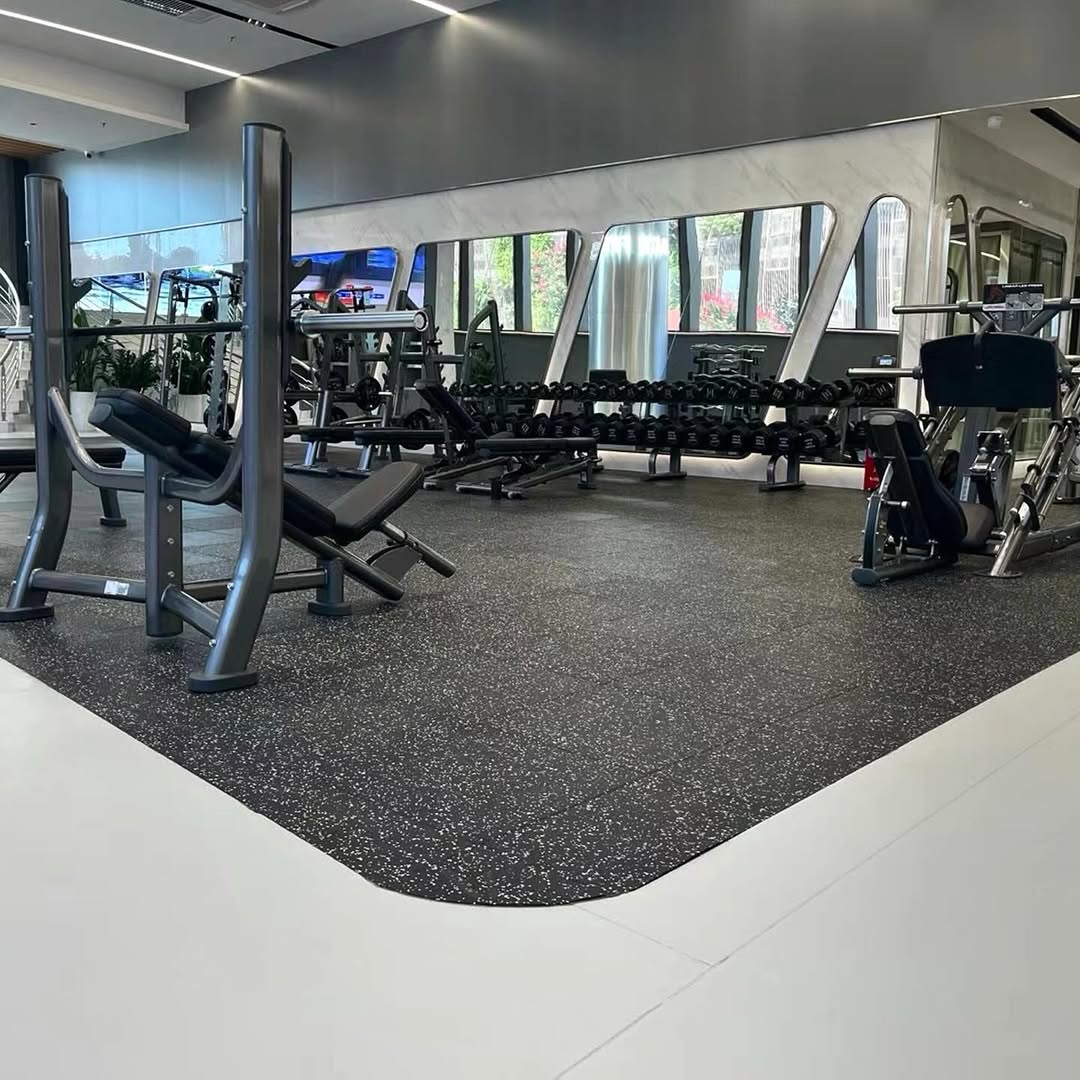
The heavy-duty rubber mat tiles can be used in professional gyms and areas where people do weightlifting. They provide the best protection to floors and equipment, withstanding heavy impacts of the dumbbells and the barbells. The thick rubber material offers a good grip and shock absorption reducing the noise and vibration. These tiles are interlocking to provide a speedy and fast installation. They are moisture and wear resistant as well as stain resistant which guarantees them long performance in extreme circumstances. Serious athletes who want to have a safe, stable and professional place to do their workout would find heavy-duty rubber mat tiles good.
Tips for Choosing the Perfect Gym Floor Tiles
- Choose Your Type of Workout: The first thing to do is to decide on the type of workouts that you will be doing. In the case of heavy weightlifting or HIIT, using rubber or PVC tiles is advisable, which will offer resistance to impacts and durability. In the case of yoga, stretching and Pilates, you would want to use foam / cork tiles which would be comfortable and provide cushioning.
- Check Durability and Thickness: The thickness and the type of the material of the gym tiles determine the durability of the tiles. The thicker tiles (10mm20mm) are higher shock absorption and are better suited to commercial or heavy-use gym whereas the thinner tiles (6 mm- 8 mm) are ideal in home gyms and when performing lighter exercises.
- Place Slip Resistance first: In a gym setting, there is a high degree of safety. Select tiles that have non-slip surfaces so as to avoid accidents, particularly in places where there is a tendency to sweat or moist conditions. Textured vinyl tiles, PVC and rubber tiles have good grip and stability when used in vigorous exercises.
- Find Shock and Noise Absorption: Excellent gym tiles must be shock absorbing to cushion your floor and your joints and limit the amount of shock on the floor caused by falling weights. Recycled rubber tiles and rubber tiles are the most suitable ones in reducing vibration and sound in residential and commercial applications.
- Assess Maintenance and Cleaning Requirement: Choose easy to clean, waterproof and stain-resistant tiles. PVC, rubber, and vinyl tiles do not need too much maintenance and are easily wiped or cleaned by mop. Do not use damp materials which will absorb moisture and result in odor development or bacteria.
- Take into account Ease of Installation: In case you are installing your gym by yourself, choose interlocking or puzzle-tiles. They are easy to install, take down and re-configure without the assistance of a professional. They are also stable in position giving it a smooth finish and risk-free exercise floor.
- Fit Style to the Purpose: Gym flooring does not need to be dull. Select tiles which match with the theme and aesthetics of your gym. Most of the modern tiles are available in smooth finishes, speckled or turf surfaces that improve the appearance of the space without making them impractical and fragile.
- Provide Water and Sweat Resistance: Gyms are usually wet and spilled. Use tiles that are moisture-resistant to avoid any mould, mildew or risk of slipping. PVC, rubber and vinyl tiles are good in keeping a clean and hygienic working environment.
- Use Eco-Friendly Materials: In case you are concerned about sustainability, you can use recycled rubber or cork tiles. The materials are eco-friendly and yet they provide excellent durability, comfort and performance.
- Realistic Budget: There is a huge variety of prices of gym tiles based on the material and thickness. Foam tiles are cheap but on the other hand, rubber and PVC tiles are expensive but with a long life span due to their greater durability. Always strike a balance between the cost and the quality in order to achieve maximum returns on investment.
- Take into account the Subfloor Type: Your existing floor is relevant in the choice of the tile. When using concrete or hardwood floors, tiles with an addition of cushions and grip are to be used to avoid falling or breaking.
- Consider Replacement and Durability: Choose modular tiles that can be changed separately should they get stained or damaged. This feature is time and cost saving as your gym floor will look new in years.
Conclusion
The correct selection of gym floor tiles can show a total transformation of your fitness area, safety, durability, comfort and style. The perfect tiles not only save your floors and your gym equipment, but they also improve performance but offer better grip, sound insulation and shock absorption. Rubber, PVC, vinyl, foam, or turf can be used to suit various requirements and budgets depending on whether you are designing a commercial gym or a small home workout area.
Quality, slip resistance and easy maintenance should always be considered to secure long term usage. The tiles can also be installed easily using interlocking tiles that are designed to be used in DIY projects and can be replaced easily in case of damage. Finally, the finest gym floor tiles are both practical and attractive, so that they provide you with the space to move, lift, and pursue your fitness ambitions safely and without apprehension.
FAQs
Q: What is the most appropriate material to use as gym floor tiles?
A: The most common and most used category is rubber tiles since they are durable, shock absorbing and hence they are easy to clean. They fit well in the home and business gym as well particularly in heavy lifting and high impact exercises.
Q: What is the thickness of gym floor tiles?
A: In case of light exercises or domestic gym, tiles with a thickness of 6mm to 8mm are adequate. To use it in heavy weight or on a commercial basis then 10mm-20mm thick would be better in terms of impact protection and noise dampening.
Q: Is it possible to have the tiles of the gym floor on the concrete or wooden floors?
A: Yes. The vast majority of gym tiles, particularly those of rubber, PVC and foam, can be placed on top of concrete flooring or wooden subflooring. The designs are interlocked and do not require adhesions, which makes them fit on all surfaces.
Q: What do I do when cleaning and cleaning floor tiles in the gym?
A: Clean by sweeping and vacuuming regularly followed by mopping with mild soap and warm water. Do not use any rough chemicals that may hurt the surface. Vinyl and rubber tiles are especially simple to clean and are not prone to moisture accumulation.
Q: Are the tiles on the gym floors waterproof and sweat resistant?
A: Yes, there is a vast majority of PVC, vinyl, and rubber gym tiles, which do not allow sweat to leak through. This is to maintain hygiene, stop growth of mould and to have a safe and slip-free expert training environment.