![Hey Decor Girl [Latest Trending Decor Design Ideas]](https://heydecorgirl.com/wordpress/wp-content/uploads/2024/08/Heygirldecor-Logo.png)
Sunflower garden ideas are not only beautiful flowers, but they are also associated with warmth, positivity, and happiness. Sunflowers with their tall, heavy stems and bright yellow petals can transform any garden into a colorful and happy place at once. A sunflower garden is not only aesthetically pleasing, but also entices useful pollinators such as bees, butterflies, and birds to develop a healthy, flourishing ecosystem. Regardless of the size of your backyard, rooftop garden, or wide yard, sunflowers will fit, adding life and color to the outdoor area.
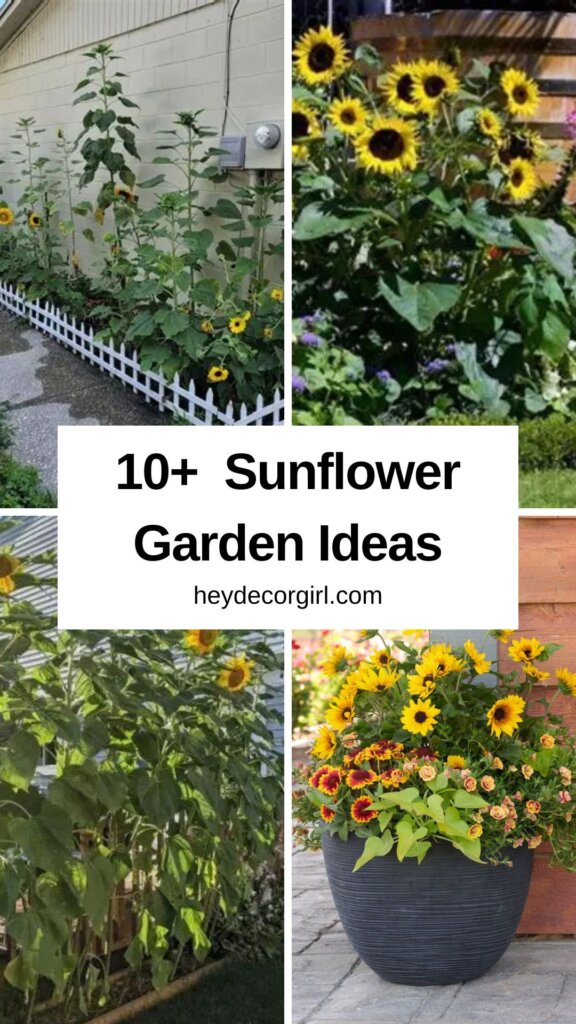
Planting a sunflower garden will allow you to experiment on several levels. You may plant sunflowers in straight lines, make borders around the paths, combine with other colorful flowers, or even in small areas, you can use containers. Their colorful appearance can serve as the center of meetings, photographing, or a tranquil place where you can spend time with nature. Furthermore, the sunflowers are not so difficult to cultivate, so both novice and experienced gardeners can use them. With the appropriate soil, sunlight, and proper attention, your sunflower garden can thrive all through the growing season to give you some beautiful flowers and a happy mood to cheer up your home and uplift your spirits.
Top 10 Amazing Sunflower Garden Ideas
Here are some amazing ideas to inspire your sunflower garden:
Vertical Sunflower Garden
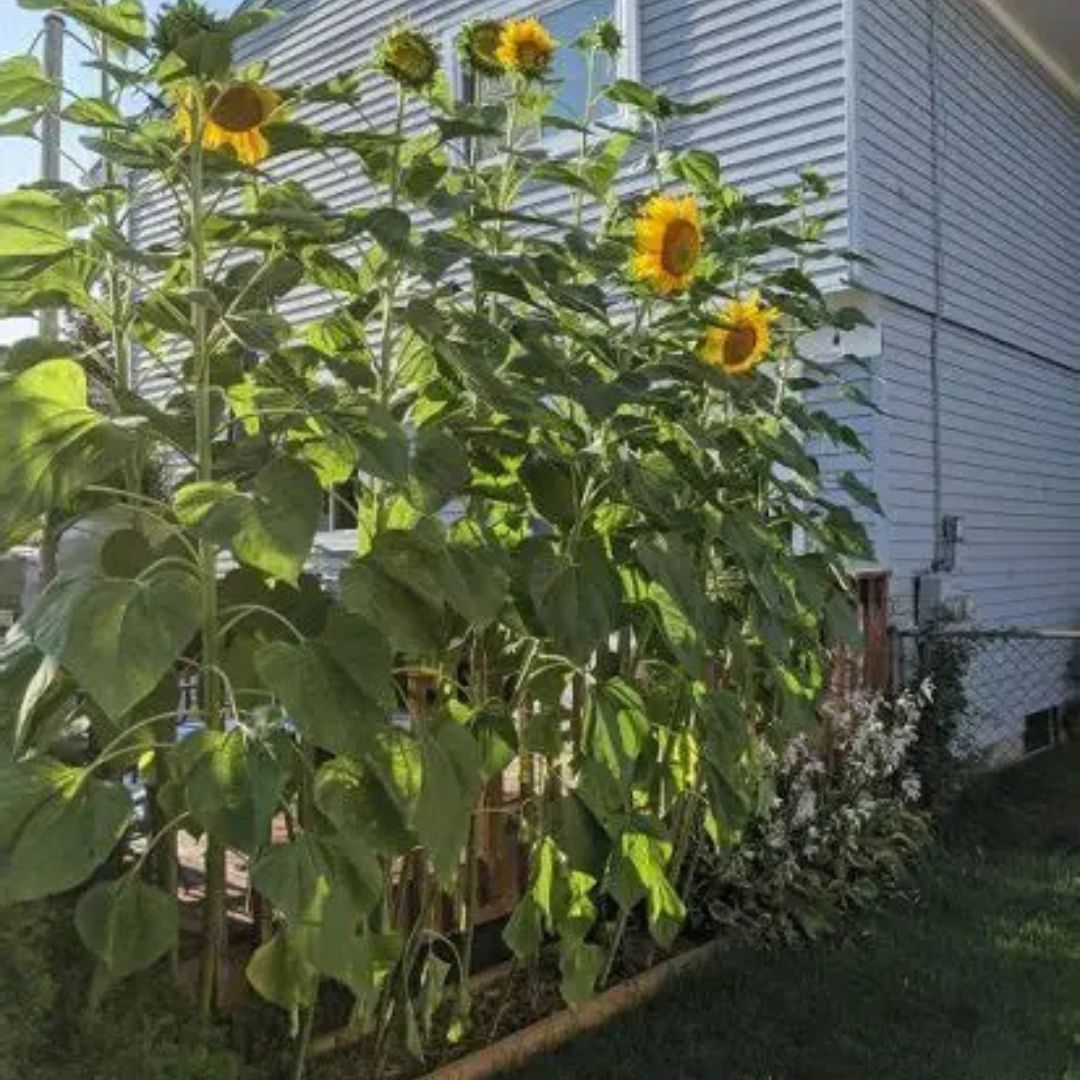
Small spaces are ideal for vertical gardens. Grow sunflowers using tall trellises, stakes, or bamboo poles. Put the taller varieties of plants in the back and the shorter ones in the front, which creates a layered visual effect. The design not only saves space, but it also gives more height and structure to your garden. You will be able to combine colors and heights to get a nice appearance. Vertical sunflower gardens are also good screens and privacy hedges that are both beautiful and useful. Watering and supporting the stems must be continued regularly to maintain good, healthy growth during the blooming period.
Sunflower Border Garden
Credit@MEWhaling
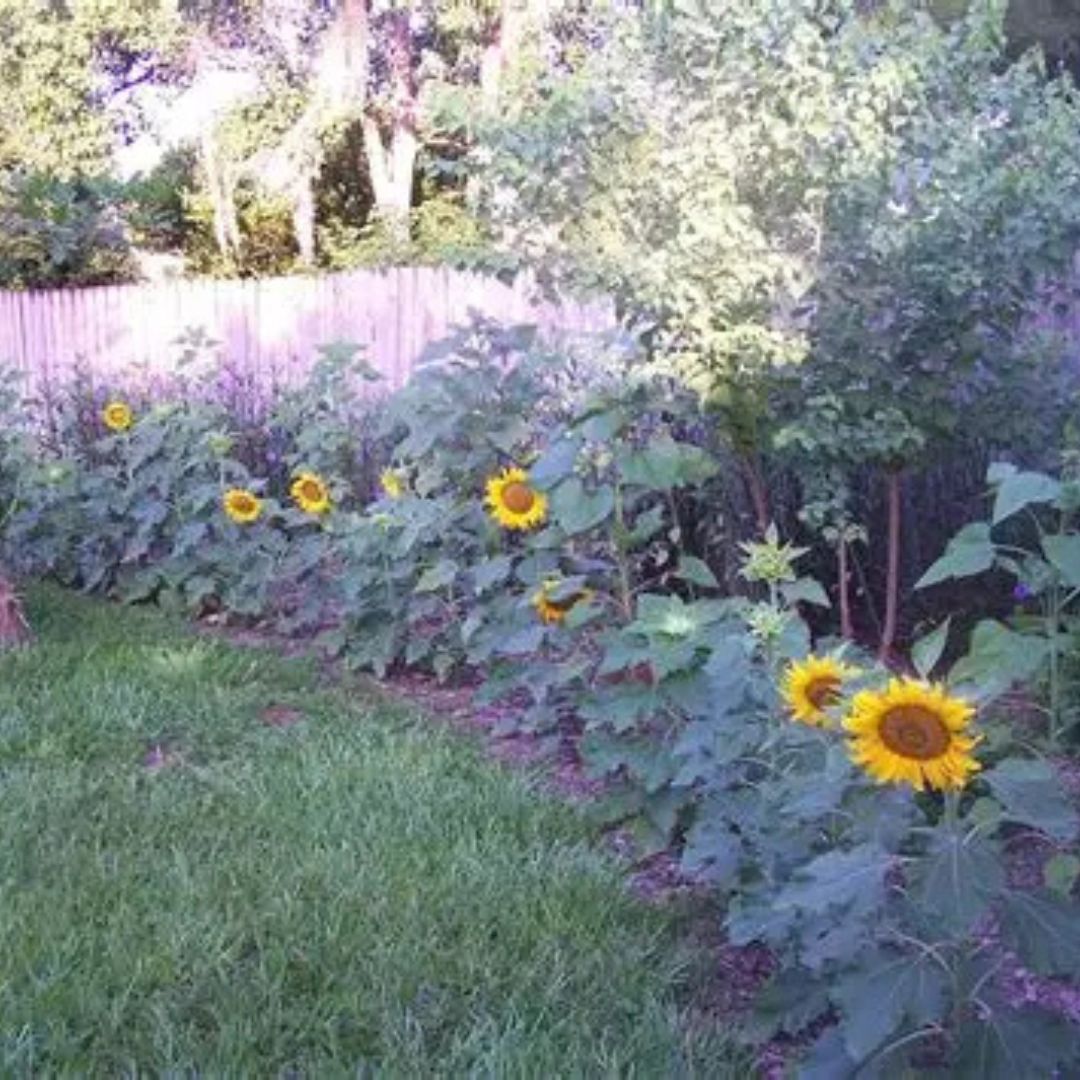
Garden paths, fences, or lawn edges are beautifully defined with sunflower borders. Plant sunflowers in rows in the walks to make a path of sunshine. The mixture of heights and colors is also deep and lively. This design is suitable for both large and small gardens with a neat, organized, but lively appearance. Border sunflowers are also helpful to draw pollinators and may be used to border outdoor seating spaces to add to the atmosphere. Trimming and fertilizing the garden regularly keeps the blooms healthy, and the border garden is a long-term happy addition to your outdoor garden.
Mixed Flower Sunflower Beds
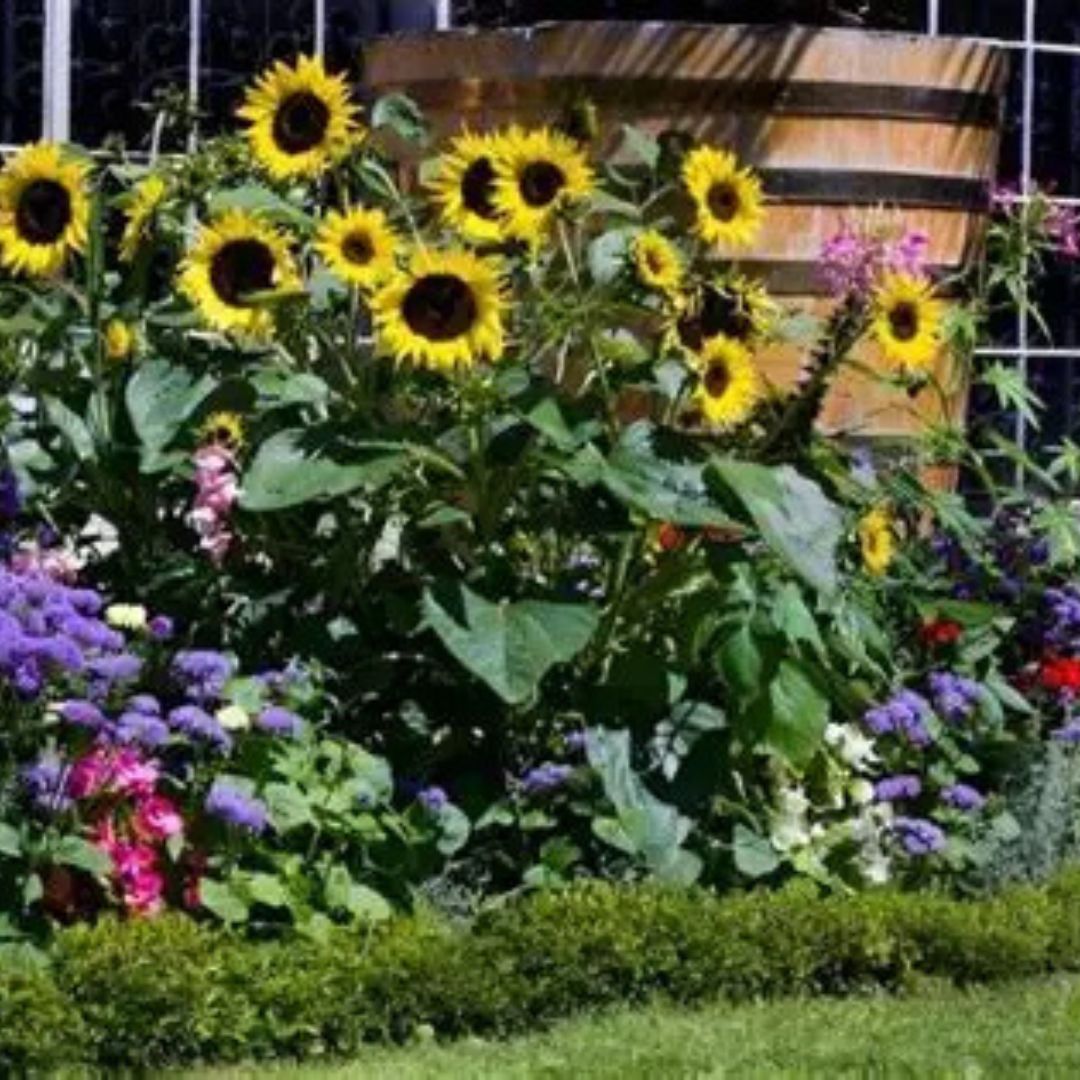
Add sunflowers to marigolds, zinnias, cosmos, or daisies to create a colorful flower bed. The combination of various flowers will provide texture, contrast, and seasonality. Sunflowers are also high and structural, and the smaller flowers fill the gaps and give the composition a balanced look. It is a design that is appealing to bees, butterflies, and birds, which is a way to increase biodiversity in your garden. Select opposite colors to add visuality. Planting in clumps or in rows that are not aligned helps to form depth and to make the bed appear fuller. Consistent watering, mulching, and periodic deadheading will make sure that all the flowers are doing well and make the bed bright and attractive during the growing season.
Sunflower Container Garden
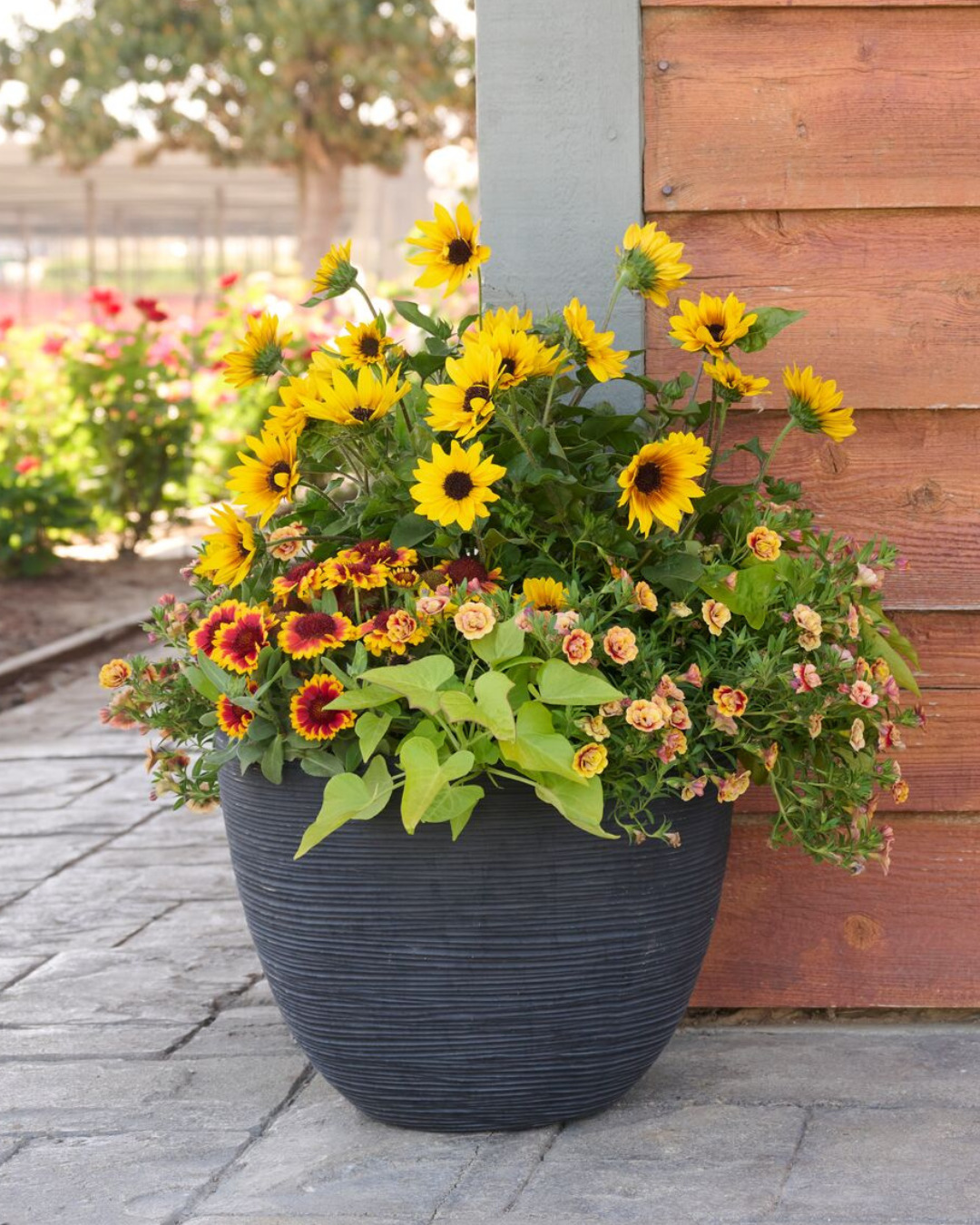
Credit@west_end_nursery
When you do not have much space, it is a clever idea to plant the sunflowers in pots. Tall varieties can be planted by use of large pots or pans, whereas smaller ones are ideal for dwarf sunflowers. The containers are transportable to patios, balconies, or sunny areas, which are not fixed in design. Such an arrangement causes easy management of the soil and watering of the soil. Plant pair sunflowers with trailing flowers such as ivy or petunias. Make sure that the containers are well-drained and the potting mix is nutrient-rich. High frequency of care and low frequency of fertilization contribute to good growth, giving rise to cheerful blooms that enliven any small open area.
Sunflower Maze

Credit@polka-dottyplace
Plant rows with wide paths between to form an amusing sunflower maze. It will be ideal with children and guests who will have an entertaining garden visit. Select tall sunflower types, and this will make the maze more interesting and captivating. Alternate heights or stagger rows to add some visual interest. The sunflower maze is not only entertaining, but also a distinct photo option. To ensure structure, it is necessary to water regularly, stake tall plants, and remove weeds. This artistic concept turns your garden into an activity area, as it incorporates beauty, fun, and the beauty of sunflowers.
Friendly Sunflower Garden in the Wild
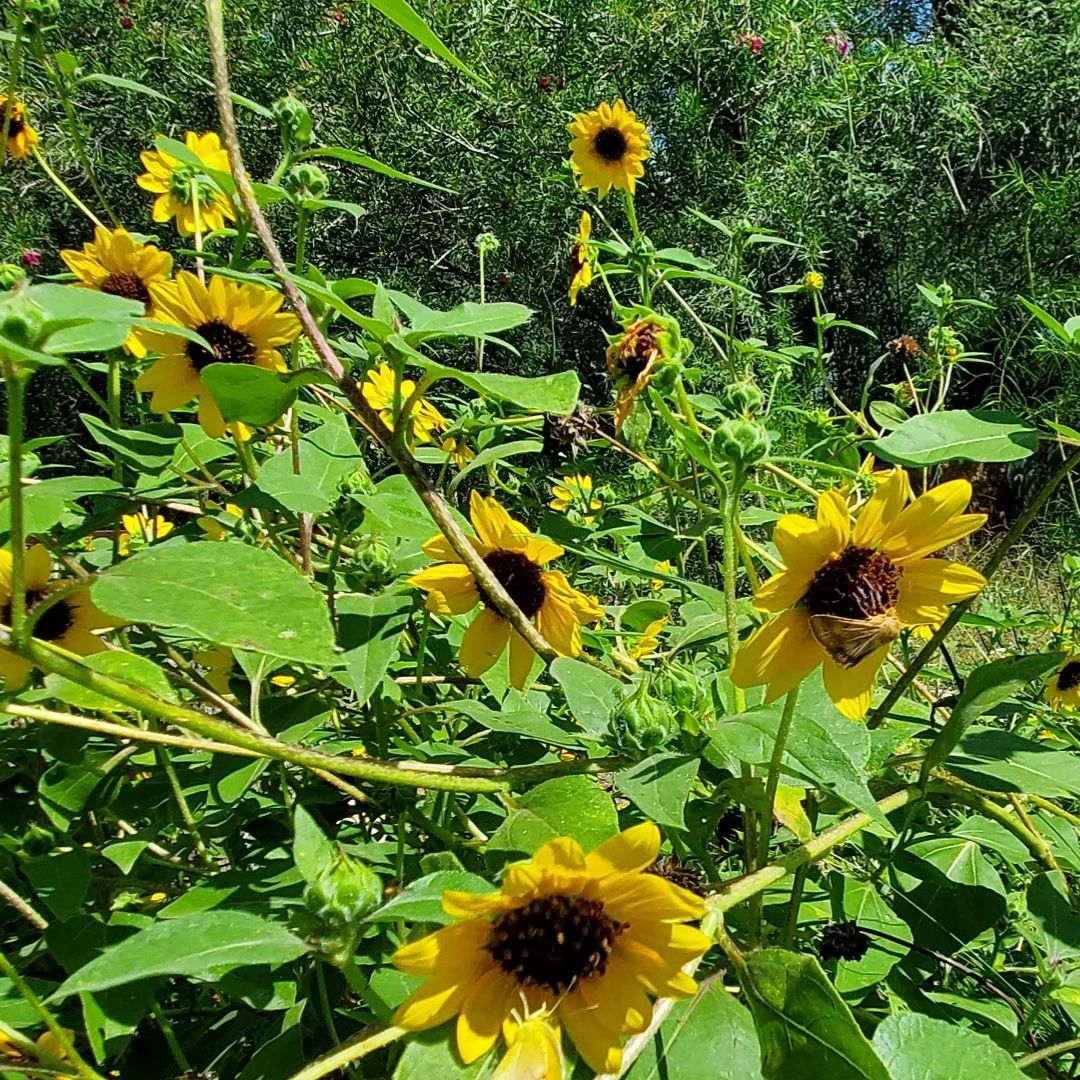
Plant sunflowers to help attract birds, bees, and butterflies. The birds like sunflower seeds, and the bees and butterflies spread through your garden, which adds more productivity. Such a garden improves biodiversity and provides an active and natural atmosphere. Plant sunflowers with local plants to benefit local wildlife even more. Proper and easy access should be ensured for pollinators. The garden should be safe for the creatures by watering it regularly and using no pesticides. The sunflower garden that can be made wildlife-friendly is practical and attractive; it offers food, shelter, and a beautiful view of yellow flowers that not only benefits ecological stability, but also brings beauty to your outdoor garden.
Sunflower Spiral Garden

Credit@Dreamstime.com
Create a spiral or circular sunflower design to make a pleasing centerpiece. Achieve this by planting taller ones in the center and shorter ones at the edges in order to achieve a flowing and natural appearance. Such a set-up suits quite well into lawns, patios, or community gardens. The plants are easy to move and maintain since their design is in the form of a spiral. You are able to combine various colors of sunflowers to further the spiral effect. The taller plants are staked, fertilized, and watered regularly, so this way the spiral will maintain its structure. This design makes a point of focus that makes an attraction and offers creative beauty to your garden.
Sunflower Cottage Garden

Credit@the_gardenerben
Sunflower Pathway Arches

Make arches over walkways with tall sunflowers on heavy trellises. This creates a golden tunnel effect that gives a magical experience of a garden. Plant alternate tall types and smaller companion plants on both sides to add to the appearance. It is a design that will give depth, dimension, and a focal point that is unique to your garden. The shape of the arch should be maintained by supporting and watering it regularly, and pruning it. Sunflower arches suit weddings, parties, or seasonal decorations, as they offer a magnificent backdrop, and they seem to incorporate the natural beauty into a practical garden setting.
Pollinator Garden of Sunflowers
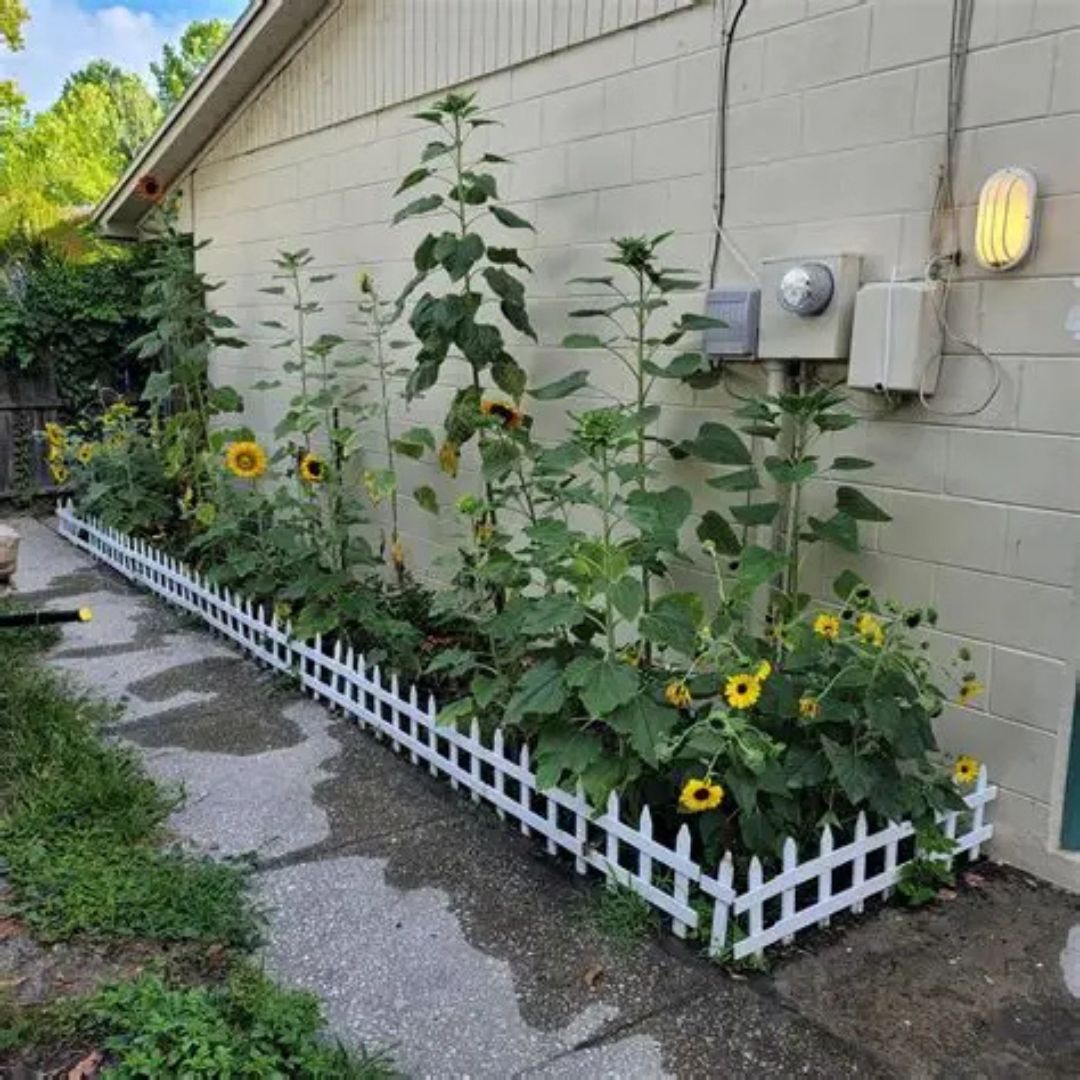
Plant sunflower varieties that are nectar and seed bearers to design a pollinator-oriented garden. Plant sunflowers with flowering plants such as coneflowers, asters, and bee balm. This will attract bees, butterflies, and other productive insects, enhancing the health of the garden. Plant in groups so that they can have the greatest effect, and do not use chemical pesticides. Constant watering, deadheading, and mulching are helpful to ensure ongoing blooms. However, such a garden is not only beautiful with its layers of yellow and contrasting colors, but it also has an ecological purpose. Pollinator-friendly sunflower garden is good to promote biodiversity, support wildlife, and improve the overall productivity of your outdoor setting.
Sunflower Garden Maintenance Tips
- Select the Proper Soil: Sunflower grows in well-drained and nutrient-rich soils. Strong growth and vibrant blooms occur best in the loamy soil that has a pH of 6.0-7.5.
- Plant in Full Sunlight: Sunflowers require at least 6-8hours of direct sunlight each day. Make sure it has sufficient light in your garden location in order to ensure healthy growth.
- Consistent Watering: Sunflowers need to be watered regularly, particularly when they are dry. Roots will grow well when deep-rooted at the bottom. Do not overwater, as this can result in root rot.
- Apply Fertilizer Wisely: A balanced, slow-release fertilizer should be applied at the time of planting and between the seasons to stimulate growth. Excess nitrogen may cause tall, flowerless plants.
- Support Tall Varieties: Tall sunflower varieties should be supported by trellises to help maintain straight stems that do not bend or break, especially when it is windy.
- Pruning and Deadheading: Cut off the dead or old flowers to produce more flowers. Prune off wilting leaves or ailing stems to keep plants healthy and attractive.
- Naturally Control Pests: Pay attention to aphids, caterpillars, and beetles. Apply organic compounds such as neem oil or release ladybugs to check pests.
- Mulching: Organic mulch should be put around the base of sunflowers to maintain moisture of the soil, control the temperature, and prevent weeds
- Space and Ventilation: Spacing. Spacing is an important requirement of the plants to allow circulation of air to prevent the occurrence of fungal infections, as well as ensure healthy growth.
- Otherwise, harvest Seeds correctly: When growing sunflowers to harvest in seed form, the back of the flower head needs to be brown. Grow cut and dry seeds to avoid mold and maximize the yield.
- Rotate Planting Sites: Do not plant sunflowers at the same site annually, as it leads to soil depletion and increases the risk of infections.
- Frequent Inspection: Inspect the plants daily to see whether they are diseased, deficient in nutrients, or infested with pests. Early detection will guarantee early intervention and development.