![Hey Decor Girl [Latest Trending Decor Design Ideas]](https://heydecorgirl.com/wordpress/wp-content/uploads/2024/08/Heygirldecor-Logo.png)
A properly planned landscape flower garden, featuring flowers, can entirely transform your backyard into a vibrant and colorful haven. Flower gardens not only bring beauty, but they also bring a feeling of relaxation, they also enhance air purity, and attract pollinators such as bees and butterflies. Planting a garden is a process that requires a scheme and design, a choice of flowers, and the positioning of the flowers to make your home look good. You may have a small backyard or a large lawn, but with a carefully planned flower garden, it may be the new place of relaxation, family, and a good place to take photographs.
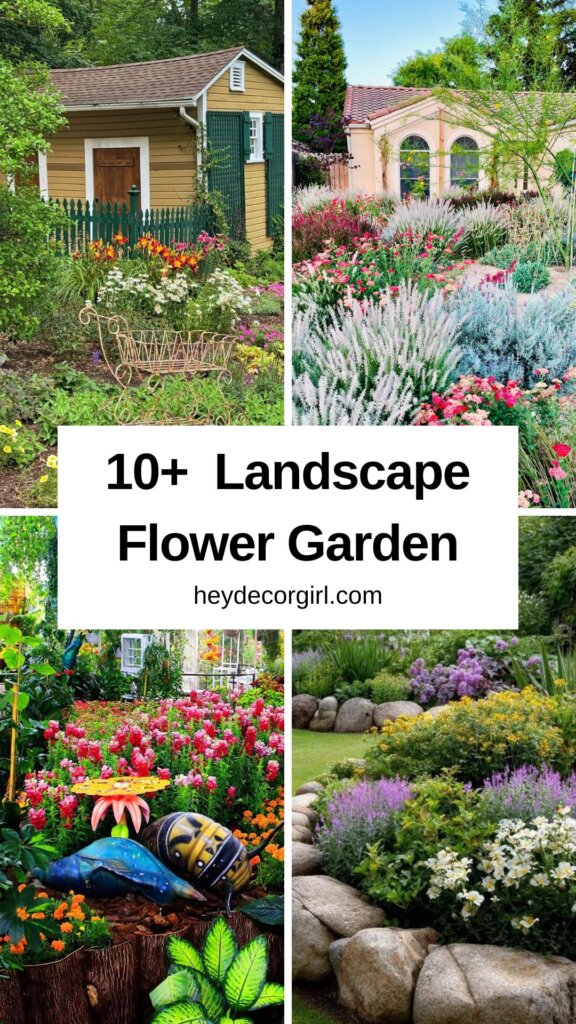
The success of a landscape flower garden is the combination of colors, texture, and the change of seasons. An example is when one plants a combination of perennials and annuals in order to have year-round beauty. Pathways, decorative features, such as fountains or garden lights can be incorporated and made in order to allow your garden to be beautiful and practical. Also, native plants are chosen because of their sustainability and low maintenance.
Not only is a flower garden a feast to the eyes, but it is also useful to mental health. Being out in the natural surroundings makes one less stressed and boosts their creativity as well as a state of mindfulness. By creating your own garden, it is possible to make it an extension of your personality, an addition to the beauty of the seasons, and a place of peace and rest in the bustling flow of everyday life.
Top 10 Stunning Landscape Flower Garden Ideas
Here are some stunning ideas to inspire your landscape flower garden:
Cottage-Style Garden
Credit@bricksnblooms
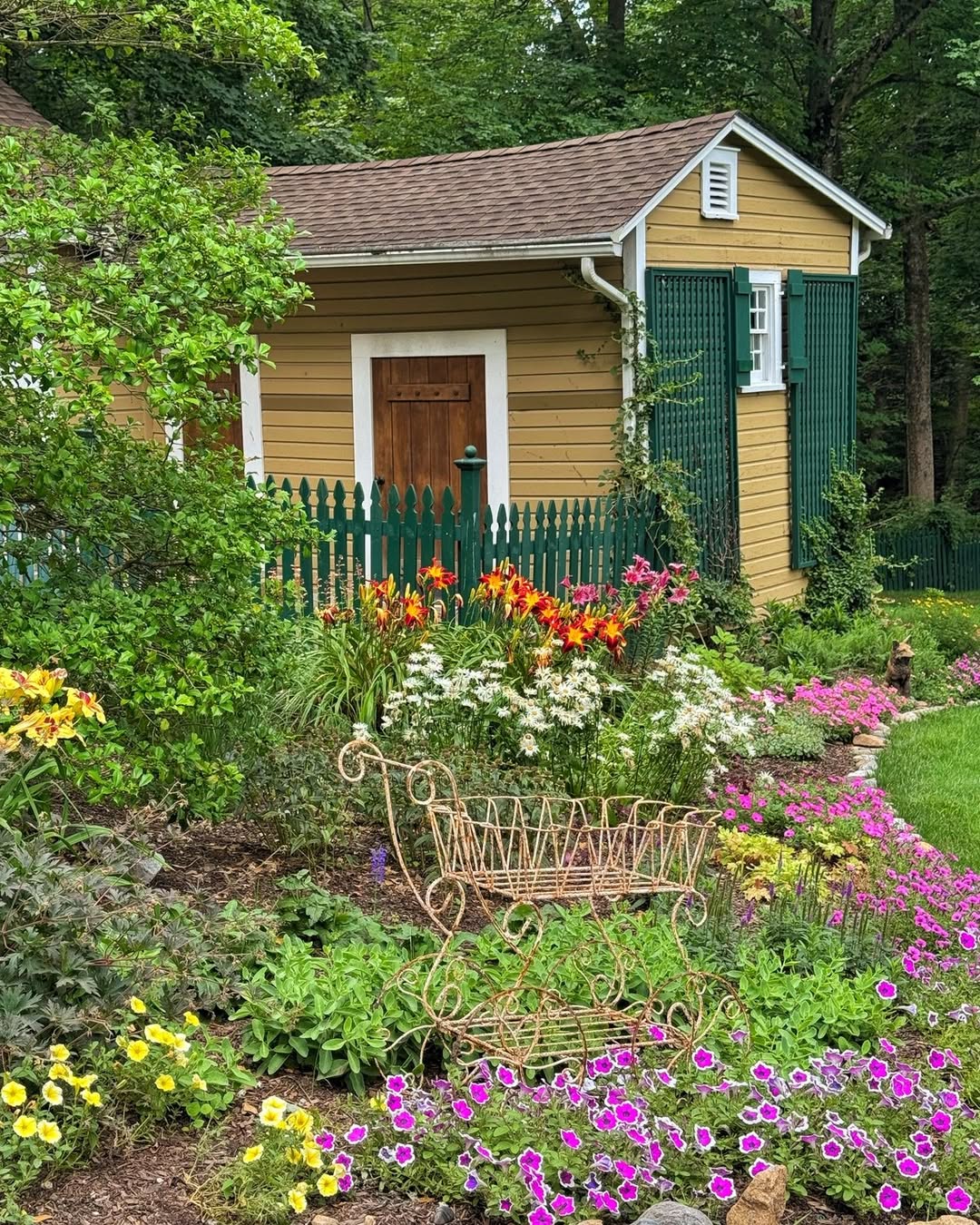
This style focuses on the informal, whimsical pattern with a combination of flowers such as roses, lavender, and daisies. Stone or gravel paths may be used, and benches and little garden buildings are also ornamental. Plants tend to be clustered together to give a natural, unplanned appearance. The bright colors and diverse textures make it vibrant and lively, and fit well with those homeowners who prefer a warm and welcoming environment. Climbing plants added to trellis or arbors add to the romantic effect. Cottage gardens suit smaller to medium-sized yard areas, giving beauty as well as usefulness to the outdoors.
Tropical Flower Garden
Credit@tropicalgardencw
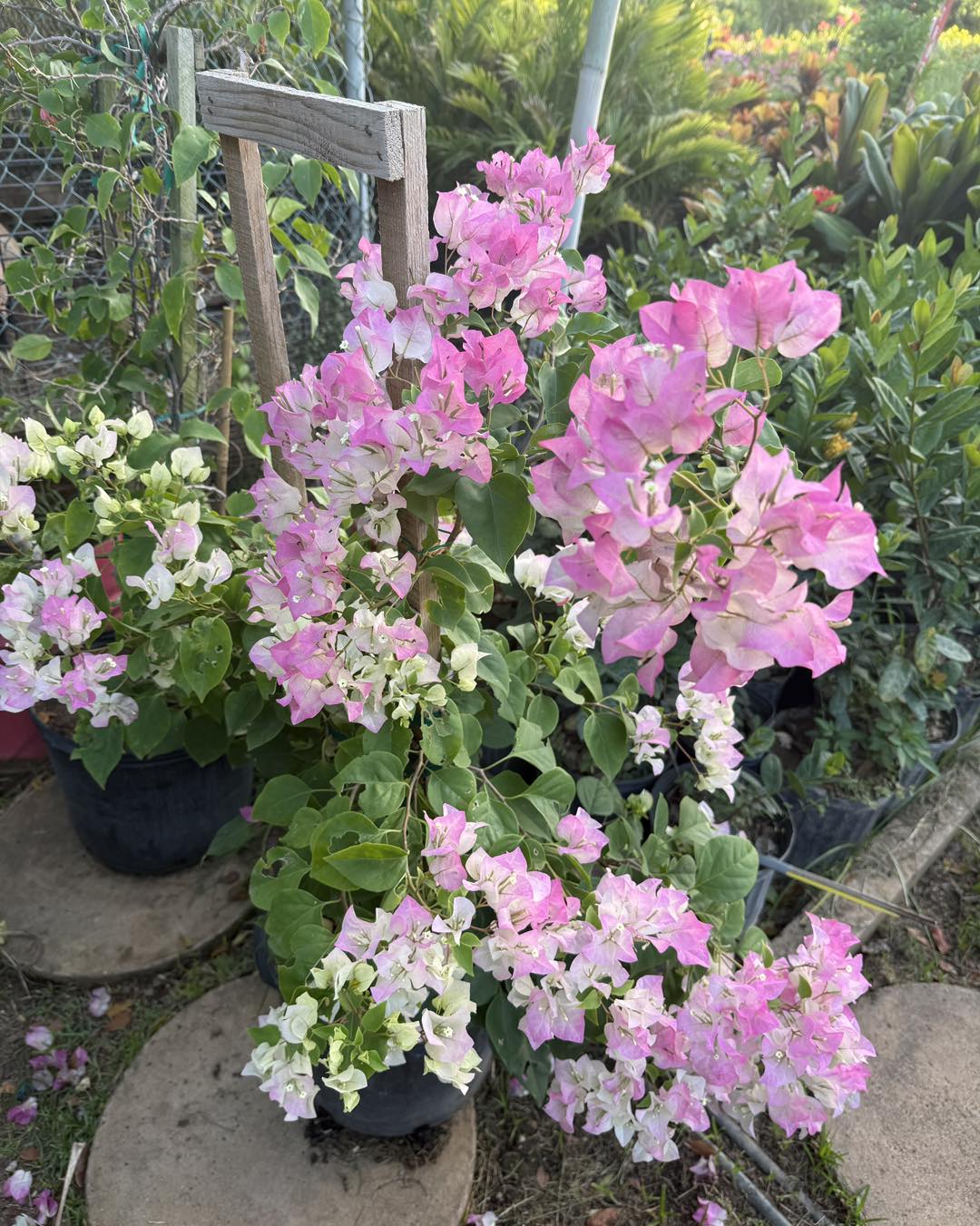
A tropical garden is concerned with plants such as hibiscus, bird of paradise, and bougainvillea, among other bright flowers and foliage. The dramatic, exotic appearance is made by huge leaves and bright colors. Additional elements to the tropical feel include the incorporation of water features such as small ponds or waterfalls. Planting underlay and wavy lines adds texture and variety. These gardens are grown in warm climates and need to be watered and maintained frequently. Homeowners who desire the bold and colorful outdoor environment that is vacation-like should have tropical flower gardens. They are appealing to pollinators as well as a beautiful sight.
Zen Flower Garden
Credit@andersonjapanesegardens
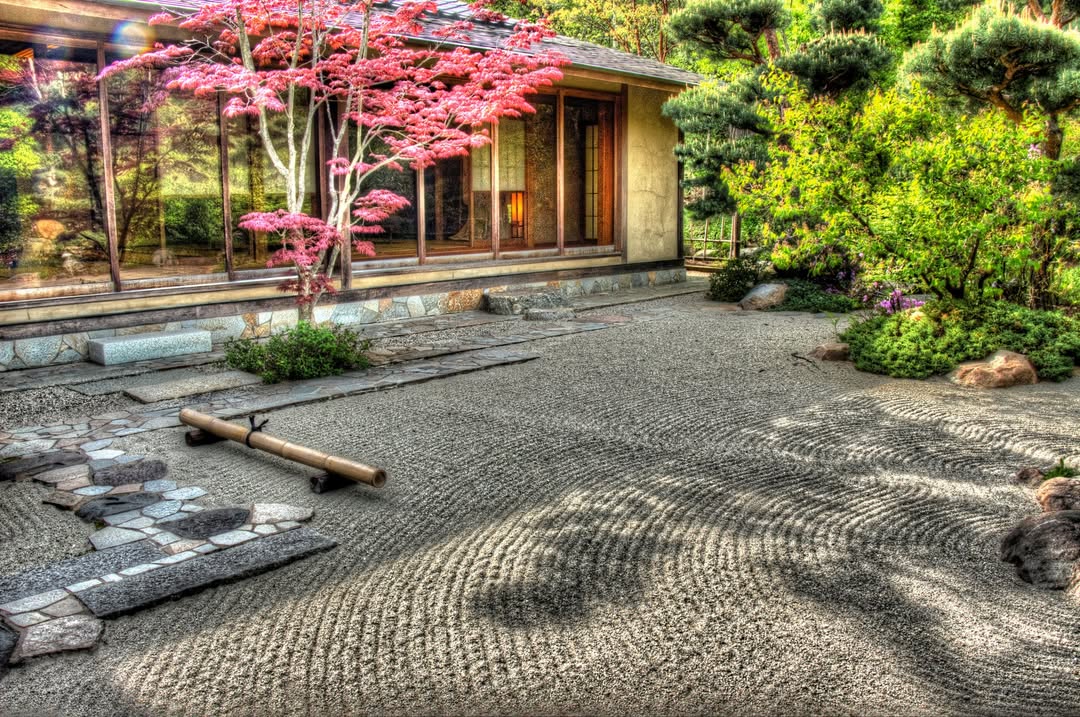
A flower garden based on Zen is conducive to peace and meditation. It is commonly characterized by austerity in the garden design, gravel walks, bonsai shrubs, and spare, flowering plants such as cherry blossoms or orchids. Patterns are created with stones and sand as a symbol of balance and harmony. It is focused on simplicity and tranquility instead of color profusion. Water elements such as mini fountains or bamboo water spouts are tranquilizing. Zen gardens can be used as meditation or relaxation areas in your backyard. They need fleshy care and are an oasis out of the hectic everyday life, although they also include some colored flowers now and then.
Formal Garden
Credit@ianbarkergardens
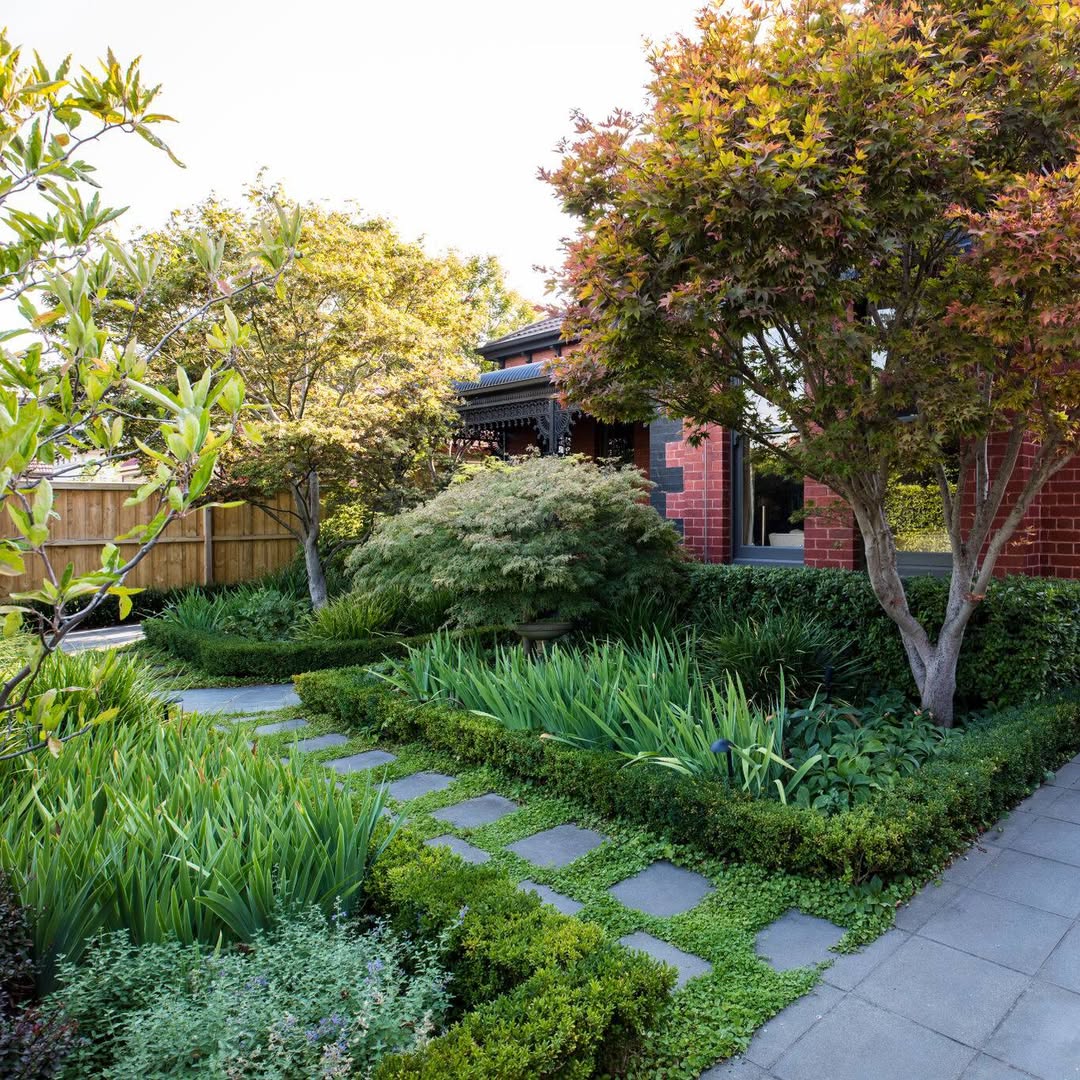
Symmetry and strict designs characterize formal gardens. Flower beds are frequently designed in a geometric format, and there are well-marked paths and clipped hedges. Color variation can be done using seasonal flowers such as tulips, roses, and marigolds. There are fountains, statues, and topiary to provide elegance and sophistication. These gardens are perfect in spaces that are very large, in which structure and order are given importance. They need frequent maintenance and clipping, yet also offer a grandiose time-honored look. Formal flower gardens suit homes that have traditional architectural design or any individual who appreciates an elaborate, sophisticated garden design.
Wildflower Meadow Garden
Credit@monroviaplants
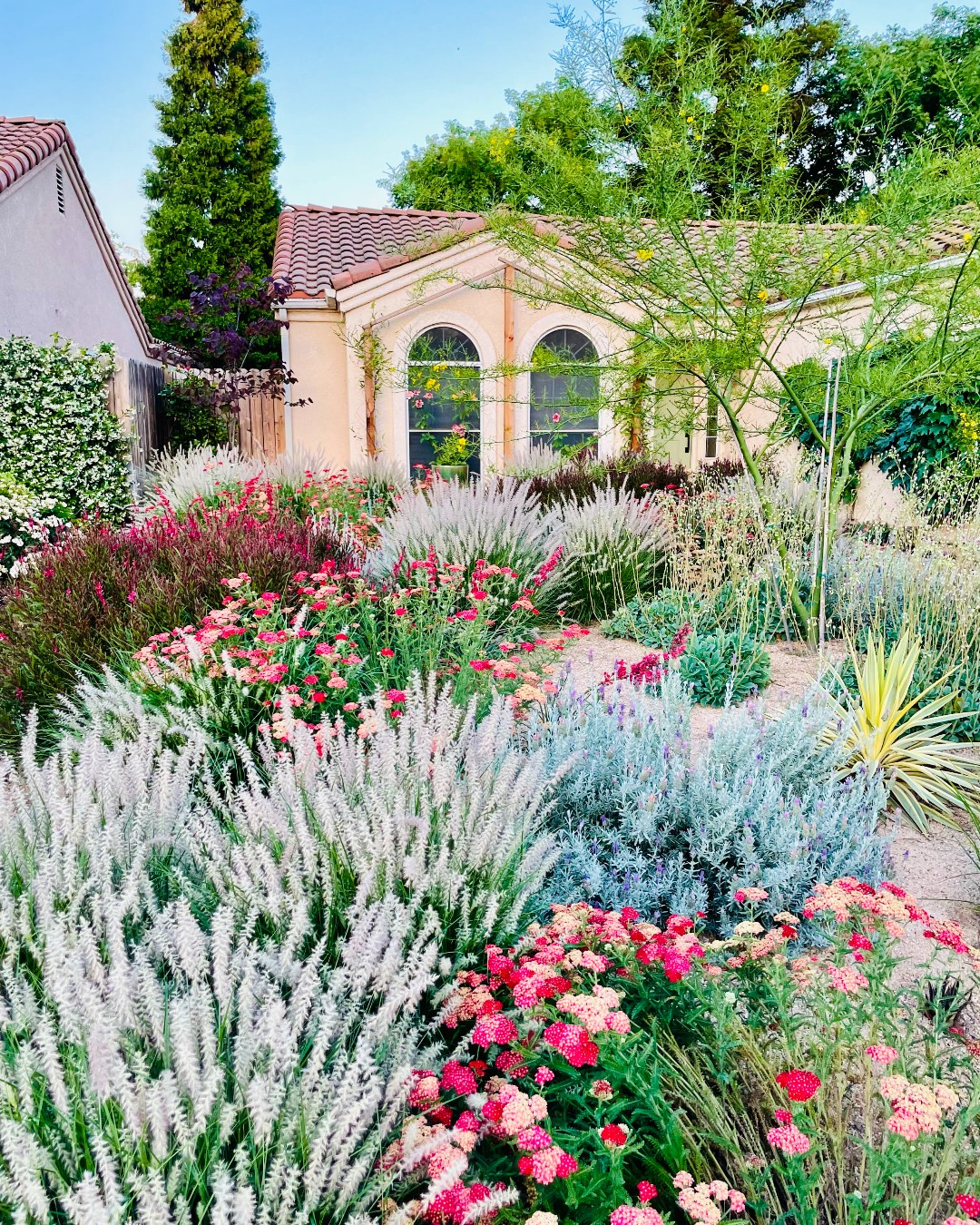
Wildflower gardens are imitations of natural meadows that cover flowers that are native to them, such as poppies, cornflowers, and daisies. They do not need a lot of maintenance and lure butterflies, bees, and birds. Wild flower gardens are informal and pretty, as well as they encourage biodiversity. They are the best choice for environmentally-friendly homeowners whose gardening interest is sustainable. The clustered planting and leaving of areas untouched provide a natural flow. The season of wildflower meadows has its ups and downs as it changes in appearance. These gardens can be best suited to large open areas, or even to smaller urban parcels when thoughtfully laid out, and provide a natural, carefree feel that is alive.
Rock Garden with Flowers
Credit@lovely.harbor
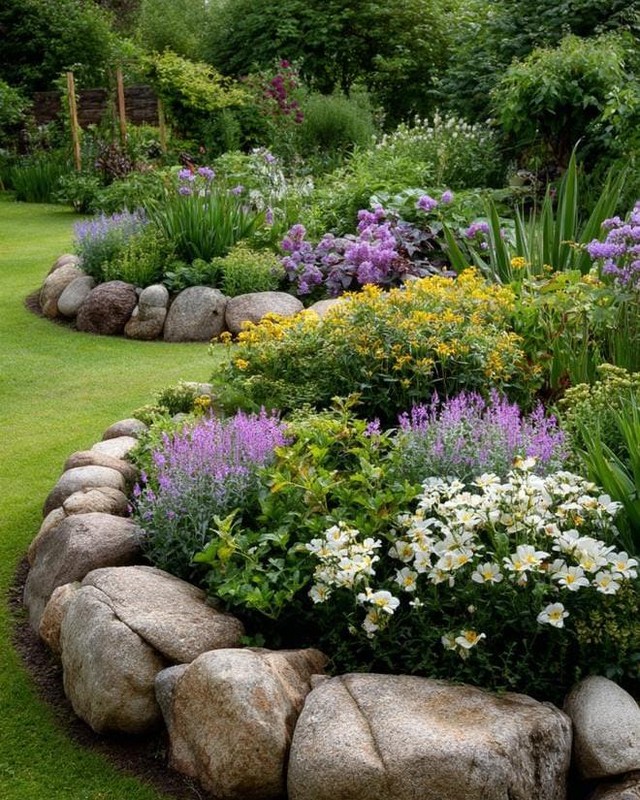
Rock gardens are a combination of stones and flowering plants in order to form a textured landscape. Such plants as alpine plants, succulents, and creeping phlox are suitable for crevices and slopes. Rocks are beneficial in terms of drainage and aesthetics. This kind of garden is best suited to slopes or irregular surfaces. Inclusion of small paths or waterfalls beautifies it. When designed using the right plants, rock gardens are low-maintenance and drought-resistant. They are modern and rugged, yet at the same time, they include colorful blooms. Ideal to use by homeowners who want a practical and attractive-looking garden that is also unique.
Butterfly Garden
Credit@dubaibutterflygarden
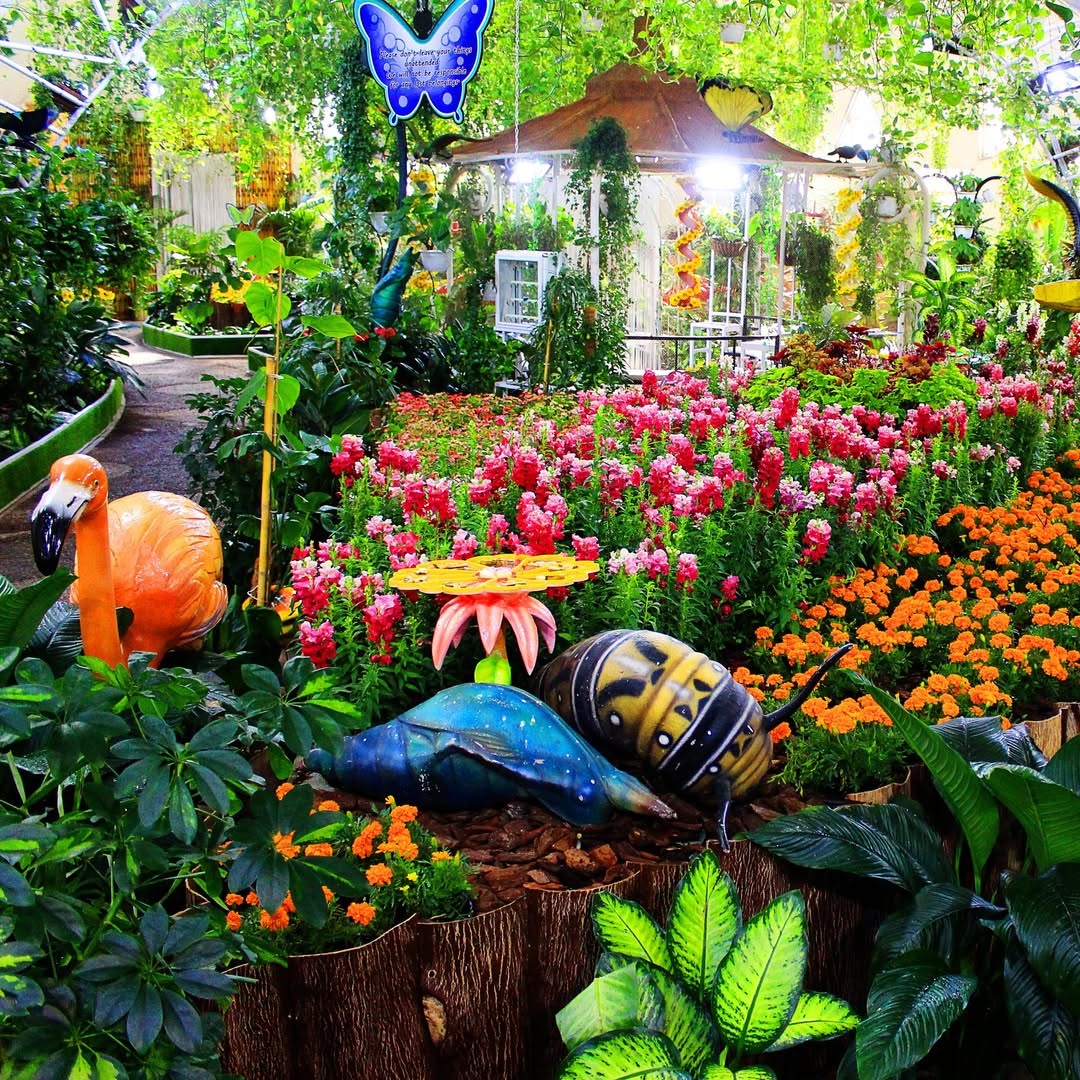
A butterfly garden is created to be visited by the pollinators because of the colorful and fragrant flowers, such as lantanas, zinnias, and milkweed. Planting flowers, shrubs, and host plants rich in nectar guarantees the prosperity of butterflies. They can also be enhanced by adding a source of water or a shallow birdbath. This type of garden also encourages biodiversity, and this teaches children about nature. Butterfly gardens are active and festive places of motion and color. The areas and the shaded areas enable you to appreciate the show. They are effective in both small and large yards, which is an interactive experience that provides a blend of beauty and the environment.
Vertical Flower Garden
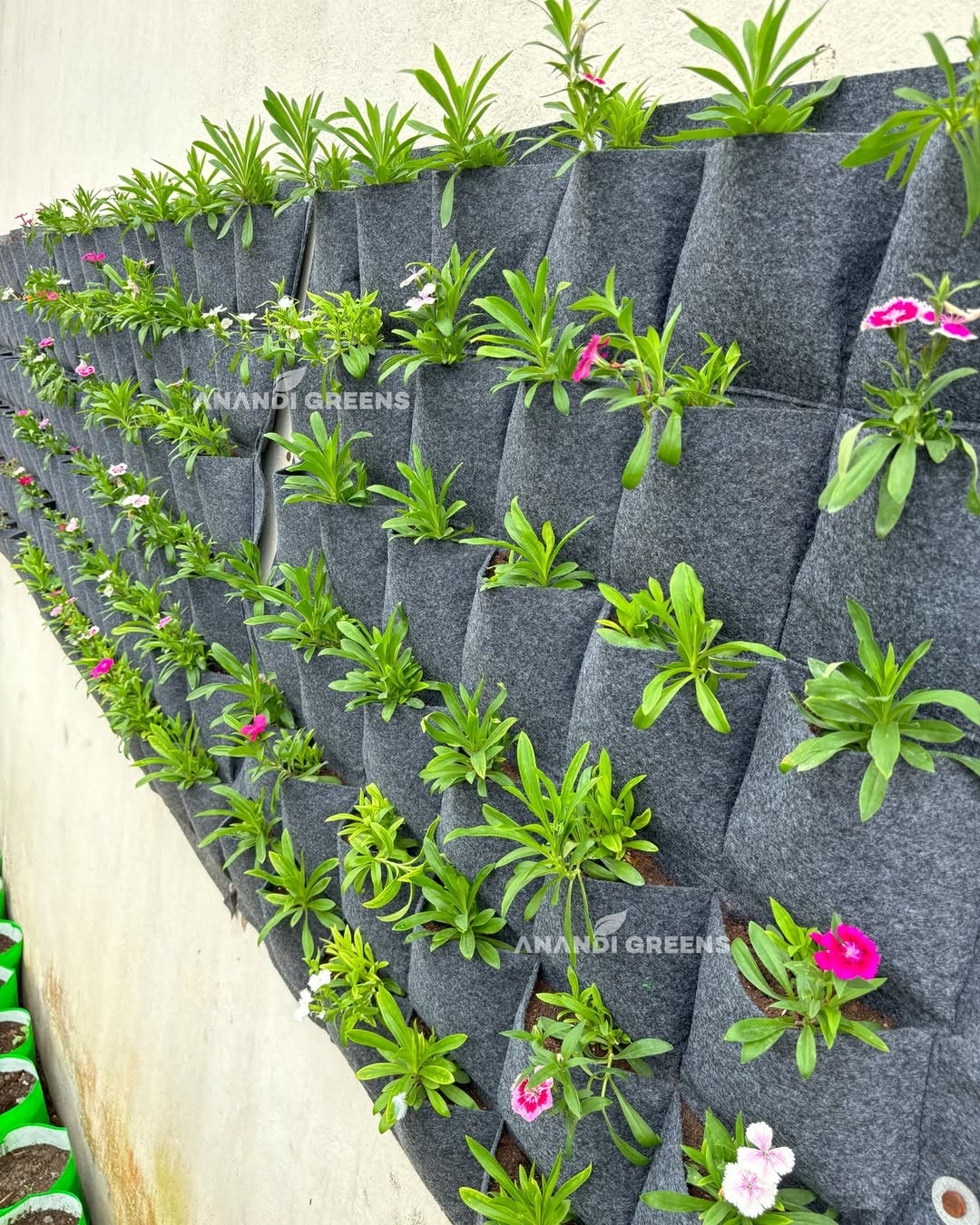
Credit@anandi_greens
Vertical gardens are perfect to suit small areas and are planted in walls, trellis, or hanging platforms to enable flowers to grow vertically. The best options are petunias, fuchsias, and ivy. This will help to maximize space and green up the walls or fences. Vertical gardens may also be ornamental, practical, and spectacular, especially in cities. They need special care of watering and support systems, but they pose a beautiful visual impression. Plants that are cascading or flowering vines are added to improve the aesthetics. Vertical flower beds transparently suit the balconies, patios, or small yards that have little horizontal room, and enable creativity and beauty in areas that are small.
Container Flower Garden
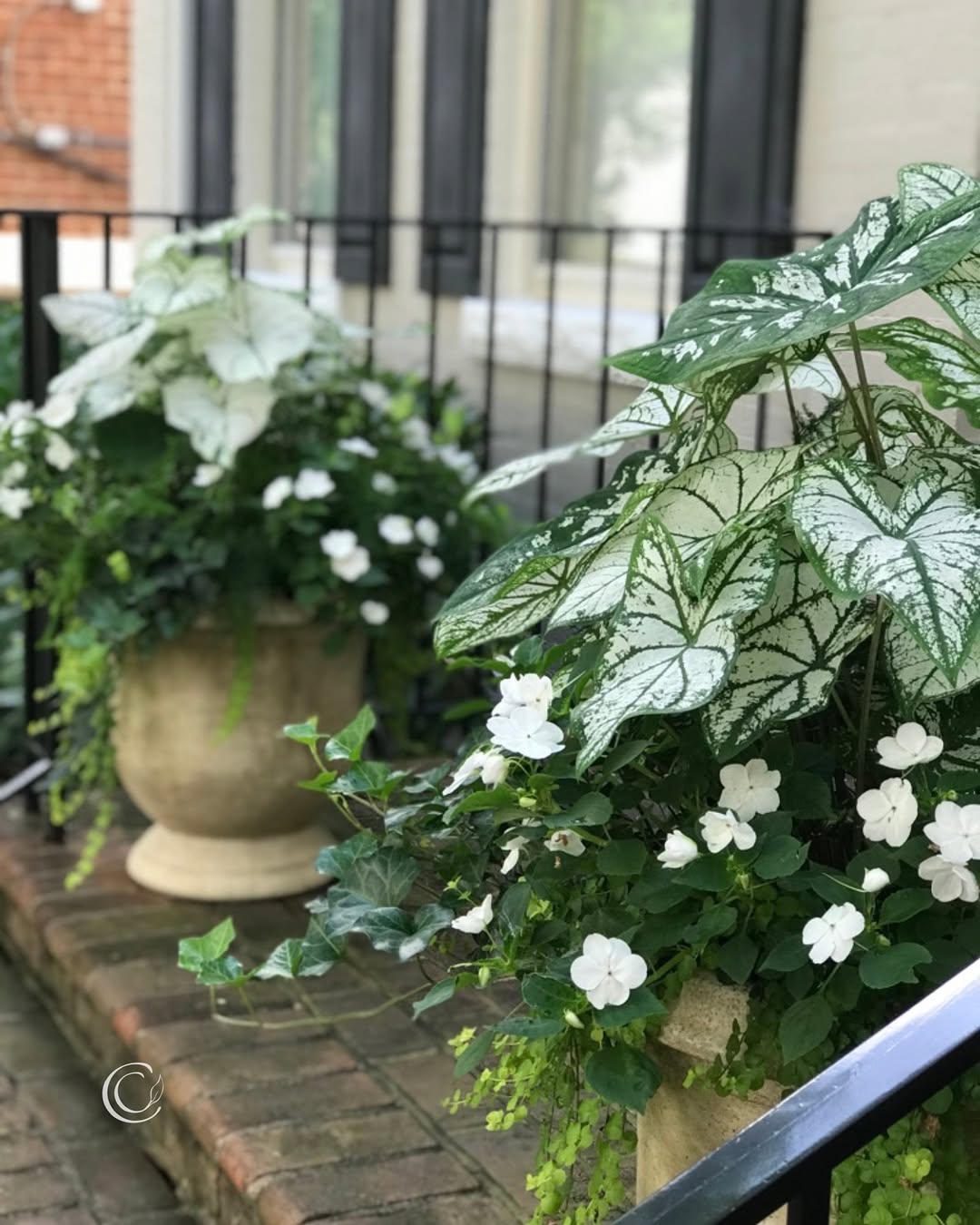
Credit@contained_creations
Container gardening works via the flexibility of pots, planters, and raised beds. Marigolds, geraniums, and pansies are some of the flowers that do well in containers. Plants can be easily moved to access the sun or adapt to the season. This kind of garden is appropriate in patios, balconies, and small yards. Containers will be ornamental and will fit the home design. It is cheaper to maintain than conventional gardens and has the advantage of controlling the quality of soil and drainage of water. Also, container gardens provide an opportunity to experiment with the color and combinations of plants. They can be used by amateurs and urban residents who desire a colorful mobile flower garden.
Seasonal Flower Garden
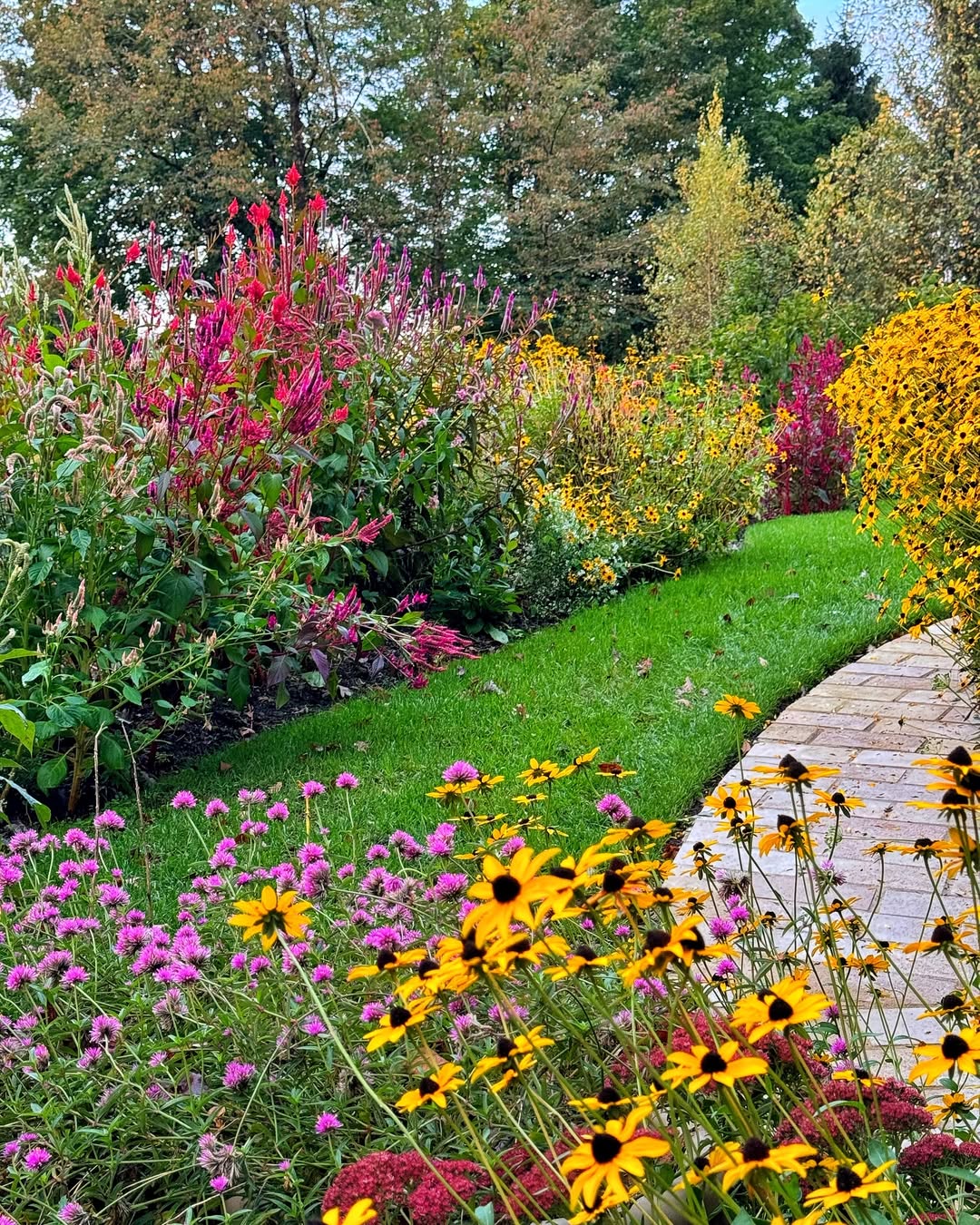
Credit@bricksnblooms
Seasonal gardens are centered on jewels that flower at various seasons. Tulips and daffodils in spring, sunflowers in summer, chrysanthemums in fall, and pansies in winter will keep the garden in color all year round. It involves scheduling and the transfer of plants and ensures the garden is alive during the seasons. The visual quality is accented by borders, pathways, and decoration. Seasonal gardens are ideal for homeowners who enjoy variety and desire an outdoor environment that is dynamic and constantly changing. Genuine soil preparation and selection of plants are vital to success as they offer a garden that grows fantastically throughout the year.
Maintenance Tips for Landscape Flower Gardens
- Water on a regular basis, remembering seasonal requirements.
- Use mulch to keep the soil moist and to suppress the weeds.
- Cut off and remove flowers, so that new ones will grow.
- Plant indigenous or weather-suited flora to maintain it more easily.
- Plant fertilizers seasonally and have plants that will grow and produce flowers.
- Check plants constantly for pests and diseases; resort to organic remedies where possible.
- Have the garden path trimmed and edges neat and in order.
- Turn seasonal flowers into flowers year-round.
- See that there is adequate exposure to the sun, depending on the needs of the plants.
- Aerate soil at times to enhance drainage and root well-being.
Conclusion
A landscape flower garden is the only way of making any outdoor space a beautiful, relaxing, and practical place. With the right planning, imagination, and consideration, your garden could be in full blossom all year round and give you aesthetic comfort and psychological health. Fancy a formal garden, wildflower meadow, or tropical paradise? There is a style that will match every taste and space.
FAQs
Q: What are the ways I select flowers for my landscape garden?
A: Take into account your weather, soil type, sunlight, and seasonal flowers. Native vegetation is low-maintenance and sustainable.
Q: Watering My Flower Garden, How frequently should I water my flower garden?
A: The average weekly water requirement of most gardens is 1-2 inches of water, although this depends on the type of plants and the time of the year.
Q: Is it possible to grow a garden in a small backyard?
A: Yes! Maximize space by using containers or vertical gardens.
Q: What do I do to keep off pests without the use of chemicals?
A: To get rid of pests naturally, introduce beneficial insects, apply neem oil, or companion planting.
Q: What can I do to get my garden to grow all year round?
A: Have a combination of perennials and annuals, which flower at various times of the year, and switch them every season.