![Hey Decor Girl [Latest Trending Decor Design Ideas]](https://heydecorgirl.com/wordpress/wp-content/uploads/2024/08/Heygirldecor-Logo.png)
A garden wooden pathway is not a mere practical addition to your exterior area, but rather a form of beauty which provides order, direction to the visitors, and enriches the atmosphere of your garden. Wooden pathways were one of such materials, which have a natural look, coziness, and practicality. Whichever type of garden you may have, be it modern, rustic, or traditional, wooden walkways are beautifully integrated with greenery, flowers, and other landscape elements. They provide a friendly environment and are used to block foot traffic on your lawn and also to demarcate garden areas.
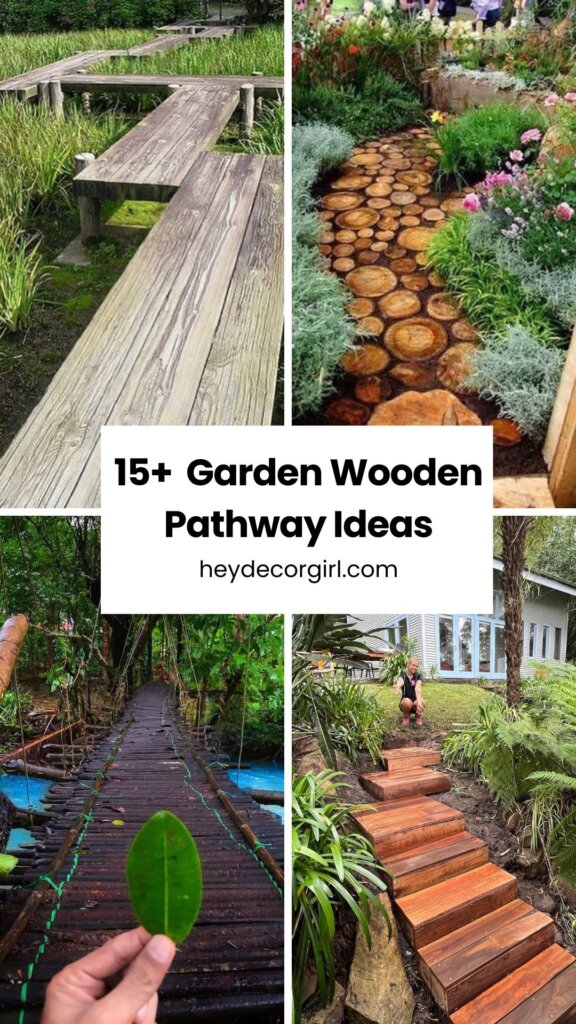
Wooden pathways may be as simple as planks to a seating place, or they can be complex with interlocking boards or elevated wooden stepping stones. Not only are they appealing to the eyes, but they are also practical and can be used on rough or wet terrain, because it has a stable surface. Moreover, wood is a friendly material to the environment, and it adds a natural touch to gardens. Wooden paths are lasting and can be used for years with proper care, thus providing an outdoor environment with a beautiful touch of age.
Popular Garden Wooden Pathway Ideas
Here are some stunning ideas to inspire your garden pathway lights:
Classic Plank Pathway
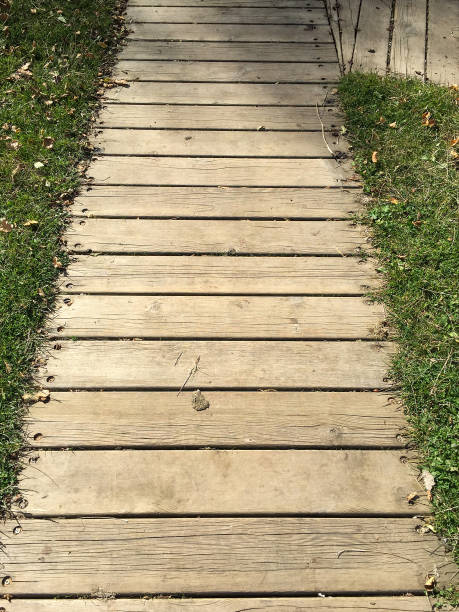
A traditional plank pathway: This is a simple and yet elegant path that is made out of long and straight wooden boards. It suits the traditional, the modern, or the rustic setting, providing order and a neat appearance. Spacing the planks is important to allow the planks to drain and allow plants to grow, and the selection of the treated wood is because it can withstand rot and insects. The sides can be lined with flowers, shrubs, or garden lights to make it pretty. This type is ideal to use in primary garden pathways or accessing patios and seats, as well as giving utility and an endlessly classic look that fits in with the greenery.
Stepping Stone Wooden Path
Credit@Crafty Morning
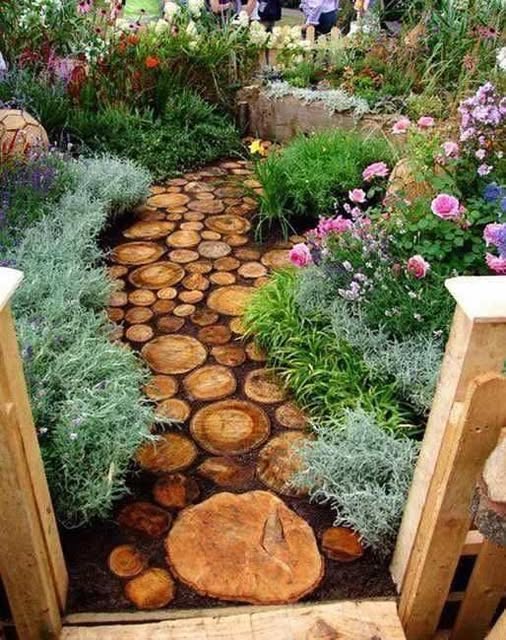
Another type of stepping stones is made out of wood, which makes your garden look like a playground. Small planks or blocks are spaced at a distance, permitting grass, moss, or groundcover to grow in between, which makes it feel natural and organic. It is especially suited to smaller gardens, joining patios, flower beds, or water features. The plank sizes, shapes, and spacing are all subject to divergence to add some interest and personality. The stepping stone path provides a slower relaxed pace of movement through the garden without wearing down the lawn. It suits well in any cottage or backyard, or Zengardens, with its functionality and rustic appeal, as well as whimsical look.
Raised Wooden Walkway
Credit@landscape.design.ideas
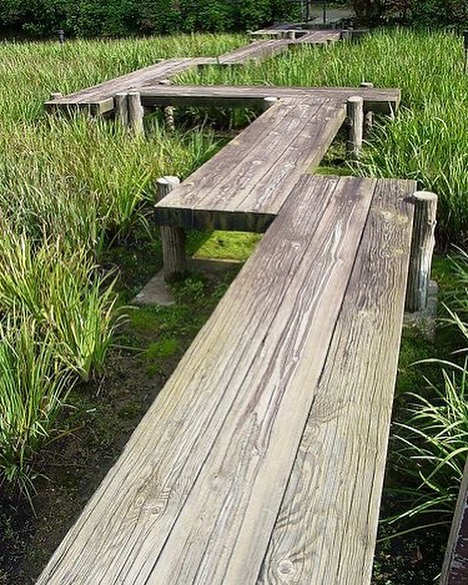
Gardens with uneven soil or wet soil are better served with raised wooden walks. Lifting the path to the ground will avoid water-logs and safeguard sensitive vegetation. The boards may be stacked on wooden or metal supports to give the effect of a boardwalk. The design will bring a new luxurious look to your garden and enhance its levels of accessibility. The raised paths are ideal around ponds, wetlands, or sloping gardens. Sturdier pressure-treated wood is used to achieve a long life span. You may include handrails or incorporate lighting to be safe and attractive. This design integrates functionality, style, and durability, thus being a practical and yet stylish addition to your outdoor space.
Also Read: Brighten Your Outdoors with Solar Garden Lights
Curved Wooden Path

Credit@thebagabeachresort
The wooden walkways are curved, and they take a zigzag design that will make your garden look bigger and more active. The soft curves lead visitors through the flower beds, shrubs, and scenery to form a playful, carefree ambiance. It is a suitable design in a formal as well as an informal garden. Gravel, moss, or low groundcover can be mixed with wooden planks or stepping stones to increase the natural effect. Curves soften the sharp garden designs, introduce variety, and make them more exploratory. It is ideal to bridge a seating place, a pond, or a space in the garden that you have hidden, making every walk an adorable, full experience in your outdoor retreat.
Mixed Material Pathway
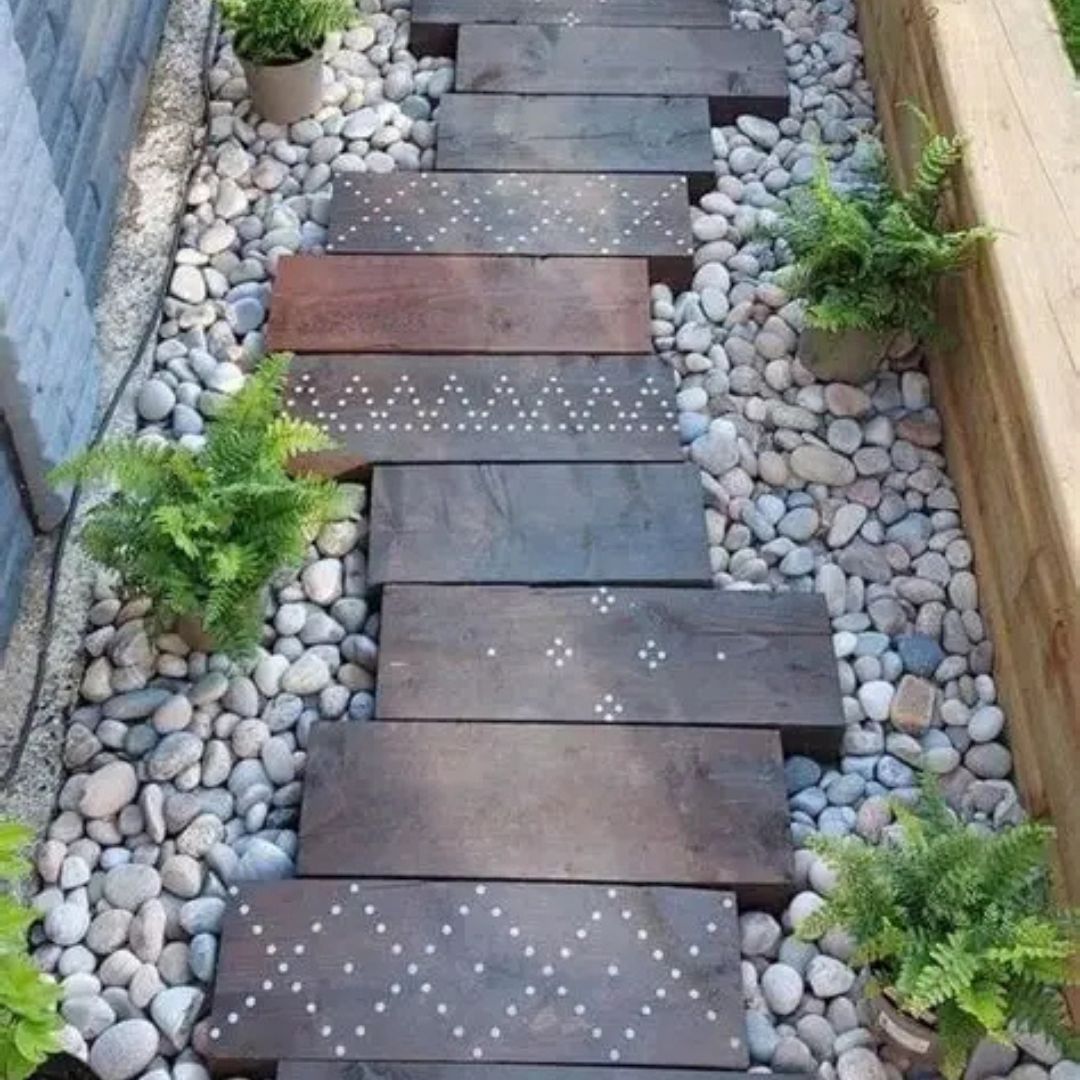
The mixed material paths are the ones that are mixed with wood, stones, gravel, or pebbles to add texture, visual and durability. Wooden planks may be used as stepping stones in gravel or stone trails, which are warm and natural. This design is creative, and it can be designed with various types of woods, colors, or finishes to match the immediate landscaping. Mixed material paths are suited to contemporary, rustic, or cottage gardens, giving texture and depth to the visual appeal. They enhance the drainage system, ease the soil compacting, and direct foot traffic, besides giving your garden a distinct, attractive feel. Plants or edging are optional to complete the overall out-of-doors effect.
Reclaimed Wood Pathway
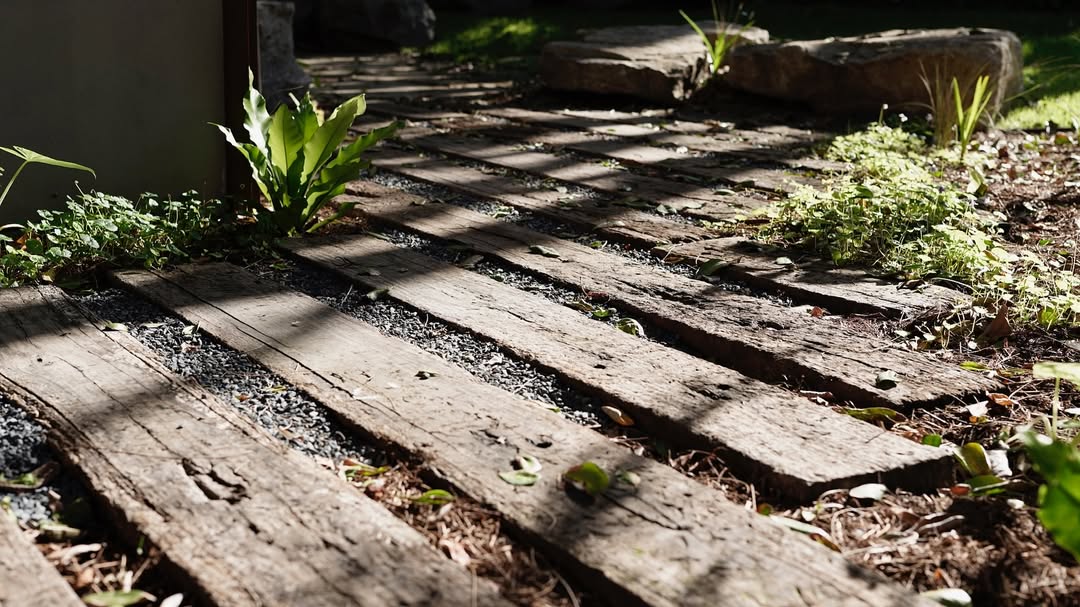
Credit@offtherails_byronbay
Reclaimed wood walkways are made of used wood from old furniture, barns, or pallets, and they give a rustic look, which is environmentally friendly. The texture of each plank is different, as well as the color and the character they possess, contributing to the garden with a personality and coziness. This design is suitable for cottage, country, and green-conscious gardens. Reclaimed wood is also weathered, which means that it does not require a lot of finish. It may be made of straight planks, stepping stones, or mixed designs in order to be interesting. Preserving the wood against rot and insects. Reclaimed wood walks are best in providing sustainability, low cost, and classic appeal, and are an ideal element in any outdoor environment.
Also Read: Japanese Garden Pathways
Bamboo Wooden Path
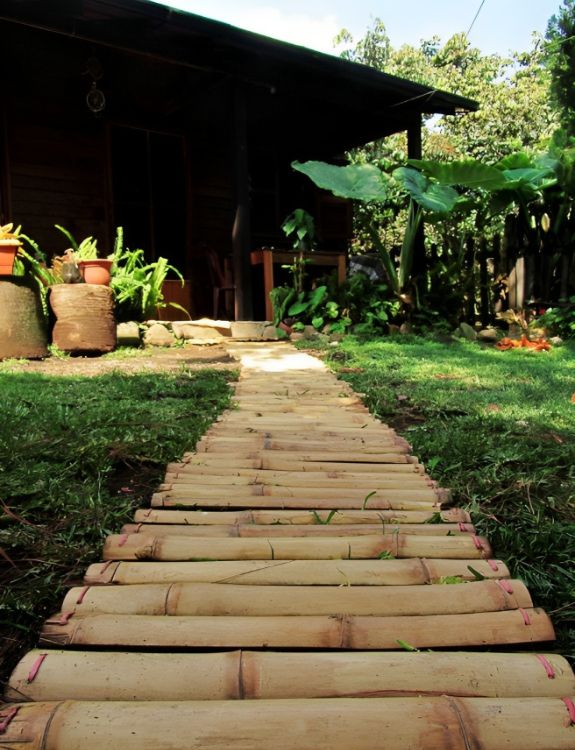
Bamboo walkways add a light, eco-friendly as and tropical touch to gardens. The bamboo is tough, flexible le, and inherently waterproof and insect-resistant, hence it is ideal to use outdoors. This style is perfect in Zen, tropical, or Asian oriented gardens. The bamboo may be long planks, short stepping stones,s n interwoven mats. Its natural golden shade is very well blended with greenery, rocks, and water features. Bamboo pathways are environmentally friendly, they are simple to maintain, and fast to set up. Lighting, rocks, or little plants on the borders will add to the calm, spa-like atmosphere of your garden.
Floating Wooden Path
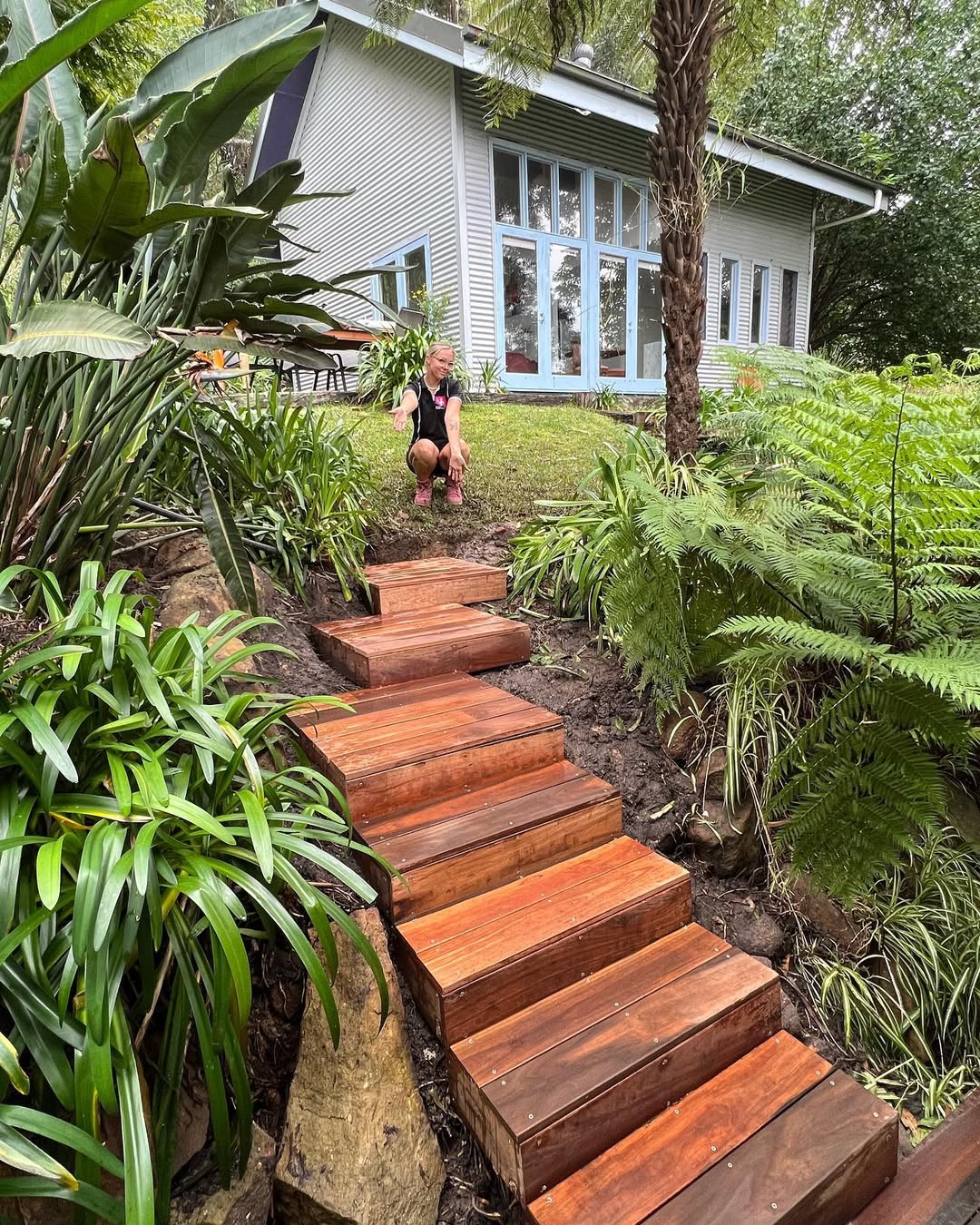
Credit@sydneybuilderchick
Wooden walkways have the appearance of floating just a bit over the ground with the support of concealed posts or bricks. This contemporary design is aesthetically bold, and it is suitable for rough or wet gardens. Floating walks stroll visitors gracefully across the lawn, water features, or even hilly slopes without disturbing any plants beneath. They may be straight, curved, or geometric and allow flexibility in design. Dure wood is long-lasting and treated; this is the best choice, and a small light can be added to create the magic effect of the night. The floating wooden paths are stylish, functional, and innovative, and they provide a high-end focus on the whole garden experience.
Wooden Bridge Path

Credit@goa_darling
Wooden bridges are implemented to improve the garden paths when passing through water bodies, small streams, or ponds. Bridges may be plain, arched, or decorative and fit in the greenery. They are functional as well as being a beautiful visual focal point. The construction is made of such materials as cedar, redwood, or teak, which make it strong enough and not liable to water damage. Railings, steps, and patterns can be added to the bridges to make them more decorative. Wooden bridge paths are ideal in Japanese gardens, cottage gardens, and landscaped giving themvithem it a class of elegance and adventure and a sense of travelling in the garden. They not only promote exploration, but also intertwine individual regions with perfect naturalness and beauty.
Also Read: Solar Pathway Garden Lights
Patterned Wooden Path
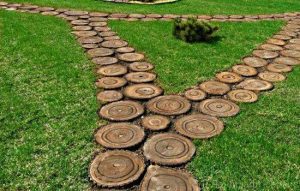
Wooden pathways have some creative layouts of planks to provide texture and aesthetic appeal. The styles can be herringbone, chevron, geometrical shapes, or interlocking. This design raises the modern or formal gardens, and the pathway becomes a design in itself. Striped designs are effective in doorways, courtyards, and linking features such as fountains or benches. Composite materials such as treated wood are very durable and need less maintenance. Patterns used in combination with plants, gravel, or lighting will help to improve the overall appearance. Beautifully painted wooden walkways make an ordinary path an art masterpiece and mix functionality with art and style to create an eye-catching outdoor adventure.
Tips for Installing a Wooden Garden Pathway
- Select the Right Wood: Select pressure-treated wood, cedar, redwood, teak, or bamboo as a durable, rot-resistant, insect-resistant, and moisture-resistant wood.
- Plan Your Path: Measure the area of the garden and sketch the plan, with curves or straight lines, or stepping stones.
- Build the Base: Dig the site and make the ground level, and create a stable base with compact sand, gravel l or crushed stones to avoid settling.
- Proper Drainage: There should be small gaps between planks, or make some portions a bit above the rest, so that the water will flow off.
- Fasten the Planks: Nail or screw planks in place to eliminate drifting and knocking.
- Take into account Elevation: In case of uneven or wet surface, insert raised steps or floating boards to ensure that the wood does not get rainy or wet.
- Add Edging: Place a border of stone, bricks, or plants to ensure that the path remains straight and the foot traffic is directed.
Tips for Maintaining a Wooden Garden Pathway
- Seal the Wood: Also apply an annual coating of outdoor wood sealant or varnish to seal out moisture and UV rays, and insects.
- Periodic Cleaning: Remove leaves, dirt, moss, and algae to avoid slippery floors and deterioration.
- Look at Damages: Determine whether there are cracks, loose planks, or rotting wood, and fix or replace as necessary.
- Avoid Water Ponding: Make sure drainage holes are clear, particularly afterrainn
- Non-Slip Treatment: To be on the safe side, use textured surfaces or anti-slip where there is water.
- Maintain Surroundings: Prune plants, eliminate overgrowth, a nd maintain edges clean to improve aesthetics and avoid impediments.
- Check Supports: Periodically check posts or supports, where unstable by reinforcing or checking the post.
You May Also Like:
| Garden Pathway Lights | Garden Pathway Stepping Stones |
| Garden Pathway Ideas | Shade Garden Plants |
| Small Fence for Garden | Chicken Wire Garden Fence |
| Garden Solar Bulb Lights | Small Home Garden Ideas |
FAQs
Q: What can I do to avoid the rotting of wooden pathways?
A: Drainage must be adequate, there should be a slight distance between the planks, and the path may need to be raised. Use treated wood or rot-resistant wood and apply a sealant after some intervals. Several other ways of using the water to prevent decay can include cleaning moss, debris, and water regularly.
Q: What is the length of a wooden pathway?
A: When well installed and maintained, a wooden garden pathway can be used to last between 10-20 years, depending on the type of wood, exposure to the climate, and human traffic. Sealed and treated wood is expected to last longer.
Q: Is bamboo appropriate to be used on the outside walkways?
A: Bamboo is indeed lightweight, strong, and has been known to be naturally moisture and insect-resistant. The process of bamboo treatment and sealing increases the life span of bamboo and preserves the tropical look in the outdoor gardens.
Q: Is reclaimed wood safe to use as pathways?
A: Yes, provided the wood that has been reclaimed is not rotted, or infested, or mouldered. Sand rough edges and apply sealant to enhance the durability and safety, and provide a rustic look.
Q: What can I do to make my wooden pathway attractive to the eye?
A: Blend innovative designs, curves, patterns, or mixes of materials. Plants, garden lights, or edging along the pathway. The beauty of the wood is preserved with time as well due to regular cleaning and maintenance.