![Hey Decor Girl [Latest Trending Decor Design Ideas]](https://heydecorgirl.com/wordpress/wp-content/uploads/2024/08/Heygirldecor-Logo.png)
World-famous Japanese garden pathways are characterized by a peaceful beauty, unity with nature, and careful design. The pathway is one of the most significant aspects that connect these gardens. The Japanese garden pathways are not merely utilitarian in nature; they lead visitors on an experience and provide them with time to contemplate, as well as associate with the natural world. Japanese pathways, unlike the traditional garden paths, which are only there to get from one point to the other, are carefully constructed to give the visitor a better experience by incorporating beauty, symbolism, and functionality.
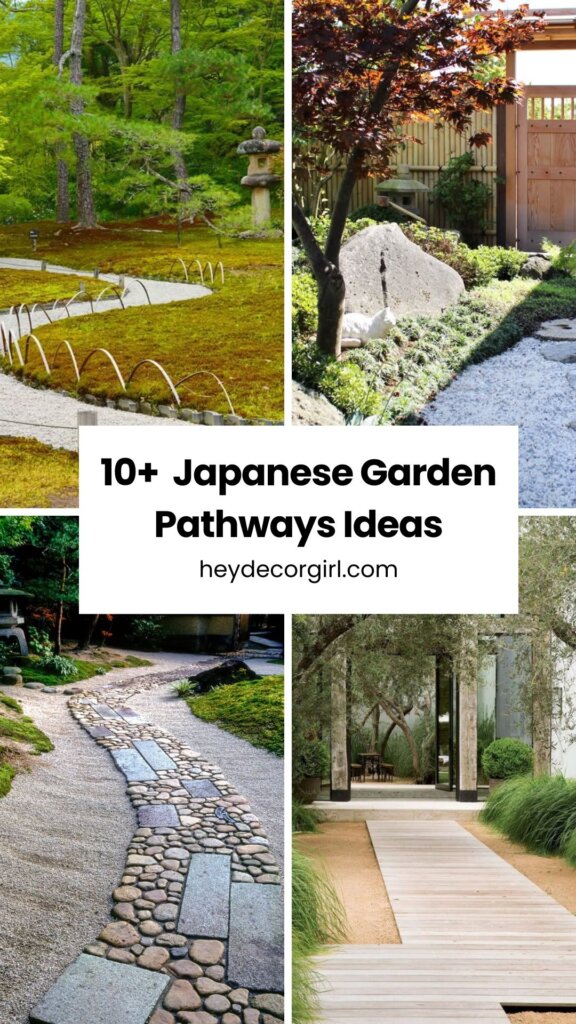
The paths usually mix natural materials, including stone, gravel, wood, and moss, all selected based on their texture, color, and sensory qualities. They are designed in such a manner that they promote mindfulness, slow pacing, and admission of the environment. It is often irregularly laid out in curved lines, stepped stone, and irregular patterns, giving it the appearance of exploration and surprise. The pathways are also useful in incorporating other features of the garden, such as ponds, lanterns, bridges, and bonsai trees, into a harmonious and meditative landscape.
Essentially, a Japanese garden pathway is not just a walkway, but it is a symbolic journey representing the path of life with its twists and turns and silent moments. It asks people to take time and think, and engage in the world of nature, striking a balance between motion and rest.
Top 10 Trendy Japanese Garden Pathways Ideas
Here are some trendy ideas to inspire your Japanese Garden Pathways:
Stepping Stone Paths (Tobi-ishi)
Credit@yamashitaphoto
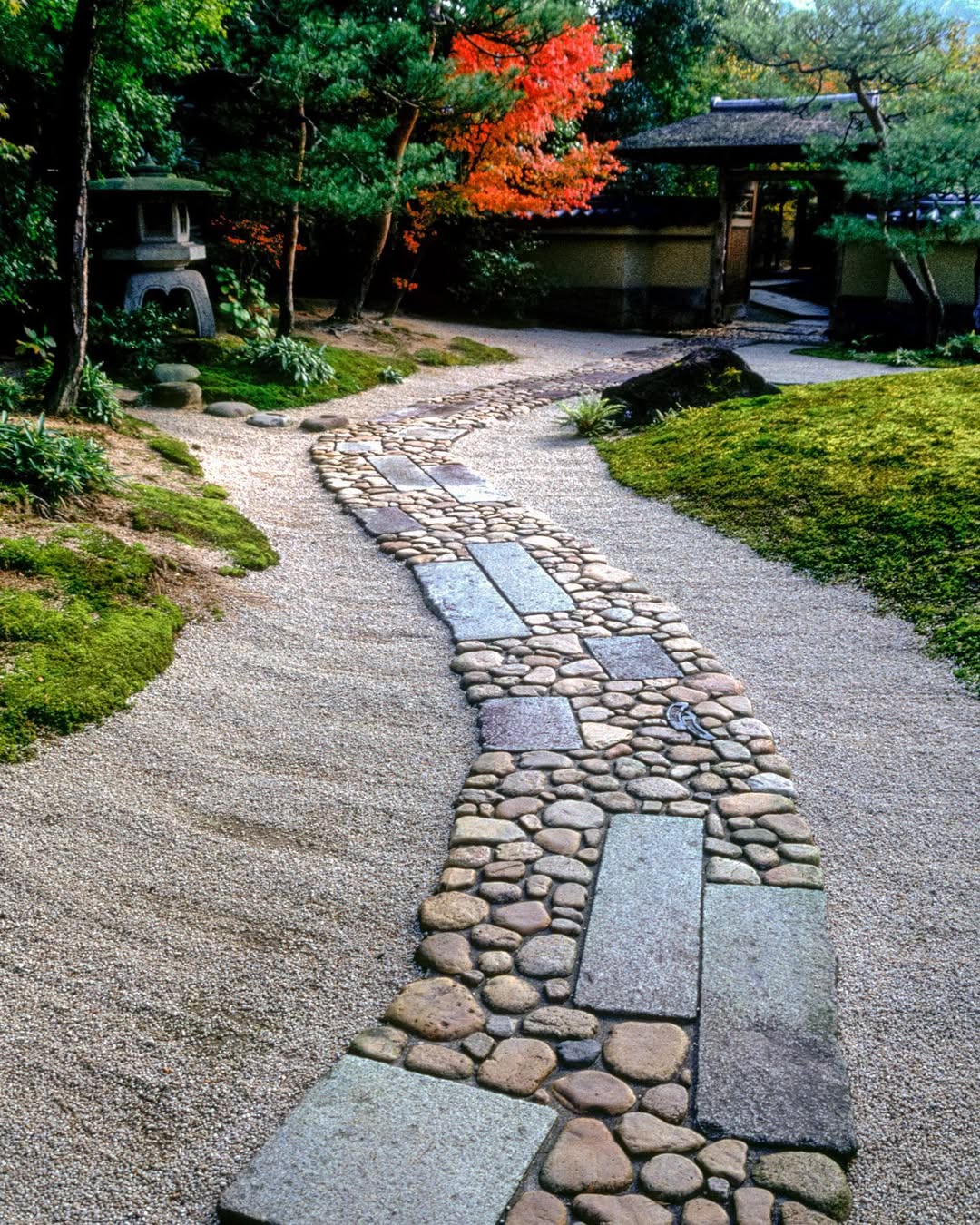
Japanese gardens also use stepping stone paths that are usually composed of unequally shaped stones spaced out. These trails promote slow walking for visitors. They will usually wander through moss gardens, along ponds or lanterns, and this makes them feel like they are exploring. There are spaces between the stones that cause every step to be meaningful, conducive to thought and moderation. It is an ideal style to add depth to a small garden without taking up too much space. Besides this, the stepping stone paths are integrated with greenery around them, so they look everlasting and balanced as they lead visitors through the focal points and the picturesque scenes of the garden.
Gravel Paths
Credit@yokosojapanesegardens
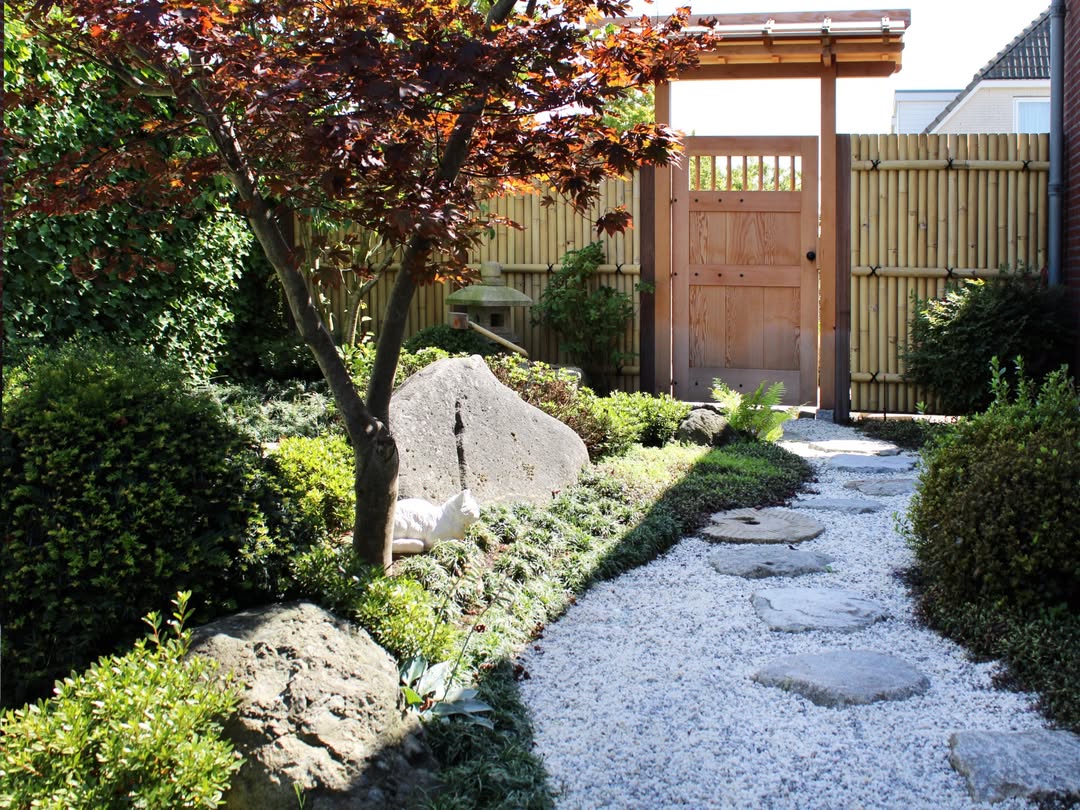
Gravel walkways are a traditional feature of Japanese gardens, which are simple and elegant. They can be raked in designs, in which case they create a meditative visual appearance. The sound of treading on gravel gives it a soft crunching sound, which makes the person more in touch with nature. This is usually along white, gray, or subdued lines, and is in contrast to stone lanterns, ponds, or moss. Gravel is not hard to maintain and can be drained so that it can be used throughout the entire year. These routes usually twist and turn, and in this way, a journey effect is produced. They may be used along with stepping stones or lined up by bamboo to add frame, texture, and naturalism to the garden.
Wooden Plank Pathways
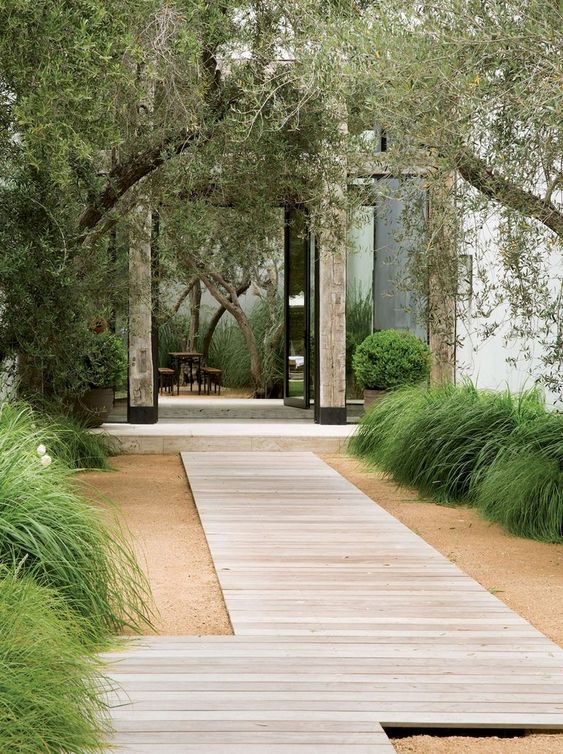
Wet or shady spots are best with wooden plank pathways, which are typically of cedar, pine, or teak. They are raised a little above the surface so that water can flow under them, and yet soil erosion is avoided. These paths are quite rustic and natural and blend with the landscape and greenery. Wooden walkways usually go to a pond, a tea garden, or a seating space, which form a welcoming path. With time, they attain a natural patience that gives them character. Longevity is provided by regular maintenance, including cleaning and sealing occasionally. These are also smooth to walk on, making the transition between various areas of the garden very welcoming and organic.
Also Read: Outdoors with Solar Garden Lights
Moss-Covered Paths
Credit@yamashitaphoto
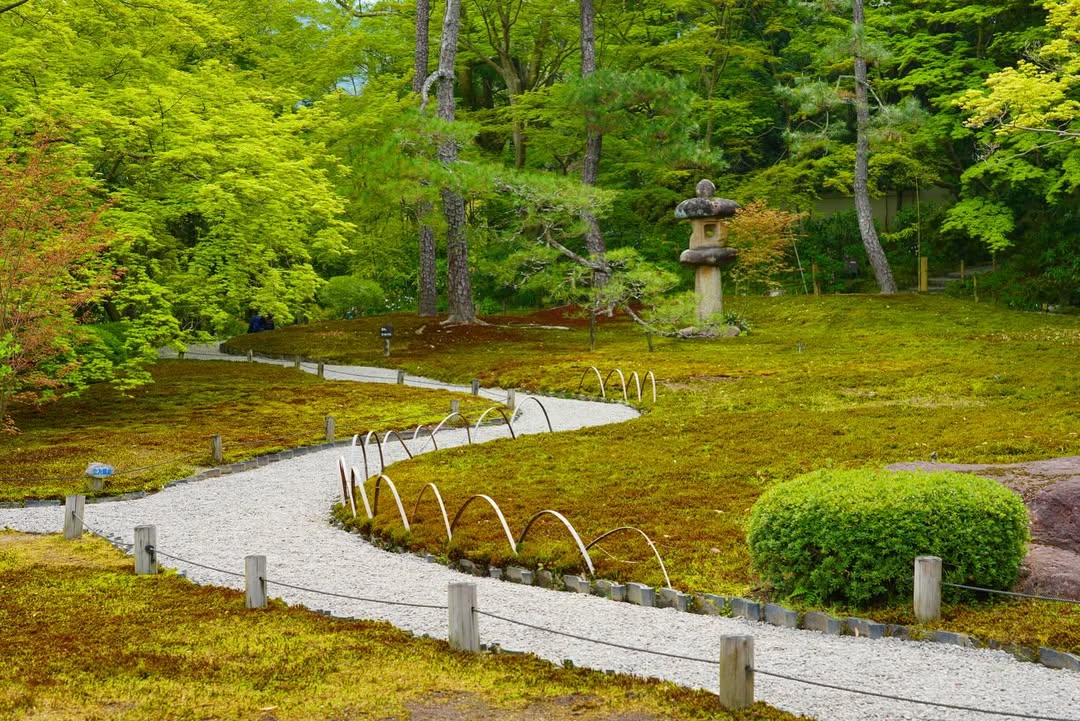
The mossy streets provide a carpet-like green surface, which gives it a relaxing and timeless feel. These tracks grow well in the shady and damp places, and have such a natural, velvety texture that they are pleasant to walk on. Moss paths are combined with stone lanterns, water features, and wooden bridges to form a feeling of the old and serenity. They need small pedestrian traffic and proper maintenance in order to maintain their green look. Moss walking is a practice that promotes slow and deliberate walking in line with the meditative school of thought of the Japanese gardens. Such paths are suitable in small gardens, promoting the beauty of nature, as well as making hard-scape materials such as stones and gravel softer.
Stone and Pebble Mixed Paths
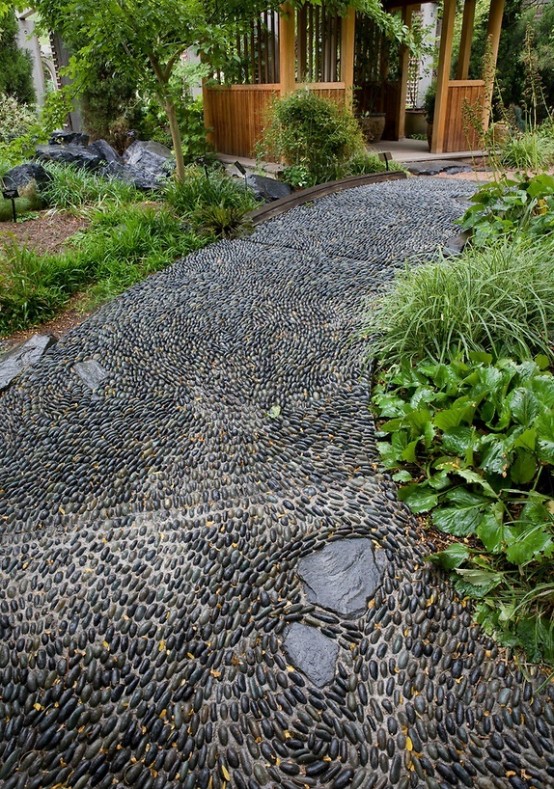
Stone and pebble mixed walks use large stepping stones along with small pebbles and create a texture, contrast, and aesthetic. To ensure stability of the path, large stones are used as primary stepping places, with pebbles used to fill the gaps to offer the user a soft walking surface. This design resembles the natural riverbeds and harmoniously merges with the surrounding plants, moss, and water features. It is practical and attractive, and it directs the visitors in a manner that does not interfere with the naturalness of the garden. These paths provide rhythm and flow through the differing sizes and shapes, and colors of the stones. They can be used to establish focal points, frame ponds, or even connect various parts of a Japanese garden.
Zig-Zag Paths
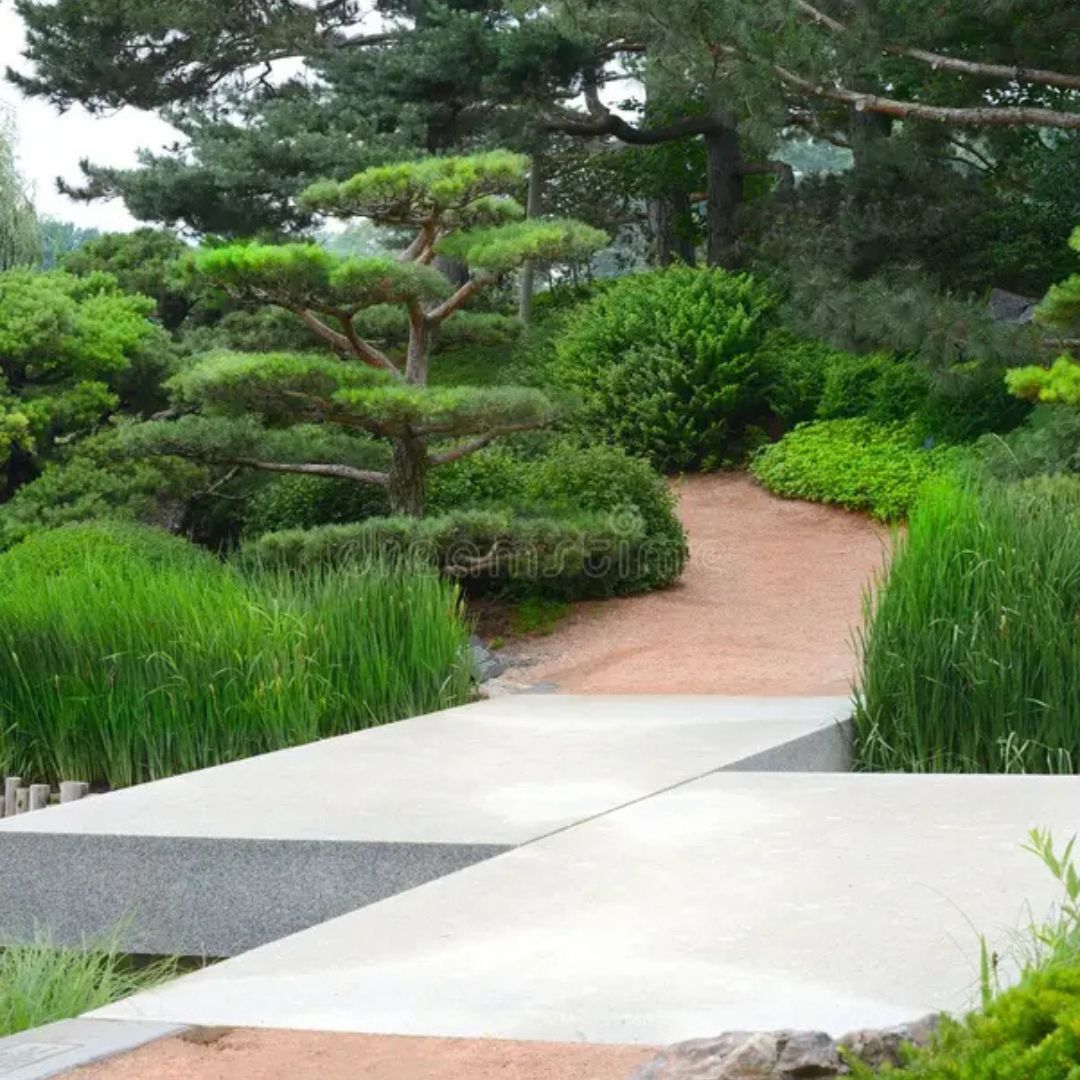
The twisting and turning nature of paths, which are found in tea gardens around water features, decelerates the visitor and causes them to reflect. The alternating angles compel individuals to stop to take steps and make purposeful reflections. These paths frequently cross picturesque details like ponds, lanterns, and bonsai trees that give new perspectives every turn. The garden also creates a sense of depth and mystery through zig-zag patterns, which make the garden look bigger than it is. They are usually constructed using stonegravelrvel or a mixture of both, which blends with the natural environment yet directs the path. This architecture represents the Zen philosophy of mind and consideration of life.
Also Read: Garden Pathway Lights
Bridge Pathways
Credit@yamashitaphoto
Lantern-Lined Paths
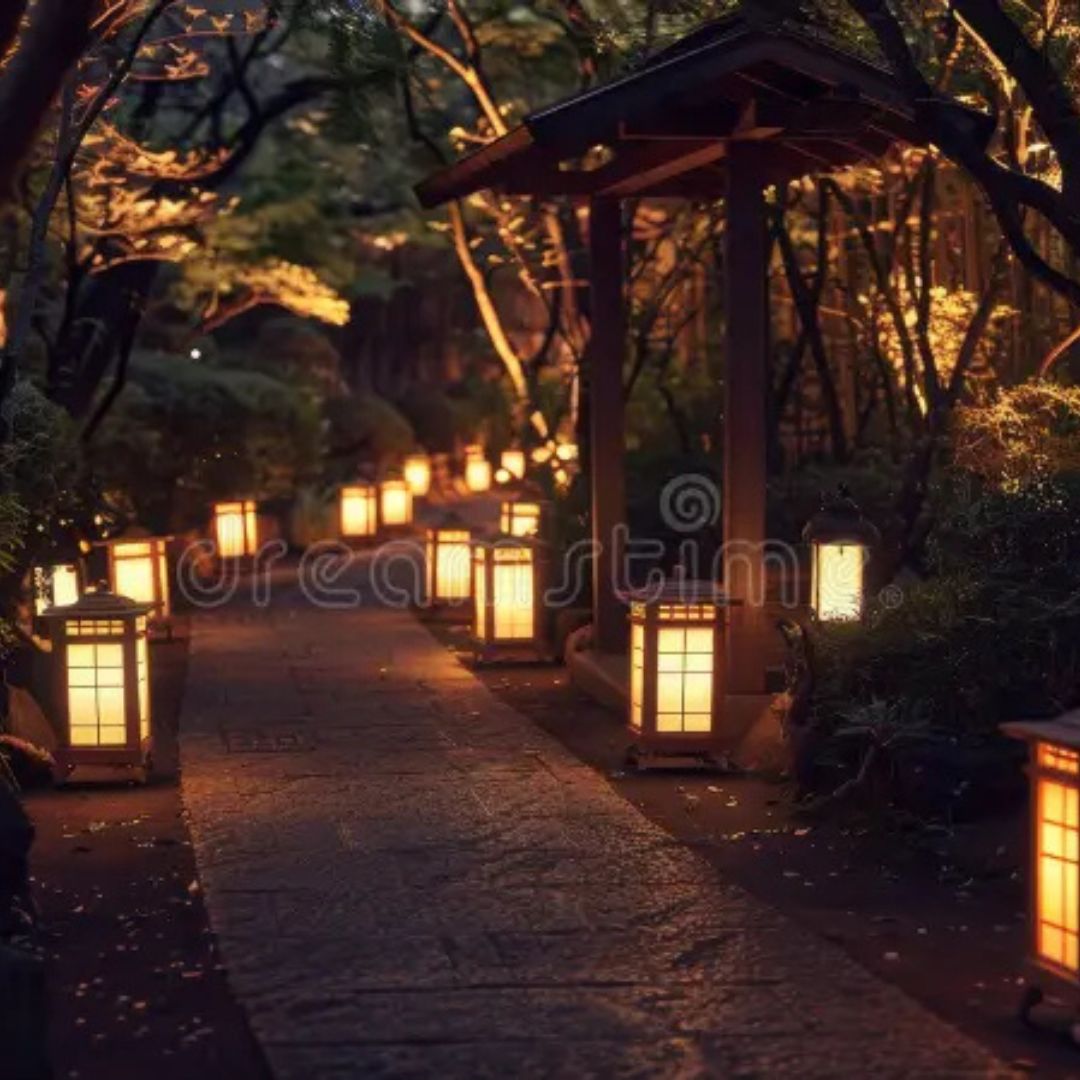
Toros are stone lanterns put along the pathways to provide light, aesthetic value, and meaning. Visitors are shown along lantern-lit walks, which add beauty to the evening. These lanterns were traditionally lit in tea gardens to illuminate thepathth and this gives them a mystical effect. Lanterns may be regularly spaced or grouped as a supplement to stone, gravel, or moss walks. This pattern promotes leisurely walking and reflection, which highlights some important features of a garden. The lit lanterns add more glow to the reflection in water features and the surrounding plants’ texture. Lamplight paths are ideal for forming focal points, rhythm, and incorporating cultural symbolism in the garden paths.
Bamboo Walkways
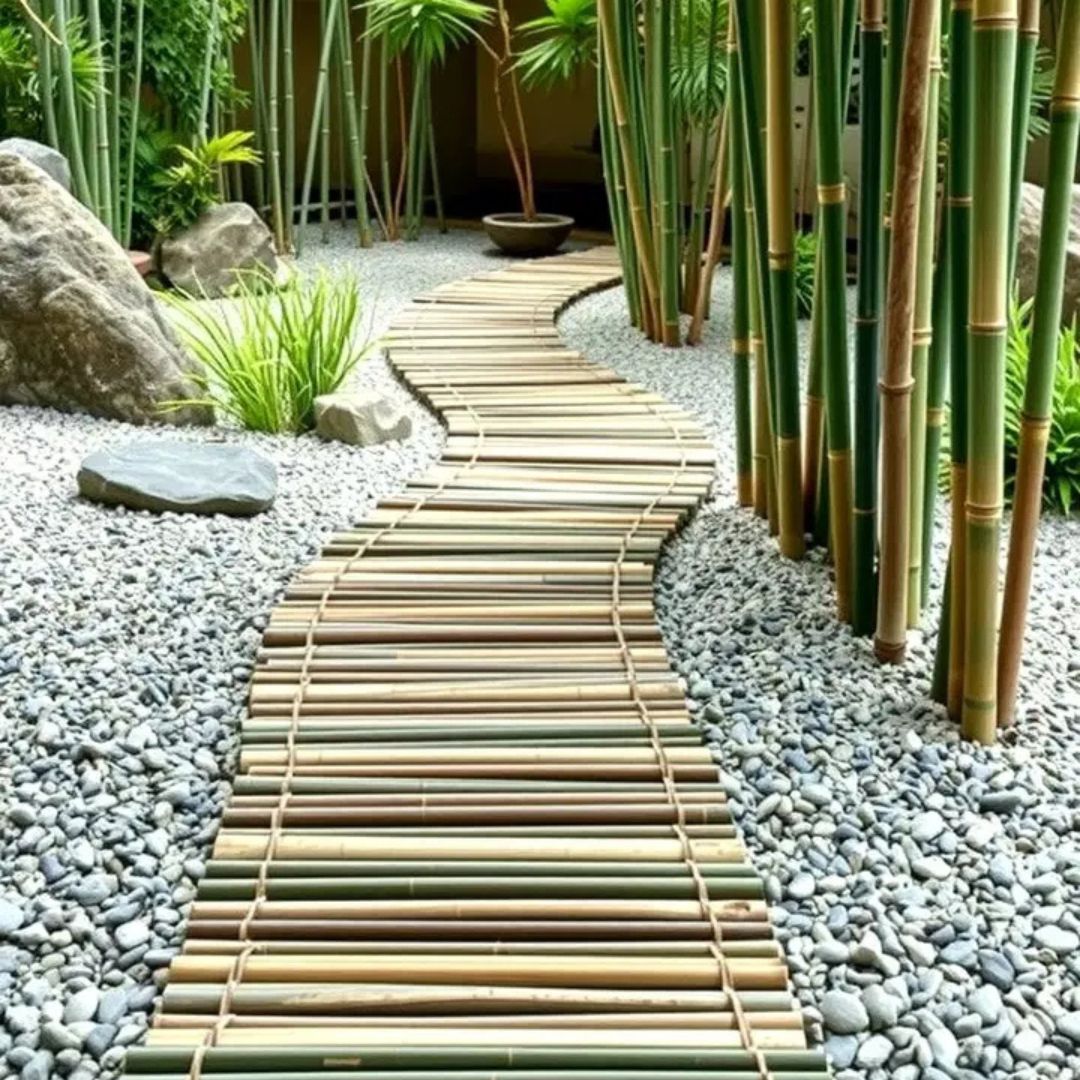
Bamboo walkways are made with bamboo poles, borders, or planks to form natural and lightweight forms of walkways. These walkways are eco-friendly and blend with vegetation, bodies ofwaterer and other conventional components. Bamboo walls may define the edges of stone or gravel walkways, whereas the bamboo may be a walkway covered with bamboo planks. This material ensures that there is added texture, color, and a slight odor to the experience of being in the garden. Bamboo walkways are commonly raised a little to permit drainage, so practicality is factored with the aesthetics. They bring about feelings of simplicity and grace, and they go with tea houses, ponds, or moss areas. Maintenance is done frequently so that it is durable without losing its natural glory.
Also Read: Garden Pathway Stepping Stones
Dry River Paths
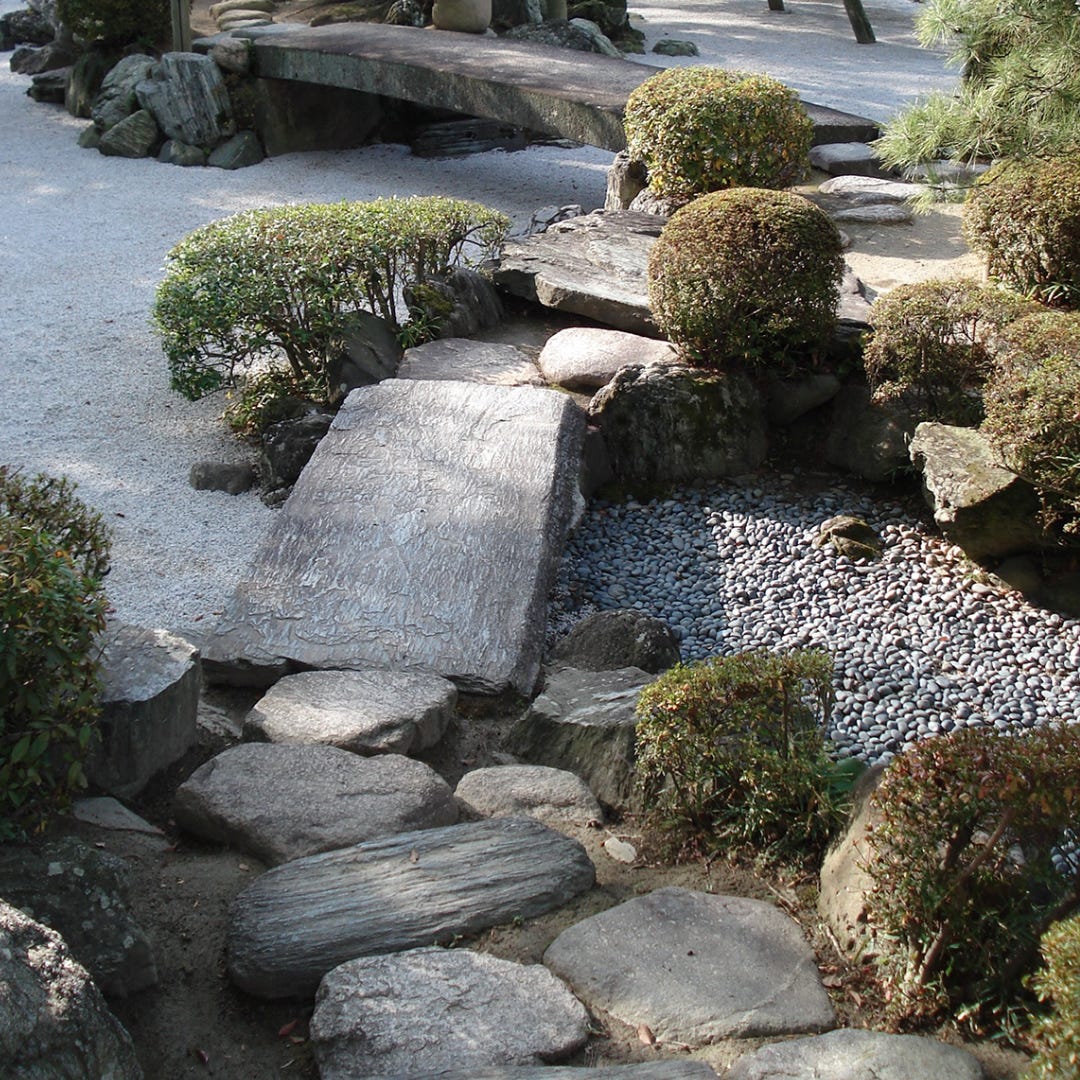
The inspiration behind the dry river pathways is the Karesansui or dry landscape garden, which mimics flowing water with gravel and stones. Such trails are commonly raked in wave patterns with bigger stones symbolizing rocks in a river. Taking these walks motivates people to be mindful, contemplate, and relate with Zennitude. They are aesthetically pleasing and can be combined with moss, bonsai, or lanterns. The design of dry river paths should be careful to preserve the natural flow and balance. They are a representation of the path in life and the balance of elements. These paths are a combination of artistry, symbolism usability and are ideal in small or minimalist gardens.
Tips for Designing Japanese Garden Pathways
- Select Natural Materials: Use stones, gravel, wood, moss, or bamboo material to remain natural.
- Include Curves and Turns: Do not use straight lines; curving lines are gentle, mysterious, and give the impression of a route.
- Vary Textures: Use smooth stones, gravel, and moss to provide a sensory and appearance experience.
- Watch the Distance: Stepping stones must not stimulate fast movement, but slow, mindful movement.
- Highlight Focal Points: Lanterns, bridges, bonsai trees, or water features are also points of interest on the path.
- Fuse with Surroundings: The paths are to look natural, as though they are a part of the garden.
- Be Safe and operable. Ensure that paths are stable, even in wet conditions, and are also beautiful.
- Add Subtle Lighting: Lanterns or light LED lights would add to the nighttime atmosphere and direct visitors.
- Include Water Effects: Walkways along ponds, streams, or waterfalls enhance relaxation and contemplation.
- Regular Maintenance: Go over gravel areas, moss, and treat wooden paths to ensure longevity.
You May Also Like:
| Garden Wooden Pathway | Japanese Garden Pathways |
| Garden Pathway Ideas | Shade Garden Plants |
| Small Fence for Garden | Chicken Wire Garden Fence |
| Garden Solar Bulb Lights | Small Home Garden Ideas |
FAQs About Japanese Garden Pathways
Q: Are there any pathways that contain water features?
A: Absolutely. Trails close to ponds, waterfalls, or streams add serenity and aesthetic value in terms of sight and sound.
Q: Why are the Japanese garden walkways usually curving rather than straight?
A: The curved paths will slow the pace of walking, promote mindfulness, add mystery, and make the garden appear larger.
Q: What benefits does the use of stepping stone paths add to the garden?
A: They promote thoughtful, attentive walking, promote contemplation, and merge effectively with moss, water, and vegetation.
Q: Is it possible to add Japanese paths to small gardens?
A: Yes, even little gardens can have paths made of stone, moss, or gravel to give them depth and a meditative experience.
Q: What is the significance of the dry river paths?
A: Dry river paths (Karesansui) represent flowing water to promote a state of mind and refer to Zen philosophy.